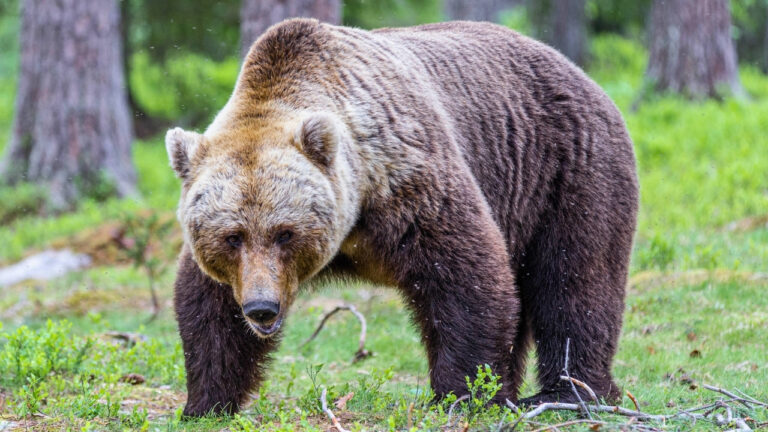
Photo credit: The Len/Shutterstock.com
Some dogs telegraph every feeling with a wag or a whine. Others go from “fine” to “too much” in a hurry, especially if nobody ever taught them how to handle stress. Trainers and behaviorists point out the same pattern over and over: certain breeds tend to be more independent, prickly, or intense, and they can flip to a hard response with very little obvious build-up. That doesn’t make them bad dogs. It means they need owners who pay attention, read their body language, and don’t shrug off small warning signs because “he’s never done that before.”
1. Chow Chow

Chows look like teddy bears, but most of them don’t appreciate strangers grabbing them like one. They’re ancient guardians with a serious streak, and a lot of their signals are subtle if you don’t know the breed. A stiff body or a little side-eye is their version of a loud growl. If those early warnings get ignored, they can jump straight to a snap. That’s why behavior folks flag them as “low tolerance” dogs. With firm rules, early socialization, and clear boundaries, they can be steady companions. Let guests or kids lean all over them without limits, and you’re playing with fire you don’t see yet.
2. Akita

Akitas are quiet, self-possessed dogs that don’t go around begging for attention. On paper that sounds nice. In real life, it means a lot of people miss the moment when “I’m done” turns into “back off now.” They often won’t bark or fuss first; they’ll harden up, stare, and then react if someone keeps pushing. Experienced trainers talk about them as dogs with long memories and little patience for being manhandled or cornered. Solid owners give them space, supervise interactions closely, and don’t force them into busy environments they never asked for. Treat an Akita like a golden retriever and you can get surprised fast.
3. Shiba Inu

Shibas are small, fox-looking dogs with a big sense of self. They’re quick, clever, and not nearly as “eager to please” as people expect from a little companion breed. When they’re stressed or annoyed, the shift can happen in a split second: one second they’re tolerating something, the next they’re snapping, screaming, or trying to bolt. Many behavior pros warn new owners that “Shiba attitudes” are real. If you ignore early resistance—turning the head away, freezing during handling—you teach the dog that the only thing that works is a hard correction. People who respect their limits and train with structure do fine. People who force things get bit.
4. Australian Cattle Dog (Blue / Red Heeler)
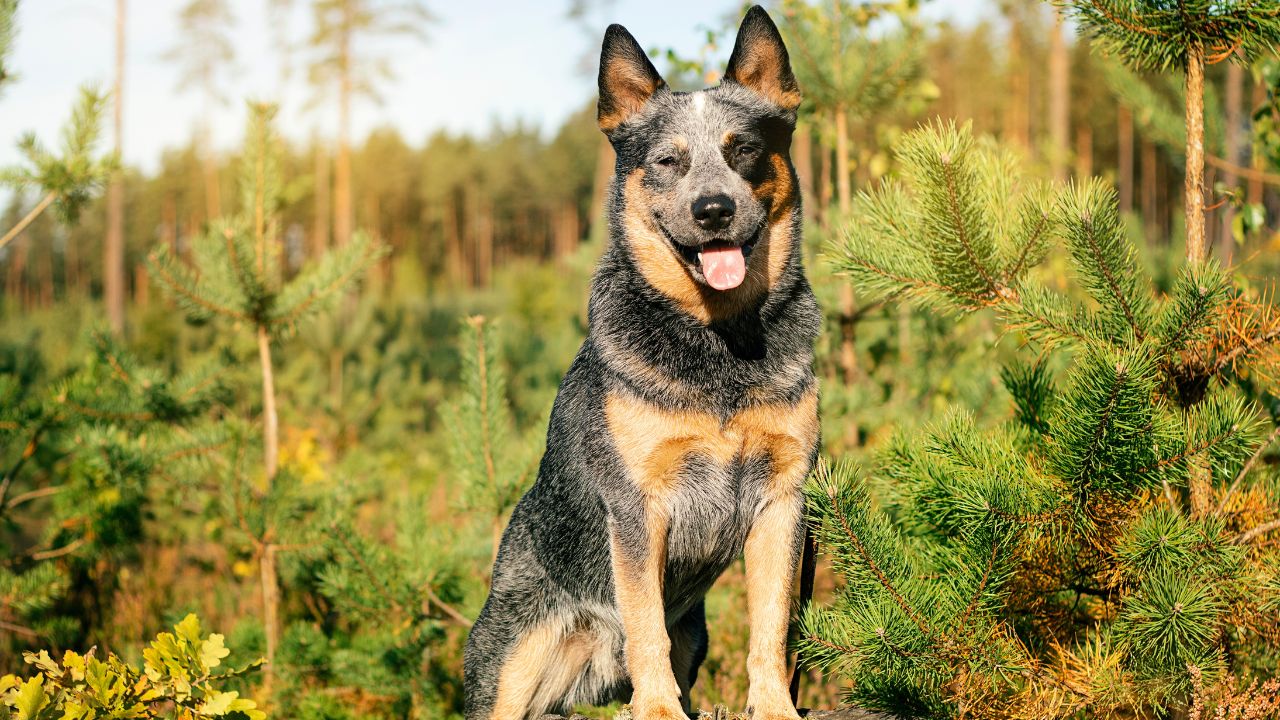
Heelers were bred to control cattle by biting and driving, then bounce right back into the work. That carryover into home life means they’ll often nip, heel, and correct anything that moves too fast or breaks their sense of order. They can switch from calm to “cut that out” with almost no warning if they think kids, other dogs, or strangers are breaking rules. Trainers see a lot of nips that started as herding and ended as full-on agitation. These dogs need a job, boundaries, and constant supervision around motion-heavy situations like running kids. Leave them under-worked and unsupervised, and that quick bite shows up out of nowhere.
5. Jack Russell Terrier
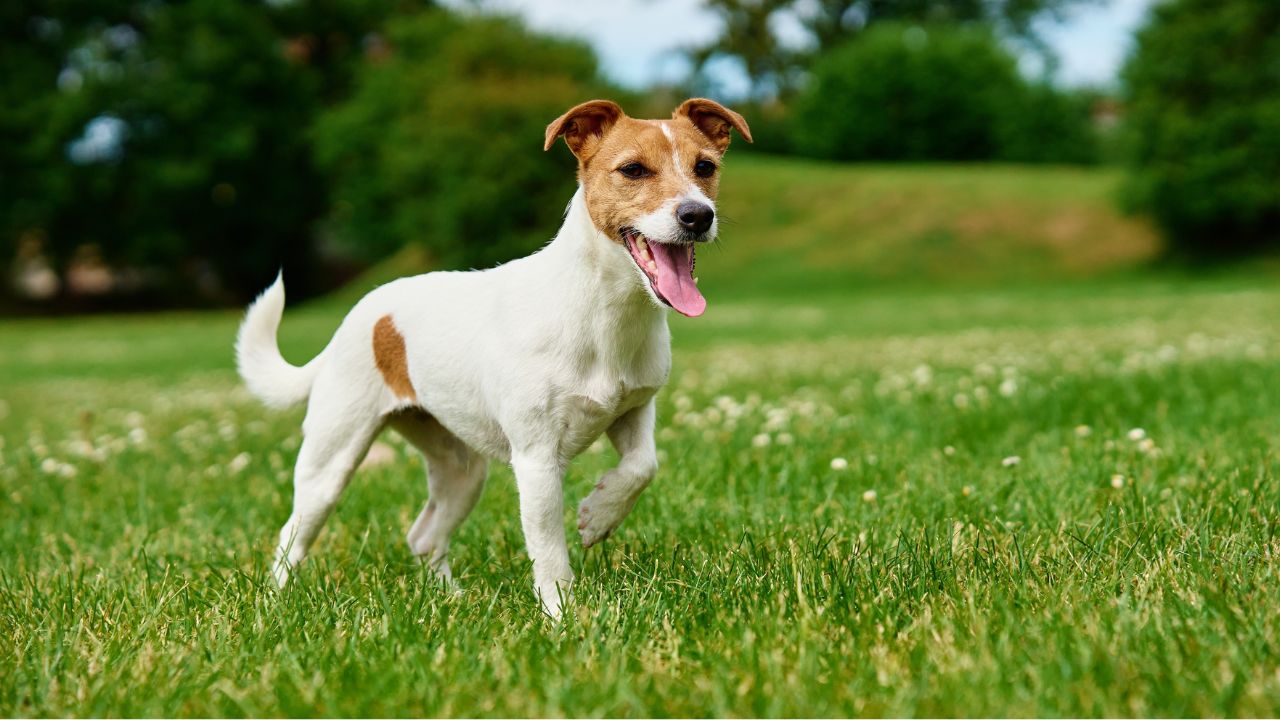
Jack Russells are wired tight. They were built to face down critters in tight spaces and keep pushing through fear. In a house, that translates into a dog that reacts first and questions things later. Many of them go from playful to over-aroused in seconds, especially around squealing kids, fast movement, or other dogs. Their warnings can be short—a hard stare, a stiff tail, a fast freeze—then they’re using their teeth. Behavior folks often say they’re too much dog in too small a package for casual owners. Kept busy and trained with clear rules, they’re solid; left to run their own program, you get sudden snaps and fights.
6. Dachshund

Dachshunds look harmless, so people don’t take their warnings seriously. That’s a mistake. They were bred as badger dogs, and that history shows up as a willingness to use their teeth when cornered or annoyed. Many bites happen on beds, couches, or laps when someone moves them, hugs them, or “steals” a spot. The build-up is often easy to miss: a little growl, a freeze, then a fast lunge. Because they’re small, owners laugh it off and the dog learns that escalation works. Behaviorists list them high for bite incidents not because they’re evil, but because people give them more chances to practice quick, defensive aggression.
7. Chihuahua

Chihuahuas might be tiny, but they have the same brain wiring as any other dog. They get scared, protective, jealous, and defensive. The difference is that people let them get away with a lot. Many Chihuahuas are carried around, overprotected, and never taught how to handle strangers or other dogs. When they feel threatened, they go straight to showing teeth and snapping, and nobody takes it seriously. That pattern teaches them that quick aggression is the only language that works. Trainers joke that if Chihuahuas were 80 pounds, they’d be banned everywhere. The “without much warning” issue is really “without anyone respecting the small warnings they gave.”
8. Shar-Pei

Shar-Pei were bred as all-purpose farm and guard dogs, and a lot of them still carry a sharp edge. They tend to be reserved, independent, and suspicious of strangers, and some lines have pain or skin issues that make them even touchier. Owners and pros both report that when they feel uncomfortable, they don’t always give big, noisy warnings; they simply harden their posture, then snap. Poor socialization makes it worse. These are dogs that need careful introductions, clear leadership, and medical issues managed. Treat them like cuddle toys because of the wrinkles, and you can find yourself on the wrong end of a quick, serious bite.
9. Weimaraner

Weimaraners are high-drive hunting dogs packed into sleek, athletic bodies. They get anxious and frustrated easily if they don’t have enough structure and work. That anxiety can flip into defensive aggression fast in the wrong home. Many owners report that their dog goes from clingy to growly around resources or personal space almost instantly, especially in busy households that never taught boundaries. Behaviorists flag them as dogs that don’t do well with chaotic environments. When they’re bred well, given training, and kept mentally busy, they channel that intensity into work. When they’re not, you get warning growls that turn into sudden lunges before anyone has time to react.
10. Belgian Malinois

Malinois live in the redline. They’re built to work at high arousal, bite on command, and stay in the fight under real pressure. In a pet home, that level of intensity often shows up as “fine, fine, fine, absolutely not” when they’re pushed past their limit. They tend to skip the softer options and go straight to using their mouths, especially if they’ve already been encouraged to play with their teeth. Many trainers say the average person has no business owning one. If you treat them like a hobby dog instead of a serious working animal, their “warning window” shrinks to almost nothing. They need experienced handling from day one.
11. Dogo Argentino

Dogo Argentinos were developed to take on boar and other dangerous game, which means they were selected for courage and the ability to commit. In a household, that can look like a dog that ignores early discomfort until it suddenly decides to push back hard. They often won’t whine or fuss; they’ll tolerate pressure, then explode. That pattern can show up around other dogs, strangers, or handling they don’t understand. Experts who work with them stress that they’re not pet projects for people who like the look. They need serious socialization, consistent leadership, and owners who can read subtle body language long before it turns into a full fight.
12. Cane Corso
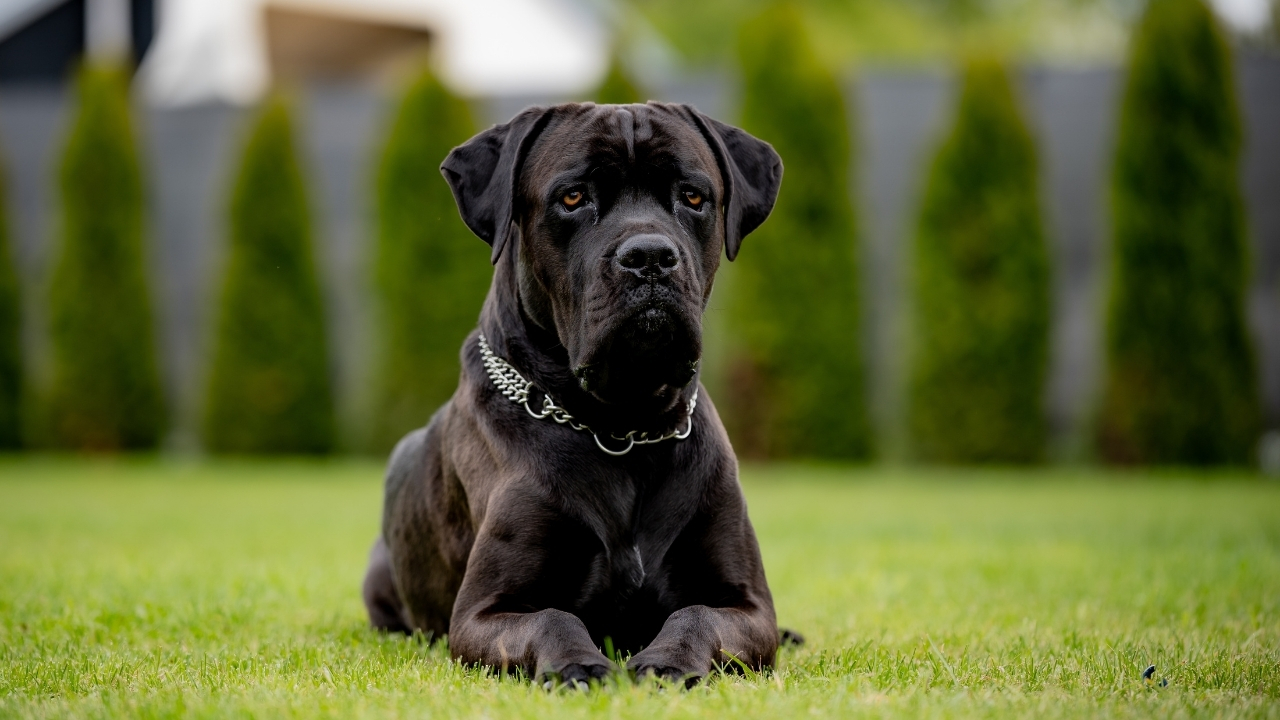
Corsos are big, intelligent guardians with an opinion about everything that comes near their territory. Many of them are calm on the surface, watching silently before they decide what to do. When they feel that a line has been crossed, though, the shift to defensive aggression can be instant. There’s not a lot of barking and retreat. Trainers who see problem Corsos deal with dogs that went from still to full contact when a stranger reached in, a kid grabbed a collar, or another dog challenged them. In the right hands they’re solid protectors. In the wrong hands, that “no-nonsense” attitude turns into very fast, very serious reactions.
13. Presa Canario

Presa Canarios sit firmly in the “catch dog” category. Their job history involves grabbing large animals and holding on. That shows up in how they respond to pressure; they’re more likely to commit fully once they feel challenged. Behavior experts warn that they don’t leave a lot of room for sloppy handling or hit-and-miss training. They might give a low growl, a direct stare, and then act if nothing changes. Owners who ignore early signals or constantly put them in social situations they’re not ready for end up with “out of nowhere” bites that actually had a lot of build-up. It was just too subtle for inexperienced eyes.
14. English Springer Spaniel
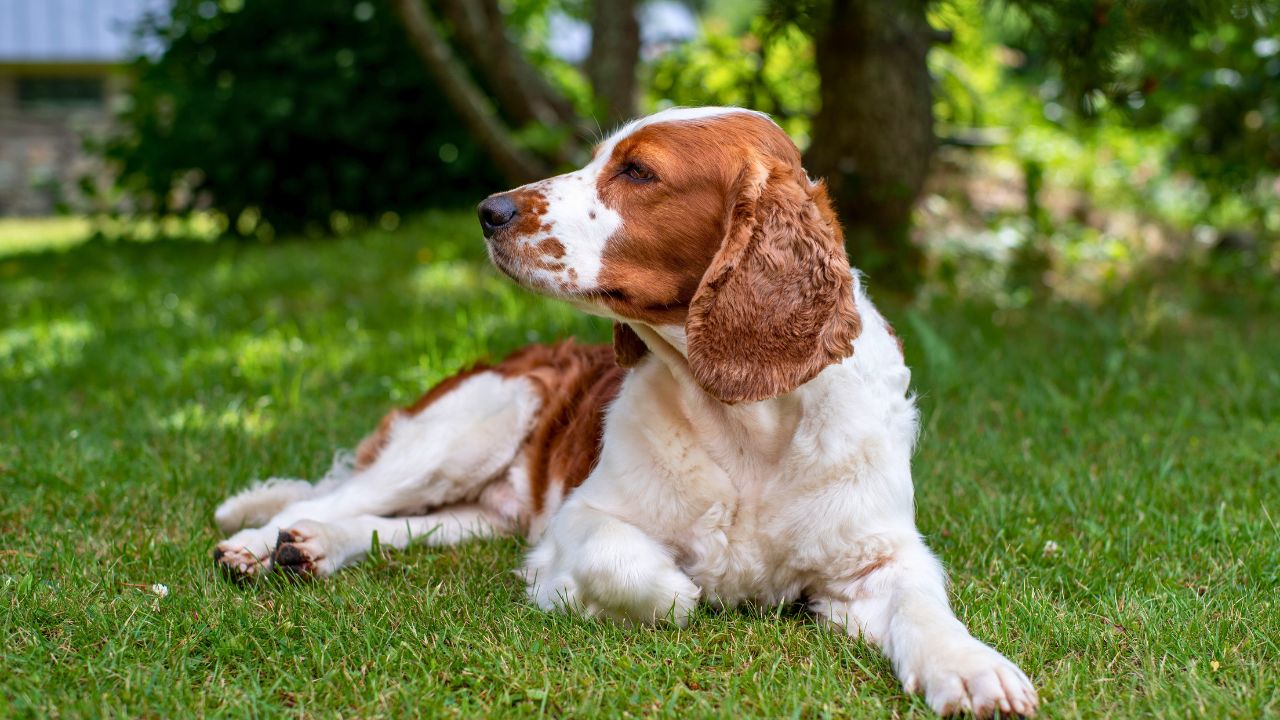
Springers surprise people by showing up in bite data. They’re gun dogs, not guard dogs, yet some lines developed a tendency toward what behavior folks used to call “springer rage”—sudden, intense aggression usually tied to control or handling. To be clear, not every Springer has this issue. But those that do can go from calm to snapping around grooming, collar grabs, or resource guarding with very little obvious warning. Responsible breeders work hard to avoid those traits. In any case, the lesson is that even friendly-looking hunting breeds need training and structure. When owners ignore early snark, they condition dogs to skip straight to a harder response.
15. American Cocker Spaniel
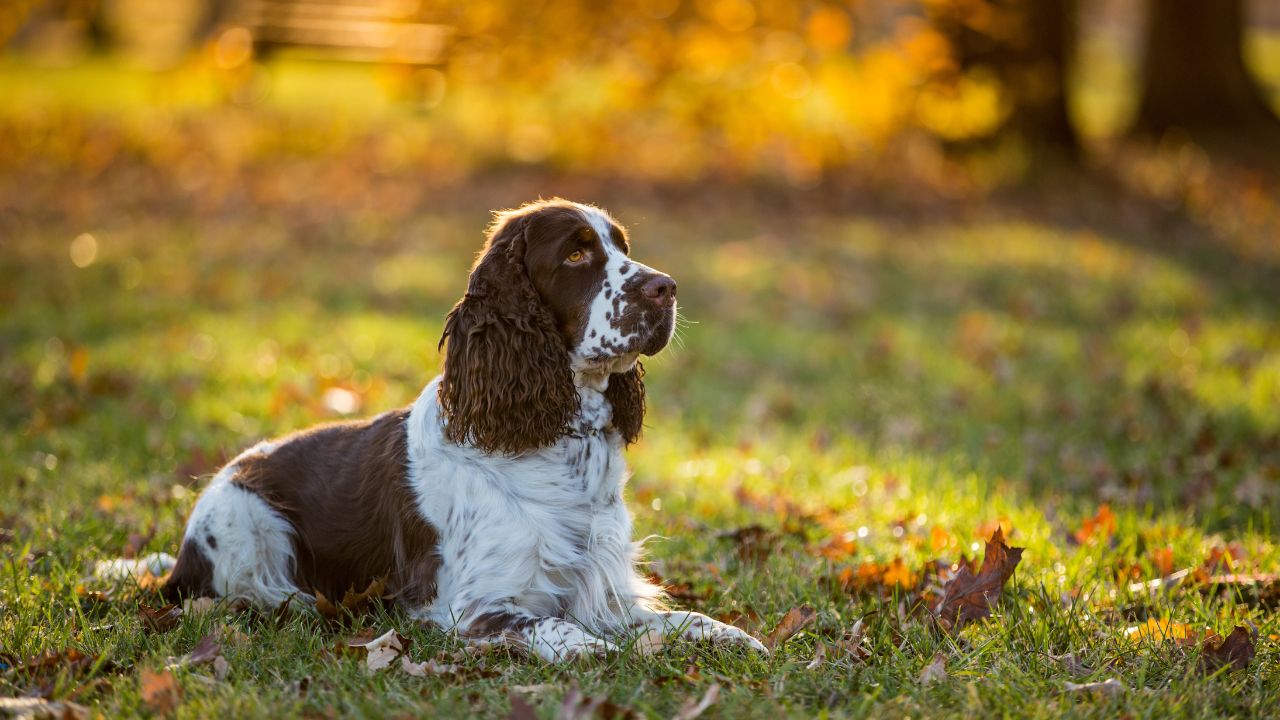
Like Springers, Cockers picked up a reputation over the years for sudden aggression in some bloodlines. They’re small and covered in hair, so people assume they’re harmless lap dogs. Meanwhile, the dog is dealing with ear pain, vision issues from hair in the eyes, or chronic grooming discomfort. That combination can shorten its fuse to almost nothing. Groomers see this side often: a Cocker that looks sweet until the brush hits a tender spot, then comes unglued. Trainers and vets will tell you that many of those bites had warning—stiffness, lip lifts, quiet growls—that everyone brushed off. Stack health care, training, and muzzle work correctly, and those “out of nowhere” moments drop fast.
Like The Avid Outdoorsman’s content? Subscribe to our newsletter so you never miss an article.
Here’s more from us: