Photo credit: The Outpost – Arms and Munitions/Youtube
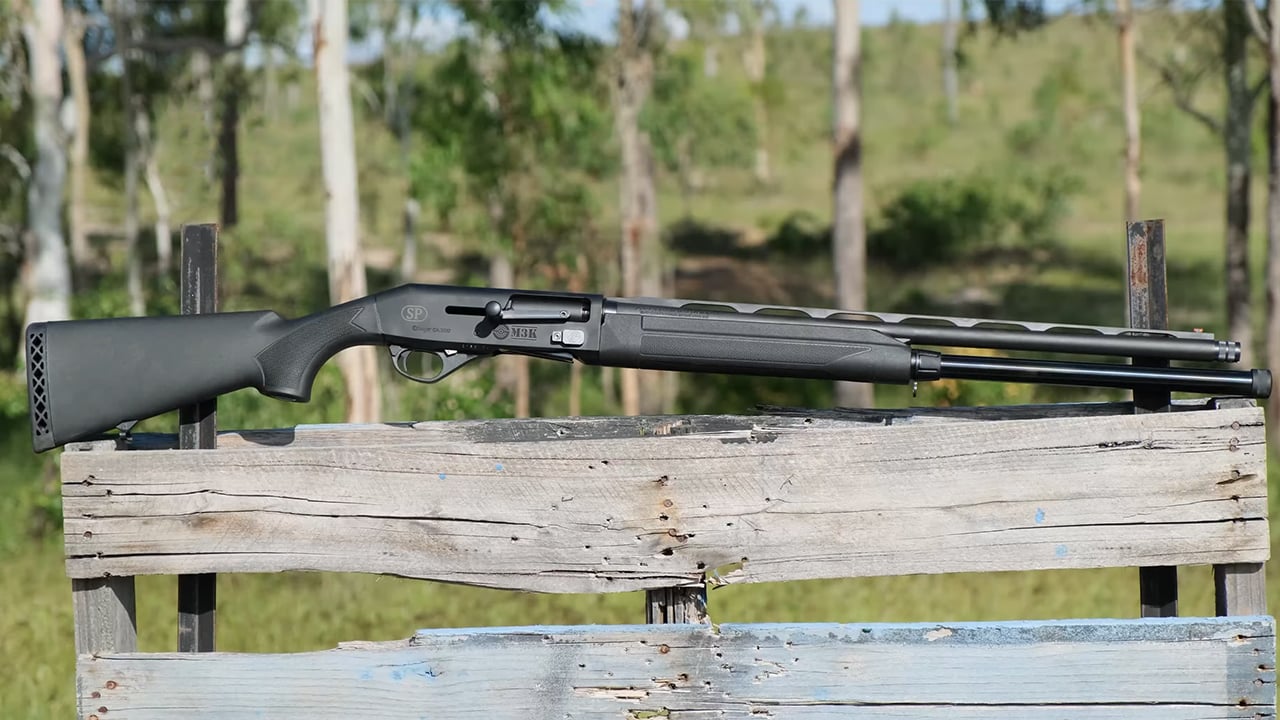
The Stoeger M3000 is one of those shotguns that a lot of shooters first hear about through a simple sentence: “It’s the affordable inertia gun.” That shorthand is not wrong, but it leaves out why the shotgun actually caught on. The M3000 was introduced in 2012, and American Rifleman says it brought Benelli-style inertia operation into a much lower price bracket while still building a strong reliability reputation. Shooting Illustrated’s 2012 launch coverage said it was a 3-inch, 12-gauge semi-auto that could run 2¾-inch and 3-inch shells without adjustment.
What makes the M3000 especially interesting is that it did not stay a basic field gun. Over time, Stoeger pushed the line into 3-gun competition, sporting clays, tactical use, turkey hunting, and commemorative trim levels. That tells you the platform was good enough that Stoeger could keep stretching it into new roles instead of replacing it.
1. The M3000 launched in 2012

The M3000 officially dates to 2012. Shooting Illustrated’s launch coverage is dated April 16, 2012, and American Rifleman’s 2021 feature also says the Turkish-made Stoeger M3000 was introduced in 2012.
That matters because the M3000 has been around long enough to prove itself. It is not some recent bargain gun trying to make a splash. It is a shotgun that has had years to build a real reputation in the hands of hunters, competitors, and regular owners. That conclusion is an inference grounded in its long production run and later model expansion.
2. It was built around an inertia-driven operating system

This is the most important fact behind the M3000’s identity. Shooting Illustrated’s 2012 introduction says the M3000 uses the proven Inertia Driven operating system, and American Rifleman’s 2021 piece says it uses a variation of Benelli’s Inertia Driven system.
That matters because the M3000’s whole value story depends on that action type. Stoeger was basically offering shooters an inertia-operated semi-auto experience at a price point that was much easier to swallow than a Benelli. That second sentence is an inference grounded in the repeated price-versus-system framing.
3. The action is very simple internally
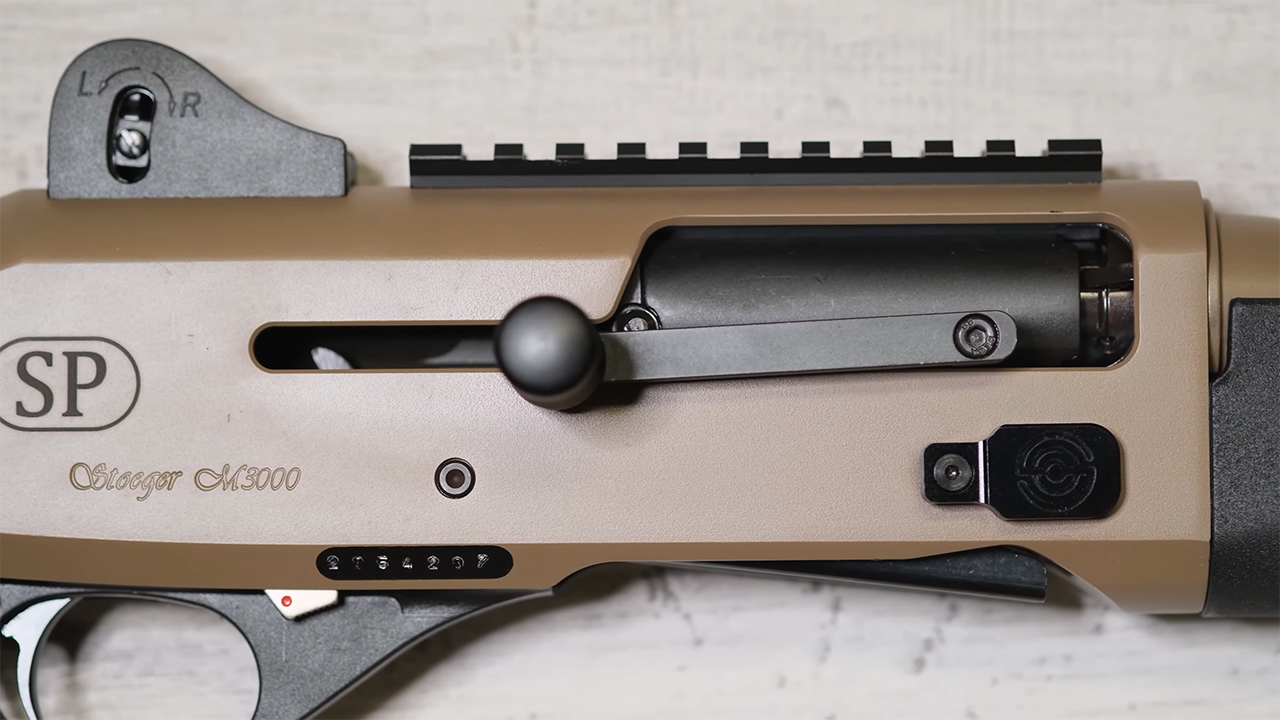
Shooting Illustrated’s 2012 launch article says the M3000’s inertia system uses only three moving parts in the bolt.
That is a big reason the shotgun earned such a practical reputation. Fewer moving parts and an action mostly contained in the receiver help support the M3000’s image as a clean-running, straightforward semi-auto rather than a finicky one. That second point is an inference based on the mechanical description in the launch coverage.
4. It can run 2¾-inch and 3-inch shells without adjustment

From the start, Stoeger pushed the M3000 as a flexible 12-gauge. Shooting Illustrated said the shotgun handles loads from 2¾-inch up to 3-inch Magnum without adjustment, and American Rifleman repeated that same point in 2021.
That matters because it made the M3000 feel much less specialized than some semi-autos. A shooter could use it for common field loads or heavier magnums without treating the gun like a fussy system that constantly needed tweaking. That practical-use point is an inference grounded in the cited shell-compatibility description.
5. Stoeger lives under the Beretta/Benelli umbrella

American Rifleman’s 2021 article says Stoeger became part of the Benelli USA operation after Beretta Holding purchased it in 2000.
That matters because it helps explain why the M3000’s action concept and overall approach feel familiar to people who know Benelli shotguns. The M3000 is not pretending to come from nowhere. It is clearly benefiting from a corporate family that already knows a lot about inertia-driven semi-autos. That second sentence is an inference grounded in the ownership history and operating-system overlap.
6. The M3000 became popular because it felt close to pricier guns for a lot less money
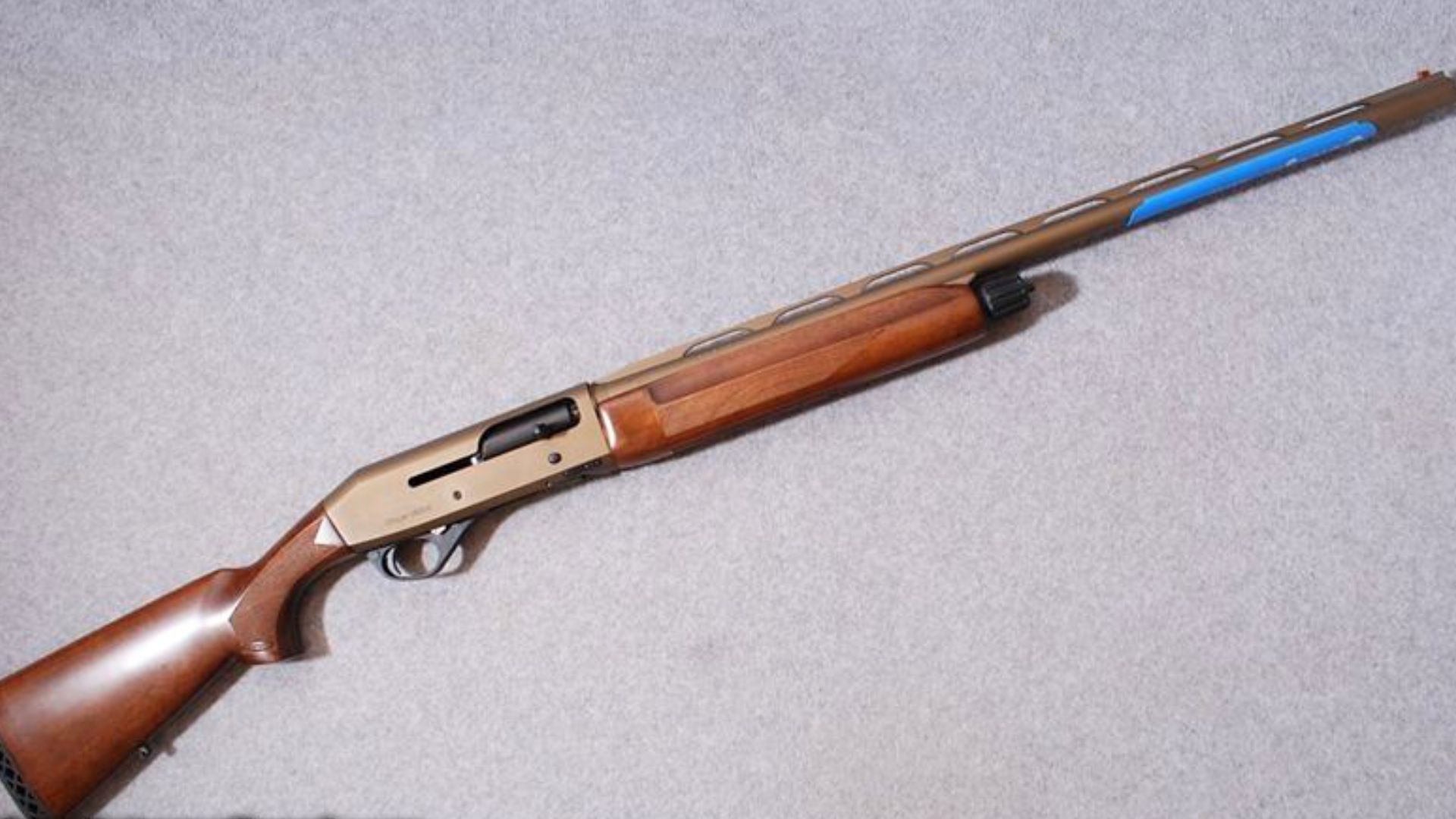
American Rifleman’s 2021 piece says owners often feel the M3000’s performance is nearly identical to much pricier shotguns from Benelli or Beretta, even if it does not include all the refinements. It also noted that the line’s MSRPs started at only $559 at the time.
That is a huge part of the shotgun’s appeal. The M3000 did not become popular because people expected less from it. It became popular because a lot of shooters felt they were getting much more than the price suggested. That conclusion is an inference based on the way American Rifleman framed owner perceptions.
7. The line is 12-gauge only
American Rifleman’s 2021 article says the entire M3000 line is exclusively 12 gauge.
That matters because Stoeger was very clearly treating the M3000 as its all-around 12-gauge workhorse rather than trying to turn it into every possible shotgun at once. If buyers wanted the same idea in 20 gauge, Stoeger pushed them toward the M3020 instead. That second point is an inference grounded in the family split shown across Stoeger coverage.
8. Stoeger expanded the line into multiple distinct families

American Rifleman’s 2021 overview says the M3000 family included basic M3000 models, Compact, Sporting, Defense, and Freedom Series Defense branches. Later coverage added Signature Series, Tactical, and Turkey Edition variations as well.
That tells you the M3000 was never just one field gun with a few barrel changes. Stoeger turned it into a real platform that could cover clay games, defensive roles, turkey hunting, and more. That conclusion is an inference based on the breadth of current and recent trims.
9. The M3000 built a strong following in 3-gun competition
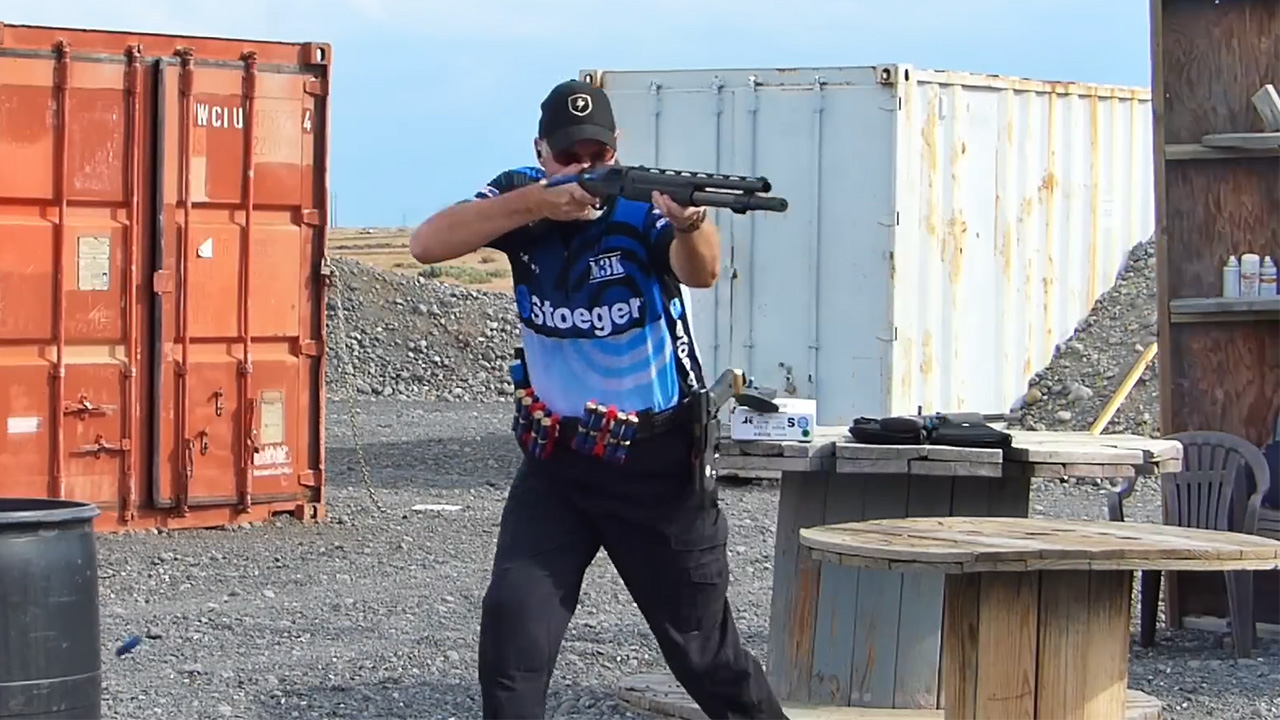
Shooting Illustrated’s 2014 article on the M3000 for 3-gun said the shotgun showed great potential, running smoothly through a 1,500-round test with only a handful of failures on especially light 1-ounce loads. American Rifleman’s 2023 M3K review said the match-ready M3000 3-Gun edition grew out of Patrick Kelley’s successful work modifying the original M3000.
That matters because 3-gun shooters tend to find weaknesses fast. The fact that the M3000 built competition credibility at its price point says a lot about the strength of the base shotgun. That final point is an inference grounded in the competition-focused coverage and later M3K development.
10. The M3K came directly from shooters modifying the M3000
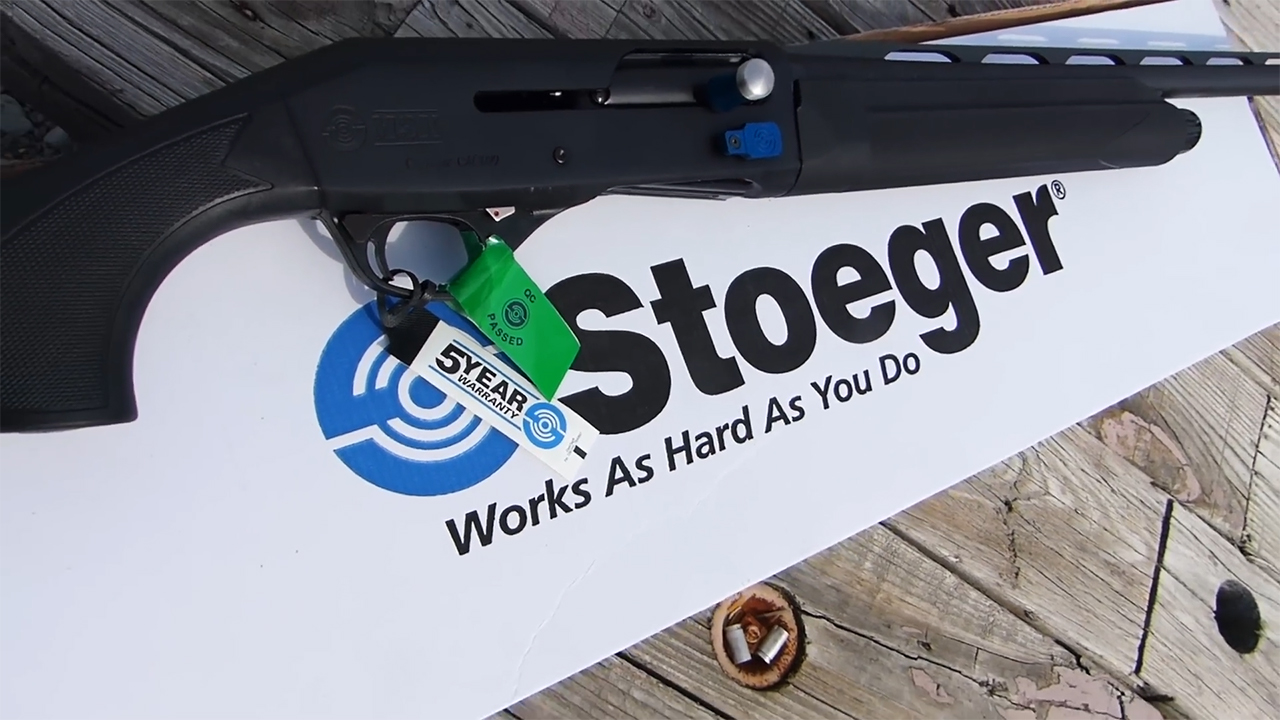
American Rifleman’s 2023 review says the M3000 3-Gun edition started when competitor Patrick Kelley bought a standard M3000, tested it heavily, and began modifying it. Stoeger eventually worked with him, producing the match-ready M3K.
That is one of the coolest facts in the whole line’s history. The M3K was not just a marketing department idea. It came out of someone proving that the basic M3000 had enough “good bones” to be worth serious competition tuning. That second sentence echoes Shooting Illustrated’s 2014 language and is grounded in the two articles together.
11. Stoeger kept pushing the M3000 upward with newer premium-looking trims
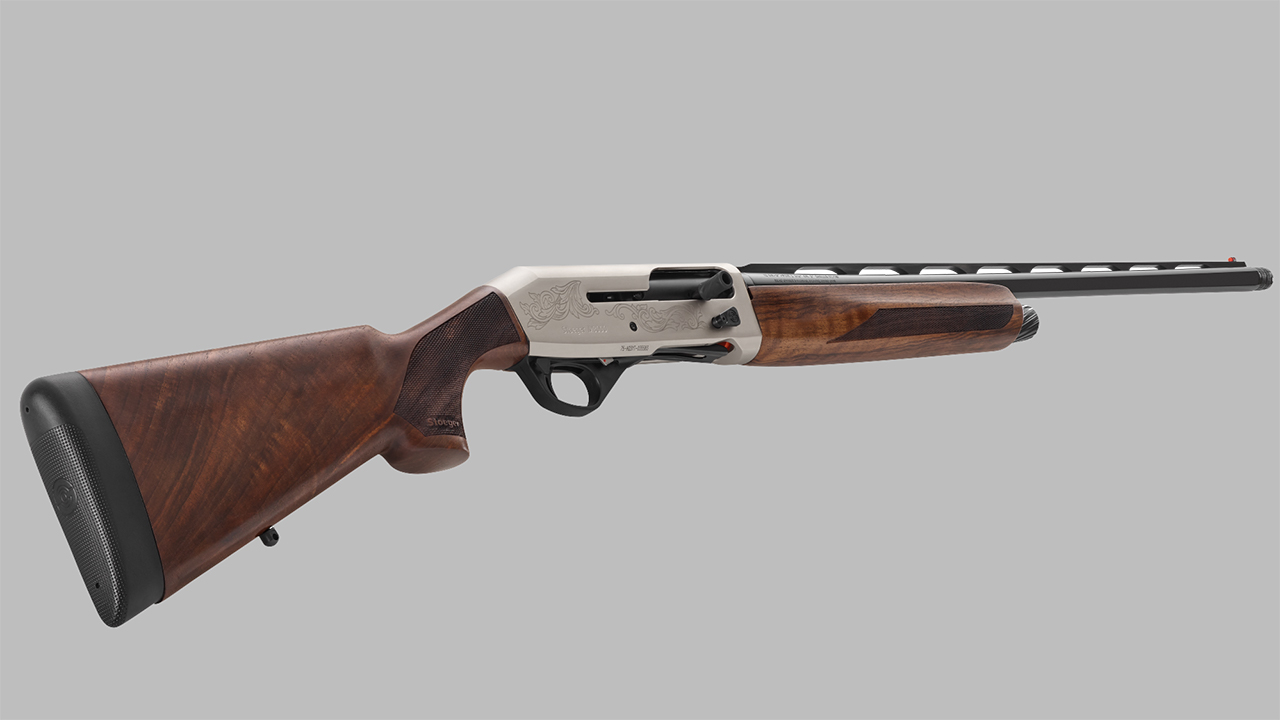
In 2024, American Rifleman covered the M3000 Signature Series, describing it as an inertia-driven shotgun with tasteful styling, a 30-inch barrel, walnut furniture, and a $749 MSRP. The same outlet’s 2024 roundup noted that this centenary-themed variant still kept the reliable inertia system at its core.
That matters because it shows Stoeger did not leave the M3000 stuck as a bare-budget gun. The company kept finding ways to make the line look and feel more refined while preserving the same core action and value pitch. That conclusion is an inference grounded in the Signature Series treatment.
12. The M3000 Tactical is a much more modern defensive gun than older Stoeger buyers might expect
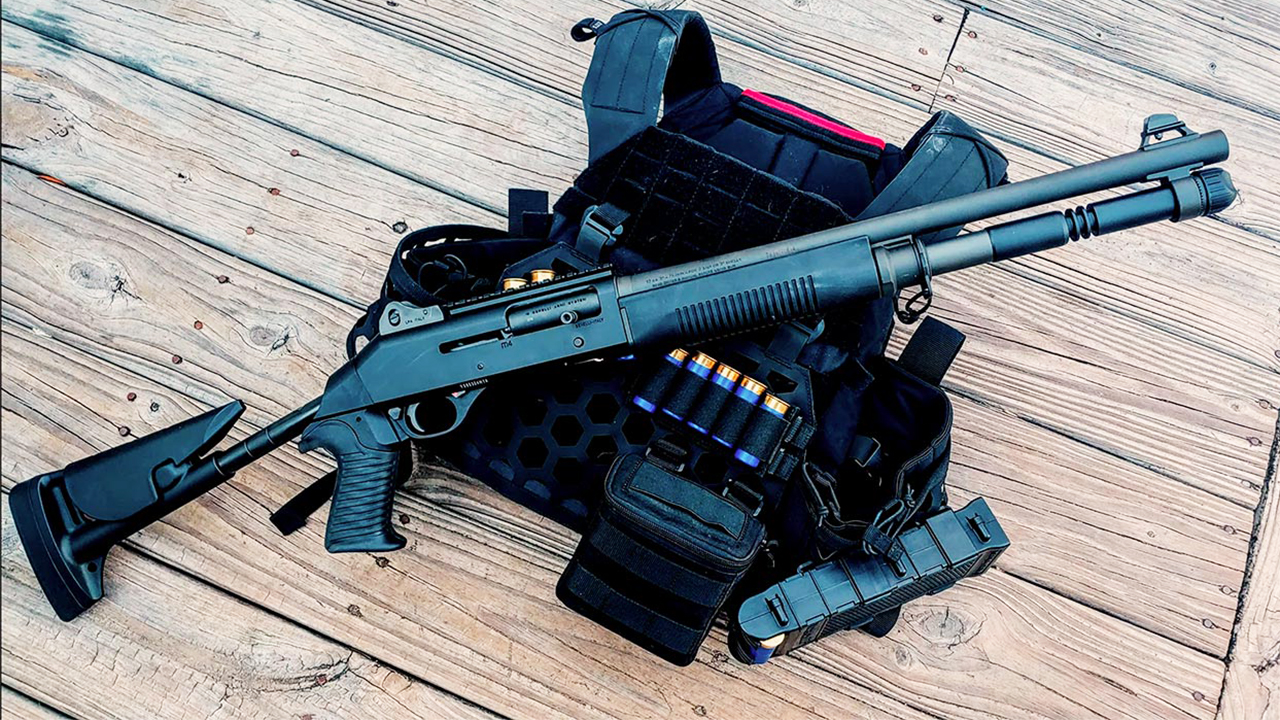
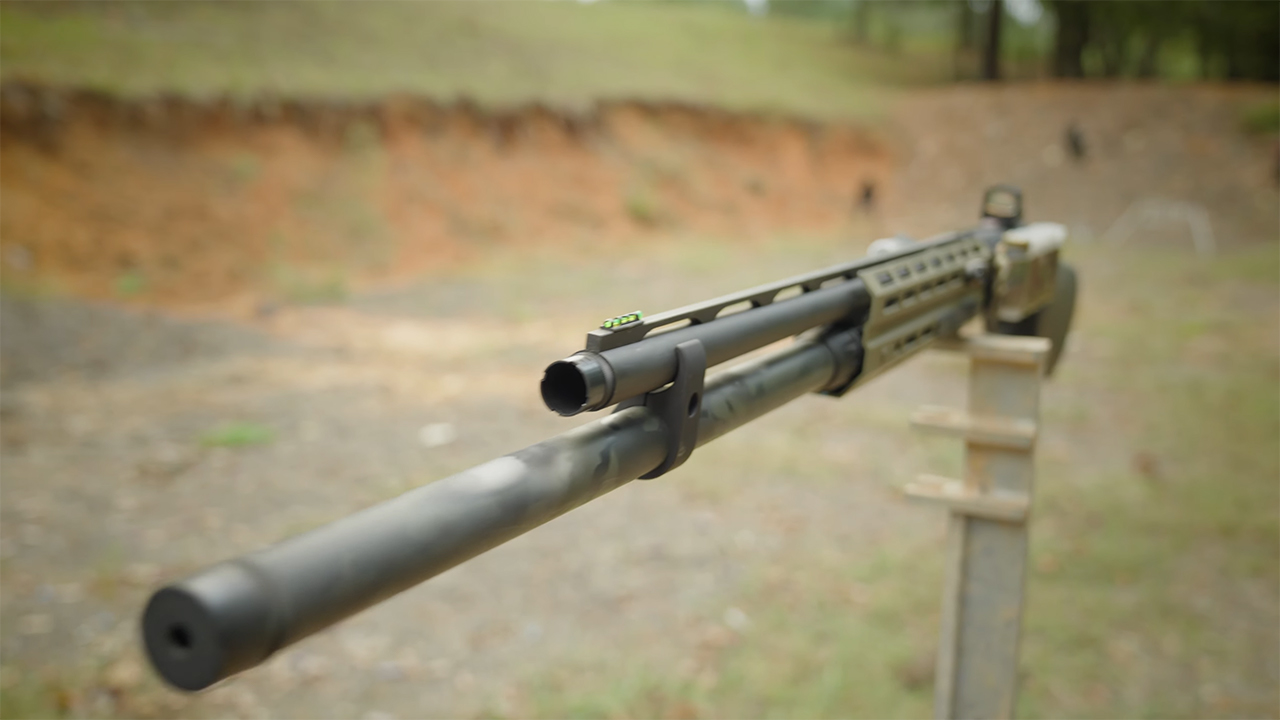
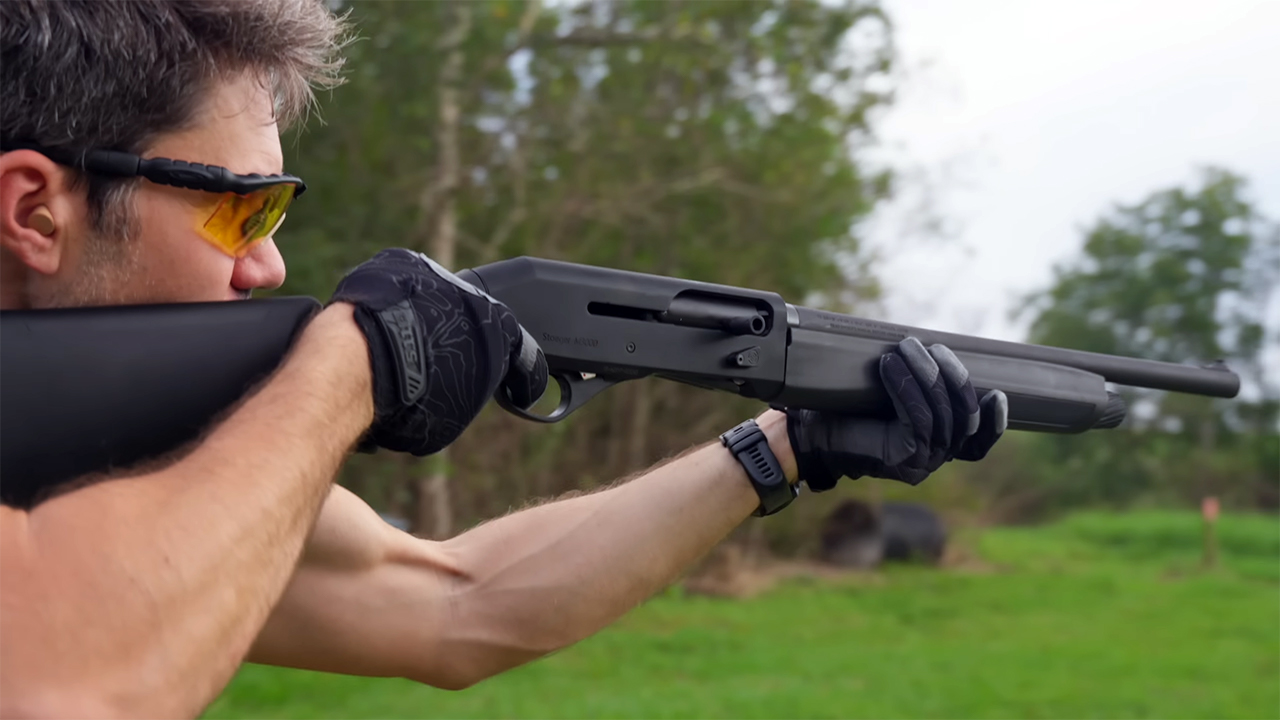
Shooting Illustrated’s 2025 first look at the M3000 Tactical says it includes an 18.5-inch barrel, ghost-ring sights, a Picatinny base, a factory-milled optics cut for red dots, M-Lok slots, oversize controls, and a shorter, more vertical stock.
That is a big shift from the image many shooters still have of Stoeger as mostly a field-shotgun brand. The tactical version shows how far the M3000 platform has moved into serious defensive-use territory. That conclusion is an inference grounded in the tactical feature list.
13. The M3000 Sporting proves Stoeger kept the clay-and-field side alive too
American Rifleman’s 2026 preview of the M3000 Sporting says the model includes oversize controls, enlarged loading and ejection ports, a 30-inch ported barrel, and satin walnut furniture with a more classic appearance.
That matters because Stoeger did not let the tactical and competition trims take over the whole line. The company still sees the M3000 as a sporting shotgun too, which reinforces the platform’s role as a do-a-lot semi-auto rather than a one-lane gun. That interpretation is an inference based on the sporting-variant launch.
14. The Turkey Edition shows how specific Stoeger has gotten with the platform

American Rifleman’s 2025 “New For” coverage says the M3000 Turkey Edition is built on the proven inertia-driven design, uses a 22-inch barrel, comes with an extra-full extended choke, and is optics-ready using the same plate system as Stoeger’s STR-9 handguns.
That is pretty revealing because it shows Stoeger trusts the M3000 enough to tailor it for very specific hunting roles now. When a company starts using one action family as the base for field, tactical, sporting, and turkey models, that usually means the core gun has really proven itself. That second sentence is an inference grounded in the lineup breadth.
15. The M3000 succeeded because it gave ordinary buyers access to the inertia-shotgun idea without premium-brand pricing
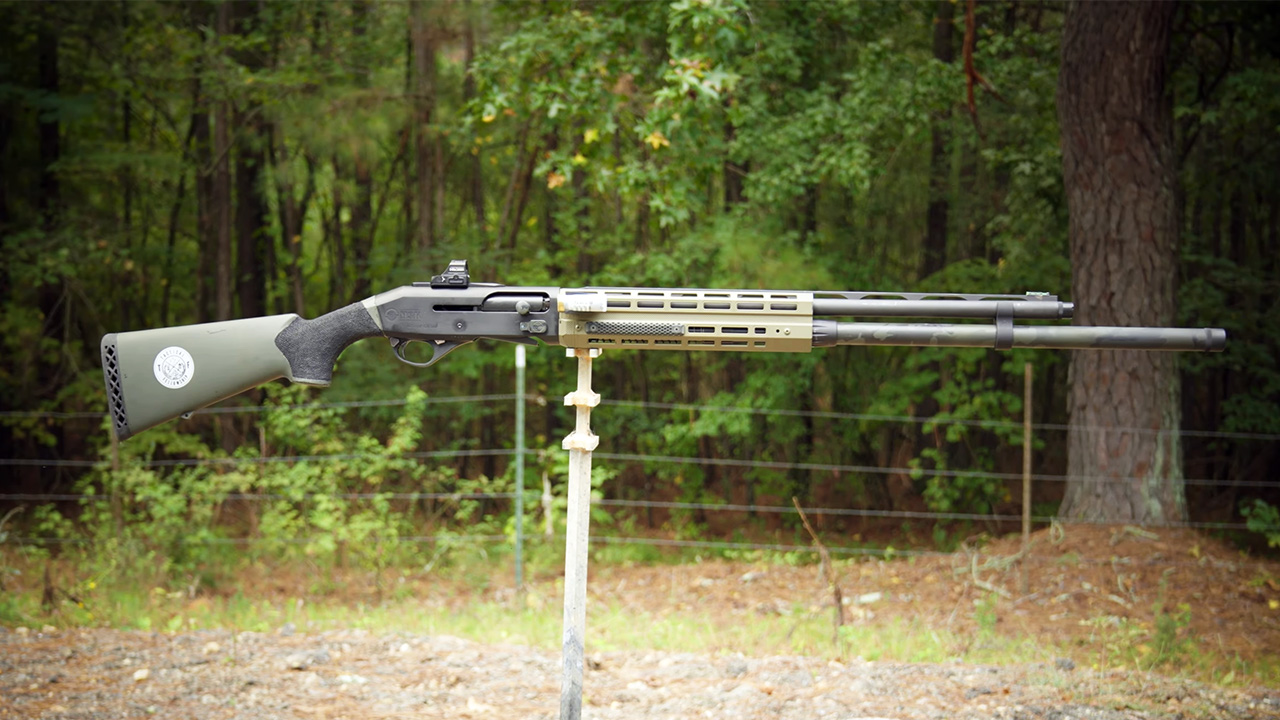
Looking across the launch coverage, later reviews, and newer variants, the pattern is clear: the M3000 launched in 2012 with a Benelli-style inertia action, earned a reputation for solid reliability at a low price, then expanded into competition, sporting, tactical, and specialized hunting models.
That is why the Stoeger M3000 still matters. It is not just “the cheap inertia gun.” It is the shotgun that made a whole lot of shooters realize they could actually afford to get into that style of semi-auto.
Like The Avid Outdoorsman’s content? Be sure to follow us.
Here’s more from us: