Photo credit: G.T.77/Shutterstock.com
Military bolt-actions were never meant to win medals at a shooting range, but some of them aged into precision tools that outshoot most modern hunting rifles. These rifles were built tough, made to handle mud, rain, and punishment. Yet beneath the steel and history, they hide actions and barrels that still group like match rifles. When you shoot one that’s been cared for, it’s easy to see why competitive shooters still bring them to the line. These rifles prove that craftsmanship, not computers, was what made guns shoot straight back then—and when you pair them with modern ammo or careful reloads, they still deliver tight groups that surprise anyone used to synthetic stocks and aluminum rails.
Swedish Mauser M96
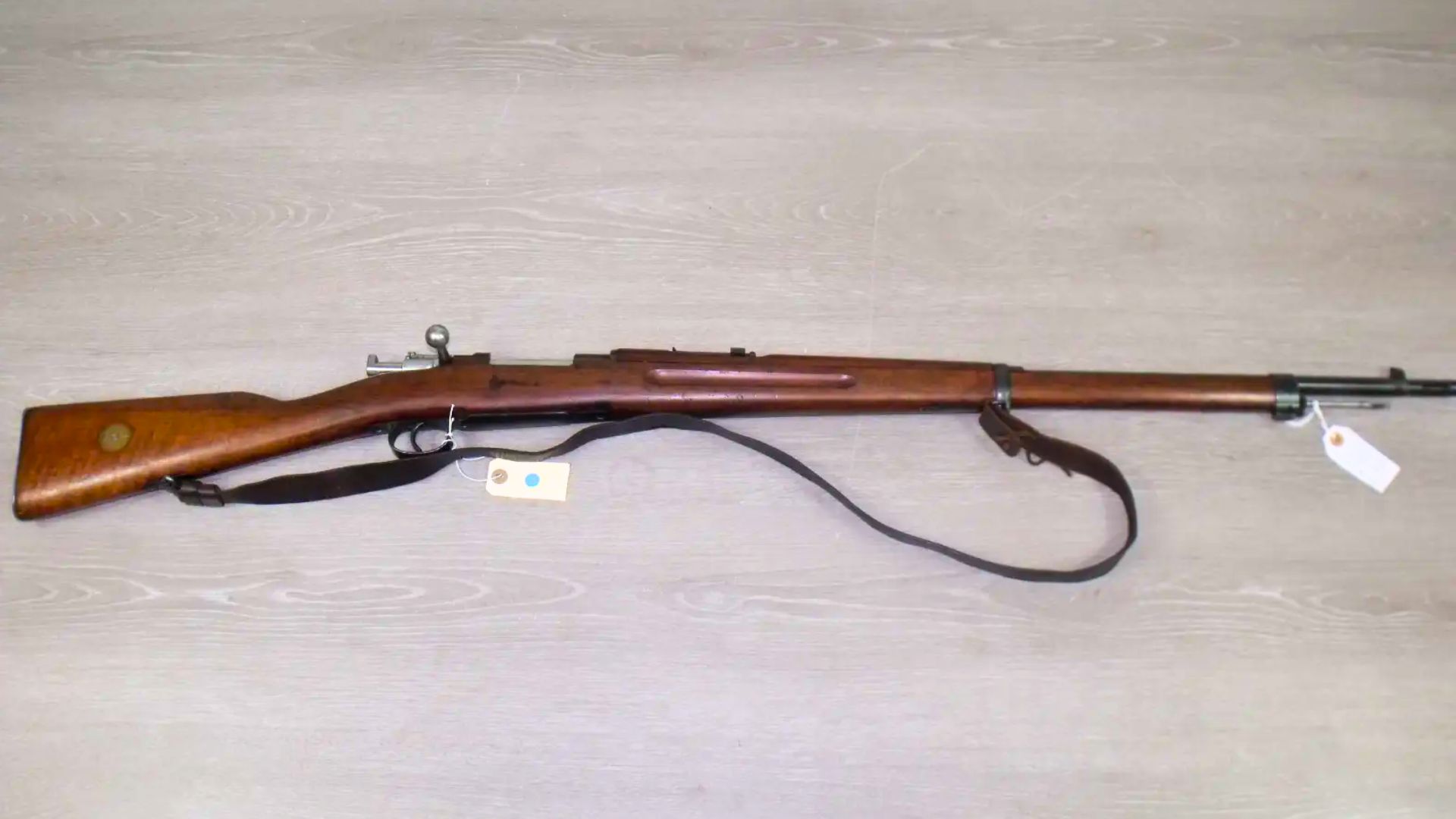
Built in the late 1800s, the Swedish Mauser M96 remains one of the most accurate military bolt guns ever fielded. Chambered in 6.5×55mm, its long, smooth action and fine barrels were cut with care that modern factories rarely match. The M96 was famous for its crisp trigger and near benchrest-level consistency, even after decades of service.
Collectors and shooters still use these rifles in Scandinavian competitions today. With good handloads, a clean bore, and iron sights, it’s not unusual to see them hold sub-MOA accuracy. The action’s precision machining and mild recoil of the 6.5 cartridge make it an enduring favorite among marksmen who appreciate history that still performs.
Lee-Enfield No. 4 Mk I

The Lee-Enfield No. 4 Mk I isn’t the prettiest rifle, but its speed and accuracy made it a star in two world wars—and it’s still a competitor in vintage matches. Its rear-locking bolt cycles faster than almost any other bolt gun, and when properly bedded, it’s capable of shocking precision.
Many shooters underestimate the .303 British round, but with modern bullets and careful loading, it performs far better than its reputation suggests. The long sight radius, smooth bolt, and consistent bedding design give the Enfield a surprisingly steady feel. In the right hands, this old warhorse can hang with far younger rifles on the firing line.
Springfield M1903A3
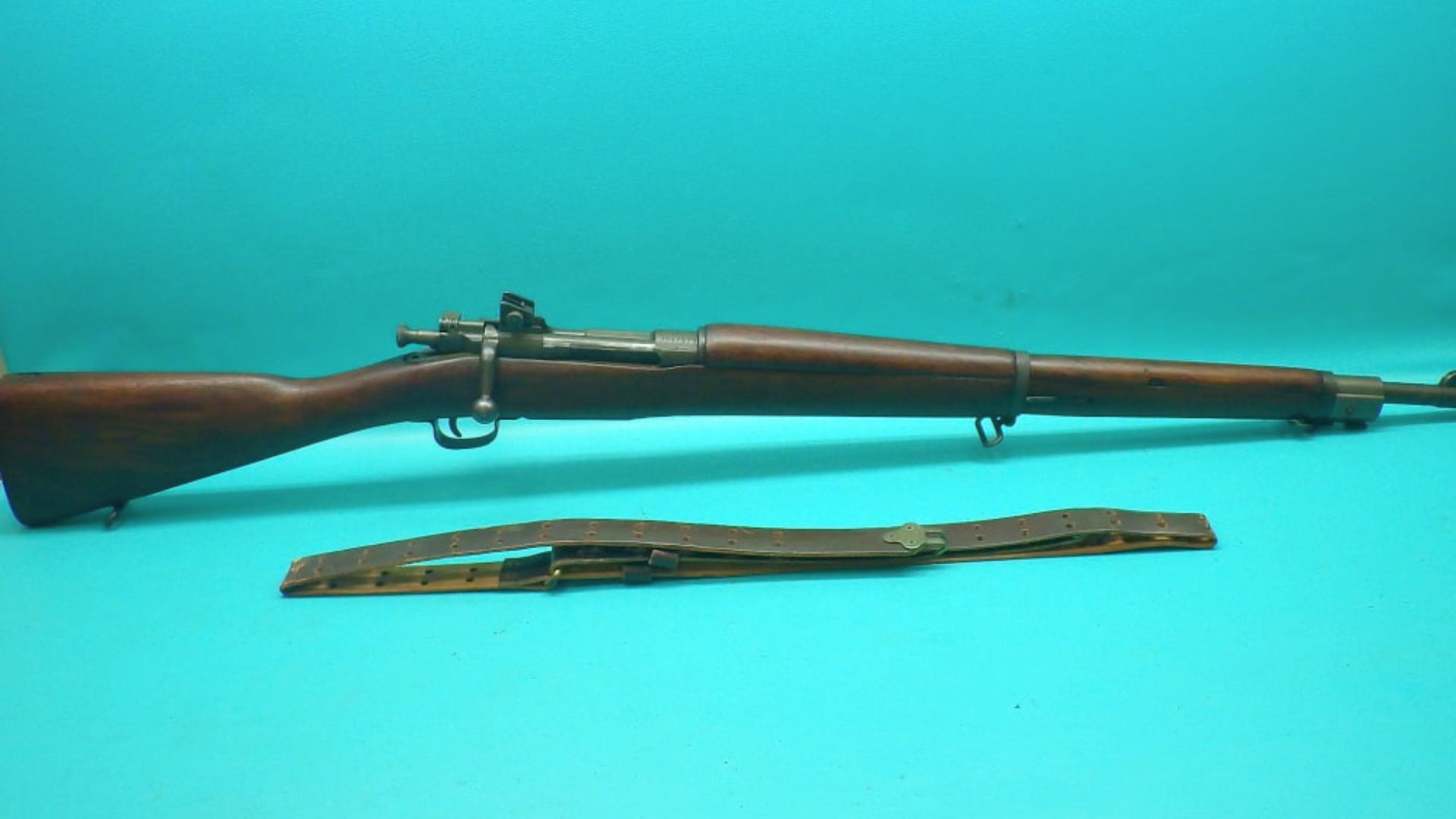
The M1903A3 Springfield combines rugged reliability with a precision pedigree. Its controlled-feed Mauser-style action and crisp two-stage trigger make it a favorite in CMP and vintage rifle matches across the U.S. When tuned and fed handloads, it can easily print sub-MOA groups.
Even after decades in service, many 1903A3s still lock up tight and run like a well-fitted modern rifle. The .30-06 cartridge has no trouble staying consistent at long ranges, and the rifle’s solid receiver and excellent barrels give it the backbone to shoot well past its intended battlefield role. Many precision shooters still prize the 1903 for its balance of power, handling, and classic feel.
Swiss K31

The Swiss K31 is a marvel of precision engineering disguised as a service rifle. Its straight-pull bolt cycles faster than almost anything else from its era, and the 7.5×55 Swiss cartridge delivers modern-like ballistics. These rifles were built with hand-fitted precision that borders on obsessive, and it shows at the range.
Many K31s still have mirror bores and matching serial numbers throughout. With their tight tolerances and outstanding barrels, they remain capable of match-grade accuracy using factory ammo. The clean trigger and near-perfect headspace make it a favorite among military match shooters. The K31 doesn’t need nostalgia to win—it’s still that good.
Mosin-Nagant M39

The Finnish M39, built from captured Mosins, is a massive step up in quality from the original Russian rifles. With improved barrels, better bedding, and fine-tuned triggers, these rifles earned a reputation for consistency under any conditions.
The 7.62×54R cartridge still hits hard, and when paired with a good bore, the M39 can easily keep tight groups out to 300 yards and beyond. The Finns took a rough design and turned it into a precision tool. Even today, surplus M39s shoot with surprising accuracy, a reminder that good craftsmanship can transform even a battlefield relic into a competitor.
Mauser K98k

The German K98k is the rifle that defined bolt-action design. Its controlled-feed, dual-lug action remains the standard for many modern rifles. While it was built for combat, the K98k’s barrels and triggers were far better than they had to be.
Well-preserved examples still produce groups that rival precision hunting rifles. The 8mm Mauser cartridge, when loaded with quality bullets, delivers consistent long-range results. Competitive shooters continue to use the K98k in historical and open divisions, proving that old-world craftsmanship and tight tolerances never go out of style.
Arisaka Type 99

The Japanese Arisaka Type 99 earned its place in history for strength and longevity. The receiver is one of the strongest ever made for a service rifle, and its 7.7×58 cartridge performs close to the .303 British. While many were roughly finished, the core design remains incredibly accurate and durable.
Collectors and marksmen who handload for the Type 99 are often surprised by its precision. The barrel harmonics and action design allow it to shoot well with modern ammo, provided it’s matched correctly. Once you sort through the wartime quirks, it becomes a smooth, surprisingly competitive rifle.
Finnish M28/76
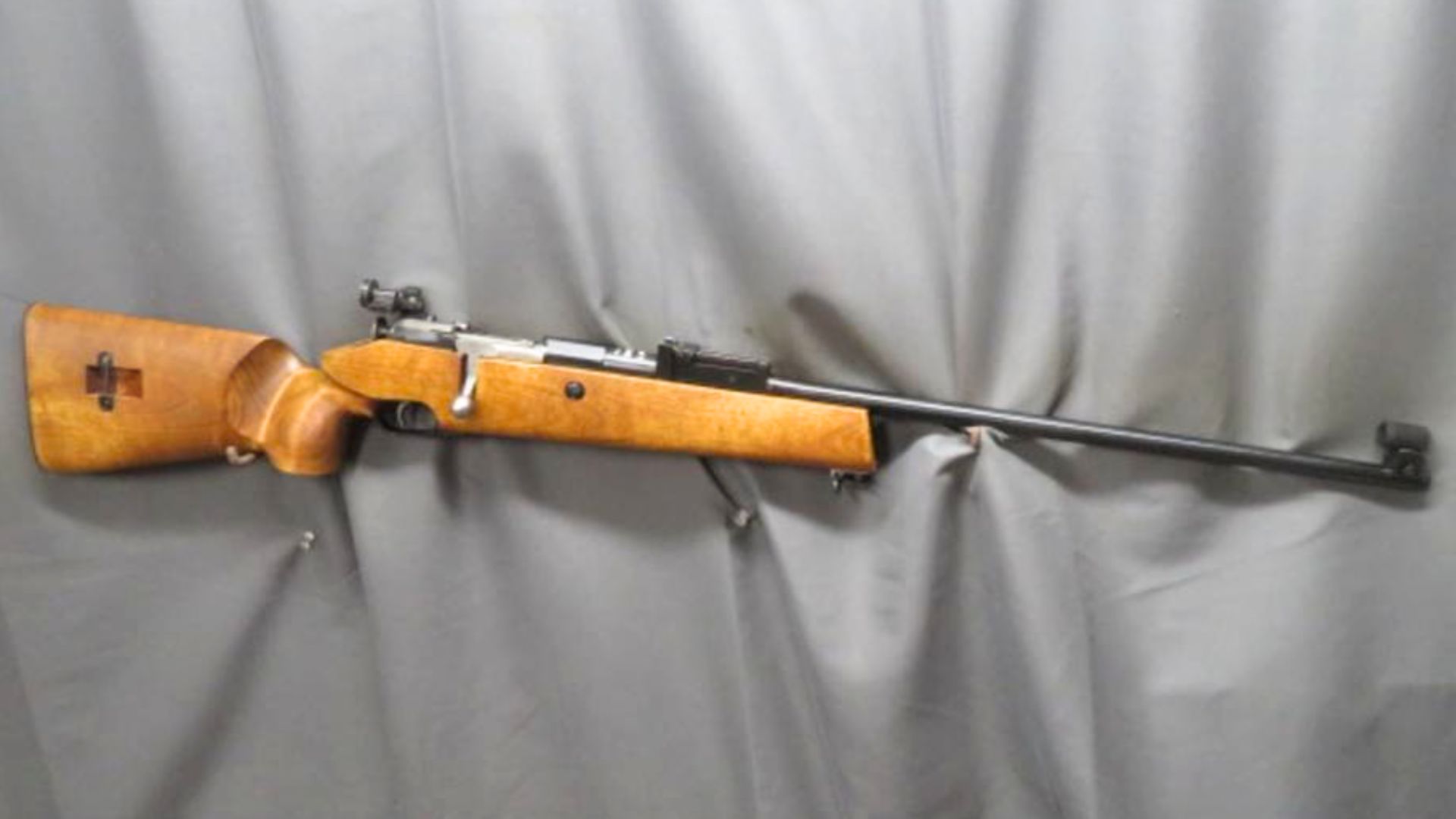
Built as a competition rifle for the Finnish Defense Forces, the M28/76 is based on the Mosin action but refined far beyond the original. It sports a heavy match barrel, adjustable trigger, and diopter sights—features that transformed it from a wartime relic into a precision instrument.
These rifles were used for biathlon and marksmanship training, and many still shoot competitively today. The accuracy of an M28/76 easily holds under 1 MOA with handloads, proving that a well-built military rifle can cross the line into true target territory.
Swedish AG-42B Ljungman (converted bolt variant builds)
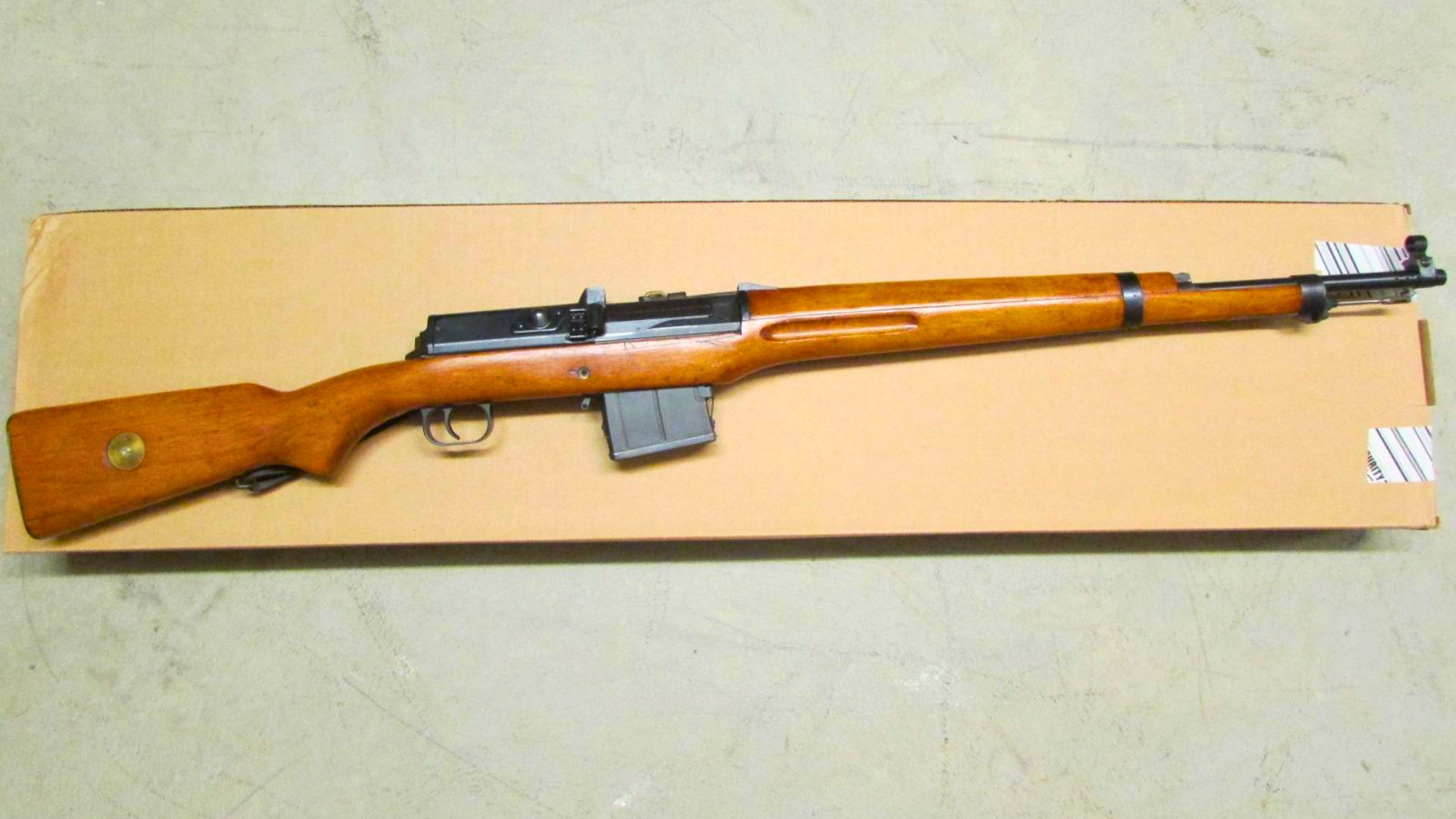
While the original AG-42B was semi-auto, several converted or derivative Swedish bolt rifles used the same precision barrels and chambered 6.5×55, maintaining that same legacy of tight groups. The Swedish steel and careful rifling made them accurate by design, even in the hands of average shooters.
Today, these old conversions still surprise people on the line. With handloads tailored for their generous throats, they stay competitive against rifles built a century later. Sweden’s approach to precision wasn’t luck—it was national pride forged in steel.
No. 4 (T) Sniper Rifle
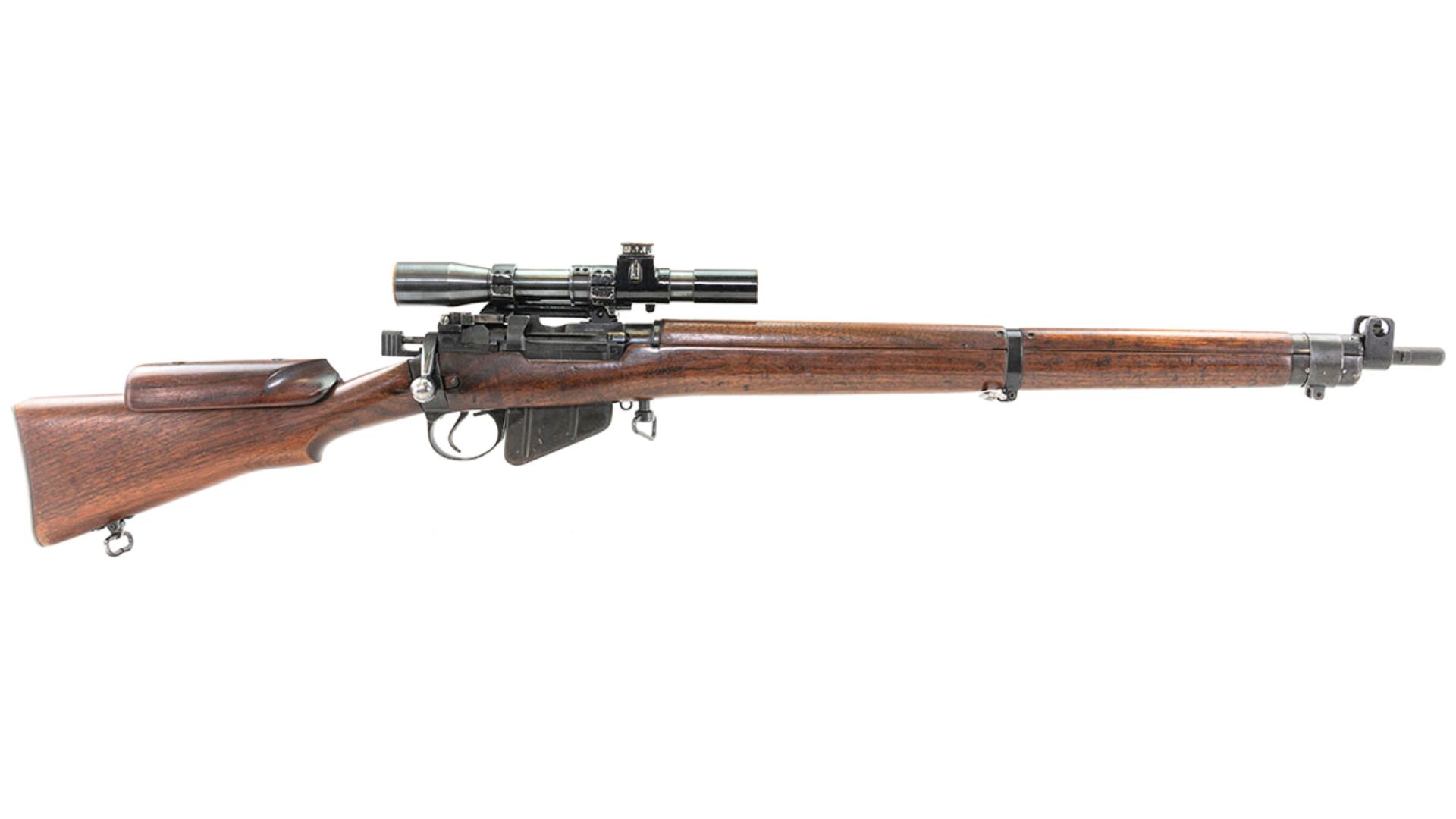
The No. 4 (T) sniper version of the Lee-Enfield was purpose-built for precision, and it still performs today. These rifles were hand-selected for accuracy, then fitted with match barrels and rugged optics mounts that kept zero through anything.
Modern shooters who find an authentic (T) model discover that the rifle’s consistency hasn’t faded. The bedding system, crisp two-stage trigger, and excellent craftsmanship let it print tight groups even by today’s standards. Few rifles from the 1940s can still win matches, but the (T) does it with quiet confidence.
U.S. M1917 Enfield
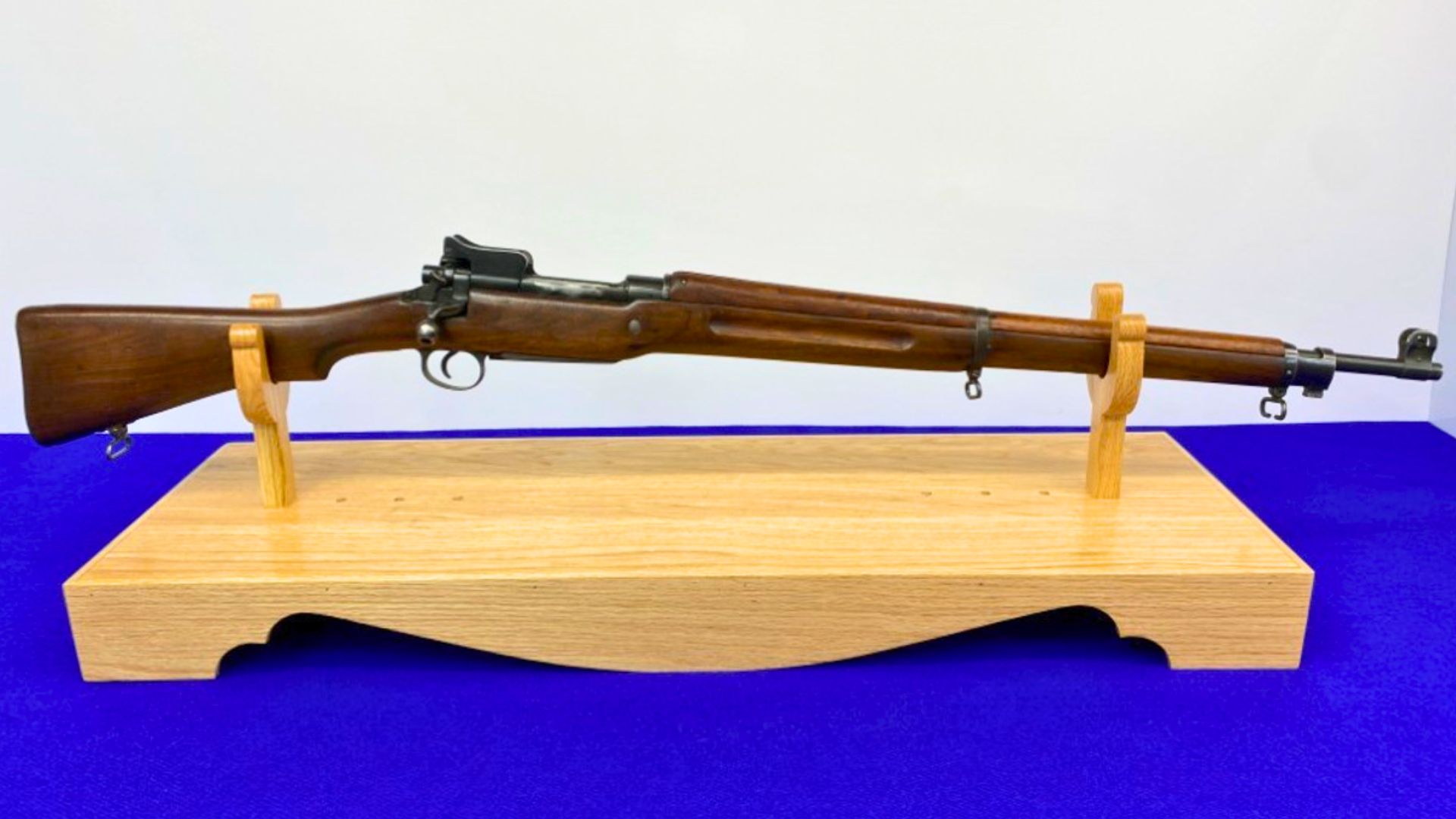
The M1917 Enfield never got the fame of the 1903, but it’s every bit as capable. Its strong action and excellent barrel harmonics make it a favorite for vintage and long-range competitions. The rifle’s long sight radius and .30-06 chambering make consistent hits feel effortless once you learn its quirks.
Many shooters find the M1917 easier to shoot accurately than its Springfield counterpart, thanks to its smoother bolt and excellent rear aperture sight. A well-maintained M1917 still hangs with precision rifles decades younger. It’s the kind of war-era workhorse that proves real craftsmanship lasts longer than hype.
Steyr-Mannlicher M95 (rebarreled match builds)
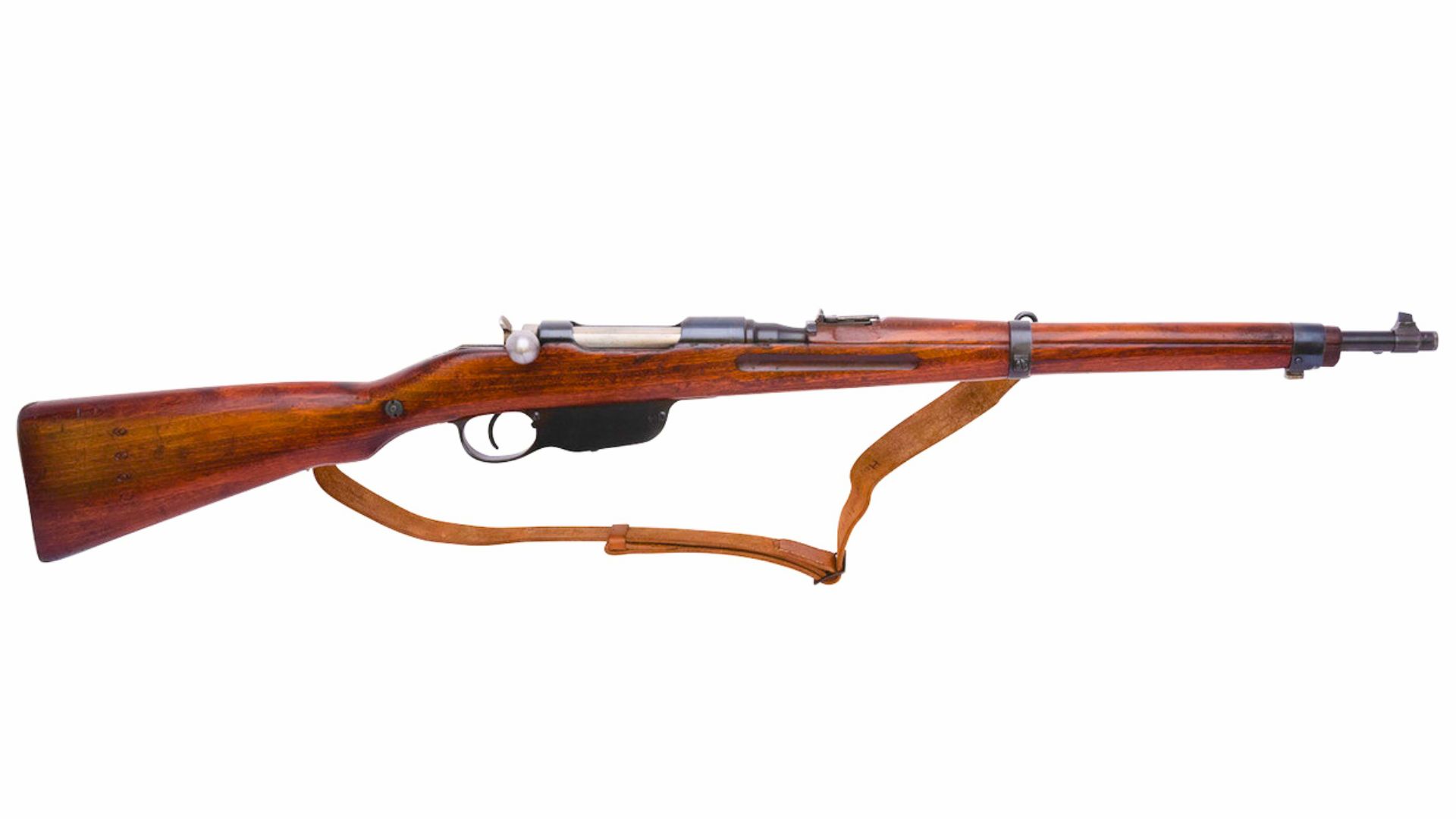
Originally chambered in 8×50R, the Austrian M95 straight-pull was famous for speed, not precision—but postwar rebuilds with new barrels turned it into a surprising performer. Many shooters have rebarreled them in modern calibers, keeping the straight-pull action while upgrading accuracy dramatically.
Even in original form, well-cared-for M95s shoot better than their reputation suggests. The tight chamber and smooth action lend themselves to consistent follow-through. With a new barrel and careful bedding, these rifles can hang with modern match rifles, proving that even a century-old military design can find new life on the competition line.
Like The Avid Outdoorsman’s content? Be sure to follow us.
Here’s more from us:
The worst deer rifles money can buy
Sidearms That Belong in the Safe — Not Your Belt
*This article was developed with AI-powered tools and has been carefully reviewed by our editors.