Photo credit: Old Path Traveller/Youtube
Some guns do not feel special when they are sitting in your safe. They feel common, familiar, maybe even boring. You see them at shops, hear guys talk about them at the range, and assume you could always replace one later if you wanted to. Then the years pass, prices climb, production changes, clean examples dry up, and suddenly that “ordinary” gun you sold starts looking a whole lot smarter than you gave it credit for.
That is where the regret comes from. It is not always about rare museum pieces or fancy collector guns. Sometimes it is the plain rifle that shot better than it should have, the revolver that carried family history, or the shotgun that never gave you a reason to doubt it. You sell it because you want something newer, lighter, flashier, or easier to mount an optic on. Then one day you realize the replacement never had the same feel.
Winchester 9422

The Winchester 9422 is one of those rimfire rifles people sold back when they thought another nice .22 would be easy to find. It looked like a smaller lever-action hunting rifle, handled beautifully, and had the kind of smooth action that made it feel better than most casual plinkers.
Once Winchester stopped making it, clean examples started getting harder to ignore. A 9422 was not just another squirrel rifle. It had real craftsmanship, great balance, and the kind of charm newer rimfires often miss. Plenty of owners let one go because it was “only a .22,” then later found out replacing it cost far more than they expected.
Marlin 336

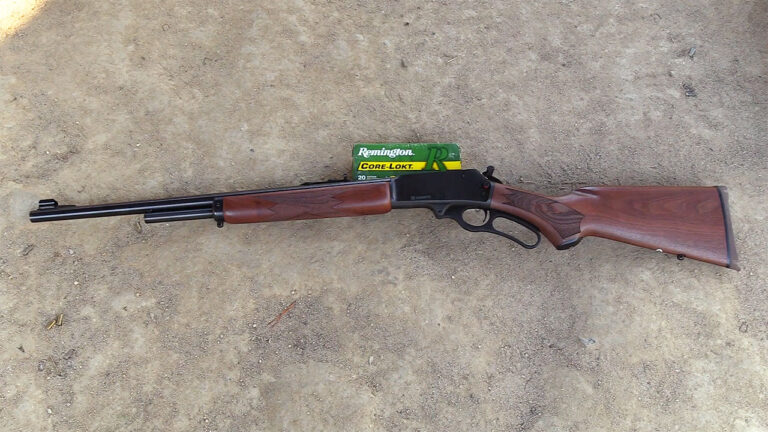
The Marlin 336 spent decades as a working deer rifle, which is exactly why so many people underestimated it. It was common, practical, and easy to find in camps across the country. That made it feel replaceable.
Then older JM-stamped Marlins started getting attention, and buyers realized clean 336 rifles had more going for them than nostalgia. They carry well, point quickly, and still make a lot of sense in thick woods. If you sold one years ago for cheap, especially a nice .30-30 or .35 Remington version, you probably understand the sting now. The newer rifles may be good, but the old ones have a feel people keep chasing.
Smith & Wesson Model 19
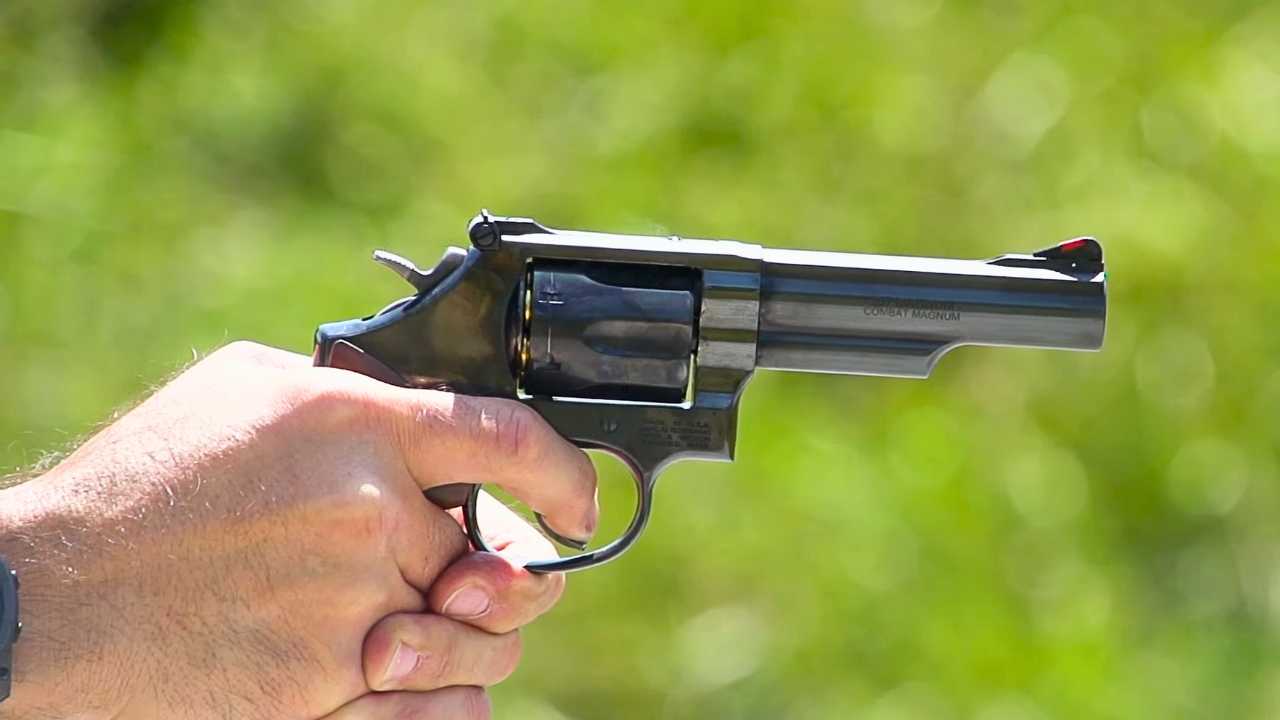
The Smith & Wesson Model 19 is the kind of revolver people wish they had judged with more patience. For years, it was simply a good .357 Magnum K-frame. Not rare enough to baby, not cheap enough to ignore, and not unusual enough to feel like a future regret.
Now good Model 19s pull attention fast, especially earlier pinned-and-recessed examples. The size, balance, blued finish, and trigger all remind you why this revolver earned its reputation in the first place. It is lighter and handier than many full-size magnums but still serious enough to shoot well. Selling one before the market caught up feels painful now.
Ruger 10/22 International

The Ruger 10/22 is everywhere, so people do not always slow down when they see a more interesting version. The 10/22 International, with its full-length Mannlicher-style stock, was easy to dismiss as a neat variation rather than something worth hanging onto.
That was a mistake for plenty of owners. The International has a look that stands apart from the standard carbine without losing the practical 10/22 appeal. It still takes magazines, still shoots like a 10/22, and still works as a useful rimfire. The difference is that it has enough style and scarcity to make people miss it once it is gone. Selling one like a basic used .22 hurts later.
Remington 870 Wingmaster
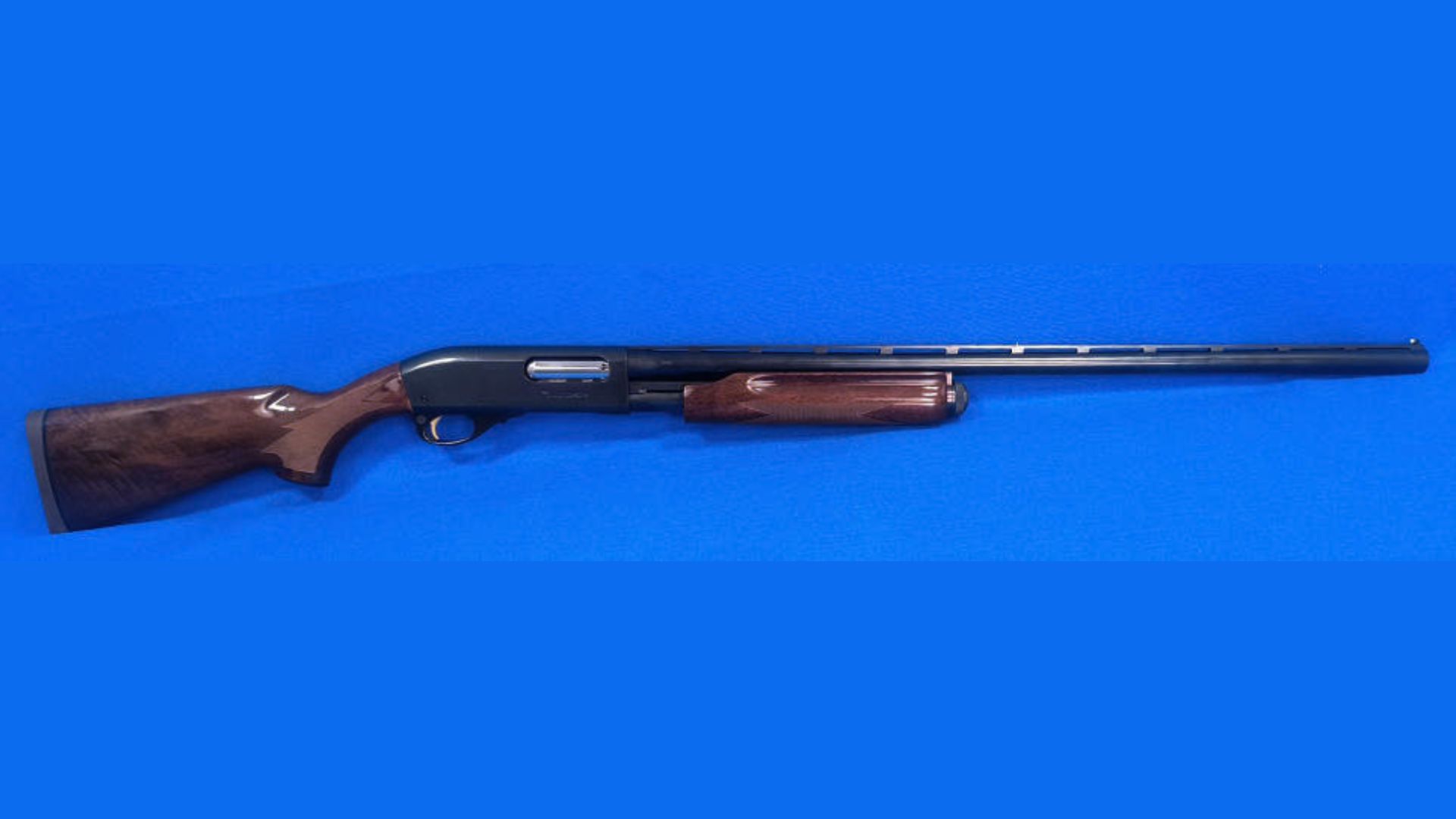
The Remington 870 Wingmaster is one of the easiest guns to regret selling because it once felt so normal. A polished, smooth 870 was just the pump shotgun a lot of hunters grew up around. It rode in trucks, sat in closets, and came out for birds, deer, rabbits, and home defense.
Older Wingmasters have aged better than many people expected. The fit, finish, action smoothness, and field reputation make them feel different from cheaper modern pumps. A clean 12-gauge or 20-gauge Wingmaster can still do nearly anything a shotgun needs to do. The sad part is that many owners sold them for very little, thinking another one would always be easy to grab.
Colt Detective Special

The Colt Detective Special was once just an old snub-nose revolver to a lot of people. Small revolvers fell out of fashion for a while, and plenty of owners traded them toward polymer carry pistols with more capacity and easier reloads.
Then people started looking at old Colts differently. The Detective Special has six shots, classic lines, a smooth feel, and real carry history. It is compact without feeling cheap or disposable. Once clean examples began climbing, a lot of former owners realized they had sold something with more character than almost anything they replaced it with. It may not be the most modern carry choice, but it is absolutely one people miss.
Browning Auto-5
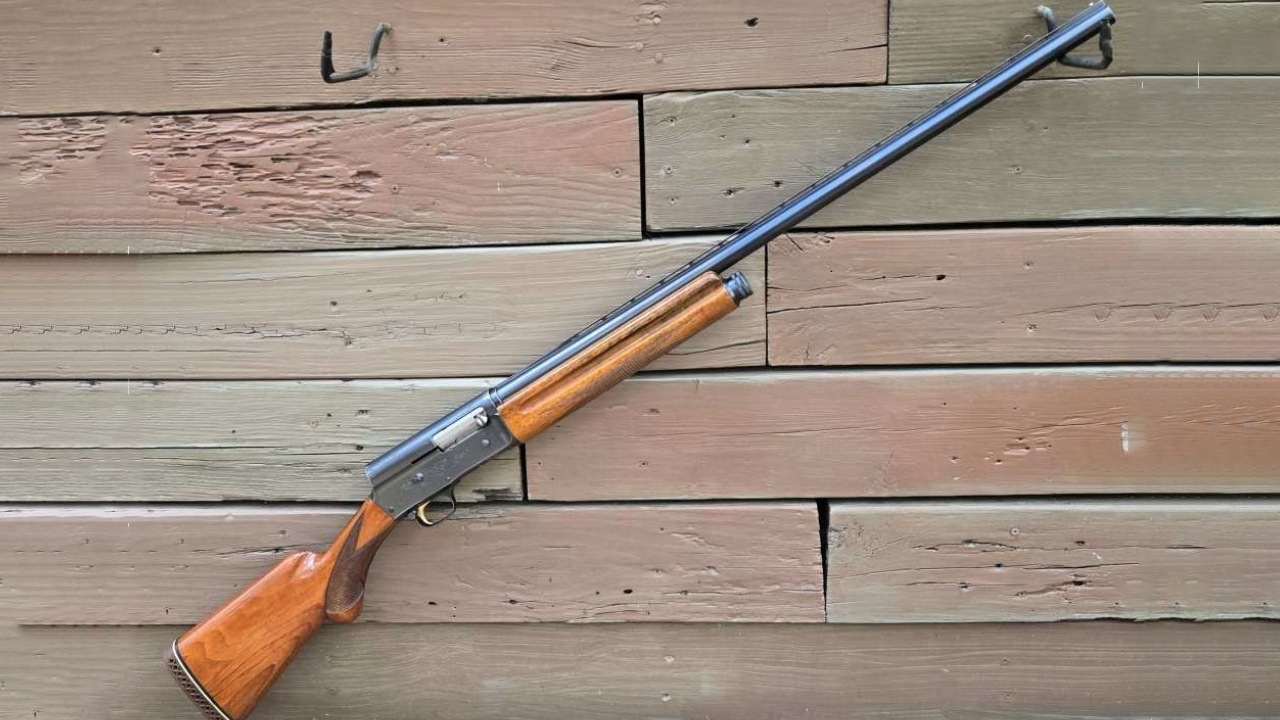
The Browning Auto-5 has a look and feel you do not confuse with anything else. For years, though, many hunters treated it as an older shotgun that was too heavy, too long-recoiling, or too old-fashioned compared with newer semi-autos.
That attitude cost some people a great gun. The Auto-5 was built with real character, and good examples still carry a kind of mechanical confidence newer shotguns rarely match. It has history, field credibility, and a profile that stands out immediately. If you sold one because you wanted something lighter and synthetic, you may have gained convenience. But there is a good chance you lost a shotgun that felt far more meaningful.
Ruger Blackhawk
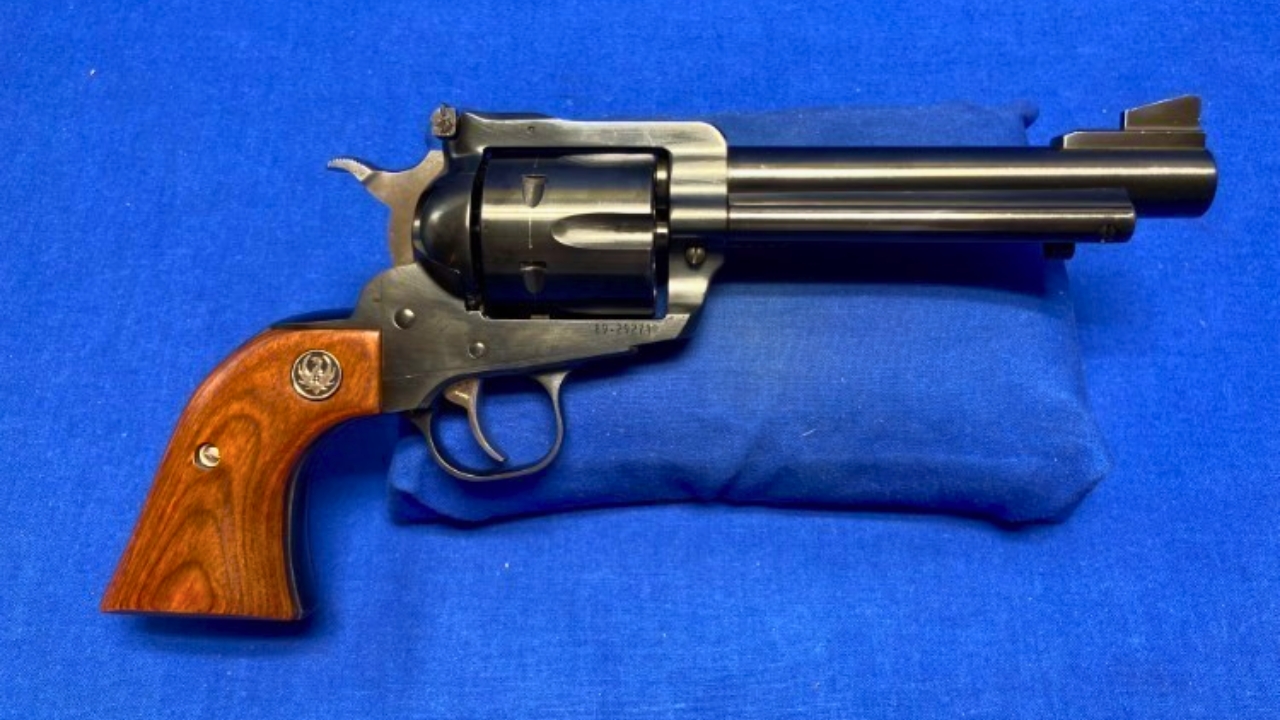
The Ruger Blackhawk has always been tough, useful, and easy to respect, but it was also common enough that many owners did not view it as anything special. A single-action revolver can feel like extra weight in the safe when you are not hunting with it or shooting it often.
Then you try to replace one. Older Blackhawks, especially desirable chamberings and clean early guns, have become harder to ignore. They are strong, accurate, and built with a kind of straightforward purpose that ages well. A .357, .41 Magnum, .44 Magnum, or convertible model can cover a lot of ground. Selling one usually feels fine until you realize the next one costs more and may not feel quite the same.
Winchester Model 70 Classic

The Winchester Model 70 Classic pulled buyers back toward controlled-round-feed rifles after years of complaints about post-1964 changes. At the time, some owners saw it as another good bolt-action rifle, not something they would seriously miss later.
That changed as people started appreciating certain Model 70 Classics for what they were. They had the right action style, strong hunting appeal, and a connection to one of the most respected rifle names in America. A clean Classic in a good chambering can be tough to replace without paying real money. If you sold one because you wanted a lighter synthetic rifle, you may still be thinking about that smooth old Winchester.
Smith & Wesson Model 686

The Smith & Wesson Model 686 is one of those revolvers that feels practical enough to sell and good enough to haunt you later. It is not rare in the same way some older Smiths are, but that does not mean it is easy to replace cheaply anymore.
A good 686 does nearly everything a .357 revolver should do. It has weight, balance, durability, accuracy, and a trigger that rewards anyone who actually practices double-action shooting. Four-inch and six-inch guns both have loyal followings, and clean pre-lock examples get plenty of attention. Selling one often feels like freeing up cash at the time. Later, it feels like letting go of one of the safest revolver buys ever made.
Marlin 1894

The Marlin 1894 was once a handy pistol-caliber lever gun that many owners treated as a fun range rifle or short-range woods gun. It was useful, but not always treated like something worth protecting from trade-in temptation.
Now pistol-caliber lever guns are hot, and older Marlins have benefited from that attention. A good 1894 in .357 Magnum, .44 Magnum, or .45 Colt has a lot of appeal. It is light, handy, suppressor-friendly in some setups, and simply fun to shoot. People who sold them before lever guns came roaring back often learned a hard lesson. The market does not always warn you before it moves.
Colt Series 70 Government Model

The Colt Series 70 Government Model is the kind of 1911 people regret selling because it had the name, the look, and the feel before they fully appreciated any of it. For a while, some owners saw them as old Colts that could be traded toward newer 1911s with more features.
That can look pretty foolish later. A clean Series 70 has classic Colt appeal, and it does not need front cocking serrations, rails, magwells, or billboard markings to feel right. The simplicity is the point. It carries the kind of old-school 1911 character that newer production guns often imitate but do not quite duplicate. Selling one to chase a trend usually ages badly.
Ruger Mini-14

The Ruger Mini-14 has gone through waves of being loved, mocked, ignored, and rediscovered. Plenty of owners sold older Minis when AR-15s became cheaper, more accurate, easier to customize, and more popular across the board.
The AR may still be the more practical modern rifle for many uses, but the Mini-14 has its own pull. It is handy, reliable, and has a traditional profile that some shooters prefer. Older examples, especially clean stainless or wood-stocked rifles, have become more interesting as buyers look for semi-autos that do not feel like another AR. If you sold one cheap years ago, replacing it now can feel surprisingly annoying.
Browning Hi-Power

The Browning Hi-Power is one of the great examples of a pistol people should have held onto. For years, it was respected but not always treated with the same feverish collector energy it gets now. Some owners traded them away for polymer pistols, higher capacity, lighter weight, or more modern controls.
Then production ended, prices climbed, and shooters remembered how good the Hi-Power feels in the hand. It has history, style, and a natural pointability that still wins people over. It is not perfect by modern standards, but it has a soul that most service pistols never touch. Selling a clean Belgian or later Browning-marked Hi-Power is the kind of decision that stings for years.
Henry Golden Boy
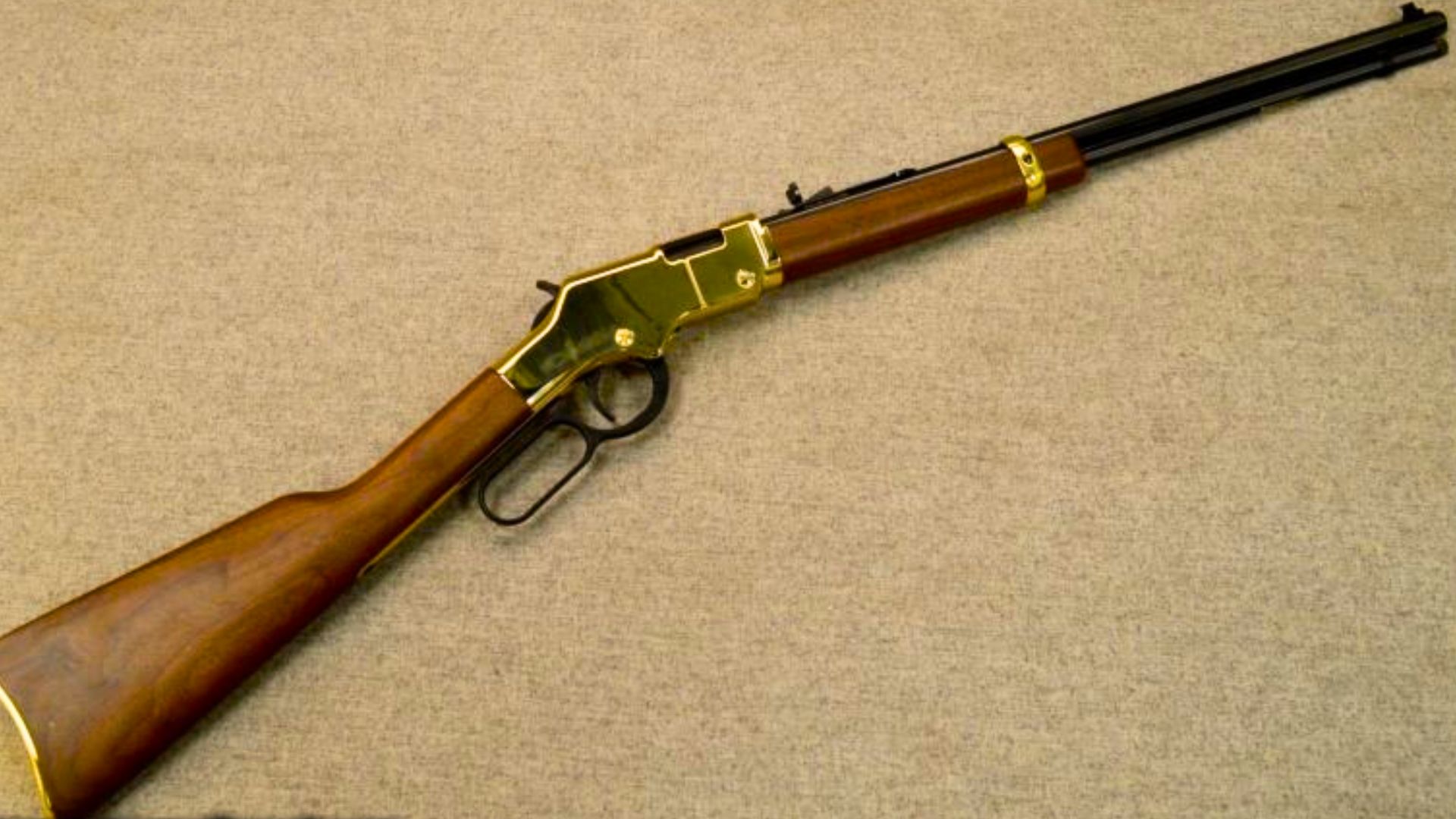
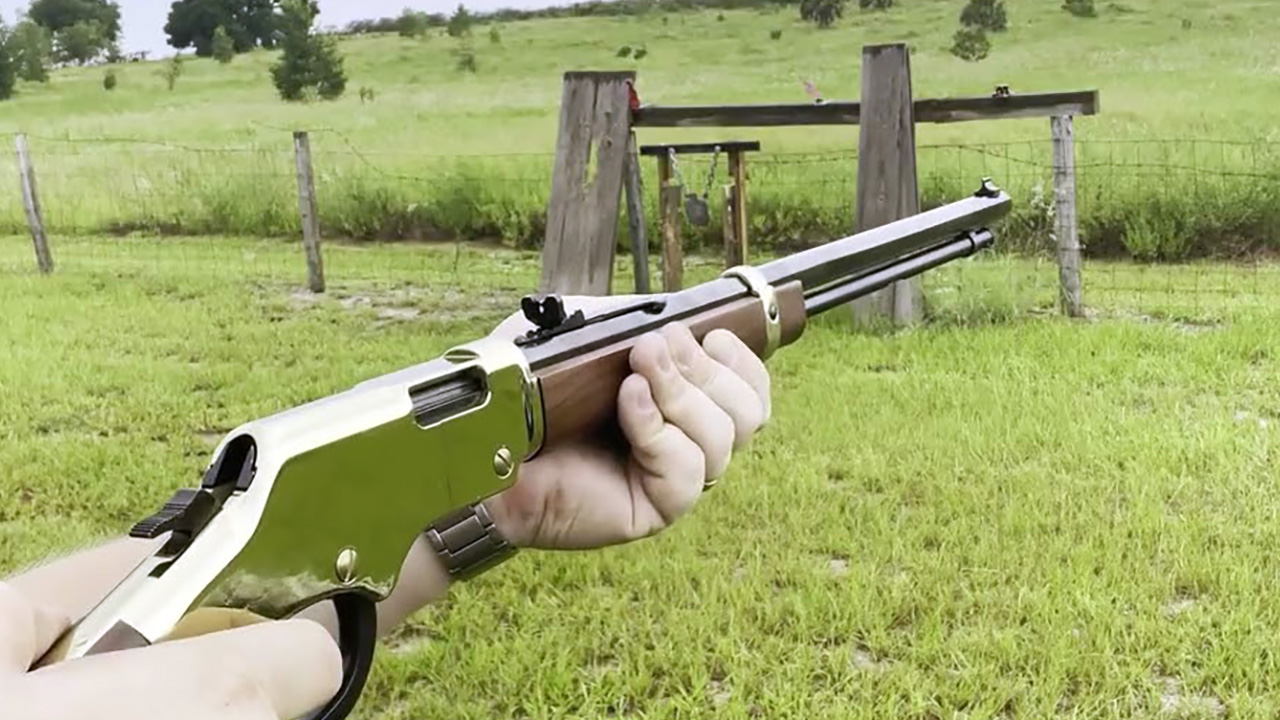
The Henry Golden Boy can seem like a rifle you buy for fun, shoot casually, and maybe sell when the novelty wears off. That is how some owners treated it, especially if they thought of it as a shiny .22 rather than a keeper.
But the Golden Boy has a way of sticking in your memory. It is smooth, good-looking, easy to shoot, and perfect for passing around when friends or family want to plink. It may not be rare like some older Winchesters or Colts, but it carries sentimental value better than most modern rimfires. People often regret selling one because it was not just useful. It was the kind of rifle everybody wanted to pick up.
Like The Avid Outdoorsman’s content? Be sure to follow us.
Here’s more from us: