Photo credit: GetZone/YouTube
Modern handguns didn’t just appear ready for war—they were shaped by it. The pistols that soldiers carried through the 20th century rewrote how sidearms were designed, built, and trusted in combat. Each one taught lessons that still show up in today’s holsters—whether it’s the way a slide locks back, how a trigger breaks, or how much abuse a frame can take before failing. These weren’t range toys or prototypes; they were tools tested by mud, sand, and blood. The guns here became blueprints for everything that followed. They defined what a fighting pistol should be: reliable, accurate enough, easy to maintain, and fast to bring back into action when it mattered most.
Colt M1911

The M1911 is the foundation of the modern combat pistol. Designed by John Browning, it served through two world wars and countless conflicts after. Chambered in .45 ACP, it delivered real stopping power and handled recoil better than anything of its era. Its single-action trigger and grip safety combination became the standard blueprint for handgun ergonomics.
What makes the 1911 remarkable isn’t nostalgia—it’s the fact that it still works as intended more than a century later. Many custom and duty pistols still borrow from its design. Whether you’re in competition or defense, the 1911 set expectations for how a serious sidearm should feel in the hand and behave under pressure.
Browning Hi-Power
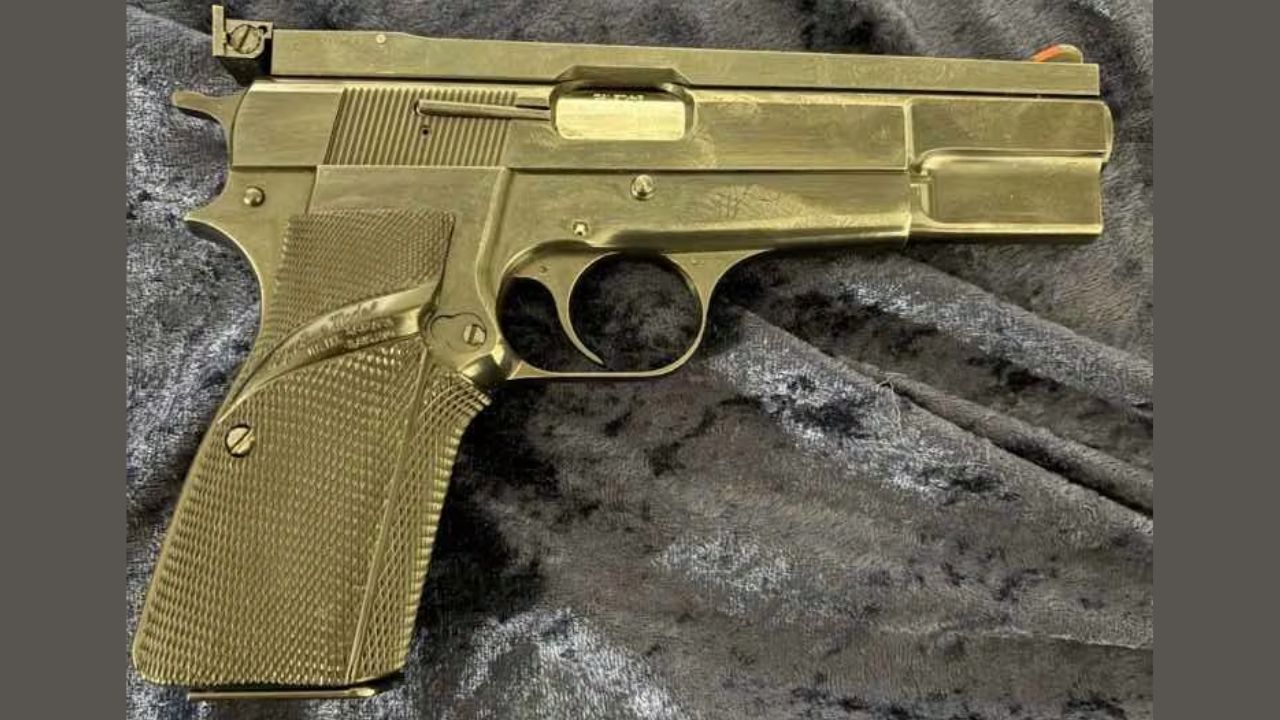
The Browning Hi-Power brought the high-capacity magazine to the battlefield. Introduced in the 1930s, its 13-round capacity was groundbreaking when most pistols held half that. The Hi-Power’s balance, grip contour, and single-action trigger made it controllable and natural to aim.
It became one of the most widely issued military pistols in history, used by more than 50 nations. Even after newer designs appeared, its combination of reliability, capacity, and shootability kept it in service for decades. Modern service pistols still echo its features—from the magazine release placement to the way it points. The Hi-Power showed the world that more rounds and fast handling could live in the same gun.
Walther P38

The Walther P38 changed handgun design forever when it replaced the Luger in World War II. It introduced a double-action/single-action trigger system with a decocker—an idea that carried into nearly every modern duty pistol. The open slide reduced jams, and the gun’s engineering made it easier to fieldstrip than earlier designs.
Its 9mm chambering and lighter frame helped soldiers carry it comfortably without sacrificing accuracy. After the war, the P38 influenced generations of pistols, including the Beretta 92 and SIG Sauer P226. If you carry a DA/SA pistol today, you’re using an idea born with the P38. It redefined what a military sidearm could be—safe, durable, and quick into action.
Beretta 92FS

Adopted as the U.S. M9, the Beretta 92FS brought European refinement to American service. Its open-top slide, alloy frame, and smooth DA/SA trigger made it reliable and soft-shooting for a full-size 9mm. Critics called it too big, but soldiers who maintained it properly found it ran clean and accurate even in harsh conditions.
For decades, it served across every climate the military could throw at it. The Beretta proved that a high-capacity, semi-auto sidearm could fully replace revolvers on the front line. Many of its traits—ambidextrous safety, decocker, and feed reliability—still set the standard for service pistols today. It wasn’t perfect, but it built confidence in modern 9mm combat handguns.
SIG Sauer P226
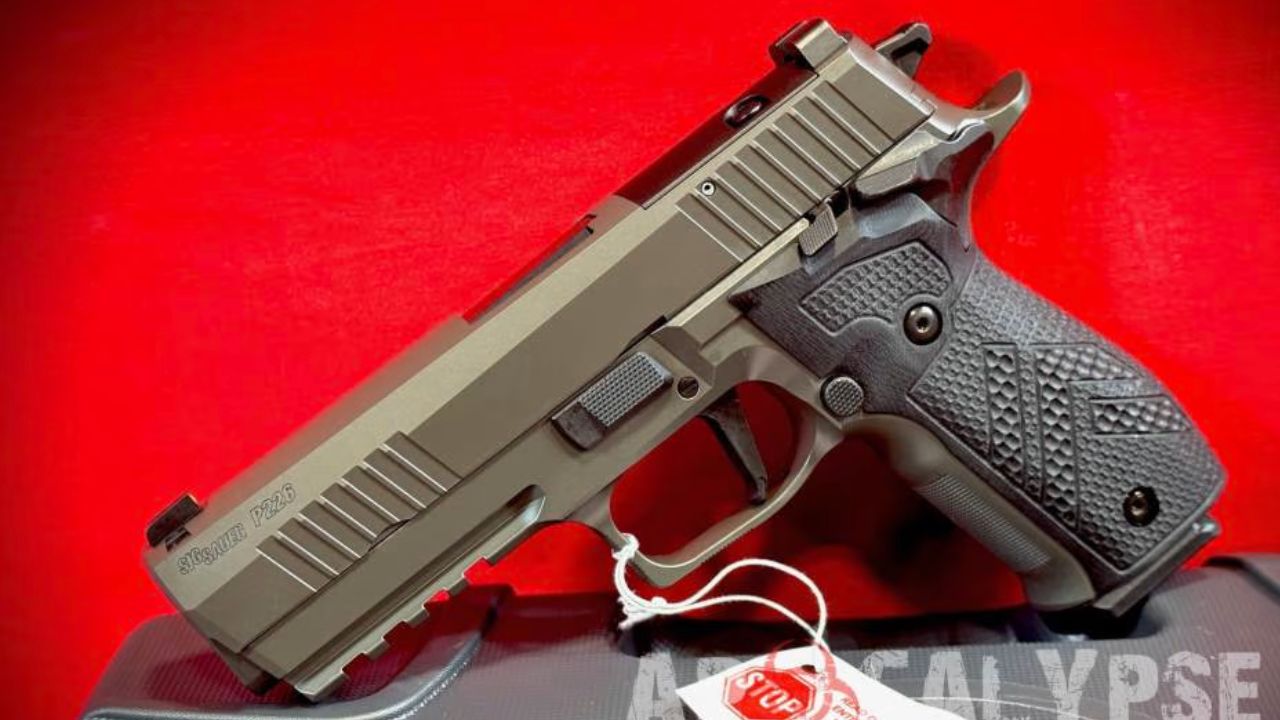
The SIG P226 earned its place among elite military units for a reason. Designed in the 1980s, it competed for the U.S. service pistol contract and, though it lost to Beretta, found success with Navy SEALs, federal agencies, and law enforcement. Its all-metal frame, excellent trigger, and superb reliability made it a favorite for high-stakes use.
The P226 handles recoil smoothly, feeds any ammo reliably, and stays accurate even after tens of thousands of rounds. Its design evolved into the compact P229 and countless clones. Whether in war zones or SWAT holsters, the P226 set the standard for how a full-size combat 9mm should perform when lives depend on it.
Glock 17
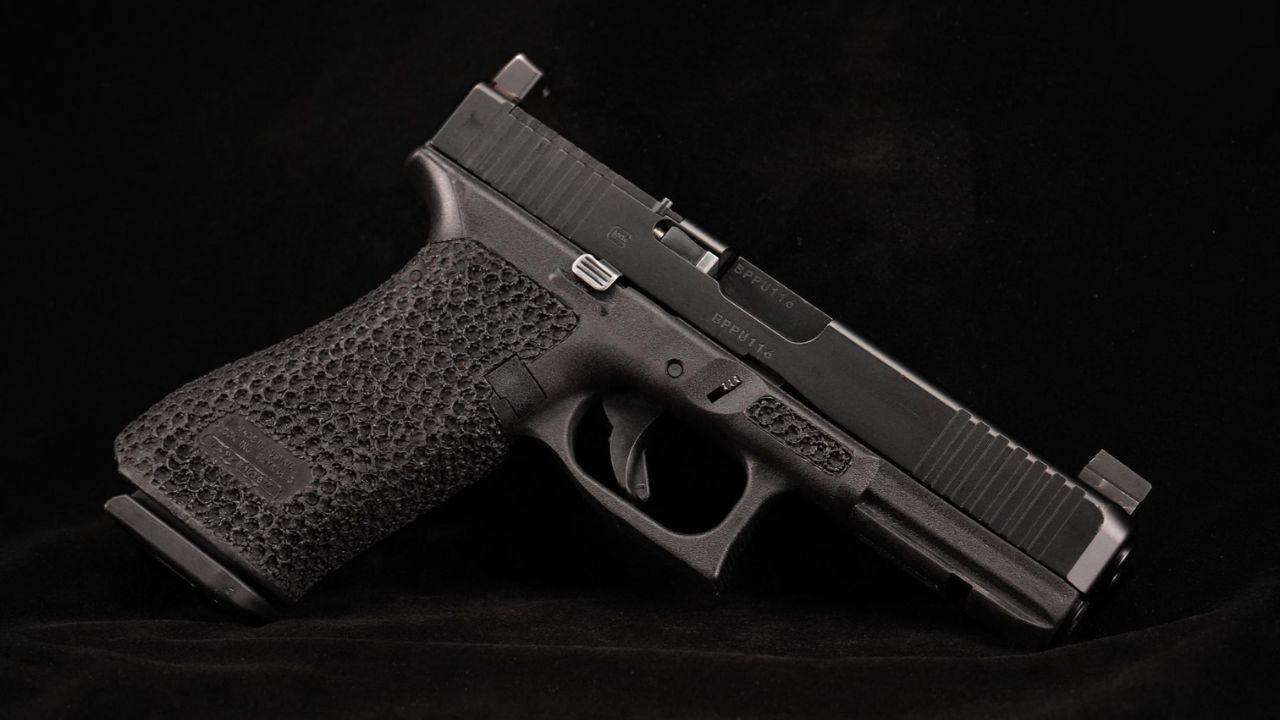
The Glock 17 reshaped the entire handgun world. Introduced in the 1980s, it proved that polymer frames could survive—and thrive—under combat stress. With its striker-fired design, high capacity, and dead-simple manual of arms, the Glock became the template for nearly every duty pistol since.
It was lighter, faster to maintain, and resistant to corrosion in ways that made it perfect for soldiers and police. Its safe-action trigger system combined readiness with safety, eliminating external levers that slowed shooters down. Whether you like it or not, the Glock 17 set the rules for simplicity and reliability. It remains the go-to pistol for countless armies and agencies around the world.
CZ 75

The CZ 75 combined high capacity, excellent ergonomics, and accuracy in one tight steel package. Introduced in the 1970s behind the Iron Curtain, it was a rarity—a service pistol with match-like performance. Its slide-in-frame design provided an unusually low bore axis, reducing muzzle flip and improving follow-up speed.
The double-action trigger and smooth cycling made it a hit with both military and competitive shooters. Even decades later, many modern pistols borrow its shape and grip angle. The CZ 75 proved that a duty gun could be rugged and refined at the same time. It remains a favorite among shooters who value old-school steel and modern shootability.
Heckler & Koch USP

The HK USP was built to survive the kind of abuse that destroys lesser pistols. Designed in the 1990s, it set the stage for modern service handguns with its polymer frame, recoil buffer system, and flexible trigger configurations. Whether you prefer DA/SA or cocked-and-locked carry, the USP delivered both options in a single platform.
It handled high-pressure ammo easily, particularly the .40 S&W loads popular with law enforcement. The USP was also one of the first pistols extensively tested for endurance, including drop tests, mud, and extreme cold. It became a favorite of special operations units and showed the industry that toughness could coexist with modern ergonomics.
FN P35 (Military Hi-Power variant)
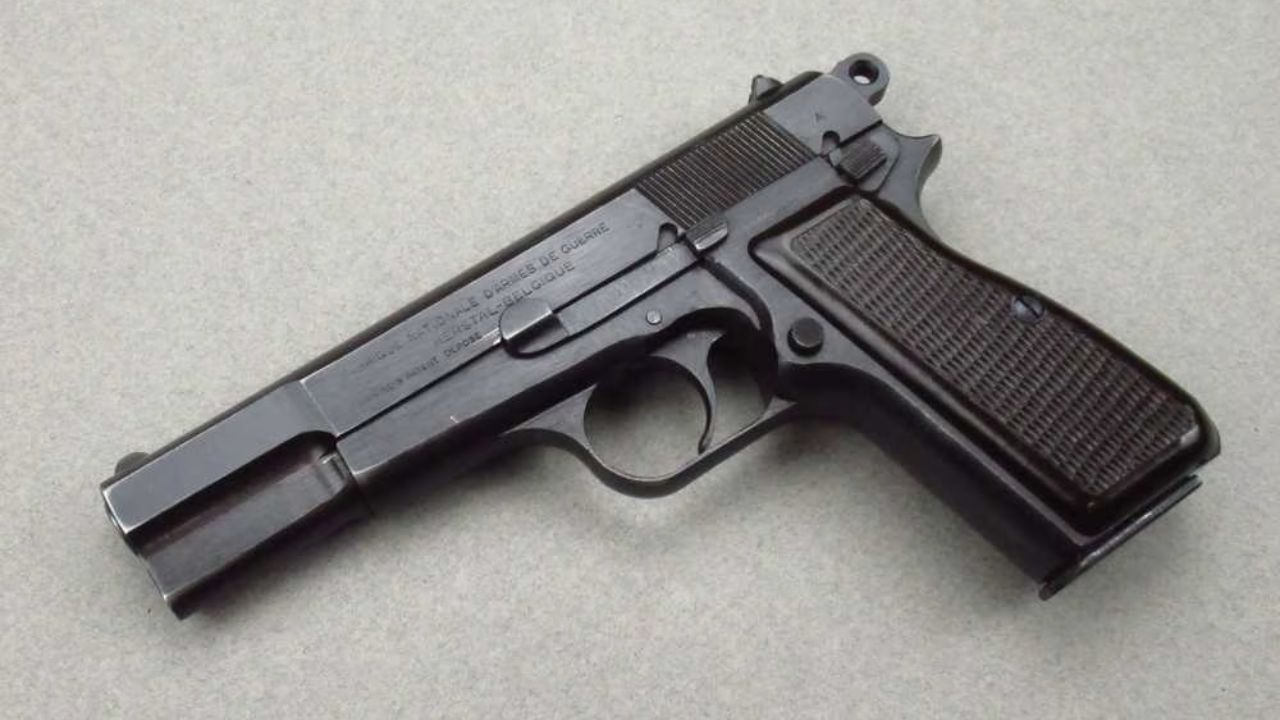
The FN P35—better known as the Hi-Power in military service—bridged the gap between early single-actions and modern double-stacks. Its military variants served around the globe for nearly a century. Soldiers valued its combination of power, capacity, and balance, and it proved reliable under abuse that would cripple most contemporary handguns.
The P35’s influence spread far beyond Belgium. Its magazine design and grip shape inspired nearly every double-stack pistol that followed. Even now, modern versions like the FN High Power and Springfield SA-35 carry its legacy forward. It didn’t just serve well—it defined the playbook for sidearm practicality.
Steyr GB
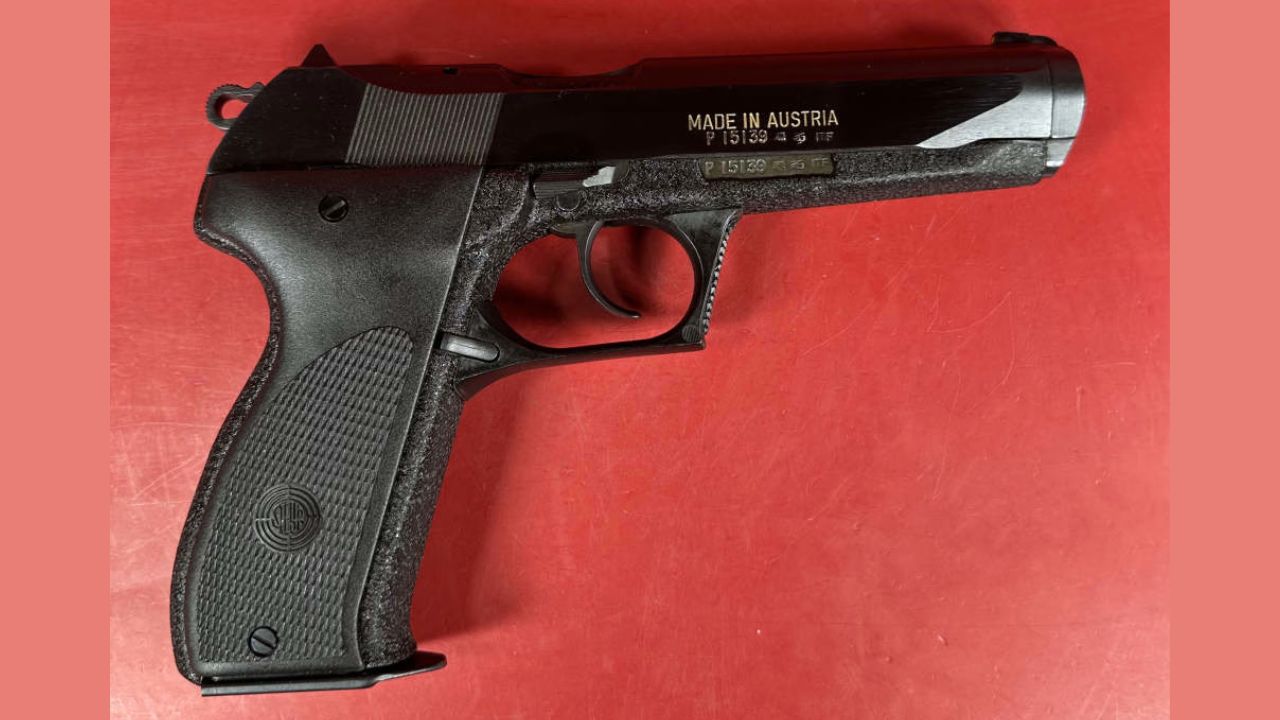
The Steyr GB was ahead of its time. Released in the late 1970s, it used a gas-delayed blowback system that made recoil soft and predictable. Its 18-round magazine was enormous for the era, and the fixed barrel provided accuracy that rivaled competition pistols.
Though it never saw widespread military adoption, it influenced later designs like the HK P7 and the Glock. The GB showed that polymer wasn’t the only path to innovation—precision engineering still had a place in combat arms. Today, it’s more of a collector’s piece, but when you fire one, you understand how close it came to rewriting handgun performance decades before the rest caught up.
Walther P99

The Walther P99 introduced striker-fired technology with refinement long before it became standard. Designed in the late 1990s, it offered interchangeable backstraps, an ambidextrous magazine release, and a DA/SA striker system that was unique for its time.
It found use among European police and military forces for its lightweight feel and consistent reliability. Many modern pistols, from the PPQ to the PDP, trace their roots directly to the P99’s forward-thinking design. It showed that striker-fired guns could still feel ergonomic and precise without sacrificing speed or durability.
SIG Sauer P320
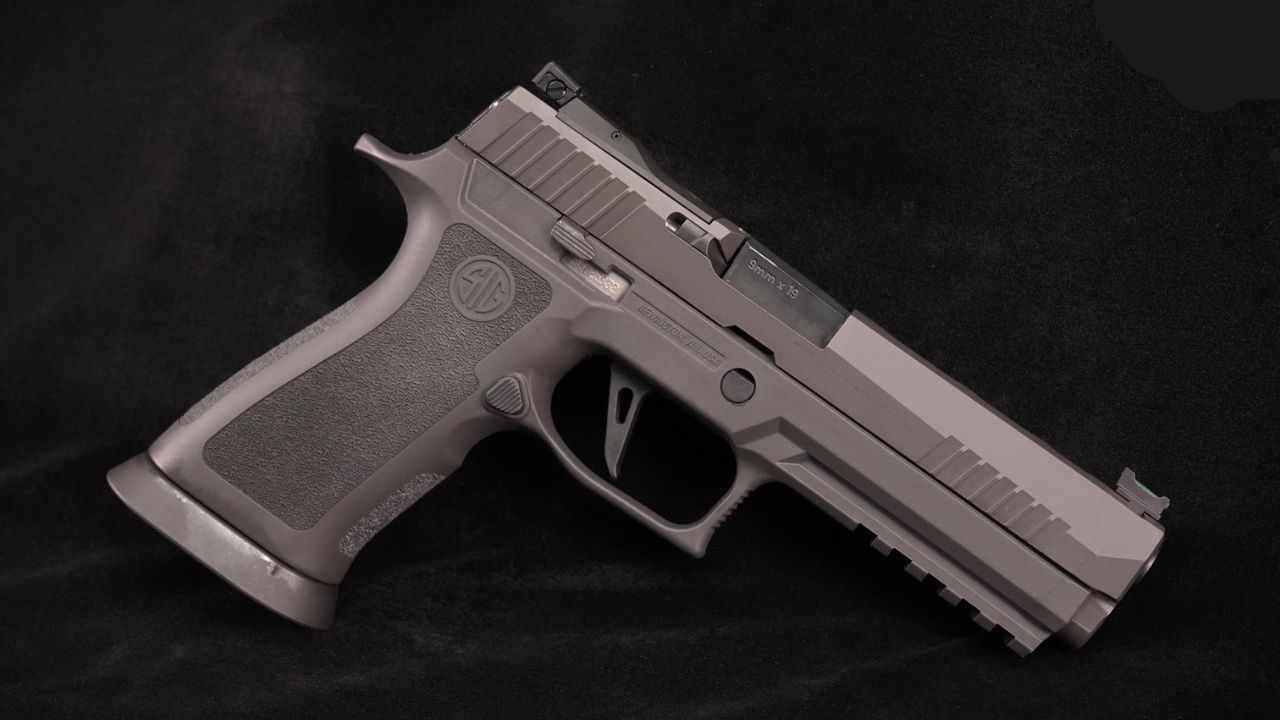
The SIG P320 brought modularity to the service pistol world. Its removable fire-control unit allows complete customization—from full-size combat pistols to compact carry guns—using the same serialized core. When adopted as the U.S. Army’s M17 and M18, it became the first truly modular combat sidearm in service history.
The P320’s striker-fired design, good trigger, and adaptability have made it a success across military and law enforcement circles. It represents the modern evolution of every pistol on this list—a design that can be rebuilt, resized, and fielded anywhere. The P320 shows how far combat pistols have come, but its DNA still traces straight back to the guns that wrote the rules.
Like The Avid Outdoorsman’s content? Be sure to follow us.
Here’s more from us:
The worst deer rifles money can buy
Sidearms That Belong in the Safe — Not Your Belt
*This article was developed with AI-powered tools and has been carefully reviewed by our editors.