Photo credit: THE HUNTERS MINISTRY/Youtube
Some guns are bought with every intention of being used hard. They’re supposed to go hunting, ride in holsters, burn through ammo, or live as practical working tools. Then something changes. Prices climb, production ends, condition starts mattering, or the owner realizes the gun is a lot harder to replace than expected.
That’s how accidental safe queens happen. Nobody planned to tuck them away forever. They just got too nice, too valuable, too sentimental, or too difficult to replace casually. These firearms started as shooters, but plenty of owners now think twice before dragging them through rough use.
Colt Python

The Colt Python may be the easiest accidental safe queen on the list. Plenty of older Pythons were bought as serious .357 Magnum revolvers, not museum pieces. They were carried, shot, hunted with, and stored like working handguns because that’s what they were at the time.
Now owners look at current values and get nervous every time the cylinder turns. The Python’s royal blue finish, smooth action, and Colt reputation made it one of the most desirable revolvers ever built. Clean older examples especially carry serious collector interest, and original boxes or papers can make owners even more cautious. It’s still a wonderful shooter, but a lot of people who once used them freely now hesitate. The gun became too valuable to treat casually.
Winchester Model 9422
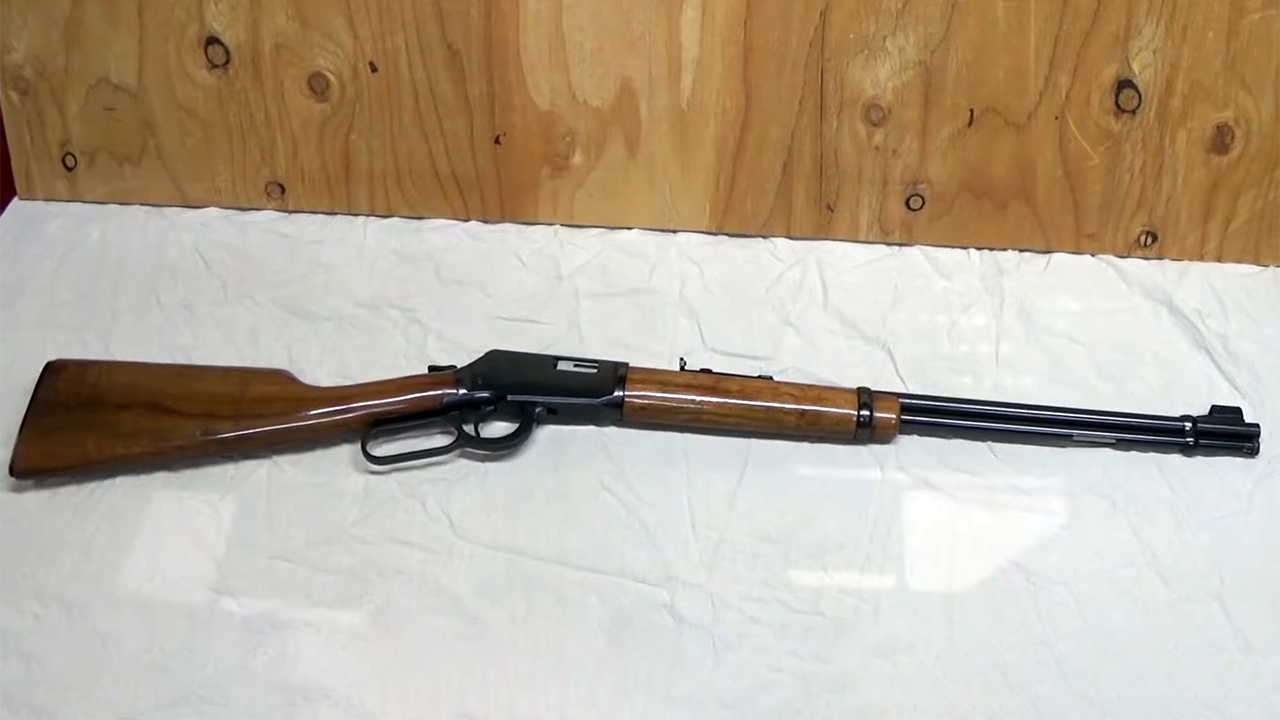
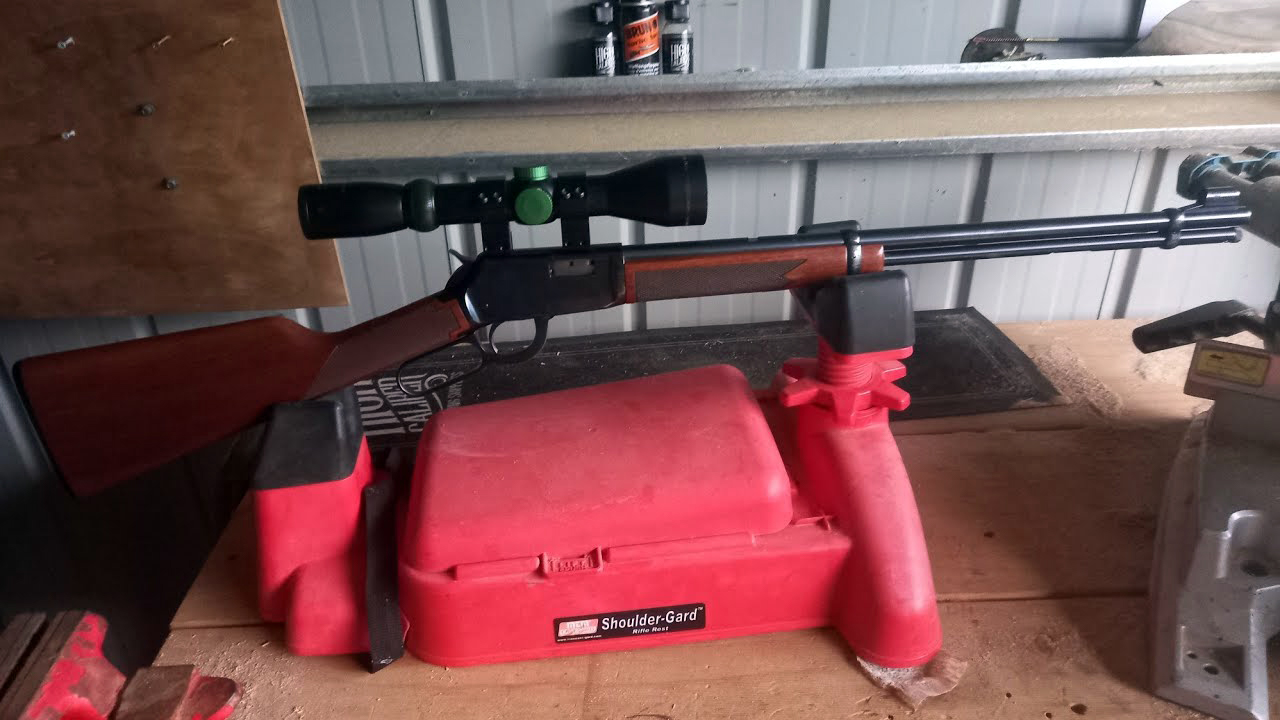
The Winchester Model 9422 was never supposed to become a rifle people were afraid to use. It was a lever-action .22 made for plinking, small-game hunting, and family range days. That kind of rifle normally earns scratches, worn edges, and memories without anyone worrying too much.
Then Winchester stopped making them, and clean examples became harder to find. Suddenly, the smooth little rimfire that used to ride behind the seat or lean in the corner started looking like something worth protecting. The 9422 still deserves to be shot, but owners understand that replacing a nice one is no small thing. A rifle that began as a fun .22 can turn into a safe queen simply because nobody makes its exact kind anymore.
Smith & Wesson Model 19
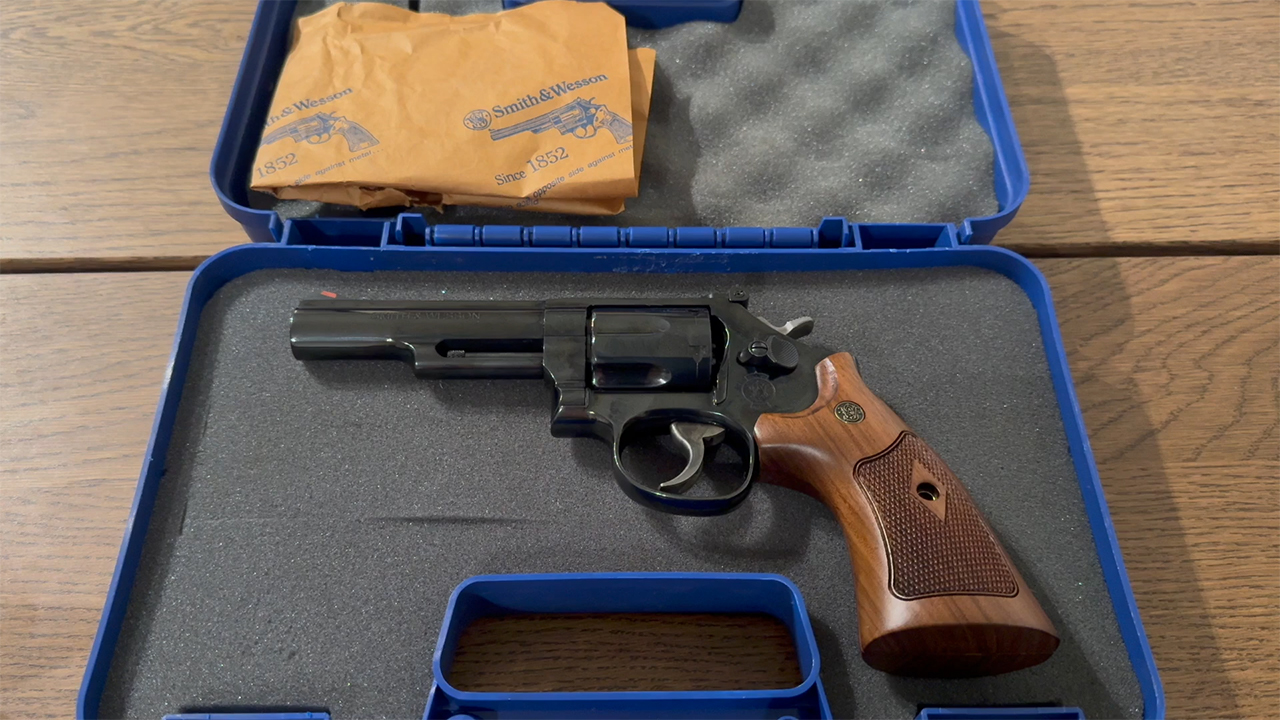
The Smith & Wesson Model 19 became an accidental safe queen for a lot of revolver owners because the market finally caught up to how good it feels. A K-frame .357 Magnum has an ideal balance for many shooters. It’s more carryable than larger magnums and far more shootable than tiny ones.
That balance is exactly why clean Model 19s are now protected more than they used to be. Owners who once shot heavy loads through them may now stick to mild .38 Special or leave them in the safe entirely. The forcing cone and general condition matter on used examples, so nobody wants to turn a good one into a worn-out one. It was built to shoot, but finding another clean one can be painful.
Marlin 1894C
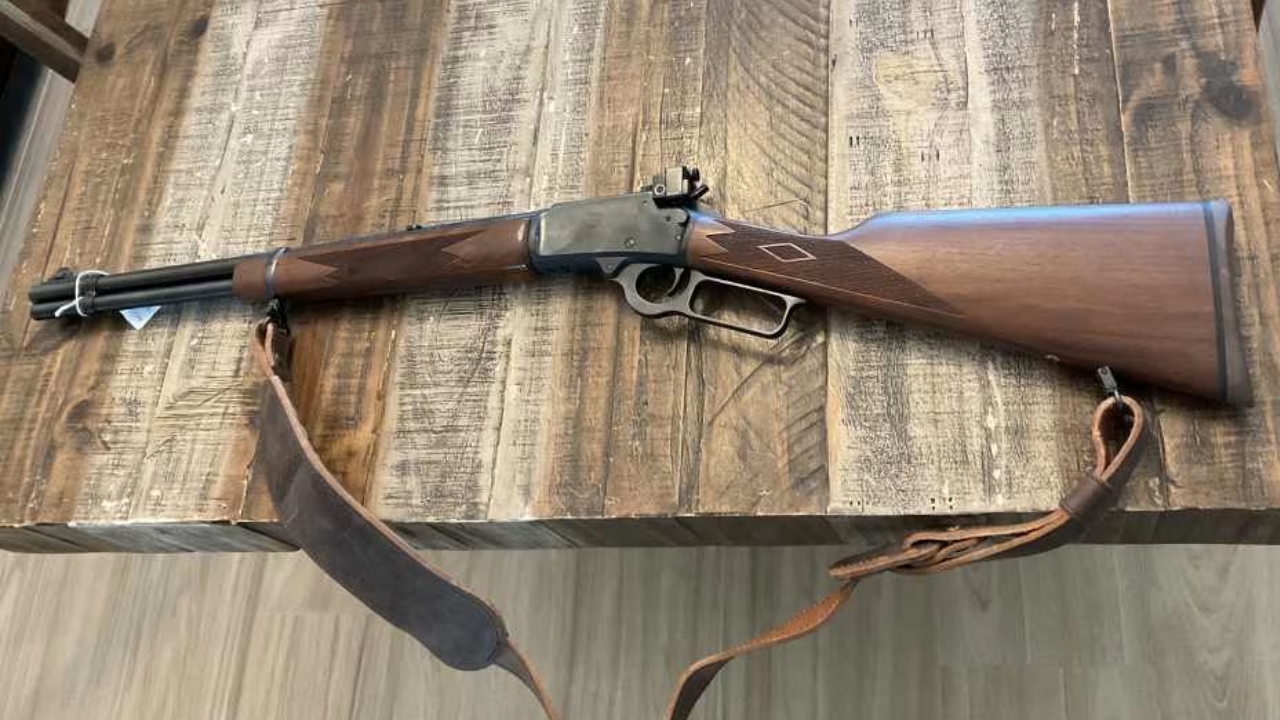
The Marlin 1894C became a safe queen by accident because .357 Magnum lever guns got much harder to replace. For years, it was a handy working carbine for plinking, rural property, thick-cover hunting where legal, and pairing with a revolver. It was useful enough to be used, not hidden.
Now clean examples can make owners pause before taking them into rough weather. The rifle’s ability to shoot .38 Special and .357 Magnum gives it a level of flexibility that newer rifles don’t always match in the same feel. Older Marlins also gained extra attention as shooters started caring more about production era and condition. The 1894C is still a practical tool, but many owners now treat theirs like something they were lucky to keep.
Browning Hi-Power
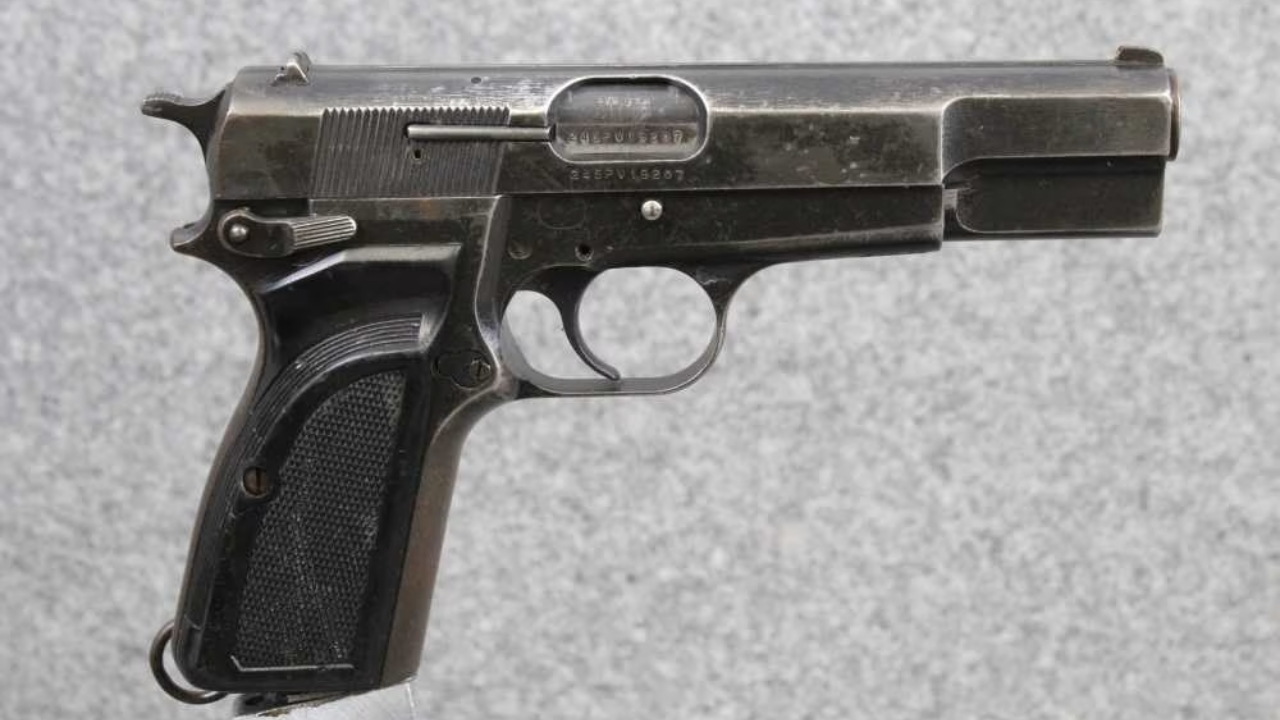
The Browning Hi-Power has always deserved respect, but it wasn’t always treated like a safe queen. For decades, it was a fighting pistol, range pistol, carry pistol, and military sidearm around the world. Plenty of them got shot, carried, modified, and worn because they were useful guns.
Now clean Browning-marked examples make owners more careful. The pistol’s slim double-stack grip, classic balance, and historical importance have kept demand strong. Modern clones and updated versions exist, but they don’t make older originals less interesting. A Hi-Power can still be a great shooter, but the nicer the example, the harder it becomes to justify holster wear, rough range handling, or casual modifications. It became collectible almost faster than some owners expected.
Ruger No. 1

The Ruger No. 1 is one of those rifles that can turn into a safe queen even when the owner bought it to hunt. A strong, handsome single-shot falling-block rifle has a completely different personality from a normal bolt-action. That distinctiveness makes people sentimental fast.
Certain chamberings and configurations became especially desirable, which only made owners more cautious. A No. 1 in a harder-to-find caliber can feel too special to drag through rain or brush, even though the rifle is fully capable of hunting. The wood, bluing, and elegant profile don’t help either. It looks like something worth preserving. A rifle bought for deliberate hunting can slowly become one the owner only admires from the safe.
Colt Woodsman

The Colt Woodsman is a rimfire pistol that many people bought to shoot, then later realized they owned something far more collectible than a casual plinker. It’s accurate, balanced, and beautifully made in a way that modern inexpensive .22 pistols usually aren’t. That quality is what caused the problem.
A Woodsman is still a wonderful range pistol, but condition matters. Original finish, correct magazines, boxes, paperwork, and specific variations can all affect interest and value. Owners who have a clean one may start leaving it home and taking a cheaper rimfire instead. That’s how a .22 becomes an accidental safe queen. It wasn’t too powerful, too fragile, or too specialized. It was simply too nice to keep treating like any other plinker.
Winchester Model 70 Classic Stainless
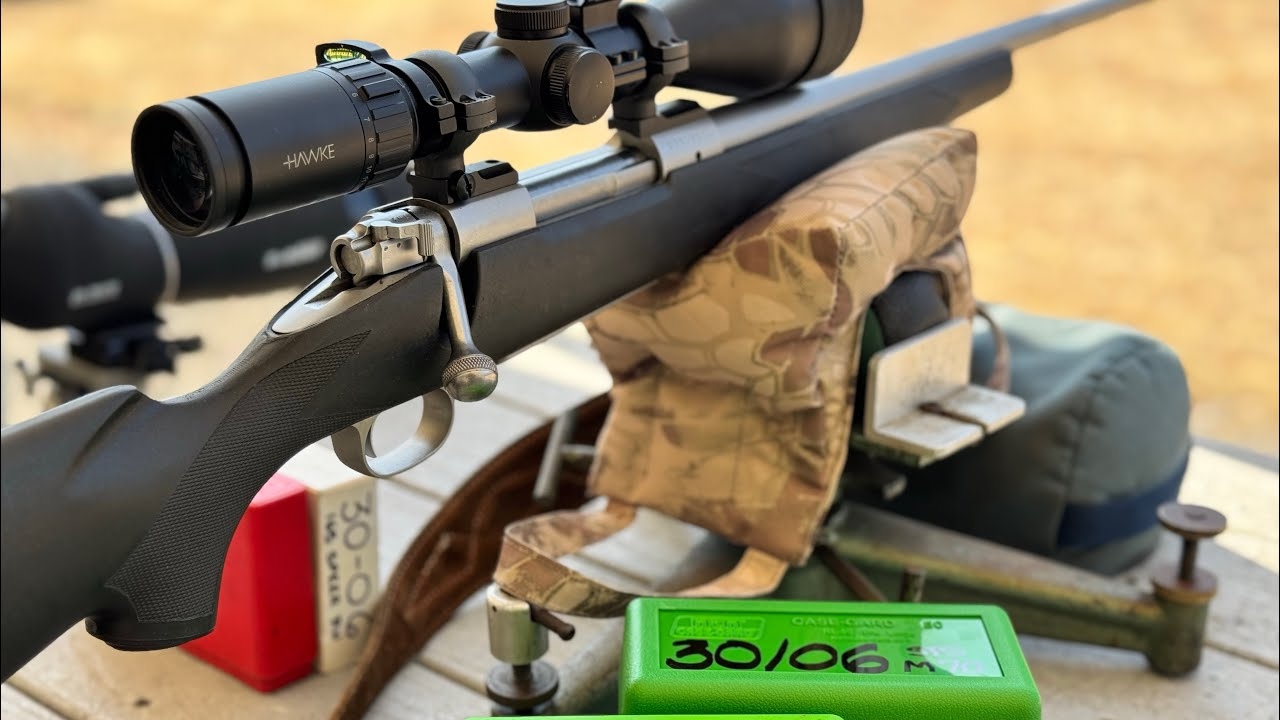
The Winchester Model 70 Classic Stainless was built as a serious hunting rifle, not a delicate collectible. Stainless steel, controlled-round feed, and a synthetic stock made it practical for weather and field use. It was exactly the kind of rifle a hunter could trust in rough conditions.
That’s why its safe-queen status can sneak up on owners. Controlled-round-feed Model 70 Classics became more appreciated over time, especially in desirable chamberings or clean condition. A rifle that once looked like a hard-use hunting tool now feels harder to replace. Owners may still hunt with them, but they think twice before beating one up in a rainstorm. It’s a working rifle that became valuable enough to make owners careful.
Smith & Wesson 3913

The Smith & Wesson 3913 was never supposed to sit untouched. It was a slim, practical carry pistol with an alloy frame, DA/SA trigger, and flat profile that made sense for real use. Many were carried exactly that way, which is why clean examples feel more special now.
The carry market moved toward polymer micro-compacts, but that shift made the 3913 stand out more. It has a refined metal-frame feel, shoots better than many tiny pistols, and represents a style of carry gun that has mostly disappeared. Owners who still have a clean one may hesitate to add holster wear or range wear, especially since magazines and parts are not as effortless as current-production guns. The 3913 became a safe queen because it aged too well.
Browning Auto-5

The Browning Auto-5 started life as a hardworking shotgun for fields, marshes, and bird seasons. It was not designed to sit untouched. It was built to hunt, and generations of owners treated it that way. The humpback receiver and long-recoil action made it one of the most recognizable shotguns ever made.
Now certain Auto-5s, especially clean Belgian examples, can make owners cautious. The gun still works when properly set up and maintained, but scratches and rough weather feel more expensive than they used to. Owners who have a nice one may take a newer shotgun into the marsh and leave the Auto-5 home. That’s how a field gun becomes a safe queen. It earned its value by being useful, then became too appreciated to risk.
Savage Model 99

The Savage Model 99 was once a regular deer rifle in plenty of camps. It gave hunters lever-action speed with cartridge performance that traditional tube-fed rifles couldn’t match. Many were used hard because that’s what deer rifles are for.
Now a clean Model 99 can feel too interesting to treat casually. The rotary magazine on many versions, distinct action, and chamberings like .300 Savage, .250-3000 Savage, and .308 Winchester give it a character modern rifles rarely duplicate. Condition matters, and repairs can be more involved than with simpler rifles. Owners who have a good one often protect it from rough hunts. It may still be capable, but replacing a nice 99 is not something anyone wants to do.
HK P7
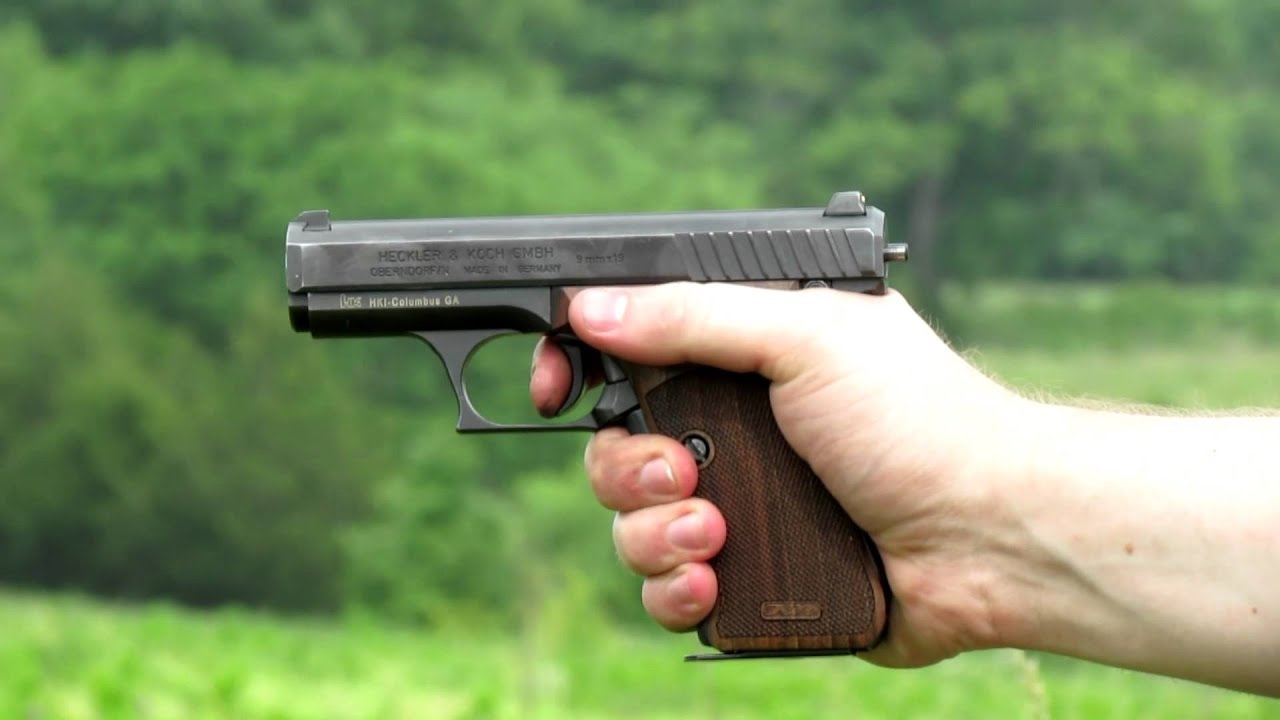
The HK P7 may have become a safe queen faster than almost anything here. It was once a serious carry and service pistol with a squeeze-cocker system, fixed barrel, low bore axis, and extremely distinctive operation. It was weird, but it worked.
Today, many owners hesitate to shoot them hard because values climbed and parts are not exactly casual. The P7 is accurate, slim, and mechanically fascinating, but it also heats up during long sessions and has a manual of arms that requires commitment. Clean examples with original boxes and accessories can bring serious money. A pistol that was designed for serious use now often spends more time being admired than carried. That was probably not the original plan.
Marlin 336 JM-Stamped Rifles
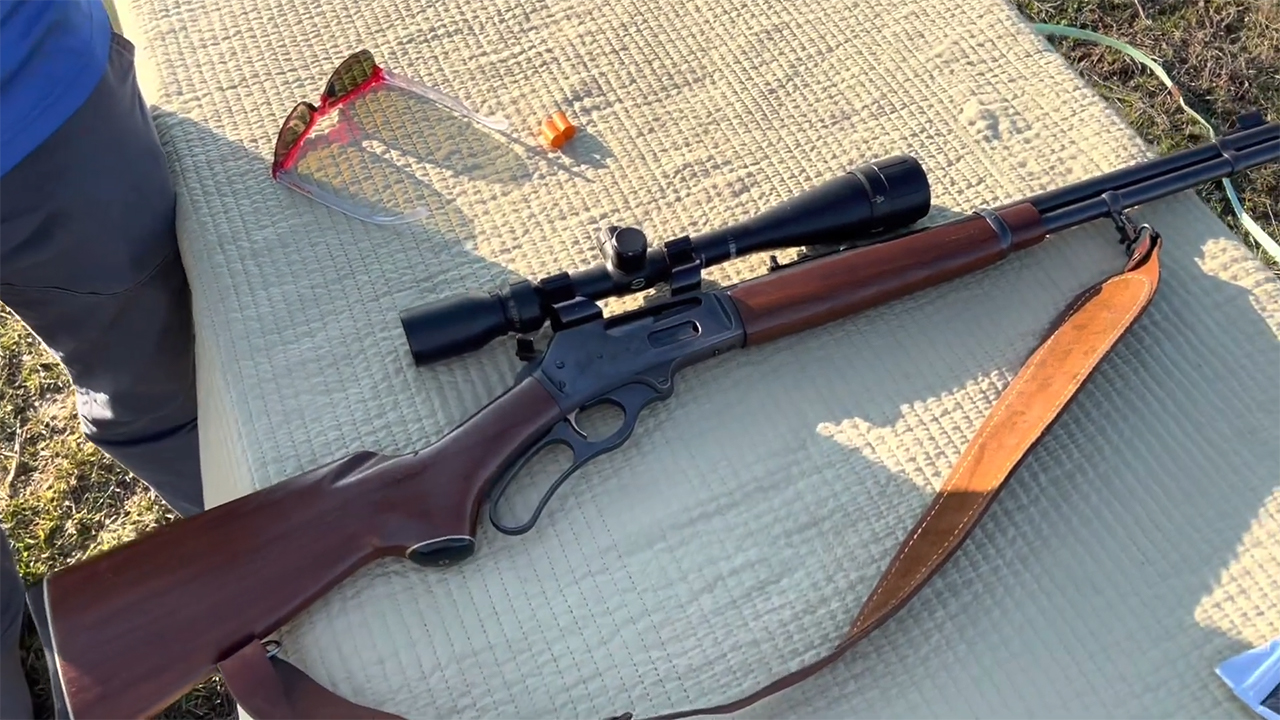
The Marlin 336 is supposed to be a deer-woods rifle. It carries well, shoulders fast, and fits normal timber distances beautifully. For decades, hunters treated them like normal working guns because they were common enough to feel replaceable.
Older JM-stamped rifles changed that feeling. Once shooters started paying closer attention to production era, fit, finish, and used-market demand, nice examples became harder to treat roughly. A good .30-30 or .35 Remington 336 still belongs in the woods, but owners may hesitate if the rifle is especially clean. It’s a strange thing when a practical lever gun becomes too desirable for the job it was made to do, but that’s exactly what happened for many owners.
Beretta 390
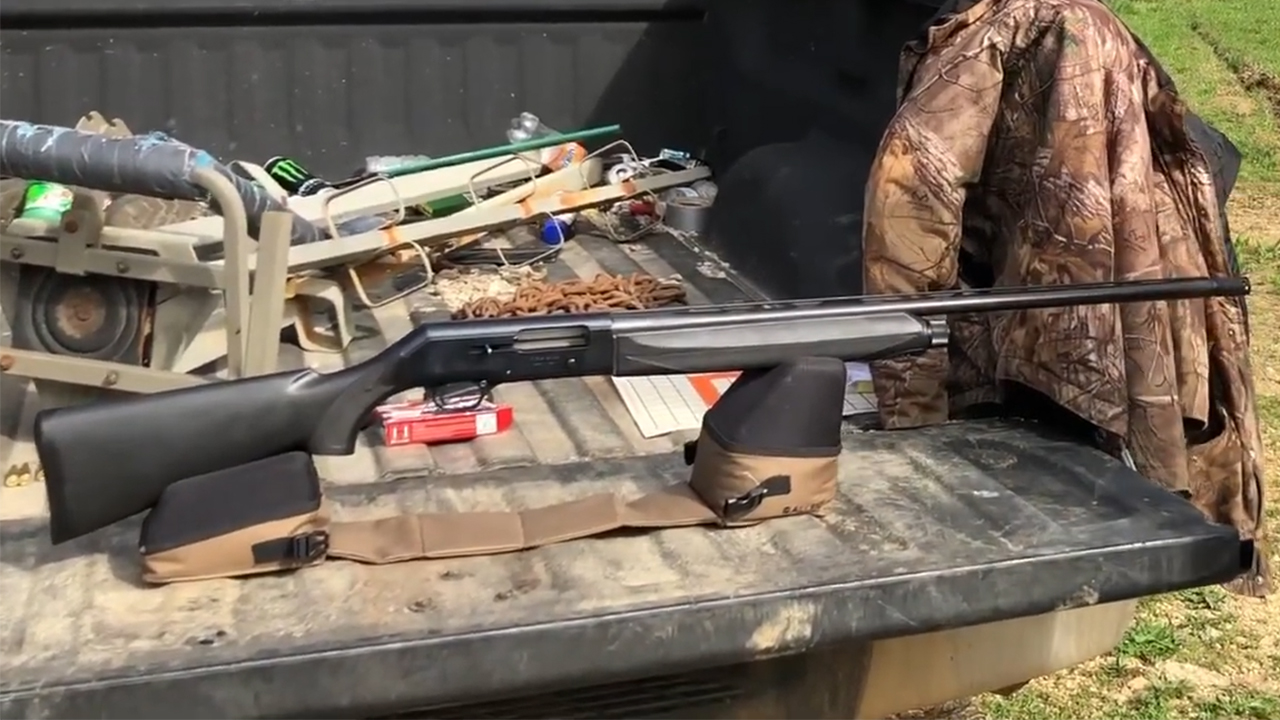
The Beretta 390 was a shotgun people bought to shoot a lot. Dove fields, clay ranges, upland hunts, and general field use all fit the gun’s personality. It was soft-shooting, reliable when maintained, and balanced well enough that many owners never wanted to move on.
That’s why clean 390s are becoming more protected. Newer Berettas exist, but not everyone thinks they feel better. A shotgun that fits naturally is hard to replace, and owners know it. The 390 can still be used hard, but some people now save theirs and take a rougher shotgun into bad weather. It became a safe queen not because it failed at work, but because it did the work so well that owners became afraid of wearing it out.
Colt Mustang

The Colt Mustang was meant to be a small carry pistol, not a safe ornament. It’s compact, metal-framed, chambered in .380 ACP, and built around a 1911-like manual of arms. Plenty of owners carried them casually when they were easier to find and less expensive.
Now clean examples can make owners more careful. The Mustang has Colt appeal, pocket-pistol charm, and a feel that many lightweight polymer .380s don’t duplicate. It still requires careful reliability testing and training with the safety, but collectors and shooters both appreciate nice ones. Once a small pistol becomes harder to replace in clean condition, it stops being the gun you casually toss in a pocket holster. That’s safe-queen status by accident.
Like The Avid Outdoorsman’s content? Be sure to follow us.
Here’s more from us: