

Photo credit: GunsOfTheWorld/YouTube
The 1911 has been argued over for longer than most pistol designs have even been around. Some shooters love it, some think it is outdated, and some act like owning one automatically makes you a handgun historian. The truth sits somewhere more useful than all that. The 1911 is not perfect, and it is not the easiest pistol for every role today. But it keeps earning respect because the good ones still shoot in a way that many modern pistols struggle to match.
You can point to capacity, maintenance, price, and weight, and those arguments are fair. But after real time behind a well-built 1911, it is easy to understand why the design never fully leaves the conversation. Some guns stay relevant because of nostalgia. The 1911 has nostalgia, sure, but it also has real shooting qualities that still matter.
The trigger still sets the standard
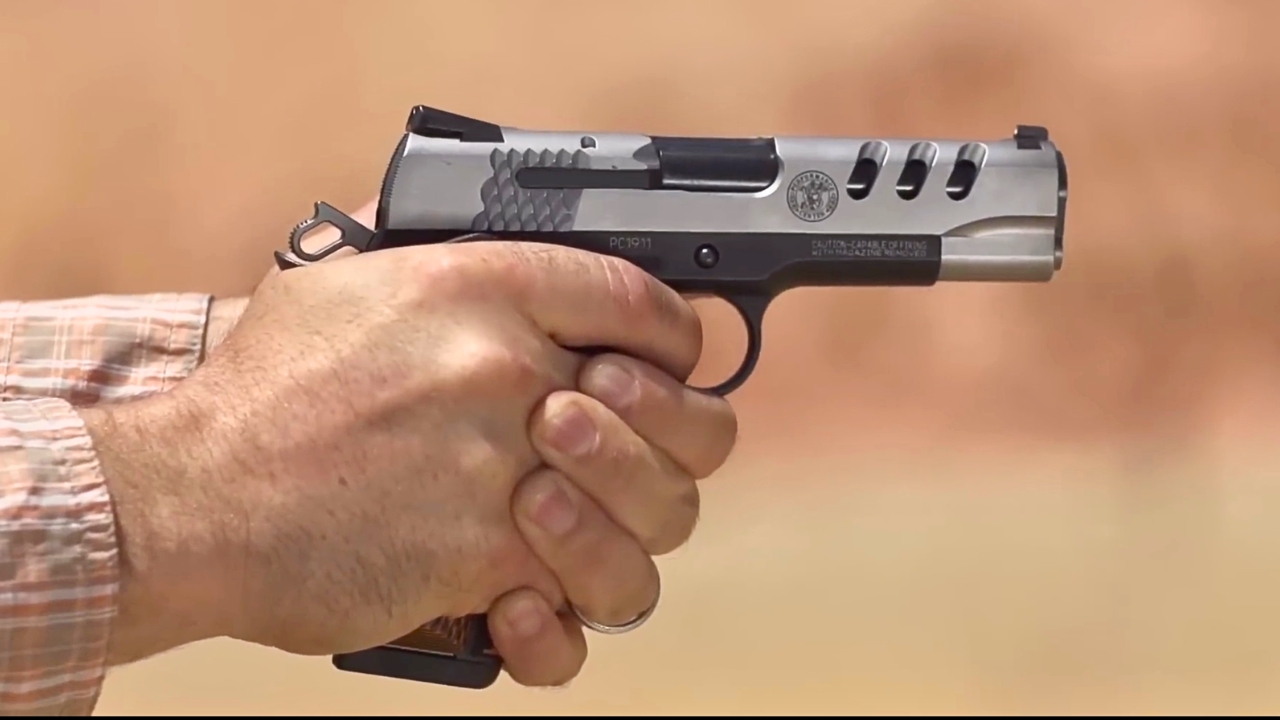
A good 1911 trigger is one of the biggest reasons the pistol still earns respect. The straight-back press, short travel, and clean break make it easier for many shooters to call their shots and stay honest with their fundamentals. You do not have to fight through a long, mushy pull to get the gun to fire cleanly.
That does not mean every factory 1911 has a perfect trigger. Some are average, and some need work. But when the trigger is right, it reminds you why people keep comparing other pistols to it. A crisp 1911 trigger makes accuracy feel less mysterious.
The grip angle feels natural to a lot of shooters

The 1911 grip angle is one of those things you understand better in your hand than on paper. For many shooters, the pistol points naturally without needing much adjustment. Bring it up, find the sights, and the gun often lands where your eyes expected it to be.
That natural presentation matters during slow fire, fast drills, and defensive practice. A pistol that points well helps you work cleaner without feeling like you are constantly correcting the gun. Plenty of modern pistols are excellent, but the 1911 still has a hand-fit quality that keeps winning people back.
The slim frame carries better than people expect
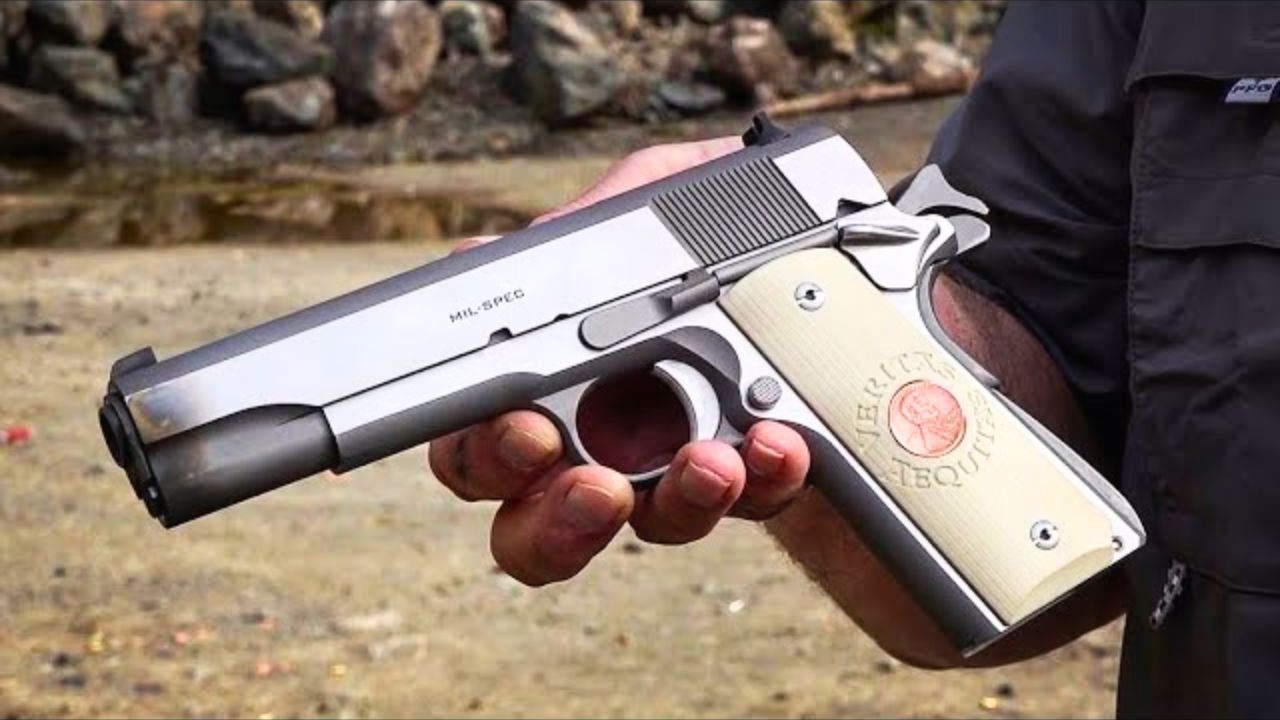
The 1911 is a large pistol, especially in Government length, but it is also thin. That slim single-stack frame helps it ride flatter against the body than many double-stack pistols. For shooters who dress around the gun and use a proper holster, it can carry better than its size suggests.
Weight is still weight, and a steel-frame 1911 is not going to disappear like a micro-compact. But the shape works in its favor. The pistol may be old, but its profile still makes sense for people who value flat carry over maximum capacity.
It rewards good fundamentals
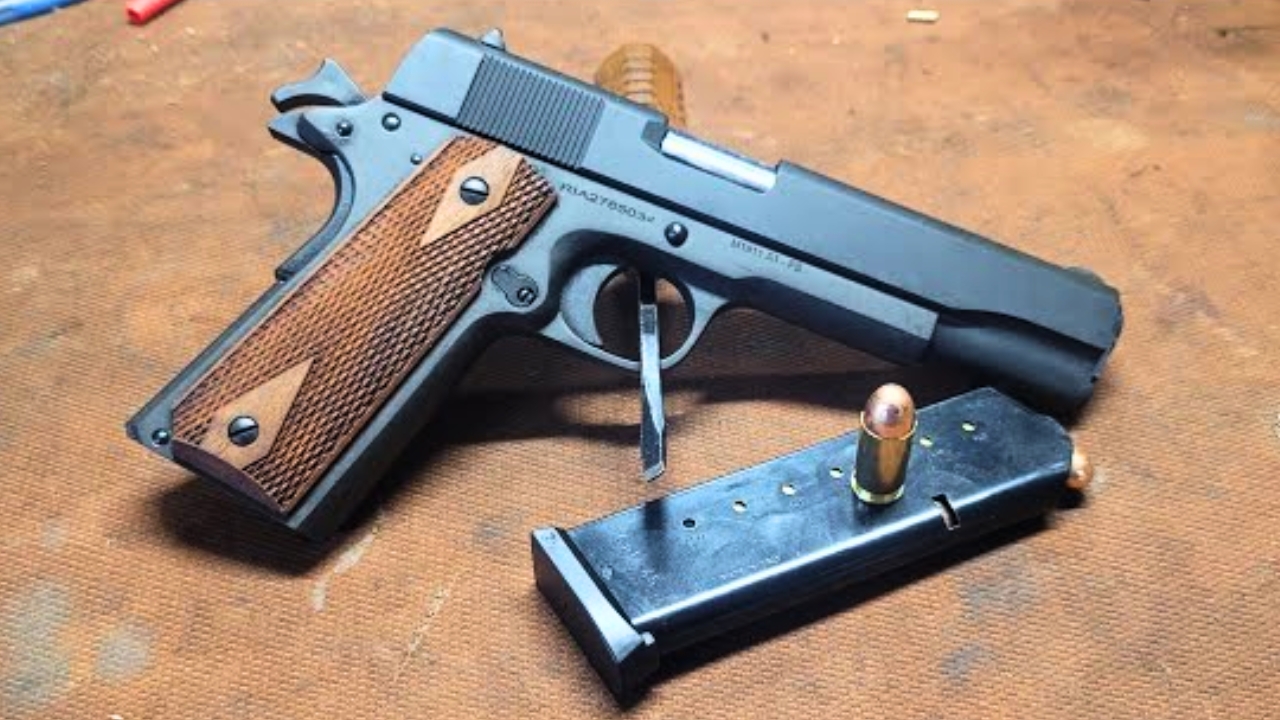
The 1911 does not hide much from you. If your grip is lazy, your trigger press is rough, or your recoil control falls apart, the gun lets you know. That can frustrate newer shooters, but experienced shooters often respect it.
A well-run 1911 feels fast, accurate, and controlled. A poorly run one exposes every shortcut. That is part of its value. It encourages clean trigger work, firm grip pressure, and consistent manipulation. In a world full of pistols that try to make everything easier, the 1911 still teaches you how much the shooter matters.
The recoil impulse is easy to manage
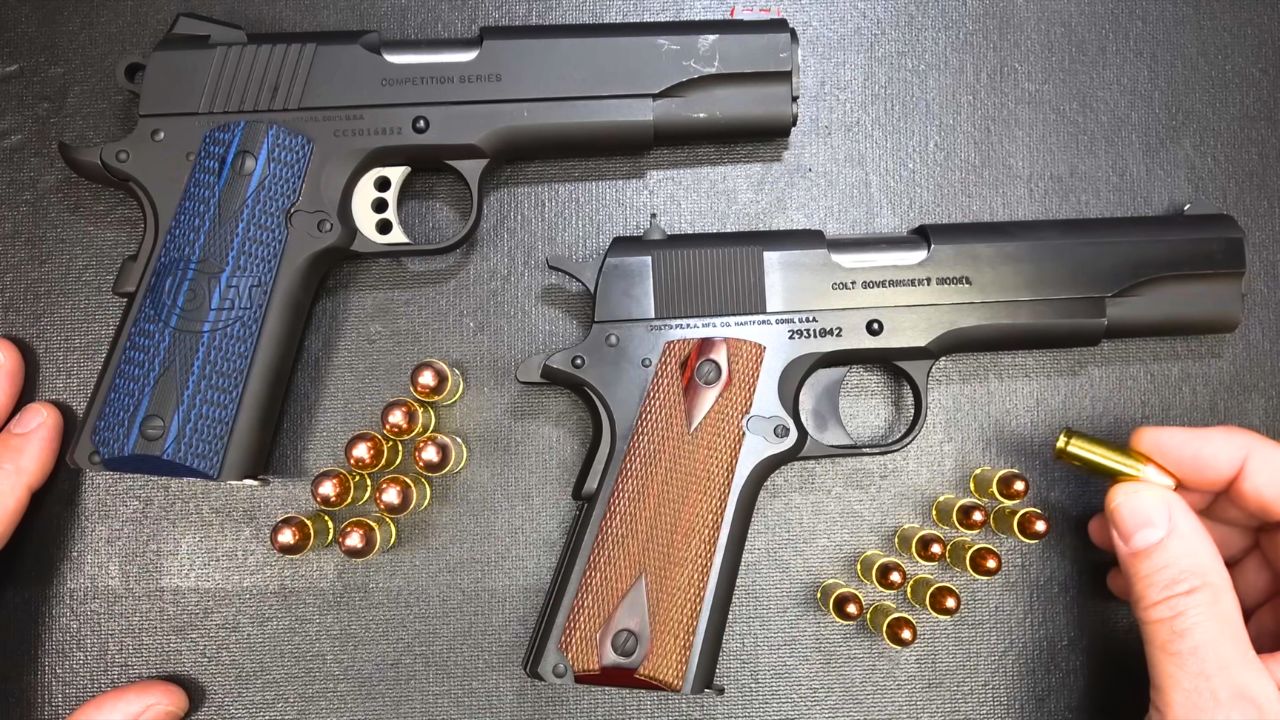
A full-size steel 1911 in .45 ACP has more push than snap, and that makes it pleasant in a different way than many lighter pistols. The weight, low-ish bore feel, and single-action trigger all help the gun track predictably during steady fire.
In 9mm, the 1911 can feel almost soft enough to spoil you. That is one reason many shooters still use 1911-style pistols for range work, competition, and serious practice. The design lets you stay connected to the sights without feeling like the gun is fighting you.
The controls are fast when you know them
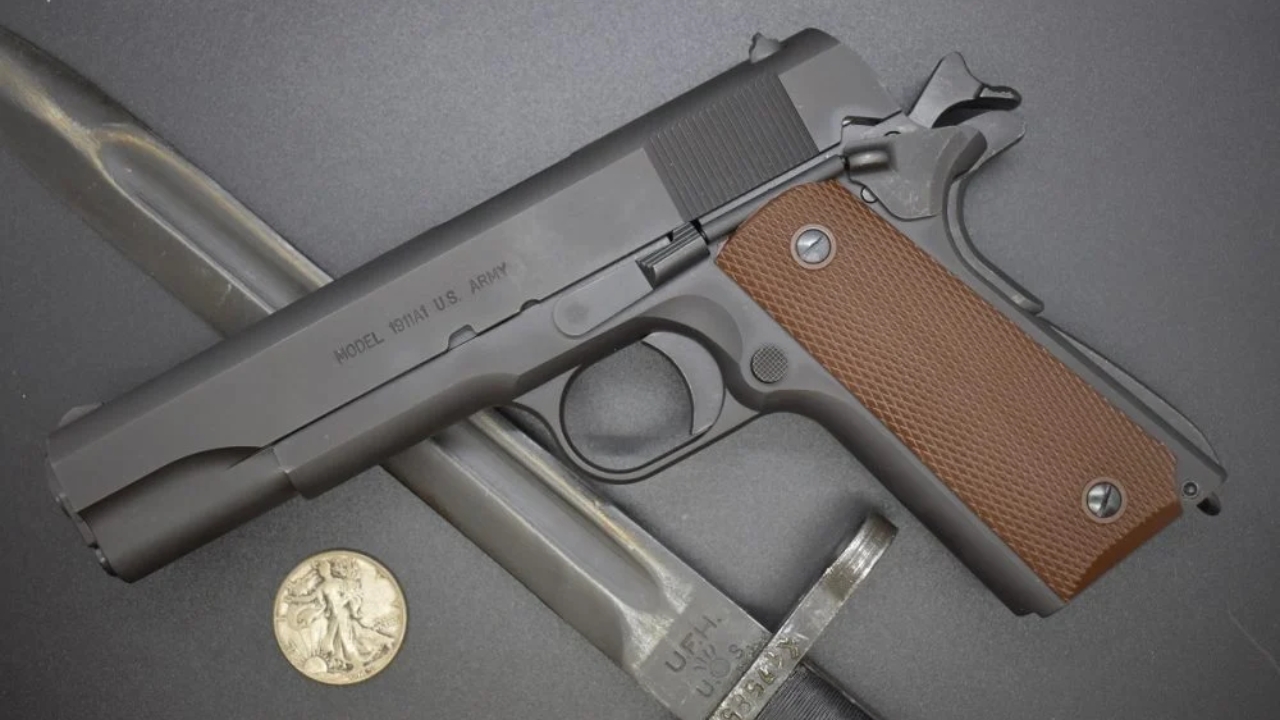
The thumb safety, grip safety, slide stop, and magazine release all make sense once you build the habit. A good 1911 thumb safety clicks on and off with real confidence, and many shooters like having that positive control under the firing-hand thumb.
It does require training. The 1911 is not a pistol you should carry casually without understanding the manual of arms. But once the controls become automatic, the gun feels quick and deliberate. That deliberate feel is one reason experienced 1911 shooters stay loyal to the platform.
It has real history behind it

The 1911’s history is not just marketing fluff. The design served through wars, police work, competition, defensive use, and decades of civilian ownership. That kind of background gives the pistol a weight that newer designs simply do not have yet.
History alone does not make a gun practical, but it does help explain the respect. The 1911 has been carried, trusted, modified, rebuilt, and studied by generations of shooters. When a design stays relevant that long, it usually has more going for it than a famous name.
The platform can be tuned to the shooter

One of the 1911’s strengths is how adjustable the platform is through parts, fitting, and configuration. Triggers, sights, safeties, grips, mainspring housings, beavertails, barrels, and magazines can all change how the gun feels and performs.
That can be a blessing or a trap. A poorly built or badly modified 1911 can become a headache fast. But a properly set up 1911 feels personal in a way many modern pistols do not. When everything fits your hand and your shooting style, the pistol becomes hard to put down.
It still dominates certain shooting circles

The 1911 and its double-stack relatives still show up heavily in competition because the design shoots well under pressure. Clean triggers, good sights, strong ergonomics, and fast recoil recovery all matter when the timer is running.
That does not mean a carry 1911 and a race gun are the same thing. They are not. But the fact that the pattern remains so competitive says something. Shooters who care deeply about performance still find value in the design. Respect tends to follow results.
Good examples are extremely accurate

A properly built 1911 can be a very accurate pistol. The barrel lockup, trigger system, sight radius, and grip shape all help the shooter get the most out of the gun. It is not unusual for a good 1911 to make average shooters look better than they expected.
Accuracy also depends on the shooter, ammunition, and build quality. Cheap or poorly assembled 1911s can disappoint. But when the gun is right, the design has a way of stacking shots that keeps people interested. That kind of confidence is hard to fake.
It offers a connection modern pistols often lack

A 1911 feels mechanical in a way many polymer pistols do not. You feel the safety click, the slide cycle, the hammer move, and the trigger break. That does not make it better for every job, but it does make it more engaging to shoot.
Some people dismiss that as nostalgia, but it matters to shooters who enjoy the craft of handgun shooting. A pistol you enjoy training with is a pistol you are more likely to shoot well. The 1911 keeps respect because it turns range time into something more deliberate.
It makes .45 ACP feel right

Plenty of pistols are chambered in .45 ACP, but the 1911 still feels like the cartridge’s natural home. The slim grip keeps the gun manageable, the steel frame tames recoil, and the single-action trigger helps shooters take advantage of the round’s accuracy potential.
Modern 9mms are easier to carry, hold more rounds, and make plenty of practical sense. That is not really the argument. The 1911 in .45 ACP remains respected because the combination feels balanced. It is heavy, slow by modern capacity standards, and still deeply satisfying to shoot well.
The design demands quality
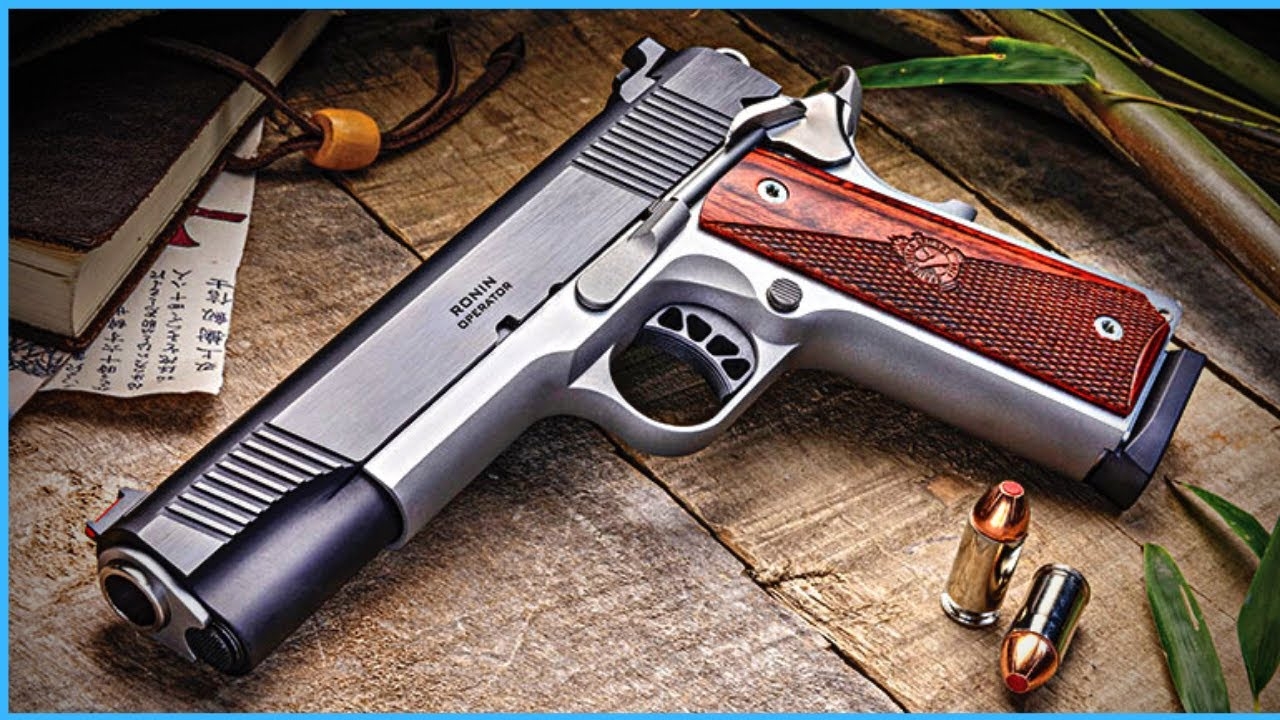
The 1911 is not as forgiving of lazy manufacturing as many modern pistols. Tolerances, magazines, extractors, springs, feed geometry, and fitting all matter. That is why cheap 1911s can be hit or miss, and why good ones earn such loyal followings.
That demand for quality is part of the respect. A well-built 1911 feels like someone actually cared about how the parts worked together. When it is done right, the pistol has a tight, smooth, confident feel. You understand where the money went.
It still works as a serious defensive pistol for trained shooters

The 1911 is not the easiest defensive pistol to recommend to everyone today. Capacity is lower, weight is higher, and maintenance matters more than with many striker-fired 9mms. Those are real downsides, not internet myths.
Still, in trained hands, a reliable 1911 remains a serious fighting pistol. The trigger, sights, safety system, and shootability can all work well if the shooter puts in the time. It is not the low-effort answer. It is the answer that rewards commitment.
It refuses to become irrelevant

The biggest reason the 1911 still wins respect is simple: it never fully goes away. Every time the market shifts, the pistol gets declared outdated again. Then another generation of shooters picks one up, shoots it well, and understands why people keep talking about it.
That does not mean it beats every modern pistol for every job. It does not. But relevance is not always about being the newest or most efficient choice. Sometimes a design stays respected because it still does things exceptionally well. The 1911 has been doing that for a very long time.
Like The Avid Outdoorsman’s content? Be sure to follow us.
Here’s more from us:


