Photo credit: tnoutdoors9/YouTube
Some calibers sound interesting until the first box of ammo is gone. Maybe they kick harder than expected, cost too much, burn barrels too fast, lack good factory loads, or solve a problem that another cartridge already handles better. Experienced shooters usually learn pretty fast when a caliber is more trouble than it is worth.
That does not mean every cartridge here is useless. Some are powerful. Some are accurate. Some have loyal fans for specific jobs. But plenty of seasoned hunters and shooters try them once, figure out the downside, and go right back to something easier to feed, easier to shoot, or easier to trust.
.357 SIG

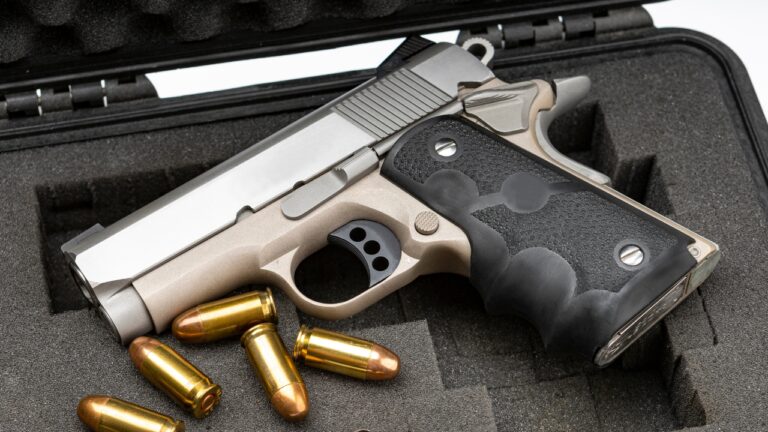
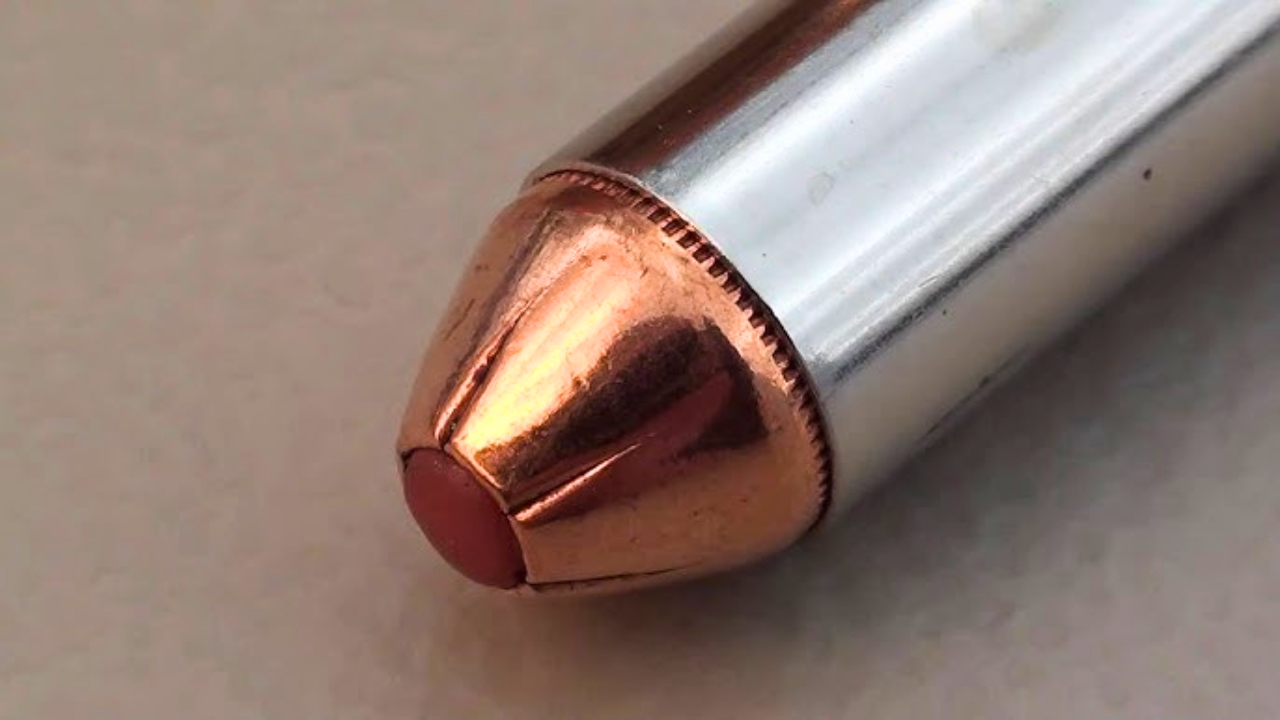
The .357 SIG had a strong moment because it promised serious velocity in a semi-auto pistol. Law enforcement interest helped its reputation, and on paper it looked like a flatter-shooting defensive round with more punch than standard 9mm. For people who liked speed, it was tempting.
The problem is that it brings more blast, more recoil, more cost, and less availability than 9mm without offering enough practical advantage for most shooters. A lot of experienced handgun owners try it, enjoy the noise for a while, and then realize they would rather train more with cheaper 9mm. It works, but it is not easy to justify long term.
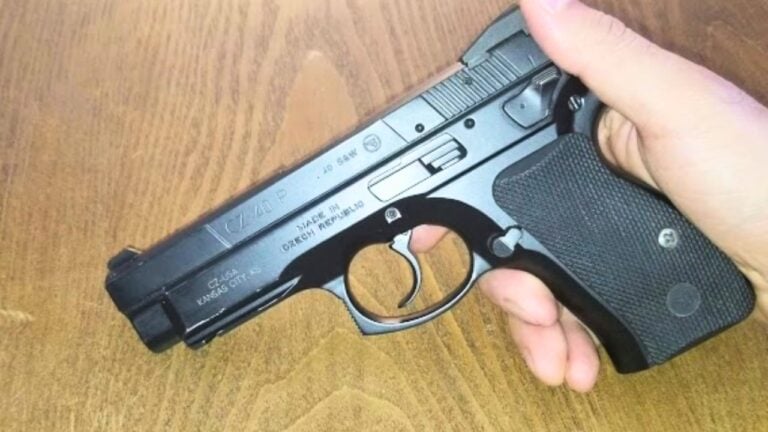
.40 S&W

The .40 S&W is not dead, but plenty of shooters walked away from it after living with it. It became popular because it split the difference between 9mm and .45 ACP, offering bigger bullets than 9mm with more capacity than .45. For years, that sounded like the smart compromise.
Then 9mm bullet performance improved, and the .40’s downsides became harder to ignore. It is snappier, harder on some guns, more expensive, and less pleasant for long practice sessions. Plenty of veterans still respect it, but many tried it during the hype years and eventually decided 9mm was simply easier to shoot well.
10mm Auto in lightweight pistols
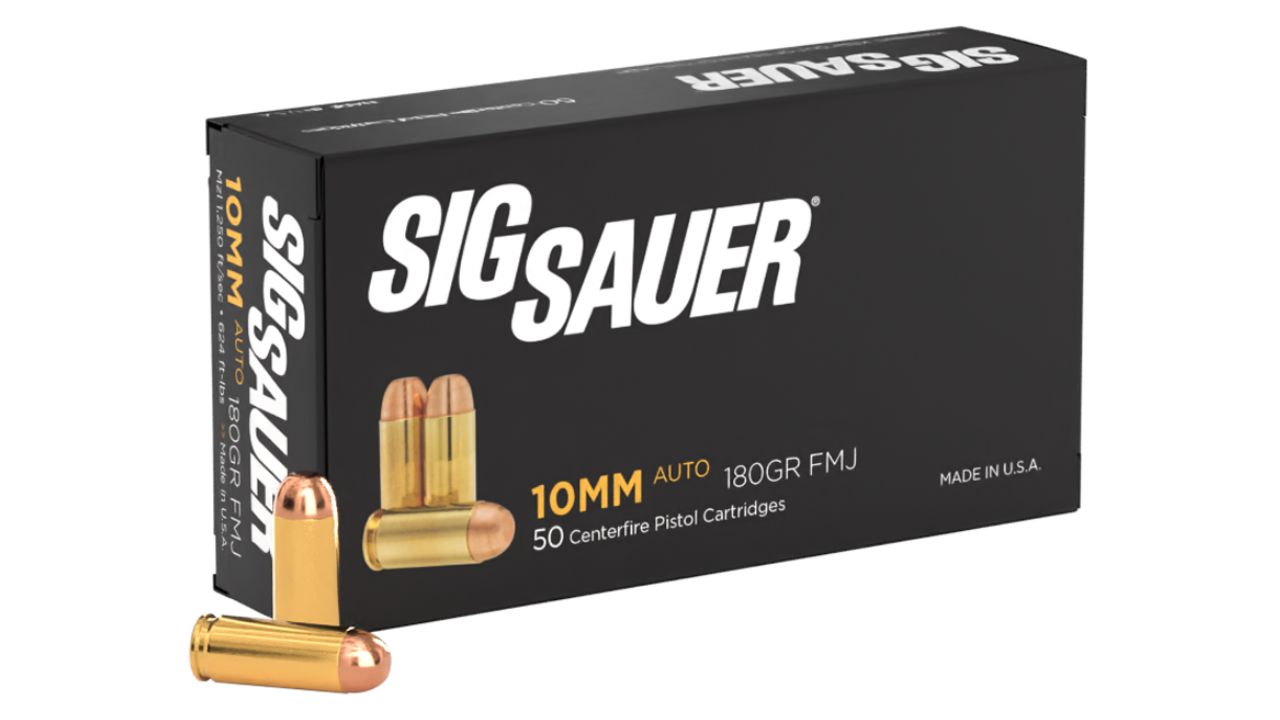
The 10mm Auto is a great cartridge when it is matched to the right gun and role. In a full-size pistol for woods carry, hunting, or animal defense, it can make sense. But lightweight 10mm pistols are a different story.
That is where experienced shooters often lose interest fast. The recoil is sharp, the muzzle blast is real, and fast follow-up shots take more work than people expect. Add expensive ammo and inconsistent factory load strength, and the excitement fades. A heavy 10mm can be useful. A light one can feel like punishment.
.380 ACP in tiny pocket pistols

The .380 ACP itself is not terrible, especially in pistols large enough to shoot well. The trouble starts when it is stuffed into tiny pocket guns with almost no grip, tiny sights, and long triggers. A lot of shooters buy one thinking mild cartridge means mild shooting.
Then they actually train with it. Tiny .380s can be snappy, hard to grip, and frustrating past close distances. Experienced shooters often decide that if they are going to deal with that much compromise, they might as well carry a slightly larger 9mm. The caliber is manageable. The smallest guns chambered for it are what turn people away.
.44 Magnum in lightweight revolvers

The .44 Magnum is legendary for a reason. It hits hard, hunts well, and has serious woods credibility. In a heavy revolver with a good grip, it can be controlled by shooters who know what they are doing.
Put it in a lightweight or short-barreled revolver, and the fun disappears fast. The blast, recoil, and recovery time make many experienced shooters decide they do not need that much misery. For a lot of real-world carry, .44 Special or a heavier .357 makes more sense. The .44 Magnum is powerful, but light guns make it hard to love.
.454 Casull

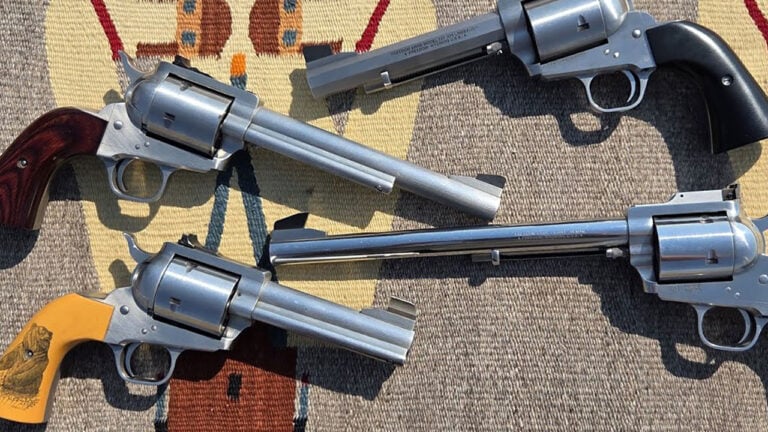
The .454 Casull is a serious revolver cartridge, and nobody should pretend otherwise. It was built for power, hunting, and dangerous-animal backup in capable hands. On paper, it is exactly what big-bore revolver fans think they want.
Then they shoot it. The recoil is heavy, the blast is sharp, and ammo is expensive enough that practice becomes a commitment. Many experienced shooters try it once, respect it immediately, and decide they would rather own a .44 Magnum or .45 Colt that they can actually shoot more often. The .454 works, but it demands a lot.
.460 S&W Magnum

The .460 S&W Magnum is impressive because it brings rifle-like speed to a revolver platform. It can be flat-shooting, powerful, and genuinely useful for handgun hunting in the right setup. It also gets attention because the numbers are wild.
But it is not a casual cartridge. The revolvers are huge, the muzzle blast is fierce, and the cost per shot makes practice feel expensive fast. A lot of shooters try it for the experience and then realize they do not want to haul or feed that kind of handgun regularly. It is capable, but not easy to live with.
.500 S&W Magnum

The .500 S&W Magnum is the kind of cartridge people want to shoot once just to say they did. It is massive, loud, and powerful enough to make almost anything else in the handgun case feel small. As a hunting or backup round, it has a serious role for a small group of shooters.
For everyone else, it is mostly an expensive lesson. Recoil is heavy, ammo costs are high, and the revolvers are enormous. Many experienced shooters touch one off, laugh, hand it back, and never feel the need to buy one. It is not useless. It is just more gun than most people want to live with.
.45 GAP

The .45 GAP was supposed to give .45 ACP-like performance in a shorter cartridge that could fit smaller-framed pistols. In theory, that made sense. A big bullet in a more compact grip sounded like a useful improvement.
The market never really stayed with it. Ammo availability became the problem, and shooters had little reason to choose it over .45 ACP or modern 9mm. A lot of experienced handgun owners looked at it, maybe tried it, and moved on fast. It was a clever idea that never gave enough practical benefit to survive.
.327 Federal Magnum

The .327 Federal Magnum is actually a smart cartridge in the right revolver, but it is also one that some shooters try and abandon. It offers more capacity than many .38 or .357 snubs, good velocity, and the ability to fire milder .32-family loads. On paper, it has a lot going for it.
The problem is blast, noise, and ammunition availability. Full-power .327 loads can be surprisingly loud and sharp, especially from small revolvers. If local ammo shelves do not support it, the cartridge becomes annoying to own. Some shooters love it. Others try it and decide .38 Special, .357 Magnum, or 9mm is simply easier.
5.7x28mm

The 5.7x28mm has a lot of cool factor. Low recoil, high capacity, flat trajectory, and futuristic guns make it interesting. It feels different from normal pistol cartridges, and that alone makes many shooters curious.
The issue is cost and purpose. Ammo is more expensive than 9mm, defensive load choices are more limited, and many shooters do not see enough real-world benefit to justify switching. It is fun, but fun does not always keep people buying ammo. Plenty of experienced shooters try it once and decide it is too expensive for what it gives them.
.224 Valkyrie
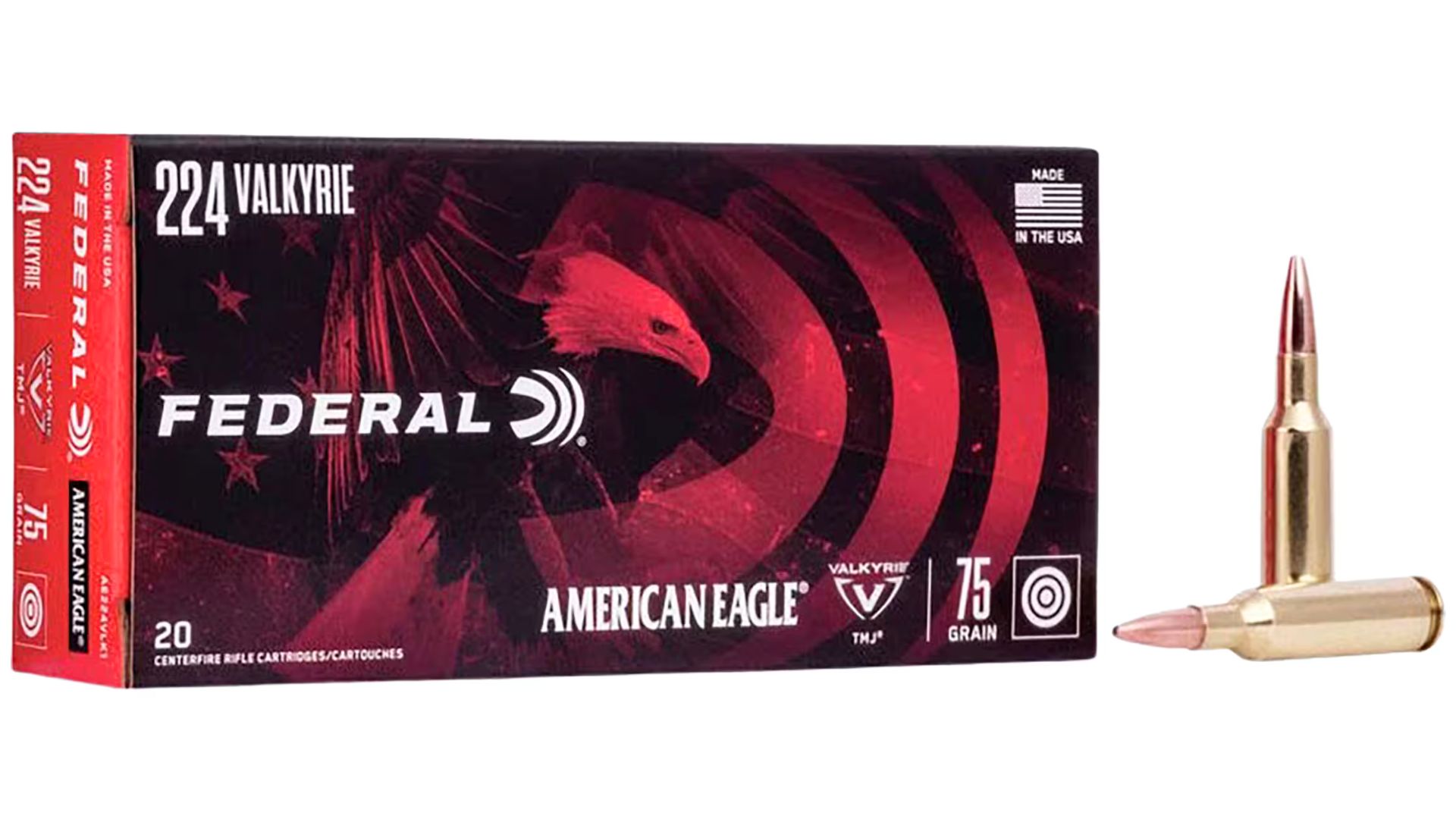
The .224 Valkyrie arrived with big promises for long-range AR-15 performance. It sounded like the cartridge that would push small-frame ARs farther with high-BC bullets and flatter trajectories. That got a lot of shooters interested early.
Then reality got messier. Barrel twist, load selection, accuracy expectations, and competition from other cartridges made it less exciting for many owners. Some rifles shot well, others disappointed, and the hype cooled quickly. A lot of experienced shooters tried it, fought with it, and went back to 5.56, 6.5 Grendel, or a bolt gun.
.300 Blackout subsonic
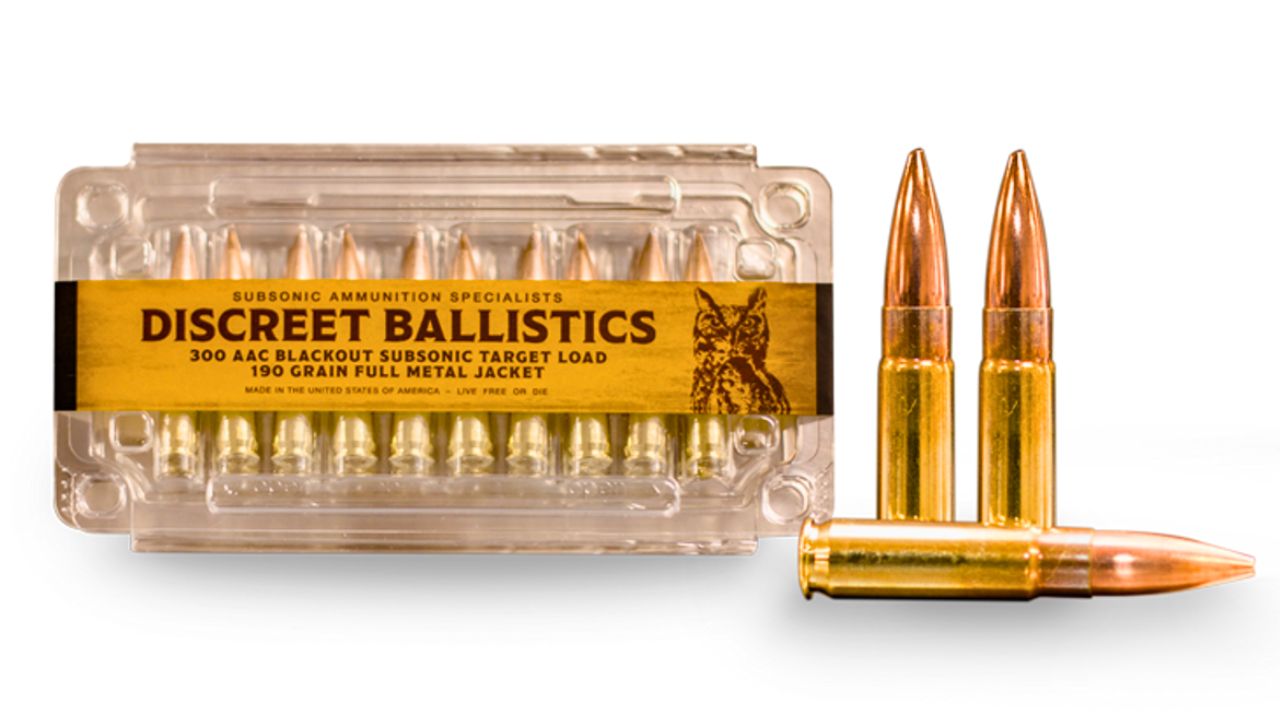
The .300 Blackout is useful when people understand what it does well. Supersonic loads in short barrels can make sense, and suppressed subsonic shooting is extremely quiet and fun. That is the hook.
But some shooters try subsonic .300 Blackout expecting more power than it really delivers. Without the right expanding bullet, terminal performance can be underwhelming. Ammo is also more expensive than 5.56, and the trajectory is steep. Experienced shooters often enjoy it suppressed, then decide it is too narrow for general rifle use.
.30 Super Carry

The .30 Super Carry sounded smart because it promised more capacity than 9mm while staying closer to defensive-pistol performance than older small calibers. More rounds in the same size gun is an easy selling point.
The problem is that 9mm is deeply established, affordable, and trusted. The .30 Super Carry has struggled with gun selection, ammo availability, and convincing shooters that the gain is worth switching. Many experienced handgun owners looked at it and decided it was a solution to a problem they did not really have.
.410 handgun loads

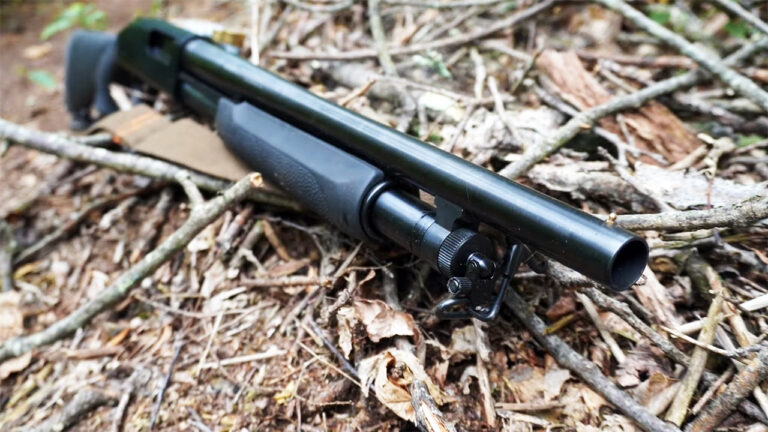
The .410 out of handguns got popular because revolvers like the Taurus Judge and Smith & Wesson Governor made it sound devastating at close range. A shotshell from a handgun seems like it should be the ultimate defensive shortcut.
Experienced shooters usually figure out the compromise fast. Patterns can spread badly, penetration can be inconsistent, recoil is not nothing, and the guns are bulky. Specialty defensive loads help, but they do not turn a short-barreled revolver into a real shotgun. Many people try the concept once and move on.
.22 TCM

The .22 TCM is loud, fast, flashy, and genuinely fun. It throws a small bullet at high speed from a 1911-style pistol, creating a big muzzle flash and very little recoil. For range entertainment, it has personality.
The downside is that it is a niche cartridge with limited ammo availability and limited gun options. It does not replace 9mm for defense, and it does not replace .22 LR for cheap practice. A lot of shooters enjoy the first range session and then realize they do not want to stock another oddball caliber.
.50 Beowulf

The .50 Beowulf sounds awesome because it turns an AR-15 into a big-bore thumper. Heavy bullets, huge holes, and short-range power make it very appealing for hogs, brush hunting, and anyone who wants something different.
But ownership can cool the excitement. Ammo is expensive, recoil is heavy for an AR platform, magazines can be finicky, and range is limited. A lot of experienced shooters try it, respect the power, and decide a .450 Bushmaster, .458 SOCOM, .45-70, or normal rifle cartridge fits their needs better.
.458 SOCOM
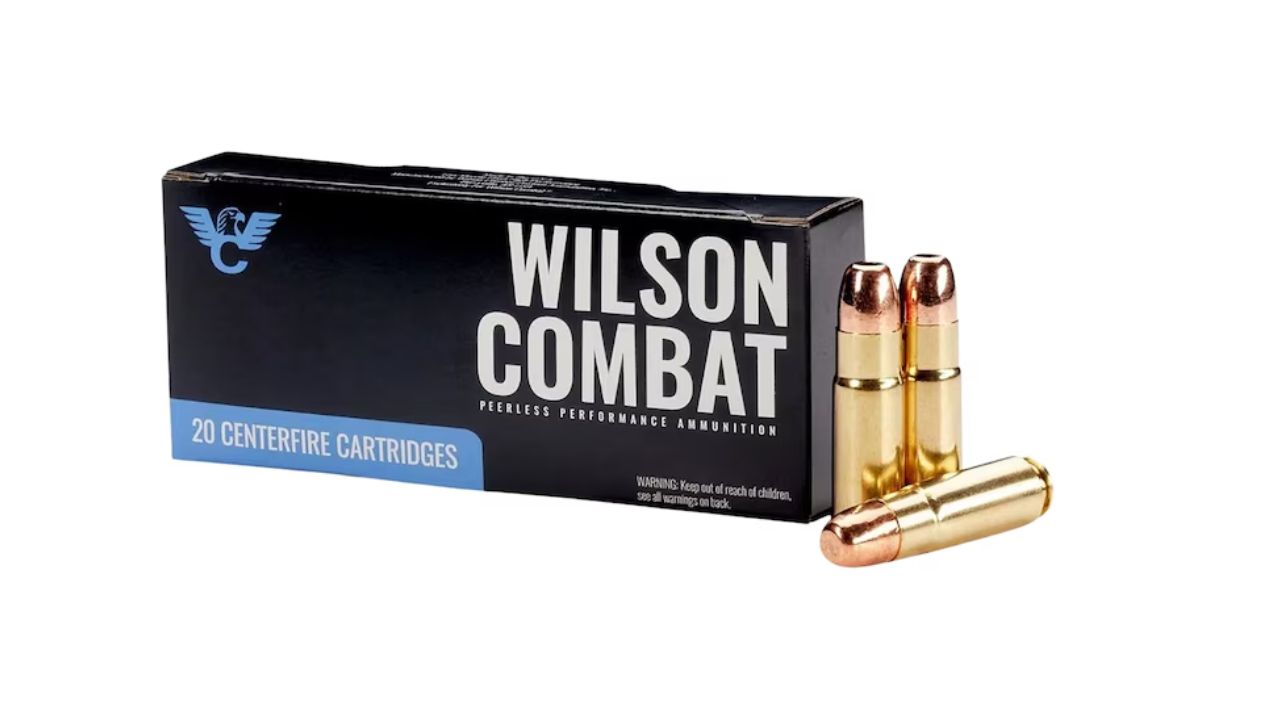
The .458 SOCOM is another big-bore AR cartridge that looks great on paper. It hits hard, uses heavy bullets, and gives the AR platform a completely different personality. For close-range power, it has a real following.
The problem is the same one that catches many big-bore AR buyers. Ammo is expensive, recoil is stout, and the practical use case is narrower than expected. If someone is not hunting hogs or big game at close range, it often becomes a costly range toy. Many shooters try it and decide the novelty is not worth feeding.
.45-70 Government in lightweight rifles

The .45-70 Government is one of the great big-game cartridges, and in the right rifle it is extremely useful. It has history, authority, and a strong following among lever-action hunters. But lightweight .45-70 rifles can humble people fast.
Heavy loads in a light guide gun are not fun for everyone. Recoil can be brutal, ammo is expensive, and many hunters do not need that much cartridge for ordinary deer or hogs. Experienced shooters often respect the .45-70 deeply, but after trying it in a light rifle, plenty decide a .30-30, .308, or .44 Magnum carbine is easier to live with.
7mm Remington Ultra Magnum

The 7mm Remington Ultra Magnum was built for speed, flat trajectory, and long-range authority. It sounds excellent to hunters who want more reach than a standard 7mm Remington Magnum. On paper, it brings serious performance.
In practice, it is a lot of blast, recoil, powder, and barrel wear for a gain many hunters do not need. Ammo availability is limited compared with more common cartridges, and rifles chambered for it can be unpleasant to shoot from the bench. Many experienced hunters try the ultra-magnum route once and go back to something easier to feed and shoot.
Like The Avid Outdoorsman’s content? Be sure to follow us.
Here’s more from us: