Photo credit: Take Aim Parts/GunBroker
Plenty of pistols will run ball ammo all day long without missing a beat. But the second you switch to hollow points—the kind of ammo you’d actually trust for carry or defense—some of them fall apart. Feed ramps suddenly don’t agree with the nose profile. Mag lips hang up. Slides won’t go fully into battery. That perfect range gun turns into a jam-o-matic. Some pistols can be tuned or polished to get around it. Others seem to never get it right no matter what you try. Whether it’s poor design, magazine geometry, or sharp feed angles, these pistols have earned a reputation for being picky when it comes to hollow points—and they’re the kind of guns you double check before trusting with anything serious.
Colt Mustang Pocketlite

The Colt Mustang Pocketlite is compact, good-looking, and carries well—but it’s one of those pistols that has a long history of feeding issues with hollow points. The short feed ramp and sharp angle from magazine to chamber make it less forgiving than it should be. Some owners report decent performance with a few narrow-profile JHPs, but plenty of others experience nose dives, stovepipes, or failures to return to battery.
It’s light and easy to carry, which is exactly what draws people to it. But when it comes to reliability, you’re left doing a lot of ammo testing and hoping you find one that runs clean. Ball ammo works fine, but if you want to carry it for personal defense, you better make sure the hollow points you pick feed every time. Some people polish the ramp or swap mags to improve reliability—but that’s not a fix everyone wants to gamble on.
Taurus PT738 TCP

The Taurus PT738 TCP is another pocket .380 that does fine with FMJs but gets fussy with hollow points. The short slide stroke and low mass make timing more sensitive, and some types of JHPs catch right on the feed ramp. The slide sometimes returns just shy of battery, especially with wider-nose or +P defensive loads.
It’s lightweight, budget-friendly, and easy to conceal, but that doesn’t do you much good if it chokes when it matters. Some folks have good luck after breaking it in with a couple hundred rounds. Others never get it to run reliably with carry ammo. It’s one of those pistols you have to handpick ammo for, and even then, you want to keep testing. You might get lucky with certain Hornady or Speer rounds, but there’s no universal load that seems to work across the board. For something designed for defensive use, that’s a big drawback.
Kimber Micro 9

The Kimber Micro 9 looks sharp and feels great in the hand. It’s modeled after the 1911 platform and has that same appeal—single-action trigger, thumb safety, and all-metal construction. But the Micro 9 is notoriously picky with hollow points. Some of them feed okay, but others hang up halfway into the chamber or get caught on the feed ramp edge.
The short barrel and tight tolerances don’t leave much margin for error. Add in a slide that doesn’t always have enough momentum to strip and chamber defensive loads, and you get a gun that’s more frustrating than it should be. Kimber fans will say it just needs a break-in period. Maybe. But for a carry gun, needing 300+ rounds before it runs hollow points reliably doesn’t inspire confidence. Some guns run better with mags like Wilson Combat or upgraded springs—but when it’s that much work to trust your carry ammo, you start to question the point.
Springfield Armory 911 (.380)

The Springfield 911 in .380 ACP is slick, stylish, and marketed as a high-end pocket pistol. But hollow point performance has been hit or miss. Some owners report feed issues with anything but ball ammo—especially when using broader-nosed JHPs. The compact dimensions and steep feed angle don’t always cooperate with defensive rounds, even those that perform well in other .380s.
It doesn’t help that the tolerances are tight, and the recoil spring setup can be sensitive to variations in ammo. That makes it run great when everything’s perfect—but a little grime or the wrong hollow point can start causing jams. It’s a good shooter when it’s working. The trigger is crisp, and accuracy is solid for its size. But for a gun marketed as a premium carry piece, it’s finicky in a way that shouldn’t happen at that price point. It’s another pistol where you’ll have to do a lot of ammo testing before you find something that runs clean every time.
SIG Sauer P238
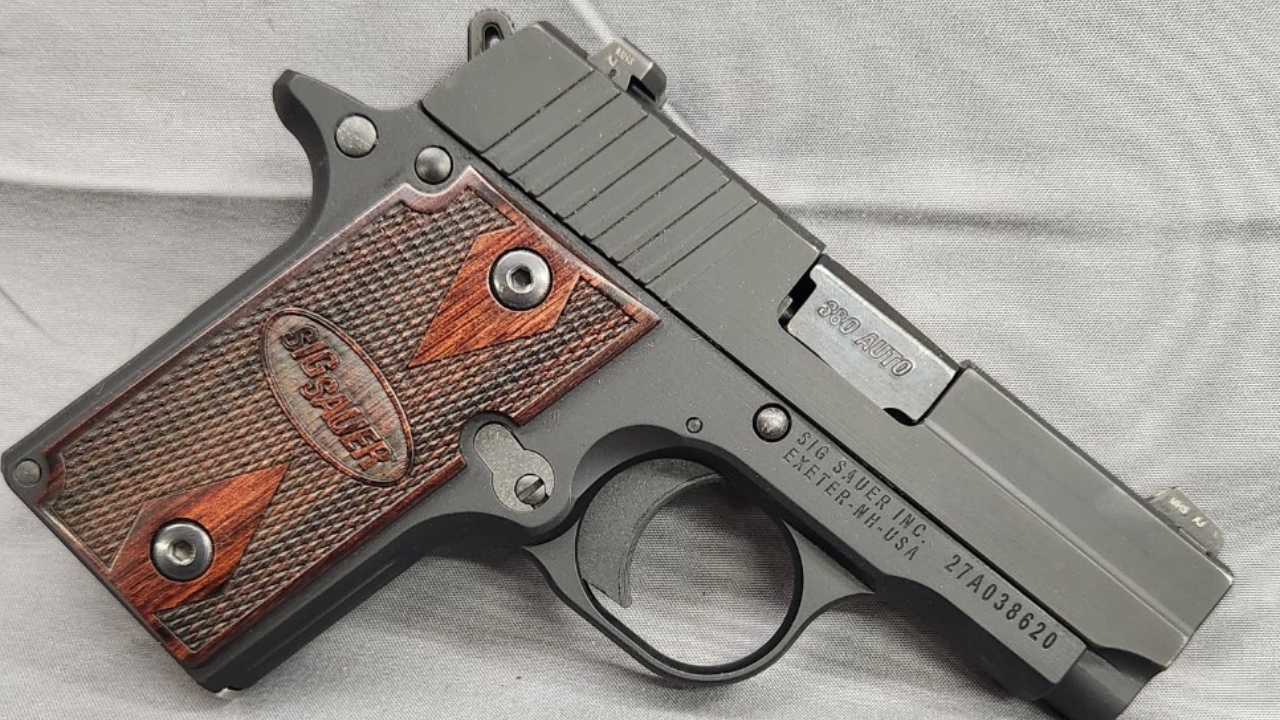
The SIG P238 is popular for its compact size, 1911-style controls, and smooth shooting in .380 ACP. But when it comes to feeding hollow points, it’s not always as smooth as you’d hope. Some versions run great with specific loads, while others seem to hate anything but full metal jacket. The feed ramp angle, short slide stroke, and tight tolerances make it sensitive to bullet shape and overall length.
Plenty of owners report nose-up jams or failures to feed when using wider hollow points. It seems to prefer narrower, rounder-profile JHPs like Hornady’s Critical Defense, but even then, it’s not guaranteed. You can get it to run reliably, but you’ll likely need to test a few boxes of ammo and maybe even polish the feed ramp. For a gun that’s built for concealed carry and marketed on its refinement, that kind of inconsistency is frustrating. If you’ve got one that runs everything, hang onto it—but many don’t.
AMT Backup (.380/.45)

The AMT Backup is a solid chunk of stainless steel, available in multiple calibers—but in both .380 and .45, it has a reputation for struggling with hollow points. The feed ramp isn’t well-polished on many models, and the magazines don’t always provide smooth delivery of wide-nose bullets. Combine that with the short slide and heavy trigger pull, and you get a pistol that’s more brute force than finesse.
Some folks carried these because they were compact and durable, but many learned the hard way that their preferred defensive loads wouldn’t chamber reliably. You’ll often hear about failures to feed, nose dives, and jams that require manually clearing. AMT pistols were built like tanks, but they weren’t refined. With FMJs, they tend to run okay. With hollow points, you start playing ammo roulette. It’s a backup gun, sure—but it’s one that demands very specific ammo if you want it to function under stress.
Walther PPK (.380 ACP)

The Walther PPK is a classic—it looks good, feels solid, and has movie-star history. But in the real world, it’s not exactly known for feeding hollow points reliably. The fixed barrel and blowback design make it sensitive to recoil energy and bullet profile. Wider-nose hollow points have a habit of hanging up on the feed ramp, especially in older models.
Modern JHPs with smoother profiles help a bit, but even then, the PPK isn’t a guarantee. Some users polish the feed ramp or modify magazines to improve reliability. But again, this is a gun you’re probably carrying for self-defense—having to tweak it just to feed carry ammo shouldn’t be part of the deal. It runs ball ammo fine and shoots well once broken in. But when you start testing your go-to JHP loads, you’ll likely find a few that the PPK flat out refuses to cycle.
Remington R51

The Remington R51 came back with a lot of promise—but most folks remember it for the early issues. One of the most common complaints? Inconsistent feeding, especially with hollow point ammo. The Pedersen-style action is unusual, and the timing of the feed cycle is picky. Add in a steep feed ramp and tight magazine spring tension, and things get finicky fast.
Even after Remington reworked the design, reports of hollow points failing to chamber cleanly didn’t go away. It’ll often fail to return to battery or catch the round partially chambered. Ball ammo tends to run better, but that’s not what you’re going to carry for personal defense. You can find a load that works after testing, but reliability seems to vary from gun to gun. For a pistol that was meant to be sleek, comfortable, and ideal for EDC, it wound up needing too much babysitting when it came to feeding defensive ammo.
Kahr CW380

The Kahr CW380 is a budget-friendly micro pistol with a slim profile and smooth trigger. But the tiny size and light slide don’t always agree with hollow points. It has a long reputation for being ammo picky, with some JHPs failing to feed or causing premature slide lock. The recoil spring is stiff, and if your ammo doesn’t generate enough rearward force, it can short-stroke.
The feed ramp angle is also less forgiving than it should be. You might get lucky with some loads—especially narrower-nose rounds—but wider hollow points often catch or cause failures to go into battery. You can improve reliability with a full break-in, but it’s not a “right out of the box” kind of gun. For its size, it’s comfortable to carry—but when it comes time to actually run carry loads through it, you’ll need to test carefully and be prepared to rule out several options.
Rock Island Armory 1911 (in .45 ACP)

Rock Island’s full-size 1911s offer solid value, but they’ve long had a reputation for being picky with hollow points—especially early on. The feed ramp and throat aren’t always polished to the level you’d see in more expensive 1911s, and that leads to issues with wide-nosed JHPs. You’ll get occasional nose dives, failures to feed, or rounds that catch just short of chambering fully.
Some folks work around it with minor gunsmithing—polishing the ramp, adjusting the extractor, or upgrading mags. And with FMJ or ball-style JHPs, they often run fine. But if you want to carry it with your preferred hollow points, you need to test every box and be ready to make adjustments. It’s a tough, affordable .45 that shoots well for the money, but that doesn’t mean it’s plug-and-play for carry. If your load has a wide cavity or sharp ogive, there’s a real chance the pistol won’t like it—at least not without a little help.
Kel-Tec PF9

The Kel-Tec PF9 is thin, lightweight, and affordable—three things a lot of folks look for in a carry pistol. But reliability with hollow points isn’t one of its strong suits. It has a short, steep feed ramp that doesn’t always play nice with wider-nose or flat-tip rounds. The recoil spring setup and lightweight slide also make timing more sensitive than it should be.
Many owners report it working well with a couple specific JHPs—but failing completely with others. The biggest issues tend to be nose dives, hang-ups on the ramp, and failures to return to battery. Ball ammo usually runs better, but for carry, you need more than that. The PF9 gives you portability and concealability, but you really have to vet your defensive ammo carefully. Some people polish the feed ramp or swap recoil springs, but even then, it’s more about finding what it tolerates than what it excels with.
Sccy CPX-2

The Sccy CPX-2 is designed to be an affordable, no-frills carry gun. It has a decent capacity for its size and price—but hollow point reliability has always been a sticking point. The feed ramp is steep and often unfinished from the factory, which leads to common feeding issues with broad-nose or non-tapered JHPs.
Even when polished, some pistols still show slide velocity or extractor timing issues with hotter or lower-pressure hollow points. You might find a load that works, but it’s trial and error. The DAO trigger also makes it tough to shoot through malfunctions cleanly, and the long reset isn’t ideal if you’re having to fight through jams on the fly. It’s a decent budget carry option when paired with ammo it likes, but until you’ve put a few hundred flawless rounds of your chosen hollow point through it, you might think twice before relying on it.
Bersa Thunder 380

The Bersa Thunder 380 is a reliable, soft-shooting .380 with ball ammo. But hollow points? That’s where things get complicated. The gun is based on a blowback design with a fixed barrel, and the feed ramp angle doesn’t always favor the wide or flat tips of defensive JHPs. Some loads feed fine. Others catch or nose dive halfway into the chamber.
You’ll often hear owners recommend “just run FMJ” to avoid the hassle—and that’s not exactly confidence-inspiring. With careful selection, it can be made to run hollow points, especially the narrower or rounded varieties like Hornady Critical Defense. But if you’re the type who wants to pick a proven load and run it without issue, the Thunder 380 might frustrate you. It’s a great little range gun or truck pistol, but for consistent hollow point reliability, there are better .380s on the market. You don’t want to find out your gun doesn’t like your carry ammo when it matters most.
Taurus PT111 Millennium G2

The Taurus PT111 G2 earned a decent reputation as a budget-friendly carry gun. It’s got good ergonomics, nice capacity, and it’s affordable. But it’s also one of those pistols that doesn’t always love hollow points. Some guns run them fine. Others jam every few mags—especially with wide or aggressively shaped projectiles.
The feed ramp is narrow, and some barrels seem to be more sensitive to bullet geometry than others. It’s not always consistent from gun to gun. You’ll hear owners say things like, “It runs Gold Dots but not HST,” or “It likes Hornady but not Federal.” If you’re willing to test a few loads and find what works, you might be okay. But if you want a gun that’ll run anything you feed it, this one’s not always the best bet. Taurus has improved a lot of things in later models—but early G2s have earned their spot on the picky list.
*This article was developed with AI-powered tools and has been carefully reviewed by our editors.