Photo credit: mixup98/YouTube
Some firearms stop feeling optional the second you realize what it would take to replace them now. Maybe they used to sit in used racks without much attention. Maybe they were once affordable enough that owners figured they could always grab another later. Then supply dries up, older production gets more respect, or collectors start paying closer attention, and suddenly the same gun that once felt easy to move becomes one you think very hard about before letting go.
That is not always about hype or collector snobbery. A lot of the time, it is about knowing the gun still does something well and knowing the market no longer gives regular buyers much room for hesitation. When a firearm has real use, real character, and a replacement price that keeps climbing, owners tend to hang on. These are the firearms people keep because they know what replacing them would cost.
Browning BAR Safari Grade

A clean Browning BAR Safari Grade is the kind of rifle owners rarely let go without second-guessing themselves later. For years, these were respected as handsome semi-auto hunting rifles, but plenty of buyers still treated them like something they could circle back to whenever they felt like spending the money. That was easier to say when polished blue steel, good walnut, and classic sporting-rifle styling had not yet started feeling so expensive to replace.
Now owners know they are not simply holding a hunting rifle. They are holding a rifle from a more polished era, one that still handles real field work while also carrying a level of finish many newer guns do not bother matching. Once you already have one in the safe, selling it starts to feel risky. Replacing it later often means paying more for the same chambering, the same condition, and the same old-school appeal you once took for granted.
Colt Officer’s ACP
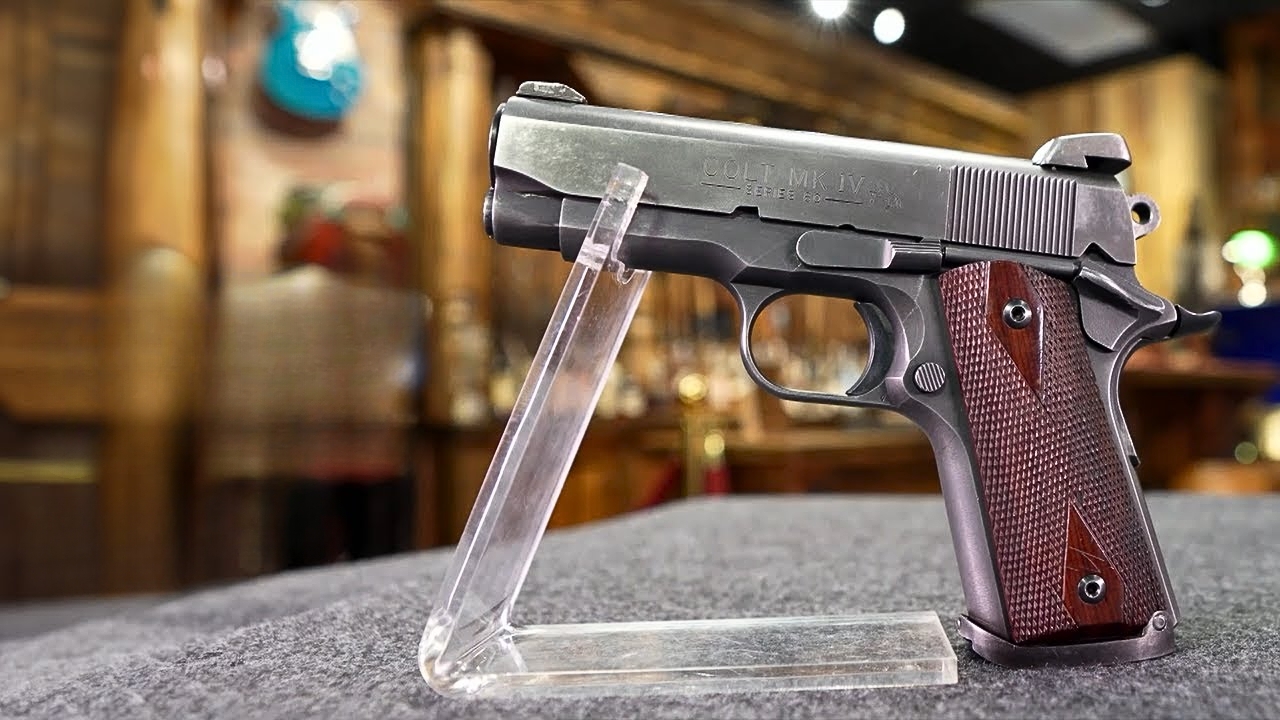
The Colt Officer’s ACP stayed underappreciated for a long time because compact 1911s have always inspired mixed opinions. Some shooters loved the format, others distrusted it, and many simply treated the gun like one more carry variation they could always find again later if they changed their mind. That comfortable thinking gets harder once older Colt values start climbing and buyers begin placing more weight on compact factory guns from the right era.
Owners who keep them usually understand that they are not just keeping a small .45. They are keeping an older Colt with a very specific feel, profile, and place in 1911 history. Once you sell one, getting back into a clean example with the same character can cost more than expected, especially if you care about condition and originality. That is usually enough to make people leave theirs alone rather than learn the replacement lesson the hard way.
Remington Model 8
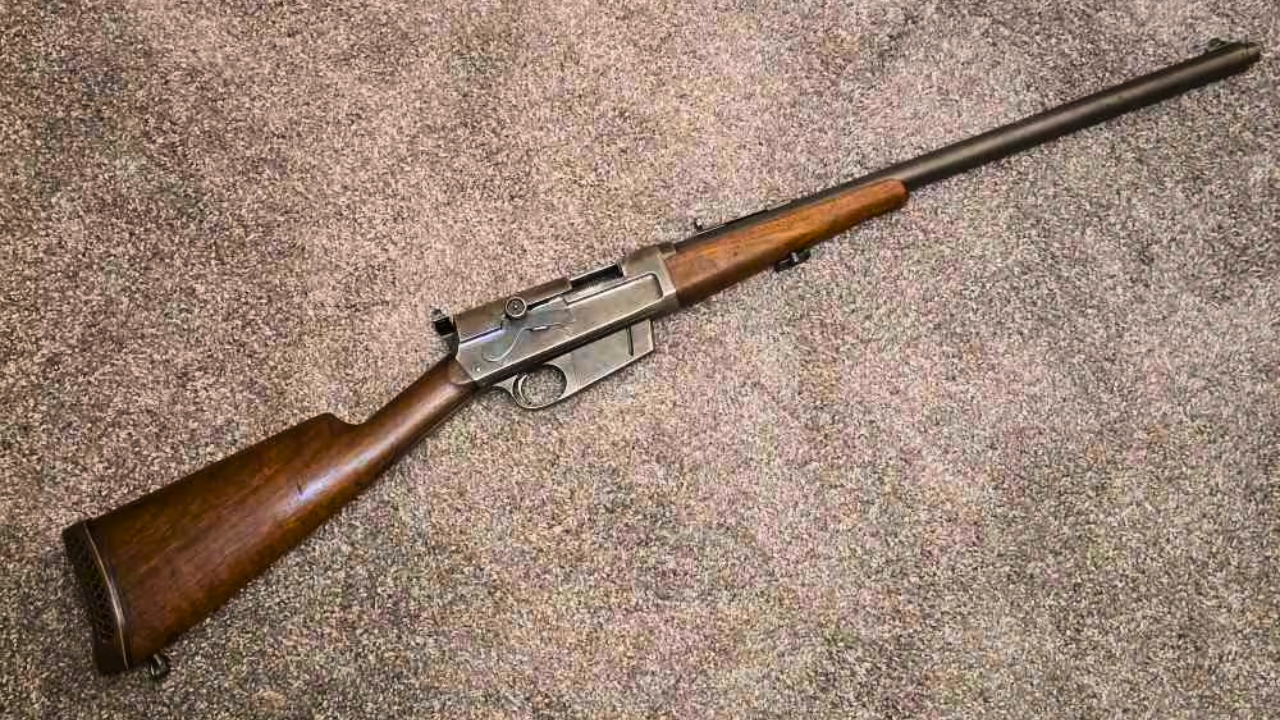
The Remington Model 8 is one of those rifles that sat outside the mainstream for so long that many buyers never fully appreciated how hard it would become to replace. It was always interesting, always historically important, and always a little different from the ordinary sporting rifles most people chased first. Because of that, it often stayed in the category of “cool old rifle” instead of “better not sell that.” That category can disappear fast.
Once owners look at current prices and actual availability, the story changes. A Model 8 is not something you casually duplicate with a quick search and a modest budget. You are paying for Browning design history, early semi-auto charm, and a rifle that stands out in any collection without being some hollow novelty. Owners who understand that usually stop viewing it as expendable. Replacing one later can be more expensive and more frustrating than the original sale ever looked worthwhile.
SIG Sauer P225

The P225 is another pistol people often keep because they know the market no longer treats it like a simple used single-stack nine. There was a time when these sat in that comfortable middle ground where older SIGs were respected, but not all of them felt urgent to buy. Then more shooters started wanting the slimmer classic pistols again, police surplus dried up, and buyers began looking at the older German guns with a lot more seriousness.
That shift matters once you already own one. The P225 has a balance and hand feel that makes it harder to shrug off than many newer carry pistols. It is not flashy, but it is very easy to miss once it is gone. Selling one might make sense for a minute, but replacing it later usually means paying more for a pistol that still fills a niche well and is not nearly as easy to stumble across in the same condition anymore.
Ruger No. 3
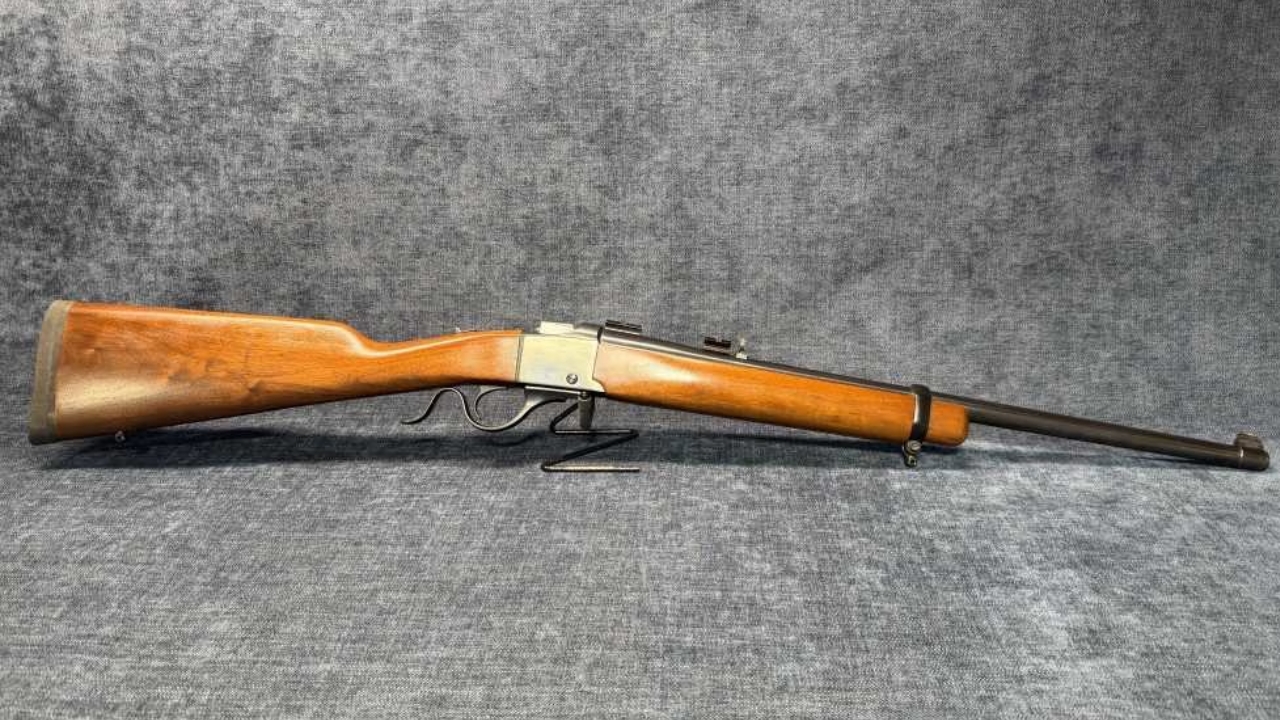
The Ruger No. 3 never had the broad market appeal of more conventional repeaters, which is exactly why so many buyers underestimated it for so long. It was a single-shot, it looked a little plain compared to a No. 1, and it lived in a category a lot of people admire more than they actually buy. That helped keep it overlooked. It also helped set the stage for the moment owners realized they were not exactly simple to replace anymore.
Now, once somebody already has a good No. 3, the idea of letting it go often feels less smart than it sounds. The rifle carries a kind of stripped-down charm and useful oddball appeal that is hard to reproduce with anything new. Add in limited availability and a market that has gotten more interested in these older Rugers, and replacement starts looking like more trouble than it is worth. That is how guns quietly become keepers.
Smith & Wesson 4506

The 4506 used to be the sort of pistol people called a tank, usually with equal parts respect and dismissal. It was big, heavy, stainless, and built like it expected hard use instead of praise. In the era when lighter polymer pistols took over everything, a lot of buyers figured those old Smith autos would always be around if they ever decided they wanted one. That assumption did not age very gracefully.
Once trade-ins dried up and more shooters started appreciating what those pistols actually were, prices changed and so did attitudes. Owners keep 4506 pistols now because replacing one is no longer cheap, easy, or guaranteed to be satisfying. A really nice example brings back a kind of confidence and overbuilt feel many modern pistols simply do not offer. When you already have that in the safe, selling it starts to feel like volunteering for a very avoidable expense.
Browning BL-22

The BL-22 is the kind of rifle people often regret underestimating. For years, it was simply a very nice lever-action rimfire that a lot of buyers admired without feeling pressure to own immediately. Rimfires are easy to take for granted that way. Then people started noticing how smooth the short throw was, how well the rifle handled, and how expensive clean older examples had quietly become while everyone was busy overlooking them.
Owners tend to keep them once they grasp what replacement would look like. A BL-22 is not only a fun .22. It is also a rifle with quality, style, and a level of mechanical charm that does not show up in every rimfire on the rack. Selling one can feel harmless until you try to find another equally clean example and realize the market no longer shares your old casual attitude. That is when people usually decide the one they already own can stay put.
Colt Mustang Pocketlite

The Mustang Pocketlite has become exactly the sort of pistol owners hang onto once they understand how quickly older Colts stop being easy to buy back. For a long time, it lived in that zone where it was appreciated as a handy little .380 but not always treated like something that needed protecting from the market. Then more buyers started hunting older compact Colts, condition mattered more, and the comfortable price window started fading.
That changes the whole ownership mindset. A Pocketlite is easy to keep, easy to carry, and tied to a very specific pre-micro-9 moment in handgun design that people still appreciate. Once you sell one, replacing it means paying for that Colt name, that older format, and increasingly, that nostalgia. Owners who know that usually decide they would rather keep theirs than discover later that a “simple little .380” no longer carries a simple little price tag.
Savage 1907
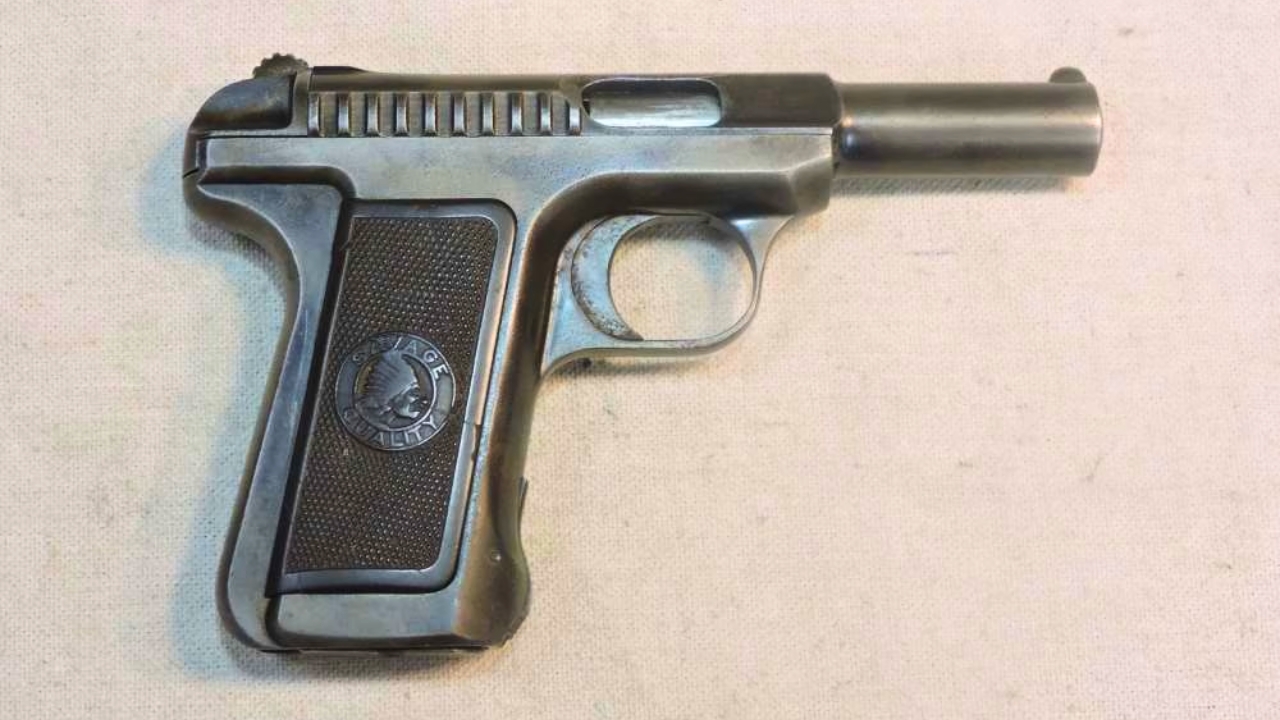
The Savage 1907 sat below the radar for years because it never had the mainstream collector heat of some other early automatics. That made it easy for owners to think of it as an interesting historical piece rather than something they should think twice about moving. But that kind of old self-loader does not get easier to replace with time, especially once more buyers start noticing the design, the history, and the plain fact that cleaner examples do not exactly crowd the market.
Owners who keep them usually understand that selling is the easy part. Buying back in later is where the pain starts. A good 1907 is not just another old pistol. It is a piece of American handgun history with real visual identity and a mechanical personality modern pistols cannot fake. Once you let one go, replacing it can take more money and more patience than most owners feel like spending. That is why a lot of them stay right where they are.
Winchester 63
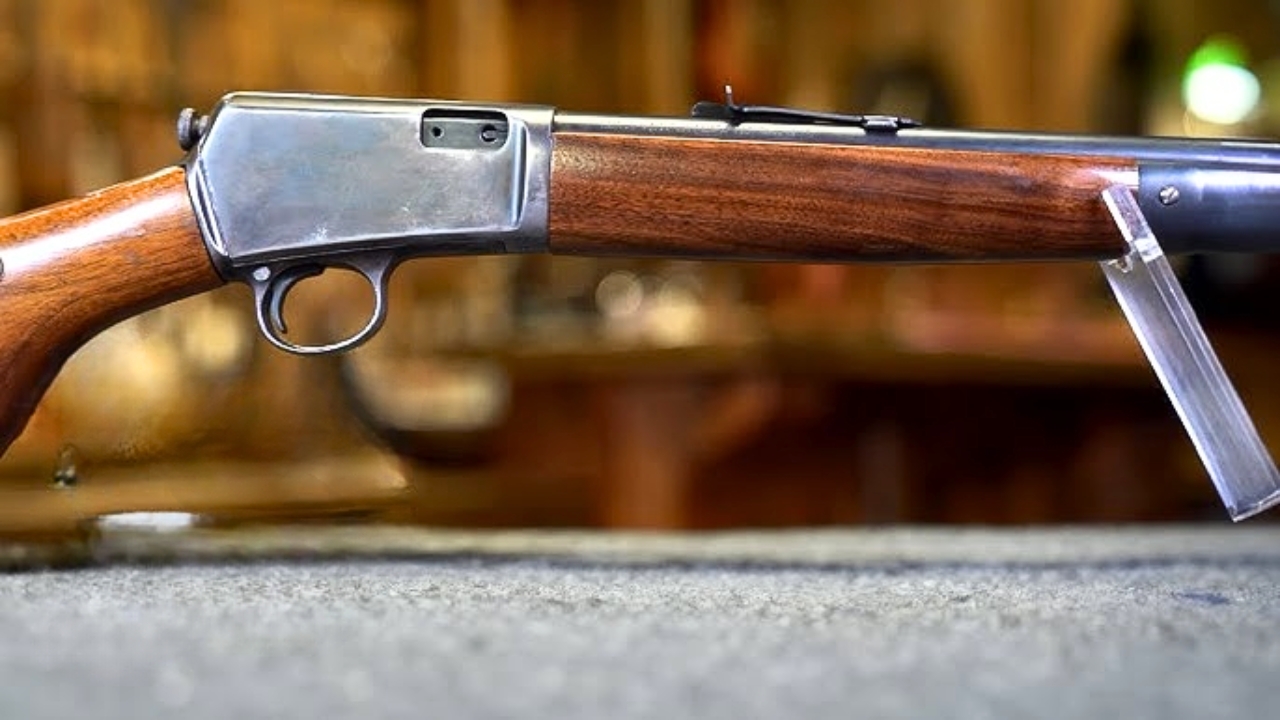
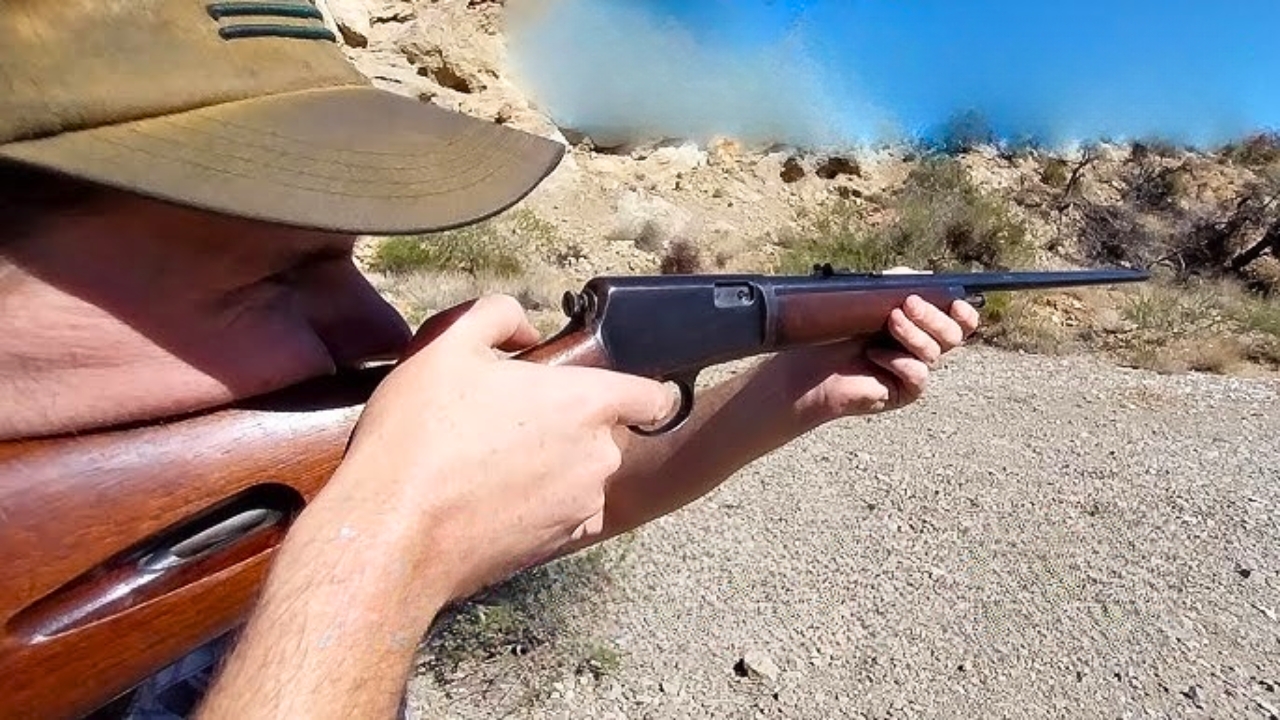
The Winchester 63 spent a long time being admired without always being chased hard enough by ordinary buyers. It was a classy semi-auto .22, but that description alone kept some people from seeing how finite the supply really was. Good rimfires often get treated like they will always be out there somewhere until the day owners start actually looking and realize the nice ones have gotten expensive and the rough ones are not especially appealing.
That is why people hang onto them now. A good Model 63 still has a kind of easy, elegant usefulness that is hard not to like once you spend time with one. Replacing it later means stepping into a market that understands Winchester rimfires a lot better than it used to. That usually means more money, more compromise, or both. Owners who already have a nice one tend to understand that well enough to leave it alone.
Beretta 81 Cheetah
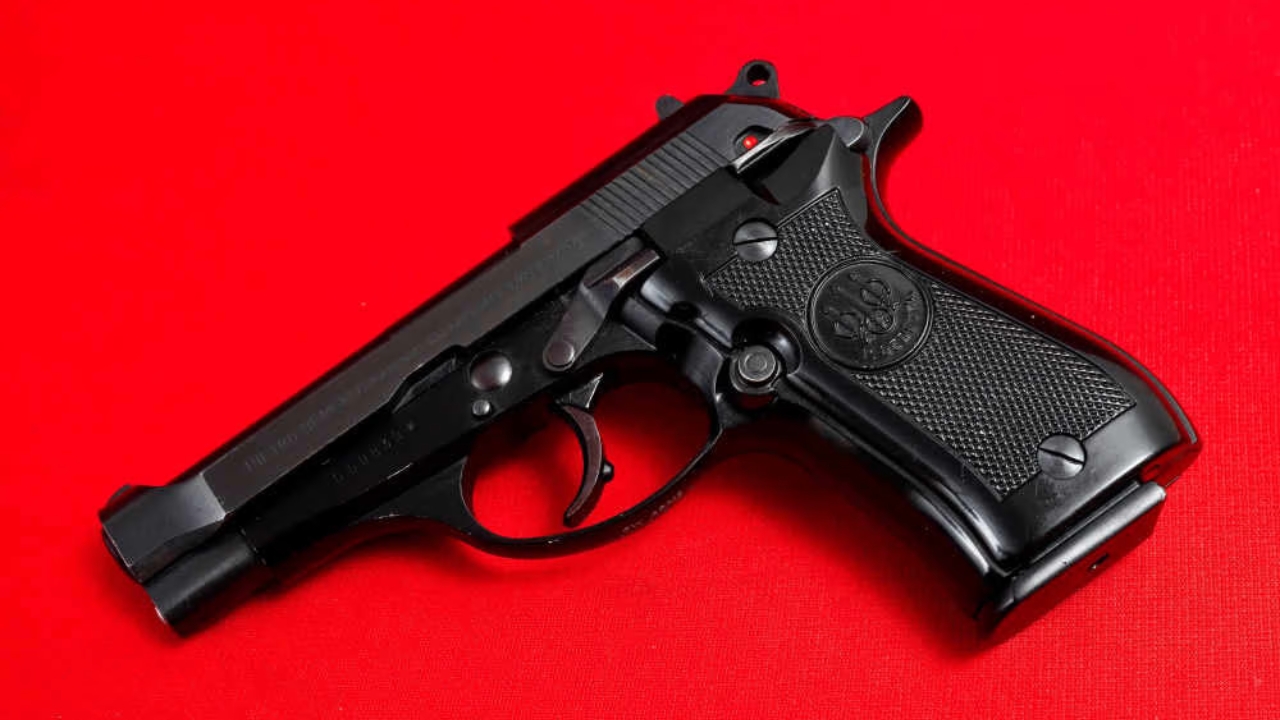
The Beretta 81 used to be one of those pistols people bought because it was neat, affordable, and a little different, not because they thought they were protecting something hard to replace. But that is exactly how a lot of these guns turn into keepers. The surplus wave makes them feel common for a while, buyers get relaxed, and then the supply tightens, the nicer examples vanish first, and the easy-buy period ends before regular owners fully notice it.
Now people who already own a clean 81 know what they have. It is a soft-shooting, great-feeling older Beretta with style, quality, and a format that stands apart from the current crop of tiny carry guns and oversized service pistols. Replacing one later can mean paying more than expected for a pistol you once saw as almost casual. That realization has a way of turning a fun surplus buy into something you are very happy you kept.
Marlin 62 Levermatic
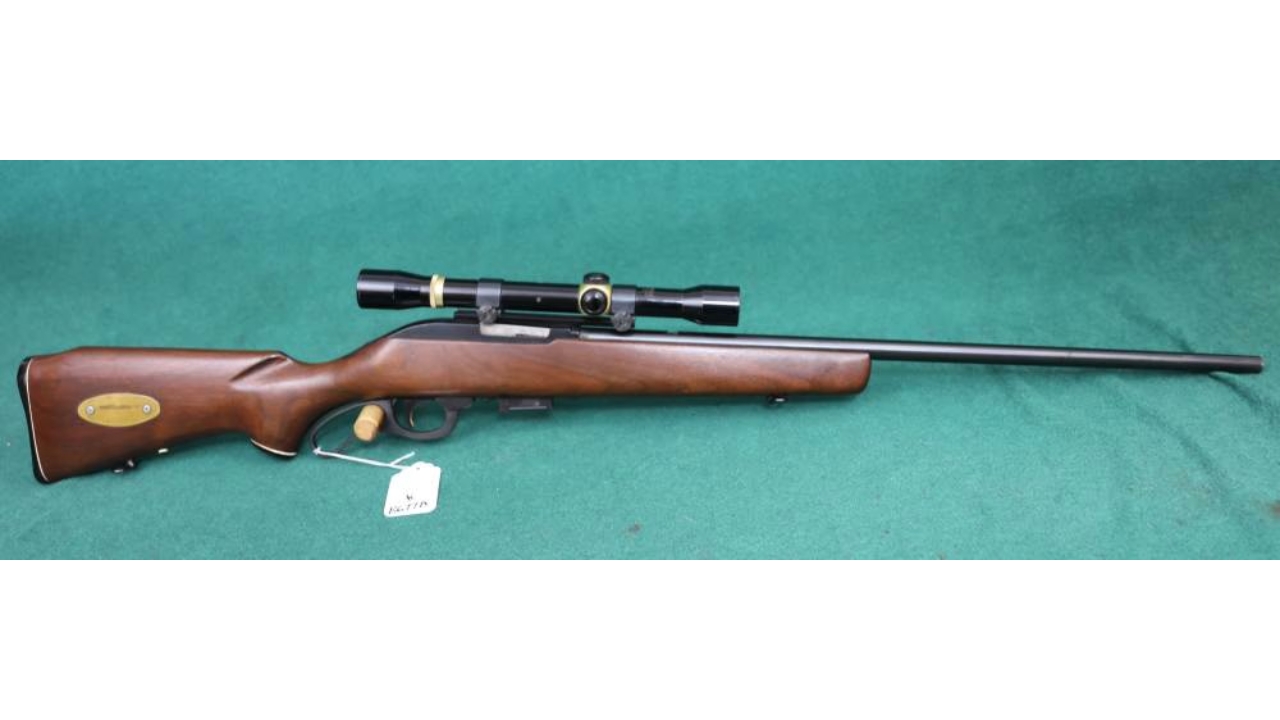
The Levermatic never flooded the market with the kind of visibility that makes replacement easy. For years, it lived in the background as a clever, somewhat odd Marlin that interested the right people without creating much urgency in the broader market. That sort of gun can be dangerous to sell because it looks replaceable right up until you try to find another one in good condition and discover that the supply is thinner than you remembered.
Owners who keep them understand that the appeal is more than novelty. The short-throw action, the trim feel, and the general personality of the rifle give it a place newer guns do not really fill. Once the market gets a little smarter about rifles like that, the price and hassle of replacing them follow. That makes the Levermatic the kind of gun owners often decide to hold onto rather than chase again later at a worse time.
Walther PP older imports

Older Walther PP pistols stay in a lot of safes because their replacement cost is no longer mild enough to ignore. For years, buyers could admire them as classic European carry pistols without treating them like something they had to own immediately. Then the market started caring more about older imports, markings, condition, and provenance, and the same pistols that once felt reasonably attainable became much less casual purchases.
Once an owner already has one, selling starts to feel less clever. A good older PP brings together history, concealment appeal, and a kind of refined simplicity that people still enjoy. Replacing that later means not only spending more, but also finding the right one again. That can be enough of a nuisance that owners decide to keep the pistol they already know rather than gamble on a more expensive and less satisfying search later.
Remington 81 Woodsmaster

The Remington 81 is exactly the sort of rifle people keep because they know the combination of price and availability will not be kind if they ever want another. It was always an interesting rifle, but one that sat just outside what most regular buyers were actively hunting. That kept values calmer than they might have been otherwise for a while. Calm markets do not stay calm forever when the rifle has real history and not many direct equivalents.
Owners who understand the 81 know they are not just hanging onto a strange old semi-auto. They are hanging onto a substantial slice of early sporting-rifle history with real design significance and a presence newer rifles do not offer. Selling one might feel fine until you look around later and see what similar examples are bringing. That is often all it takes for owners to decide the rifle can stay exactly where it is.
Ruger P89

The P89 is one of those pistols people once laughed off as chunky and overbuilt, right up until the market started giving older service pistols a little more respect. It was never glamorous, and that helped keep it affordable and easy to dismiss for a long time. But that same durability and plain usefulness are exactly what many owners came to appreciate later, especially once clean older examples stopped feeling quite so easy to replace on a whim.
That is why plenty of owners keep them. A P89 is not expensive in the same universe as a Python or an HK P7, but replacement cost is not only about raw dollar amount. It is also about finding the same condition, the same older-school reliability, and the same kind of pistol you did not appreciate enough until it was gone. When owners already know theirs runs and fills its role, the urge to sell tends to fade pretty quickly.
Ithaca 37 Featherlight older guns
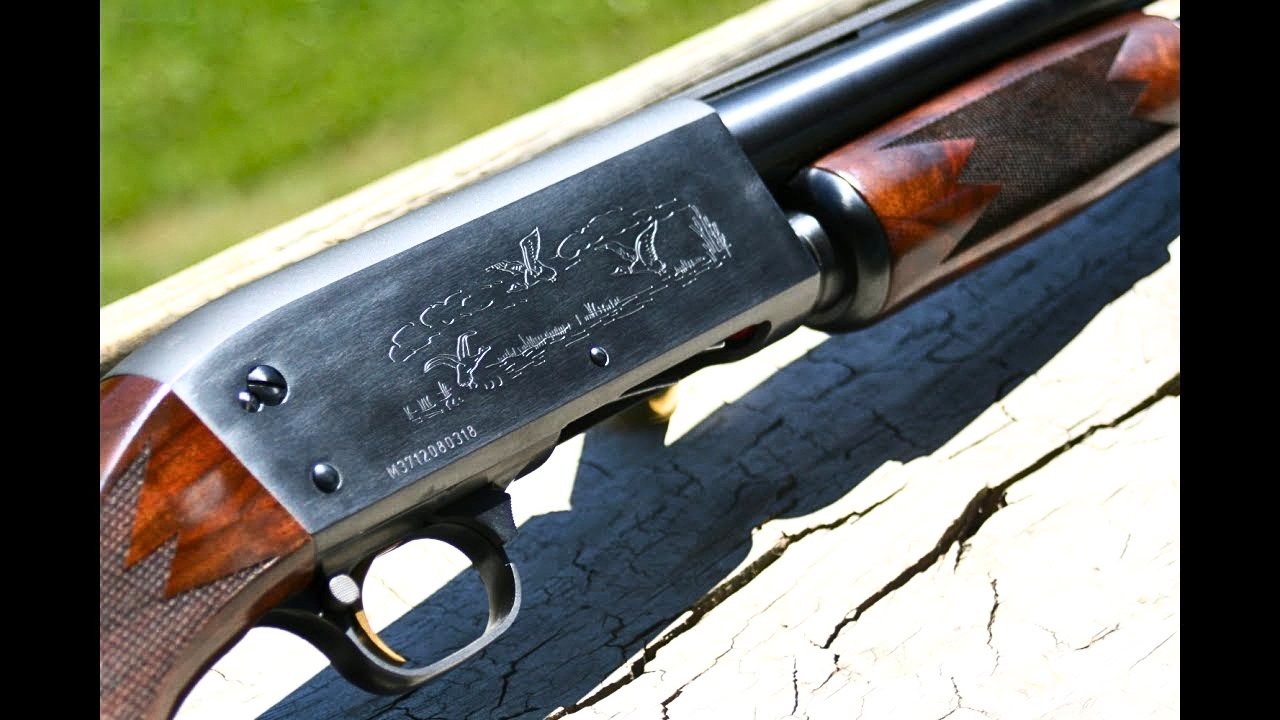
Older Ithaca 37 Featherlight shotguns often stay put because owners know the market no longer treats well-kept examples like throwaway field pumps. There was a long time when these were simply excellent working shotguns that did their job without asking for attention. That kept plenty of buyers from feeling any urgency around them. Then older American pump guns started getting a little harder to find in the kind of condition people actually want, and attitudes shifted.
Once that happens, an owner starts looking at a Featherlight differently. It is not just a pump shotgun. It is a light, slick, well-balanced shotgun from an era of production many shooters still trust deeply. Replacing one later can mean paying more, settling for a rougher example, or spending time searching for the right barrel, gauge, and condition mix. That is exactly the kind of equation that keeps a good one in the safe instead of on the selling block.
Like The Avid Outdoorsman’s content? Subscribe to our newsletter so you never miss an article.
Here’s more from us: