Photo credit: Cubic/YouTube
Some firearms spent years as punchlines. People called them odd, outdated, overpriced for what they were, or just plain unnecessary. Then something changed. Supply dried up, collector interest woke up, nostalgia kicked in, or the market finally admitted that a weird gun with real history is still a real gun. That is usually when the laughing stops. Nobody jokes much once the same firearm that used to sit ignored on a table suddenly carries a tag that makes buyers step back and squint.
That is the pattern with guns like these. They were easy to dismiss when they felt common, uncool, or overly niche. But once prices got serious, people started rewriting the story fast. Suddenly the quirks became character, the weird design choices became charm, and the same firearm people once mocked started getting talked about like a smart buy that got away. These are the firearms people stopped laughing at when the price tags got serious.
SKS Type 56

There was a long stretch when the Chinese SKS felt like the gun everybody respected just enough to never actually buy. It was cheap, everywhere, and often treated like the clunky consolation prize for buyers who really wanted something else. People made jokes about the weight, the fixed magazine, and the fact that it always seemed to show up in piles at gun shows like nobody could ever run out of them.
Then the piles got smaller, the imports stopped feeling endless, and prices started creeping into territory that made those old jokes sound pretty dumb. Once buyers realized these rifles were not going to stay cheap forever, the tone changed in a hurry. A Type 56 that once got shrugged off as surplus filler suddenly looked like a missed chance with hardwood and steel attached to it.
Colt Mustang Pocketlite

The Colt Mustang Pocketlite used to get dismissed by a lot of buyers as one of those cute little pistols that seemed more novelty than necessity. It had the Colt name, sure, but for years it also carried the kind of reputation that made people talk around it instead of toward it. Too small, too light, too easy to overlook. Plenty of shooters treated it like a side note in Colt history rather than something worth chasing.
That attitude got a lot harder to maintain once clean examples started commanding real money. The market suddenly remembered that compact metal-frame .380s with actual Colt appeal do not have to stay underappreciated forever. Once prices got serious, the laughter about tiny throwback pistols faded fast. People started seeing what it actually was: a pocket gun that got overlooked right up until it became expensive enough to command respect.
Ruger Mini-14 GB
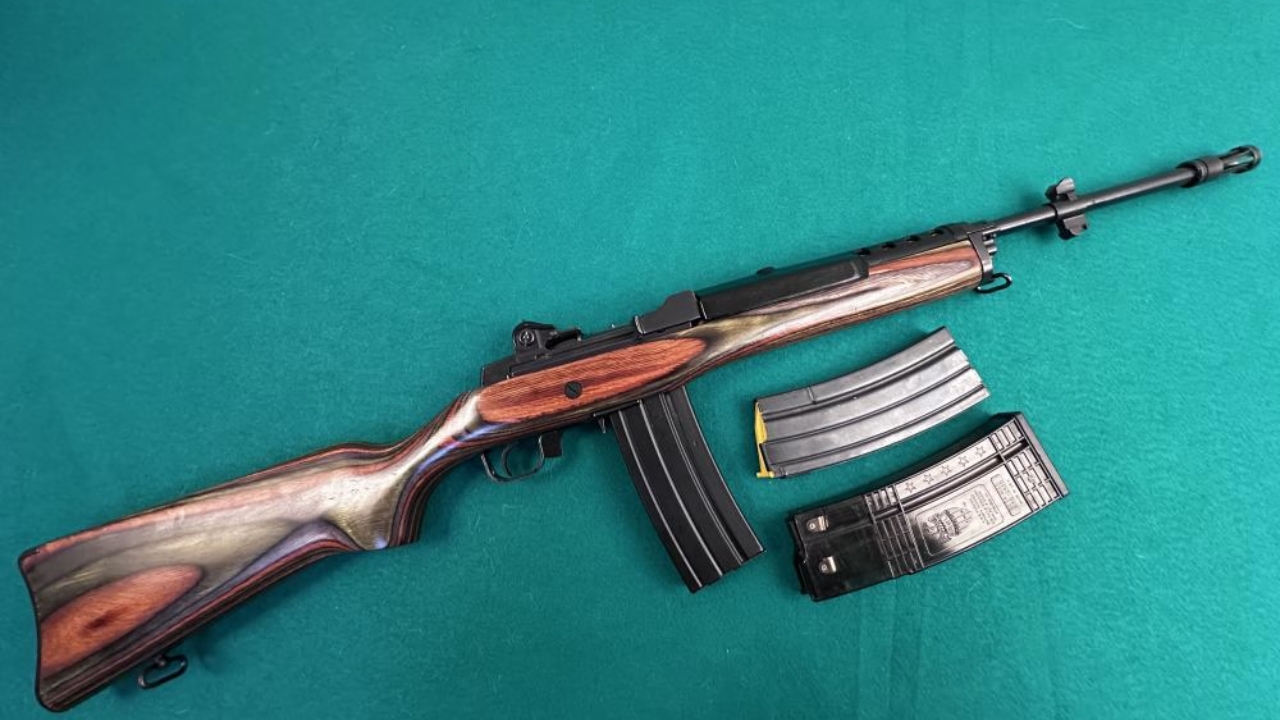
The Ruger Mini-14 in general has always lived in a funny space where people either defend it hard or mock it like they are legally required to. The GB models especially used to draw that kind of reaction. To some buyers, they were neat little rifles with law-enforcement flavor. To others, they were awkward almost-what-you-wanted guns that never quite escaped comparisons to the AR-15.
Then values started climbing and the mockery got quieter. Once buyers saw what original GB carbines were actually bringing, the whole conversation changed. Suddenly the same rifle that got laughed at for not being the other rifle had become a collectible in its own right. Funny how fast people start respecting a Mini once the price tag looks like it belongs to something they can no longer casually afford.
Smith & Wesson 5906
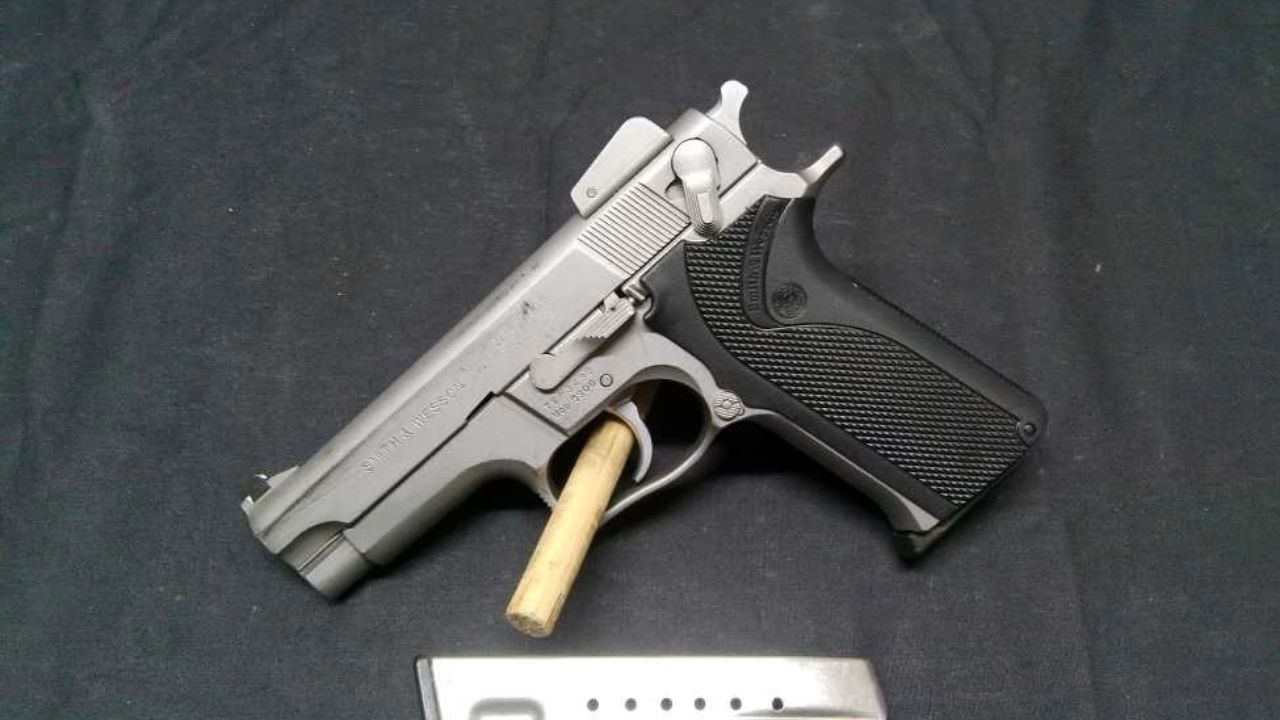
The Smith & Wesson 5906 spent years being the kind of pistol people described with words like brick, tank, or boat anchor. None of those were always unfair, but they were usually said with a laugh. In the era of slimmer polymer guns and newer carry trends, the 5906 often felt like yesterday’s duty pistol hanging around after the party ended. It was respected in theory and ignored in practice.
That changed once more shooters started looking back and realizing how solid those old third-generation Smith autos really were. The 5906 was not just durable. It was built like the company expected people to actually use it hard and keep it for years. Once prices started moving, the joke about heavy stainless duty pistols stopped sounding clever. A lot of people suddenly wished they had grabbed one while they were still being sold as old cop guns instead of as sought-after classics.
Norinco MAK-90
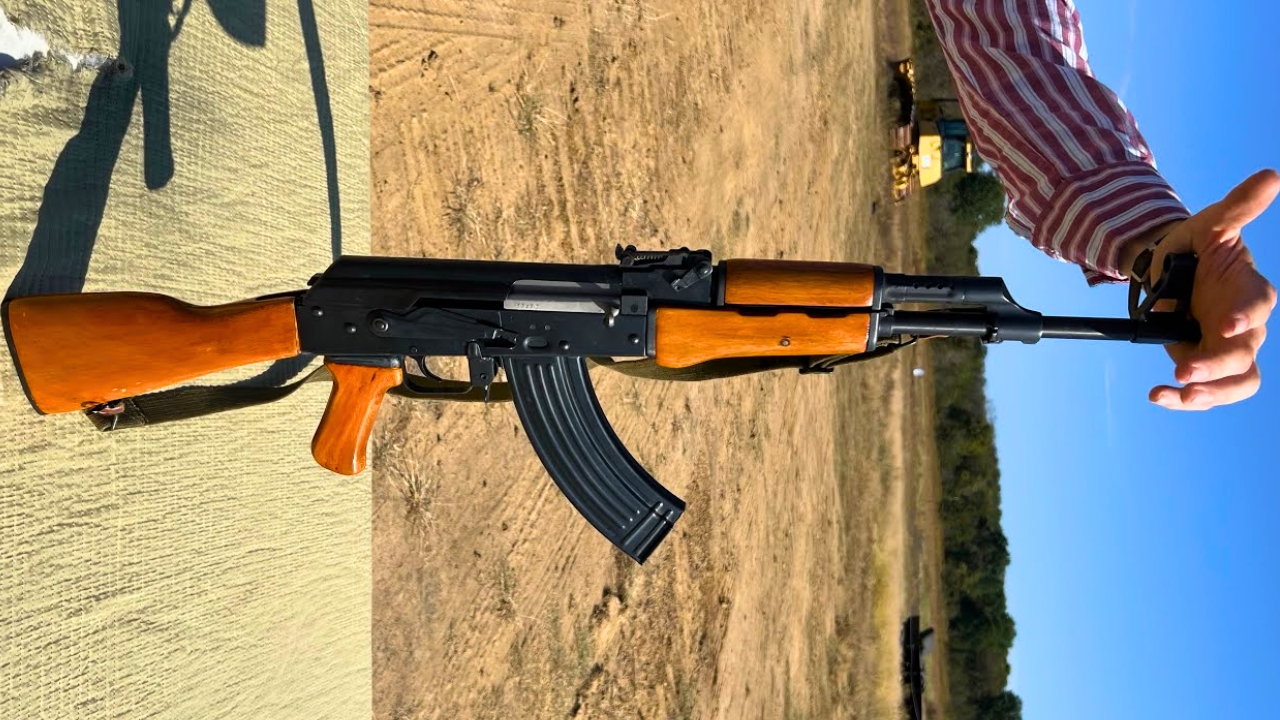
The MAK-90 used to get laughed at by buyers who treated it like the awkward AK cousin nobody really wanted to bring home. Thumbhole stocks, post-ban baggage, and a general feeling of compromise made it easy to dismiss. Plenty of shooters told themselves they would wait for a “real” AK or find something cooler later. At the time, that attitude felt reasonable.
Then later showed up with a much uglier price tag. Once buyers started paying serious money for clean Chinese imports, the entire tone around the MAK-90 shifted. Suddenly people were praising the quality of the receivers, the smooth actions, and the fact that Chinese AKs were not coming in by the boatload anymore. That is how it always goes. The gun people laughed at as the awkward compromise becomes the one they wish they had bought two of.
Browning BDM

The Browning BDM used to feel like one of those pistols people brought up mainly to make a point about interesting failures or weird late-era ideas. It was thin, different, and not especially embraced by the broader market. Buyers often treated it like a pistol that was more clever than useful, and that usually meant it sat in the shadow of more established double-stack 9mms with stronger followings.
Then the used market started tightening up, Browning collectors started paying attention, and the BDM stopped feeling like a cheap curiosity. Once the price tags got serious, the laughter about its odd controls and unusual design got replaced by people calling it underrated. That is the nice word markets use after they make something expensive. The BDM did not magically change. People just got a lot more respectful once it stopped being easy to buy.
Marlin Camp 9

The Marlin Camp 9 used to be the kind of little carbine that made people smile politely and keep walking. It looked handy enough, but it also felt like a weird middle-ground gun for buyers who were not sure what problem they were trying to solve. Pistol-caliber carbines did not always carry the cool factor they do now, and a plain old Marlin that took Smith & Wesson magazines was easy to underestimate when there were still better-known toys in the room.
That got harder to do once prices started climbing and buyers realized these rifles were not coming back. The Camp 9 suddenly looked a lot smarter in hindsight. Handy, reliable, and tied to a format people later decided they loved. Once the tags got serious, people stopped treating it like an oddball range piece and started treating it like a sleeper they should have bought when it still looked ordinary.
Colt Double Eagle

The Colt Double Eagle used to live in a strange place where collectors found it interesting, 1911 people often acted suspicious of it, and plenty of average buyers did not know what to make of it at all. It had Colt on the slide, but it also had enough DA/SA weirdness to make some traditionalists laugh and move on. For a long time, it felt like one of those guns people respected only after adding the phrase “for what it is.”
That sort of faint praise fades once the money gets real. As prices climbed, people started looking at the Double Eagle less like a misfit and more like a discontinued Colt with genuine scarcity and a very specific place in the brand’s history. That tends to sober people up quickly. A gun that once drew shrugs for being the wrong kind of Colt becomes awfully interesting once it starts wearing the right kind of price tag.
Winchester 88

The Winchester 88 was one of those rifles that some buyers appreciated and others never really understood. Lever-action fans sometimes looked at it as too modern. Bolt-gun fans often saw it as an in-between answer to a question they were not asking. That left the rifle in a weird middle lane for years, where it could be admired without being chased. Plenty of people figured they could always come back to it later.
That later got expensive. Once collectors and hunters started remembering how slick the 88 really was, and how little modern production offers the same mix of lever handling and box-magazine practicality, prices started getting serious. The jokes about oddball lever guns dried up fast after that. Funny how a rifle stops being “weird” the second it becomes expensive enough to make people wish they had paid attention sooner.
Star Model BM
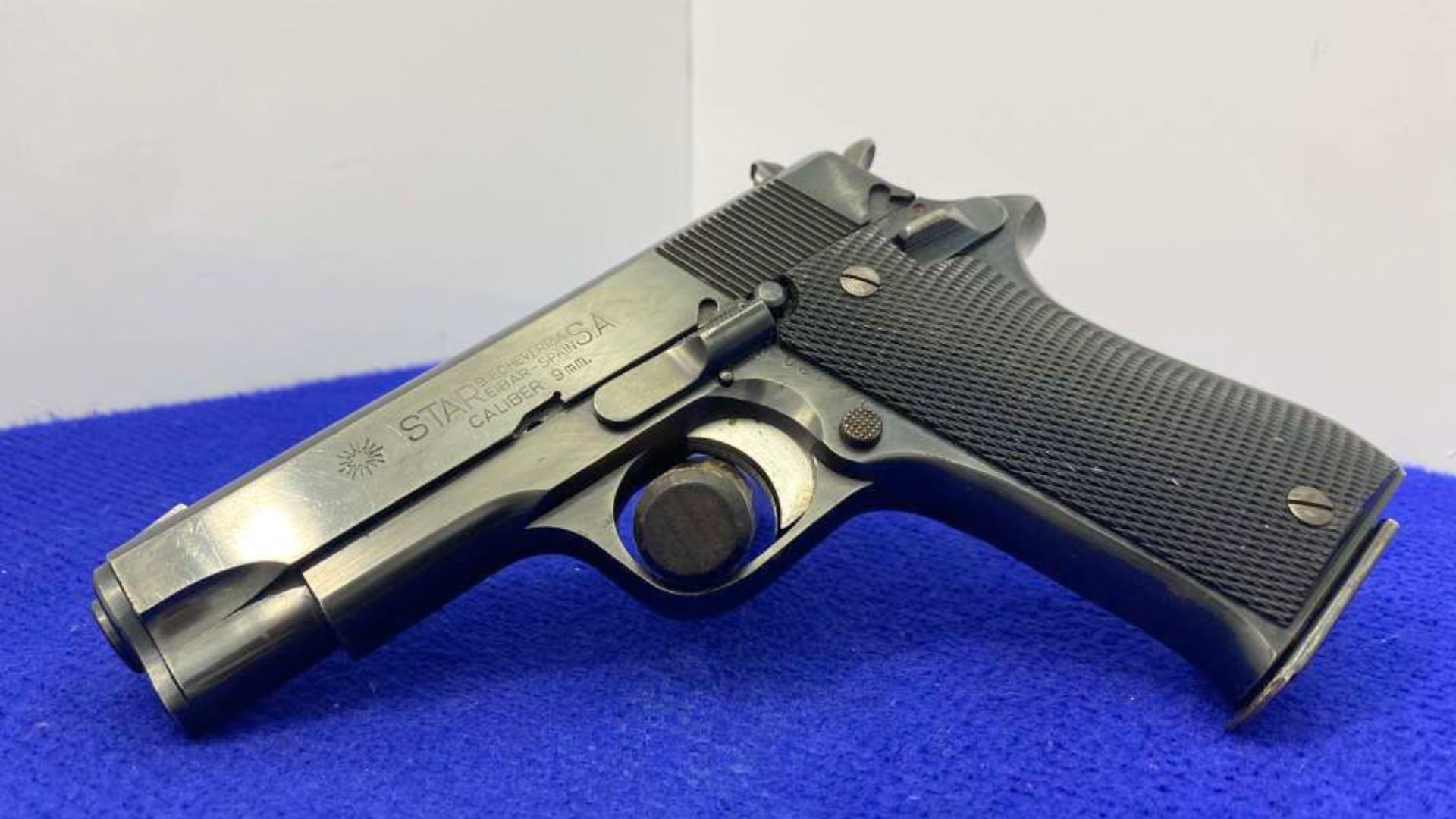
The Star BM used to be exactly the kind of surplus pistol buyers talked themselves into passing on. It was Spanish, it was steel, it was single-stack, and it always seemed to sit one level below the guns people were actually excited to own. Plenty of buyers laughed it off as a budget stand-in for better-known 9mms, something serviceable but not especially desirable.
Then the supply dried up, the surplus bargain era moved on, and people realized they had underestimated how much honest appeal these pistols had. Compact steel 9mms with decent triggers and real carry charm were not staying cheap forever. Once prices got serious, the Star BM stopped being the pistol people joked about buying and became the one they regretted not buying when they still could without thinking too hard.
Remington Model 8
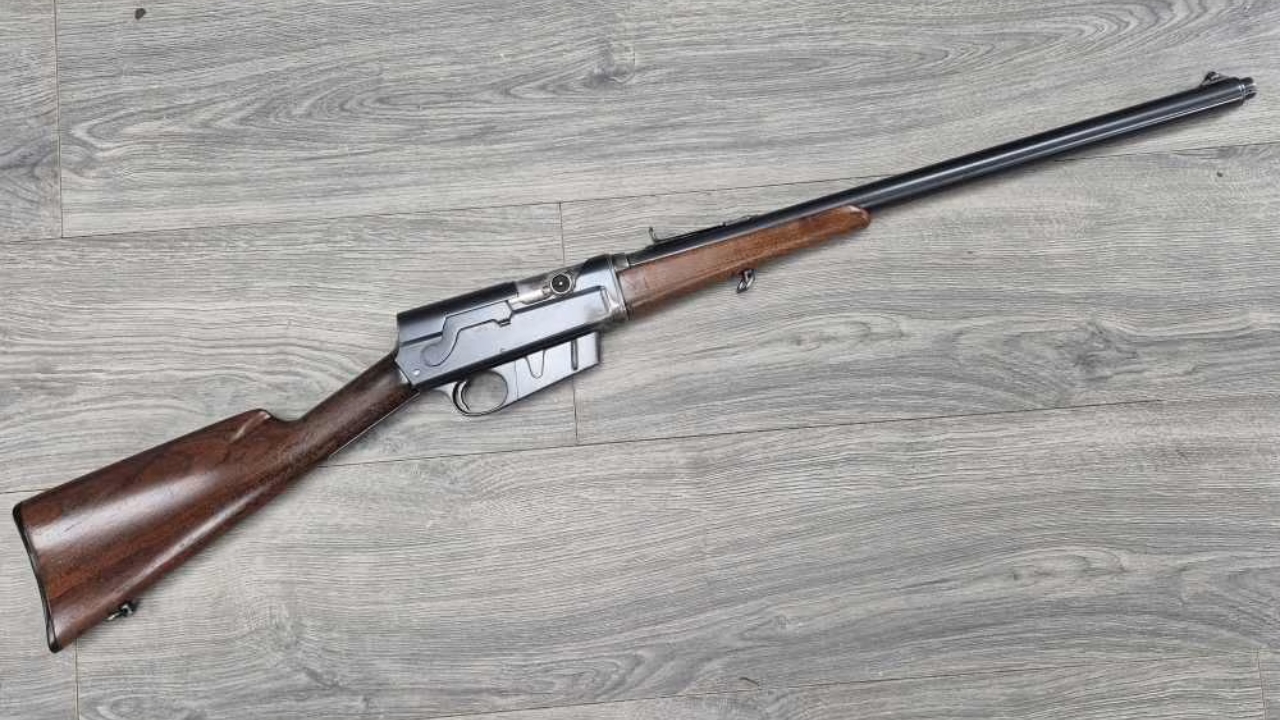
The Remington Model 8 used to feel like one of those old rifles people admired from a distance without quite taking seriously as something to own. It looked old, it felt different, and to many buyers it was easier to treat as a historical curiosity than as a rifle worth chasing. The long-recoil action and old-school styling made it easy for casual observers to laugh it off as a relic from another world.
Then collector attention and scarcity did their work. Once buyers started seeing what nice Model 8s were bringing, the tone shifted from amused curiosity to serious respect. Suddenly that old autoloading deer rifle was no longer just an antique-looking oddity. It was an early semiauto with real history, real design interest, and a shrinking pool of desirable examples. The laughter did not survive the price tags.
AMT AutoMag III
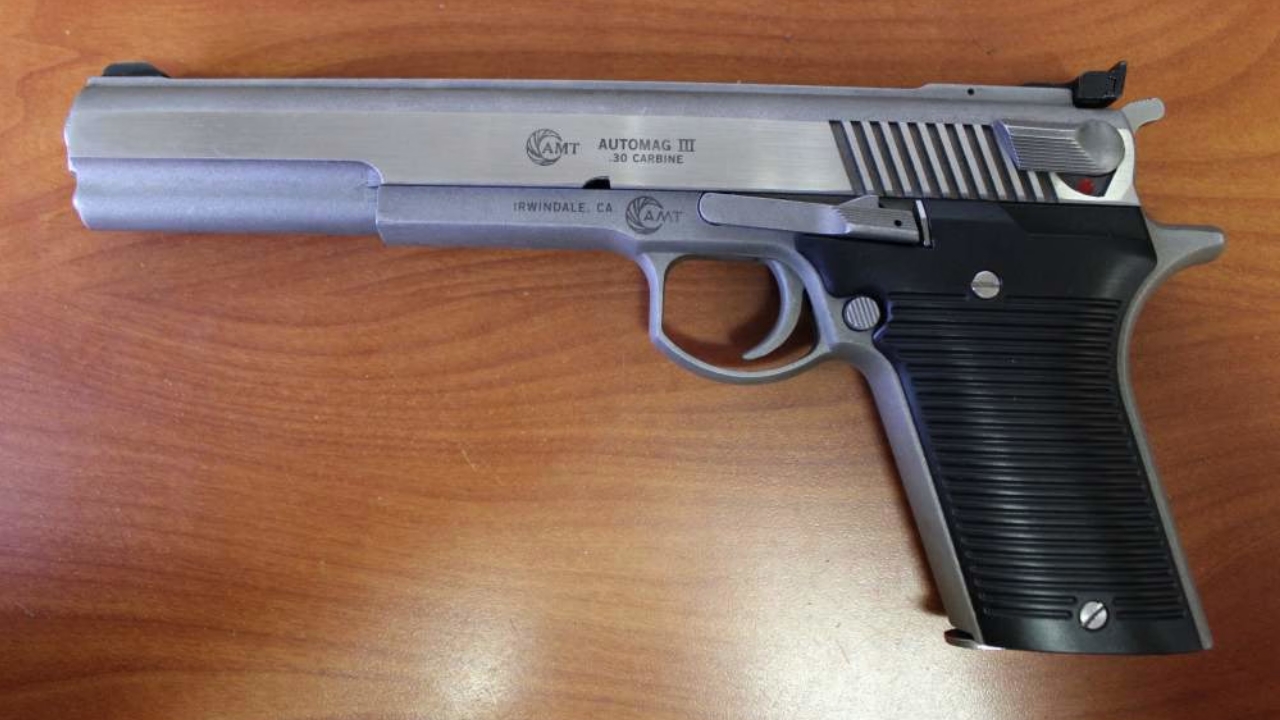
The AMT AutoMag III was easy to laugh at when it looked like one more oversized stainless curiosity from an era full of odd handgun ideas. It had the kind of name and styling that made people think more about novelty than long-term value. For a lot of buyers, it sat in that category of gun that was fun to talk about, maybe fun to shoot once, but not something they felt urgency about owning.
That tone changes fast once weird handguns become expensive handguns. The AutoMag III benefitted from the exact sort of cult-market shift that catches people off guard. Limited appeal turns into niche demand, and niche demand turns into real money when supply is thin enough. Once prices got serious, the same pistol people laughed at for being impractical suddenly looked like one of those strange old buys that turned out to be smarter than expected.
Ruger Old Army
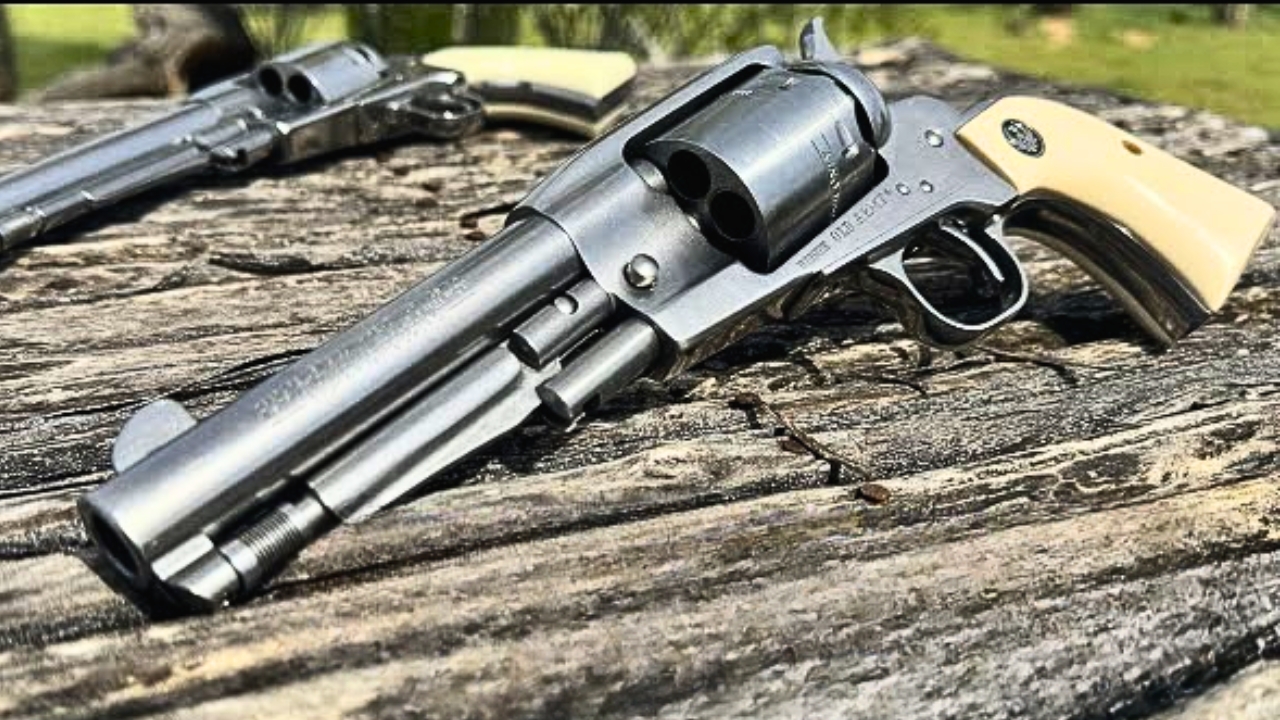
The Ruger Old Army used to get laughed at by buyers who treated black-powder revolvers like a whole category of fun but unnecessary effort. Even among cap-and-ball fans, it sometimes got stuck in that space where practical modern shooters looked at it like an expensive way to make smoke for no good reason. It was respected, but often in a way that still carried a smirk.
Then Ruger discontinued it, the supply froze, and the market started acting like it had finally realized what it was losing. Strong, well-made, and tied to a company name people trusted, the Old Army stopped looking like a quirky indulgence and started looking like one of the better black-powder revolvers ever built. Once the prices got serious, people stopped chuckling about percussion revolvers and started checking auctions with clenched teeth.
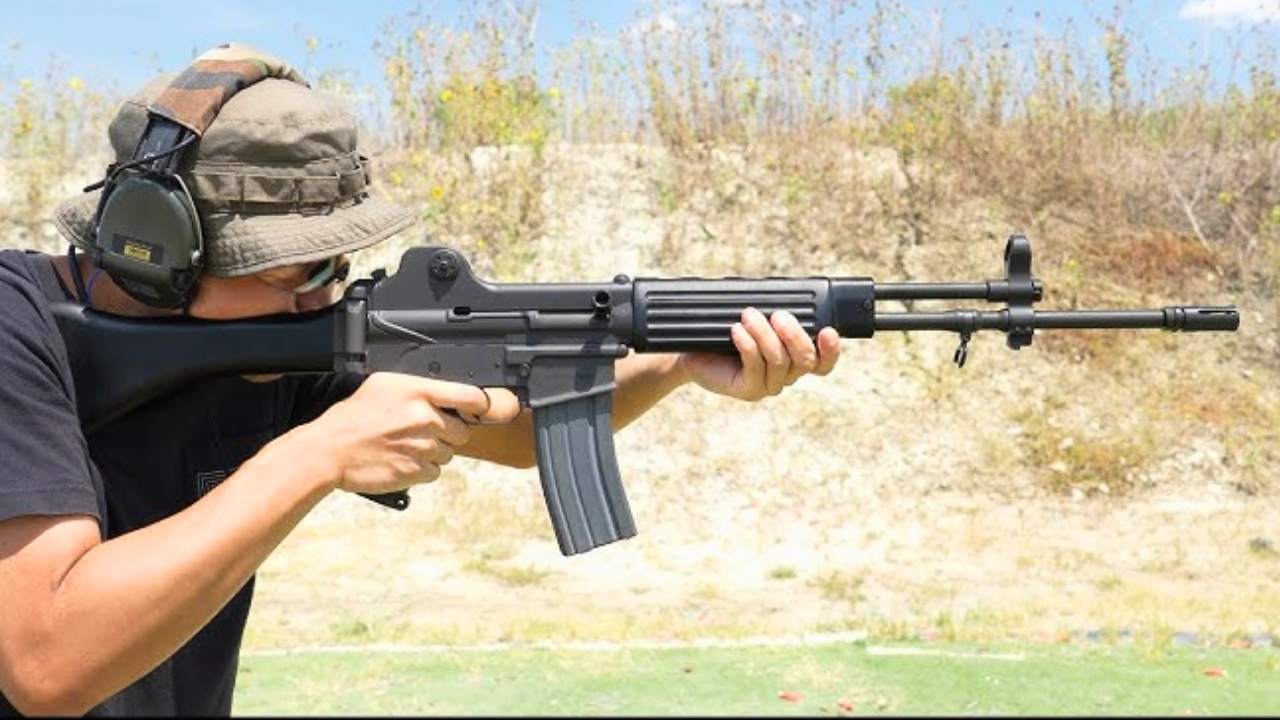
Daewoo K2

The Daewoo K2 spent years as one of those imports that gun people mentioned with a laugh and a raised eyebrow. It was Korean, a little unfamiliar, and easy to dismiss as a strange almost-AR from a corner of the market most buyers did not know much about. For a long time, that kept it in curiosity territory instead of must-buy territory. Plenty of people saw one and assumed there would never be any reason to move fast.
Then the usual import reality hit. Limited supply, growing collector interest, and the appeal of something genuinely different started pushing values higher. Once price tags got serious, the jokes about weird Korean rifles got a lot less common. Suddenly the K2 was not a punchline. It was a pre-ban import with real design interest and not many chances left to grab one without paying like you already missed your first shot.
Smith & Wesson 422

The Smith & Wesson 422 used to be the kind of rimfire pistol people laughed at because it looked a little strange and never carried the instant prestige of some better-known .22s. It sat low, looked odd, and seemed like the kind of gun you bought only if you liked being different. That kept a lot of buyers from taking it seriously while examples still moved around at friendly prices.
Then shooters started remembering how handy, accurate, and suppressor-friendly these pistols really were. The weirdness stopped looking like a flaw and started looking like part of the appeal. Once the used prices climbed, the laughter went quiet. That is the thing about guns like the 422. They only seem funny until the market decides they are cool, and by then the cheap ones are already gone.
Like The Avid Outdoorsman’s content? Subscribe to our newsletter so you never miss an article.
Here’s more from us: