Photo credit: mixup98/YouTube
Most of a pistol’s life is spent eating whatever ball ammo was on sale when you walked into the shop. That’s where you find out if a gun is actually reliable or just “fine with premium hollow points.” The guns below have earned a reputation for staying boring on the line—running light 115-grain stuff, mixed brands, and slightly dirty chambers without turning every drill into a malfunction-clearing exercise. Any mechanical thing can fail, and bad mags or bad reloads can make anything choke, but these models give you good odds when you’re burning through cases.
Glock 19 and 17

The 19 and 17 are the default answer for “I need something that runs.” Rental counters beat them to death with whatever bulk ammo shows up, departments feed them low-bid contracts, and they still keep cycling when they’re filthy and dry. As long as you’re using decent magazines and swapping recoil springs on a reasonable schedule, they don’t get picky.
With cheap range ammo, you’ll see brass go into a consistent pile, and the slide just keeps doing its job. That’s why so many instructors hand them to new shooters. If a Glock is failing regularly on ball ammo, the first question is what’s wrong with the mags, not the pistol.
Glock 45 and 47

The 45 and 47 take the same guts and stretch them into duty-friendly formats. Agencies that have switched to them run huge volumes of training ammo through these guns, and you don’t hear many complaints about them being “ammo sensitive.” They’re built around the same unlocked weight and spring setup that made the 17 livable on garbage ammo in the first place.
On the range, they treat cheap ball and good defensive loads about the same: they run it. You might feel a bit more flip or softness depending on the load, but you’re not constantly dealing with half-strokes and stovepipes just because the box was discounted.
Sig Sauer P320

Like it or not, the P320 has seen enough use in uniforms that we know how it behaves on bulk ammo. Full-size and compact models get fed every kind of contract 9mm under the sun. When people talk about reliability issues, it’s rarely “it won’t run range ammo”; it’s usually specific drop-safety drama or magazine problems.
If you keep decent mags in it and don’t neglect recoil springs forever, the P320 tends to chew through mixed boxes just fine. It’s a gun you can drag through a multi-day class on bargain FMJ without feeling like you’re rolling dice.
Smith & Wesson M&P 2.0 (full-size and compact)

The M&P 2.0 is a work gun at heart. Cops, trainers, and average shooters have pushed them through long, hot days on every flavor of 9mm and .40. They have a generous feed ramp, stout extractor, and magazines that don’t freak out when they get a little dirty.
On cheap ammo, they act like you want a duty pistol to act: boring. If you start seeing issues, it’s usually after a lot of rounds and usually fixed with fresh springs or swapping out a beat-up mag. For a pistol that lives on ball ammo all summer and carry ammo in the fall, this platform makes sense.
CZ P-10 C and P-10 F

CZ built the P-10 line to compete head-on with the usual polymer suspects, and reliability with cheap range ammo is one of the reasons it’s stuck around. The C and F models in particular tend to eat whatever you throw at them without needing boutique tuning.
Guys who run them in classes often end the weekend with one cleaning rag and zero notes about ammo pickiness. They handle different bullet shapes well, and they don’t seem to care if your FMJ is the fancy stuff or the bottom-shelf white box.
HK VP9

HK leans into the “duty pistol” identity with the VP9, and that carries through when you look at reliability. Plenty of shooters have fed them a steady diet of cheap 115-grain ammo and remanufactured loads in classes without seeing a lot of gun-caused stoppages. It’s one of those pistols where problems usually trace back to bad mags or bad ammo, not thin margins in the design.
If you want something that still cycles when your ammo lot is a little soft or dirty, the VP9 is a safe pick. It’s not magic, but it doesn’t act finicky just because you went with the sale brand.
Beretta 92 and 92X

The 92 has been soaking up bulk 9mm for decades. That open-top slide and generous ejection window weren’t designed to impress Instagram; they were built to keep brass flying no matter what. Most 92 stories that involve malfunctions either come from trashed mags or locking blocks that have way more rounds on them than the average pistol will ever see.
On normal range ammo, these guns are about as drama-free as it gets. They like being run wet and appreciate fresh springs, but if you take basic care of them, they’ll chew through cases of ball without turning into a jam-o-matic.
FN 509

The 509 came out of a military handgun trial, which means it was built with the assumption that ammo might not be pretty. It has a stout extractor, a strong recoil system, and magazines built around duty use, not weekend plinking. Shooters who run them in classes usually mention how little they have to think about ammo choice.
With cheap range ammo, they tend to just run. If something chokes, you start by blaming a worn mag or truly awful ammo. The base gun is built to be tolerant of minor inconsistencies, not tuned to one specific load.
Walther PDP

The PDP gets a lot of attention for ergonomics and trigger feel, but it’s also a solid “throw a case of cheap ammo at it” gun. The barrel, lockup, and spring setup are meant to support high-volume practice, and real-world reports back that up. It doesn’t suddenly turn into a diva just because the box doesn’t have a premium label.
If you like to train hard with whatever 9mm you can afford, the PDP lets you do that without babysitting the gun. Clean it, keep decent mags in rotation, and it behaves like a range workhorse.
Canik TP9 and Mete series

Canik built its reputation on pistols that shoot better than the price tag, and a big part of that story is how they run on cheap ammo. TP9 and Mete models show up in a lot of “truck gun” and “range beater” roles, and the feedback is usually the same: they run.
Guys drag them through dust, dump mags of the cheapest FMJ they can find, and only start seeing issues when mags or springs are obviously tired. For someone who wants a pistol that doesn’t punish a small budget, Canik’s centerfire line deserves a hard look.
Ruger Security and RXM 9mm

Ruger’s newer striker-fired 9s aren’t glamorous, but they’re built with real-world ammo in mind. Security-series guns and the RXM compact/full-size setups have proven themselves as “load it and go” options for people who don’t care about brand status as much as they care about the gun firing every time.
They’re designed with enough slide mass and spring to tolerate the wobble you get in cheap range ammo. You might see a little extra soot or inconsistent recoil impulse depending on the lot, but the gun itself generally keeps doing its job.
Springfield XD-M Elite and Echelon

The XD-M Elite and Echelon platforms both show up in reviews as reliable with a wide range of ammo. People run them in classes on bulk 115-grain loads, switch to hotter carry ammo for function checks, and don’t spend a lot of time clearing malfunctions in between.
The Echelon’s internal chassis system and barrel fit are built around duty-level reliability, not tight, competition-only tolerances. That gives you some buffer when your ammo isn’t perfect. As long as you’re not asking it to eat obviously junk reloads, it treats cheap ball like its normal diet.
Smith & Wesson Shield Plus

Micro-compacts live closer to the edge because of their size, but the Shield Plus has a better track record on bargain ammo than a lot of its peers. Plenty of shooters have pushed them through classes and carry practice with whatever 9mm they could afford and reported that the gun kept cycling as long as mags and springs were healthy.
You’ll feel more snap than with a full-size, but you won’t necessarily see more failures just because you chose the cheap box. If you want one small gun that you can actually put real round counts on, this one earns its spot.
Taurus G3 and G3c (modern production)
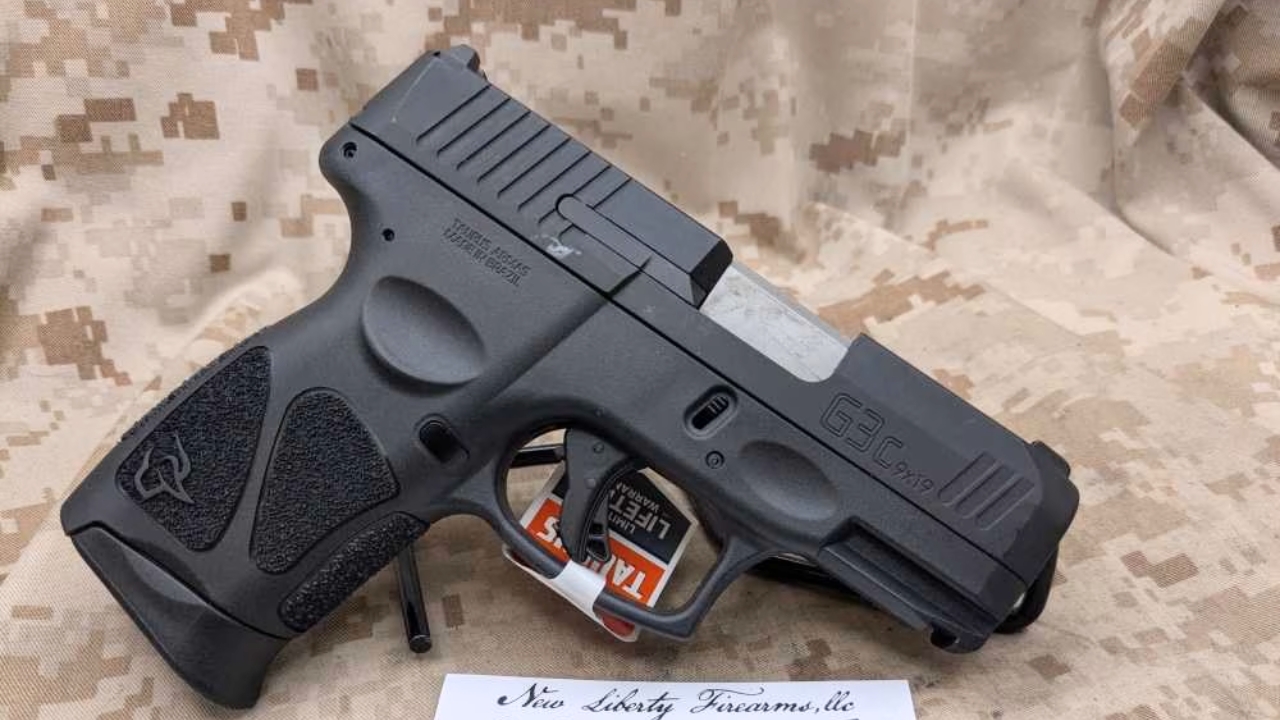
Older Taurus pistols earned some rough reputations, but the G3 and G3c lines have surprised a lot of people in the last few years. Are they Glocks? No. But more and more shooters report high round counts on bulk ammo with very few hiccups once they’ve vetted their specific gun and mags.
The key with Taurus is to treat the first few hundred rounds as an audition. If it runs clean on cheap ball and good mags through that break-in, odds are good it’ll keep doing so. For folks on a tight budget, a vetted G3 can be a solid “eats anything” option.
Sig Sauer P226
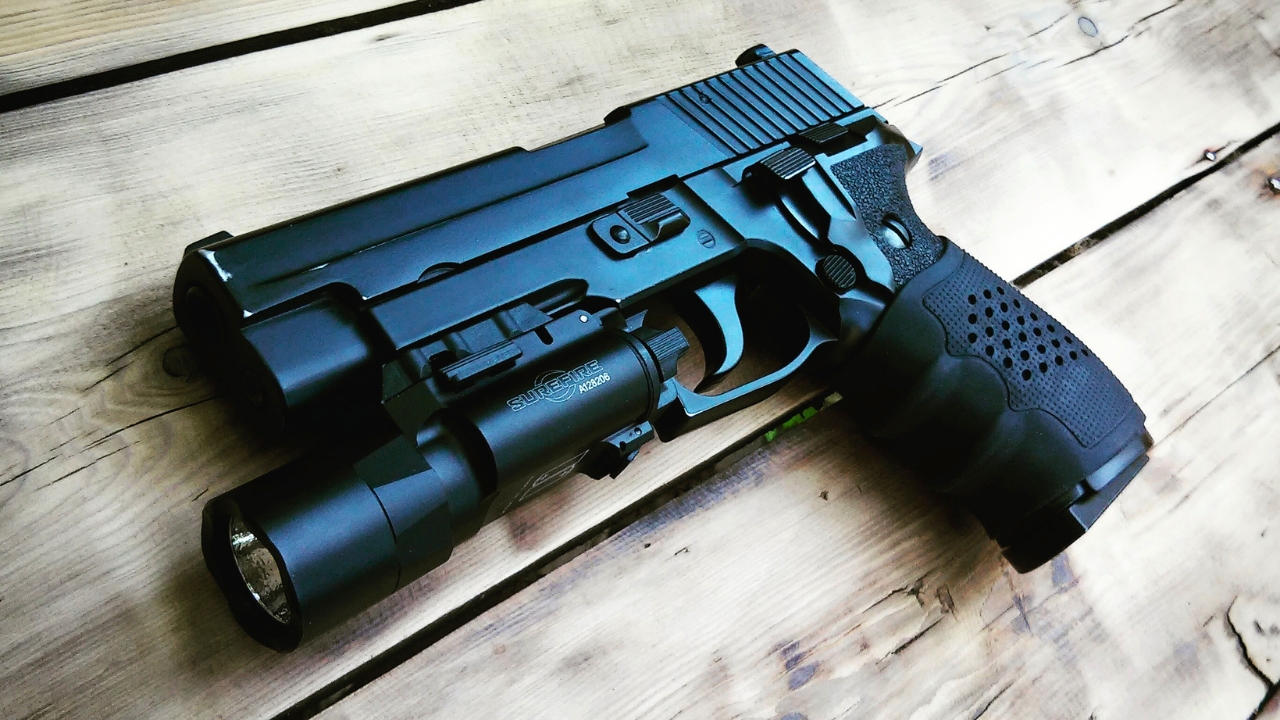
The P226 has been around long enough that its performance on cheap ammo isn’t a mystery. Duty guns, rental guns, and match guns have all proven that the design handles bulk 9mm just fine if you keep up with springs and magazines. Alloy frames and steel slides soak up abuse that would rattle lighter pistols apart faster.
On the line, they run hot and dirty without getting extremely picky about ammo brand. If you want something with old-school manners that still chews through modern bulk packs, the P226 family is still worth owning.
Like The Avid Outdoorsman’s content? Subscribe to our newsletter so you never miss an article.
Here’s more from us: