Photo credit: Outdoor Tactics/YouTube
Some hunting rifles get old in the wrong way. They become heavy for no good reason, awkward to scope, hard to feed, or tied to parts and chamberings that make them more trouble than they are worth. Others keep proving that age is not the same thing as being outdated.
A good hunting rifle does not need to be new to stay useful. It needs to carry well, feed cleanly, hold zero, shoot accurately enough from real field positions, and make sense when the weather turns bad or the shot window gets short. These older rifles still have that kind of usefulness, and plenty of newer rifles are still trying to catch up.
Winchester Model 70 Featherweight

The Winchester Model 70 Featherweight has never needed much explaining to hunters who actually carry rifles. It gives you classic bolt-action handling, controlled-round feed in the right versions, and enough weight savings to matter without turning the rifle into a twitchy ultralight.
That balance is why it never lost its edge. A Featherweight in .270 Winchester, .30-06, 7mm-08, or .308 still makes a lot of sense for deer, elk, and general big-game hunting. It shoulders naturally, looks right, and works in the kind of country where a rifle has to be carried more than admired.
Remington Model 700 BDL

The Remington Model 700 BDL became common because it worked. Hunters bought them for deer camps, elk trips, antelope country, and everything in between. The action was familiar, the rifles usually shot well, and the chambering choices covered nearly anything in North America.
Older BDLs still hold their ground because they feel like real hunting rifles. The glossy wood and skip-line checkering may not be the current style, but the rifle’s basic usefulness never went away. A clean 700 BDL in .270, .30-06, .243, or 7mm Remington Magnum still does exactly what most hunters need without asking for attention.
Ruger M77 Hawkeye

The Ruger M77 Hawkeye carries the kind of practical toughness hunters tend to appreciate more after owning lighter, slicker rifles. It is not always the smoothest bolt gun on the rack, but it feels strong, honest, and built for hard use.
The controlled-round feed, integral scope mounts, and rugged stock options made it a serious field rifle. It works especially well for hunters who care more about weather, handling, and reliability than shaving every ounce. A Hawkeye in .30-06, .308, .270, or .35 Whelen still feels like a rifle you can drag through brush, rain, and rough country without worrying over it.
Savage 99

The Savage 99 is one of the few old lever rifles that still feels ahead of its time. The rotary magazine allowed pointed bullets in many versions, and chamberings like .300 Savage, .308 Winchester, and .250-3000 Savage gave hunters more reach than traditional tube-fed lever guns.
It still has an edge because it carries like a woods rifle but hits harder and flatter than many people expect. The 99 points quickly, balances well, and has a different feel from the endless crowd of bolt guns. Good examples are not as cheap as they used to be, but the rifle’s field usefulness is not just nostalgia.
Marlin 336

The Marlin 336 never stopped making sense in thick deer woods. It is compact, fast-handling, easy to scope, and chambered in rounds that suit close to moderate hunting distances. In .30-30 Winchester or .35 Remington, it remains a serious woods rifle.
Its edge is simplicity. You can carry it easily, work the lever without breaking your cheek weld much, and get quick follow-up shots when deer move through cover. Modern long-range rifles may dominate the conversation, but not every shot happens across a canyon. In brush, timber, and short fields, the 336 still earns its place.
Browning BAR Mark II Safari

The Browning BAR Mark II Safari gives hunters something many bolt rifles do not: fast semi-auto follow-up shots in legitimate big-game chamberings. It is heavier than many modern rifles, but that weight also helps it settle down and shoot comfortably.
For stand hunters, hog hunters, and deer hunters who value quick repeat shots, the BAR still has an edge. It points well, soaks up recoil, and brings a refined feel that many modern semi-auto hunting rifles do not quite match. It is not the rifle you carry ten miles uphill, but in the right setting, it remains very effective.
Remington Model Seven

The Remington Model Seven is one of those rifles that hunters tend to appreciate more after they have carried a full-size rifle too long. It is short, handy, and chambered for practical deer rounds like 7mm-08, .243 Winchester, .308 Winchester, and .260 Remington.
Its edge is handling. The Model Seven feels quick in a blind, easy in thick cover, and light enough for younger hunters or anyone who values compact rifles. It does not need magnum speed or a giant barrel to work. Put it in the right cartridge, mount a sensible scope, and it still makes a very sharp little hunting rifle.
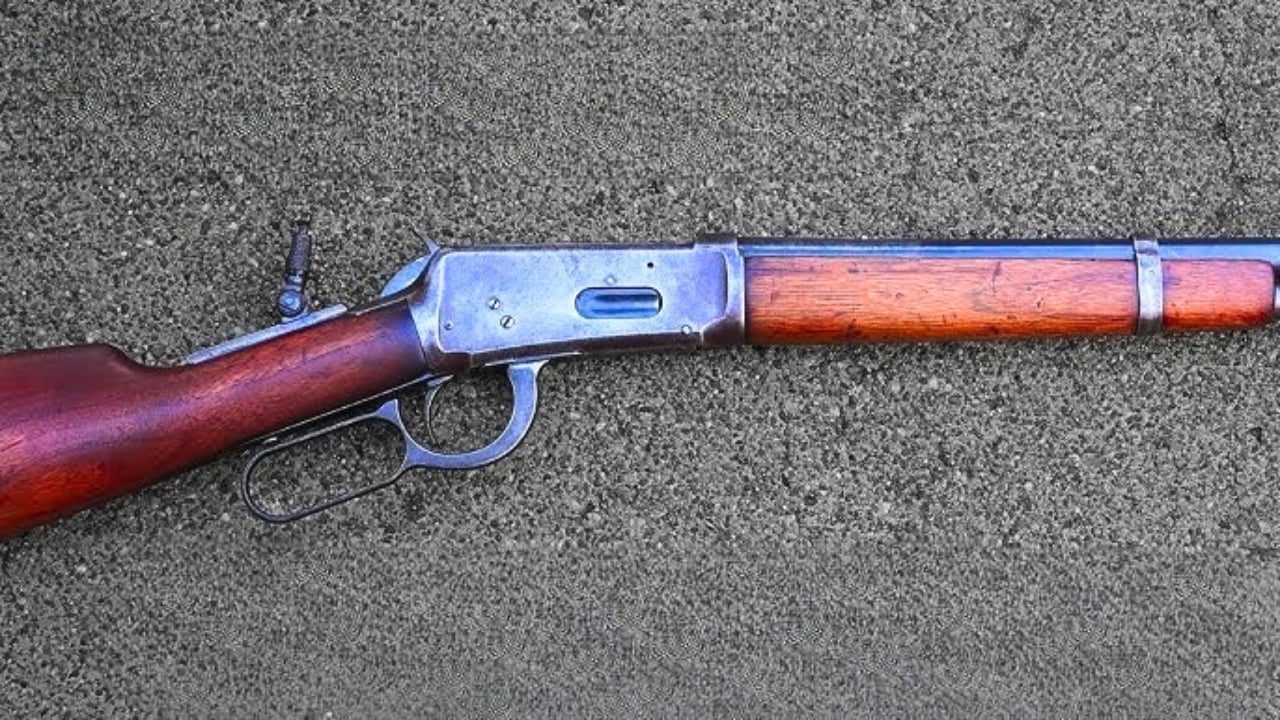
Winchester Model 94

The Winchester Model 94 is not outdated just because it is old. In the kind of woods hunting it was built for, it still works beautifully. It is light, slim, quick to shoulder, and chambered most famously in .30-30 Winchester.
The Model 94’s edge is how naturally it carries. It slips through timber, rides well in the hand, and comes up fast when a deer appears close. It is not a precision long-range rifle, and it was never meant to be. But for hunters who understand its range and use good judgment, the old 94 is still far more useful than many modern rifles built for problems they will never face.
Sako L579 Forester

The Sako L579 Forester is one of those older bolt rifles that reminds you factory rifles used to have a different level of refinement. The action is smooth, the proportions are right, and the rifle has a clean, understated quality that serious hunters notice.
In chamberings like .243 Winchester, .308 Winchester, and .22-250 Remington, the Forester still works extremely well. It is accurate enough for careful hunting, pleasant to carry, and built with a level of fit that makes many newer rifles feel cheaper. Its edge is not flash. It is the kind of quiet quality that keeps paying off every season.
Remington 7600

The Remington 7600 still has a strong following in places where deer drives, timber hunting, and fast second shots matter. It handles like a pump shotgun, but it fires real rifle cartridges. That combination made it popular for a reason.
Hunters who know the 7600 understand its edge immediately. It is quick, familiar, and effective in close to moderate hunting conditions. In .30-06, .308, .270, or .35 Whelen, it can handle serious deer and black bear work. It is not a benchrest rifle, but that misses the point. In the woods, speed and familiarity can matter more than tiny groups.
Ruger No. 1
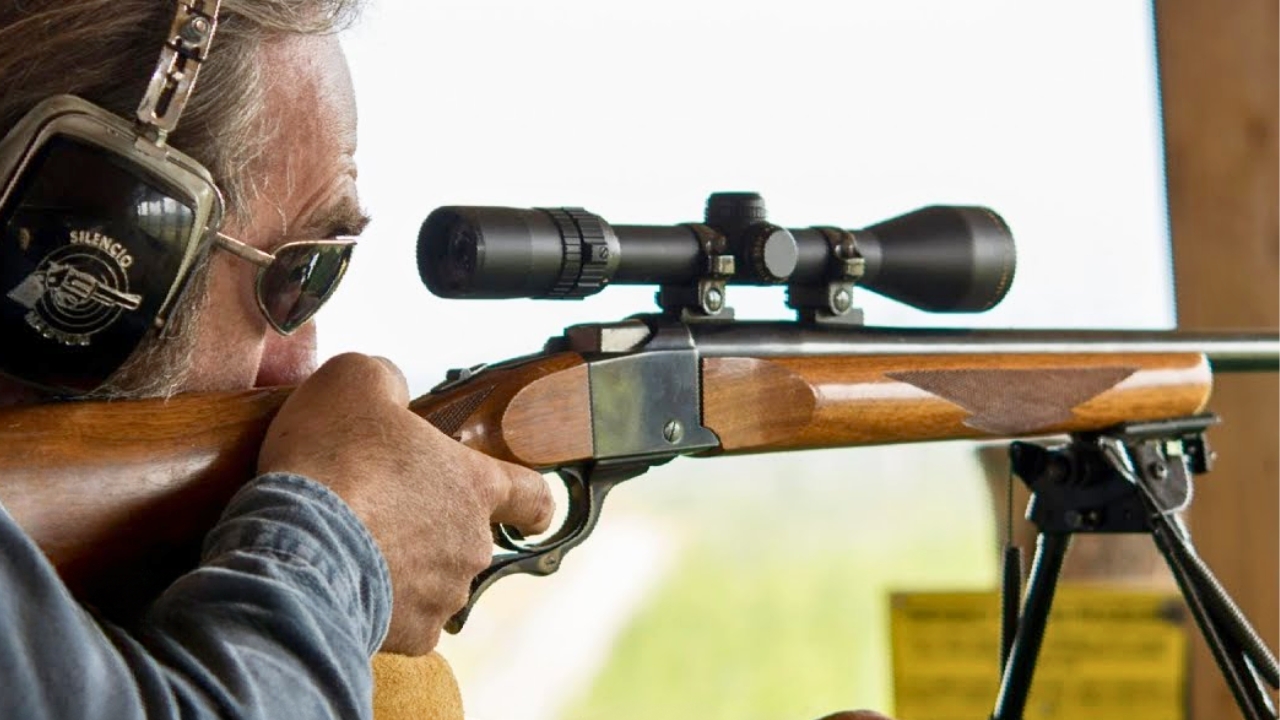
The Ruger No. 1 is a single-shot rifle, which makes some hunters dismiss it too quickly. But in a world full of detachable magazines and oversized bolt guns, the No. 1 still offers something useful: compact overall length, strong action, and a steady, deliberate approach to shooting.
Its edge shows up with hunters who value one well-placed shot. The falling-block action allows a full-length barrel in a shorter rifle, and the platform has been chambered for everything from varmint rounds to dangerous-game cartridges. It is not the fastest rifle to reload, but it makes you slow down in a good way.
Browning A-Bolt

The Browning A-Bolt was never as loud in hunting-camp arguments as the Model 70 or Model 700, but it earned plenty of quiet loyalty. It had a short bolt lift, detachable magazine system, good accuracy, and a fit that worked for many hunters.
Older A-Bolts still have an edge because they feel practical without being clunky. They carry well, cycle quickly, and often shoot better than people expect. In chamberings like .270, .30-06, .300 Win. Mag., .243, and 7mm-08, they remain very capable hunting rifles. Plenty of hunters who sold one later realized replacing it was harder than expected.
Mannlicher-Schoenauer
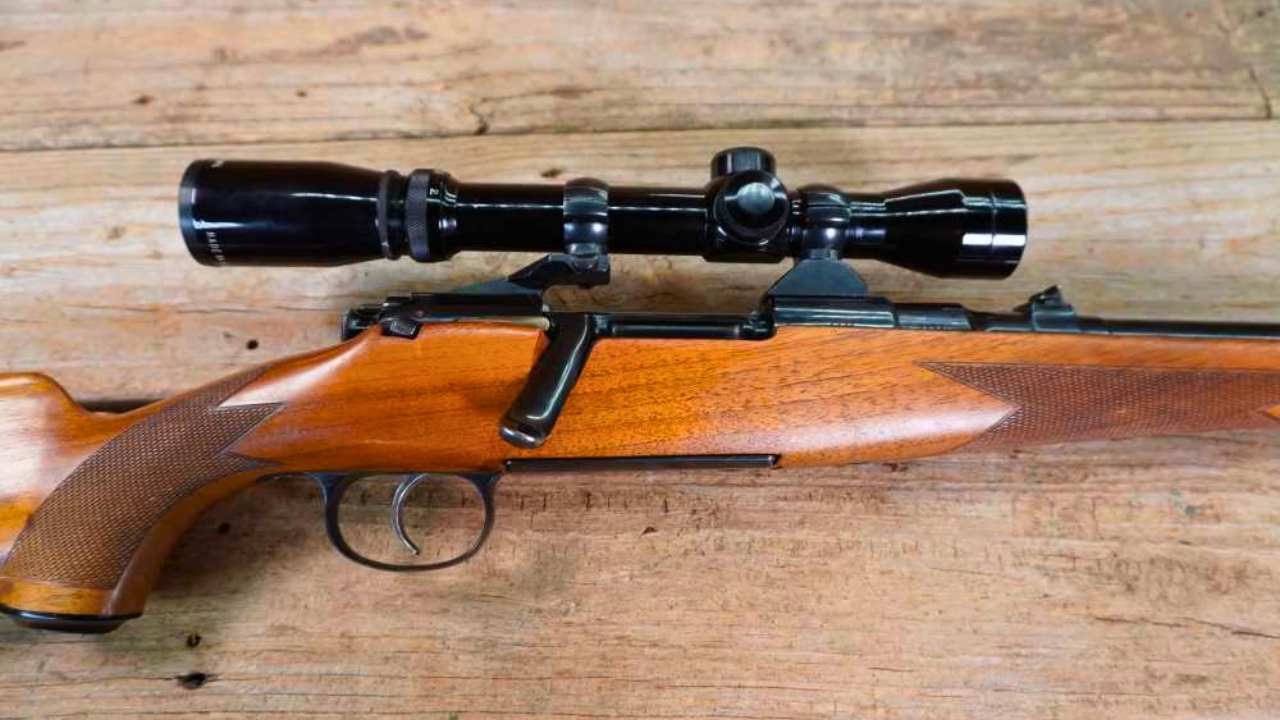
The Mannlicher-Schoenauer is old enough that some hunters only think of it as a collector piece. That sells it short. These rifles were famous for smooth actions, rotary magazines, and handling that still feels special when you shoulder one.
Its edge is craftsmanship and balance. A Mannlicher-Schoenauer in a classic chambering can feel almost alive compared with bulkier modern rifles. It is not the practical choice for every hunter today, especially if parts and scope mounting are concerns. But as a stalking rifle, it still shows why old-world design mattered. Some rifles age into history. This one still feels like a hunting tool.
CZ 550
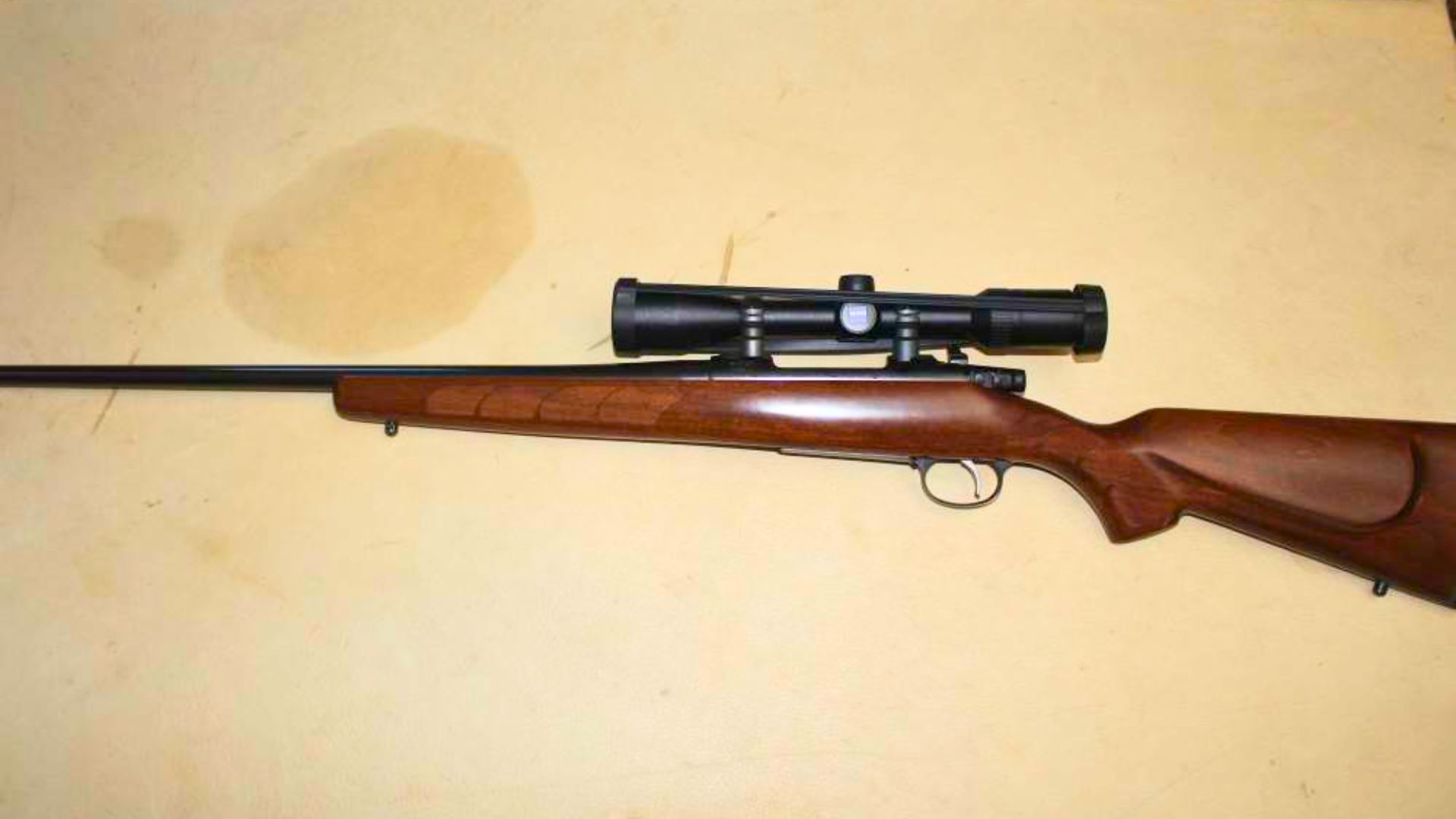
The CZ 550 built a strong reputation with hunters who wanted a controlled-round-feed bolt rifle without paying custom money. It was offered in useful standard and big-game chamberings, and many versions had the kind of sturdy feel that inspires confidence.
Its edge is reliability-minded design. The action is strong, the extractor is serious, and the rifle feels like it was built for rougher work than a casual deer stand. In cartridges like .308, .30-06, 9.3x62mm, .375 H&H, and .458 Lott, the CZ 550 became a favorite with hunters who wanted practical strength. It may be discontinued, but it is not obsolete.
Tikka T3

The original Tikka T3 is not ancient, but it has been around long enough to prove that a plain rifle can become a modern classic. It was light, accurate, smooth, and often more consistent than rifles that cost more.
That is why it never lost its edge. The T3 action cycles cleanly, the barrels usually shoot, and the rifle carries easily in the field. It does not have fancy wood or old-school romance, but it delivers where hunters notice: accuracy, weight, and reliability. A used T3 in .308, .270, .30-06, or 6.5×55 still feels like one of the smartest hunting rifles you can own.
Like The Avid Outdoorsman’s content? Be sure to follow us.
Here’s more from us: