Photo credit: TFB TV/Youtube
Some guns don’t sell themselves with looks. They sit there with basic stocks, simple finishes, ordinary controls, and nothing that screams for attention. No dramatic lines. No flashy coating. No feature list that makes a guy stop mid-scroll.
Then people start using them. They run when they’re supposed to run, shoot better than expected, handle rough use, and slowly become the gun owners reach for without thinking. Plain starts looking a whole lot better once trust gets involved.
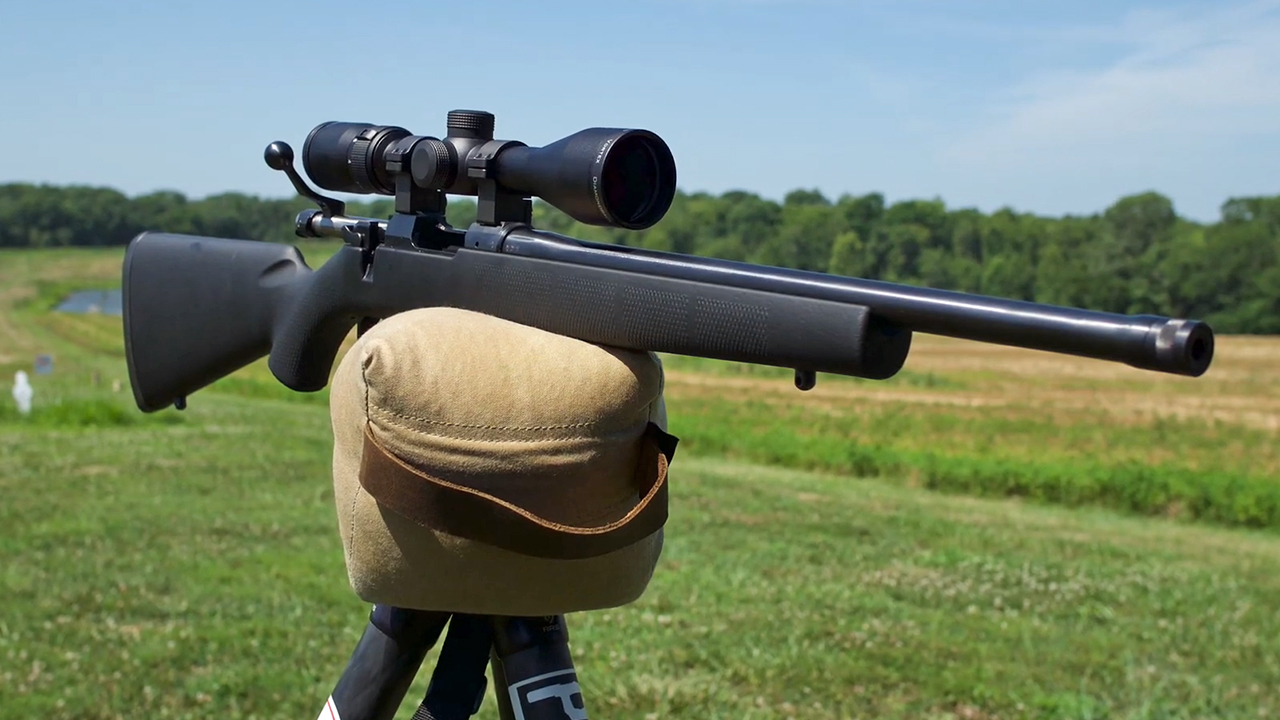
CZ 527 American
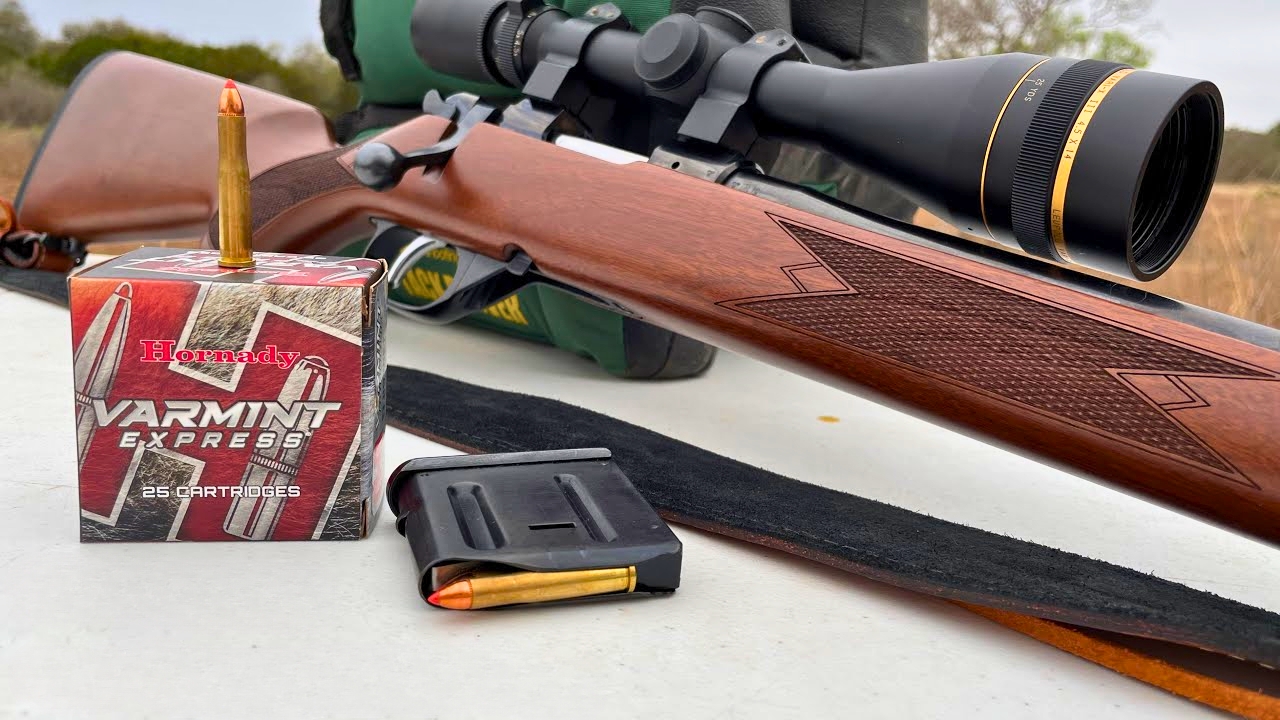
The CZ 527 American never looked like a loud rifle. It was a trim little bolt-action with a mini-Mauser-style action, detachable magazine, and practical chamberings like .223 Remington and 7.62×39 in some variants. To a lot of hunters, it looked like a small utility rifle and not much more.
Then people used them and realized how handy they were. The 527 had a smooth little action, good accuracy, and a set trigger on many models that made careful shots easier. It carried well, worked nicely for varmints and light field use, and felt like more rifle than its modest size suggested. Now that the line is gone, shooters trust and chase them more than ever.
Smith & Wesson Model 64
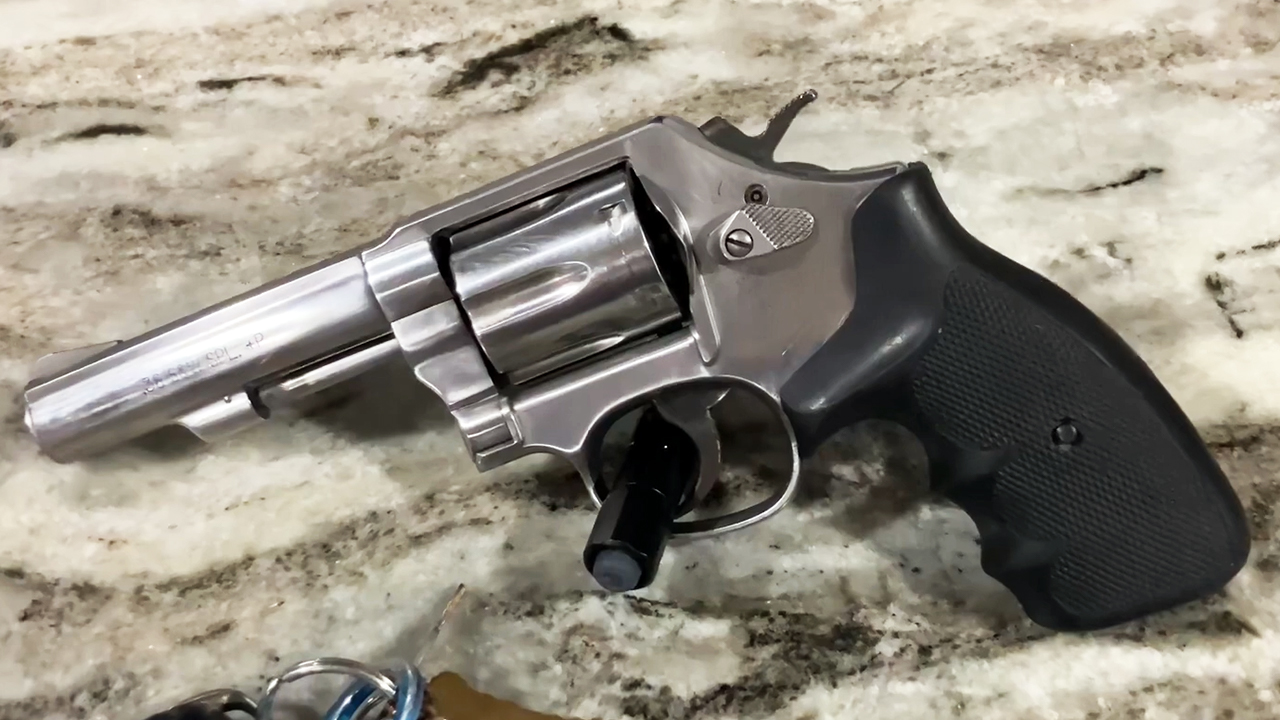
The Smith & Wesson Model 64 is about as plain as a revolver gets. Stainless steel, fixed sights, .38 Special chambering, and old police-gun roots don’t sound exciting next to magnum revolvers or modern carry pistols. It looks like a working gun because that’s exactly what it is.
That plainness is the whole reason people trust it. The Model 64 is durable, simple, and comfortable to shoot. It handles practice with standard .38 Special loads beautifully, and the fixed sights keep things straightforward. It’s not a collector showpiece in most configurations, but it is the kind of revolver that teaches good trigger control and keeps working. After enough range time, boring starts feeling dependable.
Stevens 311
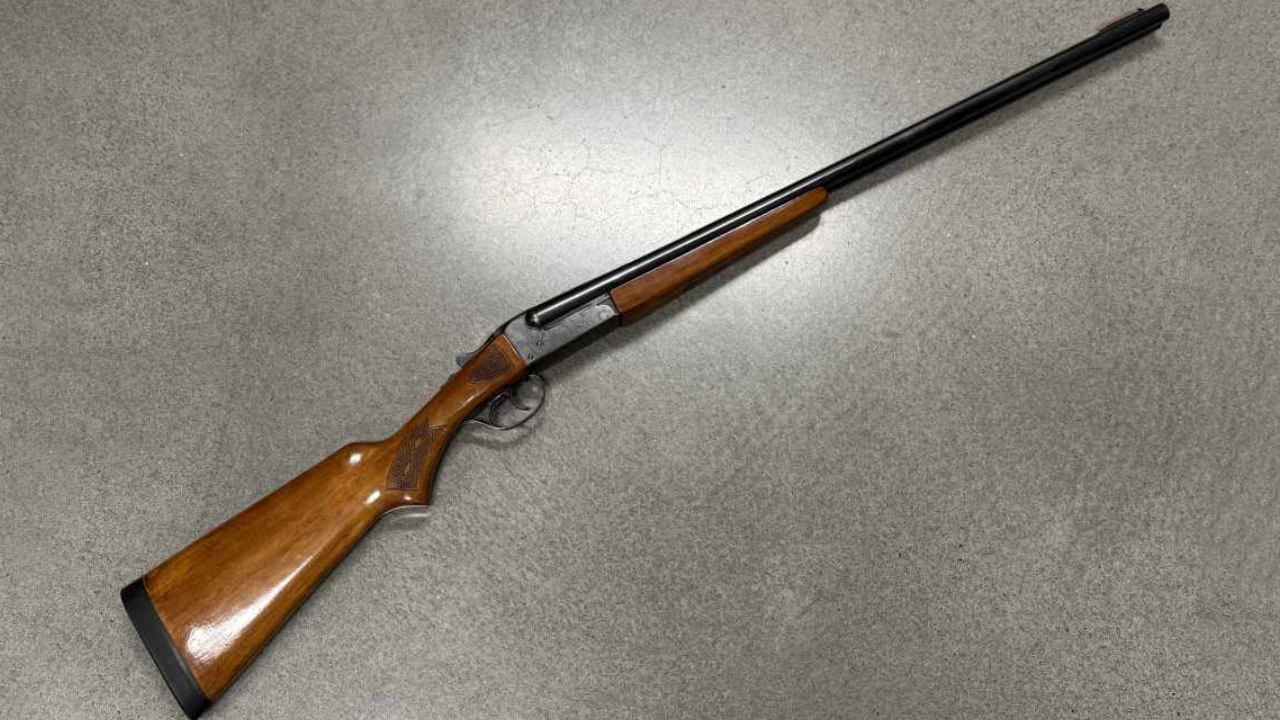
The Stevens 311 side-by-side never had fancy shotgun energy. It was a plain double gun built for regular hunters who needed something affordable and sturdy. No fine engraving, no high-end walnut, no delicate fit that made you scared to carry it through brush.
That’s why so many people learned to trust it. The 311 was a working shotgun for rabbits, birds, farm use, and rough hunting. It could be stiff, heavy, and far from refined, but it usually did what people needed without complaint. A plain side-by-side that can take decades of use has its own kind of value. It may not impress a shotgun snob, but it earned trust the honest way.
Ruger Security-Six
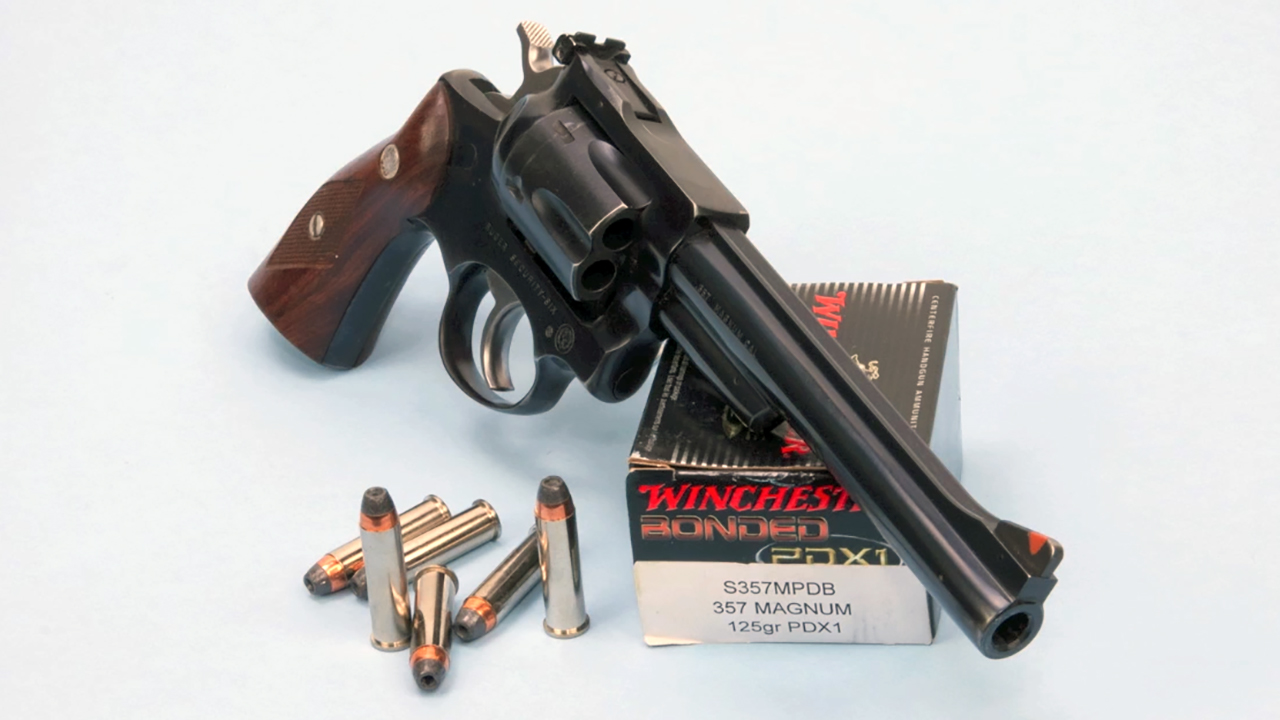
The Ruger Security-Six looked plain beside classic Smiths and Colts. It didn’t have the same polish, and it was built more like a tool than a showpiece. For years, some shooters treated it as the practical Ruger .357, not the revolver to brag about.
Over time, that practical reputation became the reason people respected it. The Security-Six is strong, reasonably sized, and easier to carry than some heavier .357s. It handles magnum loads better than its size might suggest and shoots .38 Special comfortably. Owners started trusting it because it didn’t act delicate. It was a working revolver with enough strength to keep going, and that ages well.
Marlin Model 60

The Marlin Model 60 is one of those rimfires people saw everywhere and barely thought about. Tube-fed, semi-auto, plain wood stock, basic sights, and no detachable magazine made it look old-fashioned once the Ruger 10/22 aftermarket took over the conversation.
But shooters who grew up with a Model 60 know why it earned trust. The rifle is accurate, simple to shoot, and useful for plinking, small game, and teaching new shooters. The tube magazine keeps the rifle slim and easy to carry, and many older examples just keep running. It doesn’t need a giant parts catalog to be worth owning. Sometimes a plain .22 that shoots straight is enough.
Browning BDM

The Browning BDM never looked like an obvious classic. It had a low-profile slide, double-stack 9mm capacity, and a somewhat unusual operating system with a selectable trigger mode on certain versions. To plenty of shooters, it was just a strange, flat Browning pistol that didn’t fit neatly into the usual service-pistol conversation.
The people who spent time with it found more to like. The BDM was slim for a double-stack pistol, pointed naturally for many hands, and carried a kind of understated quality. It never became a mainstream giant, and parts support today is not like Glock or SIG. But as an overlooked 9mm from a serious maker, it earned trust from shooters who actually used it instead of judging it from the case.
Savage 24
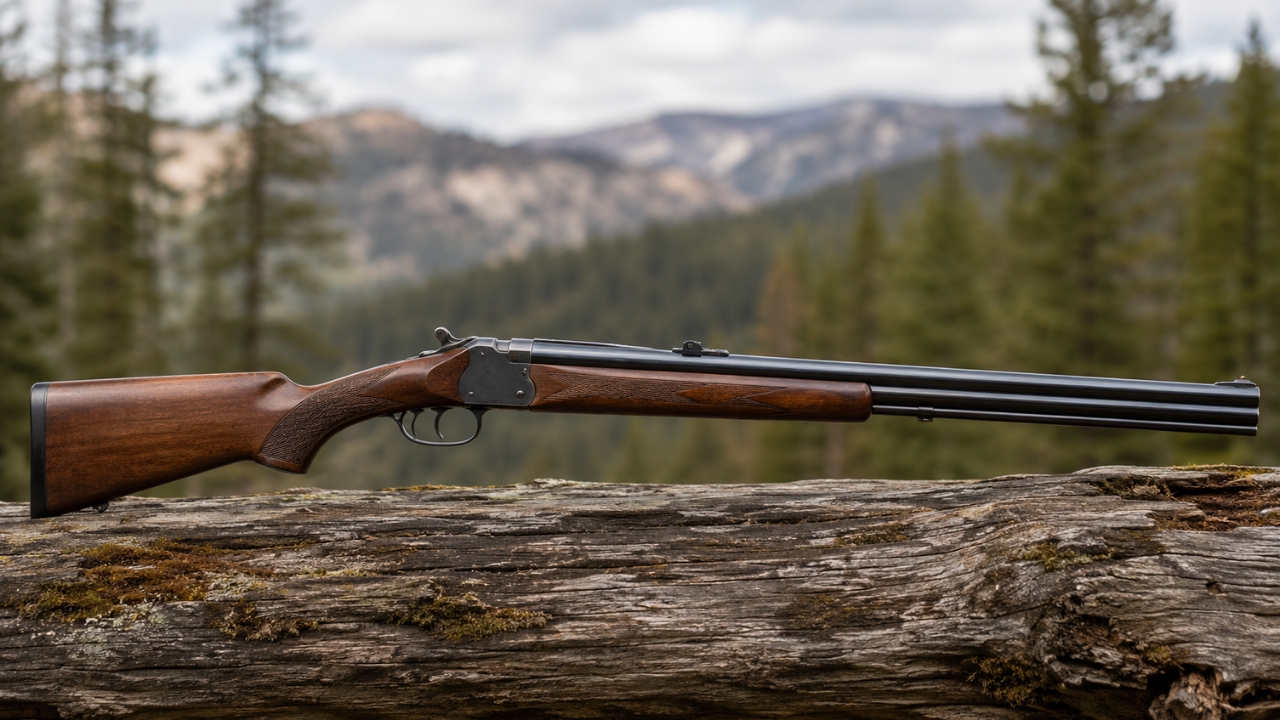
The Savage 24 combination gun looked plain because it was built around utility, not beauty. A rifle barrel over a shotgun barrel is not glamorous. It’s practical. For small-game hunters, trappers, farm owners, and woods wanderers, that practicality was the whole point.
The trust came from versatility. Depending on chambering, a Savage 24 could handle squirrels, rabbits, birds, pests, and camp use in one compact package. It wasn’t fast to reload, and it wasn’t ideal for every job, but it gave the owner options. A lot of modern guns are specialized. The Savage 24 earned trust by being useful when you didn’t know exactly what you’d run into.
Beretta 303
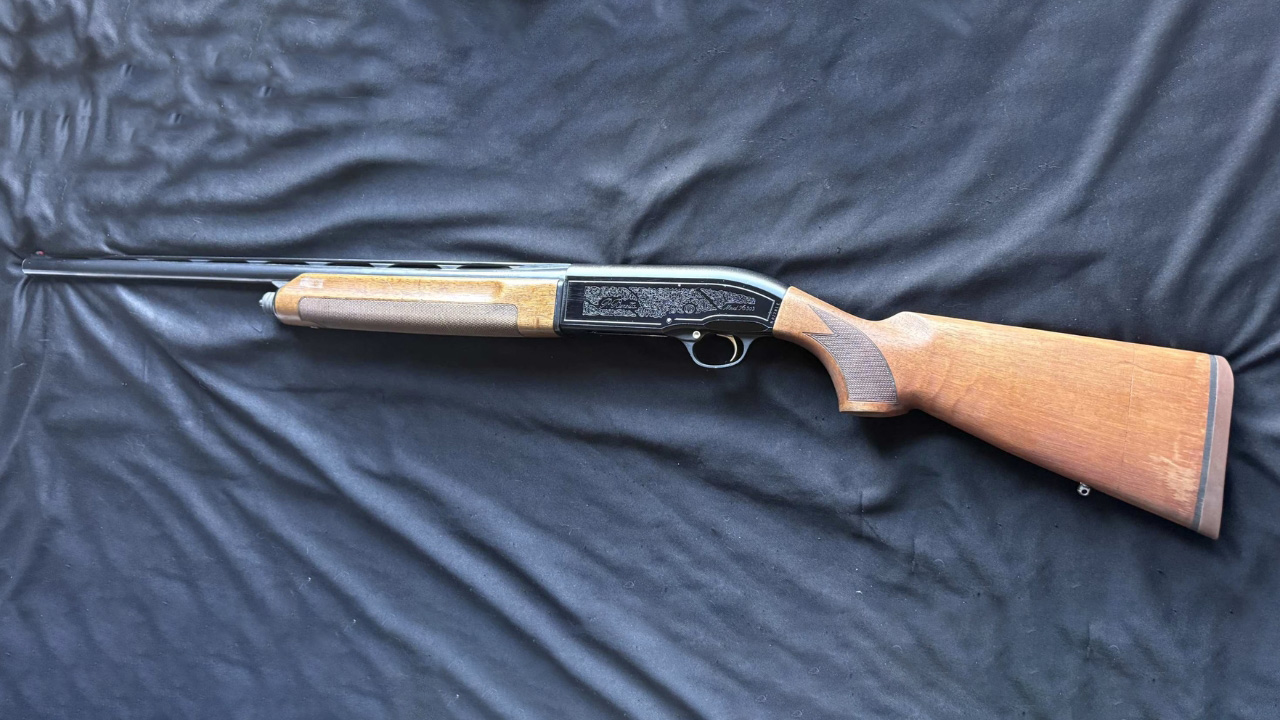
The Beretta 303 doesn’t look dramatic next to newer semi-auto shotguns with oversized controls, camo patterns, and modern recoil systems. It’s an older gas gun with clean lines and a simple field personality. At a glance, it can look like just another used semi-auto.
Shooters who know them tend to trust them deeply. The 303 has a reputation for soft recoil, good handling, and dependable field use when properly maintained. It’s the kind of shotgun that makes long dove shoots and clay days easier on the shoulder. It doesn’t need to look tough to be useful. It built its following by cycling well, pointing naturally, and proving that a simple gas semi-auto can age very nicely.
Winchester 670

The Winchester 670 was the cheaper, plainer cousin in the Model 70 family. It lacked the polish and features that made the nicer Model 70s more desirable, so a lot of hunters viewed it as a budget rifle and moved on. It didn’t look special then, and it still doesn’t look flashy now.
But many 670s did exactly what hunting rifles are supposed to do. They shot well enough, carried into deer woods, and gave regular hunters a reliable bolt-action at a more reachable price. The finish was plain and the styling basic, but the rifle had practical bones. Shooters started trusting them because they worked without pretending to be deluxe. There’s nothing wrong with a rifle that knows its job.
Star BM
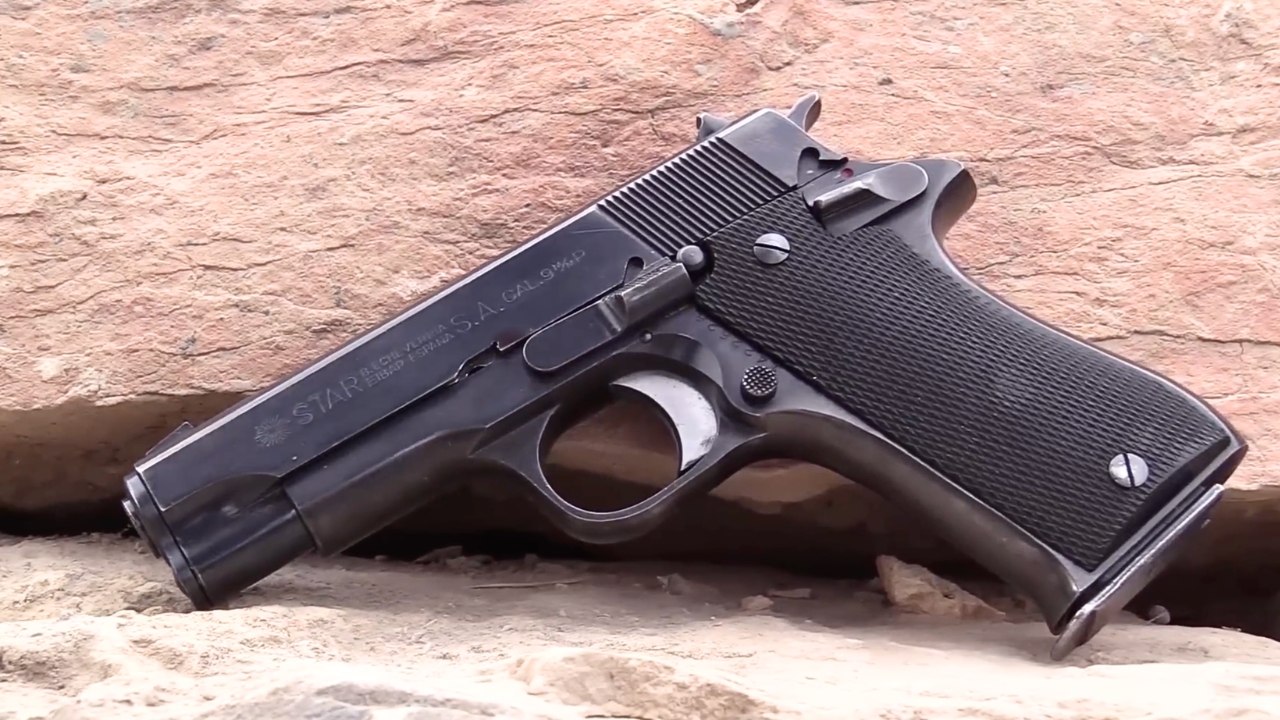
The Star BM looked like a plain little surplus 9mm for years. It had 1911-like lines, a single-stack magazine, steel frame, and basic military-police pistol looks. When imports were cheap, plenty of shooters treated them as curiosities or range toys.
Then people started realizing they were pretty enjoyable pistols. The Star BM is slim, comfortable, and soft enough to shoot well because of its steel frame. It does have limitations, especially with parts availability, magazine condition, and age. But a good one can be surprisingly satisfying. It looked like a simple surplus sidearm, but shooters who ran them often found a pistol with more charm and utility than expected.
Remington 788
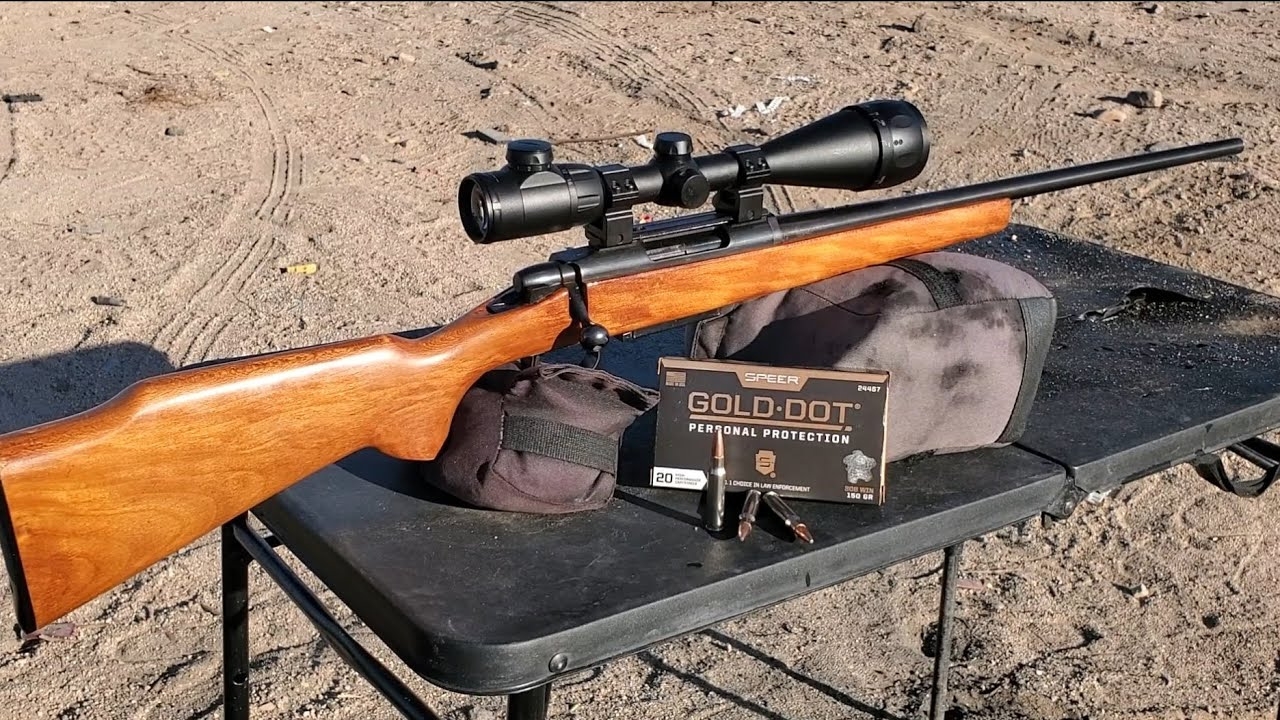
The Remington 788 looked plain because it was built as a budget rifle. It had a rear-locking bolt, simple stock, detachable magazine, and none of the fancy finish that made higher-end rifles more appealing. A lot of hunters saw it as the cheaper Remington and left it at that.
The target told a different story. Many 788s earned a strong reputation for accuracy, often shooting far better than their price suggested. They weren’t elegant, and the magazines can be a concern now, but the rifle proved itself in deer woods, varmint fields, and on the bench. Shooters trusted the 788 because it kept putting bullets where they needed to go. Plain looks don’t matter much when the groups are tight.
Ithaca Model 37

The Ithaca Model 37 doesn’t look flashy, especially in basic field trim. It’s a bottom-eject pump shotgun with clean lines and old-school handling. It can look almost too simple beside newer pumps with rails, coatings, and tactical furniture.
But the Model 37 earned trust through feel. It carries light, points well, and the bottom ejection makes it friendly for left-handed shooters too. Older examples especially have a slickness that hunters appreciate after running rougher pumps. It’s been used for birds, deer, defense, and all-around field work for generations. A shotgun doesn’t need to look modern when it handles this naturally.
Smith & Wesson 908
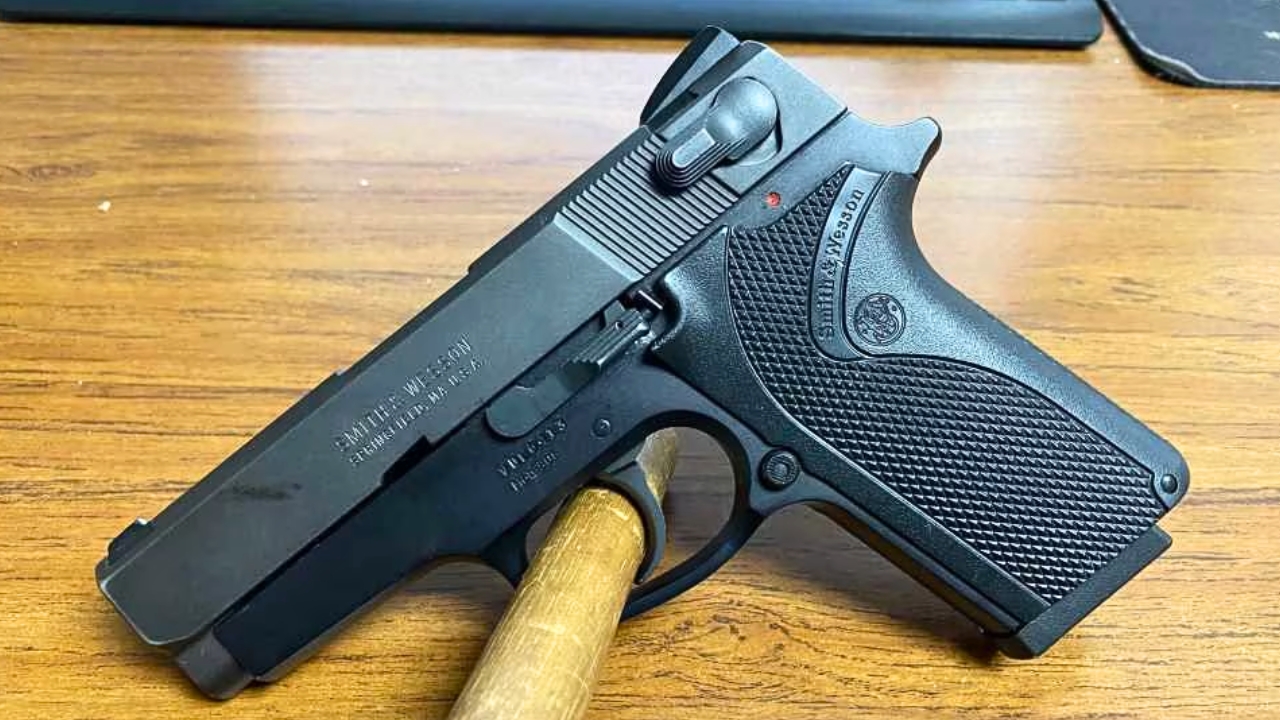
The Smith & Wesson 908 was a value-line third-generation pistol that never looked as refined as the nicer Smith autos. It was a single-stack 9mm with simple sights, basic finish, and a working-gun personality. A lot of shooters overlooked it because it wasn’t the prettiest Smith in the case.
Owners who used them often found a dependable, slim 9mm that carried well and shot comfortably. It didn’t have the capacity of larger pistols or the modern features of today’s carry guns, but it had old Smith reliability and a practical size. The 908 looked plain because it was meant to be affordable. It earned trust because it still felt like a real pistol, not a throwaway.
Ruger Deerfield Carbine

The Ruger Deerfield Carbine looked almost too simple to some buyers. A semi-auto .44 Magnum carbine with plain hunting lines and a rotary magazine didn’t have the drama of a big lever gun or the reach of a bottleneck rifle. It was built for a narrow job.
That job made sense once people used it. In thick woods or close-range deer country, the Deerfield was handy, quick, and easy to carry. It gave hunters fast follow-up shots with a hard-hitting revolver cartridge in a compact rifle. It wasn’t for long shots, and it wasn’t cheap to replace once discontinued. Shooters trust it now because it filled a practical lane that doesn’t have many true substitutes.
Franchi AL 48
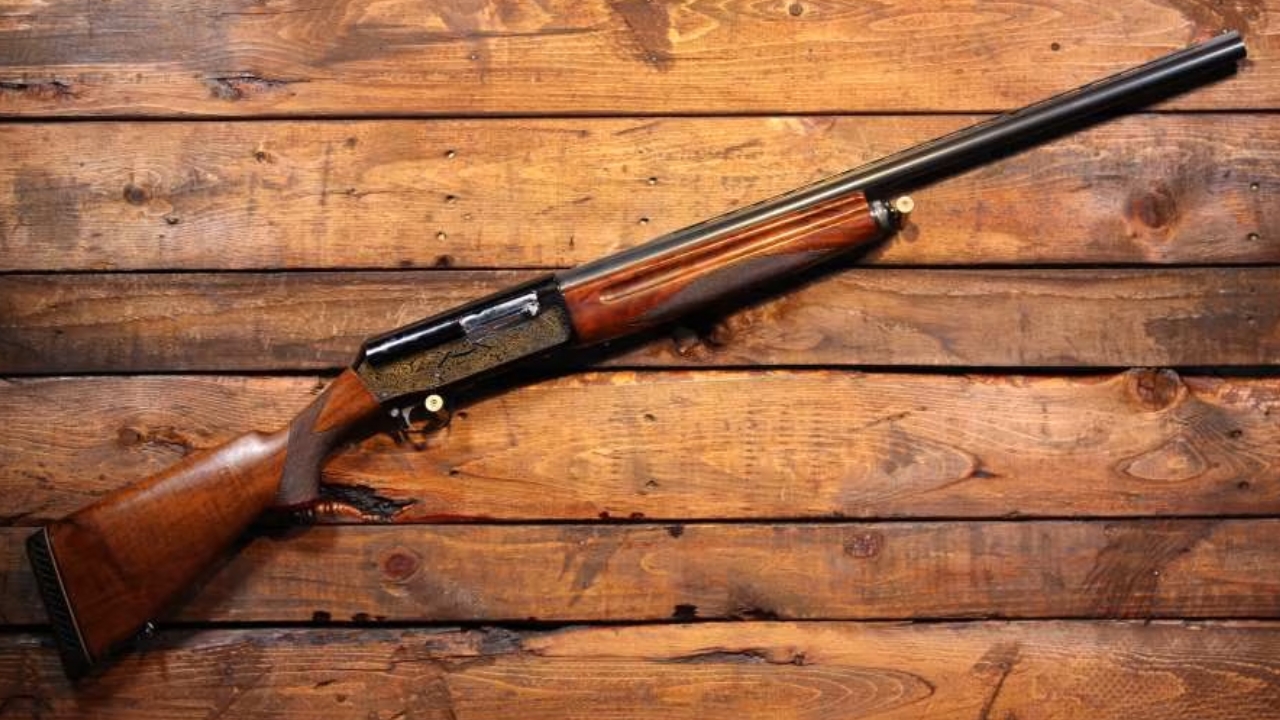
The Franchi AL 48 looked like a light, plain semi-auto shotgun, and some shooters didn’t give it enough credit because it wasn’t a big-name American pump or a heavier gas gun. Its long-recoil operation also made it feel a little old-fashioned to people used to modern semi-autos.
Hunters who carried one understood the appeal. The AL 48 was light, quick, and especially handy for upland hunting. It could be a joy to carry through fields where every extra pound gets noticed. It wasn’t the softest-shooting shotgun with heavy loads, but it wasn’t trying to be a waterfowl cannon. It earned trust by being easy to carry and quick to the shoulder when birds flushed.
Like The Avid Outdoorsman’s content? Subscribe to our newsletter so you never miss an article.
Here’s more from us: