Photo credit: hickok45/YouTube
Absolutely — here’s a fresh version with different handguns.
Simple shooting gets harder when the gun keeps asking you to work around it. Maybe the grip is too slick, the sights are too small, the trigger feels strange, or the recoil comes back sharper than the size of the pistol makes you expect. None of that always means the handgun is junk, but it does mean the shooter has to do more work than necessary.
That matters because most people are not trying to win a mechanical argument at the range. They are trying to make clean hits, build confidence, and get better without fighting the tool in their hand. These handguns can still have a purpose, but they often make basic shooting feel more complicated than it should.
Glock 42

The Glock 42 sounds like it should be one of the easiest pocket pistols to shoot. It is a Glock, it is chambered in .380 ACP, and it has a softer feel than many tiny defensive pistols. For someone who wants a small carry gun without jumping into a snappy micro 9mm, it makes sense at first.
The problem is the size-to-performance tradeoff. It is not as tiny as some pocket .380s, but it still gives you a short grip, small sight radius, and limited capacity. Some shooters expect it to feel like a miniature Glock 19 and end up working harder than expected to shoot it well.
Ruger LCP
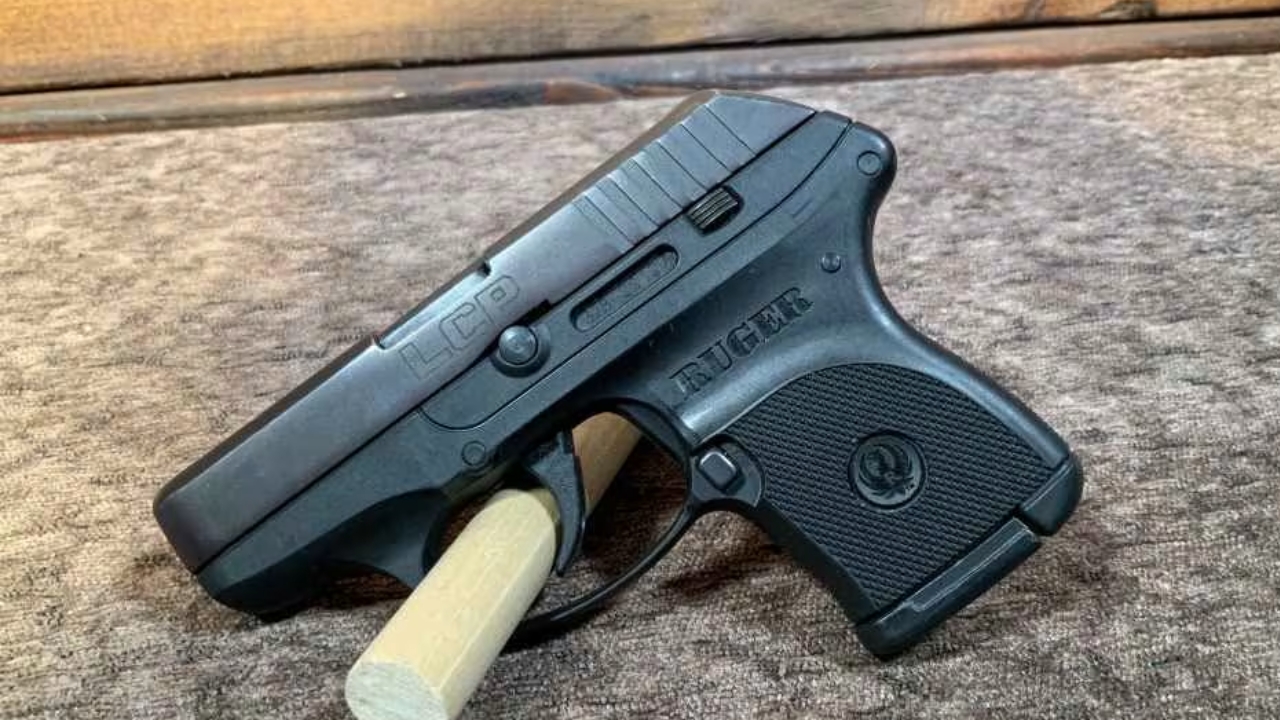
The Ruger LCP earned its place because it is easy to carry, not because it is easy to shoot. It disappears in a pocket, weighs almost nothing, and gives people a real defensive option when anything bigger would get left at home. That matters.
At the range, though, the little Ruger reminds you what tiny guns cost. The grip gives you almost no control, the sights are minimal, and the trigger takes patience. It can do close-range work, but it does not make clean shooting feel natural. For new shooters especially, the LCP can turn practice into a fight.
Kahr PM9
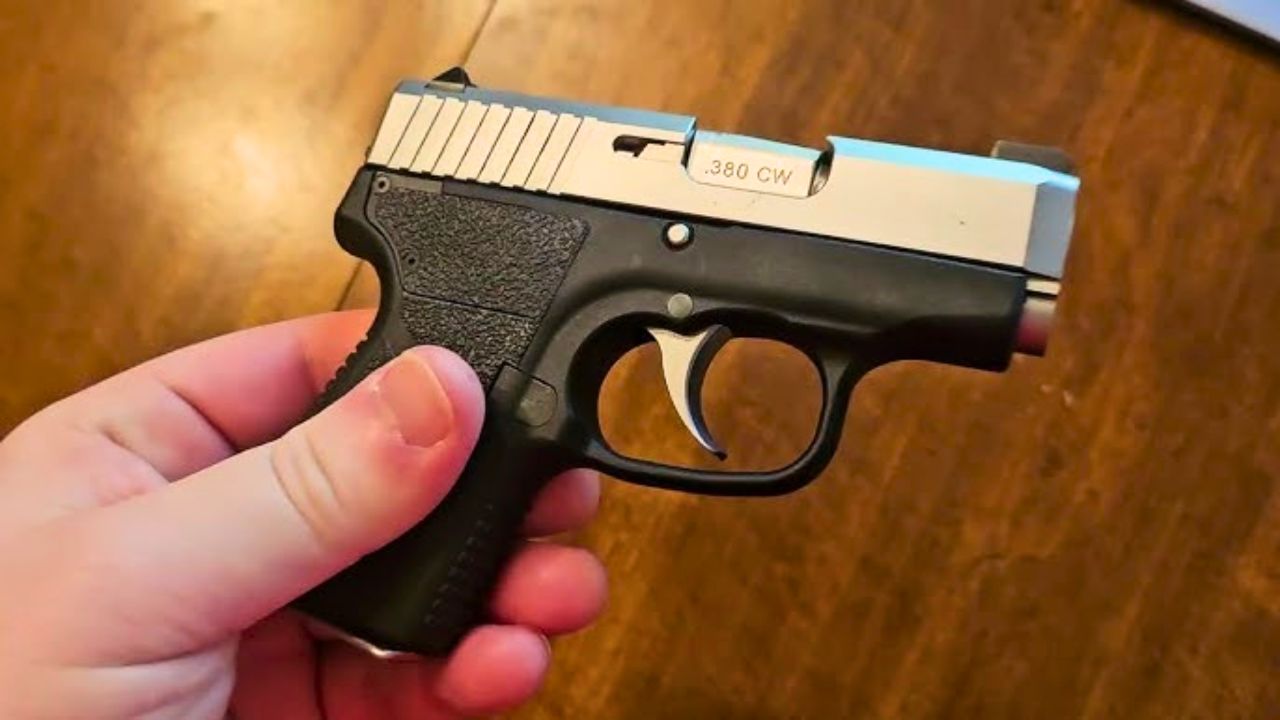
The Kahr PM9 has always appealed to shooters who like a slim, serious little carry pistol. It is compact, well-made, and has a smooth double-action-style trigger that feels different from most striker-fired guns. Some people love that rolling trigger once they understand it.
Others never get comfortable with it. The pull is smooth, but it is long, and on a small 9mm that matters. Add a short grip and sharp recoil, and the PM9 demands solid fundamentals every time. It is not sloppy or cheap-feeling, but it can make ordinary drills slower and more demanding than they need to be.
Seecamp LWS .32

The Seecamp LWS .32 is built for deep concealment, and in that role, it has a strong reputation. It is small, sleek, and designed around the idea of being carried when larger pistols are not realistic. As a pocket gun, it has a real purpose.
Shooting it is another story. The pistol has no real sights in the traditional sense, the grip is tiny, and the trigger is meant for close defensive use rather than relaxed practice. You can respect the Seecamp for what it is and still admit it makes range work harder. It is a carry solution first, not a confidence-building shooter.
Bond Arms Derringer

A Bond Arms derringer feels solid enough to sell itself at the gun counter. It is heavy, stainless, simple, and chambered in cartridges that make people grin before they think too hard about recoil. The whole thing has a tough little pocket-cannon appeal.
Then you shoot one with serious defensive loads, and the charm gets thinner. The grip is short, the trigger takes real effort, and recoil can be nasty for such a small handgun. Follow-up shots are slow, and accuracy takes concentration. It may be fun in a novelty way, but it makes simple shooting much harder than a normal revolver or compact pistol.
Colt Mustang

The Colt Mustang has classic little-pistol appeal. It is small, attractive, and gives shooters a single-action pocket pistol that feels more refined than a lot of basic .380s. If you like metal-framed guns, it is easy to understand why the Mustang still has fans.
But the controls and size make it less simple than people expect. You have a small grip, small sights, and a manual safety to handle on a tiny defensive pistol. It can shoot well in trained hands, but it asks for more practice than a lot of casual carriers give it. A simpler .380 may be less charming but easier to manage.
FN Five-seveN

The FN Five-seveN is not hard to shoot because of recoil. In fact, low recoil is part of the appeal. The issue is that everything about it feels different from a normal service pistol. The grip is large, the controls are unique, and the cartridge changes the way shooters think about cost, purpose, and practice.
For some people, it shoots fast and flat. For others, the grip size and unusual feel make it harder to settle into basic pistol work. It is an interesting handgun, but it is not the easiest pistol for shooters who just want a normal range rhythm and simple training habits.
HK USP Compact
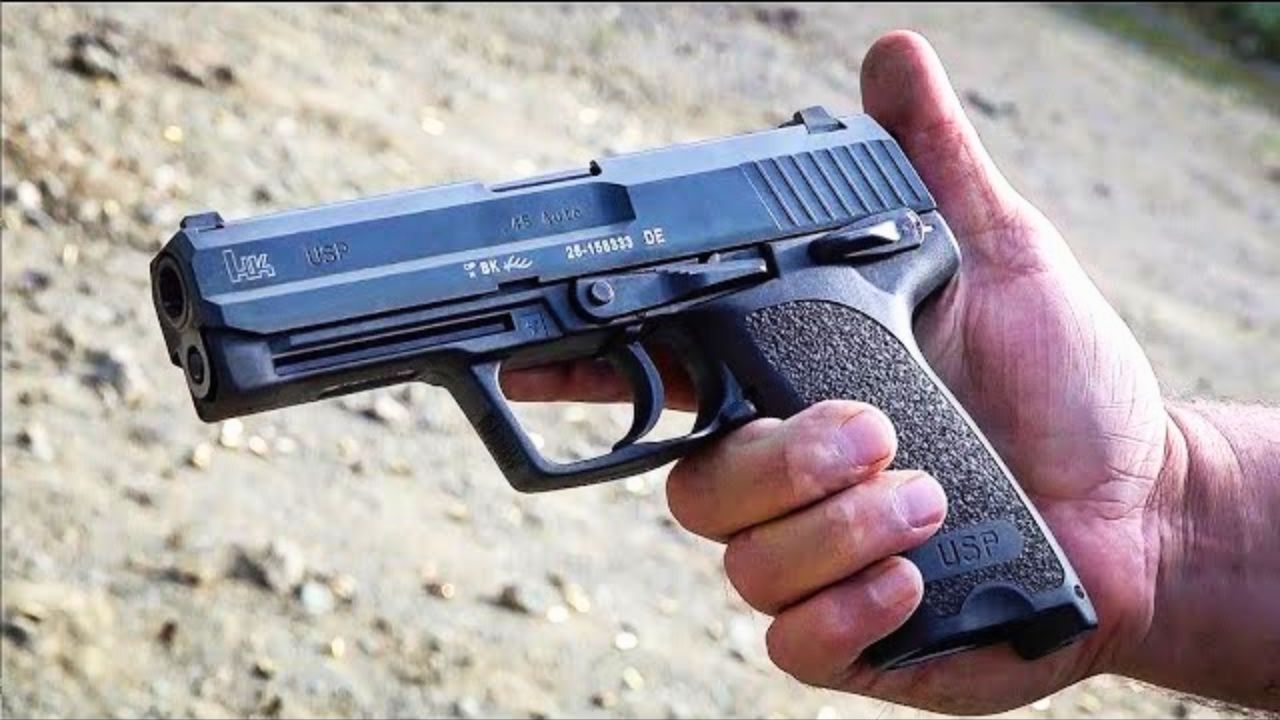
The HK USP Compact is tough, reliable, and respected for good reason. It was built like a serious duty pistol, and it still has plenty of loyal fans. If you want durability and old-school HK confidence, it has that.
Still, simple shooting can feel harder than expected. The grip can feel blocky, the bore axis is higher than many modern pistols, and the DA/SA trigger takes real practice if you want clean first shots and fast follow-ups. It is not a bad gun at all, but compared with newer striker-fired compacts, it makes the shooter manage more moving pieces.
Beretta Tomcat

The Beretta Tomcat has a clever tip-up barrel and a size that makes it easy to carry. For shooters with weaker hands or anyone who dislikes racking small slides, that design has real value. It fills a lane most pistols do not.
The range experience can still be awkward. The gun is small, the trigger is not especially easy, and the sights are limited. Even in .32 ACP, the little frame does not give you much to hold. It works best as a close-range pocket pistol, not a gun that makes steady practice feel smooth. The clever loading system does not fix the shooting limitations.
Glock 36

The Glock 36 was built around a slim .45 ACP carry idea, and that sounds useful if you like big-bore defensive pistols. It gives you Glock simplicity in a thinner package than the double-stack .45 models. For a certain kind of carrier, that is appealing.
Shooting it well can be more work than expected. The grip is slim, recoil is sharper than many people assume, and capacity is limited. Compared with a softer-shooting 9mm Glock or even a larger .45, the 36 can feel like it gives up too much comfort. It is carryable, but not always friendly.
CZ 52

The CZ 52 is interesting, historic, and chambered in a fast little cartridge that gets attention. It has Cold War character and enough odd mechanical flavor to make collectors and range guys curious. That kind of personality can make you forgive a lot.
The actual shooting experience is not exactly easygoing. The grip angle, safety placement, trigger feel, and sharp report all make it feel dated fast. It can be accurate, but it does not guide the shooter naturally the way a more modern pistol does. If you are trying to practice simple handgun fundamentals, the CZ 52 adds distractions.
Walther PPK/S

The Walther PPK/S has style for days, and that is a big part of why people still want one. It is slim, recognizable, and feels like a classic carry pistol from another era. At the counter, it has more personality than most modern pocket guns.
On the range, that classic charm can bite back. The blowback action makes recoil sharper than many expect, the slide can nip some hands, and the DA trigger takes effort. It is not impossible to shoot well, but it is less friendly than its looks suggest. A modern compact .380 or 9mm usually makes practice easier.
Beretta PX4 Storm Subcompact

The full-size PX4 has a reputation for being soft and comfortable, but the subcompact version does not carry the same magic in the same way. It has a chunky feel, traditional controls, and a shape that some shooters never warm up to. It looks like it should be a compact answer with Beretta personality.
Instead, it can feel awkward for basic shooting. The grip is short and thick, the controls take practice, and the pistol does not point naturally for everyone. It is usable, but it does not always reward the shooter the way the larger PX4 models do. The smaller package makes the whole thing feel busier.
Para Warthog

The Para Warthog promised a lot: 1911-style controls, .45 ACP, and double-stack capacity in a small package. That sounds like a serious carry pistol if you love the 1911 platform but want more rounds on board. It had a strong hook.
The problem is that small double-stack .45s are rarely easy guns. The grip is chunky, recoil is stout, and the short 1911 format can be less forgiving than people expect. When everything runs right, it still takes effort to shoot cleanly. For many shooters, a larger 1911 or a modern compact 9mm makes the job much easier.
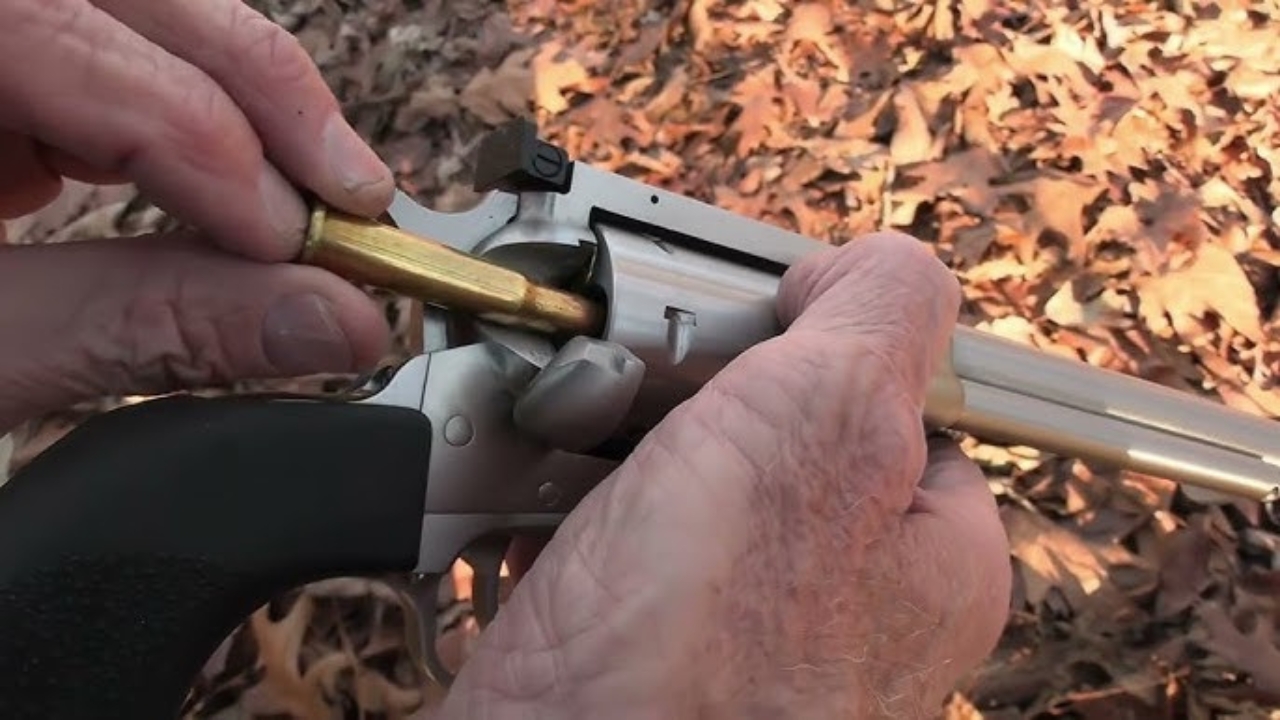
Magnum Research BFR

The Magnum Research BFR is not pretending to be a casual handgun, but plenty of shooters still underestimate what they are signing up for. It is huge, powerful, and built for serious revolver cartridges that demand respect. At the counter, it feels impressive.
At the firing line, impressive turns into work. The weight, grip size, recoil, blast, and trigger control all require focus. Even experienced shooters need to slow down and do everything right. It can be accurate and useful in the right hands, but it is the opposite of easy. For simple shooting, the BFR makes you earn every clean hit.
Like The Avid Outdoorsman’s content? Subscribe to our newsletter so you never miss an article.
Here’s more from us: