Photo credit: The Avid Outdoorsman
Some firearms never had to ride a wave of online attention. They earned respect the older way: by working for hunters, cops, competitors, ranchers, collectors, and regular shooters who cared more about results than trends.
The best part is that a lot of them are not the same five guns everyone mentions every time. These are the firearms that kept their reputations because people used them, trusted them, and kept talking about them long after the marketing faded.
Browning BAR Mark II
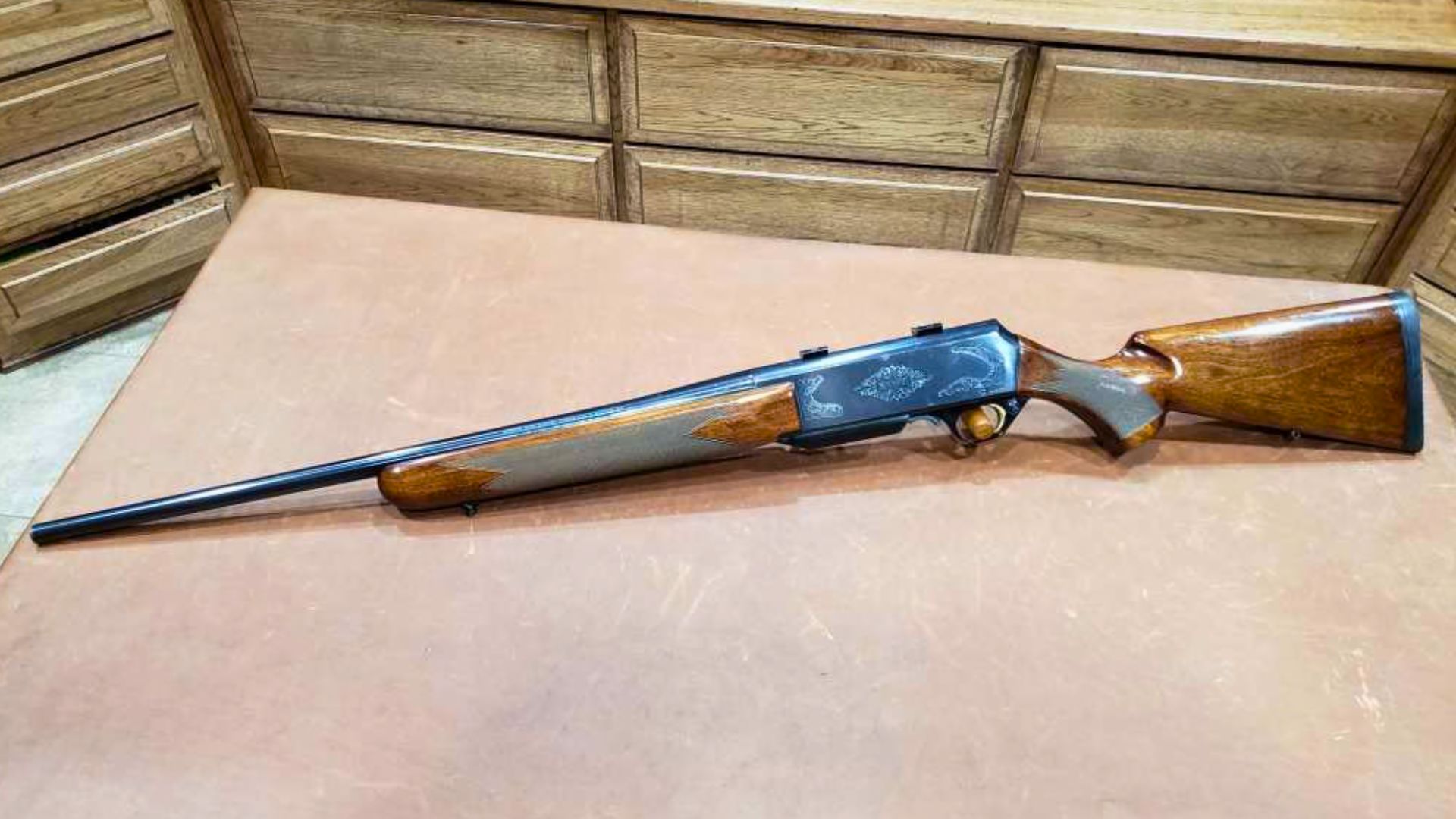
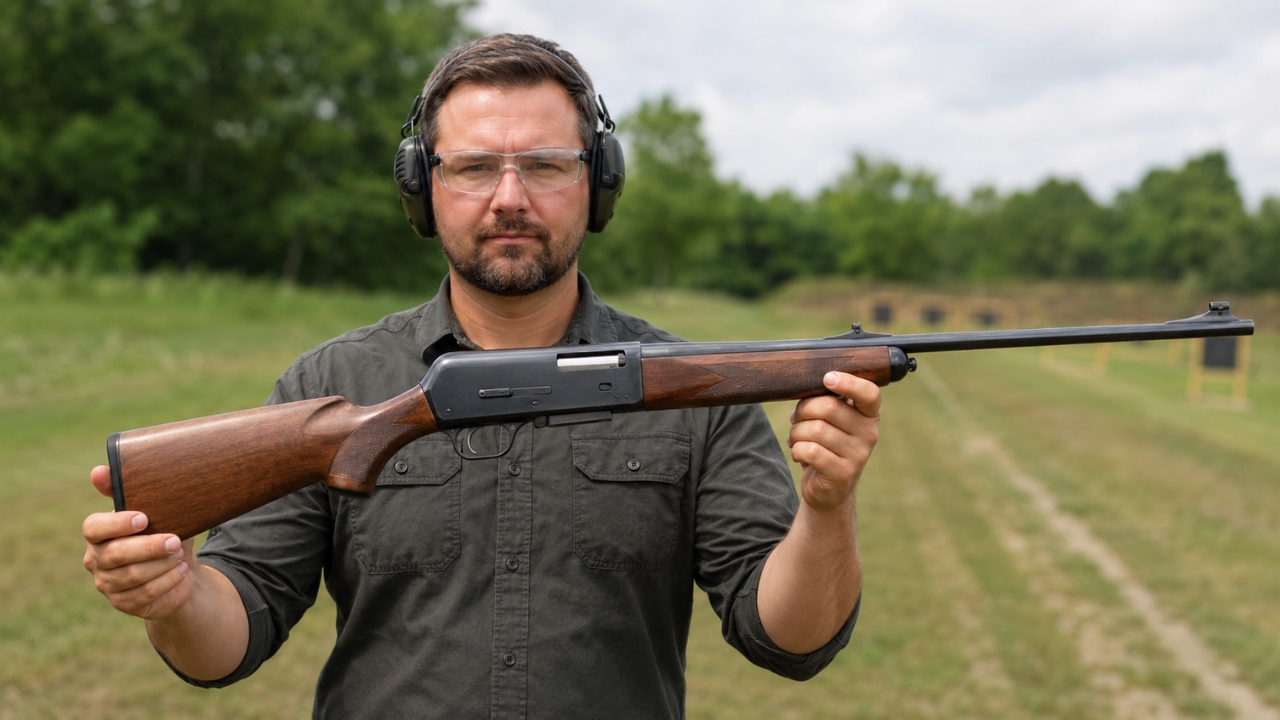
The Browning BAR Mark II never needed to be loud to earn respect. Hunters who used them knew exactly what they had: a semi-auto hunting rifle that handled real deer woods, bigger cartridges, and quick follow-up shots without feeling like a gimmick.
It was never the rifle for guys trying to shave every ounce or chase tiny bench groups. It made sense for hunters who wanted a smooth-shooting rifle that carried confidence into thick woods and cold blinds. A good BAR still feels like a serious hunting rifle, not some forgotten semi-auto experiment.
Smith & Wesson Model 39
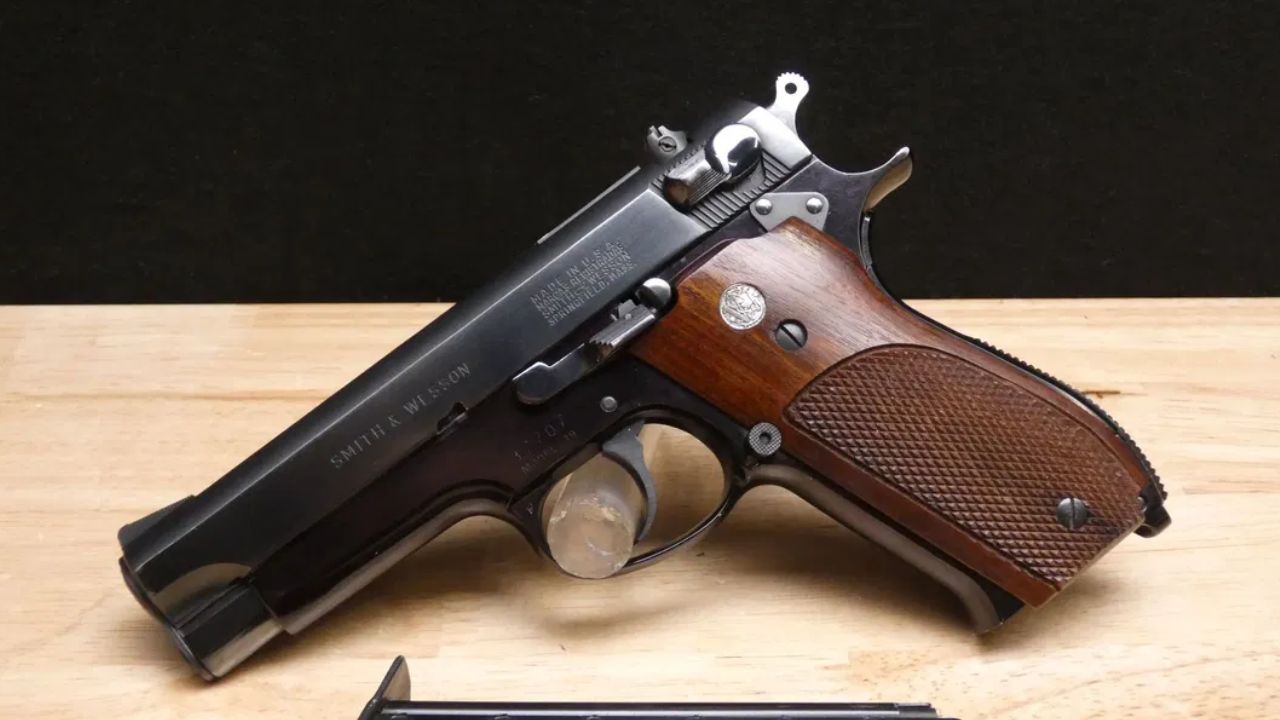
The Smith & Wesson Model 39 earned respect before wonder-nines took over every gun case. It was slim, metal-framed, and chambered in 9mm at a time when American shooters were still heavily tied to revolvers and .45 autos.
It does not have modern capacity or striker-fired simplicity, but it still has balance and class. The Model 39 feels like an important bridge between old service handguns and the pistols that followed. Shooters who appreciate clean handling and early American 9mm history do not need hype to understand it.
Ruger M77 Hawkeye

The Ruger M77 Hawkeye has always had a quiet kind of respect around hunters who actually use their rifles hard. It is not usually the flashiest rifle on the rack, but it feels sturdy, familiar, and built for country where rifles get bumped, rained on, and carried more than they get admired.
The controlled-round-feed action, rugged feel, and practical chambering options helped it stay relevant. It may not have the slickest bolt or lightest stock, but it gives you a hunting rifle that feels honest. That matters once you quit shopping by buzzwords.
Beretta 303
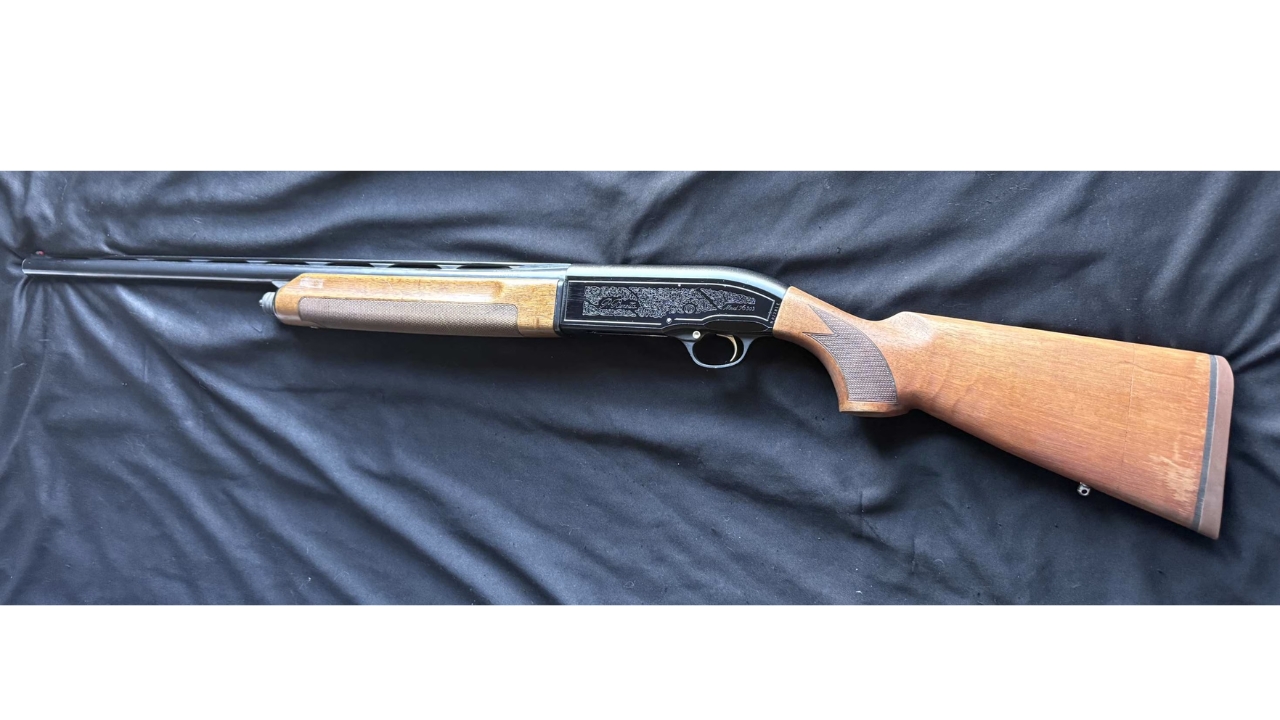
The Beretta 303 is one of those shotguns that serious bird hunters and clay shooters remember with real affection. It was reliable, soft enough to shoot well, and balanced in a way that made long days feel easier.
It does not get talked about like newer Beretta autos, but plenty of shooters still know what it is. The 303 earned respect by being pleasant, dependable, and easy to shoot well. That kind of shotgun does not need a comeback campaign. People who used one already know.
Colt Detective Special
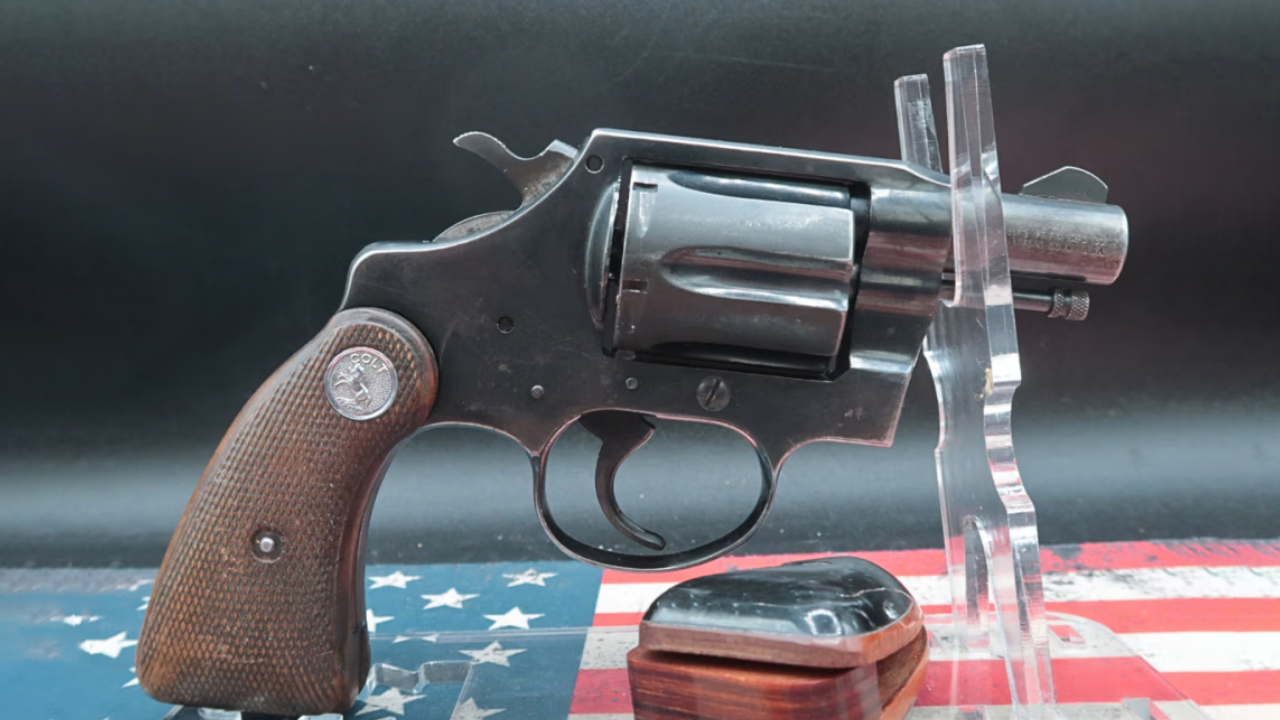
The Colt Detective Special stayed respected because it did compact revolver work before small carry guns became a whole industry. Six rounds in a compact frame, a good grip shape, and that old Colt feel gave it a real place in pockets, holsters, nightstands, and glove boxes.
It is not the easiest gun to find cheap anymore, and it is not built for endless magnum abuse because it was never a magnum. But as a classic .38 Special carry revolver, it still makes sense. Pick one up, and the reputation feels earned.
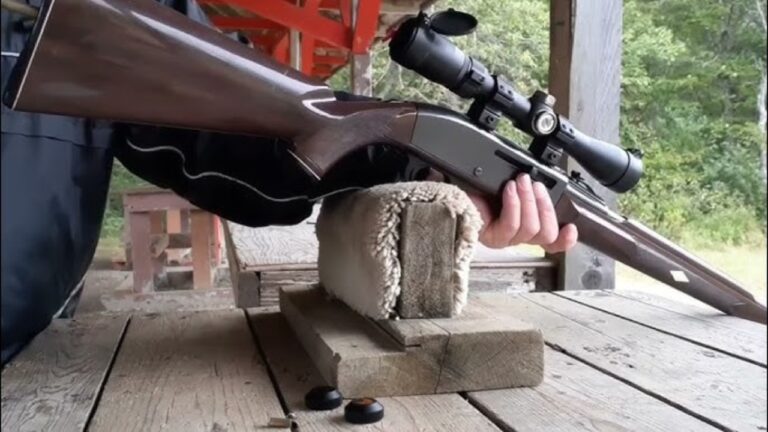
Remington Model 7600
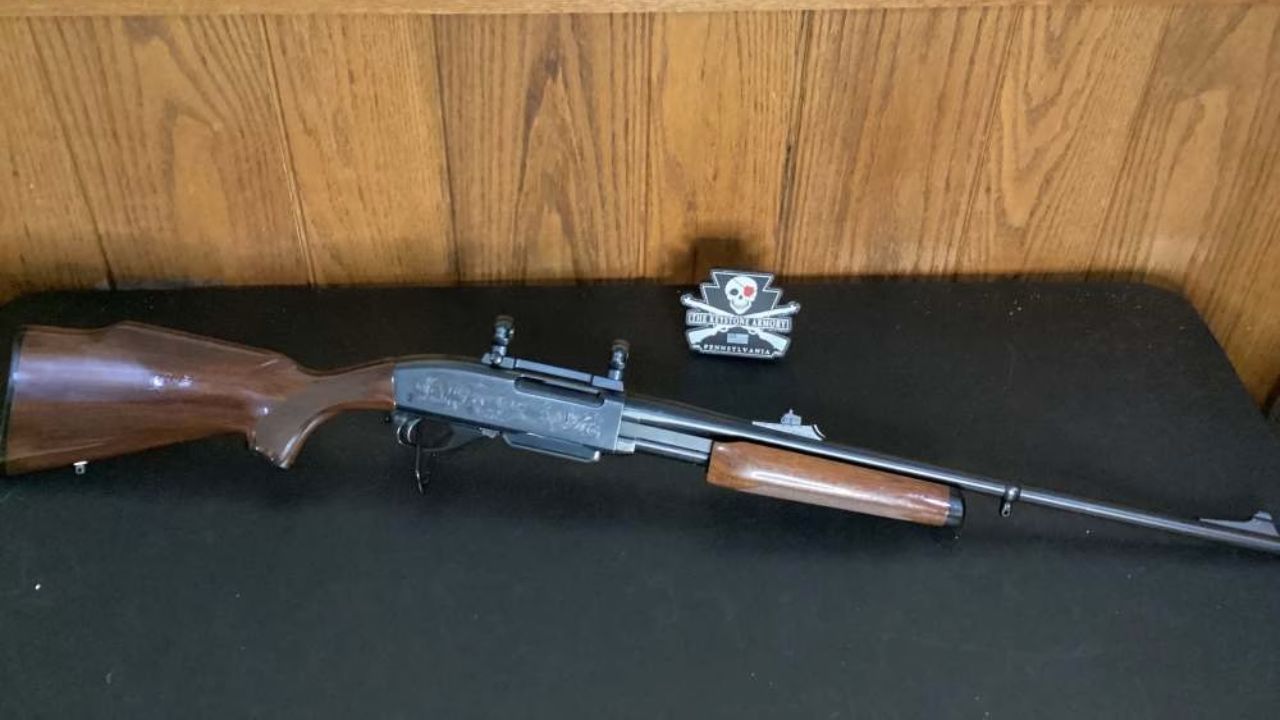
The Remington Model 7600 never needed internet approval in the places where it mattered most. In parts of Pennsylvania, the Northeast, and thick deer country, pump rifles made perfect sense. They gave hunters fast follow-up shots without switching to a semi-auto.
The 7600 carried like a hunting rifle and ran with a familiar pump stroke for shotgun guys. It is easy for outsiders to dismiss until they see how well it works in woods where shots are quick and deer do not stand around. That respect came from seasons, not comment sections.
CZ 527 Carbine

The CZ 527 Carbine built its following the slow way. It was trim, handy, and chambered in practical small-game, varmint, and light hunting rounds that made it more useful than its size suggested. The mini Mauser-style action gave it a feel most modern budget rifles do not have.
It was not flashy, but it had personality and function. Shooters liked the way it carried, the way it pointed, and the way it made smaller cartridges feel serious. Now that they are harder to find, the respect makes even more sense.
Browning Buck Mark

The Browning Buck Mark has spent years being the .22 pistol people buy when they want something that actually shoots well. It does not need tactical styling or internet drama. It just gives you a good trigger, solid accuracy, and a grip that feels natural to a lot of hands.
That matters more than people admit. A rimfire pistol should make you want to shoot more, not fight the gun. The Buck Mark stayed respected because it made cheap practice enjoyable and accurate. That is a simple job, but plenty of .22 pistols still manage to mess it up.
Winchester Model 12
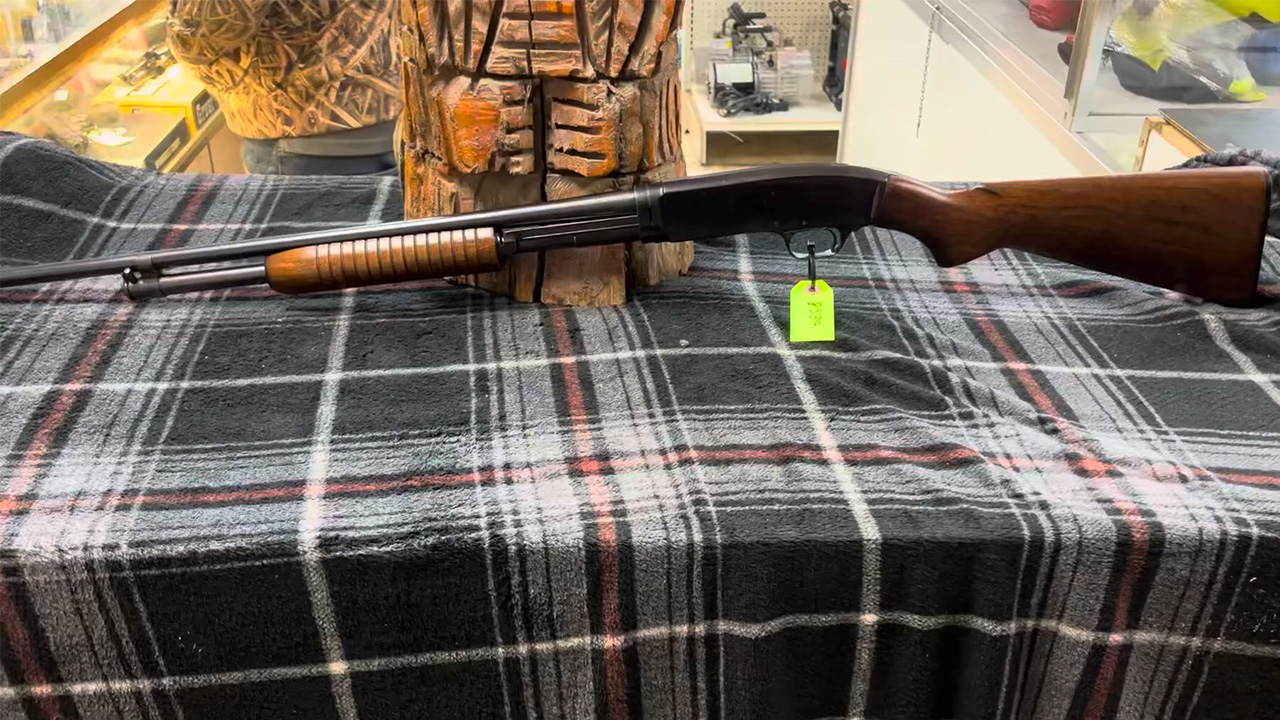
The Winchester Model 12 earned respect when pump shotguns were expected to be smooth, balanced, and built like real working tools. A good Model 12 has a feel that is hard to explain until you run one. The action feels slick, and the gun moves like it was made for wingshooting.
It is not modern, and that is fine. Nobody buys a Model 12 because they need rails or polymer furniture. They respect it because it represents a time when a pump shotgun could feel refined and tough at the same time.
Smith & Wesson Model 5906
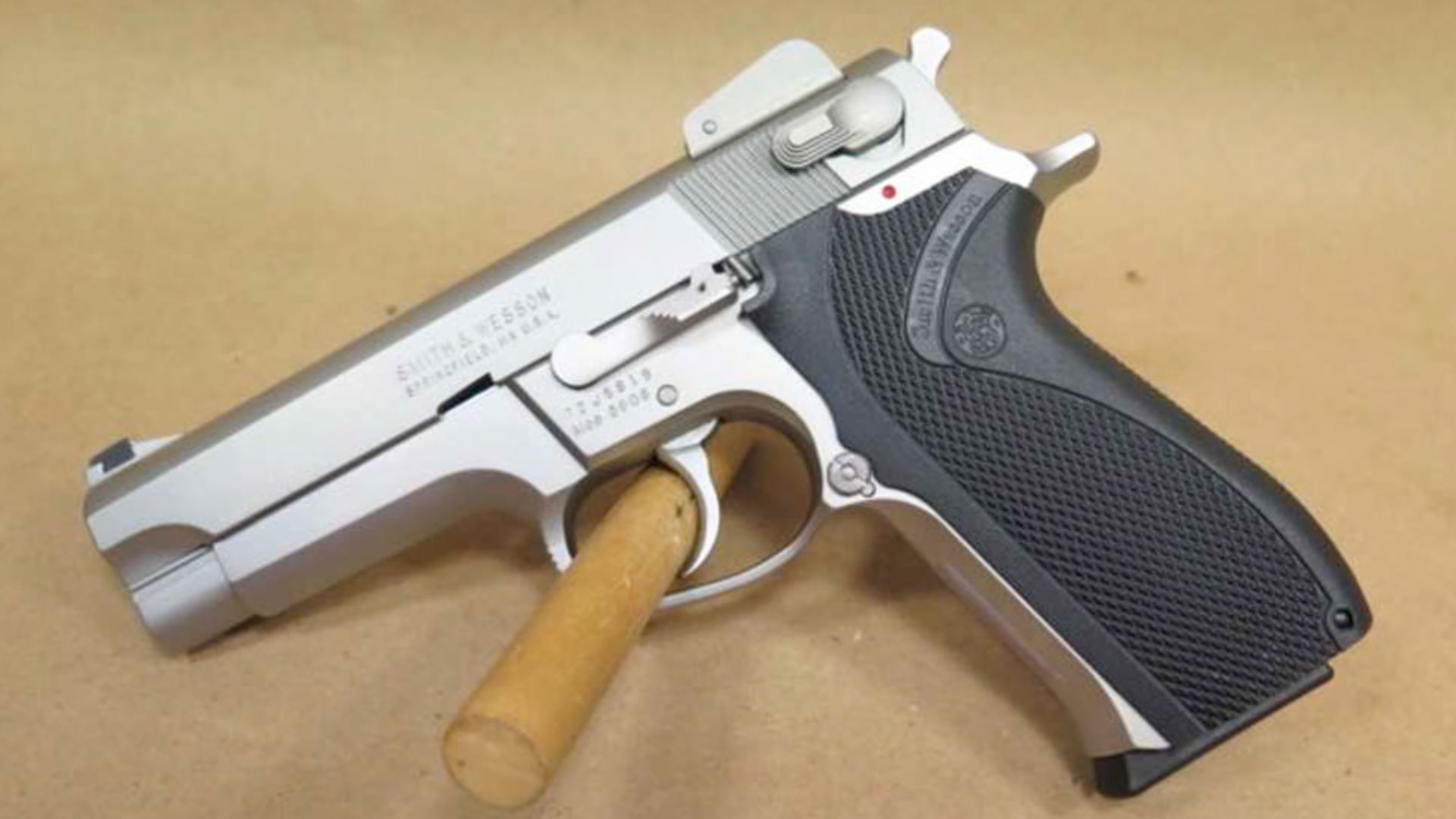
The Smith & Wesson 5906 is heavy by today’s standards, but that weight is part of why people still respect it. This stainless steel 9mm was built during an era when duty pistols were expected to survive rough handling, high round counts, and daily carry by people who did not baby them.
It is not sleek, and it is not light. But it shoots softly, feels solid, and gives you the old-school confidence of a metal service pistol. A lot of newer guns are easier to carry. Few feel as overbuilt in the hand.
Marlin Model 60

The Marlin Model 60 does not get the same endless attention as the Ruger 10/22, but plenty of shooters grew up with one and never forgot it. It was affordable, accurate, and simple enough to become a first rifle for a lot of families.
The tube magazine and semi-auto action made it a natural plinker. It was the kind of rifle that lived behind truck seats, in closets, and at backyard ranges where legal. It stayed respected because it worked, shot well, and gave generations of shooters their first real confidence with a rifle.
Browning BPS
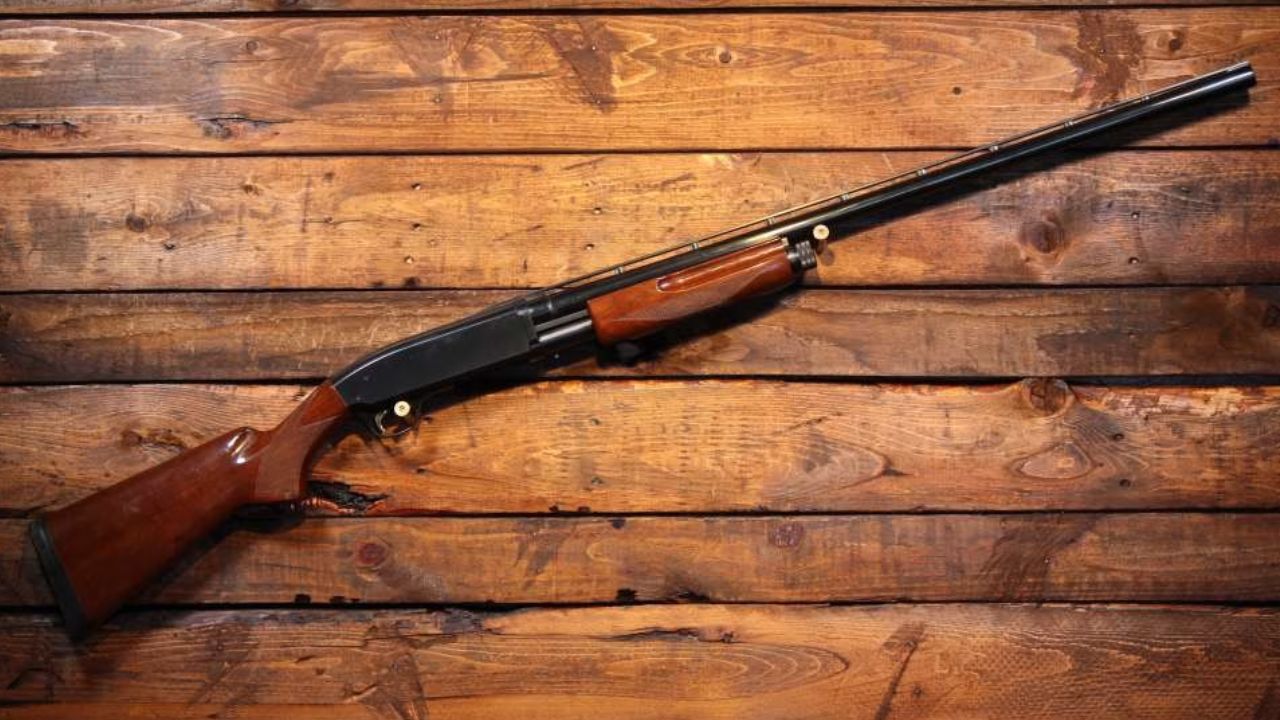
The Browning BPS never needed to be the loudest pump shotgun in the room. It earned respect with solid construction, bottom ejection, and a tang safety that made sense for both right- and left-handed shooters. It felt heavier than some pumps, but it also felt well-made.
For hunters, that mattered. A BPS could handle wet mornings, muddy fields, and long seasons without feeling cheap. It was not always the cheapest choice, but it felt like money went into the gun instead of marketing. That is why people still trust them.
Walther P5
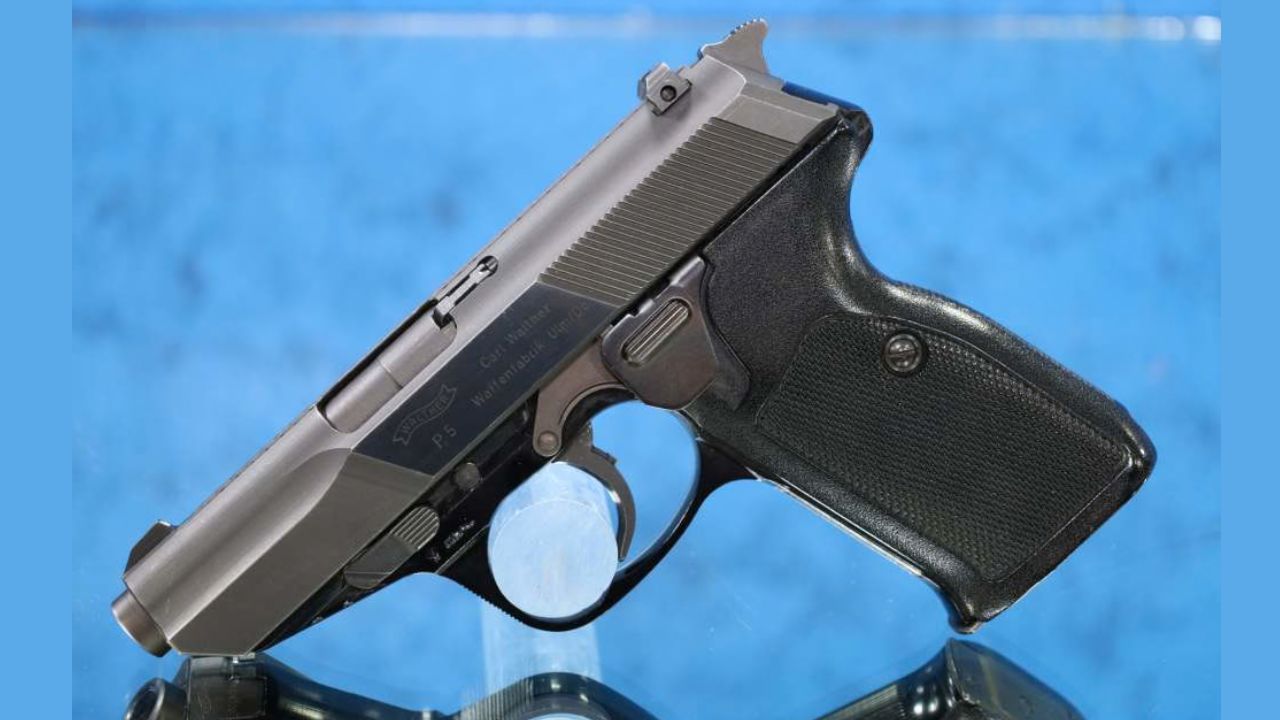
The Walther P5 is not the pistol most casual shooters name first, and that is part of why it belongs here. It came from a serious service-pistol era, with smart engineering, good accuracy, and a compact shape that still feels useful.
It never became as famous as some other European duty pistols, but it earned respect from people who knew what they were looking at. The P5 feels like a refined working pistol, not a range toy. Its reputation stayed quieter, but it was never empty.
Savage 110

The Savage 110 earned respect by doing what a hunting rifle is supposed to do without demanding premium money. For years, shooters found out that these rifles could shoot far better than their plain looks suggested. Accuracy mattered more than polish.
That is how the 110 built its name. It was not always pretty, and older examples could feel basic, but they put bullets where they were supposed to go. For hunters who cared about results over pride, that was enough. A rifle that keeps grouping well does not need much hype.
Dan Wesson Model 15
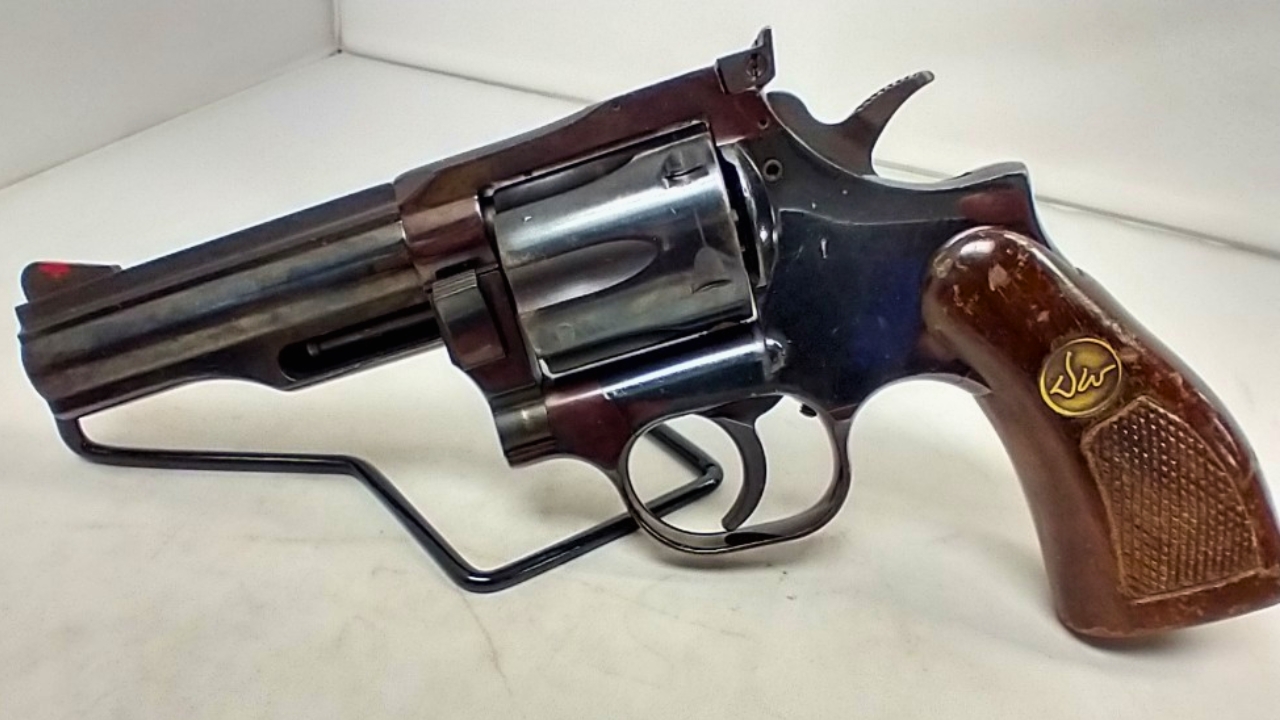
The Dan Wesson Model 15 built respect among revolver shooters who paid attention to accuracy and smart design. The interchangeable barrel system was not just a party trick. It let owners change lengths and tune the gun in ways most revolvers could not match.
It never had the same mainstream name recognition as Smith & Wesson or Colt, but people who shot them seriously understood the appeal. A good Model 15 feels strong, accurate, and different for a reason. That kind of respect sticks because it came from performance, not popularity.
Like The Avid Outdoorsman’s content? Subscribe to our newsletter so you never miss an article.
Here’s more from us: