Photo credit: The Avid Outdoorsman
Some guns sit around for years while people say, “I’ll grab one later.” Then later shows up, the racks are empty, the clean examples are gone, and the price suddenly feels like punishment.
That is usually how regret starts. These were not always rare when people first noticed them. A lot of them were just sitting there, easy to ignore, until the market moved and buyers realized they had waited too long.
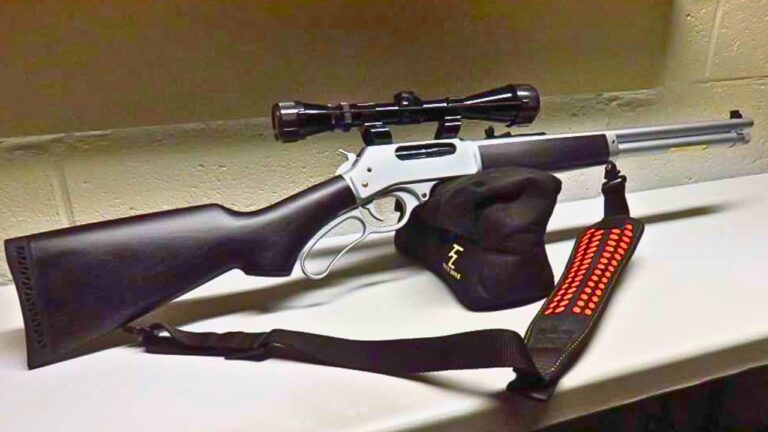
Marlin 1894

The Marlin 1894 was easy to take for granted when lever guns were still sitting on racks at normal prices. For years, plenty of shooters looked at pistol-caliber lever guns like something they could always buy later. Then demand climbed, old Marlins dried up, and clean examples stopped feeling affordable.
Now the people who waited are usually the ones groaning at the used prices. A handy .357 or .44 Magnum lever gun makes too much sense for plinking, woods carry, and short-range hunting. The 1894 was always useful. The market just made people admit it.
Colt Python

The Colt Python punished waiters harder than almost any revolver. There was a time when older Pythons were expensive but still within reach if you really wanted one. A lot of people passed because they figured Colt revolvers would always be around.
Then the clean originals became serious collector pieces. The new-production Python helped scratch the itch, but it did not make old examples cheap again. The people who wanted that deep-blue classic Colt feel learned the hard way that waiting can turn a dream gun into a display-case conversation.
Heckler & Koch P7

The HK P7 was always unusual, but it used to be easier to buy before everyone fully woke up to it. The squeeze-cocker design, fixed barrel, low bore axis, and compact size made it one of the most interesting carry pistols ever built. It was also expensive and different enough that many shooters put it off.
That delay hurt. Once the supply tightened, prices climbed and spare parts became more of a concern. The P7 went from odd German pistol to “I should have bought one when I had the chance” very fast.
Marlin 336 JM-Stamped Rifles
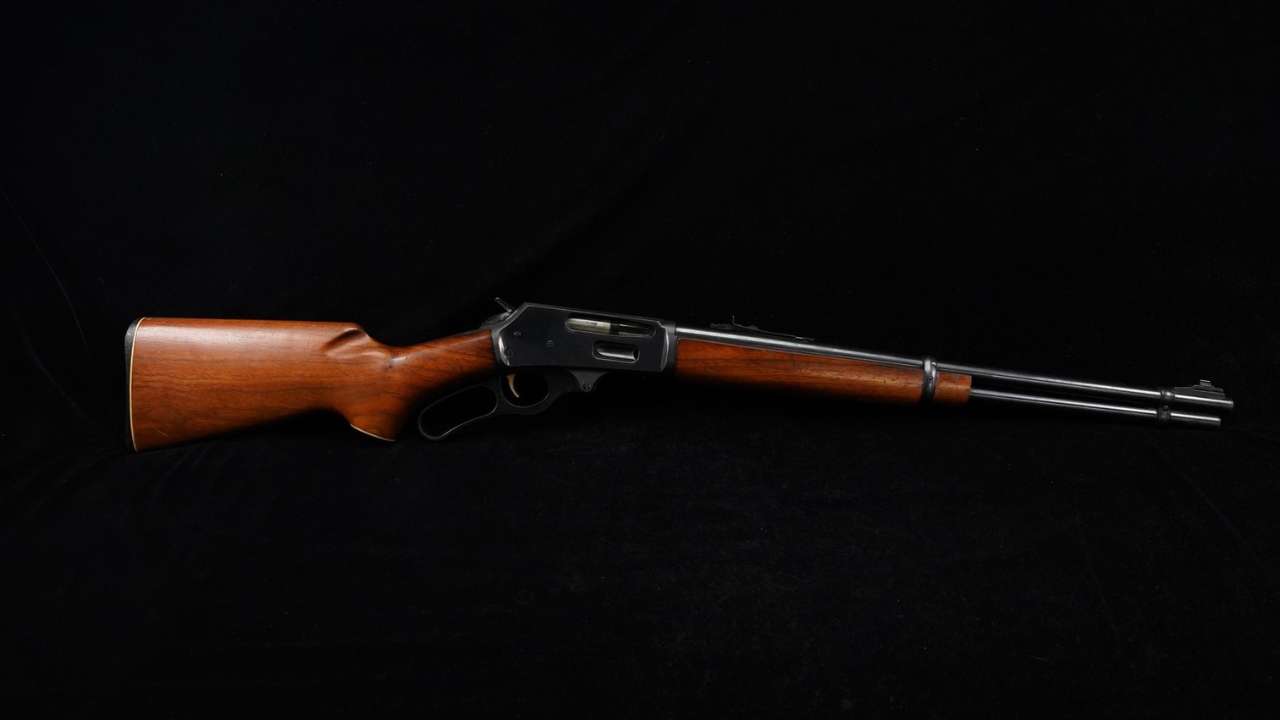
Older JM-stamped Marlin 336 rifles punished anyone who assumed all .30-30 lever guns were basically the same. For a long time, they were ordinary deer rifles. They were in closets, pawn shops, gun racks, and hunting camps all over the country.
Then the better old examples started getting recognized for what they were. Smooth actions, solid fit, and the Marlin name from that era made them more desirable. Buyers who waited too long found out that a clean JM-stamped 336 no longer priced like a basic woods rifle.
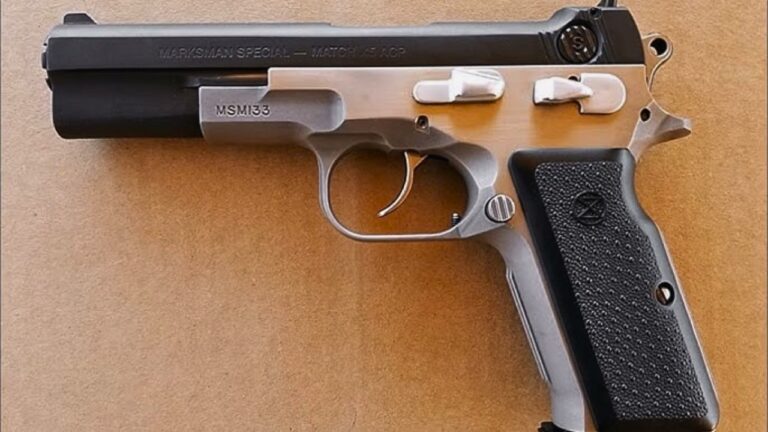
Browning Hi-Power
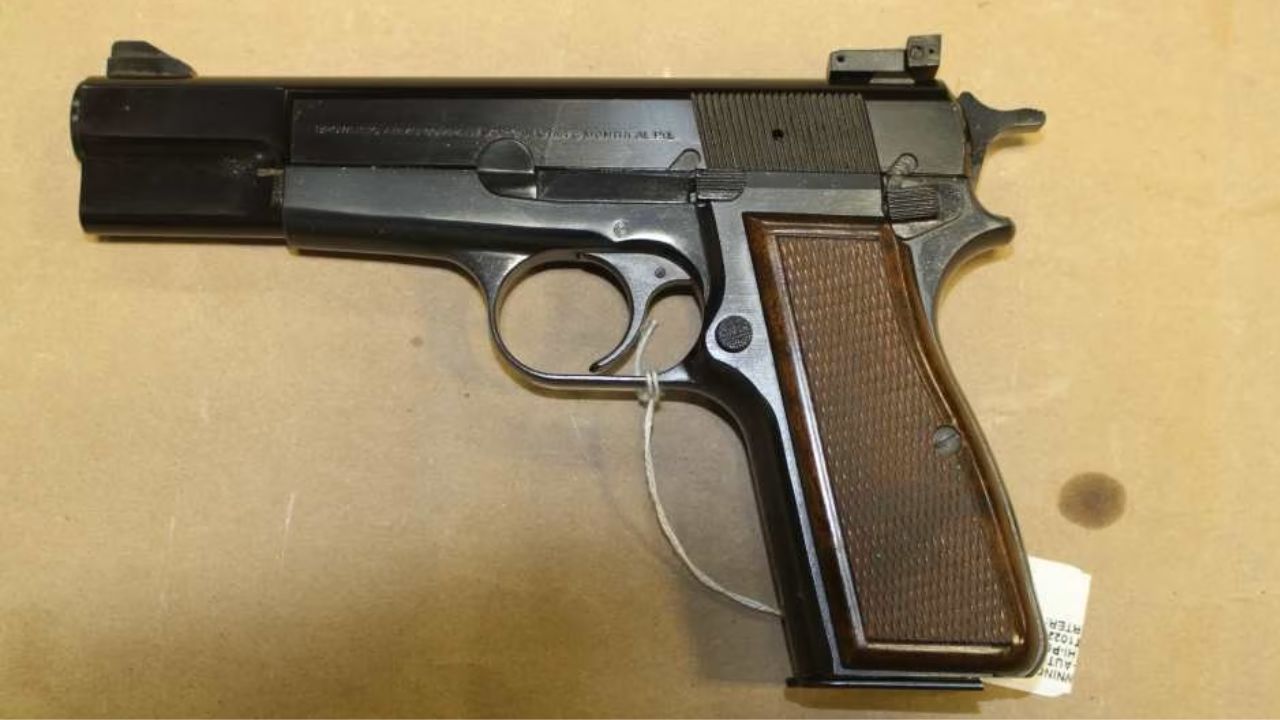
The Browning Hi-Power was never cheap, but it used to be a lot easier to justify. It was one of those pistols serious shooters respected, yet plenty of people still passed because newer polymer guns were cheaper, lighter, and easier to set up for modern carry.
Once production ended, the regret got louder. Good Belgian, Portuguese, and later Browning-marked examples became harder to ignore and harder to afford. The Hi-Power still feels better in the hand than many newer pistols, and the people who waited learned that classic 9mms do not stay overlooked forever.
Remington 700 Mountain Rifle

The Remington 700 Mountain Rifle was exactly the kind of gun hunters assumed they could find later. It was light, trim, and made for carrying in real country. At the time, it did not always look special next to cheaper rifles or heavier varmint-style setups.
Now clean examples can be a headache to find, especially in desirable chamberings. The rifle made sense before lightweight hunting rifles became such a crowded category. Hunters who passed on one years ago often realize they should have bought it when used racks still treated it like a normal Remington.
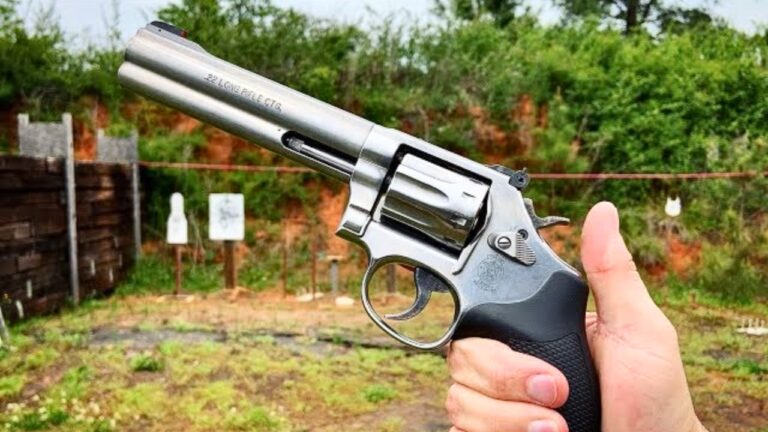
Smith & Wesson Model 19
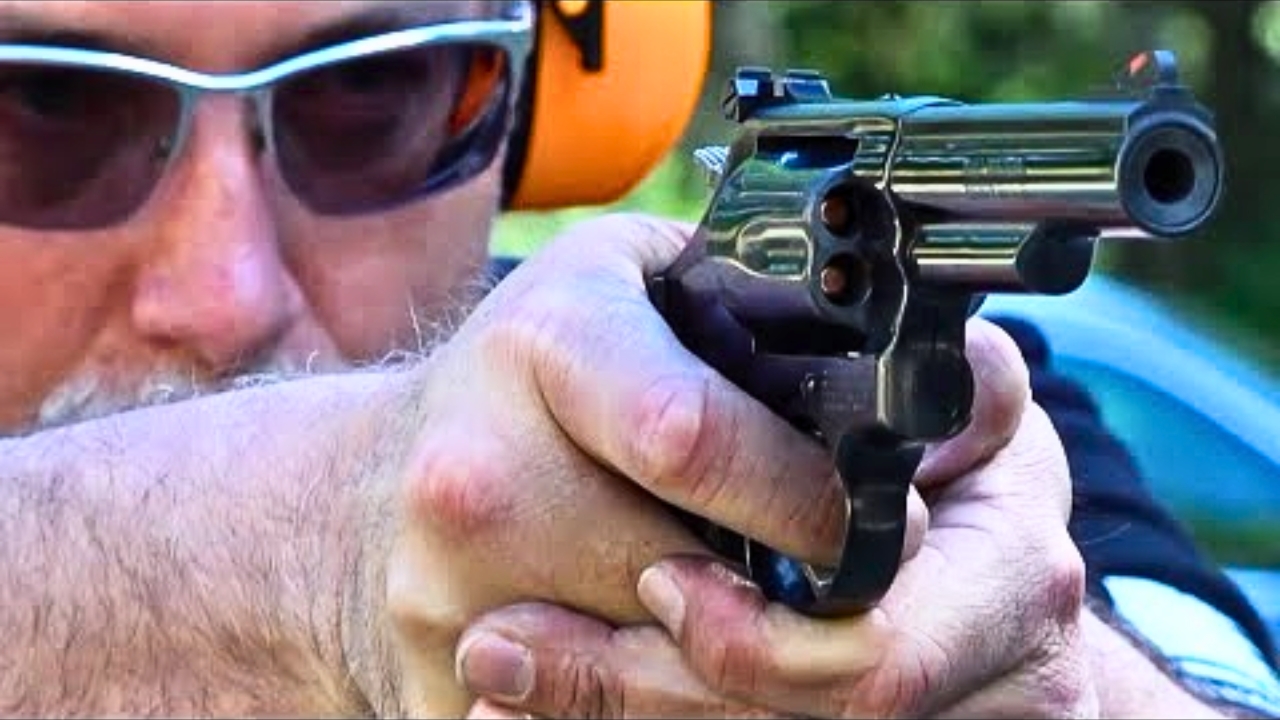
The Smith & Wesson Model 19 punished people who thought old K-frame magnums would always be common. For years, they were respected but still somewhat attainable. Shooters liked them, but not everyone understood how much prices would move once clean pinned-and-recessed examples got harder to find.
Now the Model 19 sits in that painful space where it is still useful but increasingly collectible. It points beautifully, carries better than larger magnums, and shoots .38 Special like a dream. Waiting too long turned a great revolver into a much more expensive lesson.
Ruger No. 1

The Ruger No. 1 was always a little different. A single-shot hunting rifle is not for everyone, and that kept some buyers from jumping when prices were easier to stomach. People admired them, handled them, and told themselves they would get one someday.
Someday got expensive. The No. 1 has the kind of build, balance, and old-school character that collectors and hunters both appreciate. The limited runs and chambering variety only made certain versions more tempting. If you waited on the right caliber, you may now be paying for that hesitation.
SIG Sauer P228
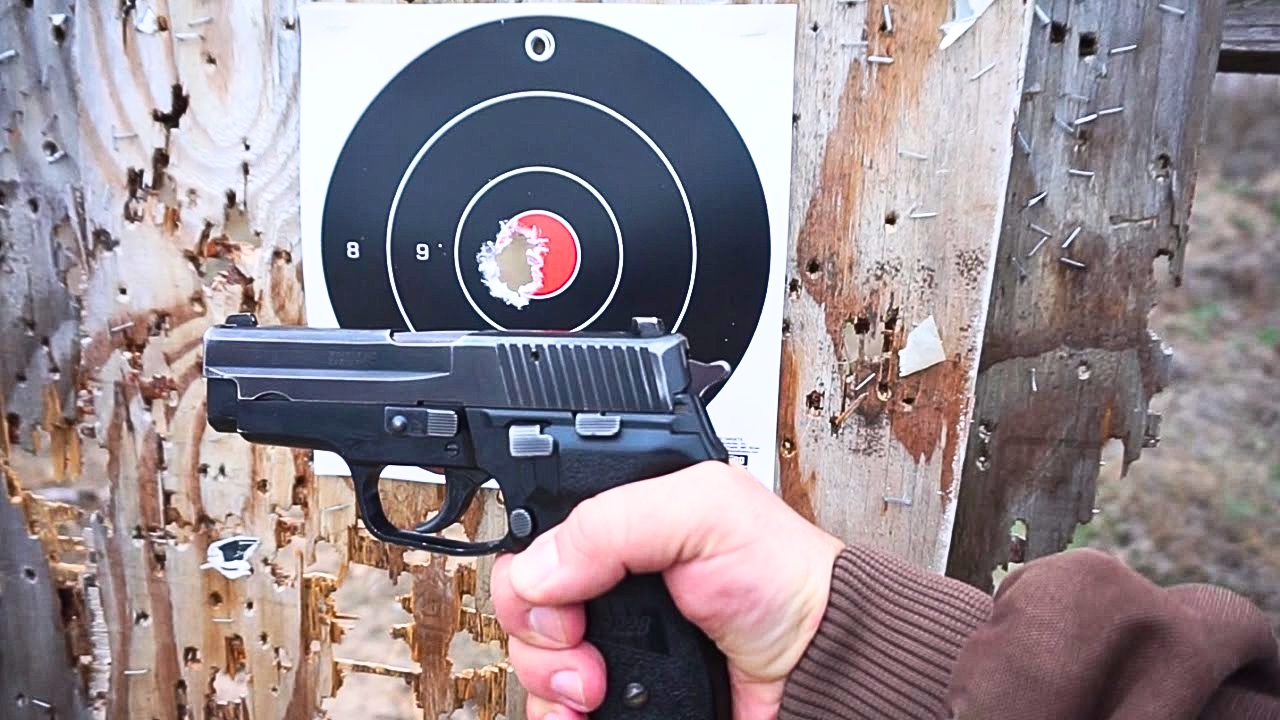
The SIG P228 used to sit in the shadow of the P226 and later the P229. That made it easy for people to pass over. It was compact, beautifully balanced, and built during a period when SIG’s classic pistols had a feel that many shooters still chase.
Now clean P228s are not the casual buy they once were. The size is still practical, the handling is excellent, and the pistol has real service-gun credibility. People who ignored them when they were cheaper often find themselves wishing they had bought the compact SIG before everyone else started missing them too.
Winchester 9422

The Winchester 9422 punished people who assumed a .22 lever gun would always be a fun little side purchase. It was never as serious-looking as a big-game rifle, so plenty of shooters put it behind other priorities. That was a mistake.
The 9422 is smooth, well-built, and far nicer than many rimfire rifles that came after it. Once they stopped being common, buyers started realizing how good they were. Now clean examples can bring the kind of money that makes people wince, especially if they remember passing on one years ago.
Colt Detective Special

The Colt Detective Special used to be a practical little carry revolver. It was not always treated like a treasure. Plenty of them rode in pockets, glove boxes, nightstands, and old leather holsters because they were working guns first.
That changed as Colt snubs became more collectible. The Detective Special gives you six rounds of .38 Special in a compact frame with that classic Colt feel, and clean examples are not getting easier to find. Anyone who waited too long now has to pay collector interest on what used to be a straightforward carry gun.
CZ 527 Carbine
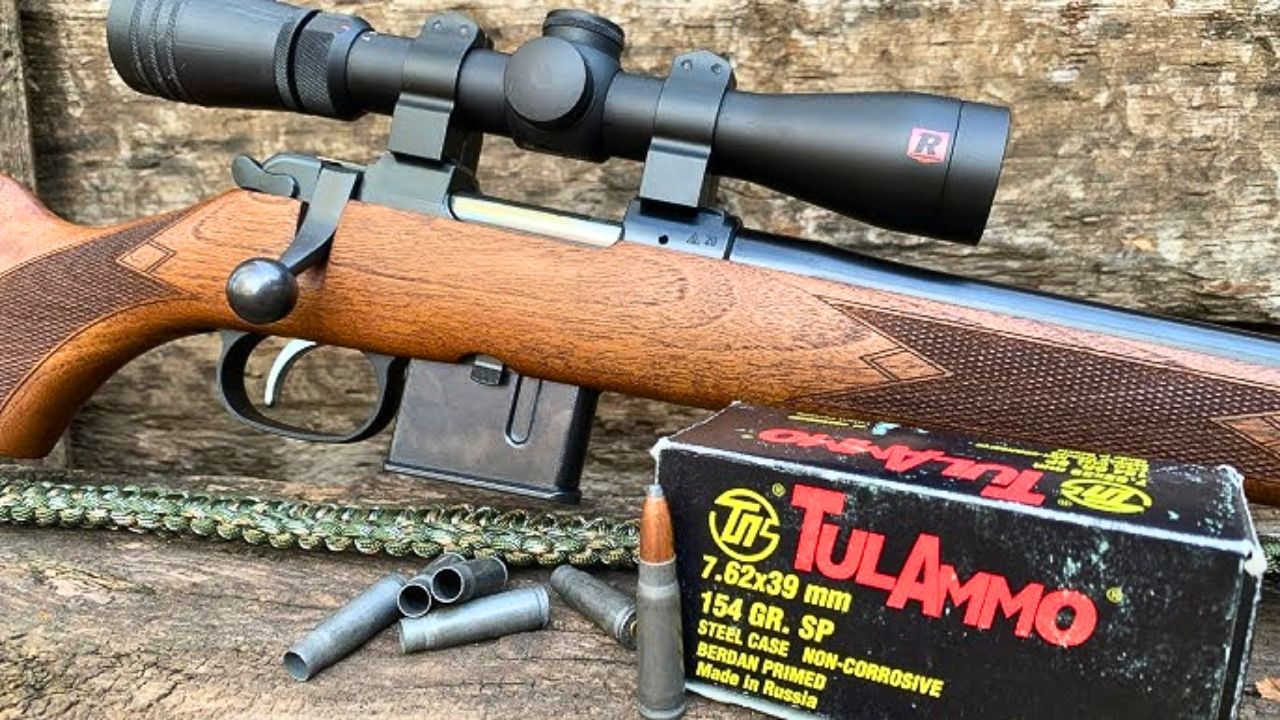
The CZ 527 Carbine was one of those rifles people admired and still delayed buying. It was handy, charming, and different from the usual budget bolt gun. The mini Mauser-style action gave it real personality, especially in chamberings like 7.62×39 and .223 Remington.
Once it disappeared, people finally seemed to understand what they had been ignoring. It was not just another small rifle. It was light, practical, and fun in a way most modern plastic-stocked rifles are not. Waiting too long made the good ones much harder to grab.
Smith & Wesson 5906

The Smith & Wesson 5906 was once just an old stainless police trade-in to many buyers. It was heavy, thick, and not nearly as fashionable as modern striker-fired pistols. That made it easy to pass over when prices were still friendly.
Then people started appreciating old metal service pistols again. The 5906 is tough, soft-shooting, and built like it expects abuse. It may not be the easiest gun to carry, but it feels serious the second you pick it up. Buyers who ignored cheap trade-ins now understand why those deals disappeared.
Remington Nylon 66
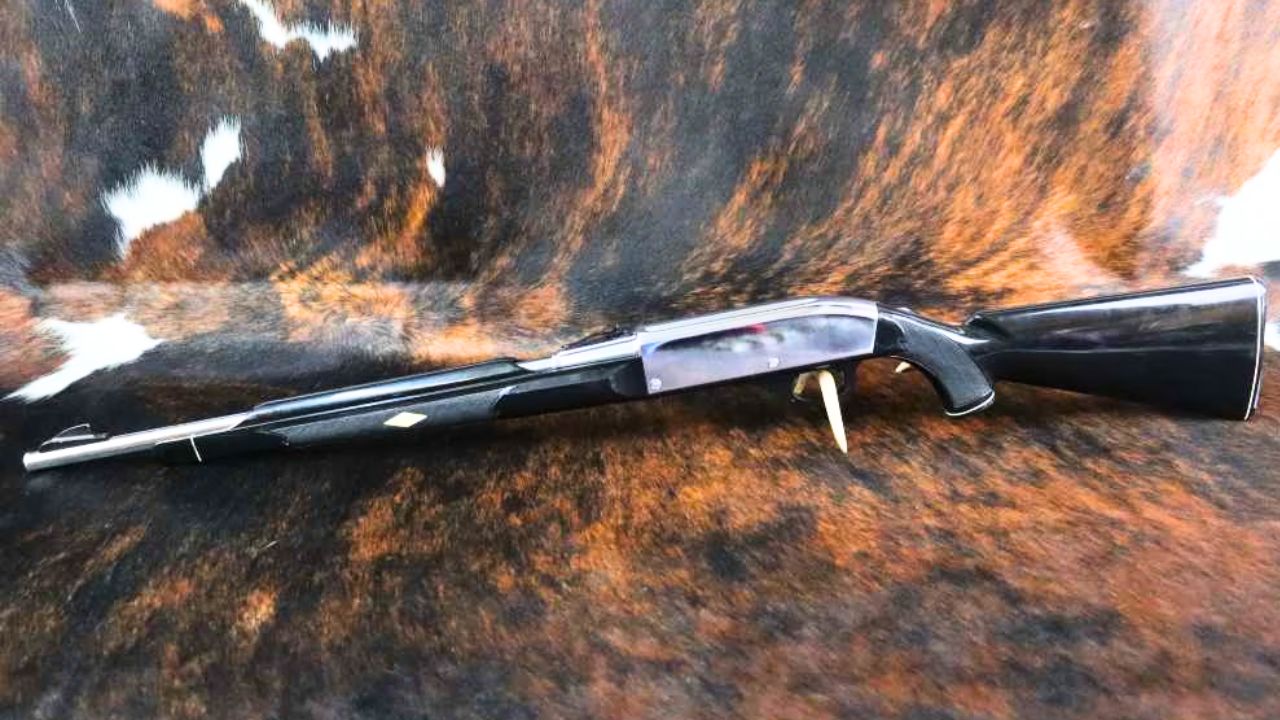
The Remington Nylon 66 was once just a light, odd-looking .22 that many people remembered from childhood. It was not fancy, and that probably caused some shooters to underestimate it. But the little rifle ran well, carried easily, and had a loyal following for a reason.
Now clean examples are not as easy to stumble into, especially for people who want one in nice shape. The Nylon 66 has become one of those rimfires people regret not grabbing when prices were still soft. It was strange, useful, and more respected than some folks expected.
Colt Woodsman
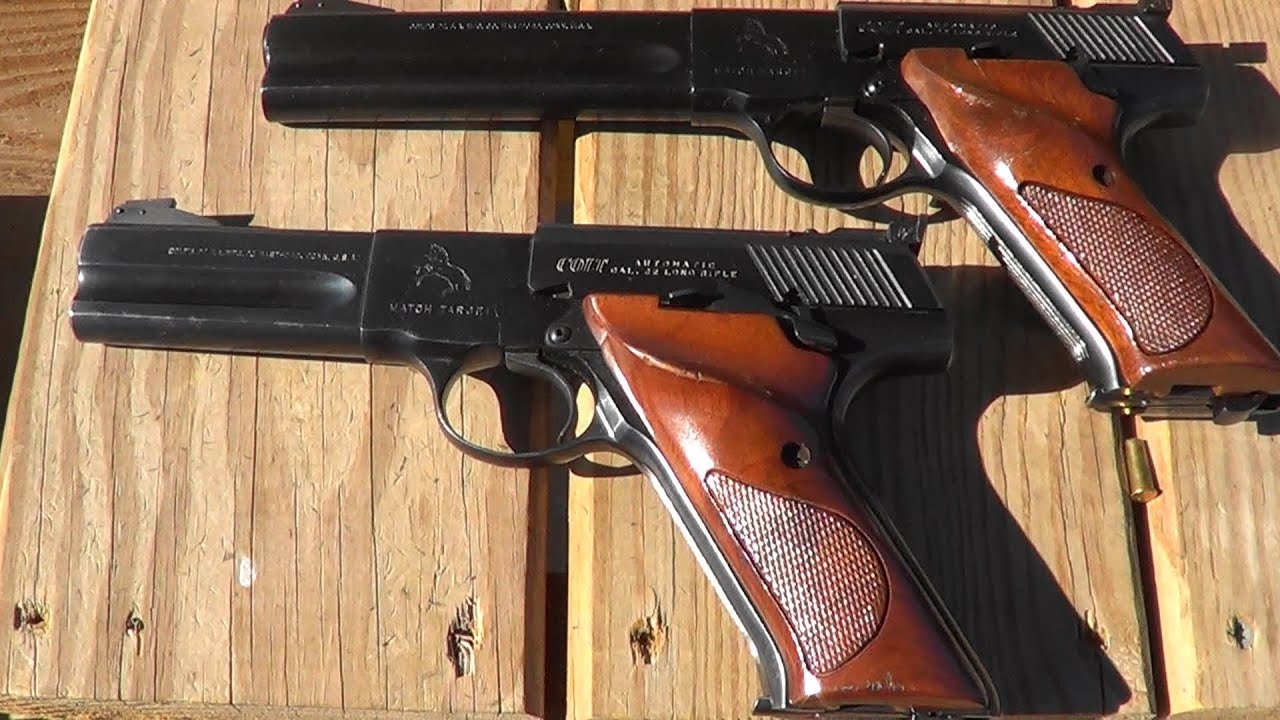
The Colt Woodsman punished waiters because good rimfire pistols with real craftsmanship do not stay cheap forever. For years, it was an older .22 pistol that some shooters admired but did not prioritize. They figured there would always be another one.
Now the nicer examples carry real collector weight. The Woodsman has balance, accuracy, and old Colt quality that modern rimfire pistols rarely match. It is still a wonderful shooter, but the market no longer treats it like a casual range toy. Waiting turned a classic plinker into a much harder purchase.
Like The Avid Outdoorsman’s content? Subscribe to our newsletter so you never miss an article.
Here’s more from us: