Photo credit: Gun News & Reviews/Youtube
Most gun owners have a story about one they should have kept. At the time, selling it made sense. Maybe they needed cash, wanted something newer, or figured the gun would always be easy to replace. Then prices climbed, production stopped, or the market finally realized what the gun was worth.
That is where resale regret gets real. It is not always about rare collector pieces either. Sometimes the worst regret comes from selling a plain, useful gun that already worked, already fit, and already had years of trust behind it.
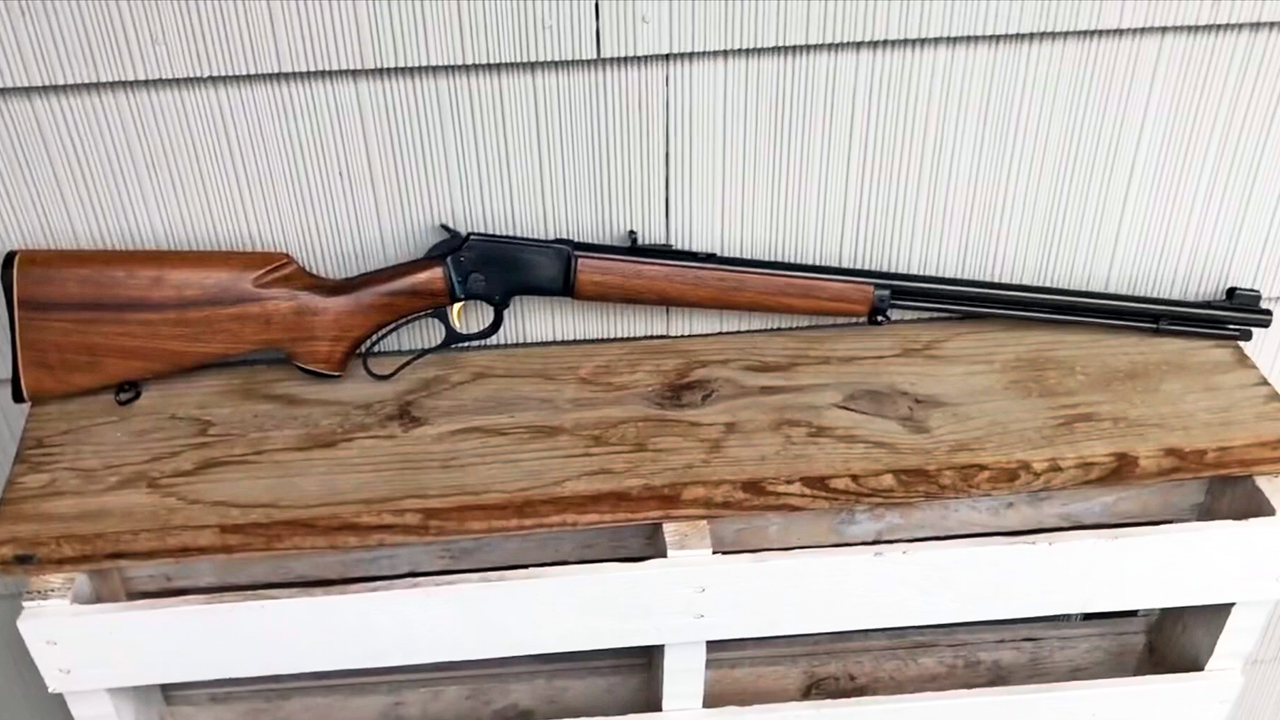
Marlin 1894C

The Marlin 1894C is one of the clearest examples of resale regret because it went from handy little lever gun to highly chased rifle. A .357 Magnum lever-action used to be something people could find without much drama. Plenty of owners sold them thinking another one would show up later.
Now, that decision stings. The 1894C is light, quick, soft-shooting, and useful with both .38 Special and .357 Magnum. It makes sense around rural property, at the range, or in short-range hunting setups where legal. Once pistol-caliber lever guns became hot and older Marlins started climbing, the old sale price looked painful. Some guns seem replaceable right up until everyone else wants one too.
Smith & Wesson Model 19
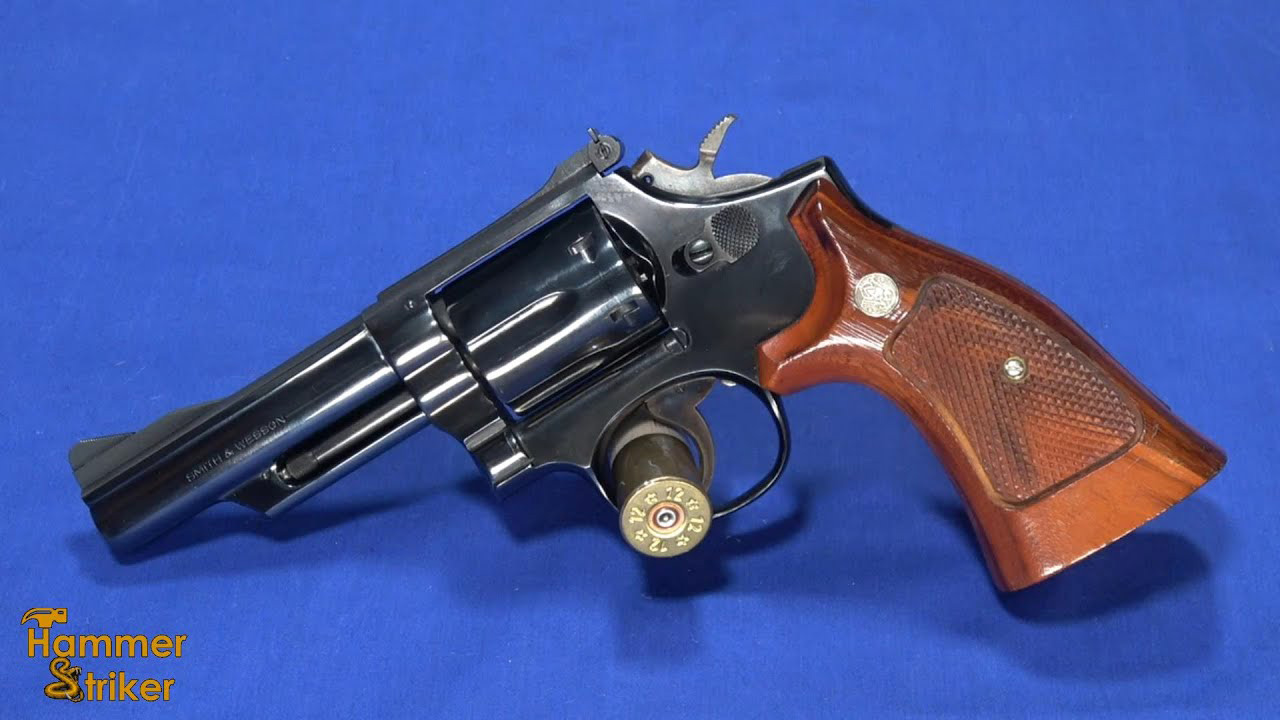
The Smith & Wesson Model 19 is the kind of revolver owners often miss more every year. It has classic K-frame balance, .357 Magnum capability, and the kind of trigger and handling that made older Smiths so respected. For a long time, it was treated like a regular working revolver.
That changed once clean examples started getting harder to find at reasonable prices. The Model 19 is not the best choice for endless heavy magnum abuse, but with .38 Specials and moderate .357 loads, it is a fantastic shooter. Owners who sold one often realize too late that newer revolvers don’t always feel the same. Resale regret hits hard when the replacement has more modern features but less charm.
Remington 870 Wingmaster
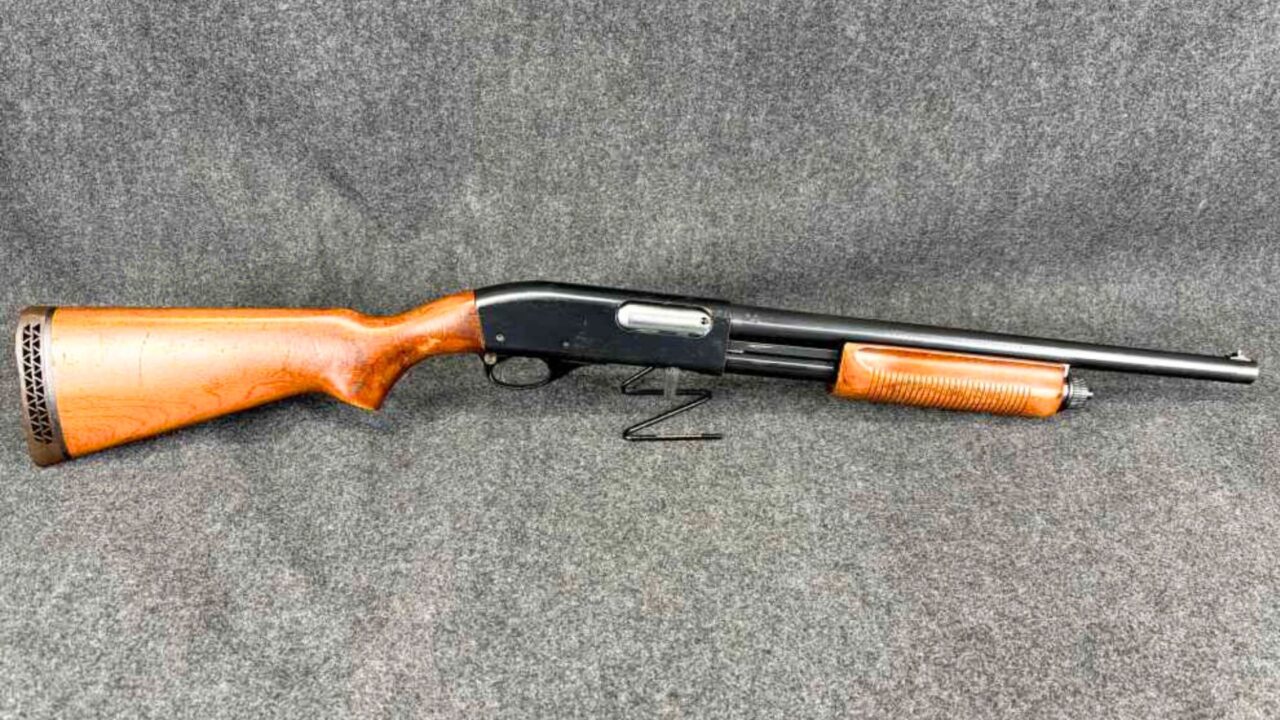
The Remington 870 Wingmaster proves resale regret can come from something once considered ordinary. These shotguns were everywhere for years, and that made them easy to take for granted. A lot of owners sold one to fund a semi-auto, a cheaper beater pump, or something newer with more modern styling.
Then they handled another good Wingmaster and remembered what they lost. The action is smooth, the finish is better than most basic pumps, and the gun can serve across birds, clays, deer, turkey, and general shotgun work with the right barrel. A good Wingmaster feels useful and worth keeping. Selling one often leads to the annoying realization that the replacement doesn’t feel nearly as good.
Ruger 77/357
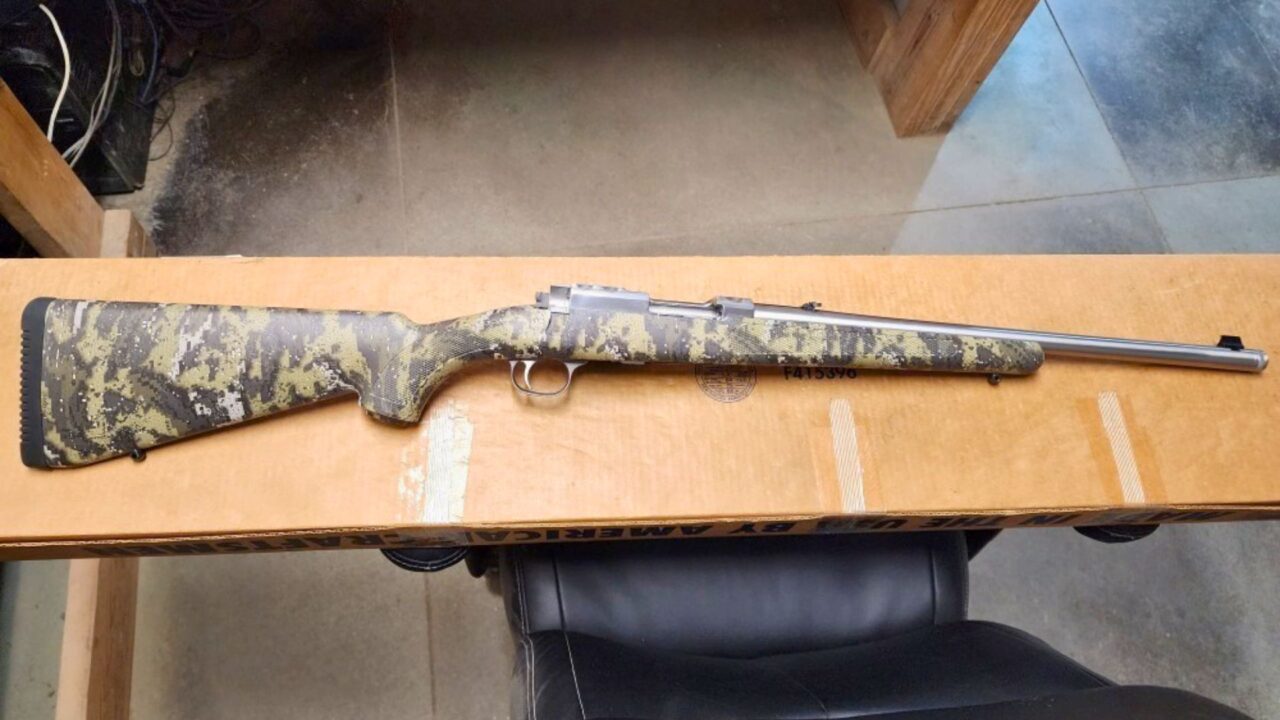
The Ruger 77/357 caused a lot of regret because people didn’t always understand its usefulness while it was available. A bolt-action .357 Magnum rifle sounds niche until you think about quiet practice, short-range hunting where legal, rural property use, and the ability to shoot .38 Special.
That niche became valuable fast once production dried up. The 77/357 is compact, light, and easy to carry. It fills a role that lever guns and semi-autos don’t handle in quite the same way. Owners who sold one often find out that buying it back is not simple or cheap. That is the worst kind of resale regret: realizing the gun was more useful than its old price suggested.
Colt Government Model 1911

A Colt Government Model 1911 is easy to regret selling because it carries both practical and emotional value. Plenty of owners move one along because they want a lighter carry gun, a higher-capacity pistol, or a more modern setup. That can make sense at the time.
Later, the old Colt starts looking different. The trigger, balance, recoil impulse, and history all give it a feel that newer pistols don’t fully replace. A good Colt may not be the most efficient defensive pistol today, but it is still one of the most satisfying handguns to shoot well. Once prices climb and older examples get harder to replace, selling one can feel less like simplifying and more like giving up a standard.
Winchester Model 70 Featherweight

The Winchester Model 70 Featherweight is a rifle hunters often regret selling because it balances carry weight and shootability so well. It trims weight without feeling like a harsh little rifle that was stripped down too far. It still feels like a real hunting rifle, which is where a lot of lightweight designs miss.
A good Featherweight shoulders naturally, carries nicely, and keeps the Model 70’s field-friendly safety and familiar handling. Controlled-round-feed versions bring even more regret when they’re gone. Hunters who traded one toward something newer often found the replacement lighter on the scale but less satisfying in the field. That is a rough lesson when the rifle you sold already did the job well.
Browning Hi-Power
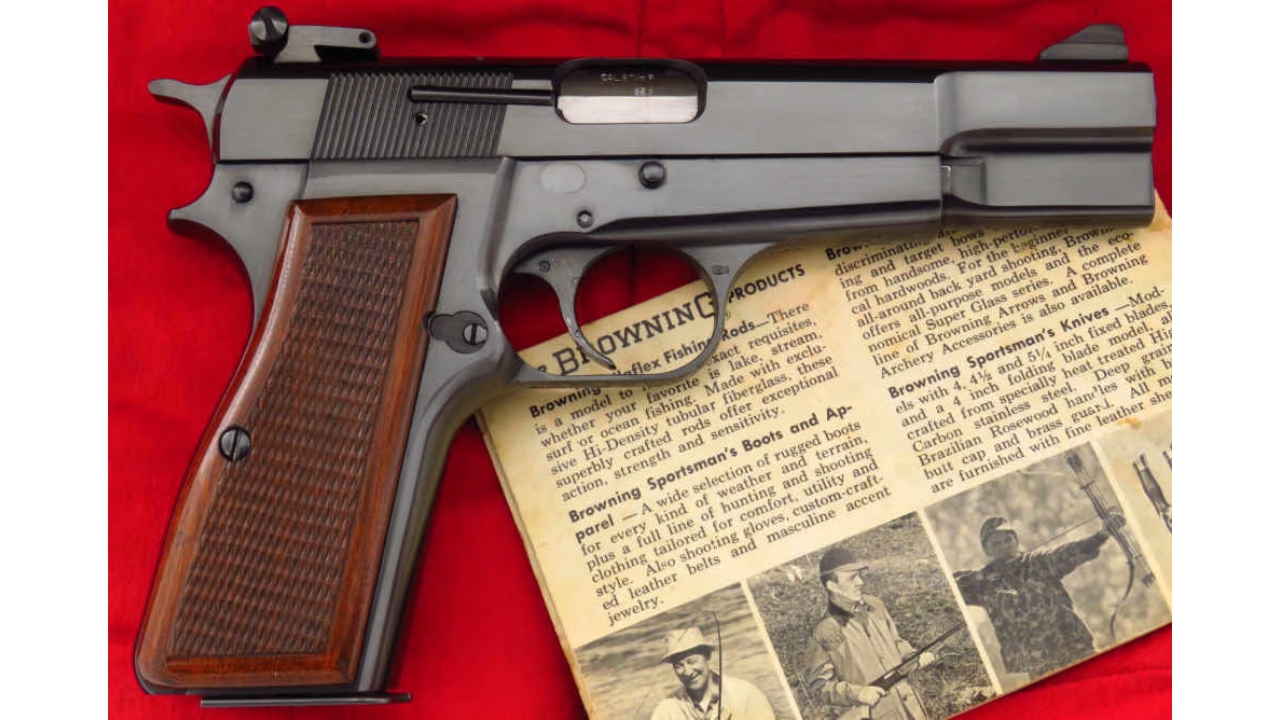
The Browning Hi-Power is one of those pistols that became more appreciated after many owners had already let theirs go. For years, it was respected but not always priced like the classic it would become. Once original production ended and clean examples got harder to find, resale regret started showing up fast.
The Hi-Power’s grip is still one of the best ever put on a service pistol. It points naturally, carries slimmer than many double-stack handguns, and has a balance that modern polymer pistols rarely duplicate. Older sights and magazine disconnects can be drawbacks, but the core pistol is special. Selling one to chase a newer 9mm often feels smart only until you try buying another.
Savage Model 99

The Savage Model 99 proves resale regret is not limited to handguns and lever guns with cowboy appeal. The 99 was a clever hunting rifle that gave shooters lever-action handling with a stronger action and magazine system that could handle pointed bullets in many versions. For years, plenty of hunters treated them like normal old deer rifles.
Now clean examples and desirable chamberings are much harder to ignore. The .300 Savage, .250-3000 Savage, .308 Winchester, and .358 Winchester versions all have their own appeal. Owners who sold one often realize they gave up a design that modern companies never really replaced. When a rifle is both historic and still useful, resale regret tends to grow with time.
SIG Sauer P228
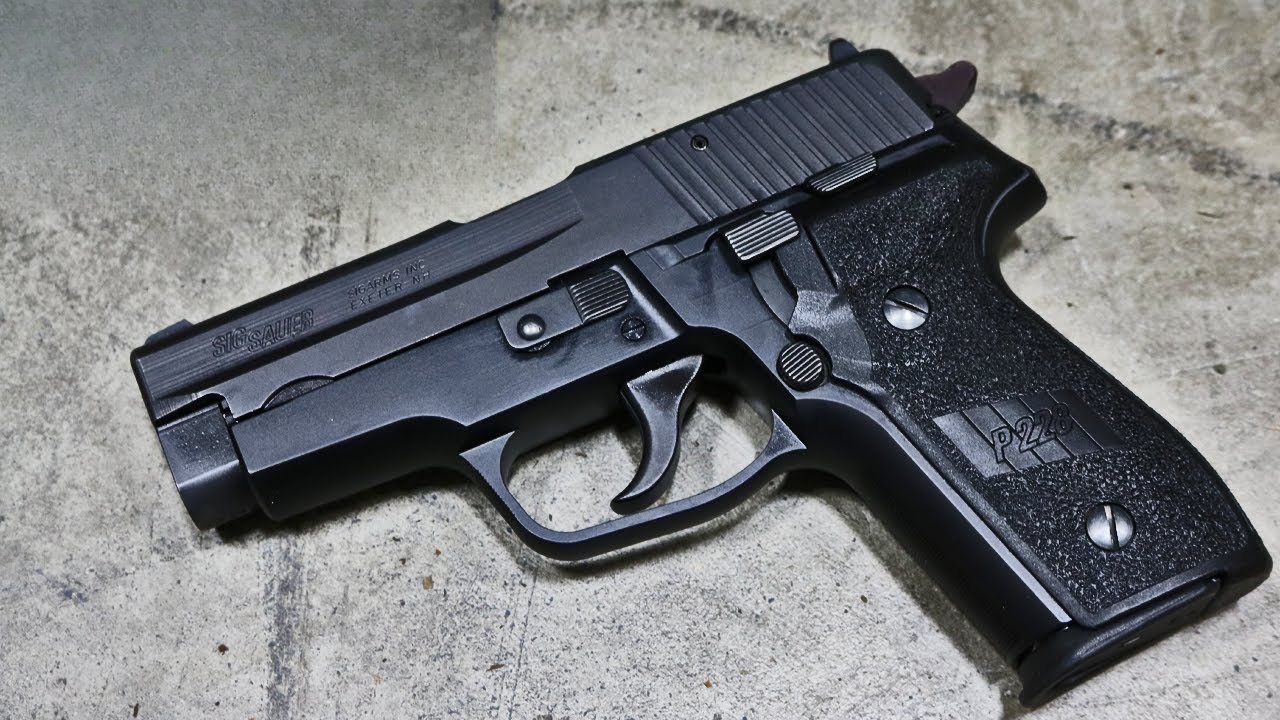
The SIG Sauer P228 is a compact pistol that makes sellers second-guess themselves later. It has classic SIG quality in a size that feels balanced, practical, and easier to handle than many smaller carry guns. It may not match modern micro-compacts on weight or capacity, but it shoots with a steadiness that is hard to duplicate.
Older German-made examples especially have become more desirable, which only adds to the regret. The P228 feels smooth, reliable, and serious without being overly large. A lot of owners sold one to chase lighter polymer pistols, then realized the new gun didn’t feel nearly as refined. That is when resale regret stops being theoretical and starts showing up in auction prices.
Marlin 39A
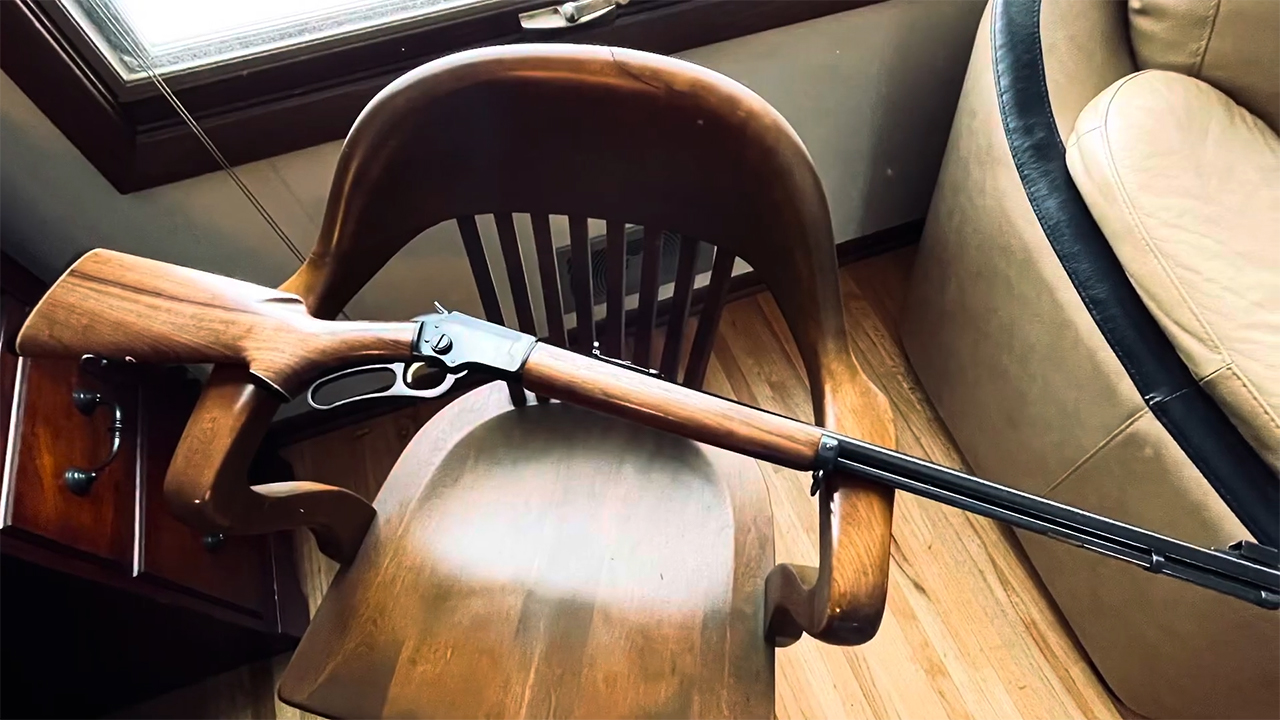
The Marlin 39A may be one of the easiest rimfires to regret selling. It was a lever-action .22 with solid construction, takedown design, good accuracy, and enough quality to feel like a real lifetime rifle. For decades, plenty of people treated it as a nice but ordinary rimfire.
Once production ended and quality rimfires became more appreciated, that view changed. A good 39A is useful for small game, plinking, teaching new shooters, and simply enjoying a rifle that feels well made. Modern .22s may be cheaper or more modular, but they rarely feel the same. Selling a 39A often leads to one thought later: why did I let that one go?
Beretta 92FS

The Beretta 92FS is a pistol some owners sell because it feels too large for modern carry habits. That decision can seem reasonable. It is big, heavy, and not as convenient as today’s compact and micro-compact 9mms. But the regret often shows up after the first few range trips with the replacement.
The 92FS is smooth, accurate, and comfortable to shoot. The long sight radius, metal frame, and soft recoil impulse make it one of the more pleasant full-size 9mms to run. A smaller pistol may carry better, but it may not make practice easier or more enjoyable. Owners who sell a Beretta often end up remembering that not every gun needs to be tiny to be worth keeping.
Ruger No. 1
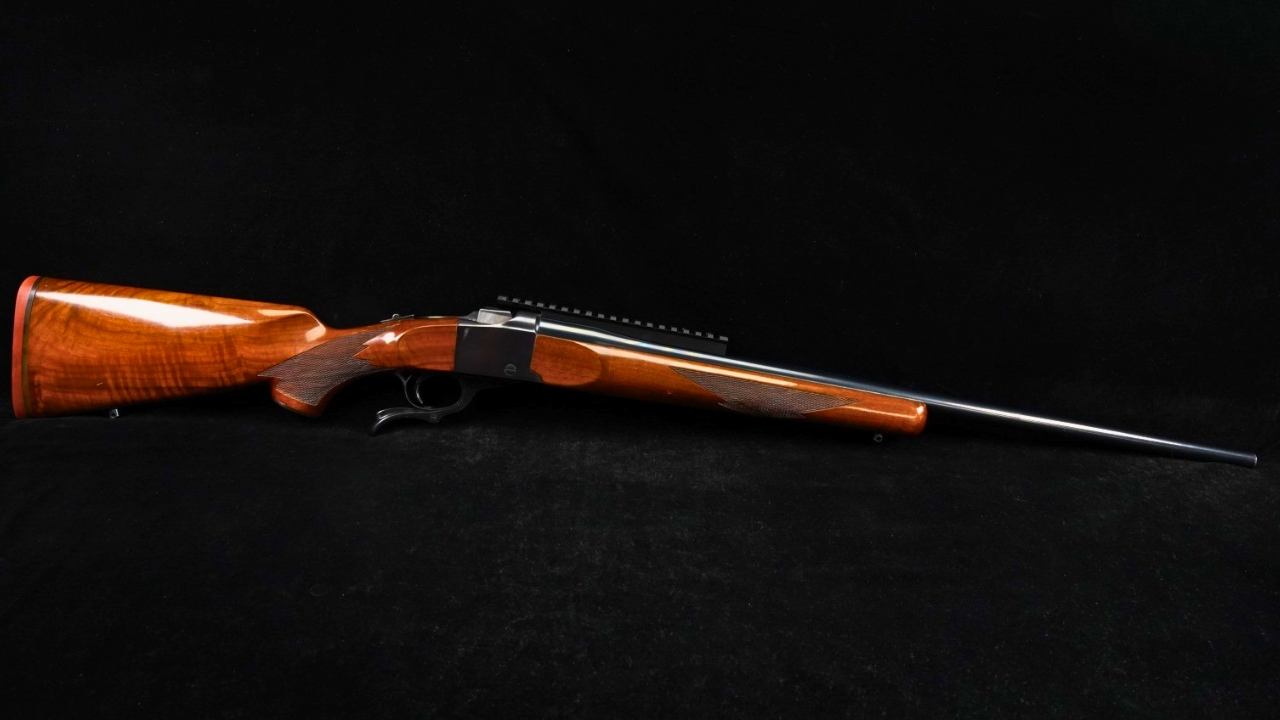
The Ruger No. 1 creates a specific kind of regret because nothing else really feels like it. A single-shot falling-block rifle is not the most practical choice for every hunter, but it has strength, elegance, and a deliberate style that repeaters don’t copy. That makes it easier to miss once it is gone.
The No. 1 has been chambered in a wide range of cartridges, and some versions have become especially hard to replace. Owners who sold one often discover that finding the same chambering, condition, and configuration later can be expensive. It may have seemed like a rifle that sat unused too often. Later, it starts looking like the kind of rifle a person should have kept forever.
Smith & Wesson 3913

The Smith & Wesson 3913 became a regret pistol because the market moved away from slim metal-frame carry guns, then shooters started missing them. It is a single-stack 9mm with an alloy frame, flat carry profile, and enough old Smith quality to make it feel more refined than many modern small pistols.
Capacity is modest now, but the pistol carries comfortably and shoots better than a lot of tiny guns. Owners who sold one thinking polymer replacements made it obsolete often found that newer did not always mean more satisfying. The 3913 fills a lane that is not crowded anymore. That is exactly the kind of gun people regret selling when they realize the category has mostly disappeared.
Browning Auto-5
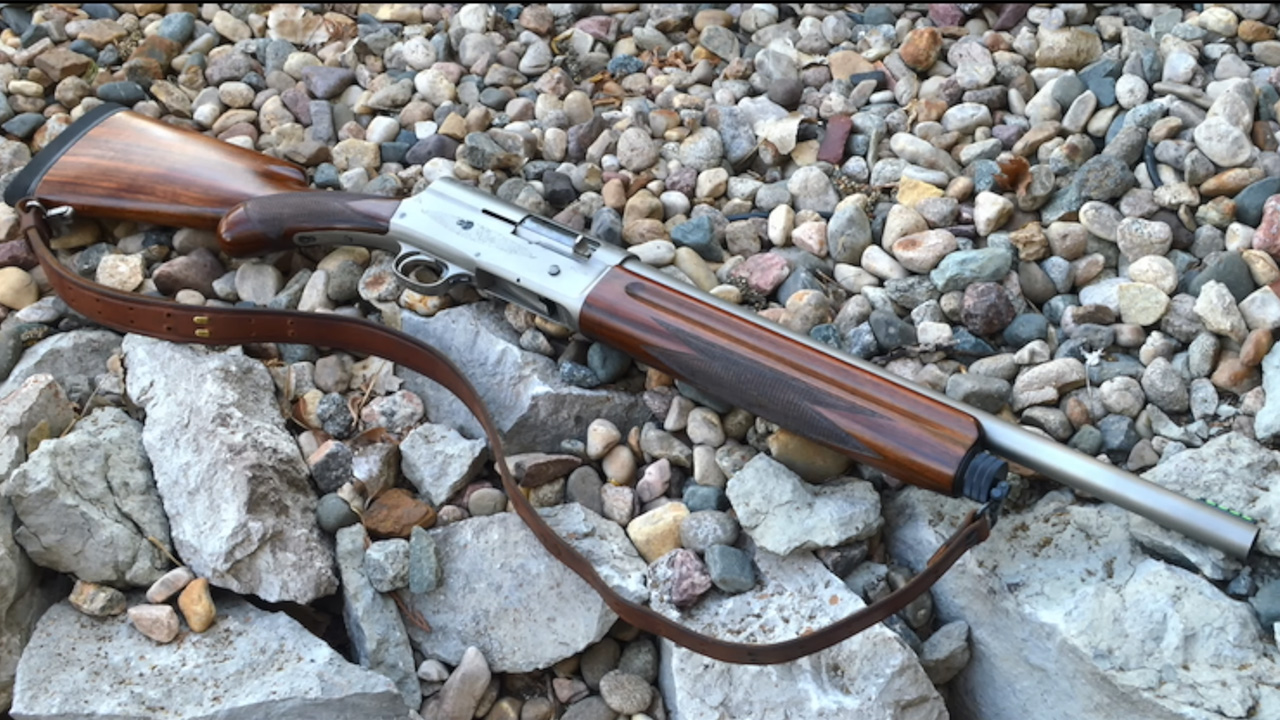
The Browning Auto-5 is a shotgun that brings resale regret because it carries both history and feel. The humpback receiver, long-recoil action, and old Browning quality give it a personality modern semi-autos rarely duplicate. For years, many Auto-5s were just old hunting shotguns.
Now, clean Belgian and desirable Japanese examples can bring real money, and that makes past sales sting. The Auto-5 does require proper maintenance and friction-ring setup, but hunters who understand it often love it. Selling one can feel like letting go of a piece of family hunting history, especially if it had seasons and stories behind it. Some shotguns are easier to replace than the memories attached to them.
CZ 527 Carbine
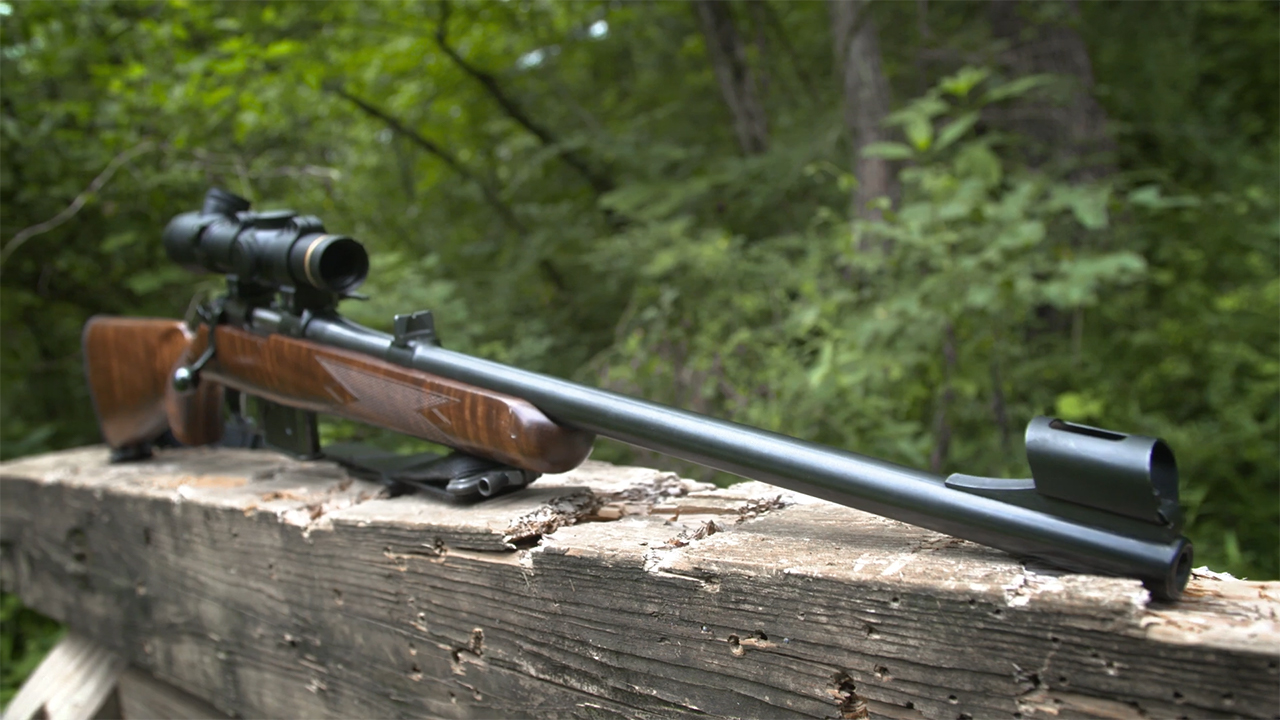
The CZ 527 Carbine may be one of the most painful recent resale regrets. It was compact, accurate, charming, and built around a mini-Mauser-style action. In chamberings like .223 Remington and 7.62×39, it filled a useful small-rifle role that many shooters didn’t fully appreciate until the line was gone.
The single-set trigger, short overall length, detachable magazine, and handy feel made it far more interesting than a basic utility rifle. Owners who sold one often realize there are plenty of small rifles, but not many with the same personality. Once discontinued, the 527 Carbine became a rifle people started chasing instead of casually noticing. That is resale regret in its purest form.
Like The Avid Outdoorsman’s content? Subscribe to our newsletter so you never miss an article.
Here’s more from us: