Photo credit: swissbianco/YouTube
Every shooter eventually runs into a gun that develops habits you’d never expect. These aren’t dramatic failures or catastrophic breaks. They’re the odd behaviors that creep in slowly, showing up only when conditions line up a certain way. You clean the chamber. You polish the feed ramp. You double-check every screw. But the problem doesn’t disappear—it only hides until the next range trip. Some guns earn a reputation for strange personalities that manuals don’t prepare you for, and if you own one of these long enough, you eventually learn its quirks the hard way.
Remington Model 597

The Remington 597 was meant to compete with other semi-auto .22s, but many rifles developed strange feeding issues that weren’t tied to dirt, magazines, or ammo choice. One day it would run flawlessly, and the next it would nose-dive rounds for no clear reason. Shooters swapped extractors, cleaned rails, and changed springs, yet the behavior often returned.
The rifle’s inconsistent magazine geometry was a known weak point, but even with updated mags, some rifles kept their mysterious habits. It’s a gun that can shoot well when everything lines up, but those unexplained quirks give it a reputation most manuals can’t fix.
Marlin Model 60 (older tube-fed runs)

The Marlin Model 60 is beloved, but older examples often develop quirks after decades of use. One common behavior is intermittent cycling failures that appear only after the rifle warms up. You can clean the action thoroughly, yet the rifle may still hesitate on extraction for reasons that aren’t obvious.
Wear on the feed throat and subtle spring fatigue contribute to the issue, but the symptoms don’t always match the cause. Some rifles run beautifully after minor adjustments, while others continue showing personality no matter how attentive you are. It’s a classic rifle with charm—and a few mysteries.
Taurus PT145 Millennium Pro

The PT145 earned a following for its compact size, but many owners eventually noticed odd firing-pin or striker issues that surfaced unpredictably. The gun may hit primers lightly for a few rounds, then return to normal function without intervention. No amount of routine cleaning or maintenance consistently prevented the behavior.
The problem often stemmed from internal wear patterns that weren’t uniform. While later revisions improved reliability, some early models held onto their quirks for life. It’s a platform that required close attention, because when those idiosyncrasies appeared, there was rarely a straightforward fix.
Ruger Mini-14 (older production)

Older Mini-14s are rugged, but they’re also known for developing strange accuracy shifts that can’t always be traced to loose mounts or bad ammo. Some rifles group tightly when cold but scatter shots once they heat up. Even after addressing bedding, gas pressure, and barrel contact points, the behavior sometimes persists.
The thinner barrels on early models are a big part of the story, but even two rifles from the same batch can behave differently. The quirks aren’t dangerous—they’re simply unpredictable. Owners either grow to accept the rifle’s temperament or move on to platforms with more consistent behavior.
Walther P22

The Walther P22 looks friendly, but many shooters discover it develops sensitivity to certain ammo brands over time. A pistol that once ate bulk box .22LR may abruptly refuse to cycle it months later. You can clean the slide rails and check the recoil spring, yet the issue continues without a clear cause.
The pistol’s chamber tolerances and slide mass make it picky as wear accumulates. Some run flawlessly for thousands of rounds, while others behave inconsistently even with premium ammo. It’s a lightweight pistol that teaches you patience more than most manuals suggest.
Springfield XD Subcompact

The XD Subcompact is reliable for most shooters, but some examples develop odd behavior where the slide occasionally fails to go fully into battery even with clean ammo. It doesn’t happen every session, which makes diagnosing the cause difficult. Lubrication helps, but the quirk can return without warning.
Subtle timing differences between the recoil spring and slide mass seem to contribute. The pistol typically performs well, but when that misalignment shows up, you won’t find a clear line in the manual explaining it. It’s a reminder that even durable platforms can have personality.
Remington 742 Woodsmaster

The 742 has been around forever, but owners know it can develop quirks related to extraction as it ages. Instead of consistent failures, the rifle may behave perfectly for several trips, then suddenly struggle for no obvious reason. Cleaning helps temporarily, but the underlying wear patterns tend to resurface.
The long-term issue comes from the bolt rails wearing unevenly, and once that begins, the rifle sometimes behaves unpredictably. Manuals describe maintenance, but they don’t prepare you for the gradual shift in timing that shows up with years of use. The rifle still has fans—just not for its consistency.
Smith & Wesson Sigma Series
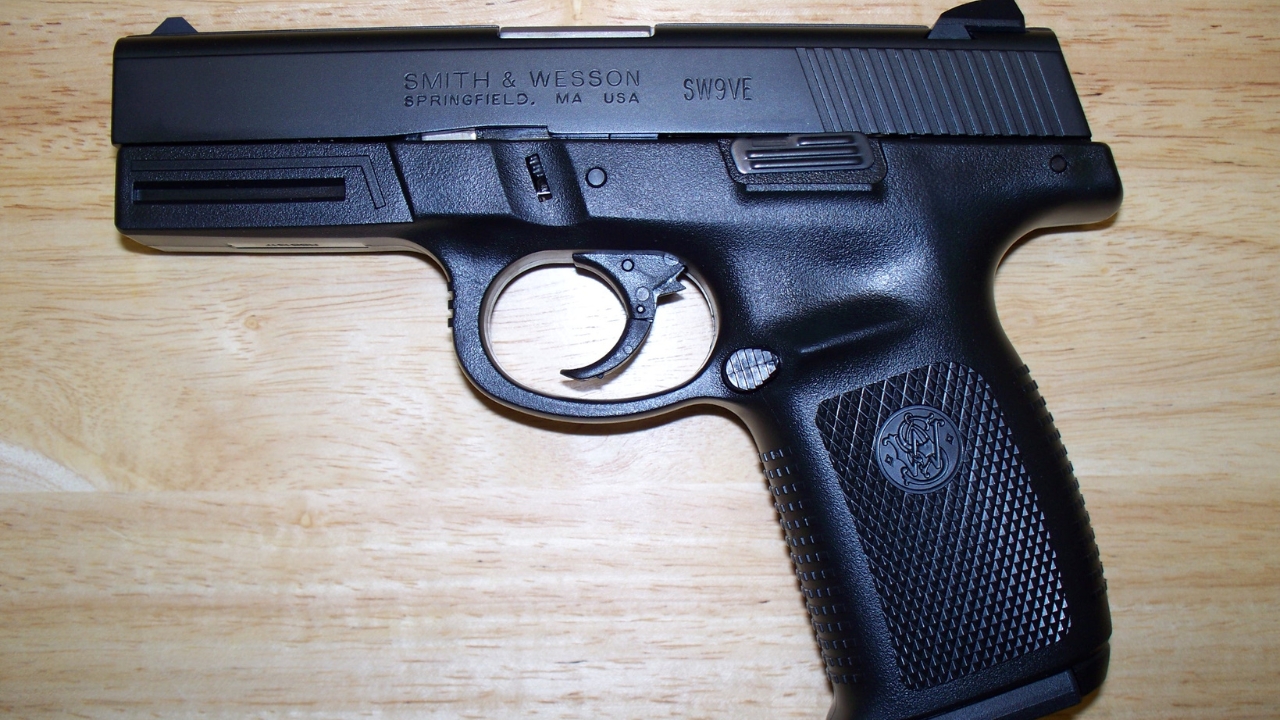
The Sigma line found plenty of buyers, but many pistols developed trigger quirks over time. Some grew heavier, some grittier, and others took on an inconsistent break that didn’t match the feel they had when new. Cleaning and lubrication helped only slightly, since the internal interfaces wore in uneven ways.
The pistol still functioned, but the unpredictability of the trigger made accuracy harder to maintain. Manuals cover disassembly and care, but they don’t mention the odd, evolving trigger feel many owners eventually experienced. It’s a functional gun—just one with habits that aren’t predictable.
KelTec Sub-2000

The Sub-2000 is handy and portable, but many rifles develop unique feeding preferences as they wear in. One day it cycles every magazine flawlessly, and the next it refuses to chamber certain bullet profiles without visible cause. Cleaning doesn’t always resolve it, and the rifle sometimes behaves differently depending on how firmly you shoulder it.
The polymer receiver flex adds variables that aren’t outlined in the manual. Some rifles never show the quirk, while others develop it early. It’s a lightweight platform with good utility, but it definitely has a personality of its own.
IWI Masada

Early Masada pistols were solid overall, but some shooters noticed intermittent light strikes that weren’t tied to ammunition. The pistol would run cleanly for several hundred rounds, then exhibit a few misfires before returning to normal function. Even after swapping springs, the pattern occasionally returned.
The issue traced back to minor tolerances in early batches, but diagnosing it wasn’t simple. Most manuals suggest standard maintenance, yet these pistols needed closer inspection to fully eliminate the quirk. Later production runs addressed most of the behavior, but early owners learned to live with surprises.
Remington 870 Express

The 870 Express still serves thousands of hunters, but certain production years developed a habit of rough cycling that didn’t always match visible wear. You could polish the chamber, replace the extractor, and run quality shells, yet the pump stroke sometimes remained inconsistent.
The root cause varied—sometimes a chamber issue, sometimes burrs inside the receiver, and sometimes inconsistent internal finish—but the symptoms weren’t predictable. Manuals described basic care but didn’t explain why some guns smoothed out with use while others held onto their quirks for life.
SIG Sauer Mosquito

The Mosquito is notorious among .22LR pistols for developing eccentric feeding habits. It might run perfectly with a specific load, then begin stovepiping that same load without warning. Cleaning helps somewhat, but the pistol often keeps its ammo sensitivity long-term.
The reduced-size design and tight chamber tolerances play a big role, but diagnosing the behavior isn’t straightforward. Manuals recommend certain ammo types, yet even within those categories, the pistol can be unpredictable. It’s a firearm that teaches you more through trial than instruction.
Winchester Model 100

The Winchester 100 is a classic semi-auto, but many rifles develop intermittent ignition problems as they age. Some rifles fire flawlessly for a while, then suddenly fail to ignite rounds without visible primer strikes. After cleaning, the problem disappears—until it doesn’t.
The issue relates to firing pin wear and a known recall, but even properly updated rifles can show strange timing issues between the bolt and firing pin. Manuals don’t fully prepare you for these long-term behaviors. It’s a beautiful rifle, but it has a personality that shows up at unexpected moments.
CZ 52

The CZ 52 is durable, but owners quickly learn it can develop trigger quirks and occasional slide-velocity inconsistencies. Some pistols function like tanks forever, while others begin showing strange ejection patterns that appear unrelated to recoil or ammo choice.
The roller-locked design is tough, but small variations in springs and locking surfaces can produce erratic symptoms that aren’t covered in manuals. It’s a fascinating pistol with history—but it definitely earns its reputation for unpredictable manners.
Beretta Tomcat

The Tomcat is a compact and clever little pistol, but many develop quirks tied to frame stress over time. The slide may ride slightly differently after heavy use, leading to sporadic feeding issues that don’t match typical wear. Even with proper maintenance, the pistol may show personality as round counts rise.
Some examples run trouble-free forever, while others grow temperamental without clear explanation. Manuals provide guidance on cleaning, but they don’t touch on the frame sensitivity that owners often discover firsthand.
Like The Avid Outdoorsman’s content? Subscribe to our newsletter so you never miss an article.
Here’s more from us: