Photo credit: Pearce Brothers Gear Guide/YouTube
A firearm’s reputation can carry it a long way. Sometimes that reputation is earned from military history, old advertising, one great era of production, or a famous name stamped on the side. The problem starts when people keep defending the legend even after the gun in front of them doesn’t live up to it.
That doesn’t always mean the firearm is junk. Some are useful, some are fun, and some still have a place. But performance matters more than nostalgia when the gun is heavy, awkward, ammo-sensitive, overpriced, rough to shoot, or simply outclassed by better options.
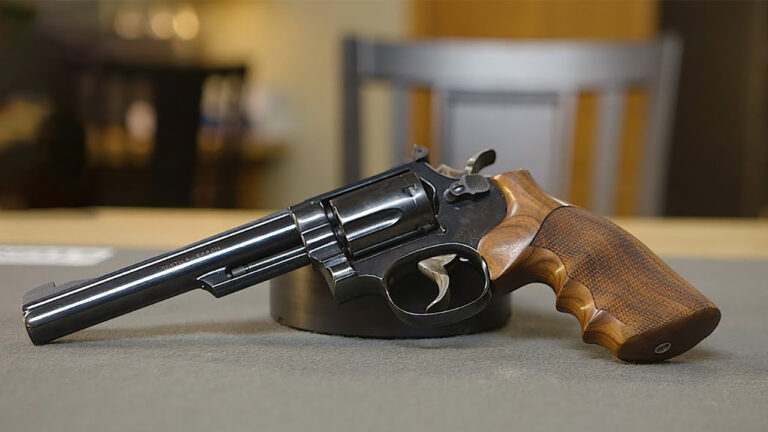
Colt Single Action Army
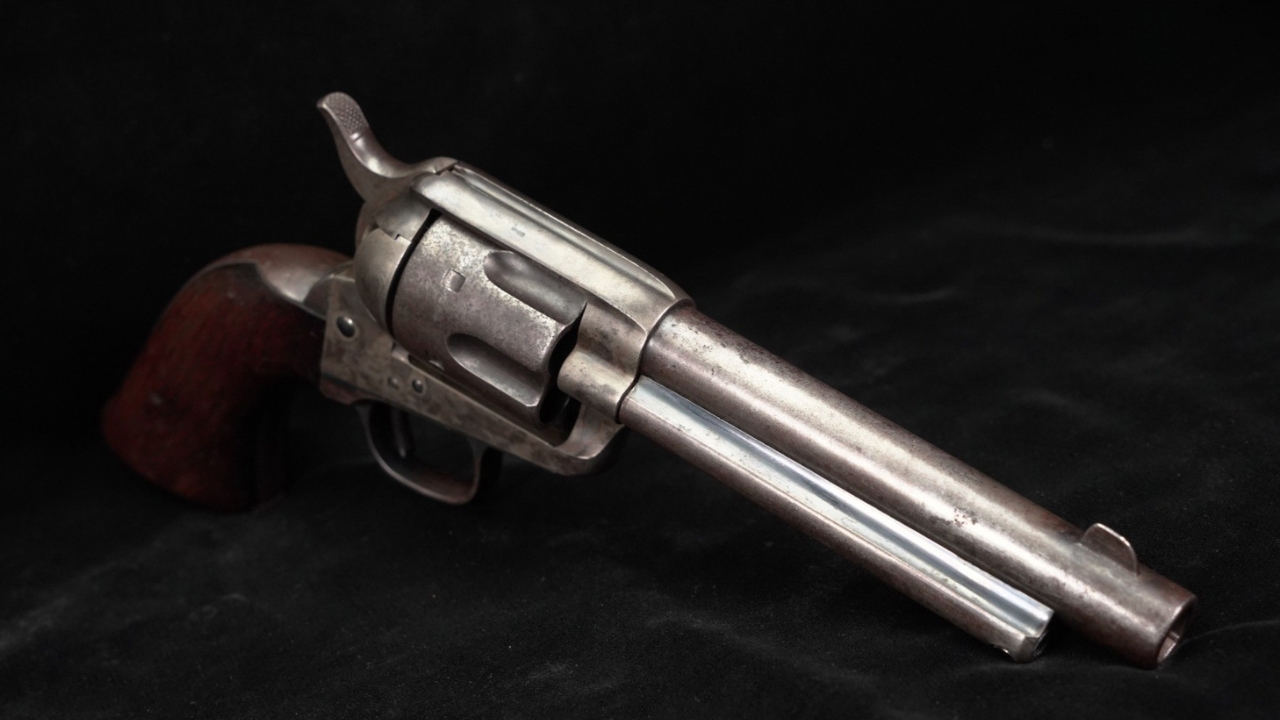
The Colt Single Action Army has one of the strongest names in handgun history. It looks right, feels historic, and carries the kind of old West image that collectors and traditional shooters never get tired of defending.
But as a practical revolver, it survives mostly on reputation. It is slow to load, slow to unload, limited by old single-action design, and expensive for what most shooters actually do with it. A good one is beautiful, but beauty does not make it practical. People defend it because of what it represents, not because it outperforms modern revolvers in real use.
Springfield Armory M1A

The Springfield Armory M1A gets defended hard because it looks and feels like a serious rifle. The wood-and-steel versions especially have that old military-rifle pull that makes people forgive a lot before they even fire a shot.
In performance terms, it asks for patience. It is heavy, expensive, awkward to scope cleanly, and not as simple to keep accurate as many modern .308 rifles. A good M1A is fun and satisfying, but the reputation often does more work than the rifle does. For the money, plenty of newer platforms are easier to shoot, mount optics on, and maintain.
Kimber Solo

The Kimber Solo looked like a premium answer to deep concealment. It had clean styling, a metal frame, and the Kimber name behind it, which helped sell the idea that it was a refined little carry pistol.
Then owners had to live with it. The Solo developed a reputation for being picky, sharp in recoil, and less forgiving than buyers hoped. Small 9mm pistols are already hard to get right, and this one leaned too heavily on brand image. Plenty of people wanted it to be better than it was because it looked and felt expensive in the case.
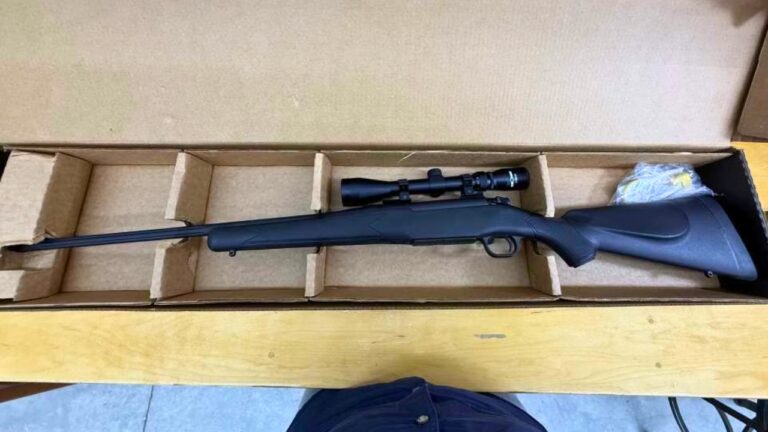
Remington 700
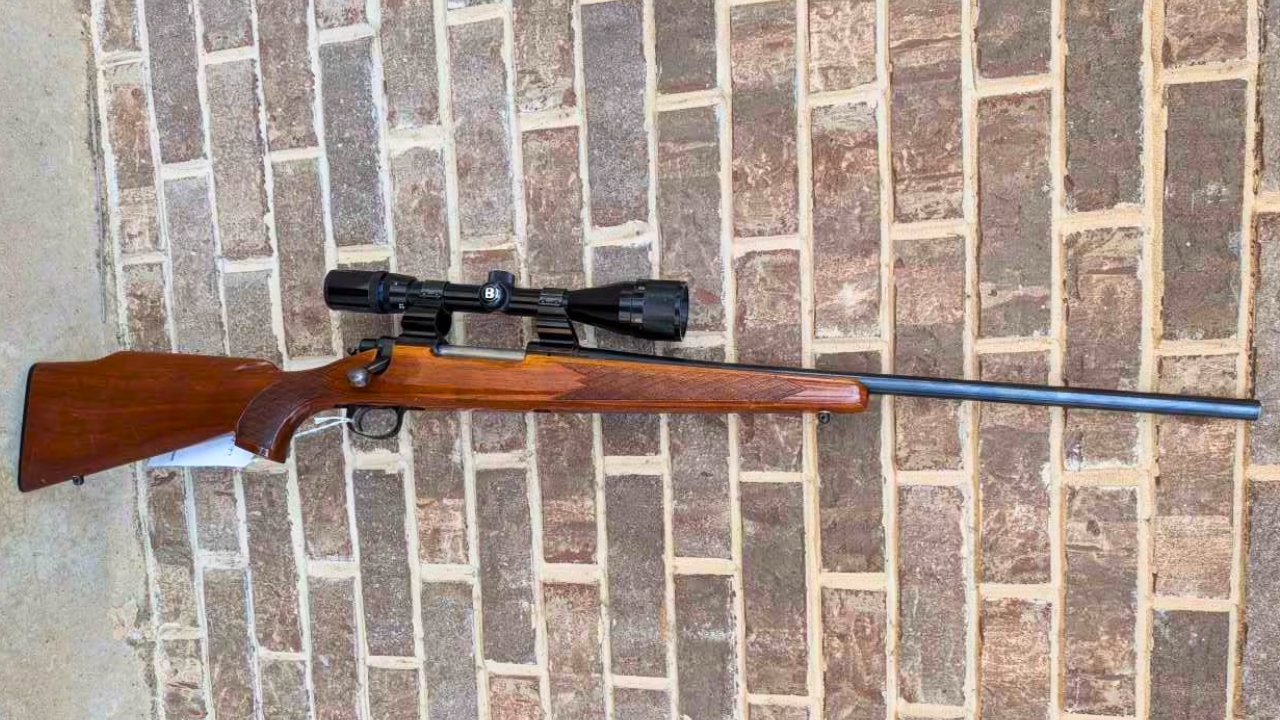
The Remington 700 is a legendary rifle platform, and it deserves a lot of its place in hunting and precision-rifle history. The aftermarket support, custom build potential, and decades of use give it real credibility.
The problem is when people treat every factory 700 like it carries that same magic. Quality has varied over the years, triggers became a sore spot, and not every rifle shot like the stories suggested. The 700 name is stronger than many individual rifles wearing it. A good one can be excellent, but the reputation often gets handed out before the gun earns it.
Walther PPK

The Walther PPK has style for days. It is slim, recognizable, and tied to a level of cool most pocket pistols will never touch. People love the idea of carrying one because it feels classy and old-school.
The shooting experience can be a different story. The PPK can bite the web of your hand, feel heavy for its size, and offer less capacity than modern carry pistols that are easier to shoot. It still has charm, but charm is not the same as performance. A lot of its appeal comes from image, not what it gives you on the range.
Winchester Model 94
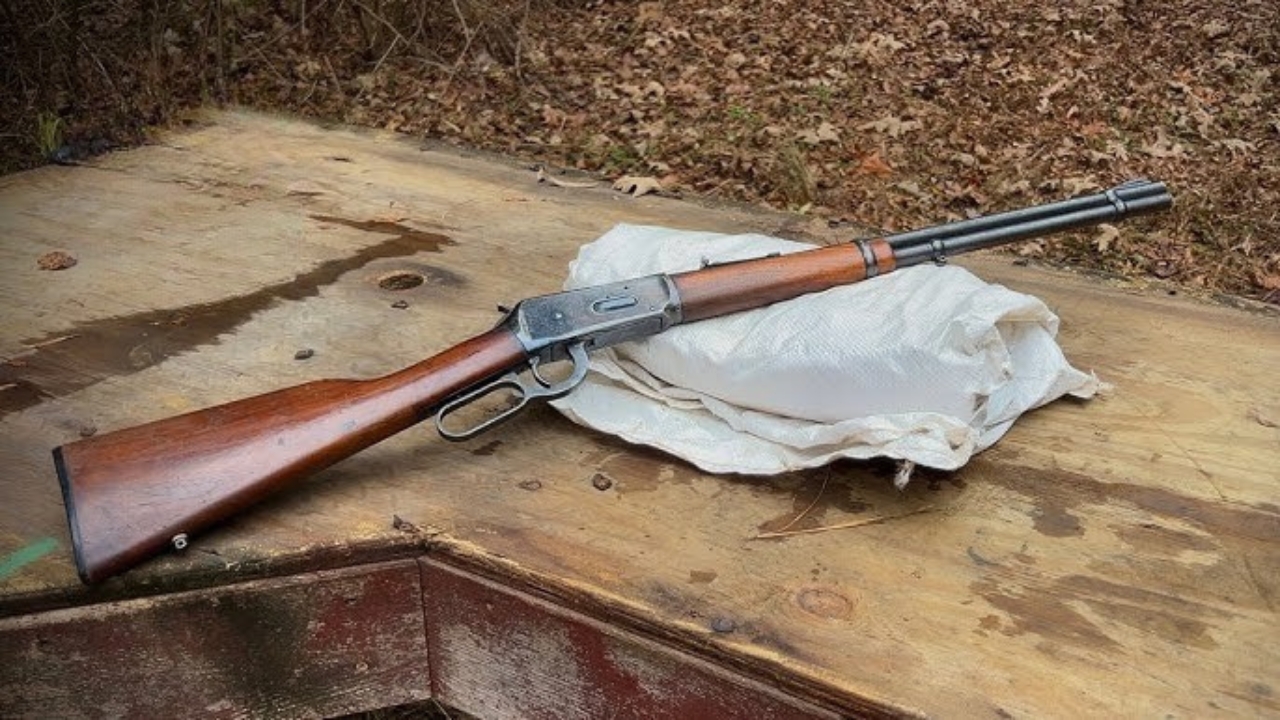
The Winchester Model 94 is a deer-camp icon. It has been carried through more brush, truck cabs, and cold mornings than most rifles ever will be. That history makes owners defend it like a family name.
But the reputation can outrun the rifle. Older top-eject versions are awkward with optics, triggers are often nothing special, and the action is not always as smooth as people remember. In thick woods, it still works. But if you strip away nostalgia, it is not automatically better than every other handy deer rifle. Sometimes people are defending memories more than performance.
Desert Eagle

The Desert Eagle survives on reputation better than almost any handgun out there. It is huge, loud, powerful, and instantly recognizable. That alone makes people talk about it like it is more useful than it really is.
In normal handgun terms, it is mostly a range toy or niche hunting pistol. It is heavy, expensive to feed, bulky to handle, and not practical for carry or serious defensive use. None of that makes it boring. It is absolutely fun in the right setting. But its fame does most of the heavy lifting. Performance only matters if you actually need a giant magnum semi-auto.
Browning BAR Safari

The Browning BAR Safari has a loyal following because it looks classy and gives hunters semi-auto follow-up shots in traditional hunting cartridges. It feels like a gentleman’s deer rifle, and that reputation carries weight.
Still, it is not always the easy answer people make it out to be. It is heavier than many bolt guns, more complicated to clean, and not always as accurate as hunters hope for the money. If you want fast second shots from a stand, it can make sense. But many owners defend the name and look harder than the real field advantage.
Colt Woodsman

The Colt Woodsman has collector appeal written all over it. It looks elegant, points well, and has the kind of old Colt reputation that makes people want one even before they understand the details.
As a shooter, though, the reputation can be bigger than the performance. Many are too collectible to use hard, magazines can be expensive, and modern rimfire pistols often offer better sights, easier service, and less worry. A Woodsman is special because of history and craftsmanship. But if the goal is cheap, regular .22 practice, the legend may matter more than the result.
HK P7
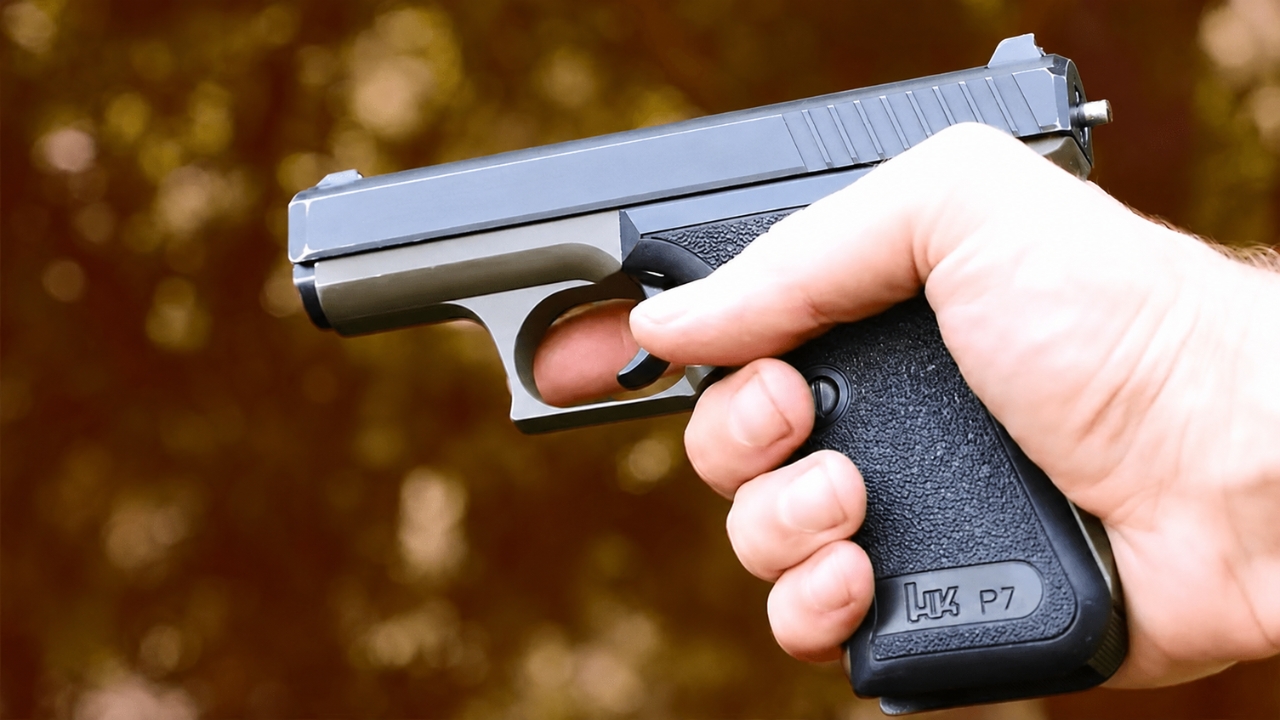
The HK P7 is one of those pistols people love to call brilliant, and in some ways, they are right. The squeeze-cocker design, low bore axis, and accuracy made it stand out from almost everything else.
But the reputation can make people overlook the drawbacks. It heats up quickly, holds limited rounds, costs a lot, and uses a manual of arms that takes commitment. It is fascinating, but fascinating is not the same as practical for most shooters. Owners defend it because it is clever and rare. That does not mean it outperforms simpler pistols for everyday use.
Ruger Mini-14

The Ruger Mini-14 has a reputation built on looks, simplicity, and a long run as a handy ranch-style rifle. People like that it does not feel like another AR, and that helps explain why it still has loyal defenders.
Performance is where the argument gets harder. Older Mini-14s especially had accuracy complaints, magazines can be expensive, and the price often puts it too close to better-shooting AR options. It is fun, reliable enough for many uses, and easy to like. But it survives partly because people want it to be better than the numbers usually show.
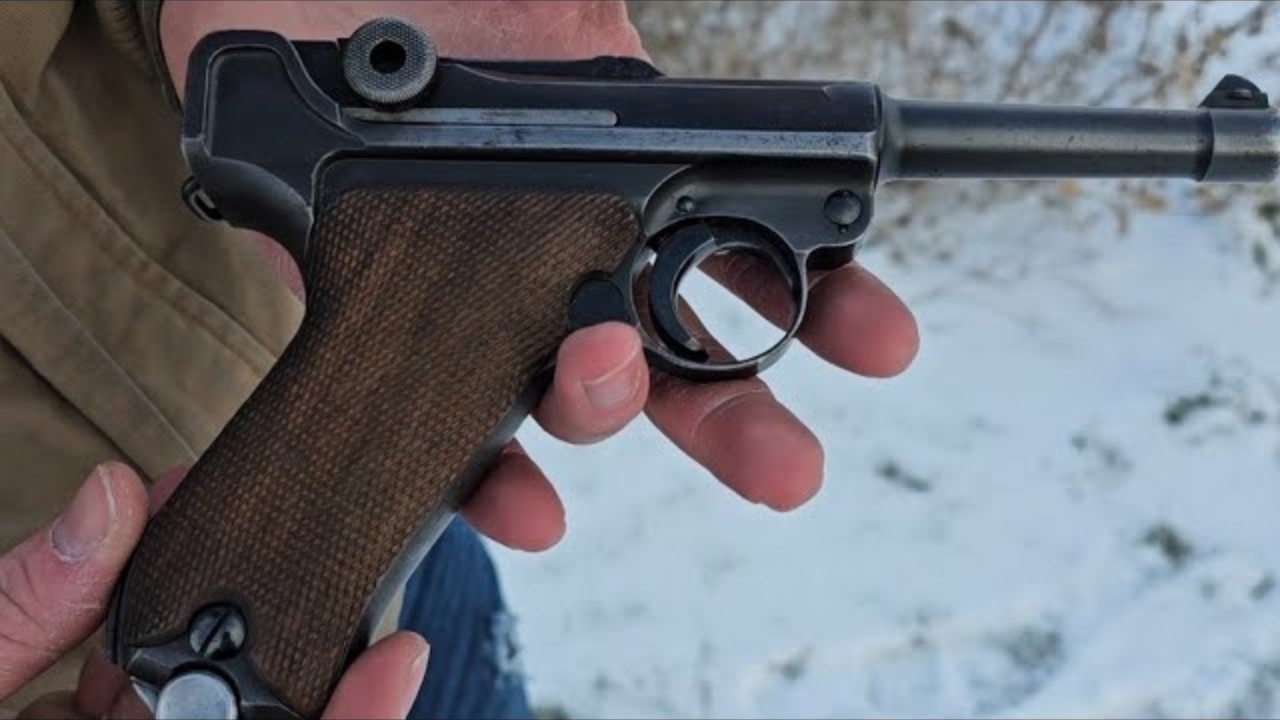
Luger P08
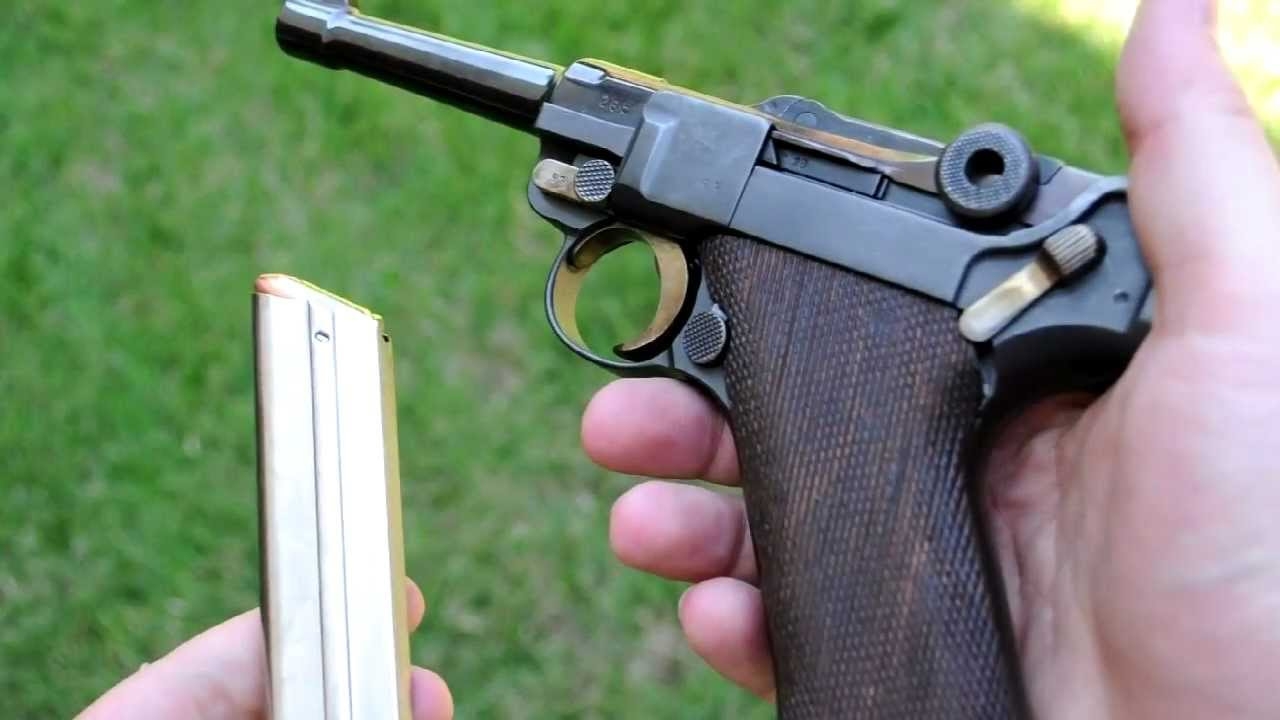
The Luger P08 has one of the most recognizable profiles ever put on a handgun. It is mechanically interesting, historically important, and endlessly collectible. People defend it because it feels like holding a piece of history.
That history does not make it a great modern shooter. The design is sensitive compared with simpler pistols, parts are not cheap, and most owners are not going to run one hard. The trigger and grip angle can be nice, but the overall package is more museum piece than working handgun now. Its reputation is huge because of what it is, not what it does today.
Winchester Model 70 Pre-64
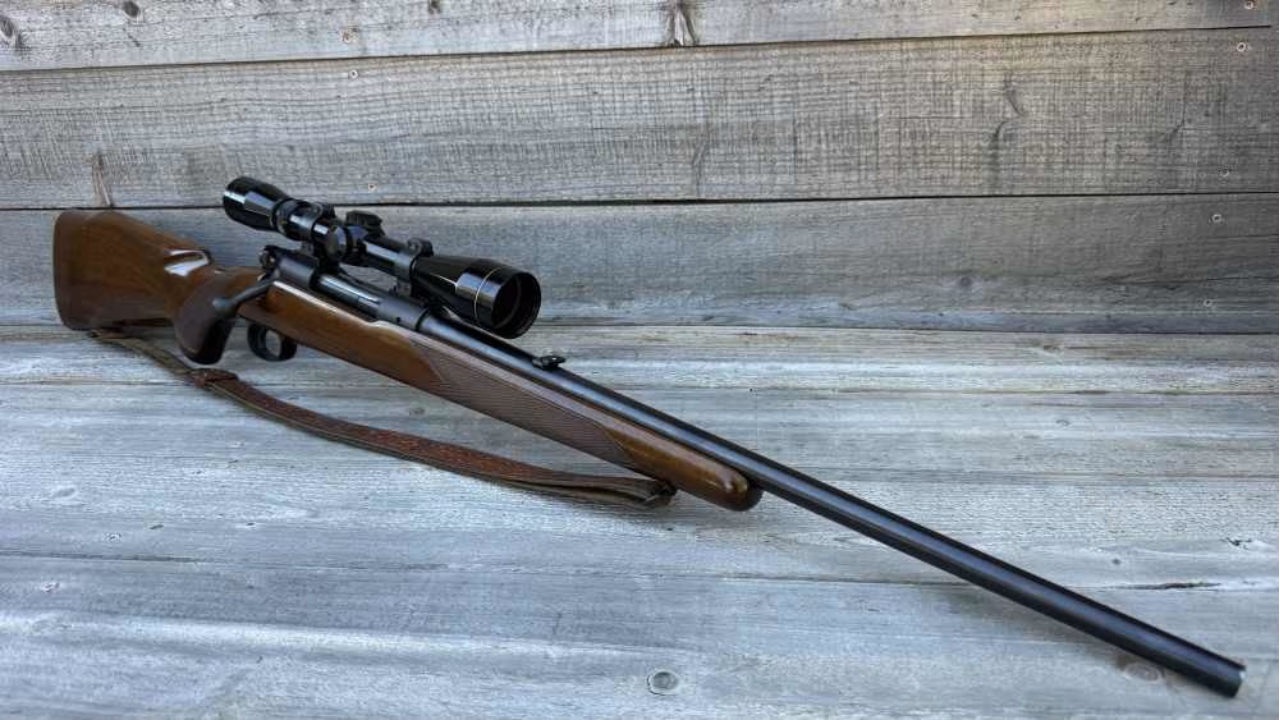
The pre-64 Winchester Model 70 gets spoken about with almost religious respect in hunting circles. Controlled-round feed, old-school machining, and classic rifle feel all give it a reputation that still moves prices.
But reputation can blur reality. Some are wonderful rifles, while others are simply old hunting rifles with worn barrels, average triggers, and collector pricing attached. A modern rifle can be lighter, more accurate, easier to scope, and cheaper to replace. The pre-64 Model 70 deserves respect, but not every one is automatically superior just because it came from the right era.
Benelli Super Black Eagle
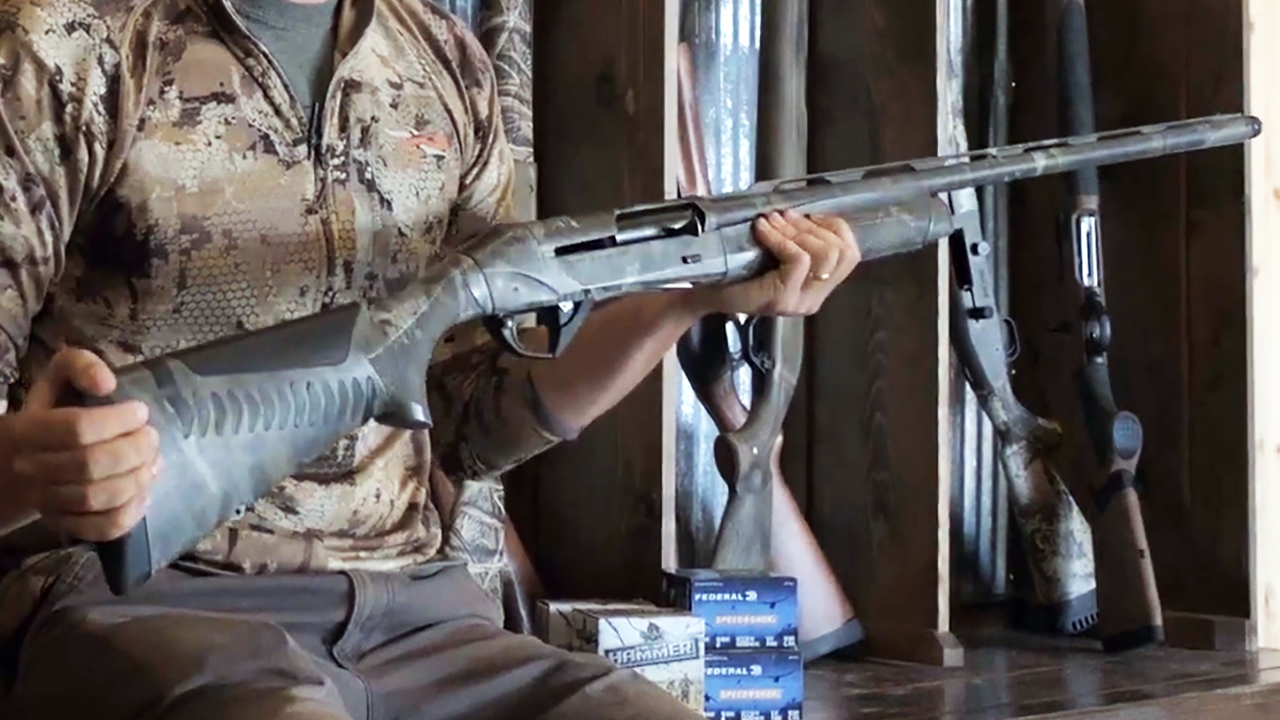
The Benelli Super Black Eagle built its name in duck blinds, goose pits, and rough weather. It earned plenty of that reputation by running hard for hunters who needed a serious semi-auto shotgun.
But the name can make people ignore fit, recoil feel, and price. Not every hunter shoots inertia guns well, and not everyone needs a 3½-inch chamber to kill birds cleanly. Cheaper shotguns may fit some shooters better and perform just as well for their actual hunting. The SBE is good, but its reputation sometimes sells the shotgun before the shooter finds out whether it really works for them.
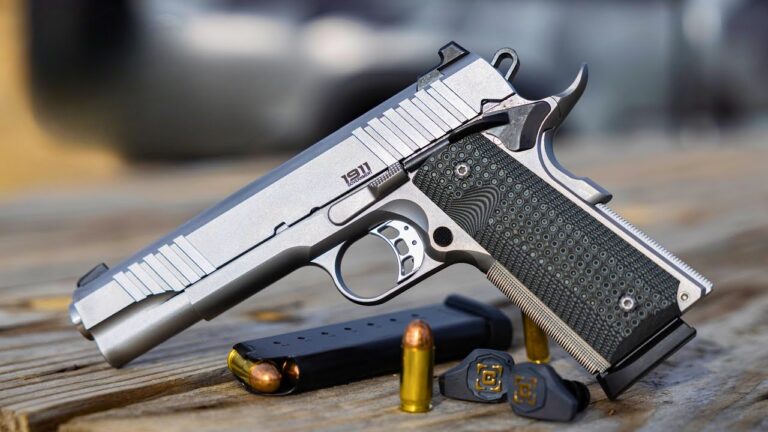
Colt Delta Elite
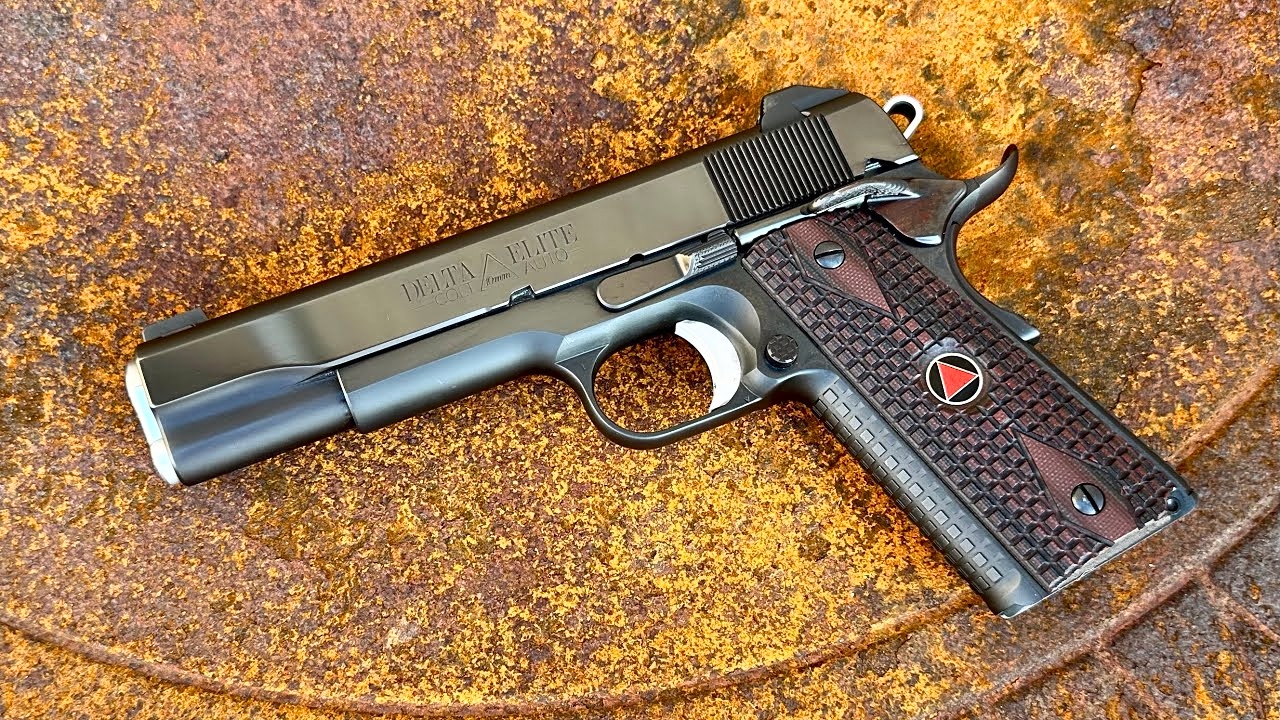
The Colt Delta Elite has a strong following because it brought 10mm power into a classic 1911 package. That combination sounds great to shooters who love old-school pistols and harder-hitting cartridges.
The problem is that the reputation often outruns the actual experience. A 10mm 1911 can be sharp, parts-sensitive, and less forgiving than modern 10mm pistols built around the cartridge from the start. It has collector appeal and cool factor, no doubt. But if you want a hard-use 10mm, the Delta Elite survives more on name and history than raw practicality.
Like The Avid Outdoorsman’s content? Subscribe to our newsletter so you never miss an article.
Here’s more from us: