Photo credit: sootch00/Youtube
The gun market has a short attention span. A new model drops, everyone starts talking, and last year’s perfectly good firearm suddenly feels old. Sometimes the new stuff really is better. Other times, the market just gets bored and moves on before a gun has actually lost its value.
That’s where smart buyers pay attention. The firearms people stop chasing can become some of the better buys around, especially when they’re proven, useful, and no longer carrying the hype tax. These guns became smarter purchases after the crowd started looking elsewhere.
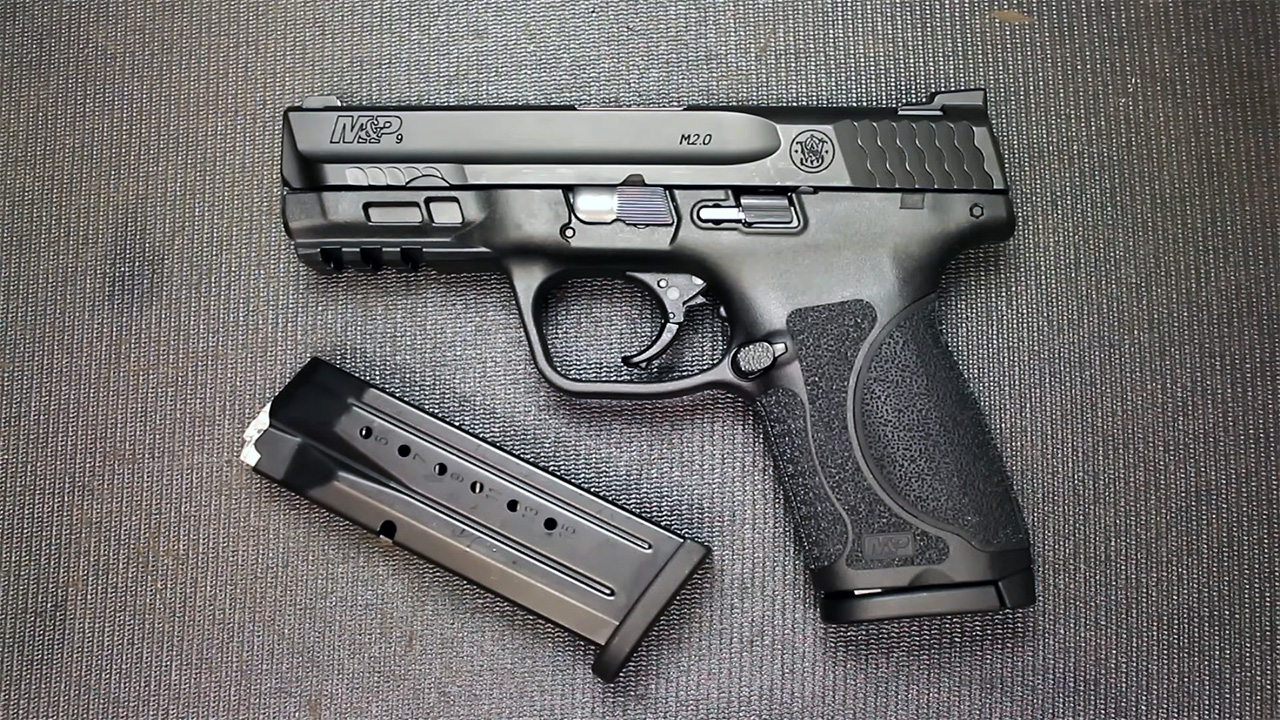
Smith & Wesson M&P9 2.0
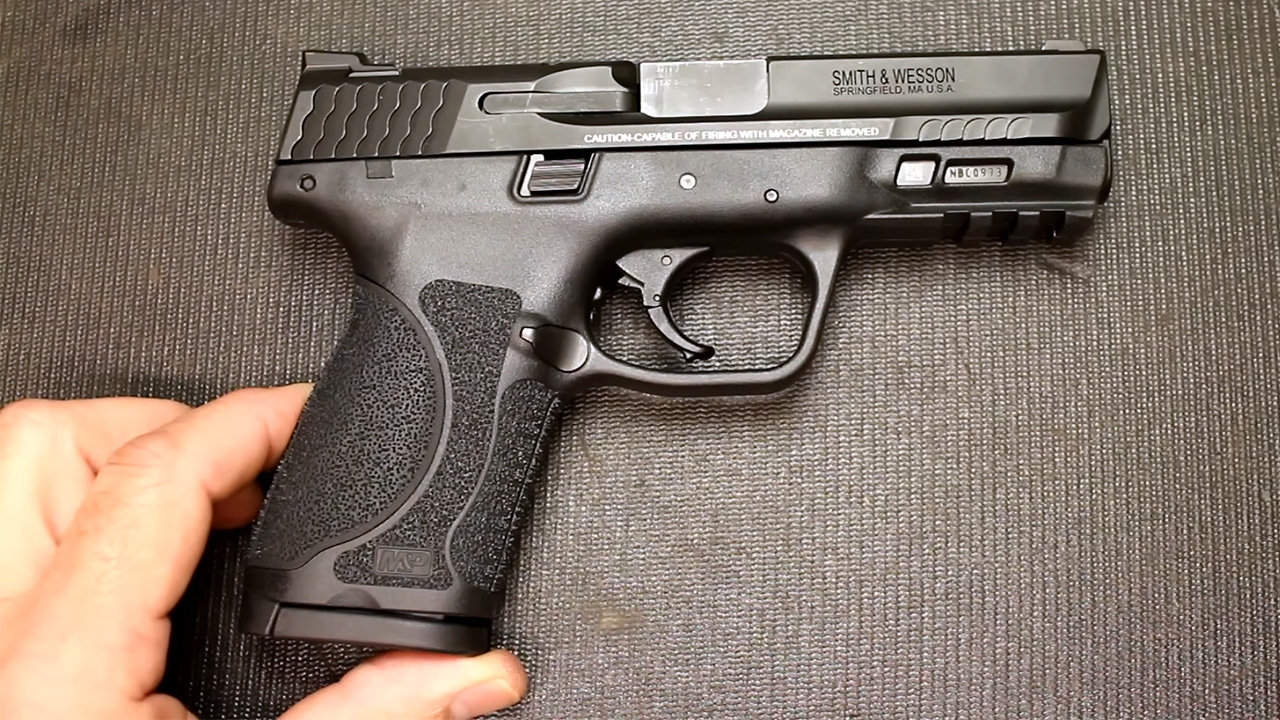
The M&P9 2.0 became a smarter buy once the striker-fired market got crowded and everyone started chasing newer names. It doesn’t always get the default attention Glock does, and it doesn’t have the trendier pull of some newer optic-ready pistols. But the 2.0 line fixed a lot of what shooters complained about in the original M&P.
The grip texture is strong, the trigger is better, and the pistol feels settled during recoil. It works for carry, home defense, range training, and duty-style use depending on the version. Magazines, holsters, and sights are easy enough to find, which matters over time. Once the market moved on to the next big striker pistol, the M&P9 2.0 stayed quietly practical. That made it an even smarter buy for people who cared more about use than buzz.
Winchester XPR

The Winchester XPR became a smarter buy once hunters stopped comparing it emotionally to the Model 70. It was never meant to be the classic Winchester bolt gun with controlled-round-feed romance. It was made to be a practical modern hunting rifle at a more reachable price, and judged that way, it makes a lot of sense.
The XPR has a good trigger, solid accuracy potential, and enough configurations to cover basic deer hunting, rough-weather use, and longer-range setups. It doesn’t have walnut-stock pride, but it also doesn’t ask Model 70 money. Once the market moved toward louder budget rifles and flashier lightweight models, the XPR stayed in a useful middle. It became a smart buy because it did the normal hunting-rifle job without trying too hard.
Ruger American Predator

The Ruger American Predator became smarter after the market started chasing more expensive threaded-barrel rifles and precision-looking hunting setups. At first, the American line looked almost too plain. The stock felt basic, the finish was simple, and the rifle didn’t have much shelf appeal. But the Predator version quietly offered a lot of function.
The heavier-profile threaded barrel, practical chamberings, adjustable trigger, and strong accuracy reputation gave regular hunters and shooters a rifle that did more than its price suggested. It works for predators, deer, hogs, range shooting, and general field use depending on chambering. It isn’t refined, but that’s part of why it makes sense. Once fancier rifles got expensive fast, the Predator started looking like one of the better practical buys.
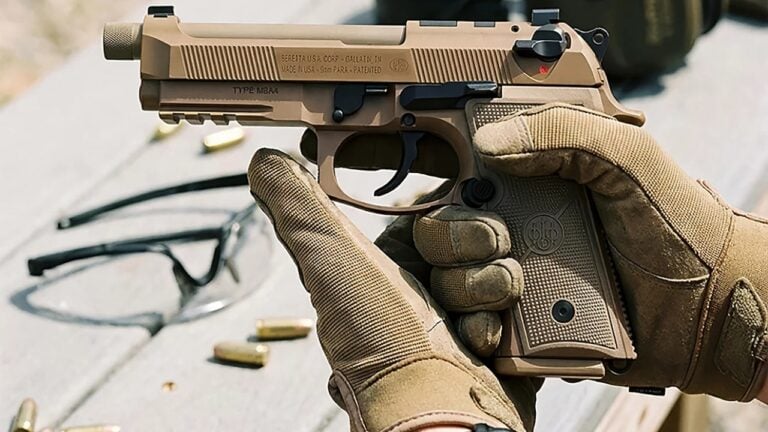
Beretta PX4 Storm
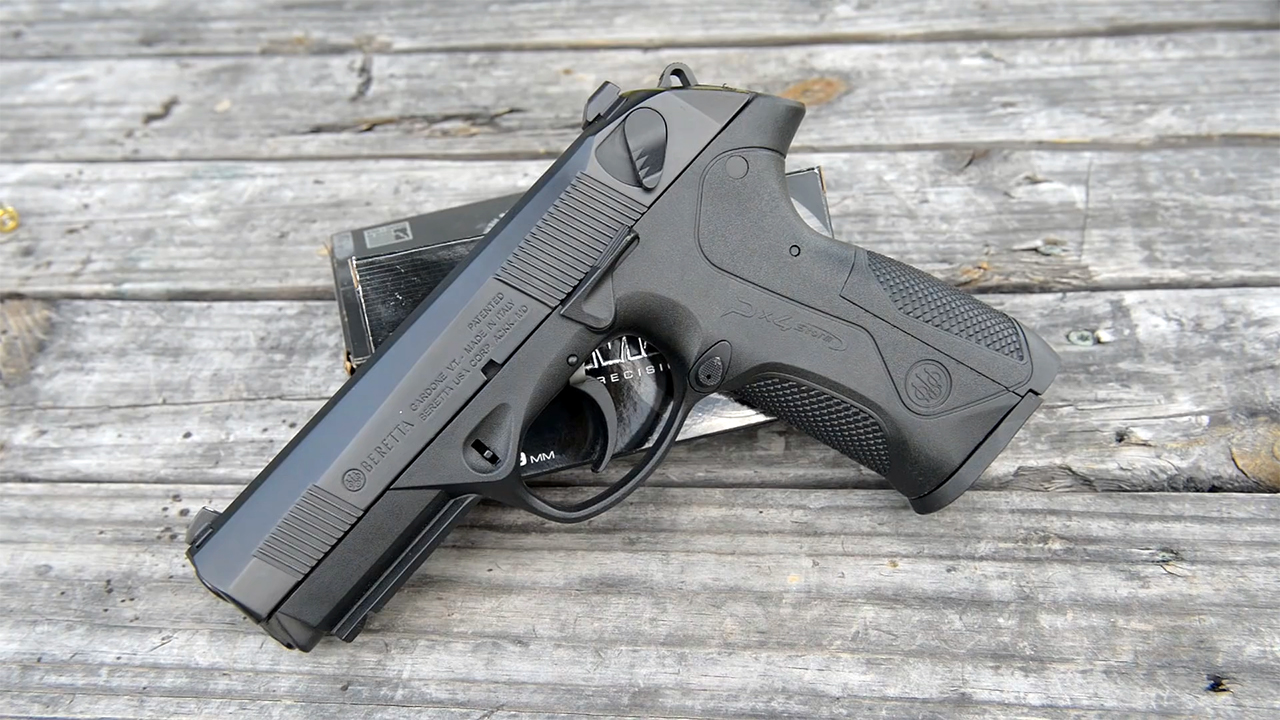
The Beretta PX4 Storm became a smarter buy after the market moved hard toward striker-fired pistols and left oddball DA/SA guns behind. Its rounded styling and rotating barrel system made some shooters dismiss it early, especially when sleeker polymer pistols were getting most of the attention.
That was a mistake for people who care about shootability. The PX4 is softer-shooting than many expect, reliable in many owners’ hands, and more controllable than its looks suggest. The Compact version especially has a loyal following because it carries reasonably well while shooting like a larger pistol. It does require DA/SA practice, and the shape still won’t win everyone over. But once the market got bored, smart buyers saw a pistol that offered real performance without the trendy markup.
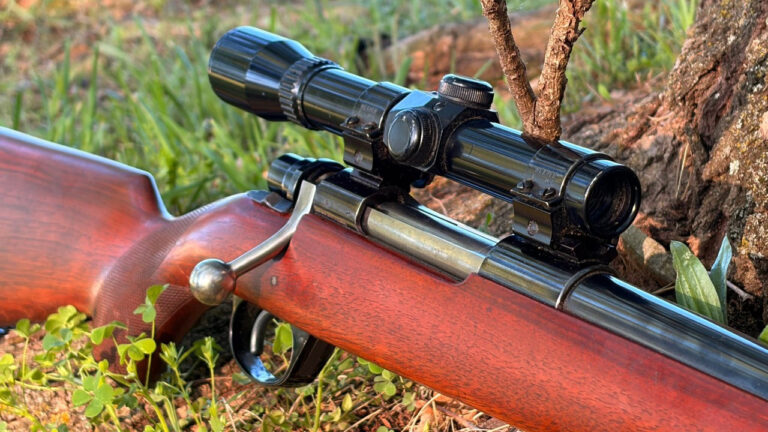
Weatherby Vanguard Series 2

The Weatherby Vanguard Series 2 became a smarter buy once hunters started obsessing over ultralight rifles and premium mountain setups. Those rifles have their place, but not every hunter needs to spend that kind of money or carry the lightest rifle possible. The Vanguard is heavier, sturdier, and much more grounded.
That weight can be a benefit from stands, blinds, and normal field positions. The Howa-built action feels solid, the Series 2 trigger was a major improvement, and many rifles shoot very well with factory ammunition. It doesn’t have Mark V prestige, but it doesn’t need it. Once the market moved toward expensive lightweight rigs, the Vanguard started looking like the sensible rifle for hunters who wanted accuracy, strength, and value more than bragging rights.
Walther PPS M2

The Walther PPS M2 became a smarter buy after high-capacity micro-compacts pushed single-stack 9mms out of the spotlight. On paper, the PPS M2 looks dated now. It holds fewer rounds than newer pistols in similar sizes, and it doesn’t have the same current-market energy behind it.
But it still carries flat, feels good in the hand, and shoots comfortably for a slim pistol. That matters. Some of the newer micro-compacts are impressive, but they can also feel snappy, cramped, or expensive once magazines and holsters are added. The PPS M2 became a smart buy for people who value comfort and consistency over maximum capacity. The market moved on, but the pistol didn’t stop being useful.
Mossberg 940 Pro
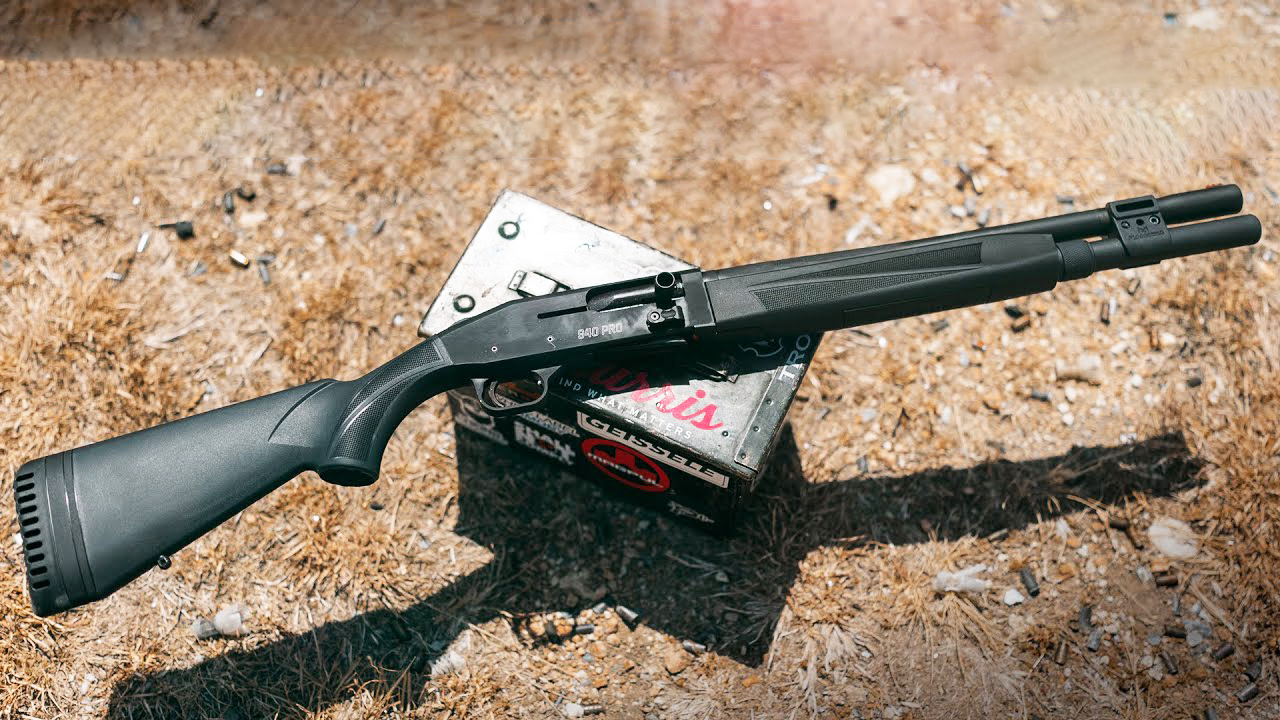
The Mossberg 940 Pro became a smarter buy once semi-auto shotgun buyers realized they didn’t always need to jump straight to the most expensive names. Mossberg had to fight some skepticism because the older 930 had its share of criticism. But the 940 line brought real improvements where they mattered.
Better gas-system design, improved controls, easier loading, and more specialized configurations made the 940 Pro a practical shotgun for hunters and defensive users depending on model. It’s not the cheapest semi-auto and not the most prestigious, but it offers a strong feature set for the money. Once the market moved past old assumptions about Mossberg semi-autos, the 940 Pro started looking like a much smarter buy than people expected.
Canik TP9SFx

The Canik TP9SFx became a smarter buy after shooters stopped treating Canik like a budget curiosity. Early on, many people assumed the low price meant compromises that would show up fast. But the TP9SFx gave range shooters a long-slide, competition-style pistol with a good trigger and generous features at a price that made other options look expensive.
It’s too large for normal carry, and that’s fine. It was built for range use, entry-level competition, and shooters who wanted performance without premium pricing. The trigger is the main selling point, but the overall package gives owners a lot to work with. Once the market moved on from brand snobbery and started judging results, the TP9SFx looked like one of the smarter buys in its lane.
Franchi Affinity 3

The Franchi Affinity 3 became a smarter buy after shotgun buyers stopped treating it like the second-tier Italian option. It doesn’t have the same name pull as Benelli or Beretta, but it offers an inertia-driven system, good field handling, and a price that stays below many premium semi-autos.
That makes it appealing for hunters who want a simple, reliable shotgun without paying top-tier money. It can kick more than gas guns, especially with heavier loads, but it’s easy to maintain and practical in rough hunting conditions. The Affinity 3 fits waterfowl, upland, turkey, and general field use depending on configuration. Once the market kept chasing the bigger names, the Franchi quietly became the smarter buy for hunters who wanted performance without the premium badge.
Ruger Security-9
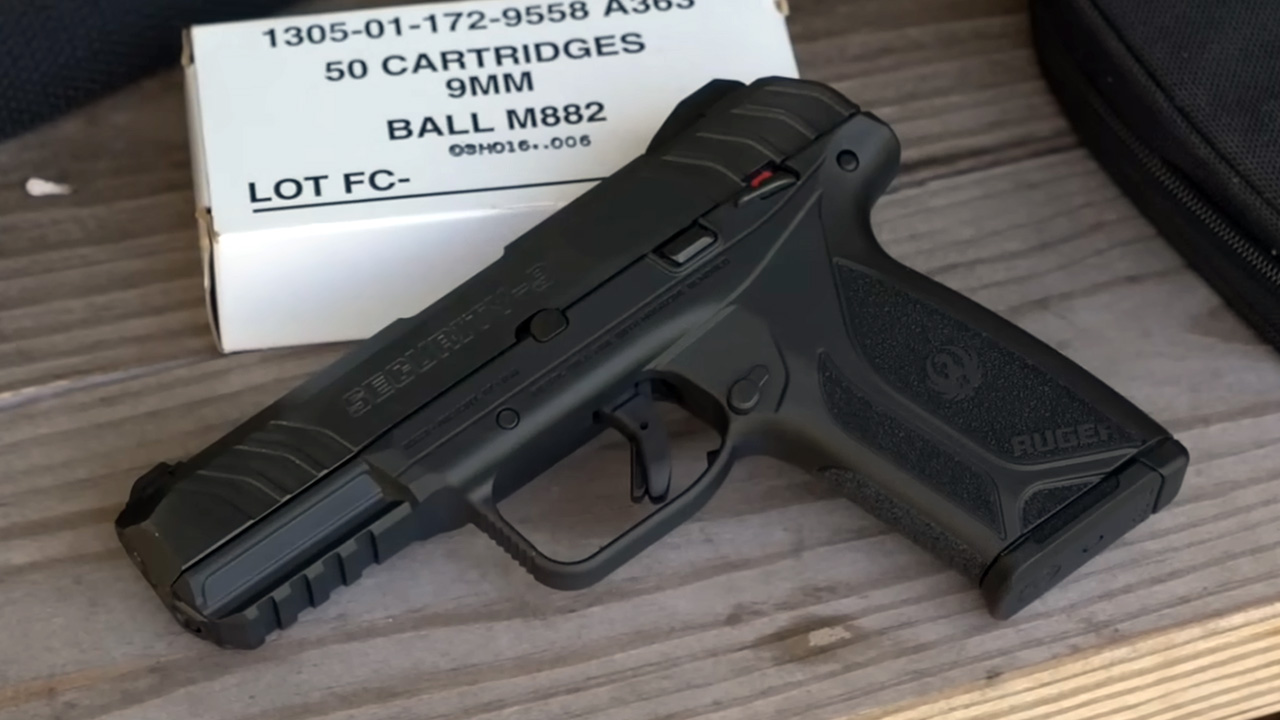
The Ruger Security-9 became smarter after buyers realized not every defensive pistol needed to be expensive, tiny, or packed with extras. It entered a crowded market as a budget-friendly 9mm with simple styling and a hammer-fired internal system that didn’t fit the usual striker-fired conversation.
That plainness actually helped. The Security-9 is affordable, reasonably easy to shoot, and large enough to control better than many smaller carry guns. It isn’t as refined as premium pistols, and the trigger won’t please everyone, but it gives regular buyers a practical defensive handgun from a major manufacturer. Once the market moved toward pricier micro-compacts and optics-ready everything, the Security-9 started looking like a sensible option for someone who just needed a reliable pistol they could afford.
CVA Cascade
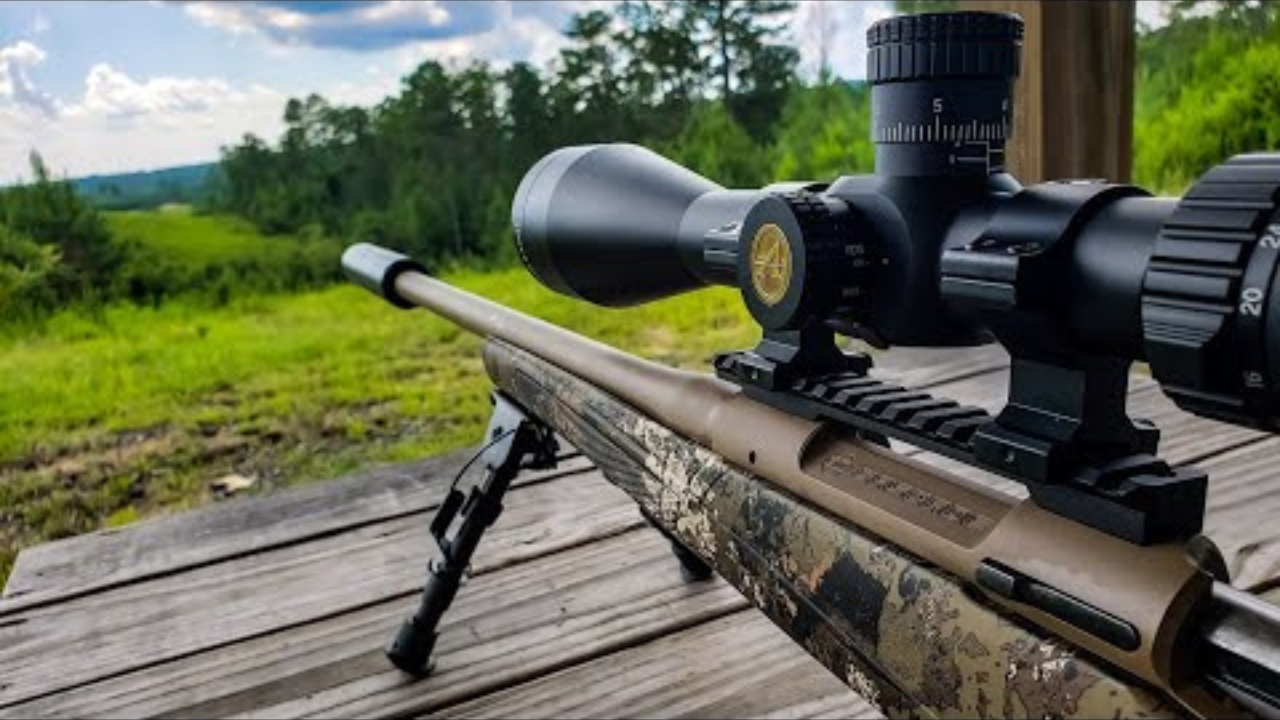
The CVA Cascade became a smarter buy after hunters started realizing CVA could build more than muzzleloaders. At first, some buyers were skeptical because the company wasn’t a traditional centerfire bolt-action name. That hesitation made the Cascade easier to overlook than rifles from more familiar brands.
The rifle proved itself by offering practical accuracy, a usable trigger, threaded barrels on many models, and configurations that made sense for real hunting. It comes in chamberings suited for deer, hogs, predators, and general use depending on setup. It’s not a luxury rifle, but it doesn’t feel like a throwaway budget gun either. Once the market stopped treating CVA centerfires like a gamble, the Cascade became one of the smarter buys for regular hunters.
Springfield Armory XD-M Elite

The XD-M Elite became a smarter buy after the market moved on from the older XD arguments and started judging the updated pistol more fairly. Some shooters still dislike grip safeties or the XD styling, and that’s fine. But the Elite line brought useful improvements that made it more competitive than critics wanted to admit.
The trigger improved, capacity was strong, and the pistols were available in practical configurations for carry, range use, and defensive setups. They may not have the same cool factor as Glock, SIG, or Walther among certain shooters, but they work well for owners who like the grip and controls. Once the internet moved on to newer targets, the XD-M Elite became a smart buy for people willing to ignore old reputation baggage.
Savage Axis II

The Savage Axis II became a smarter buy after the rifle market got crowded with budget bolt-actions that all promised accuracy. The original Axis looked cheap and felt basic, which hurt perception. But the Axis II added the AccuTrigger, and that made a real difference in shootability.
It still doesn’t feel premium. The stock is basic, the finish is plain, and nobody mistakes it for a high-end sporter. But the rifle often shoots well enough for deer hunting, predator work, and range use. That’s what matters for a lot of buyers. Once the market started chasing more expensive “budget-plus” rifles, the Axis II remained one of the lower-cost options that could still get the job done. That makes it smart, not glamorous.
Smith & Wesson SD9VE
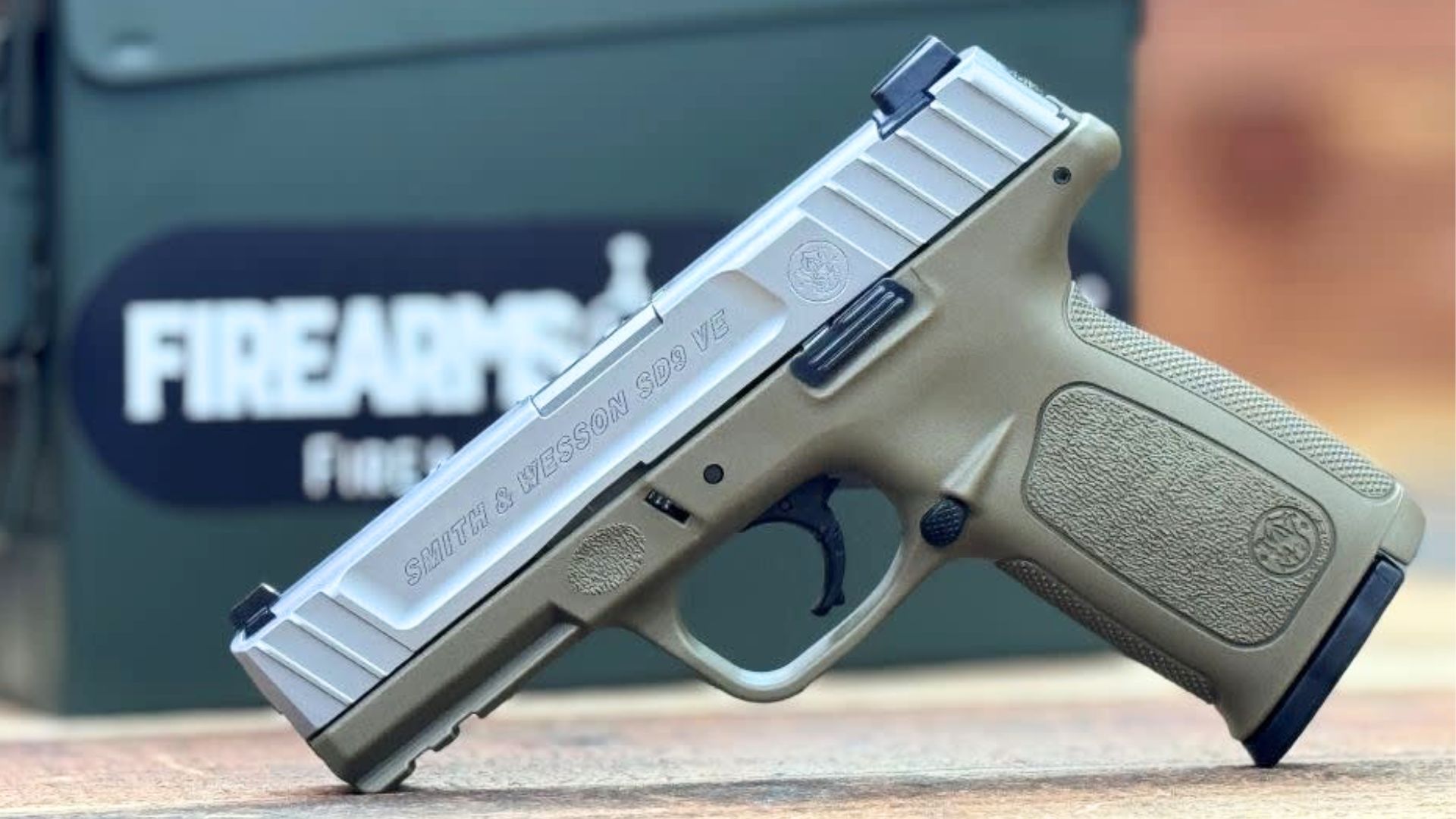
The Smith & Wesson SD9VE became a smarter buy after people stopped expecting it to be something it wasn’t. It is not an M&P 2.0, and the trigger is heavier than many shooters prefer. But as an affordable full-size 9mm from a major manufacturer, it gave budget-minded owners a real option.
The SD9VE is simple, practical, and often reliable enough for range use and home defense when properly tested. It doesn’t offer the refinement of more expensive pistols, but it also doesn’t cost like them. Once the market moved toward pricier carry pistols and feature-packed handguns, the SD9VE still made sense for someone who needed a basic defensive gun and could train around the trigger. The smart buy is sometimes the honest one.
Henry Steel Lever Action .30-30

The Henry Steel Lever Action .30-30 became a smarter buy after older Marlins and Winchesters started getting more expensive. For a long time, many hunters treated Henry as more of a rimfire or brass-framed lever-gun company. That made some people slow to take the steel .30-30 seriously.
They shouldn’t have. The steel receiver keeps weight reasonable, Henry’s action is smooth, and side-gate models added the loading style many lever-action hunters wanted. In .30-30 Winchester, it fits real deer woods perfectly. It may not have old Marlin nostalgia, but it offers a practical modern lever gun at a time when classic used rifles can get pricey. Once the market moved on from old-name bias, the Henry looked like a smart buy.
Like The Avid Outdoorsman’s content? Be sure to follow us.
Here’s more from us: