Photo credit: CW Longshot/Youtube
Every hunter has at least one rifle they remember seeing at a fair price and walking away from. Maybe it seemed too common at the time. Maybe the budget wasn’t there. Maybe another gun looked more exciting. Then a few years passed, prices climbed, and that same rifle suddenly looked like the deal of the decade.
The rifles that jump in price usually have something the market didn’t fully appreciate at first. Quality, discontinued production, useful chamberings, old-school handling, or a role that newer rifles don’t fill the same way. These are the rifles hunters wish they had bought before the used racks got painful.
Marlin 336 JM-Stamped Rifles
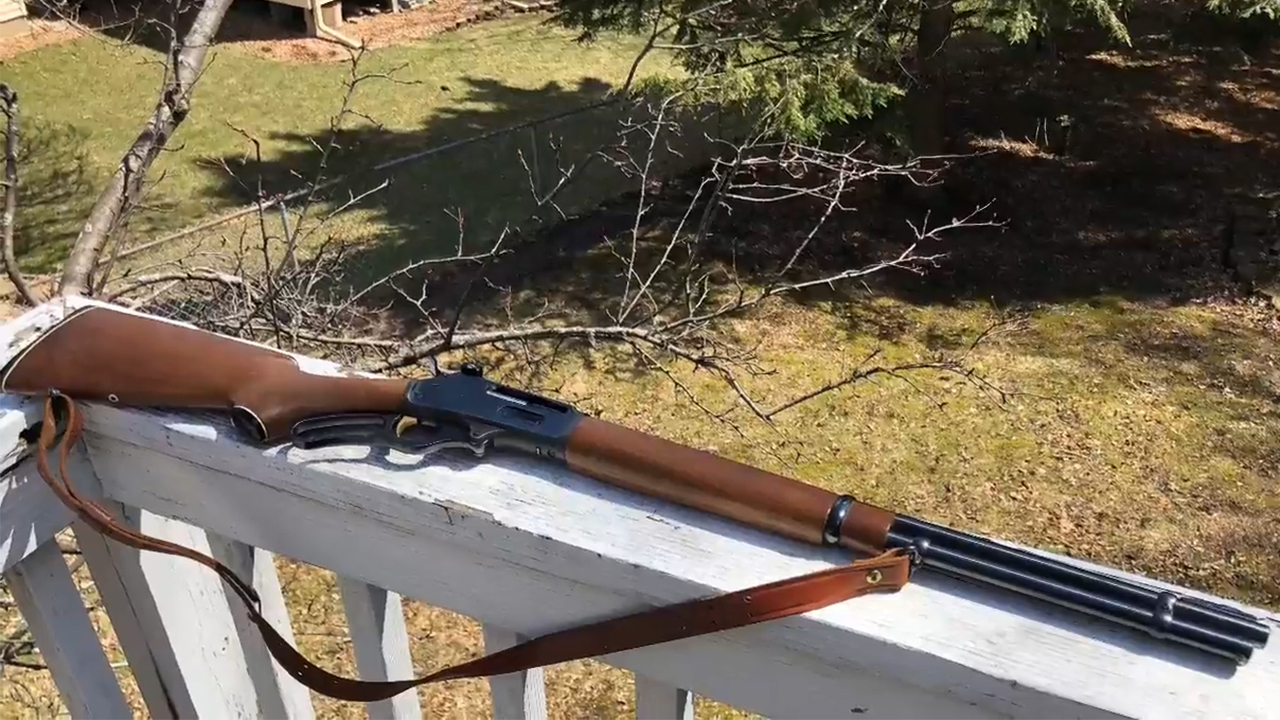
The Marlin 336 used to be one of the most normal deer rifles in the country. A .30-30 lever gun was something you saw everywhere, and that made it easy to take for granted. Hunters passed on clean older examples because they assumed another one would always be sitting in the next shop.
Then older JM-stamped rifles started drawing more attention, and prices showed it. A good 336 still does exactly what deer-woods hunters need. It carries well, shoulders fast, and works beautifully inside normal timber distances. It is not a long-range rifle, and that has never been the point. Hunters who passed on clean examples before the market climbed are now finding out that practical, well-loved lever guns are not as cheap as they used to be.
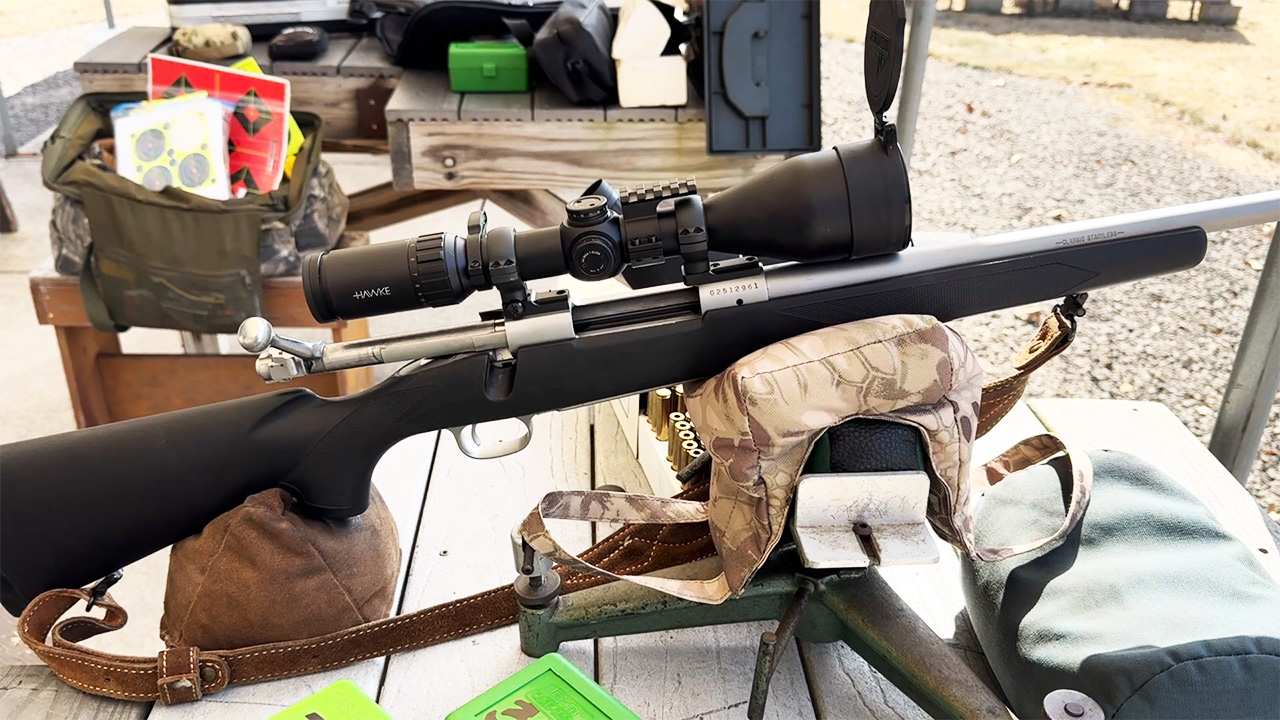
Winchester Model 70 Classic Stainless

The Winchester Model 70 Classic Stainless is one of those rifles hunters wish they had bought when it still looked like a normal used hunting rifle. Controlled-round feed, stainless construction, and the Model 70’s three-position safety give it a serious field personality. At the time, plenty of hunters probably saw it as a nice rifle, but not something urgent.
That changed as controlled-round-feed Classics gained more appreciation. The Classic Stainless has the kind of weather-ready confidence hunters want without feeling like a disposable synthetic rifle. It is not the lightest option, but it feels sturdy and dependable. Desirable chamberings and clean condition can make the price sting now. Anyone who wanted one but kept waiting probably knows exactly how much that hesitation cost.
Ruger No. 1

The Ruger No. 1 has always had a certain pull, but it was easy to postpone because it was never the most practical rifle in the rack. A single-shot falling-block rifle asks the hunter to slow down and make one round count. A bolt-action with a magazine seemed easier to justify for many buyers.
Then certain chamberings and configurations became harder to find, and prices started making hunters wish they had acted sooner. The No. 1 is strong, handsome, compact for its barrel length, and full of character. It doesn’t fit every hunt, especially where fast follow-up shots matter. But that uniqueness is exactly why people chase them now. Practical rifles are everywhere. A good No. 1 in the right chambering is not.
Savage Model 99

The Savage Model 99 used to be easier to find as an old deer rifle than it is now as a clean collectible shooter. For years, hunters saw them in .300 Savage, .308 Winchester, .250-3000 Savage, and other chamberings without treating them like future treasures. Many were used hard because they were working rifles.
Now good ones bring more attention because the design is so different from what hunters usually see today. The Model 99 offered lever-action speed with cartridge capability that traditional tube-fed rifles couldn’t match. The rotary magazine on many versions was a clever answer to a real problem. Condition matters a lot, and repairs can be more involved than with simpler rifles. That only makes clean rifles more desirable. Waiting too long hurts here.
Remington Model Seven

The Remington Model Seven is a compact hunting rifle that many hunters wish they had bought before prices got less friendly. It looked like a smaller Model 700, and that made some buyers underestimate it. If they didn’t need a compact rifle at the time, they probably walked right past it.
Now the Model Seven’s size makes a lot more sense. It is handy in blinds, thick timber, and tight stands, while chamberings like 7mm-08 Remington, .243 Winchester, and .308 Winchester give it real deer-rifle capability. It carries easily without feeling like a cheap youth rifle. Clean examples, especially stainless or desirable configurations, are not as casual to buy as they once were. Hunters who like compact rifles know they should have grabbed one earlier.
Marlin 1894C
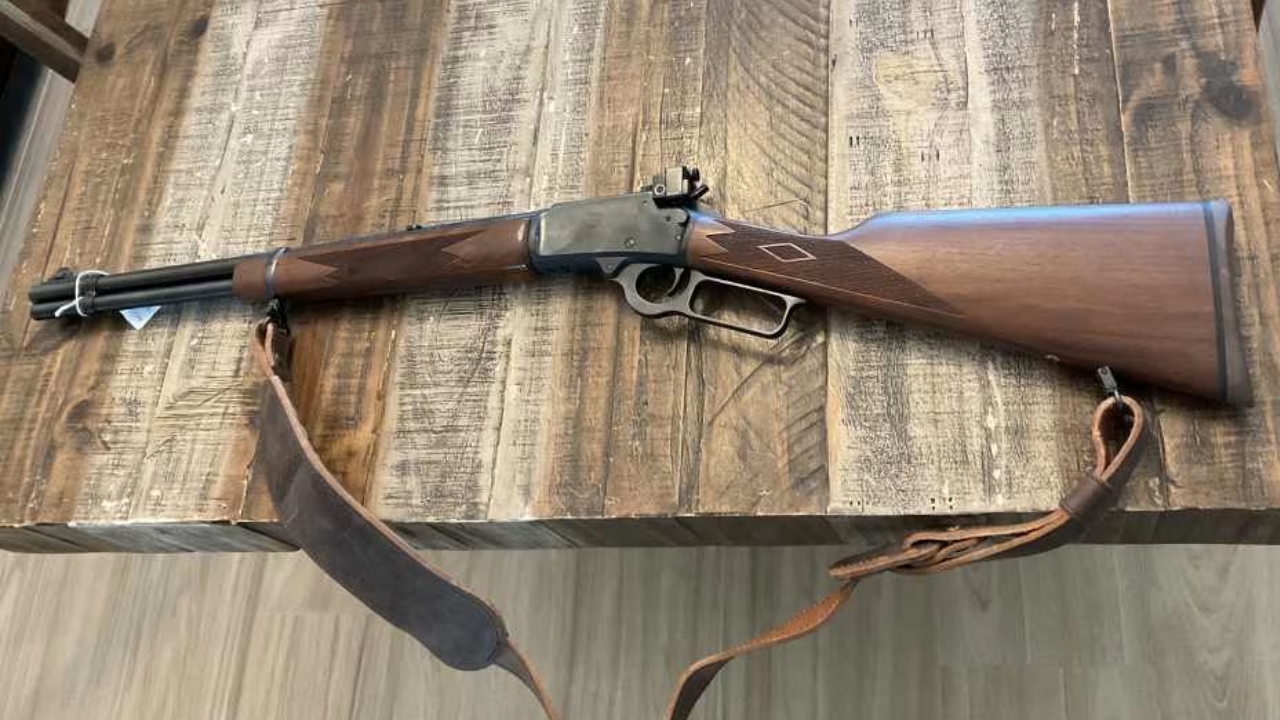
The Marlin 1894C is one of those rifles that went from useful little carbine to “why didn’t I buy one?” status. A .357 Magnum lever gun didn’t always feel urgent when prices were lower. It was fun, handy, and practical, but plenty of buyers figured they could get one later.
Later got expensive. The 1894C can run .38 Special for easy range time and .357 Magnum for field use where legal and appropriate. It is light, quick, and useful around rural property or in thick cover. Older Marlins also gained more attention as shooters started caring about production era and condition. A rifle that once seemed like a nice someday purchase now has hunters watching used listings and wishing they had moved faster.
Browning BLR Lightweight Stainless
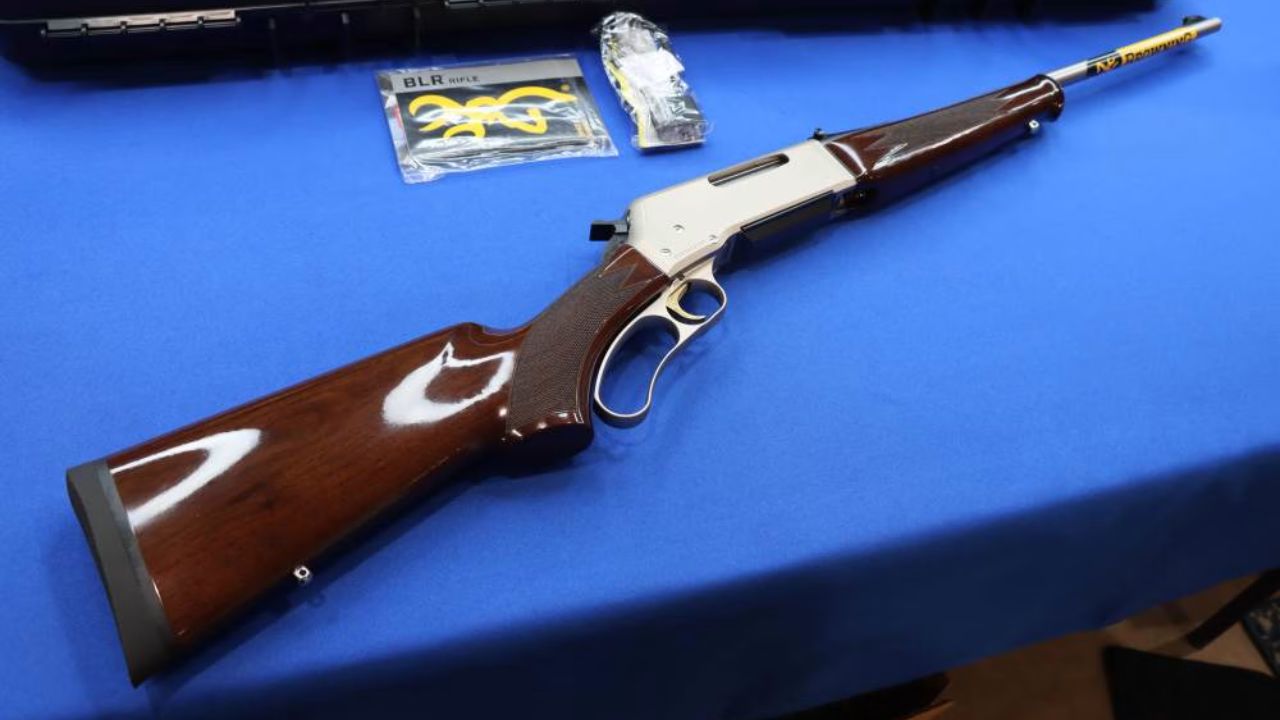
The Browning BLR Lightweight Stainless is a rifle hunters wish they had bought because it fills a lane most rifles don’t. It gives lever-action handling with modern cartridge capability thanks to its rotating bolt and detachable magazine. That means pointed-bullet cartridges like .308 Winchester, .243 Winchester, and 7mm-08 Remington can work in a fast-handling lever gun.
The stainless version adds weather resistance, which makes it even more useful in real hunting conditions. Some hunters passed on the BLR because it wasn’t a traditional lever gun and wasn’t a simple bolt-action. That middle-ground identity is exactly why it became desirable. Once prices climbed, the people who understood the design looked smarter than the ones who waited.
Winchester Model 88

The Winchester Model 88 is another rifle that hunters often wish they had bought before clean examples got harder to find. It had lever-action handling, a rotating bolt, and a detachable magazine, which gave hunters modern cartridge performance in a slim, fast rifle. That design didn’t always get the appreciation it deserved.
Now it stands out because almost nothing current feels the same. Chamberings like .308 Winchester, .243 Winchester, and .284 Winchester keep the Model 88 useful for deer hunting when the rifle is in good condition. It does have quirks, and age means buyers need to inspect carefully. But a good one has personality and practical value. Passing on one years ago can feel like a very expensive mistake now.
Ruger 77/44
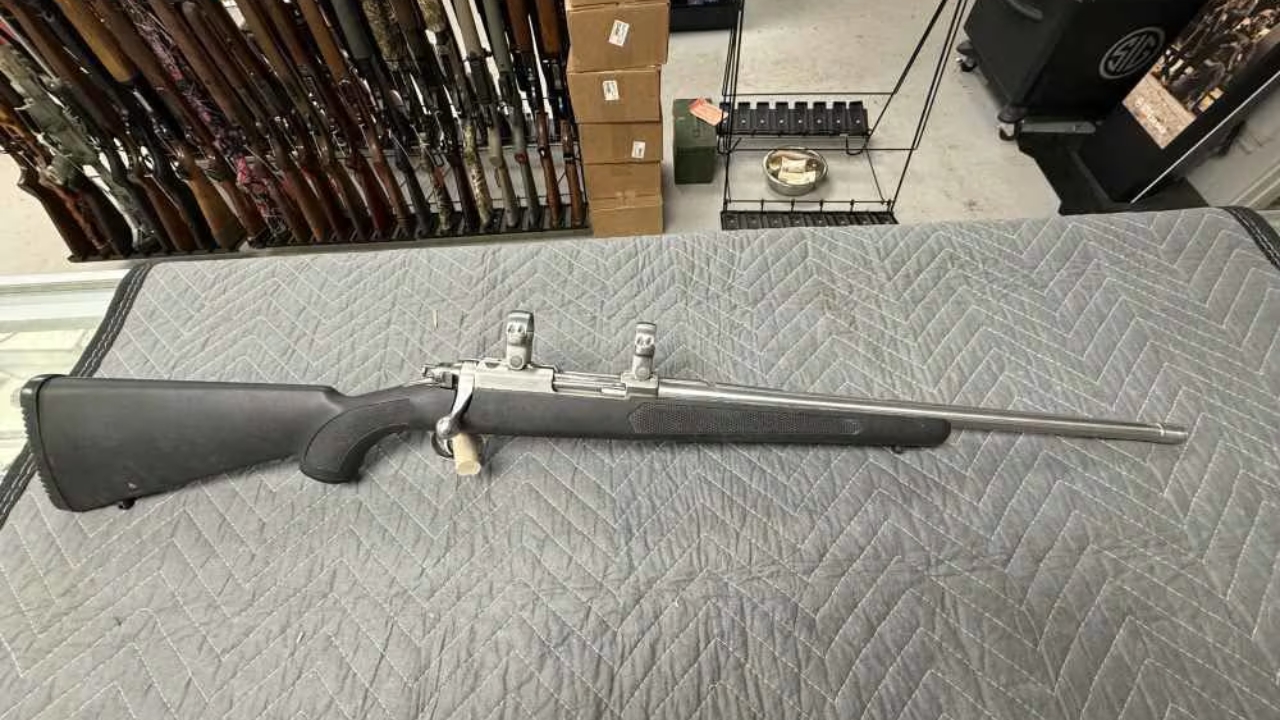
The Ruger 77/44 was easy to ignore if a hunter didn’t need a short-range bolt-action .44 Magnum rifle. It looked niche, and niche guns are always easy to postpone. Lever-action fans had other options, and bolt-action hunters usually wanted flatter-shooting cartridges.
Then hunters started realizing how useful a compact .44 Magnum bolt gun can be in the right setting. It works well for thick cover, hogs, deer at sensible ranges where legal, and rural property use. The rotary magazine keeps it compact, and the bolt action makes it simple. It is not a long-range rifle, and nobody should pretend otherwise. But rifles that fill a narrow role well often get expensive once people realize the role matters.
CZ 527 Carbine
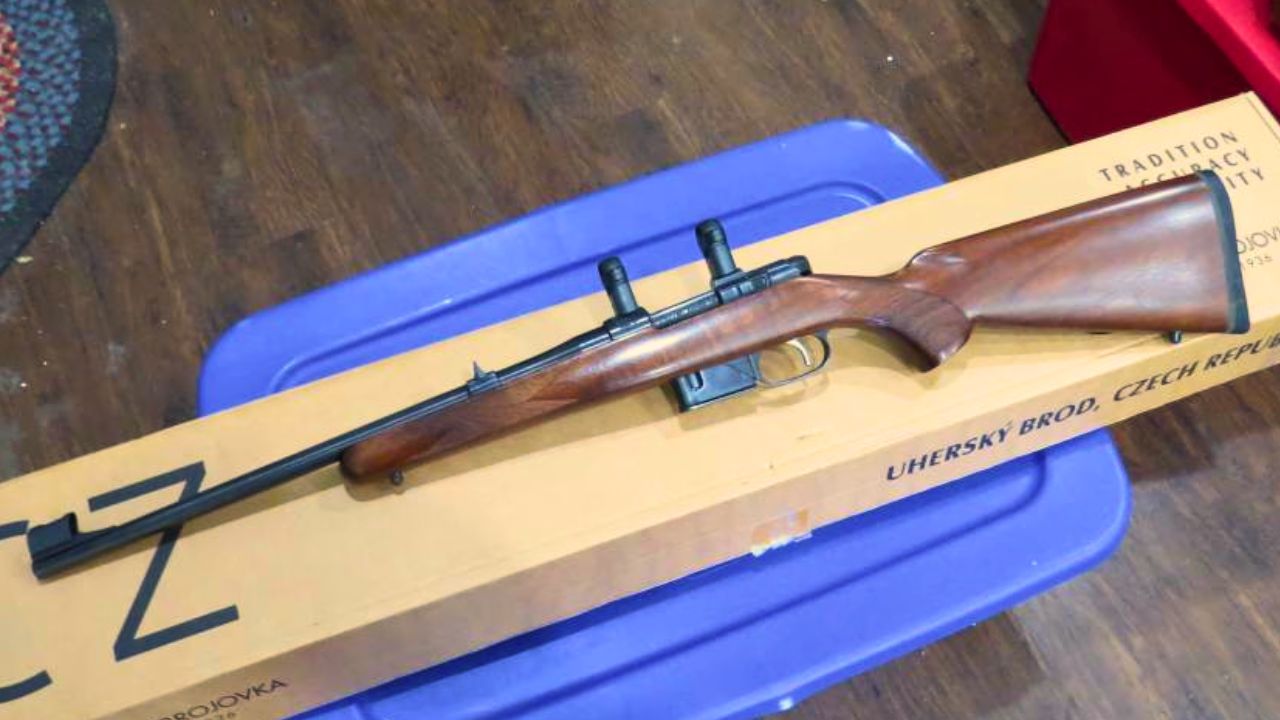
The CZ 527 Carbine has become one of those rifles that makes hunters and shooters wince when they remember passing on one. It was compact, unusual, and built around a mini-Mauser-style action. At the time, some buyers didn’t know where it fit, especially with ARs dominating the .223 conversation and bigger bolt-actions owning the deer-rifle aisle.
Now that little CZ looks smart. In chamberings like .223 Remington and 7.62×39, it works for predators, range shooting, ranch carry, and small-to-medium game where legal and appropriate. It has charm, accuracy potential, and a handling feel newer rifles don’t always duplicate. Once discontinued, clean examples became much more interesting. Waiting until after everyone noticed was not the cheap route.
Winchester Model 9422
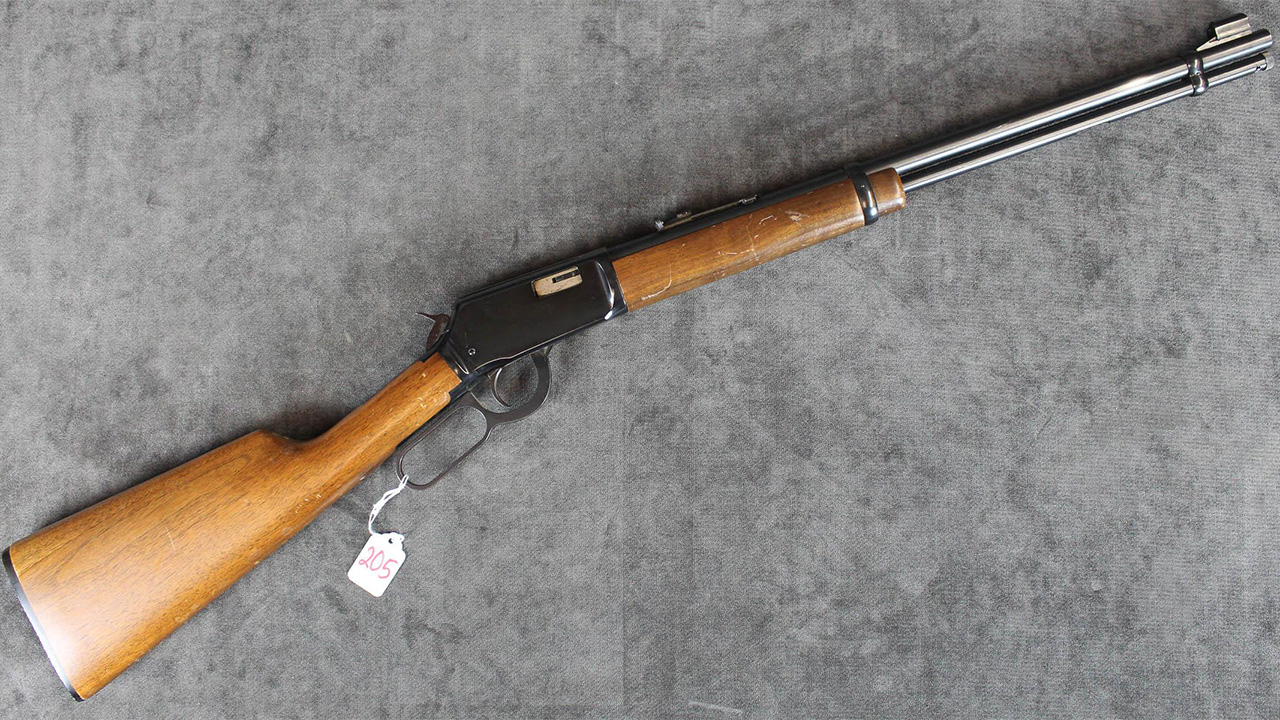
The Winchester Model 9422 proves that rimfires can punish procrastination too. For years, hunters and shooters treated lever-action .22s like fun little rifles that would always be around. A lot of people wanted a 9422 eventually, but not enough to buy one when prices were still easier to swallow.
Now clean examples can be painful to chase. The 9422 is smooth, well-built, and satisfying in a way many cheaper rimfires are not. It works for small game, plinking, and teaching young shooters, but it also has enough quality to keep experienced owners attached. A good .22 often gets used more than centerfire rifles, which makes waiting even harder to justify. Plenty of hunters wish they had bought one before the market caught up.
Remington 7600 Carbine

The Remington 7600 Carbine is a rifle hunters wish they had bought back when pump rifles were easier to overlook. In some regions, these rifles were always respected. In others, hunters walked past them because bolt-actions seemed more normal. That regional reputation kept some buyers from seeing the appeal.
The carbine version is especially handy in deer woods, thick timber, and drive-hunting country. Hunters who grew up with pump shotguns often run the 7600 naturally, and that familiarity matters when shots happen fast. It is not a benchrest rifle, and it doesn’t need to be. Good carbines in useful chamberings have become more desirable because fast, compact woods rifles are not as common as they should be. Waiting too long made them tougher to buy.
Sako L579 Forester

The Sako L579 Forester is a rifle many hunters wish they had appreciated earlier. Older Sakos have a level of refinement that feels different from a lot of modern production rifles. Smooth actions, good triggers, and careful stock work make them stand out once a hunter handles one.
For years, some buyers saw them as nice older sporters but still passed them up for newer rifles with flashier features. That was shortsighted. The Forester has a balanced medium-action feel and chamberings like .243 Winchester and .308 Winchester that remain practical for deer and similar game. Clean examples are increasingly appreciated by people who care about rifle feel, not just price or specs. The hunters who passed on them when they were cheaper usually know it now.
Browning A-Bolt Micro Hunter
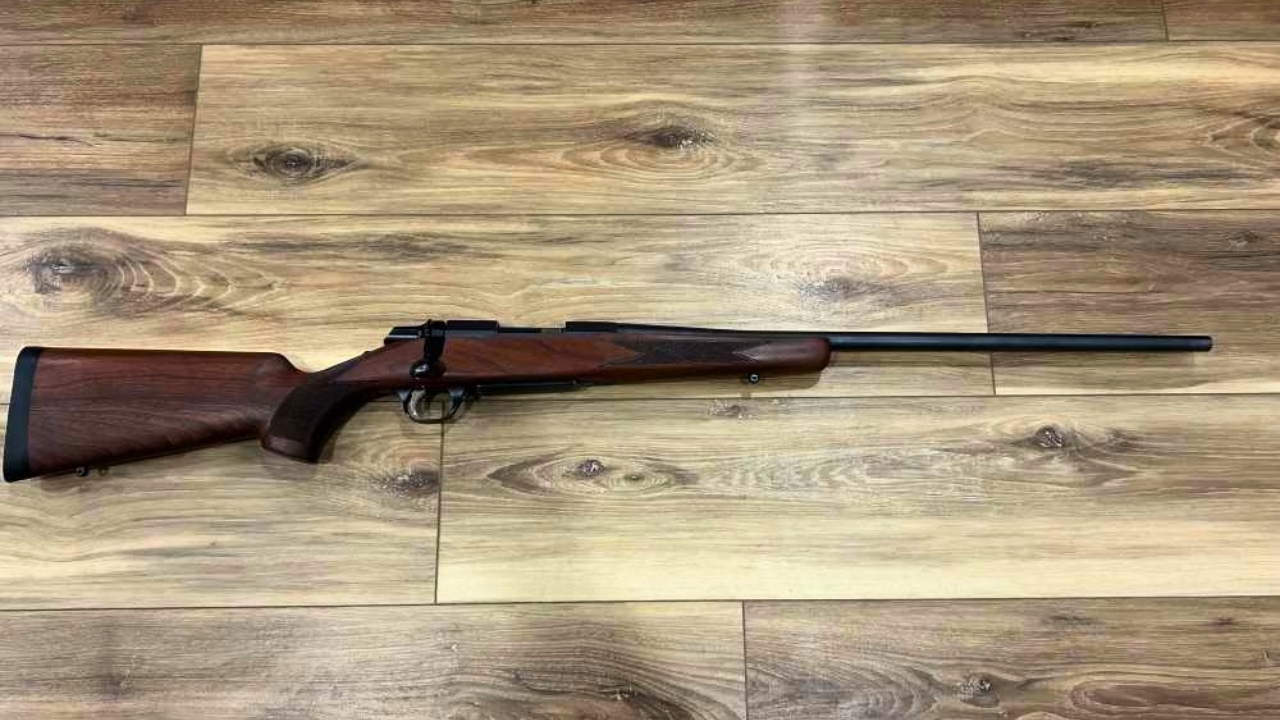
The Browning A-Bolt Micro Hunter is the kind of compact rifle hunters wish they had bought before clean ones became tougher to find. Many compact rifles are treated like temporary youth guns or budget tools. The Micro Hunter felt more polished than that, which is why people miss it.
It had Browning’s short bolt lift, good handling, and a compact size that worked well for smaller-framed hunters, tight blinds, and thick woods. It didn’t feel like a toy, and that matters. Hunters who passed on one because they didn’t need a compact rifle at the moment may now regret it. A short rifle with quality feel is not as easy to replace as a generic youth model from the rack.
Thompson/Center Icon
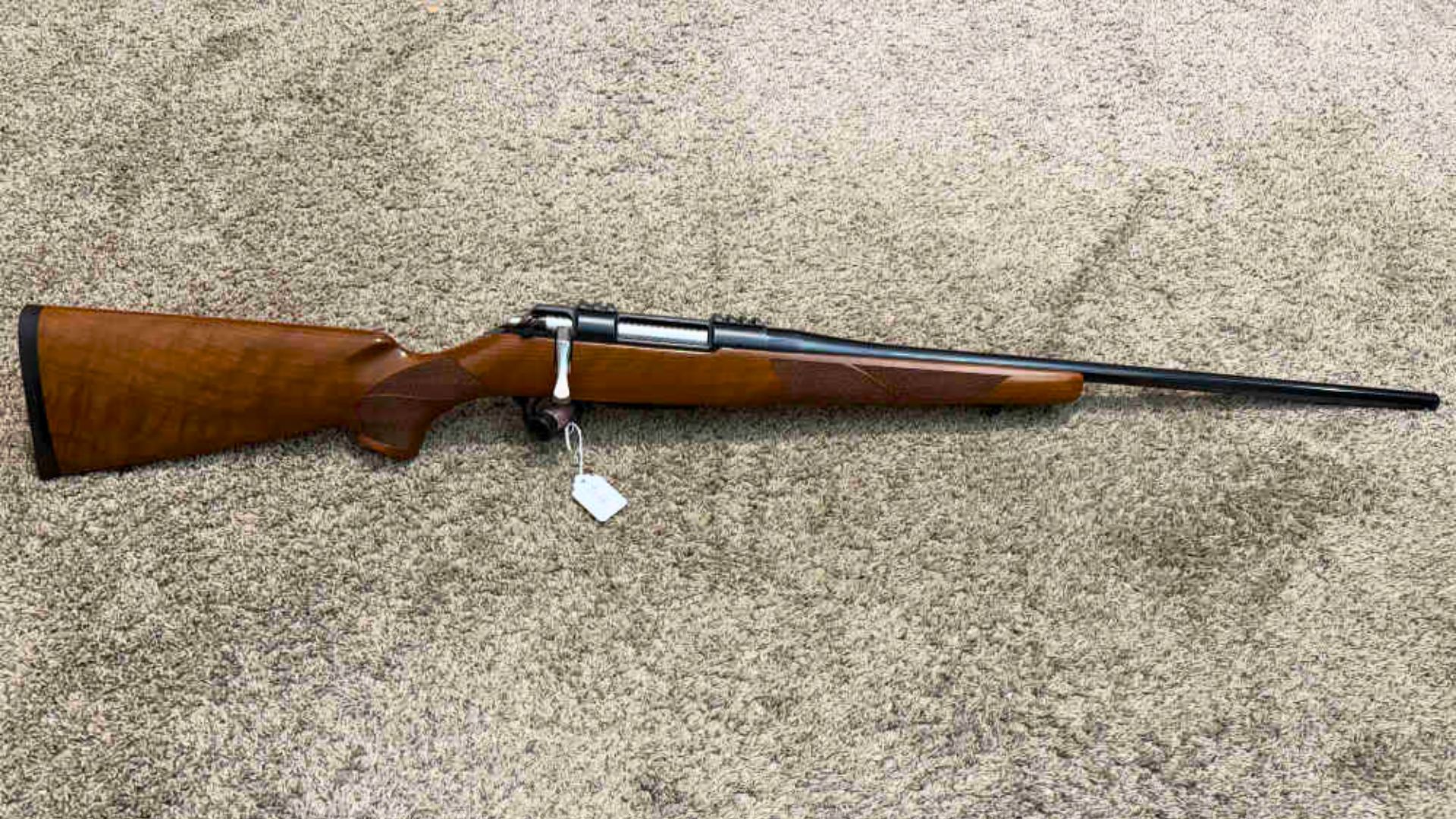
The Thompson/Center Icon didn’t get the market attention it deserved, and hunters who ignored it may wish they had looked closer. It came from a company better known for single-shots and muzzleloaders, which probably hurt its chances in the crowded bolt-action rifle world. Many buyers stuck with familiar names instead.
That means they missed a rifle that felt more refined than expected. The Icon had a smooth action, good accuracy reputation, strong stock options, and a design that felt like Thompson/Center was genuinely trying to build something better. It did not last long enough in the market, which makes good used examples more interesting now. Parts support is something buyers should consider, but as a rifle, the Icon deserved more attention before prices and scarcity made the search harder.
Like The Avid Outdoorsman’s content? Be sure to follow us.
Here’s more from us: