Photo credit: rangehot.com/YouTube
Lever-action rifles are no longer the inexpensive woods guns that filled used racks a generation ago. Interest in pistol-caliber carbines, suppressor-ready hunting rifles, straight-wall cartridges, and traditional American firearms has pushed demand well beyond the old cowboy-action crowd. At the same time, several desirable rifles are produced in limited batches or disappear from catalogs without much warning.
That does not mean every lever gun is a smart purchase. Decorative editions and heavily accessorized models can cost far more than their practical value justifies. The rifles worth buying are the ones with useful chamberings, proven actions, distinctive construction, or configurations that would be difficult to replace after production ends. These 20 rifles deserve a closer look while they can still be found without paying collector-level prices.
Marlin Model 1894 Classic .357 Magnum

The Ruger-built Marlin 1894 Classic in .357 Magnum is one of the safest long-term buys in the lever-action market. It combines traditional walnut and blued steel with modern manufacturing, a side-loading gate, and a receiver that readily accepts an optic. The .357 Magnum chambering also allows the rifle to fire many .38 Special loads.
That ammunition flexibility makes the 1894 useful for recreational shooting, property protection, and close-range deer or hog hunting with appropriate ammunition. Recoil is mild, capacity is useful, and a matching revolver can share the same cartridges. Demand for quality .357 lever guns remains strong, and clean examples rarely become easier to find after a production interruption.
Marlin Model 1894 Trapper 10mm Auto
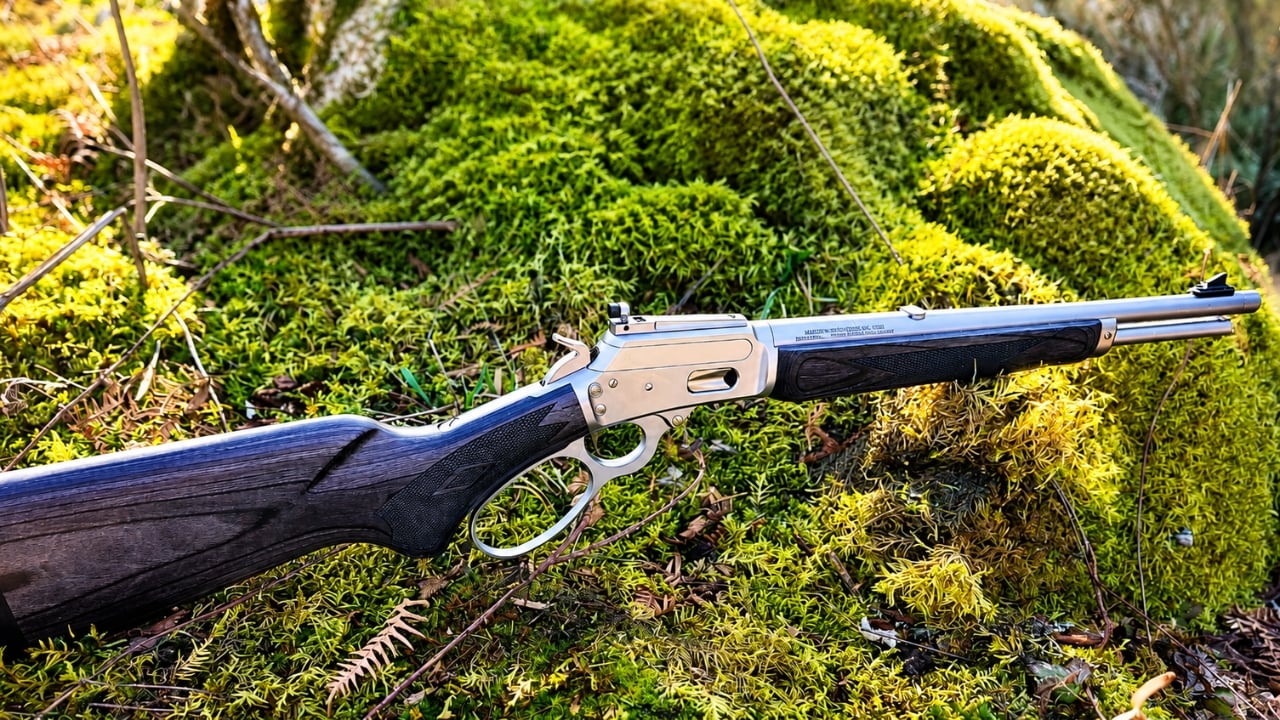
The 10mm Model 1894 Trapper is a genuinely unusual rifle rather than another cosmetic lever-gun variation. Marlin introduced it in late 2025 as its first lever action chambered in 10mm Auto, pairing the cartridge with a short stainless barrel and compact Trapper configuration.
A 10mm lever rifle will not replace a .30-30 for general deer hunting, but it offers ammunition commonality with powerful semiautomatic field pistols. The chambering, compact dimensions, and first-of-its-kind status could make early production examples particularly desirable. It is exactly the type of rifle shooters may dismiss as strange until it disappears and used prices begin climbing.
Marlin Model 336 Classic
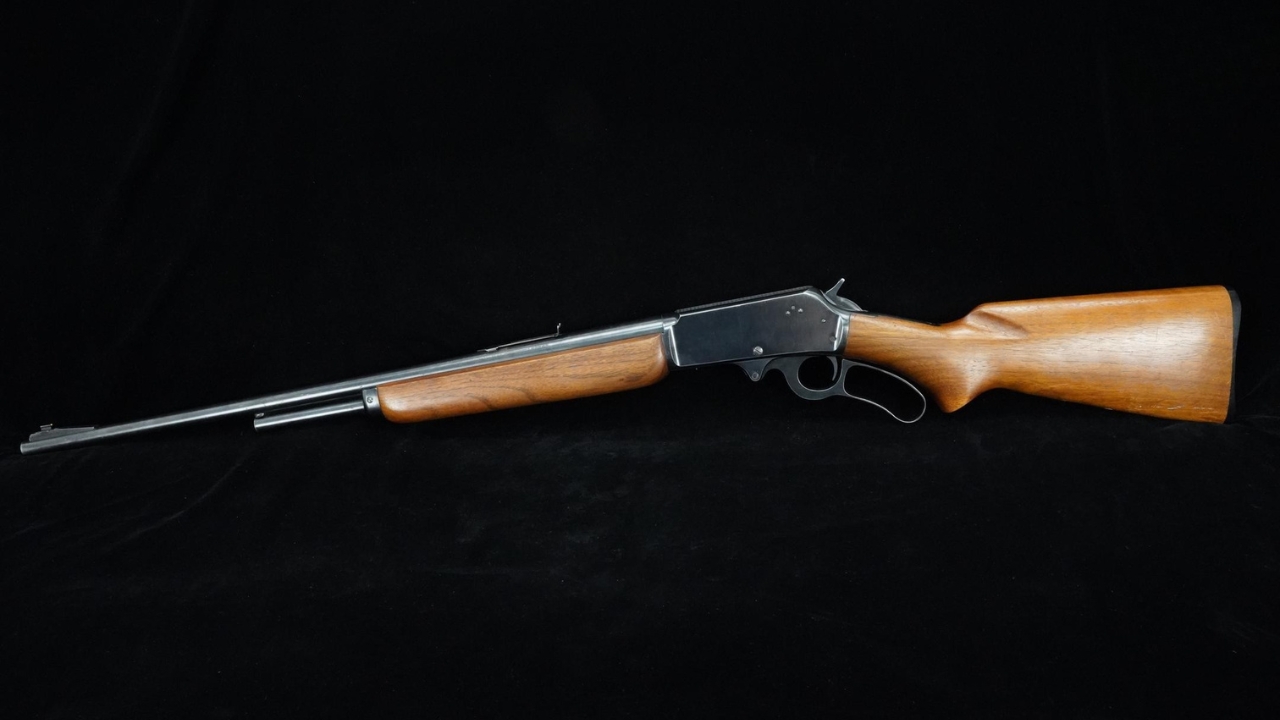
The Model 336 Classic is the rifle many hunters picture when someone mentions a traditional deer lever gun. Its walnut stock, blued receiver, side ejection, and .30-30 Winchester chambering give it a familiar appearance without turning it into a display-only reproduction.
Ruger’s return of the 336 restored a rifle that had been difficult to recommend during parts of Marlin’s previous production history. The current rifle fills a role that short tactical models do not. It is light enough to carry through timber, powerful enough for ordinary deer and hog hunting, and easy to mount with a low-powered scope. Traditional configurations are often the first to become expensive when catalogs shift toward modern versions.
Marlin Model 1895 SBL
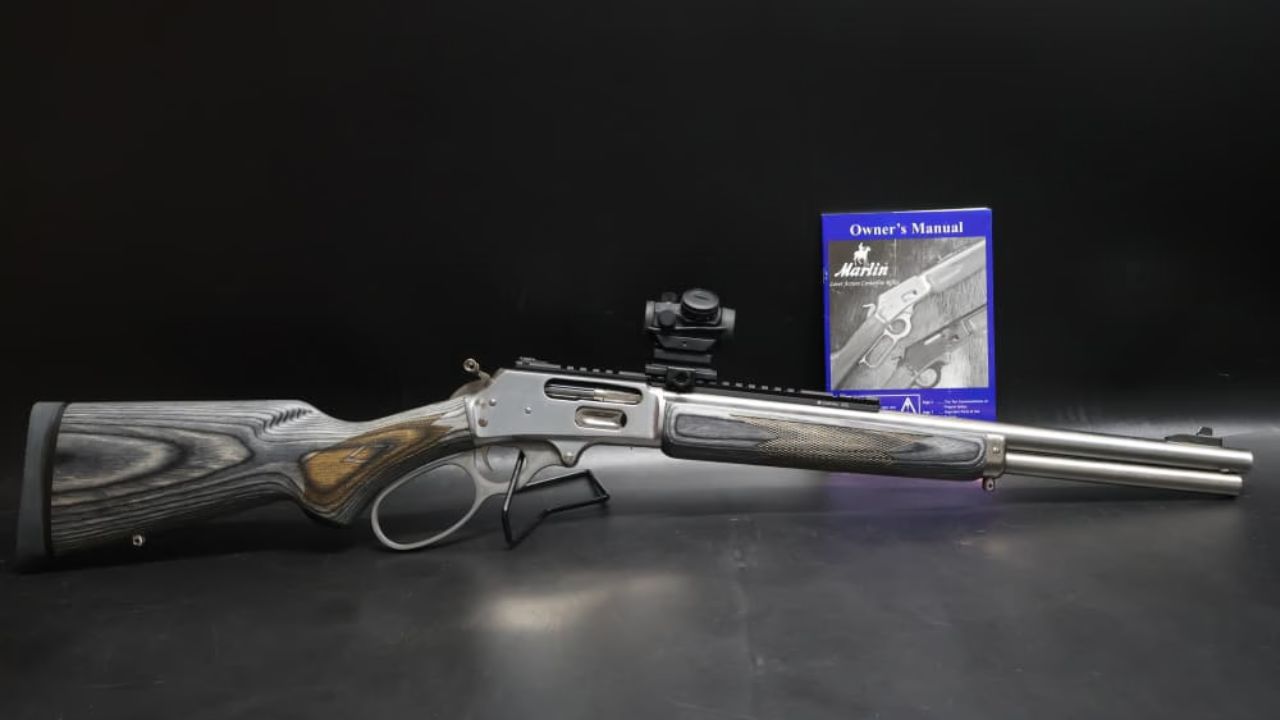
The stainless 1895 SBL helped make modern .45-70 lever rifles desirable again. Its gray laminate stock, large loop, extended rail, ghost-ring sights, and threaded barrel combine weather resistance with practical modernization. It looks distinctive without becoming so heavily accessorized that the rifle loses its original handling.
The .45-70 cartridge is expensive and produces substantial recoil, but it remains effective for heavy game and close-range hunting. The SBL also has broad recognition beyond dedicated lever-gun owners, which tends to support resale demand. It is not inexpensive, but waiting for it to become cheaper is unlikely to be a successful strategy.
Marlin Model 1895 Trapper
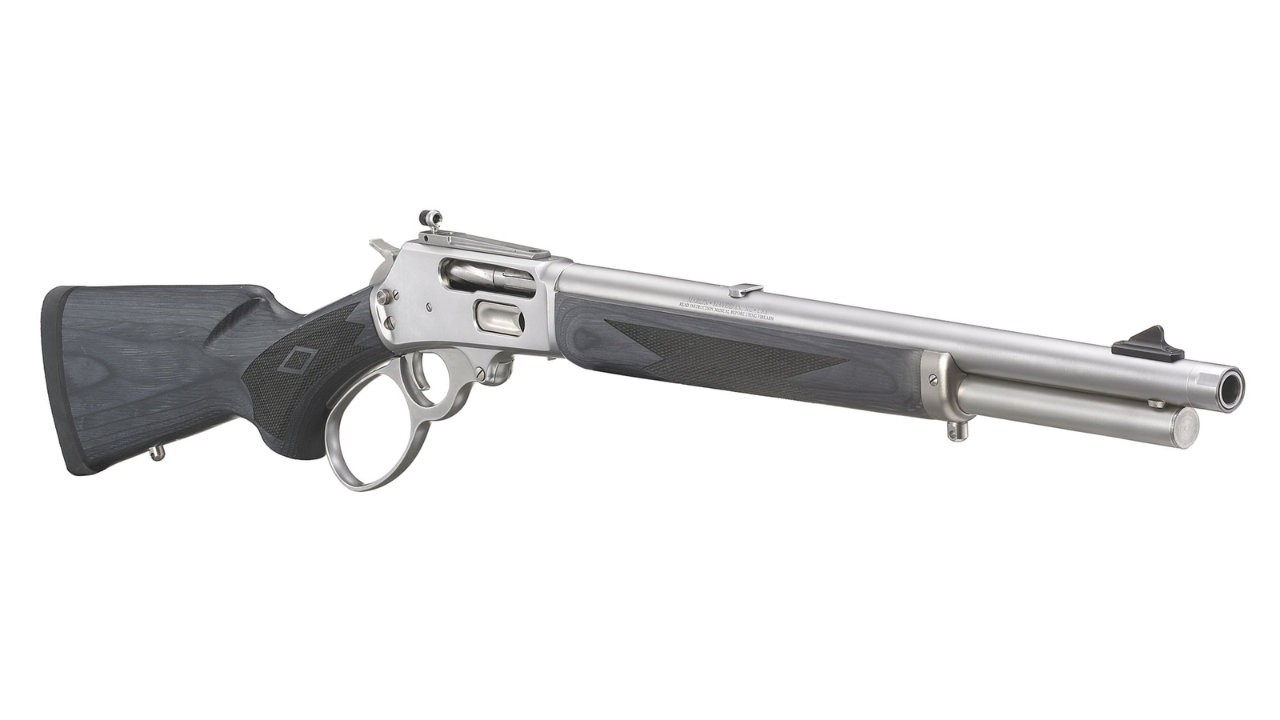
The 1895 Trapper is the more compact and less visually elaborate alternative to the SBL. It uses a short stainless barrel, durable stock finish, large lever loop, and rugged aperture sights. Ruger has continued expanding the Trapper family, including the reintroduction of the .357 Magnum 1894 and the newer 10mm version.
In .45-70, the short rifle is easy to carry through brush, inside a vehicle, or around a hunting camp. Recoil and muzzle blast are strong, especially with heavy ammunition, but the package has a clear purpose. Compact stainless rifles tend to remain desirable because they can be hunted hard without owners worrying about every spot of rain or surface wear.
Henry Big Boy Steel Side Gate .327 Federal Magnum

The .327 Federal Magnum version of the Henry Big Boy is one of the most versatile pistol-caliber lever rifles available. It can use .327 Federal Magnum and, depending on the specific ammunition and rifle, several shorter .32-caliber revolver cartridges. That gives the owner choices ranging from mild recreational loads to ammunition capable of hunting small and medium game at sensible distances.
The chambering is much less common than .357 Magnum, which is both its weakness and the reason it may become difficult to replace. Manufacturers rarely keep slow-selling chamberings in continuous production. A .327 lever gun paired with a compatible revolver creates an unusually flexible field combination that may be expensive to recreate after a production pause.
Henry Protector Carbine .357 Magnum
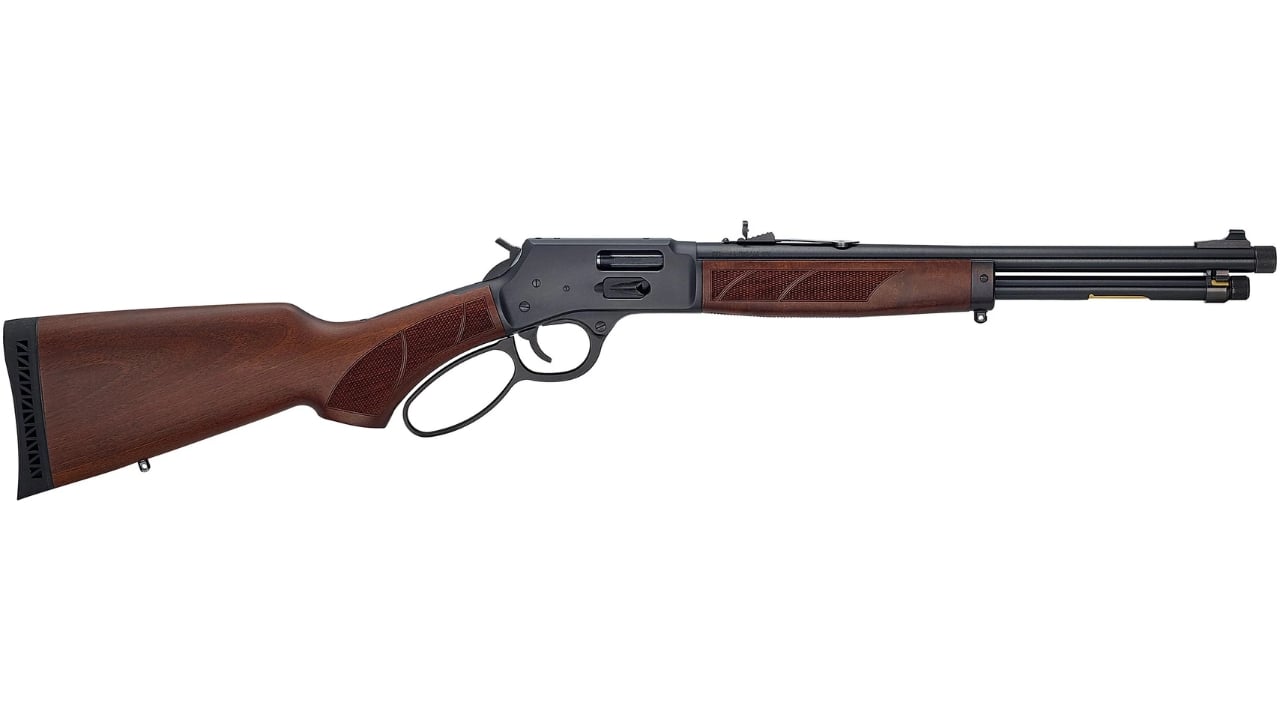
Henry introduced the Protector Carbine family in January 2026 as compact, suppressor-ready rifles intended for property protection and utility. The line adds pistol-grip stocks and threaded barrels while retaining the side loading gate and tubular magazine expected from a conventional lever action.
The .357 Magnum version is likely to have the broadest appeal. It offers mild recoil, useful capacity, and the ability to use many subsonic .38 Special loads with a suppressor. Unlike some heavily modified tactical lever guns, the Protector comes from the factory with the features many owners would otherwise pay a gunsmith to add.
Henry Provider Rifle .360 Buckhammer
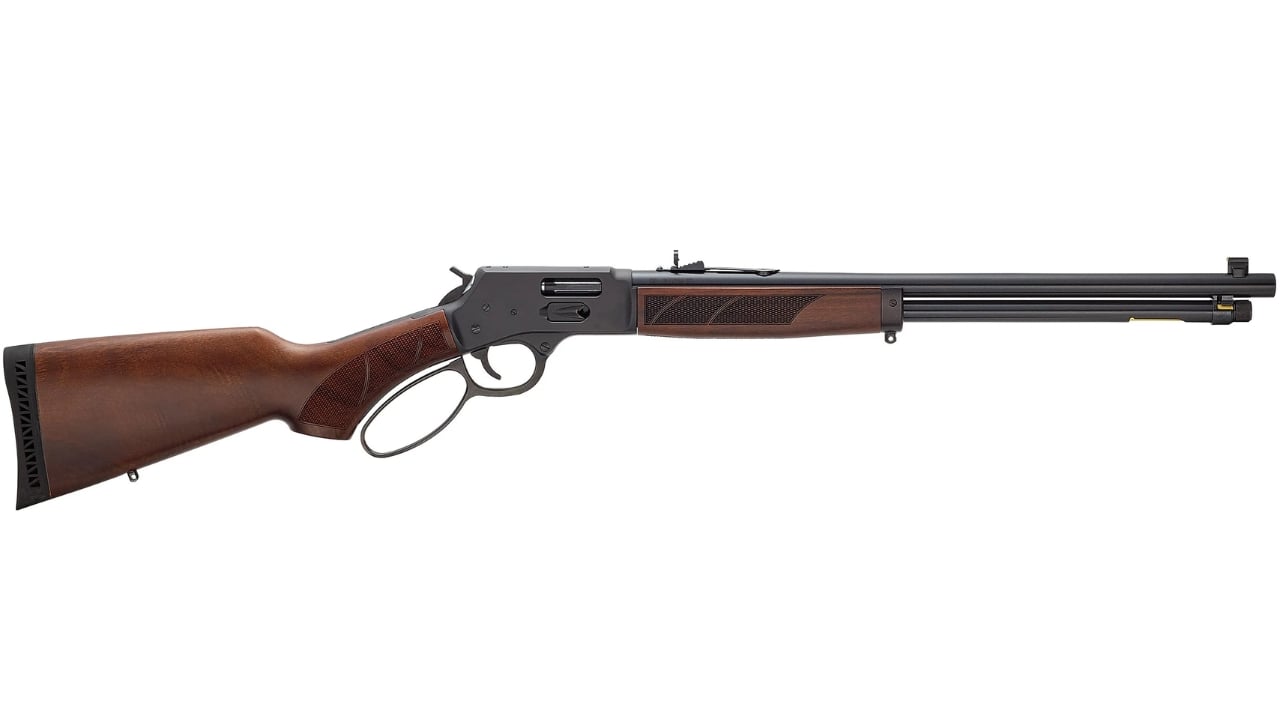
The Provider line was introduced alongside the Protector Carbines but is directed more clearly toward hunters. Henry designed these rifles around pistol-grip stocks, useful magazine capacity, and chamberings intended to put game in the freezer rather than simply look modern.
The .360 Buckhammer version deserves attention because straight-wall hunting cartridges can rise or fall quickly depending on ammunition support and state regulations. The cartridge produces more useful reach and energy than many pistol-caliber options while remaining compatible with straight-wall hunting rules in certain jurisdictions. Limited chamberings often become costly once owners realize production was never guaranteed to continue forever.
Henry Long Ranger Big Woods Carbine .308 Winchester
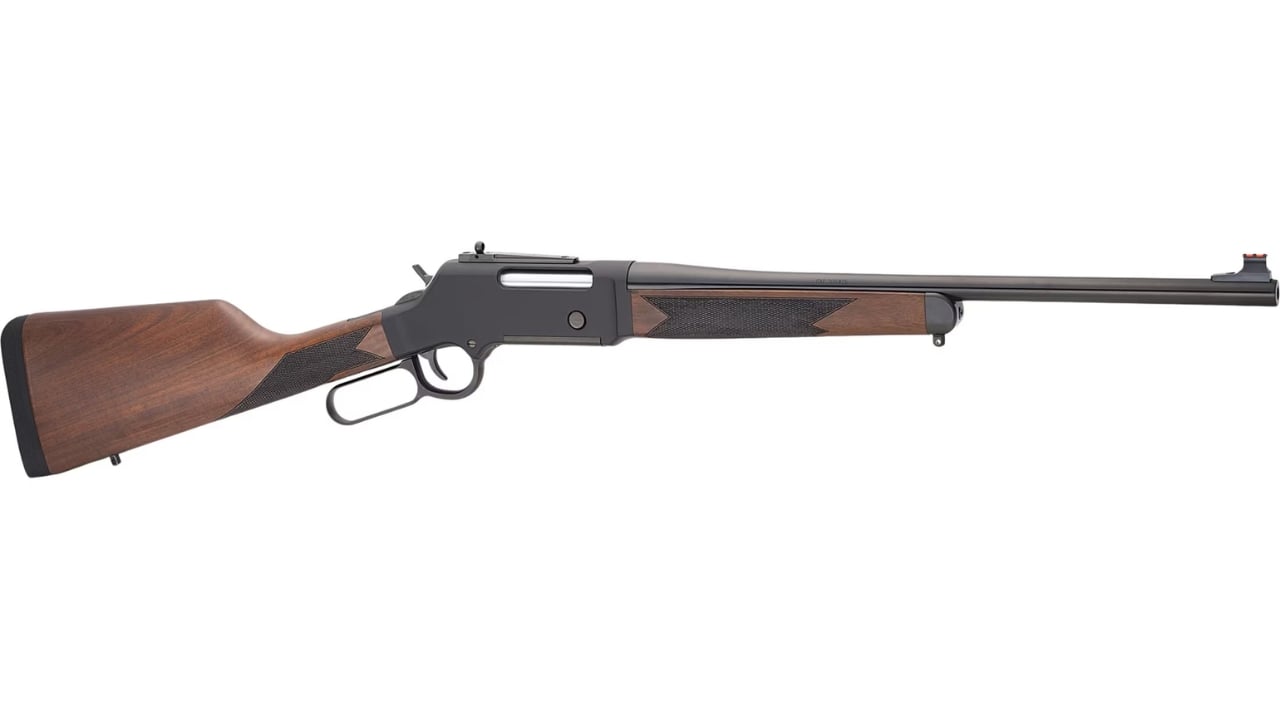
Henry began shipping the H14 Long Ranger Big Woods Carbine in June 2026. The rifle was developed specifically for whitetail hunting and tracking in heavy timber, using a compact .308 Winchester configuration built around the detachable-magazine Long Ranger action.
The box magazine allows the rifle to use pointed bullets that cannot normally be stacked in a traditional tubular magazine. That gives it the ballistic capability of a modern bolt-action cartridge while retaining quick lever operation. Specialized versions of already uncommon rifles rarely stay cheap. This one could become particularly desirable among northeastern deer hunters and collectors of unusual Henry configurations.
Henry H1 X Model .22 LR
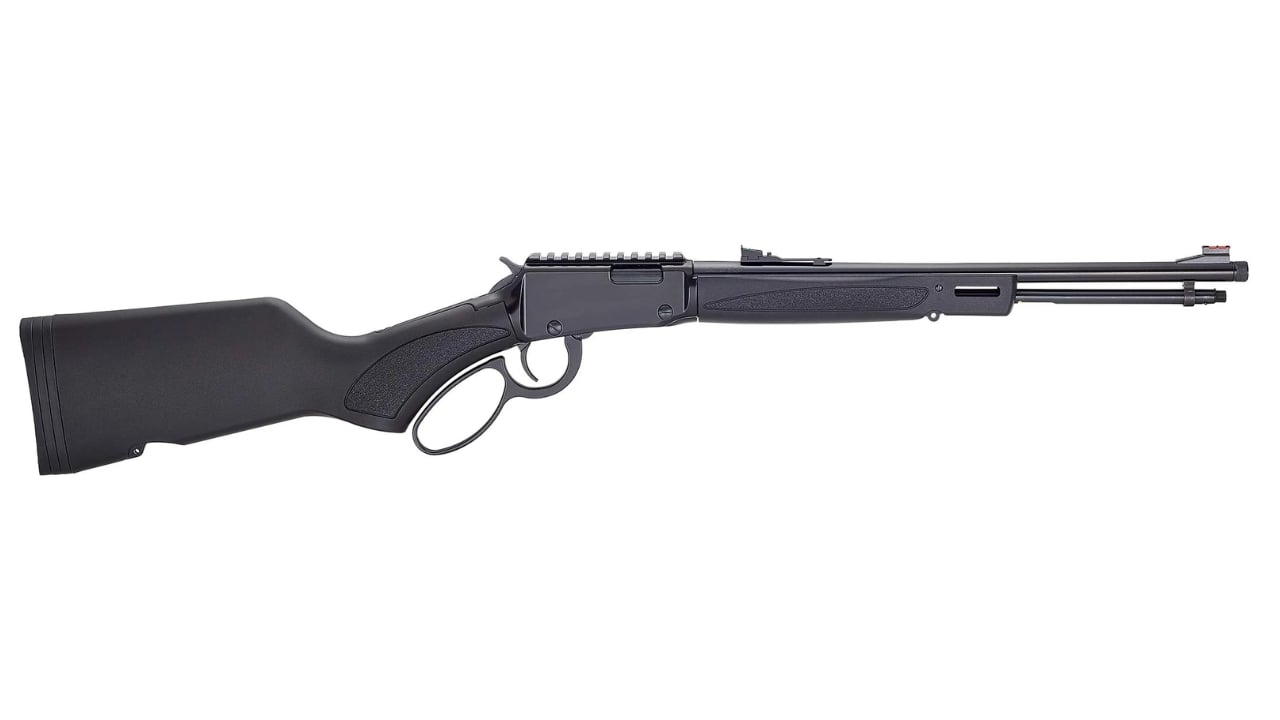
Henry’s H1 X Model brings the company’s modern centerfire styling to its affordable rimfire action. Introduced as part of a major H1 expansion in April 2026, it has a threaded 16.5-inch barrel, suppressor-clearance magazine tube, adjustable sights, an optics rail, synthetic furniture, and M-Lok accessory slots.
It is not as elegant as a walnut-stocked Golden Boy, but it may be much more useful. Suppressed .22 LR is inexpensive, quiet, and effective for practice or pest control where lawful. The rifle weighs only about five pounds and can be adjusted for different shooters. Purpose-built suppressor-ready rimfires tend to retain interest because modifying an older tube-fed lever gun is rarely straightforward.
Browning BLR Lightweight ’81

The BLR Lightweight ’81 is one of the few lever rifles capable of handling modern high-pressure cartridges and pointed hunting bullets through a detachable box magazine. Depending on configuration, it has been offered in chamberings ranging from .243 Winchester and .308 Winchester to long-action and magnum cartridges.
Browning states that the Lightning BLR remains in production, with BLR manufacturing taking place at the Miroku facility in Japan. Even so, individual chamberings and configurations can be difficult to locate. The rifle’s complicated rack-and-pinion action would be expensive for another manufacturer to duplicate, making good examples worth keeping.
Browning BL-22 Grade II

The BL-22 Grade II is a premium rimfire built with the level of polish and walnut quality that has largely disappeared from ordinary .22 rifles. Its short lever throw allows the action to be cycled with minimal hand movement, and the trigger travels with the lever instead of remaining stationary inside the guard.
Browning continues to identify the BL-22 among the firearms produced at Miroku in Japan. The Grade II costs considerably more than an entry-level rimfire, but that price reflects machining and finishing rather than tactical accessories. Rifles made this way rarely become less expensive as labor and material costs rise.
Winchester Model 1892 Short Rifle .357 Magnum
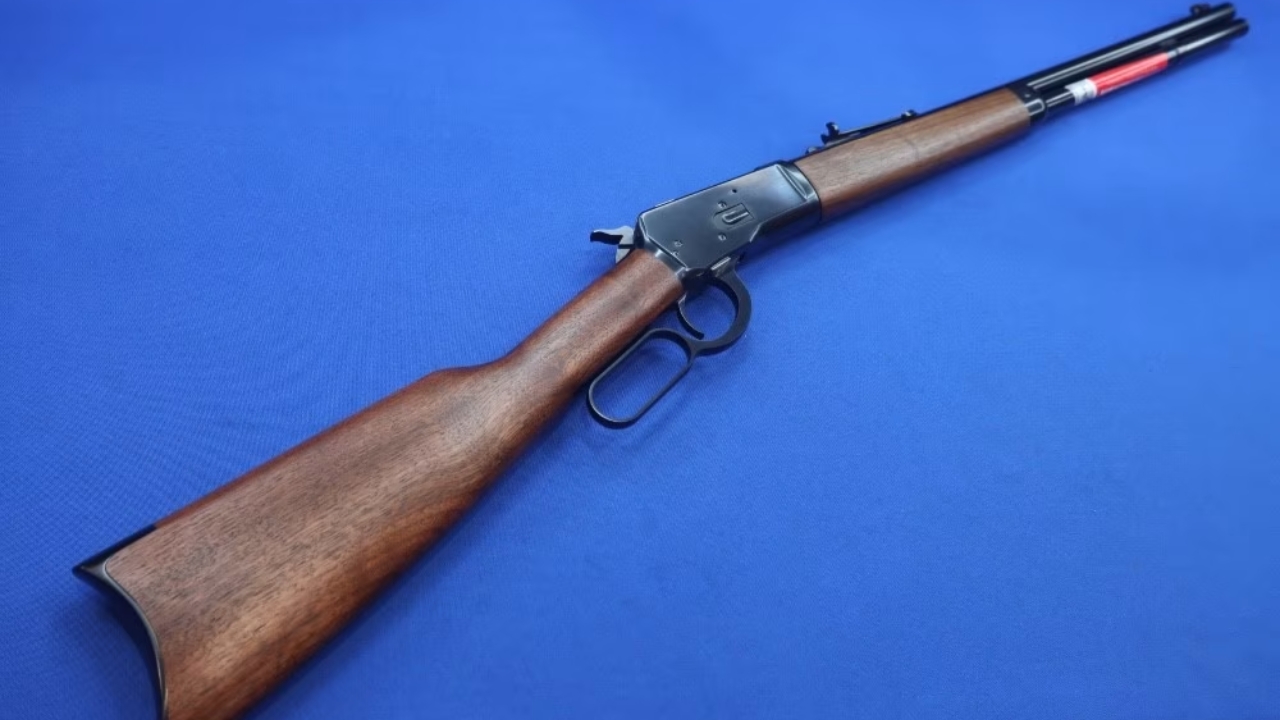
The Winchester Model 1892 Short Rifle provides a more historically correct alternative to modern pistol-caliber carbines. Its compact receiver and slick action were designed around cartridges that fit the platform properly rather than adapting a large rifle action to a small revolver round.
Miroku-built Winchesters are not cheap, but their machining and finish tend to be excellent. The .357 Magnum version is the most practical because ammunition is common and recoil is light. Production and import schedules can be uneven, so the exact barrel length and chambering a buyer wants may disappear for years at a time.
Winchester Model 1886 Short Rifle .45-70

The Winchester 1886 is one of the strongest classic lever-action designs. Modern Miroku-built versions preserve John Browning’s locking system while using current steel and manufacturing. In .45-70 Government, the action offers a traditional appearance with the strength needed for serious hunting ammunition.
It is heavier and more expensive than a Marlin 1895, but the two rifles provide very different experiences. The Winchester has more historical presence, a larger action, and a balance that appeals to shooters who want an authentic big-bore rifle. These rifles are not produced in the quantities of ordinary bolt actions, so waiting for a bargain can mean missing the configuration entirely.
Winchester Model 1895 .405 Winchester
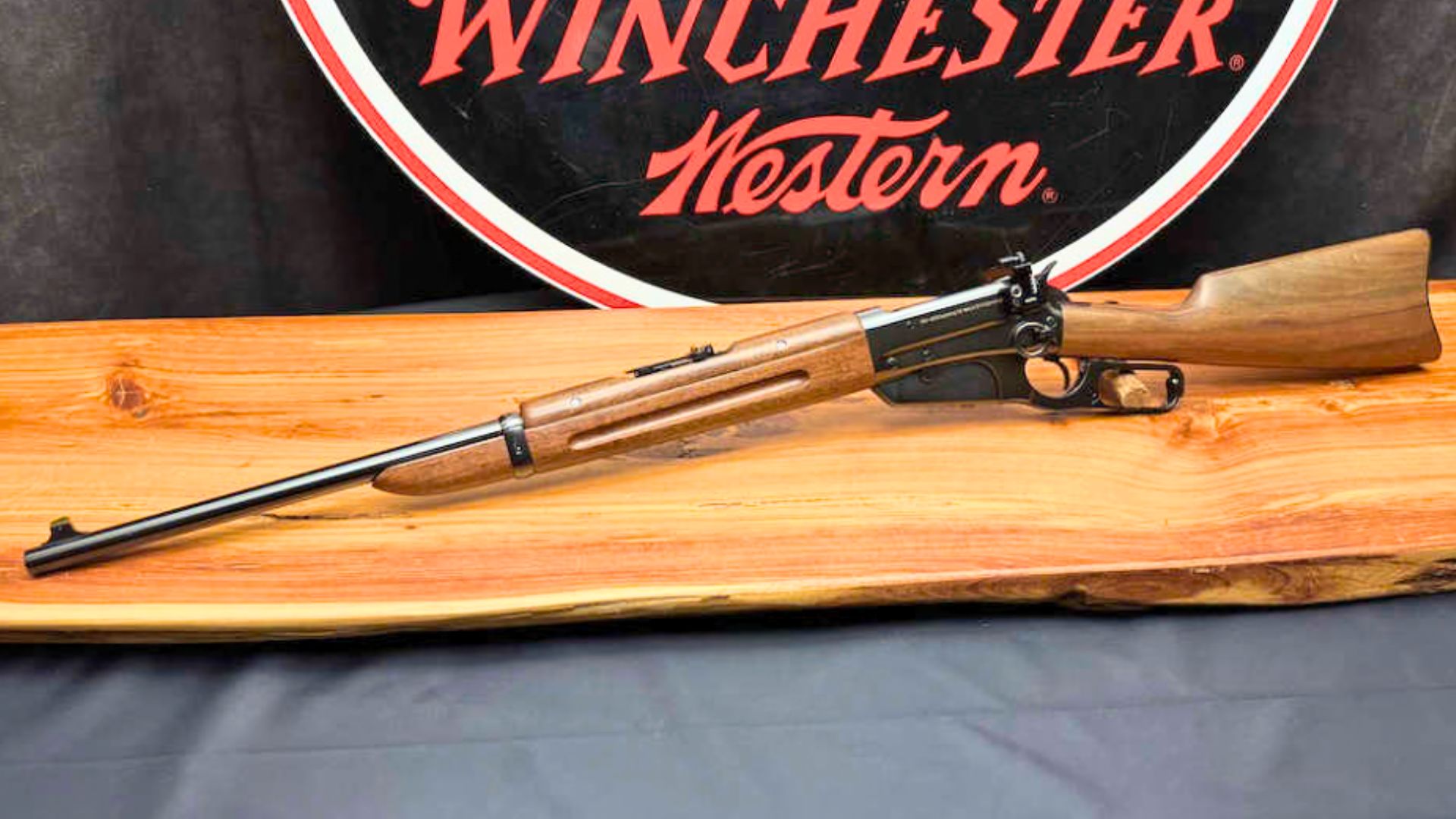
The Model 1895 is one of the most distinctive Winchester lever actions because it feeds from a box magazine rather than a tubular magazine. Winchester notes that current Model 1895 rifles are produced periodically, warning collectors to take a long-term approach when seeking a particular example.
The .405 Winchester chambering has the strongest historical connection to Theodore Roosevelt and gives the rifle an identity that a common cartridge cannot duplicate. Ammunition is expensive and specialized, making it a poor choice for casual high-volume shooting. That same rarity means rifles and ammunition can become much more costly whenever another production cycle ends.
Savage Revel Classic

The Savage Revel Classic is a recent attempt to offer a traditional rimfire lever action with a takedown design. The rifle combines walnut furniture and a tubular magazine with the ability to separate the action and barrel assembly for storage and cleaning.
It enters the market below many premium rimfires while offering more character than the cheapest youth-oriented lever guns. New designs do not always stay in production long enough to establish themselves. A Revel that proves accurate and dependable could become one of those rifles owners wish they had bought before the market decided whether it would survive.
Smith & Wesson Model 1854 .44 Magnum
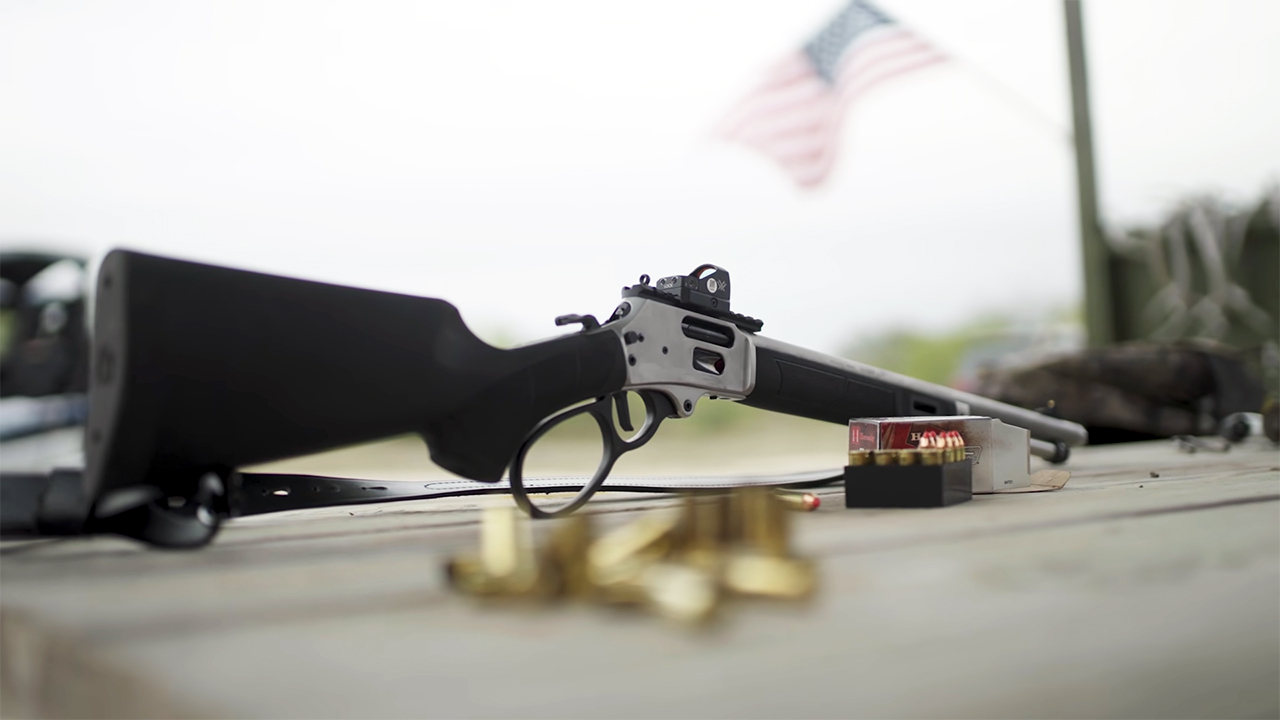
The Model 1854 marked Smith & Wesson’s return to the lever-action rifle market. Its stainless construction, flat trigger, large loop, optics rail, and M-Lok-equipped forearm create a modern carbine that is ready for field use without extensive customization.
The .44 Magnum version offers meaningful power for deer, hogs, and property use while retaining manageable dimensions. Smith & Wesson may keep expanding the line, but early versions of a significant new platform often develop their own collector interest. It is also a practical rifle rather than something that must remain unfired to preserve its value.
Rossi R95 Triple Black .30-30

The R95 Triple Black gives buyers a threaded, weather-resistant .30-30 without the price of a customized Marlin. Its dark finish, large loop, rail, and compact profile appeal to hunters who want modern capability but are not interested in paying for extensive aftermarket conversion work.
Rossi rifles do not normally carry the same resale premium as Marlin or Winchester. That can make the R95 a better value for someone who intends to hunt with it rather than collect it. As demand for suppressor-ready lever guns continues, affordable factory-threaded examples are unlikely to remain overlooked.
Chiappa 1892 Alaskan Takedown

The Chiappa 1892 Alaskan Takedown combines a traditional pistol-caliber action with stainless construction, modern sights, and the ability to separate into a compact package. It is one of the few lever rifles designed from the beginning around both portability and harsh-weather use.
Chiappa imports can appear inconsistently, and the Alaskan commands a higher price than a basic Rossi. The takedown system and distinctive configuration make it difficult to replace with a cheaper rifle. Owners who need something compact for travel, remote property, or a pack may find that the price becomes easier to justify once availability tightens.
Uberti 1873 Sporting Rifle .357 Magnum
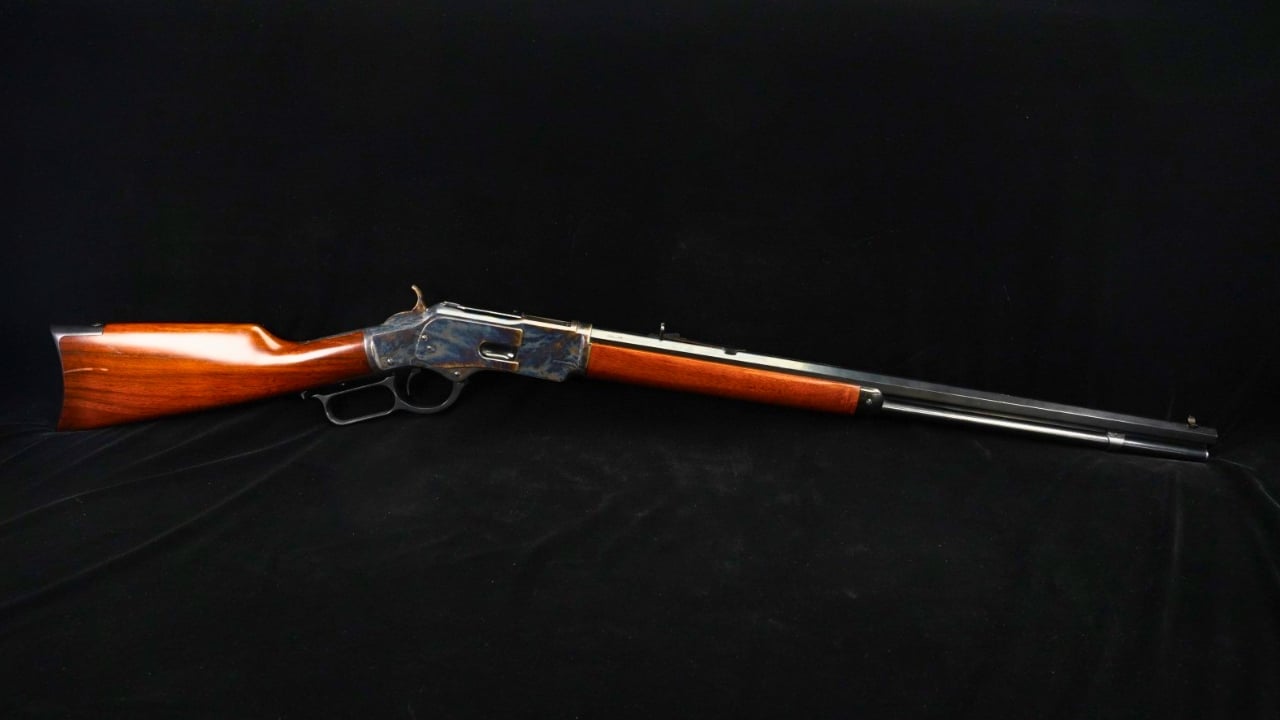
The Uberti 1873 Sporting Rifle offers a more authentic Old West shooting experience than modern hunting carbines. Its toggle-link action is exceptionally smooth, which is why the Model 1873 pattern remains so popular in cowboy-action competition.
The action is not intended for the hottest .357 Magnum hunting ammunition, but it is excellent with .38 Special and suitable standard-pressure loads. Quality wood, polished metal, and imported production costs have already pushed these rifles well above basic utility-gun pricing. Traditional reproductions are unlikely to become cheaper as skilled finishing work and international manufacturing expenses continue rising.
Winchester Model 9422

The discontinued Winchester 9422 may be the most obvious rifle to buy before prices climb further. It has an all-steel receiver, smooth action, grooved receiver top, and the proportions of a full-size Winchester reduced for rimfire ammunition. Winchester’s own material emphasized its steel construction and lack of the compromises found in cheaper rimfires.
Production ended years ago, and there is no direct modern replacement with the same construction and Winchester identity. Clean examples are increasingly treated as collectibles, especially less-common variations and rifles with their original boxes. Anyone waiting for 9422 prices to return to ordinary used-rimfire levels is likely to wait forever.
Like The Avid Outdoorsman’s content? Be sure to follow us.
Here’s more from us: