Photo credit: NRApubs/YouTube
Some pistols are accurate, reliable, and easy to carry… and still manage to bite you the moment recoil starts doing its thing. It’s usually a geometry problem: short beavertails, sharp tangs, narrow backstraps, tiny frames, or controls that sit right where your hand wants to be. The worst part is it can happen even with a strong, correct grip—especially if you’ve got bigger hands or you grip high like you should.
Walther PPK / PPK/S
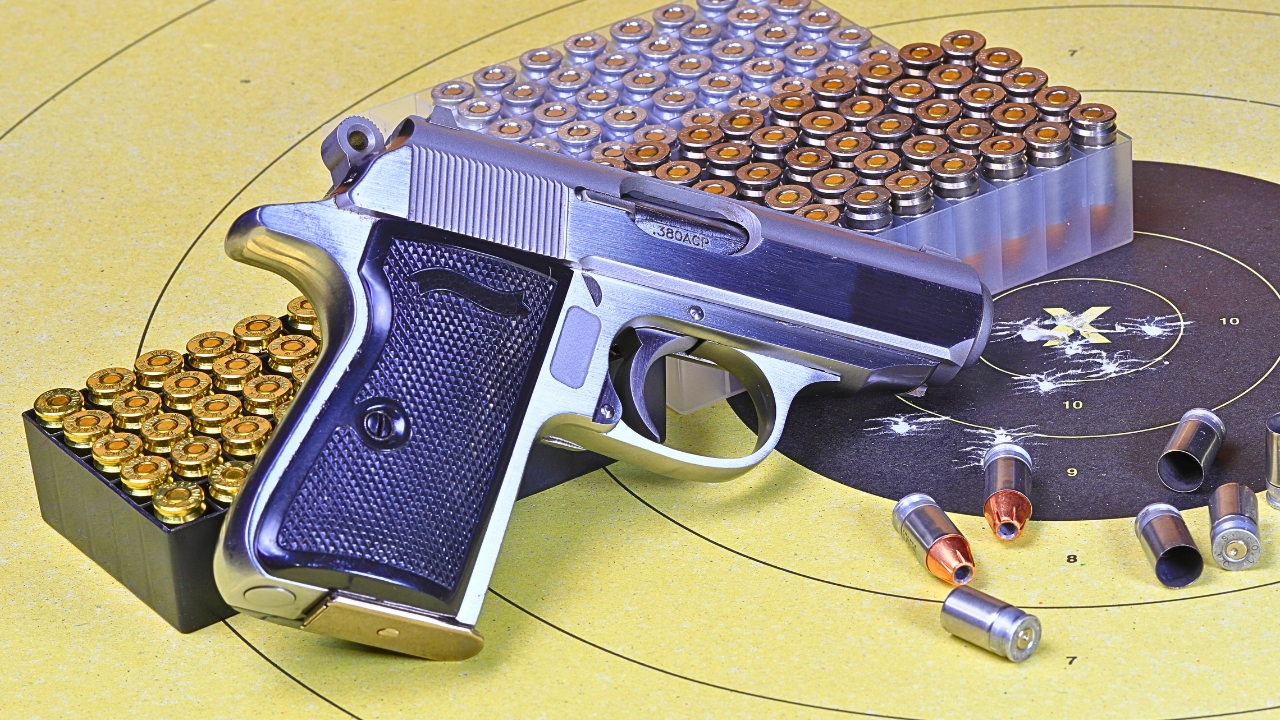
The PPK family has a well-earned reputation for slide bite. The slide sits low, the beavertail area is minimal, and if you grip it like a serious shooter—high and tight—it can rake the web of your hand during cycling. A lot of people don’t notice it in a couple slow rounds. Then they shoot a full box and suddenly they’re bleeding and flinching.
It’s not that the gun is “bad.” It’s a classic design with classic ergonomics. If your hands are bigger or you naturally ride high, it’s going to punish you. Some shooters can mitigate it with grip technique and careful hand placement, but it’s one of those pistols where you need to be honest: if it bites you once, it’ll keep biting you.
Browning Hi-Power (and many clones)

Hi-Powers are famous for hammer bite. The spur hammer and the tang shape can pinch the web of the hand under recoil, especially if you’re gripping high and driving the gun like you would a modern pistol. Some people get lucky based on hand shape. Others get chewed up every time and wonder why anyone tolerates it.
The frustrating part is the gun often shoots great. It points naturally, it’s accurate, and it carries well. But that bite can turn practice into a short session fast. If you’re looking at a Hi-Power, shoot one before you buy, and pay attention to where the hammer and tang sit in relation to your grip. Range fun ends quickly when the gun starts punishing you.
CZ 75

A lot of CZ 75 variants are smooth shooters, but some of the older spur-hammer setups can pinch or bite during recoil. It’s not always a dramatic “blood” bite like some pistols—sometimes it’s just that repeated pinch at the web that makes you change your grip without noticing. Then accuracy and speed start to suffer because you’re subconsciously protecting your hand.
The CZ 75 also encourages a high grip, which is usually a good thing. But if the hammer/tang geometry doesn’t agree with your hand, you’ll feel it. People will say “it doesn’t bother me,” and that can be true—until you shoot longer strings or hotter loads. Try it hard before you decide it’s your forever pistol.
SIG Sauer P938

The P938 is a little pistol that a lot of people love to carry, but it can be rough on hands during recoil. Small 9mms already demand a firmer grip. Add a compact 1911-style layout and a short frame, and it’s easy to get pinched at the web or feel sharp edges bite into your grip as the gun cycles.
What surprises shooters is that it can feel “fine” for the first magazine, then start feeling unpleasant fast. Your hand shifts slightly under recoil, the gun rides your grip differently, and you’re suddenly getting rubbed raw. If you’re considering a P938, run a full session with it—not five shots. It’s a carry gun first, and some hands tolerate it better than others.
SIG Sauer P238

The P238 is softer than many micro pistols because it’s .380, but it can still pinch hands. The frame is small, the controls are close, and the way recoil moves the gun can put pressure in awkward spots—especially for shooters with longer thumbs who ride controls naturally. It’s not always “slide bite.” Sometimes it’s that repeated pinch against the thumb joint or web area.
This is one of those pistols that feels great in the store and then starts annoying you once you shoot it like you mean it. If you love the concept, make sure you’re comfortable running it through reloads and multiple magazines. A carry gun you hate practicing with is a problem, because it quietly reduces how much you train.
Springfield Hellcat

The Hellcat is capable, but it’s still a compact gun that can punish hands depending on your grip and the backstrap fit. A lot of shooters get “pinch” from the narrow frame and the way recoil snaps the gun into the web of the hand. If your grip is a hair too high or your hands are bigger, you can feel the backstrap area digging in during faster strings.
It’s not a deal-breaker for everyone. Plenty of people carry it happily. But it’s a common complaint: “great gun, not very friendly on long range days.” If you’re picking a micro-9, don’t just judge accuracy—judge how it feels after 150 rounds. If it starts beating you up, you’ll start avoiding practice without meaning to.
SIG Sauer P365

The P365 is one of the better shooting micro-9s, but the standard grip module can still pinch some hands. The short grip and tight geometry mean your hand is close to everything—mag baseplate, slide, controls. If your pinky is riding the magazine base and the gun recoils hard, it can pinch or slap your fingers in a way that’s distracting.
A lot of this comes down to hand size and how you grip. Shooters with larger hands often feel more of that “crowded” recoil. That’s why you see so many people moving to longer grip modules or different variants. The P365 can be a great carry pistol, but you need to test it with real practice pace. The bite shows up when you stop babying it.
Glock 26

The Glock 26 can pinch in a couple ways. The most common is the short grip combined with certain mag baseplates or extensions that catch your pinky during recoil. Some shooters also get “Glock knuckle” discomfort from how the trigger guard and grip angle interact with their hand under repeated recoil. It’s not always dramatic, but it adds up over a long session.
What makes it tricky is the 26 shoots very well for its size. So people keep it, then slowly realize they don’t enjoy long practice days with it the same way they do with a slightly larger compact. If you’re going to carry a 26, your mag/baseplate choices and grip fit matter a lot. A little pinch becomes a big problem at round 200.
Glock 43

The Glock 43 is another pistol that can be deceptively rough on hands. The frame is slim and small, and recoil energy gets delivered into a narrow contact patch. Some shooters feel it as a sharp slap in the web. Others get pinched by certain baseplates because that short grip shifts under recoil and catches the finger at the worst moment.
It’s a very carryable pistol, and it’s reliable, but the comfort isn’t universal. If you shoot it slow, it’s fine. If you shoot it like you train—fast strings, reloads, aggressive grip—you’ll learn quickly if it fits you. With the 43, the difference between “great” and “I hate this thing” is often hand size and how you set up the grip and mags.
Ruger LC9 / EC9
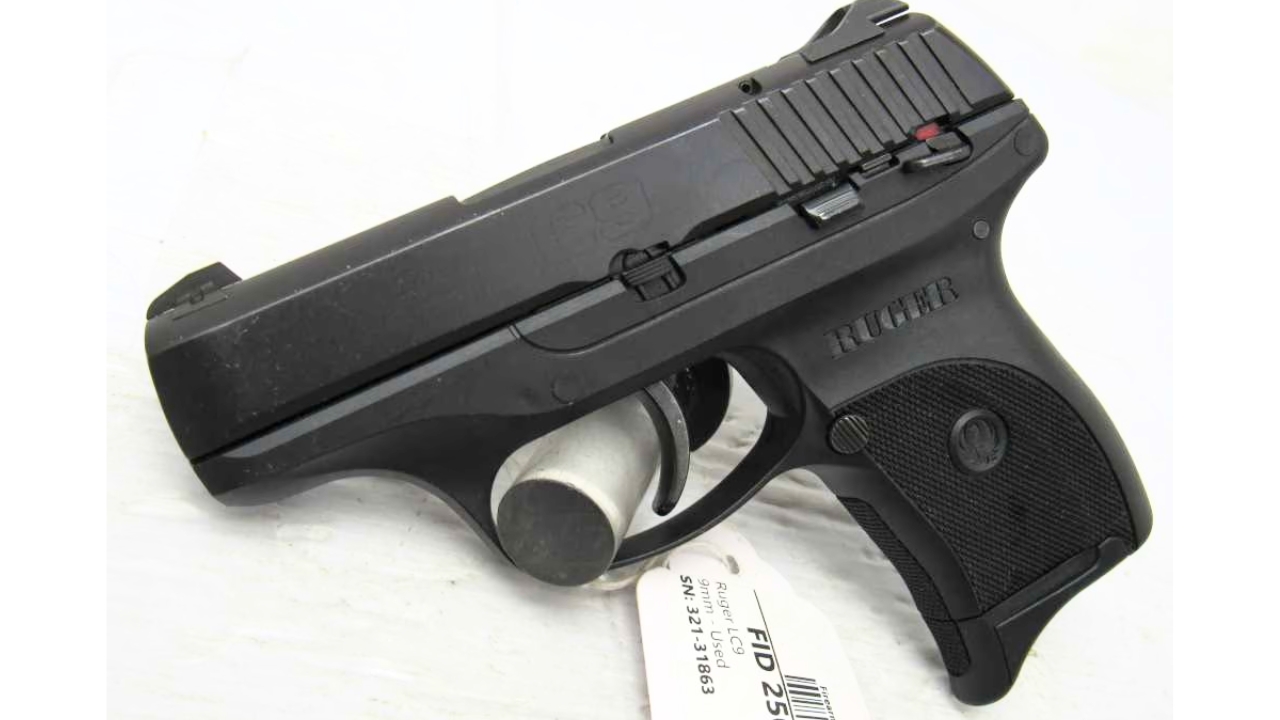
The LC9/EC9 family has carried a lot of people, but the thin frame and snappy feel can pinch and rub hands over time. The grip area doesn’t give you much surface, and recoil can drive the gun into the web and along the base of the thumb. For some shooters, it feels like the pistol is trying to squirm, and that movement is what creates the pinch.
What’s frustrating is it may not show up right away. A few magazines can feel okay, then your hand gets irritated and your grip starts changing. That’s when groups open and you start chasing performance problems that are really comfort problems. If you want a pistol you’ll practice with a lot, this is one to test with a longer session.
Kahr PM9 / CM9

Kahr micro 9mms are compact and easy to conceal, but they can be rough on hands during recoil. The grip is short, the frame is narrow, and the recoil impulse can feel sharp. Many shooters end up with pressure points where the grip meets the web of the hand, or they feel the gun pinching their fingers because there’s not much room to settle in.
These pistols often get carried more than they get shot. That’s fine if your goal is “always with you.” But if you want to train hard, you need to be honest about comfort. A gun that pinches you will quietly train you to shoot it worse. You’ll start anticipating recoil and changing grip pressure just to get through the box.
Ruger LCP / LCP Max

The LCP line is excellent for deep carry, but it’s not built for comfort. The small frame and minimal grip area mean recoil and movement show up as pinching and rubbing, especially at the web and along the fingers. The LCP Max gives you more capacity, but it’s still tiny, and tiny guns move more in the hand.
People get surprised because .380 feels “mild” on paper. In a tiny pistol, it doesn’t feel mild—it feels sharp and concentrated. If you’re buying an LCP, it should be with the right mindset: it’s a get-it-on-you gun. Just don’t lie to yourself about what long practice days will feel like. These guns can hurt hands and hurt confidence if you push them like a compact 9.
S&W Bodyguard .380 (original)

The original Bodyguard .380 is another pistol that can be annoying in the hand. The grip shape and small size can create pinch points, and the recoil movement can make the gun feel like it’s “pecking” your hand with every shot. It’s not always a single sharp bite—it’s more like repeated irritation that makes you want to be done early.
That matters because practice volume is what makes small carry guns workable. If you dread shooting it, you won’t shoot it enough. The Bodyguard can do its job, but it’s a common example of a pistol that people carry because it’s small, not because it’s pleasant. If you’re deciding between options, comfort under real practice pace should be part of the decision.
Colt Mustang

Tiny .380s like the Mustang can pinch hands because the frame is small and controls are close. The recoil isn’t huge, but the movement is fast and concentrated, and that’s what creates discomfort. Some shooters feel it as a bite at the web. Others get rubbed raw along the thumb area because the gun shifts slightly with every shot.
The gun can be accurate and it can be reliable, but it’s still a small pistol. That means your grip needs to be more precise, and your tolerance for discomfort will matter. If you like the style and size, great—just commit to actually shooting it enough to know how it treats your hands. A carry gun that hurts can create hesitation, and hesitation shows up at the worst time.
Beretta Tomcat
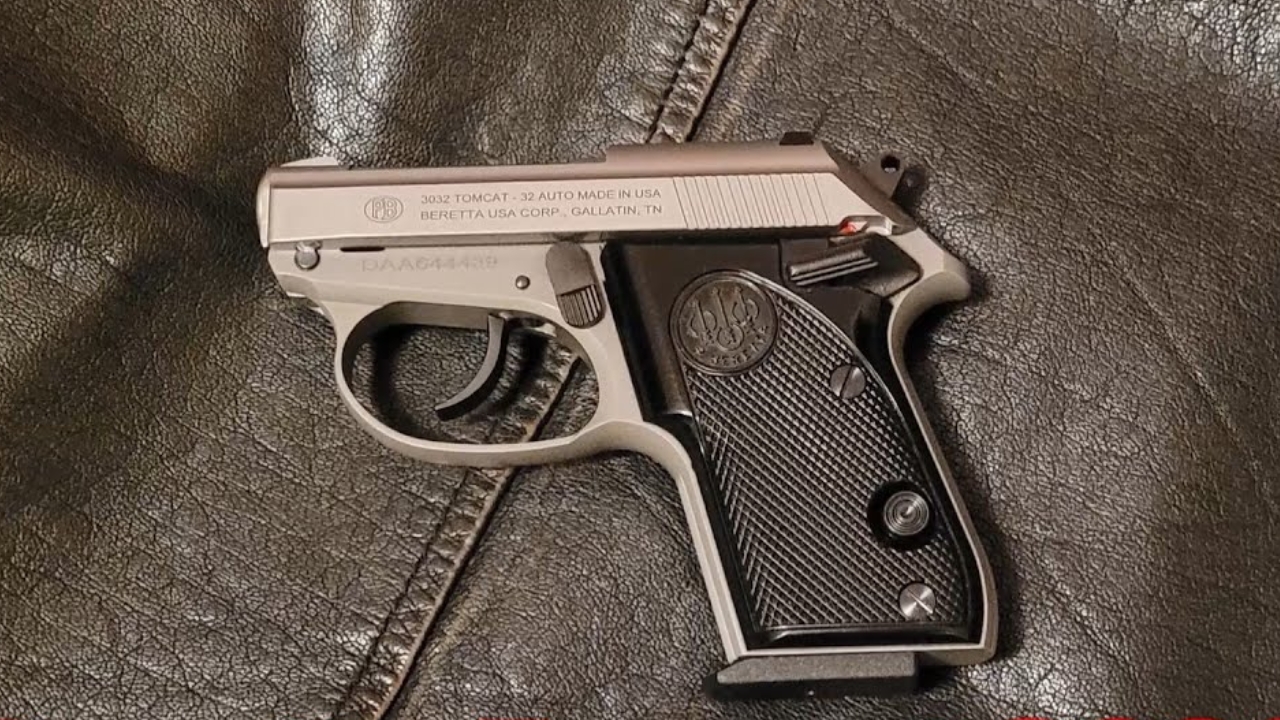
The Tomcat is a unique little gun, and it surprises people with how it can pinch hands during recoil. The grip is compact, the controls and shape are different than what most people are used to, and the recoil movement can smack fingers and web area in a way that feels awkward. It’s not a “training pistol” design. It’s a niche carry concept.
The pinching often shows up when people try to shoot it quickly. Slow, careful shots can feel fine. Then you speed up and the gun’s movement reminds you it’s a small pistol with a very specific feel. If you want one, treat it like what it is: a specialized tool. Make sure your hand placement is comfortable for your body, not just “how you’re supposed to grip a pistol.”
Like The Avid Outdoorsman’s content? Be sure to follow us.
Here’s more from us: