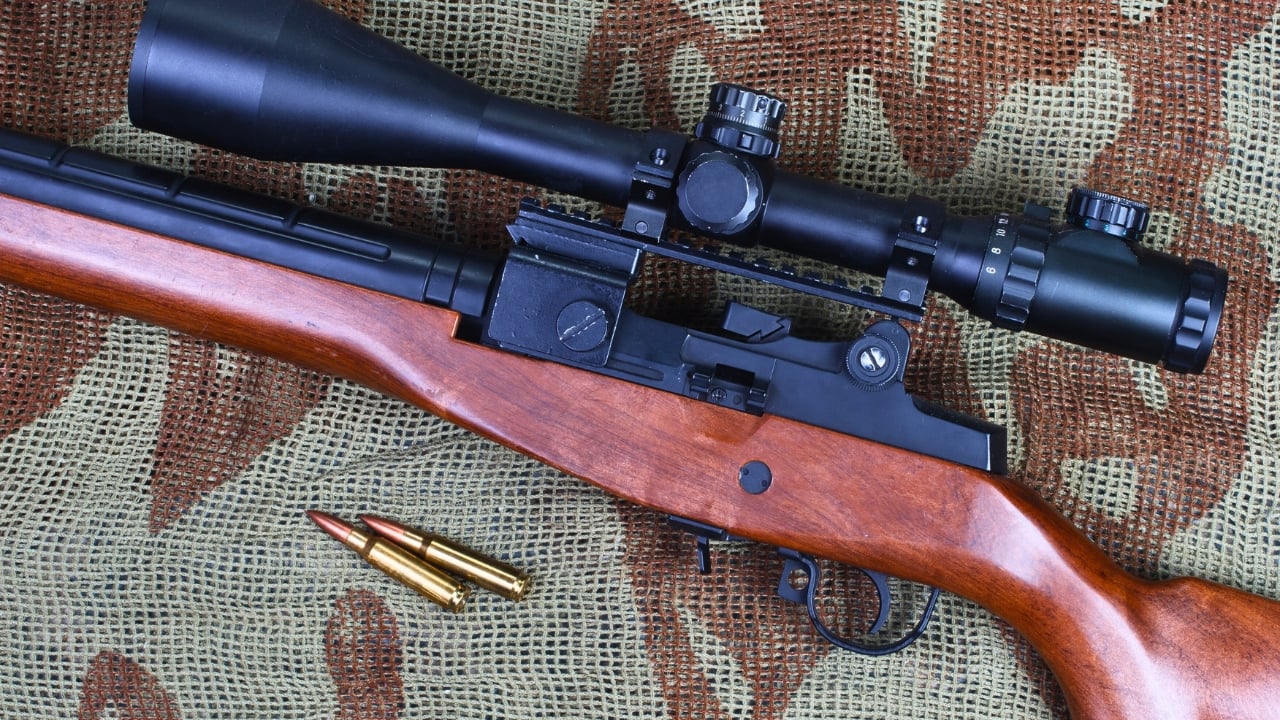
Photo credit: Militarist/Shutterstock.com
Some rifles earn a permanent place in the safe because they are accurate, practical, or valuable. Others belong there because they represent an entire chapter of firearms history. Their actions, chamberings, and profiles are instantly recognizable, and newer rifles rarely provide the same experience no matter how advanced they become.
A classic rifle does not need to be rare or expensive. It needs to have a design that still matters decades after its introduction. Some remain excellent hunting guns, while others are worth owning for their military history, mechanical ingenuity, or connection to generations of American shooters. These 20 rifles are the kinds of guns owners search for, keep for life, and regret selling once they are gone.
Winchester Model 70
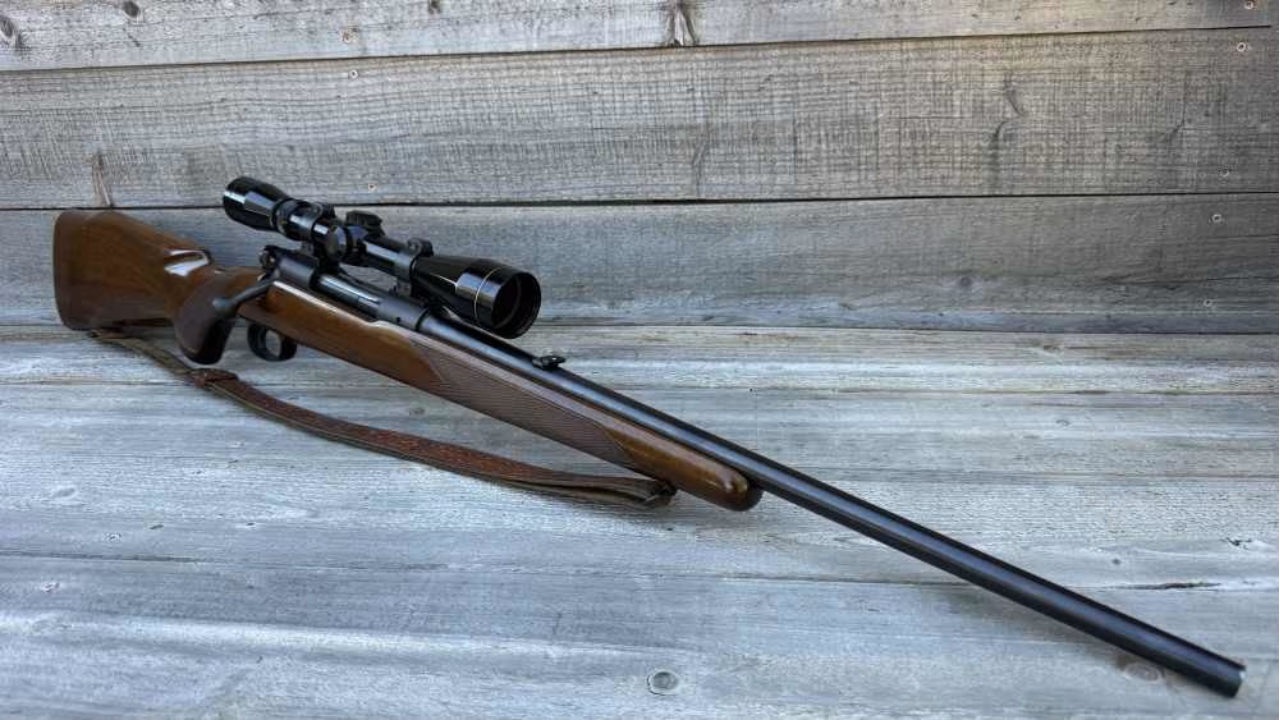
The Winchester Model 70 is one of the defining American bolt-action hunting rifles. Its controlled-round-feed action, three-position safety, and classic stock lines helped establish the standard for a serious sporting rifle. Older pre-1964 examples receive most of the collector attention, but later controlled-feed versions remain highly desirable.
A Model 70 in .270 Winchester, .30-06 Springfield, or .308 Winchester can still handle nearly every ordinary North American hunting role. The rifle carries naturally and feels more refined than many modern budget bolt guns. It is the kind of firearm that looks appropriate in a deer camp, hunting cabin, or family gun cabinet without ever seeming outdated.
Remington Model 700
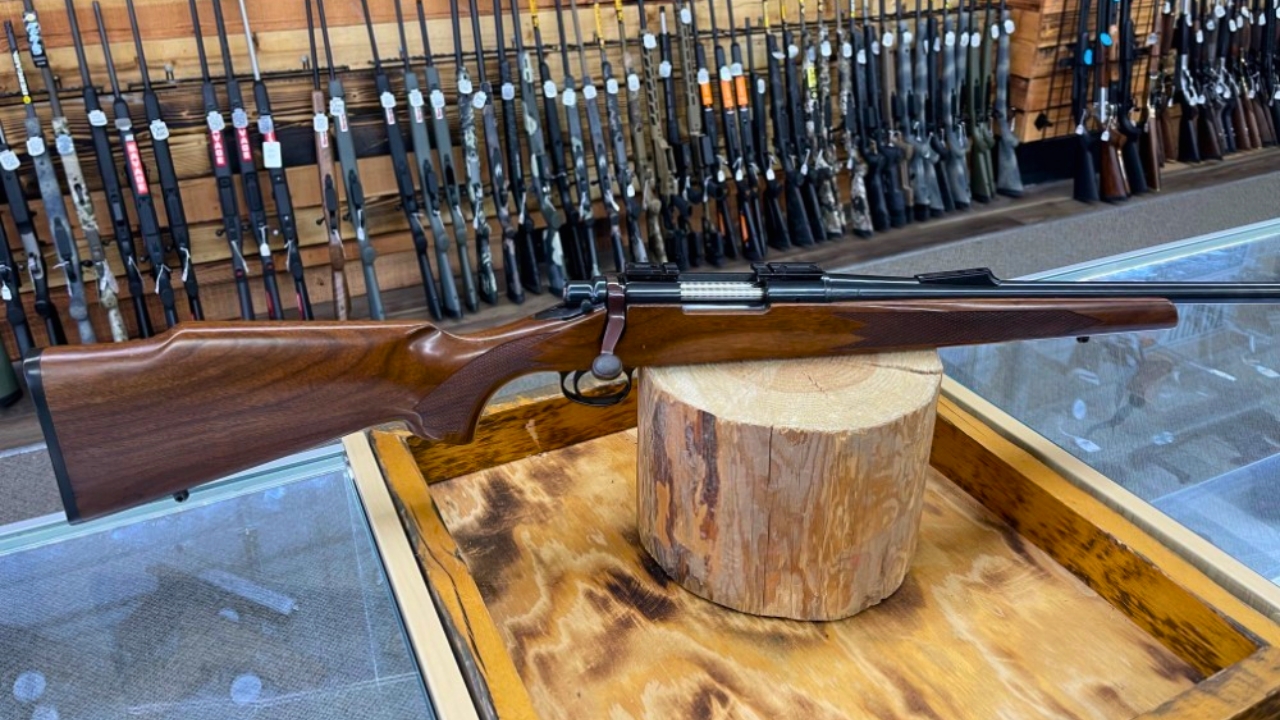
The Remington Model 700 became one of the most influential bolt-action rifles in America. Its cylindrical receiver, dual locking lugs, recessed bolt face, and simple action made it easy to manufacture accurately and easy for gunsmiths to customize.
The Model 700 has served as a hunting rifle, police precision rifle, military sniper platform, and foundation for countless custom builds. Older BDL, CDL, and Sendero configurations are especially appealing because they combine practical accuracy with traditional styling. A good Model 700 action can always be rebarreled, restocked, and returned to serious use.
Ruger No. 1
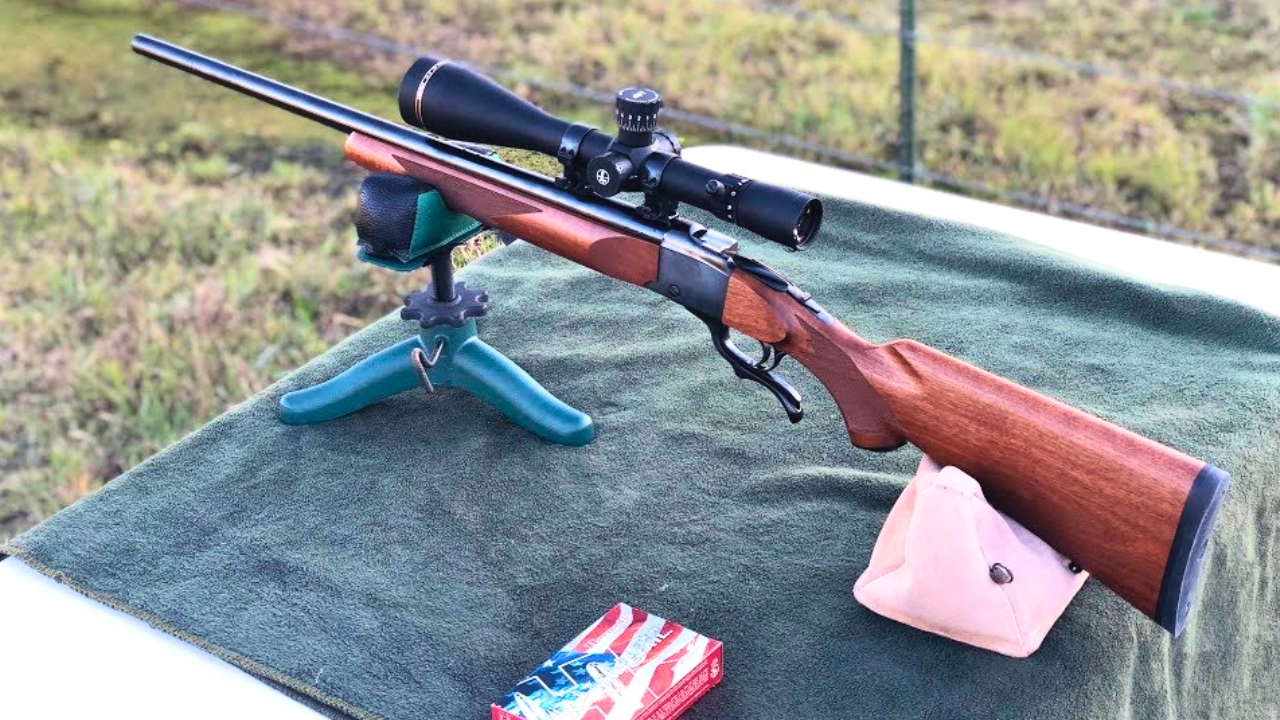
The Ruger No. 1 is one of the most distinctive sporting rifles ever produced in the United States. Its falling-block action eliminates the need for a conventional bolt or receiver extension, allowing a full-length barrel to fit into a relatively short rifle.
The single-shot design encourages careful shooting and gives the rifle a clean, elegant appearance. Ruger has chambered it in everything from mild varmint cartridges to powerful dangerous-game rounds. Production configurations have changed repeatedly, making certain barrel lengths and chamberings increasingly difficult to replace.
Winchester Model 94

The Winchester Model 94 may be the rifle most closely associated with American deer hunting. Its narrow receiver, light weight, and quick lever action made it an ideal woods rifle for generations. Chambered in .30-30 Winchester, it became a standard choice for hunting deer at close and moderate ranges.
The Model 94 is not as easy to mount with a conventional scope as a Marlin 336, especially in older top-eject configurations. That limitation is part of its character. The rifle points naturally, carries easily, and connects modern owners to more than a century of hunting history.
Marlin Model 336
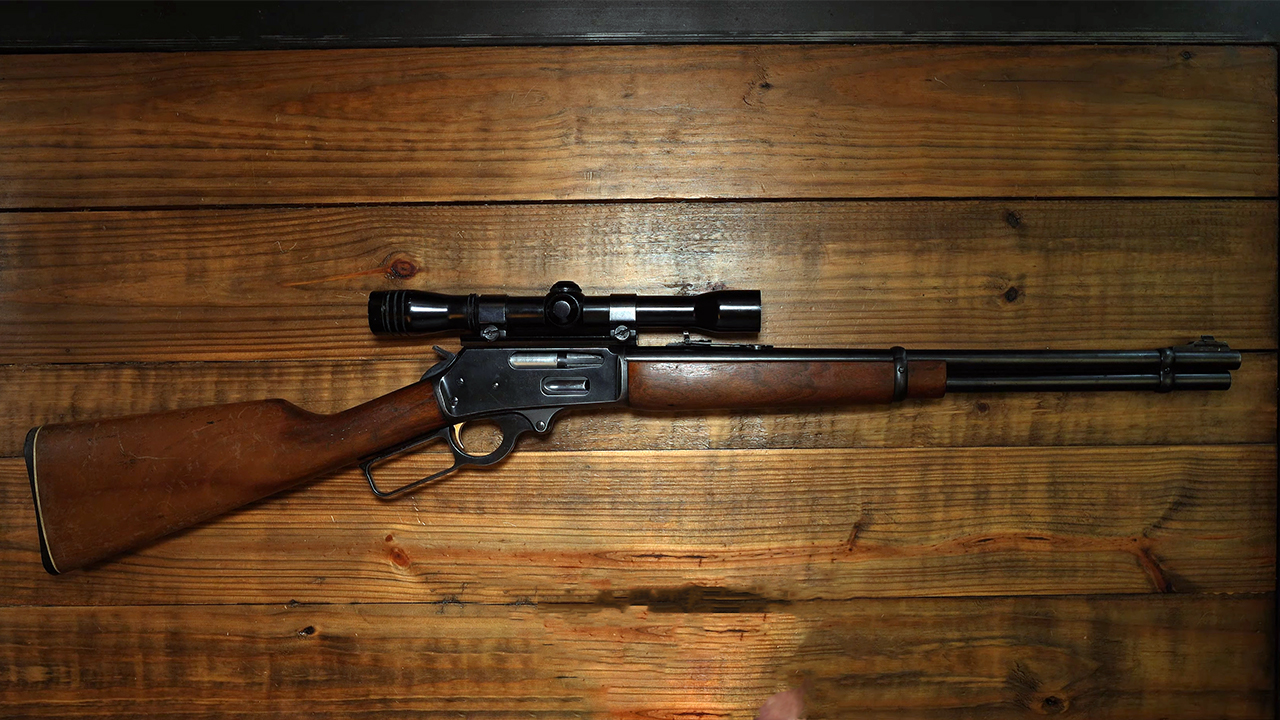
The Marlin 336 offers many of the same practical qualities as the Winchester Model 94 with a solid-top receiver and side ejection. That design makes it much easier to mount a conventional scope, which helped the rifle remain relevant as optics became more common among deer hunters.
A good 336 in .30-30 Winchester is still one of the best rifles for timber, brush, and short-range hunting. Older JM-marked rifles have strong collector interest, while newer Ruger-built versions have renewed the design. It is a classic that remains useful rather than something owners keep only for nostalgia.
Savage Model 99

The Savage Model 99 was far ahead of most lever-action rifles of its era. Its rotary magazine allowed the use of pointed bullets, while its strong action handled cartridges that offered better range than traditional tube-fed lever guns.
Chamberings such as .300 Savage, .250-3000 Savage, and .308 Winchester gave the rifle serious hunting capability. Production ended years ago, and clean examples continue becoming harder to find. The Model 99 combines unusual engineering with practical field performance, making it one of the most desirable discontinued American sporting rifles.
Browning BLR

The Browning BLR carries the lever-action concept into modern high-pressure cartridges. Its detachable box magazine allows pointed bullets, while the rotating bolt provides the strength needed for cartridges such as .308 Winchester, .30-06 Springfield, and several magnums.
The rifle is more complicated internally than a traditional Marlin or Winchester, but it offers far greater ballistic flexibility. A BLR can serve as a fast-handling woods rifle without giving up the range of a modern bolt action. Its distinctive rack-and-pinion operating system makes it difficult to replace with anything else.
Winchester Model 88
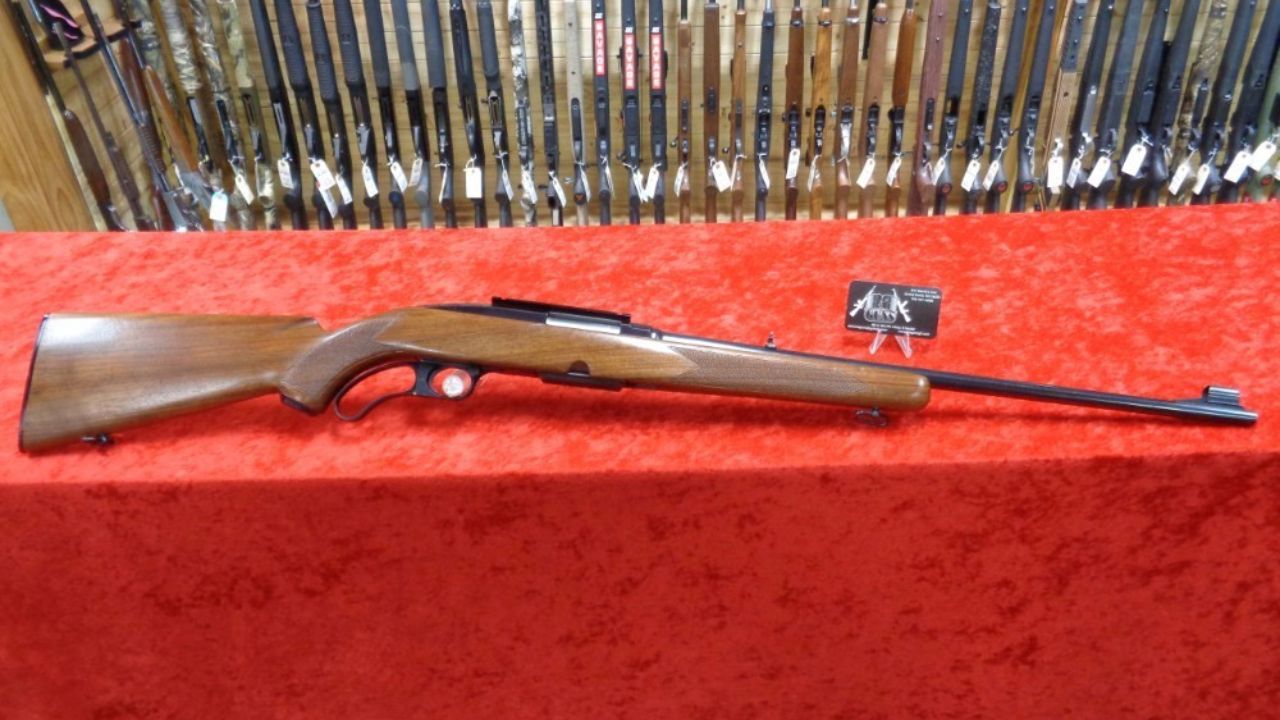
The Winchester Model 88 was designed to give hunters lever-action speed with bolt-action cartridge performance. Its detachable magazine, rotating bolt, and streamlined stock made it one of the most modern sporting rifles of its time.
The rifle was offered in chamberings including .243 Winchester, .308 Winchester, and .284 Winchester. Production ended decades ago, and replacement parts are not always easy to find. A clean Model 88 remains highly desirable because no current Winchester rifle offers the same combination of appearance, handling, and mechanical design.
Mannlicher-Schoenauer Model 1903
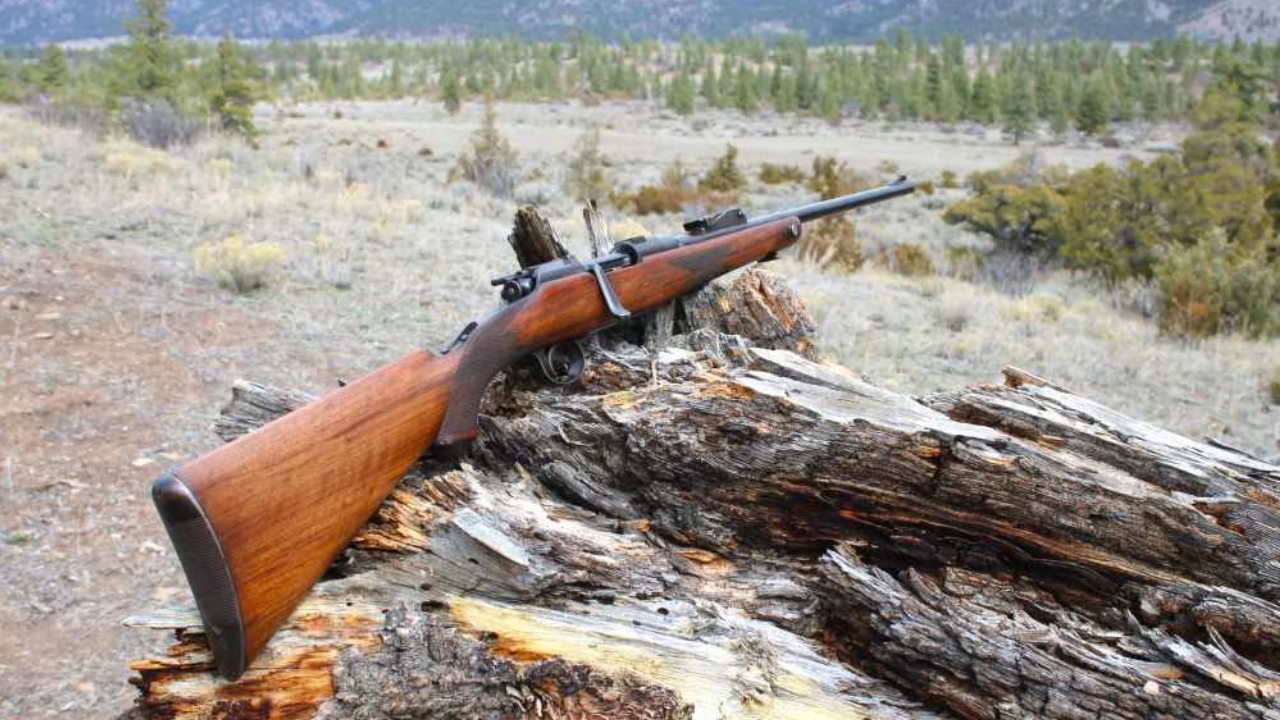
The Mannlicher-Schoenauer is one of the most elegant sporting rifles ever built. Its rotary magazine, butter-knife bolt handle, full-length stock, and exceptionally smooth action gave it a reputation among hunters and rifle enthusiasts around the world.
These rifles were produced in several models and chamberings, with the 6.5x54mm version becoming especially famous. Ammunition and parts require more planning than they do for common American rifles. The appeal lies in the workmanship, balance, and mechanical quality that modern mass-produced rifles rarely duplicate.
Mauser 98
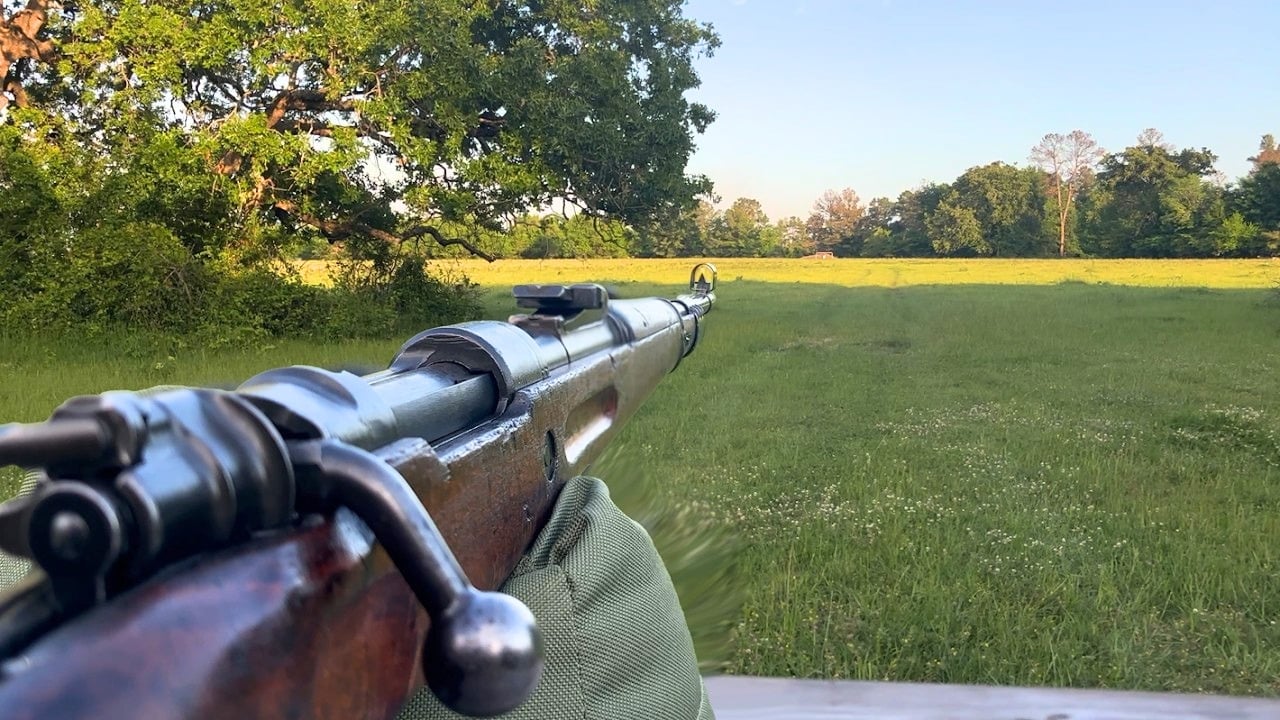
The Mauser 98 established the basic pattern followed by countless bolt-action rifles. Its controlled-round-feed system, large claw extractor, dual front locking lugs, and strong receiver made it one of the most important military and sporting actions ever created.
Original military rifles, commercial sporting Mausers, and custom rifles built on Mauser actions all offer different kinds of appeal. The action is strong, dependable, and historically significant. Even shooters who prefer modern rifles usually recognize that much of today’s bolt-action design can be traced back to the Model 98.
Springfield M1903

The M1903 Springfield is one of America’s most iconic military bolt-action rifles. Chambered in .30-06 Springfield, it served through both world wars and influenced generations of military marksmanship and sporting-rifle development.
Its excellent aperture sights, strong action, and smooth handling make it enjoyable to shoot even today. Original examples vary greatly in condition and collector value, so buyers need to understand receiver dates, rebuild markings, and barrel condition. A good M1903 combines history with a shooting experience that modern reproductions cannot fully recreate.
M1 Garand
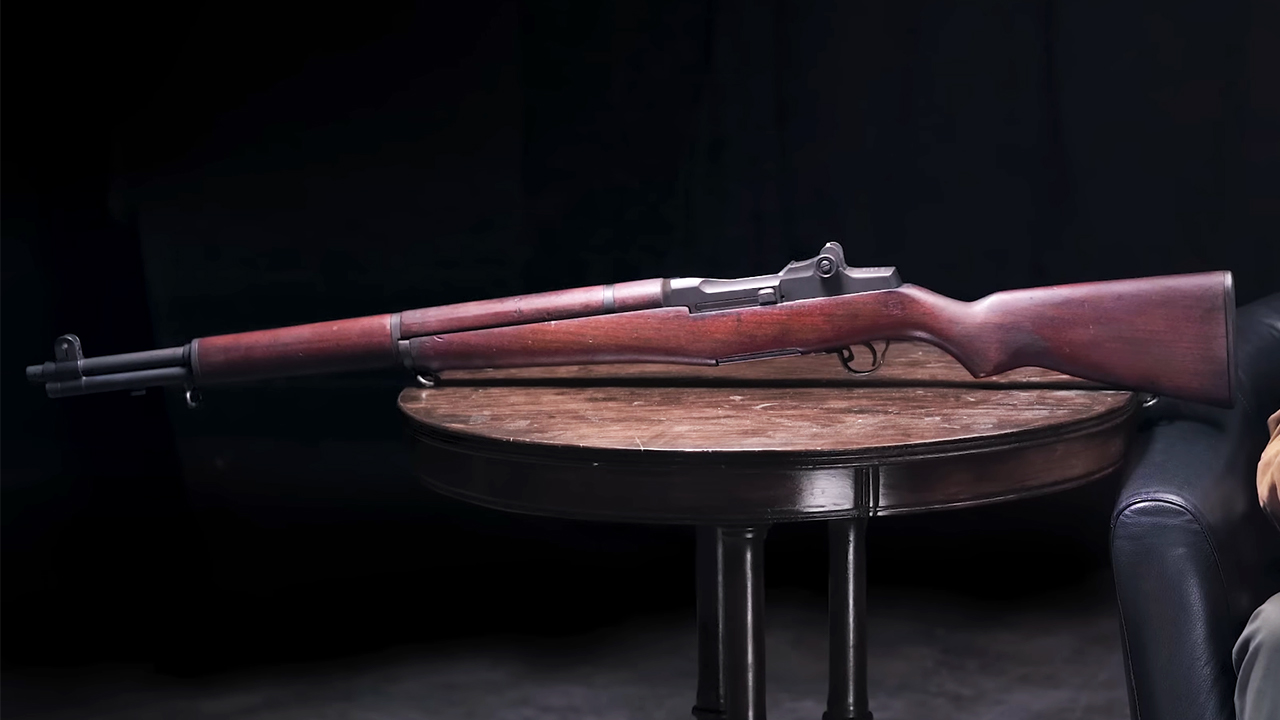
The M1 Garand is one of the most important American military rifles ever produced. Its semiautomatic action, eight-round en bloc clip, aperture sights, and .30-06 chambering gave American troops a major firepower advantage during World War II.
The rifle is heavy, mechanically complex, and louder at the action than most modern semiautomatics. None of those traits reduce its appeal. Loading the clip, operating the safety, and hearing the empty clip eject provide a connection to history that no modern rifle can duplicate.
M1 Carbine

The M1 Carbine is lighter, handier, and easier to shoot than the M1 Garand. It was developed as a compact defensive weapon for troops who needed more capability than a handgun without carrying a full-size battle rifle.
Its .30 Carbine cartridge produces modest recoil, and the rifle handles exceptionally well at close range. Original military carbines are increasingly collectible, while commercial reproductions vary in quality. A good example remains one of the most enjoyable classic military rifles to own and shoot.
M14 and Springfield Armory M1A
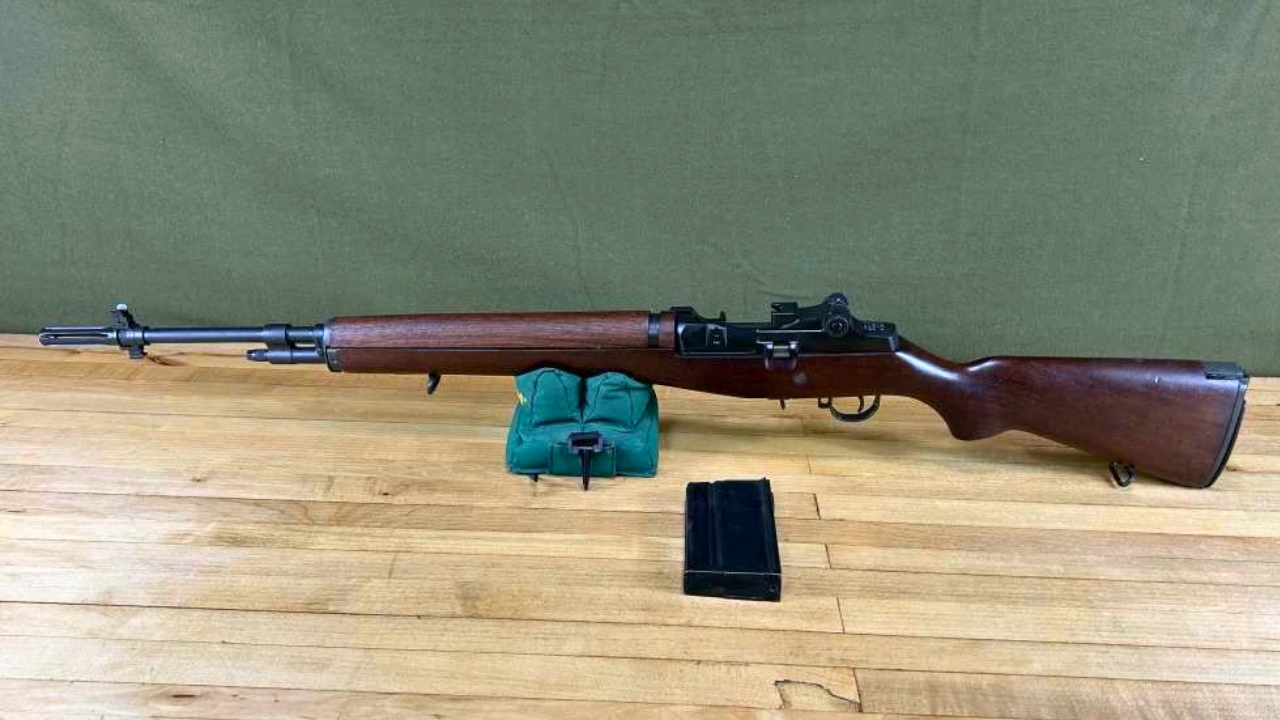
The M14 represented the final development of the traditional American wood-stocked service rifle. It combined the basic operating system of the M1 Garand with a detachable magazine and the 7.62x51mm NATO cartridge.
Civilian shooters know the design primarily through the Springfield Armory M1A. It is heavier and less adaptable than a modern AR-10, but its aperture sights, walnut stock, and exposed operating rod provide a completely different experience. The rifle feels substantial and purposeful in a way newer polymer-stocked designs often do not.
FN FAL

The FN FAL became one of the most widely used battle rifles of the Cold War. Its adjustable gas system, tilting-bolt action, and 7.62x51mm chambering gave it a reputation for reliability across numerous climates and military forces.
The rifle is long and heavy compared with modern carbines, and optics mounting can be less straightforward. Its historical significance and distinctive handling make those disadvantages easy to forgive. A quality FAL remains one of the rifles serious military-firearms collectors want represented in the safe.
Heckler & Koch G3 and HK91

The G3 uses a roller-delayed-blowback system rather than a conventional gas-operated action. Its stamped receiver, fluted chamber, and powerful extraction system created a rifle known for reliability and rugged military service.
Civilian versions such as the HK91 have become highly collectible, while licensed and modern reproductions offer more affordable access to the design. The recoil impulse is sharper than that of many gas-operated .308 rifles, and the charging handle demands deliberate technique. The mechanical character and Cold War history make the platform difficult to ignore.
SKS
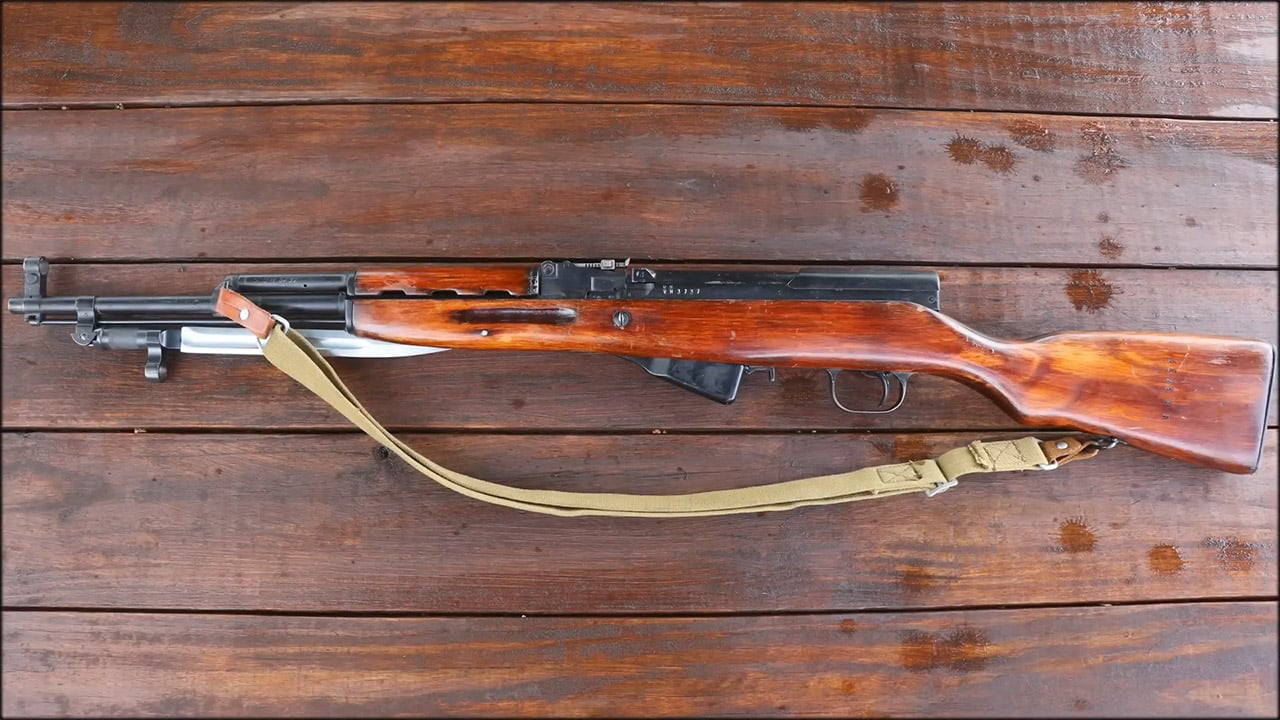
The SKS was once treated as a cheap surplus rifle, but its historical and practical value has become more obvious as supplies have dried up. Its fixed ten-round magazine, short-stroke gas system, folding bayonet, and 7.62x39mm chambering create a rugged rifle that is simple to operate.
Original examples from Russia, China, Yugoslavia, and other countries have their own collector appeal. Many rifles were heavily modified when they were inexpensive, making unaltered examples increasingly valuable. A clean SKS deserves to remain in its original configuration rather than becoming another improvised tactical project.
Lee-Enfield No. 4

The Lee-Enfield No. 4 is one of the fastest military bolt-action rifles ever produced. Its rear-locking action, ten-round detachable magazine, and smooth bolt throw allowed trained shooters to maintain an impressive rate of fire.
The .303 British cartridge is less common than it once was, and many surplus rifles have seen hard use. A good example still offers excellent handling, effective aperture sights, and a direct connection to British and Commonwealth military history. It is one of the classic military rifles that feels genuinely different from a Mauser-pattern gun.
Winchester Model 52
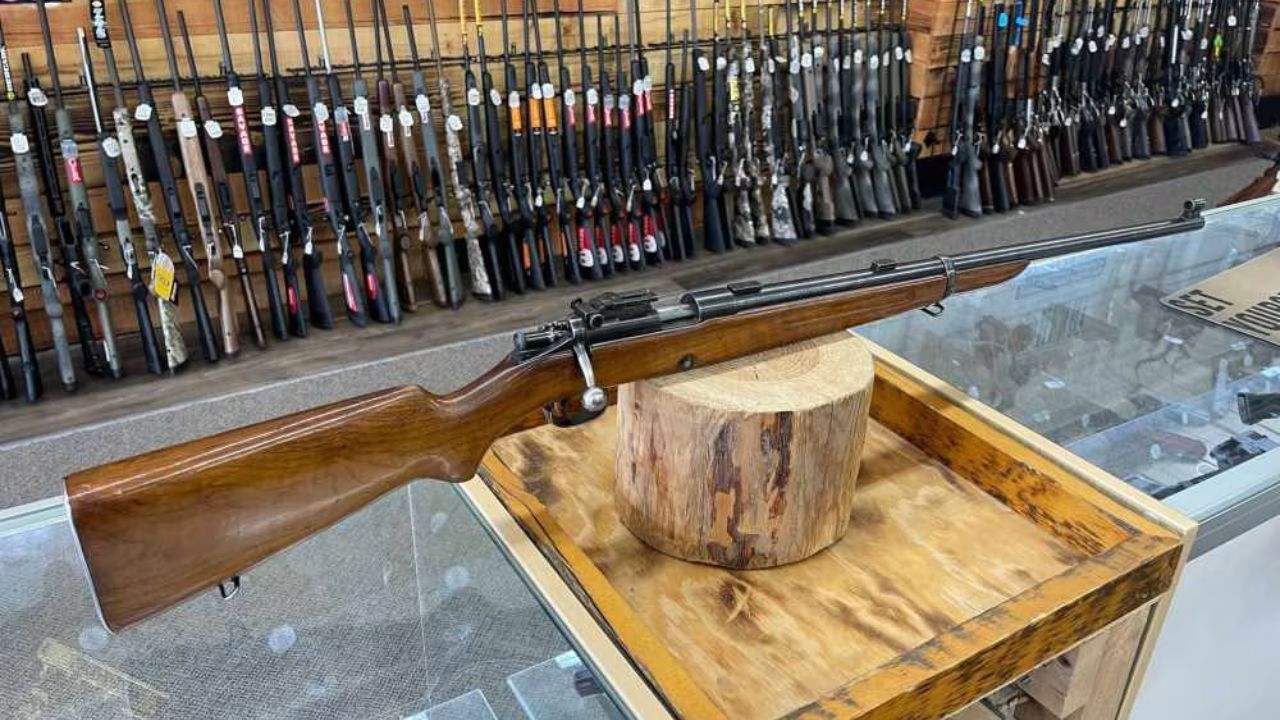
The Winchester Model 52 is one of the finest American target rimfire rifles. Its heavy barrel, precision action, excellent trigger, and substantial stock made it a standard for competition shooters and serious marksmen.
Different versions were produced over several decades, and collector values vary accordingly. Even ordinary examples provide a level of traditional machining and balance that is uncommon in current production. A Model 52 is more than an accurate .22. It represents the era when premium rimfire rifles were built with the same seriousness as centerfire target guns.
Winchester Model 9422
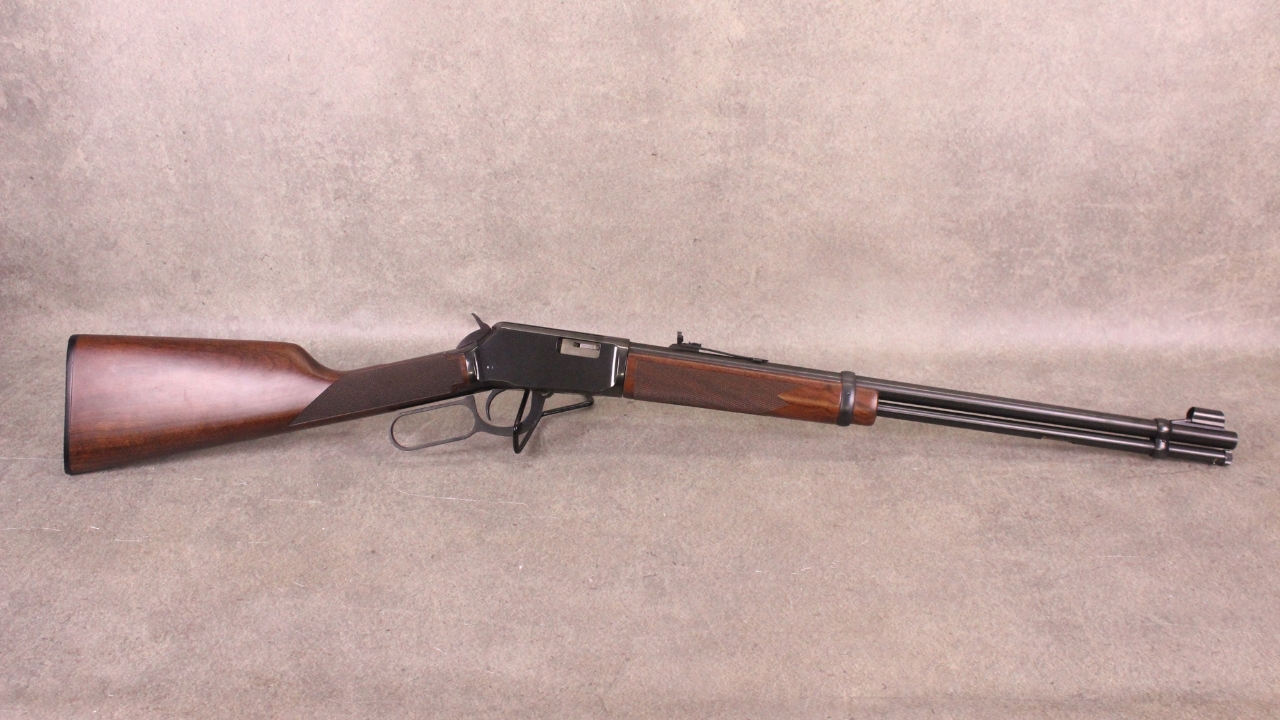
The Winchester Model 9422 brought the look and feel of the Model 94 into a smooth, all-steel rimfire rifle. Its short action, grooved receiver, and tube-fed design made it ideal for recreational shooting and small-game hunting.
Production ended years ago, and prices have continued climbing as owners realize there is no direct modern replacement with the same Winchester identity and construction. The 9422 is light, smooth, and enjoyable without feeling like a scaled-down youth rifle. It is exactly the kind of gun owners regret selling because replacing it later costs far more than expected.
Like The Avid Outdoorsman’s content? Be sure to follow us.
Here’s more from us: