Photo credit: DemolitionRanch/YouTube
A firearm can look like an obvious bargain while sitting behind the glass. The price is lower than competing models, the magazine holds more rounds, the slide is already cut for an optic, or the package includes features that normally cost extra. On paper, it can seem foolish to spend more money.
The first serious range session often changes that impression. A trigger that felt acceptable during dry fire becomes distracting, recoil is sharper than expected, the grip never settles naturally, or the gun needs more effort to shoot well than a slightly more expensive alternative. The firearms below are not necessarily unreliable or worthless. They simply tend to look like better buys before the shooting starts than they do afterward.
Taurus GX4 Carry

The GX4 Carry appears to offer nearly everything buyers want from a modern concealed-carry pistol. It has a slim profile, useful capacity, an optics-ready configuration, and a price that usually undercuts the most established micro-compacts. The slightly longer grip also makes it look easier to handle than the original GX4.
It remains a light, narrow pistol with a quick recoil impulse. The grip does not distribute recoil as comfortably as some larger compacts, and the trigger can feel less predictable during rapid strings than it does at the counter. It carries easily, but shooters who prioritize range performance may find themselves wishing they had spent more on a pistol with a fuller grip and more refined trigger.
Taurus G3 Tactical
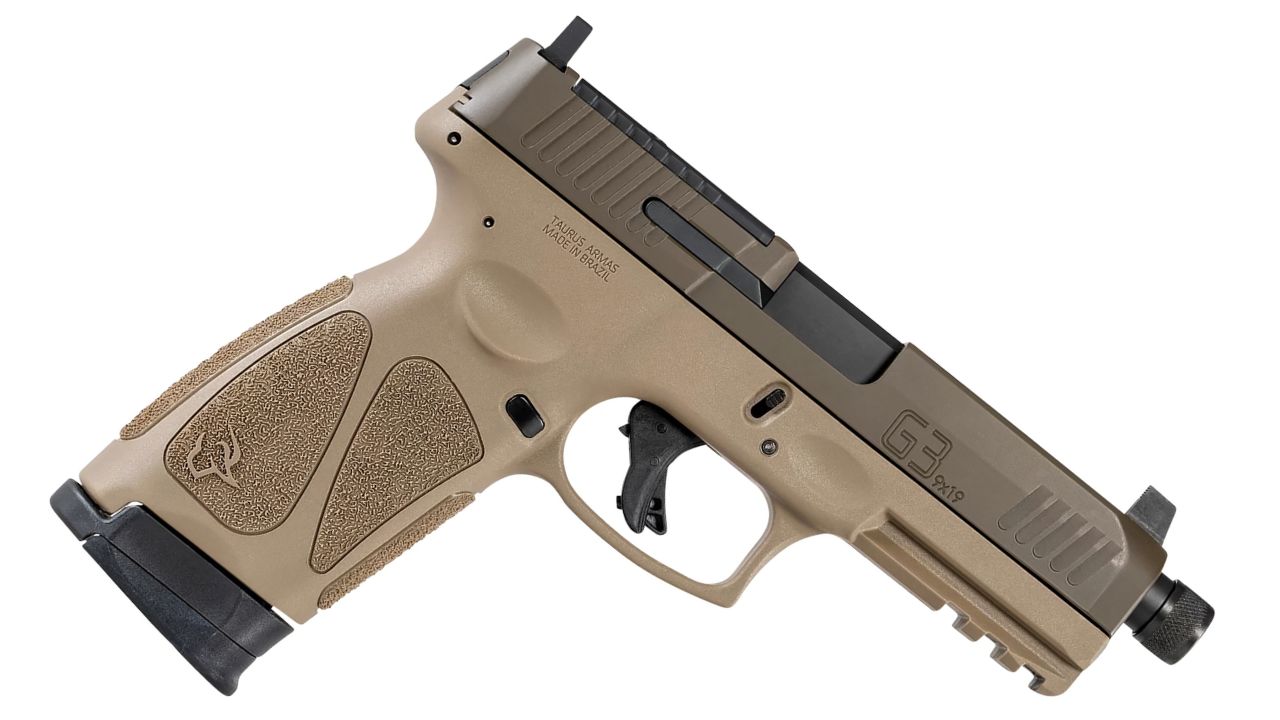
The G3 Tactical looks like a tremendous amount of pistol for the money. It includes a threaded barrel, optics-ready slide, extended magazine, suppressor-height sights, and aggressive styling. Those features can make a basic striker-fired pistol look like a ready-made defensive or suppressor host.
The underlying shooting experience remains close to the standard G3. The trigger has a long take-up and an unusual reset, while the frame does not feel as solid or refined as more expensive duty pistols. Adding a suppressor or optic also exposes the limitations of a gun that was primarily designed around affordability. The feature list is impressive, but the actual performance may feel ordinary.
Springfield Armory Hellcat
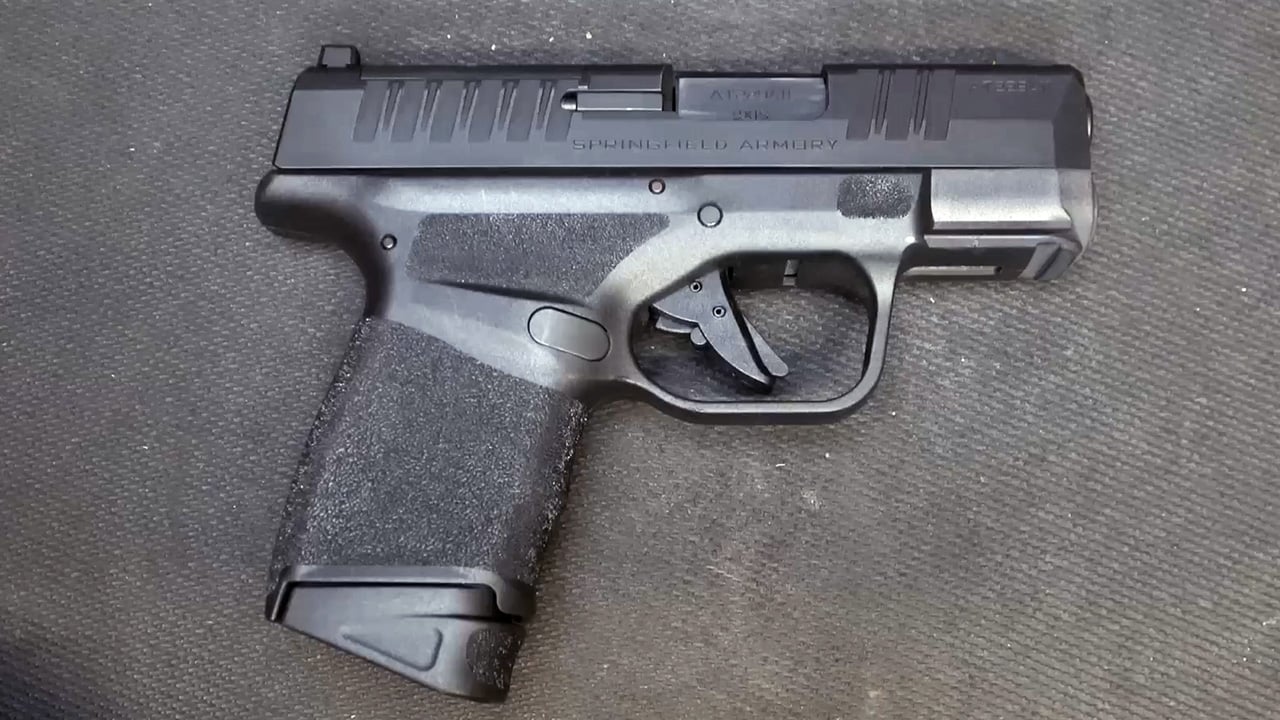
The original Hellcat attracts buyers with excellent capacity for its size, useful factory sights, broad holster support, and a reputation from a major manufacturer. It is small enough to disappear under light clothing while still holding far more ammunition than older single-stack carry guns.
Its size is also what makes it difficult to shoot well. The narrow grip and short frame produce a sharp, fast recoil impulse that can disrupt the sights between shots. Shooters with larger hands may struggle to maintain consistent pressure on the frame. It looks like an ideal do-everything carry gun, but many owners eventually move to the Hellcat Pro or another slightly larger pistol.
SIG Sauer P365
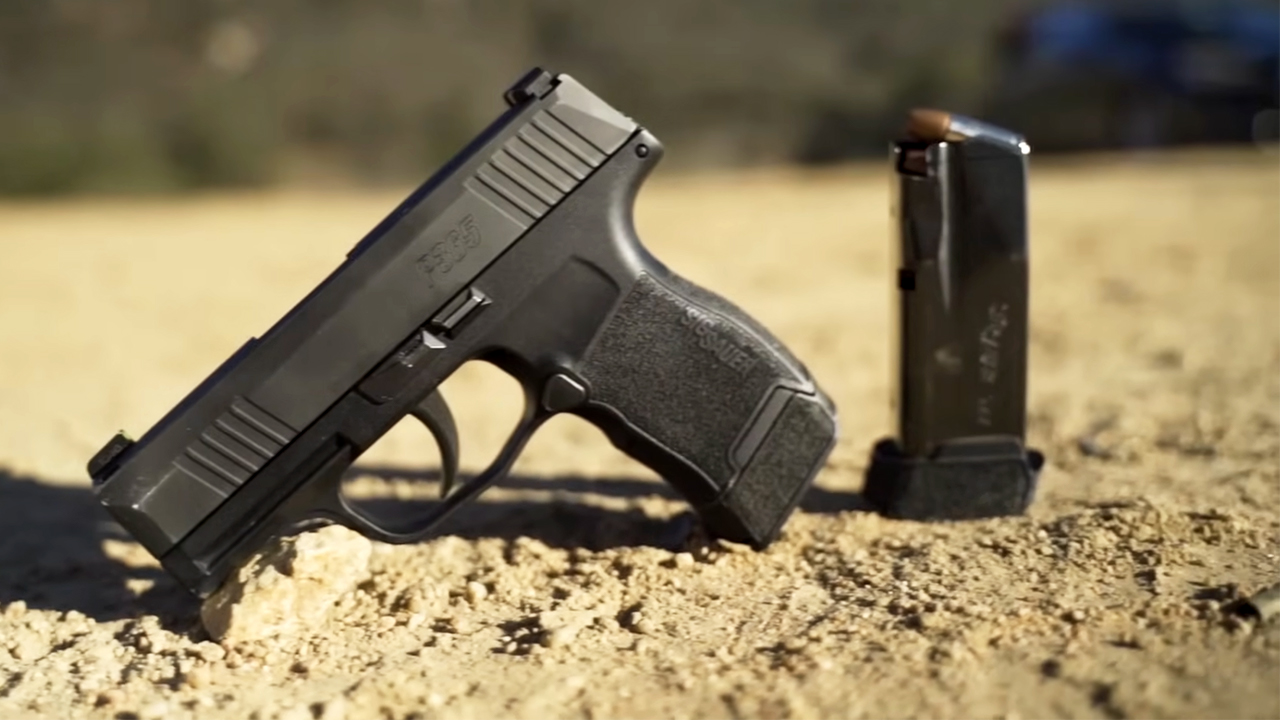
The original P365 still looks like one of the smartest carry purchases available. It is compact, light, widely supported, and capable of carrying more ammunition than its dimensions suggest. The aftermarket is enormous, and almost every holster company supports it.
The shortest P365 configuration is much less forgiving than the larger versions. The grip can feel cramped, recoil is quick, and the gun demands a careful trigger press to maintain tight groups. The modular system also encourages owners to spend more money on grip modules, slides, triggers, and magazines. What begins as a reasonably priced carry gun can become an expensive attempt to make the pistol shoot like an XL or Macro.
SIG Sauer P365 XMacro Comp
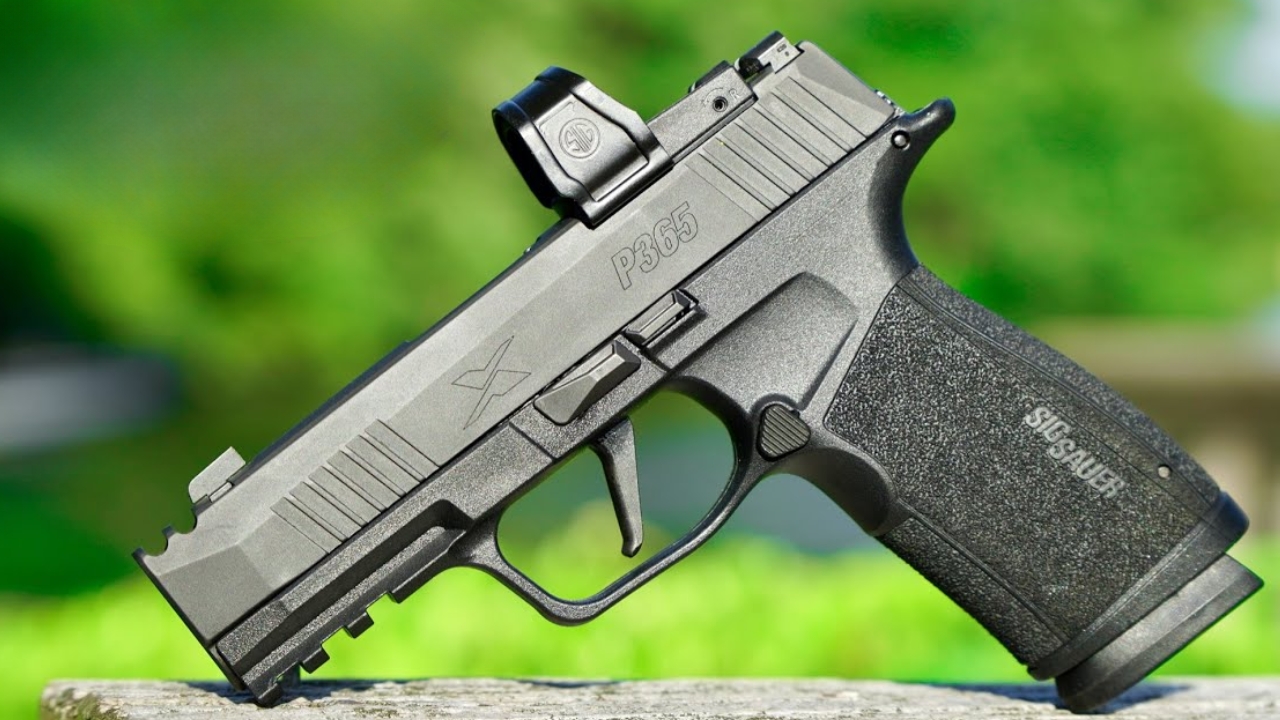
The XMacro Comp looks like the complete answer to the micro-compact problem. It combines a long grip, high capacity, optics compatibility, and an integrated compensating system in a pistol that remains relatively thin.
The shooting improvement does not always feel as dramatic as the price and marketing suggest. The ported slide increases blast, especially indoors, while the narrow frame still lacks the weight and width of a traditional compact. It is easier to shoot than the original P365, but some owners discover that a less expensive compact pistol feels equally controlled and more substantial in the hand.
Smith & Wesson Bodyguard 2.0
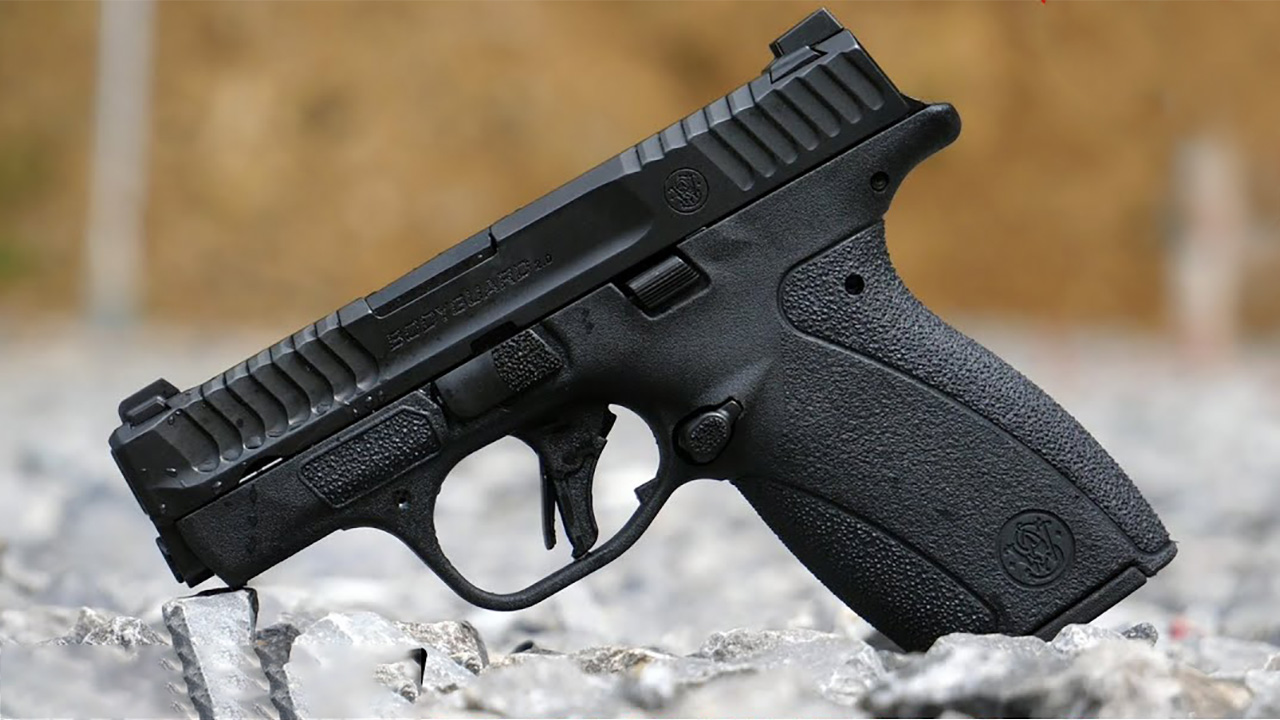
The Bodyguard 2.0 is far more appealing than the tiny pocket pistols that came before it. It has better sights, a usable striker-fired trigger, improved capacity, and a grip shape that allows more control than its size would suggest.
It is still an extremely small and light .380. The grip leaves little room for error, and recoil feels sharper than many buyers expect from the cartridge. The short sight radius and limited frame contact become noticeable during drills beyond conversational distance. It is an excellent deep-concealment tool, but buyers expecting it to shoot like a reduced Shield Plus may be disappointed.
Ruger Max-9
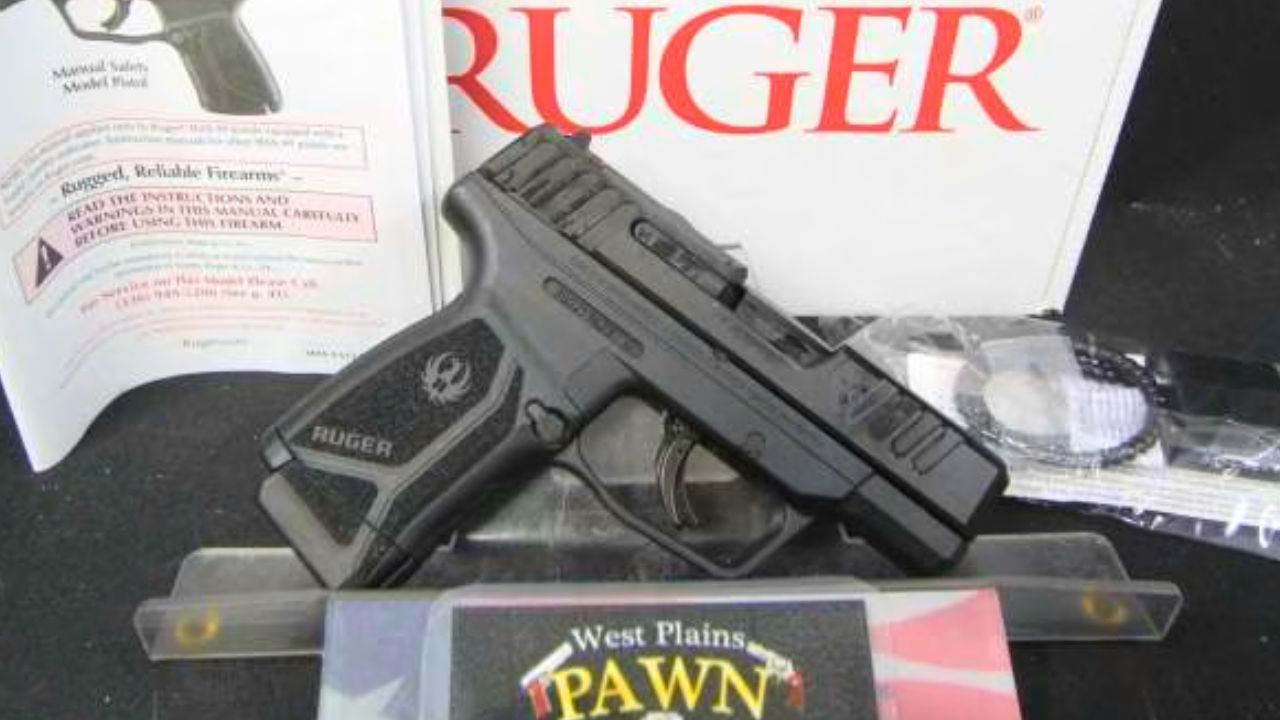
The Ruger Max-9 appears to offer strong value in the micro-compact market. It is optics-ready, slim, light, and usually priced below the most popular competitors. The factory sights are useful, and the pistol carries comfortably.
The trigger and overall shooting feel are less convincing. The trigger can feel heavy and uneven, while the narrow grip makes recoil abrupt. The gun is capable of defensive accuracy, but it often requires more concentration than a Shield Plus or larger compact. Its low price makes sense, yet the range experience may explain why it costs less.
Ruger Security-380

The Security-380 looks like one of the best answers for recoil-sensitive shooters. It combines an easy-to-rack slide, mild .380 chambering, useful capacity, and a frame large enough to control better than a pocket pistol.
The light recoil system and budget construction can make the gun feel less substantial than expected. The trigger is functional but not especially crisp, and the sights and controls are plainly built to meet a price. It is easy to operate, but shooters looking for a refined range pistol may find that the affordability is obvious once they begin firing it.
Canik MC9

The Canik MC9 attracts buyers with a strong trigger, optics-ready slide, high capacity, and a price below many major micro-compacts. Canik’s reputation for excellent factory triggers makes the small pistol look especially appealing.
The MC9 is not as pleasant as the company’s larger pistols. The short grip and light slide create more movement, while the aggressive trigger can encourage shooters to move faster than their grip control allows. Some owners also find the compact frame less comfortable than expected. It offers impressive specifications, but it does not deliver the same easy shooting experience as a METE SF or Rival.
Canik TTI Combat
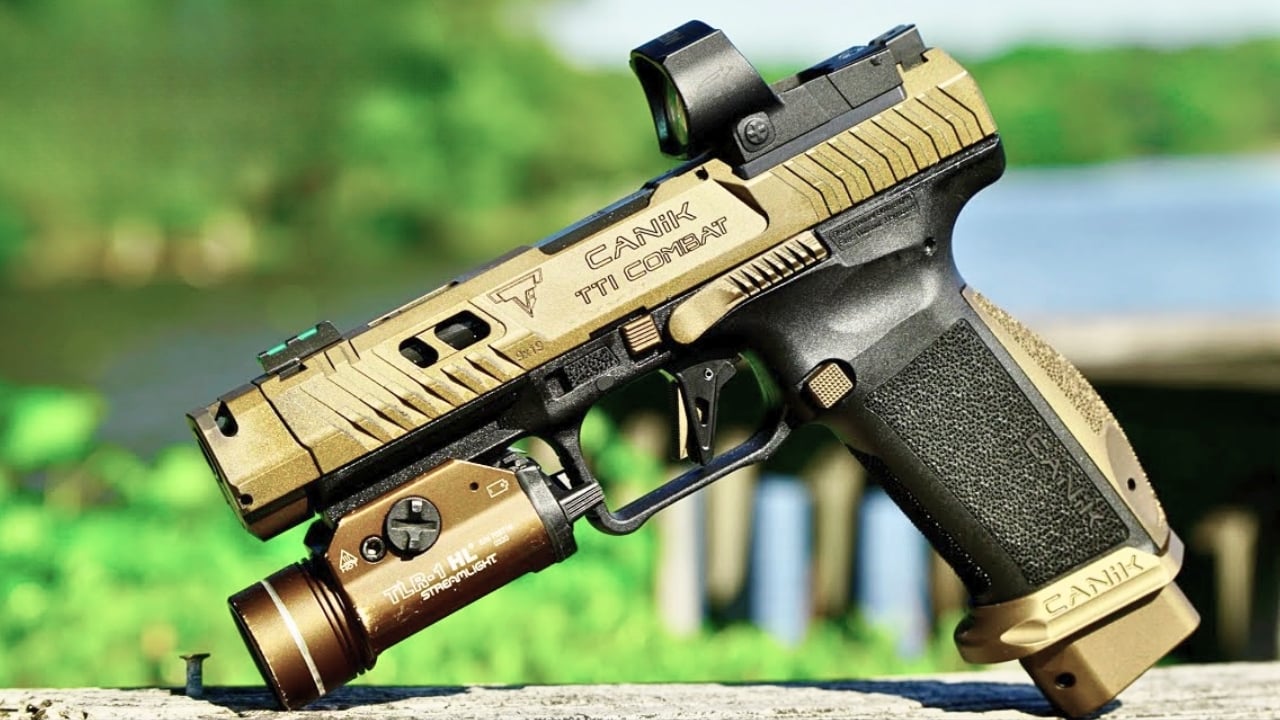
The TTI Combat looks like a premium competition pistol sold at a price below true custom guns. It includes a compensator, aggressive slide work, extended controls, a flared magazine well, and highly recognizable branding.
Its appearance creates expectations that are difficult to meet. The compensator adds blast and length, while the pistol can feel front-heavy compared with simpler Canik models. The standard trigger is excellent, but the performance increase over a less expensive Rival or METE may feel surprisingly small. Buyers often pay heavily for the styling and name without seeing an equally dramatic improvement on target.
FN Reflex
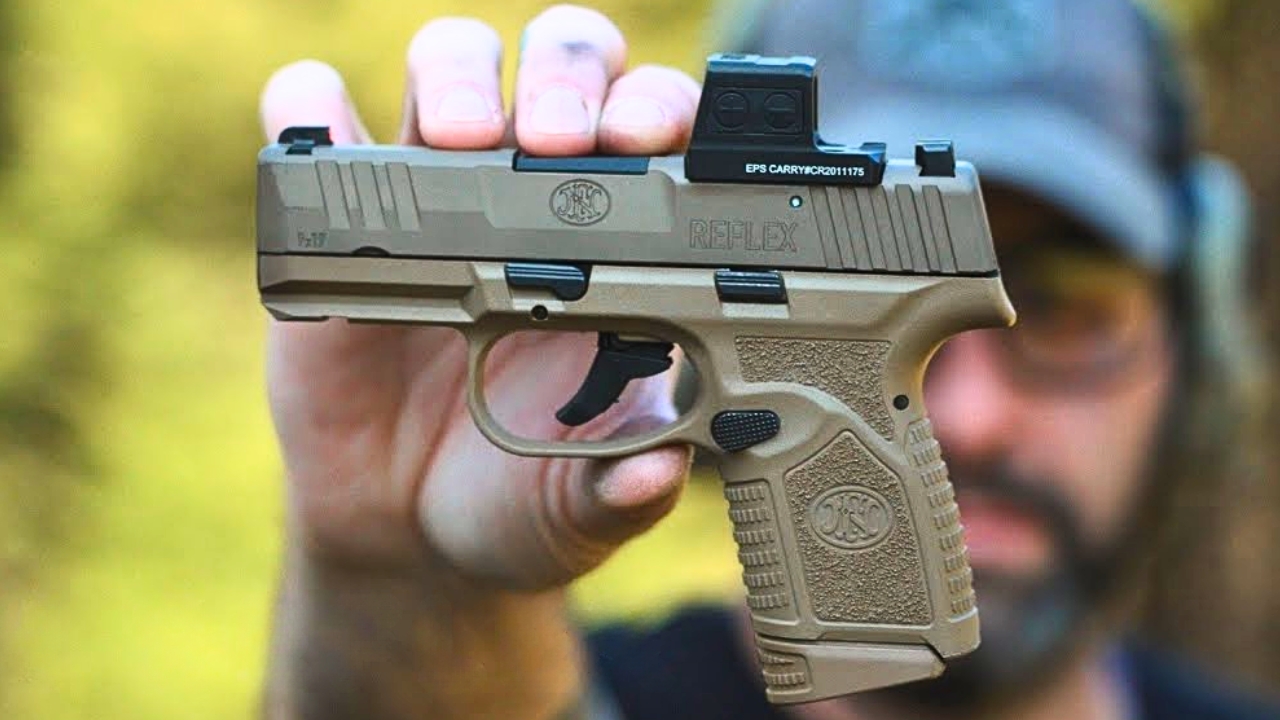
The FN Reflex looks like a sophisticated alternative to the usual striker-fired micro-compacts. Its internal-hammer system, slim frame, useful capacity, and major-brand name make it seem like a premium carry choice.
The trigger can feel light but somewhat unusual, and the short grip does not fit every hand naturally. Recoil remains quick, while the small sights and compact frame demand careful technique. It is capable of good shooting, but many owners expect more refinement because of the FN name and price.
FN 509 CC Edge
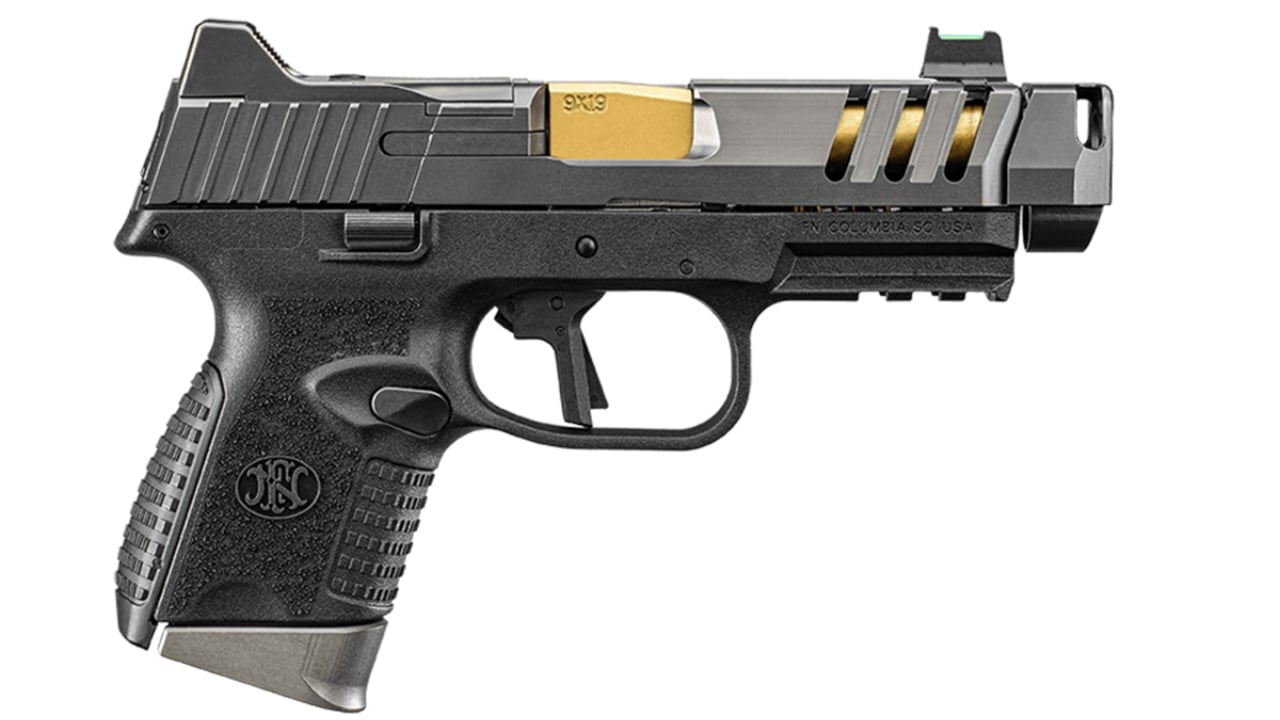
The 509 CC Edge appears to be a factory-custom concealed-carry pistol. It comes with a compensator, extensive slide cuts, optics capability, upgraded sights, and a premium finish. At first glance, it seems ready to outperform ordinary compact pistols.
The trigger is often the biggest letdown. It does not always feel as clean or refined as the rest of the package suggests. The compensator reduces some muzzle rise but adds blast and length, while the overall pistol can feel bulky for concealed carry. The price places it against guns that offer better triggers and equally good control without relying on dramatic styling.
Beretta APX A1 Carry
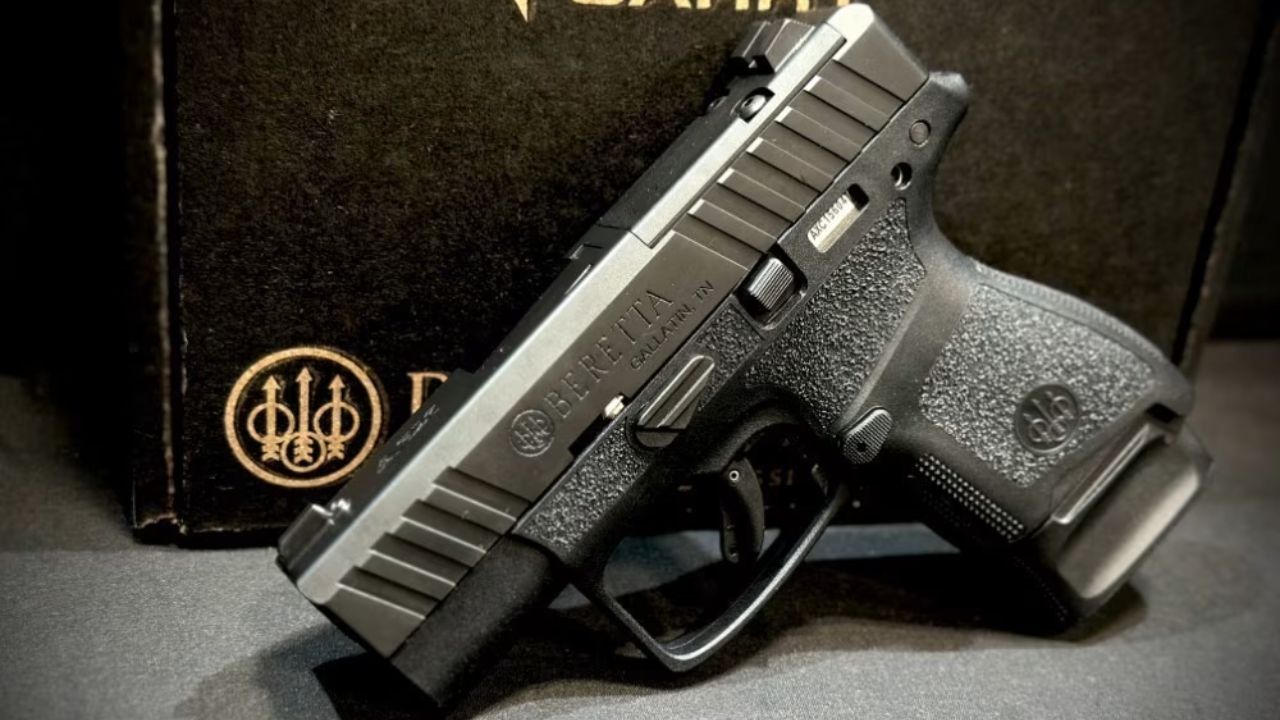
The APX A1 Carry looks appealing because it offers a major manufacturer’s name, a slim profile, optics compatibility, and a low purchase price. It seems like an inexpensive way to get a serious deep-concealment pistol.
The trigger is heavy and long, while the short grip gives the shooter little control. Recoil feels sharp, and the pistol does not shoot as naturally as Beretta’s larger APX models. The low capacity also feels dated beside current micro-compacts. The price is attractive, but the shooting experience can make the savings feel less important.
Beretta 30X Tomcat
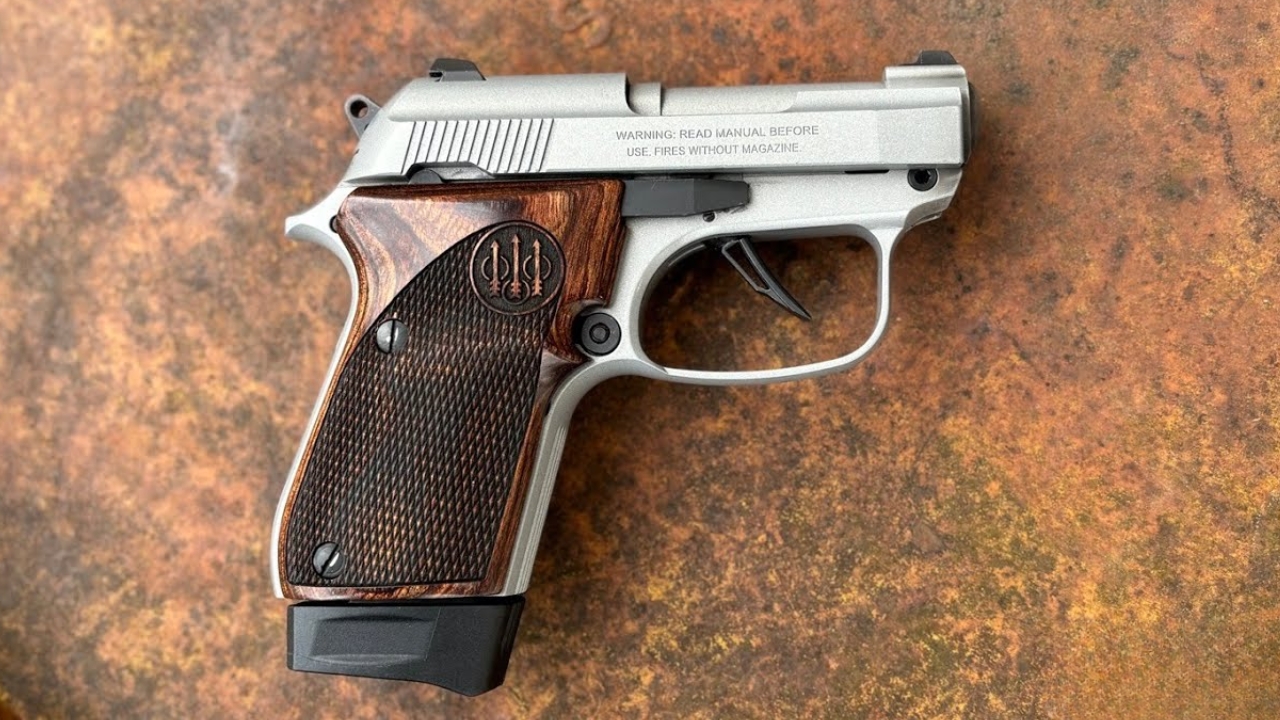
The 30X Tomcat has enormous visual appeal. Its tip-up barrel, compact metal frame, exposed hammer, and classic Beretta styling make it look like a refined pocket pistol with more character than modern polymer alternatives.
The unusual operating system comes with compromises. The grip is short, the sights are small, and the blowback action can make recoil feel sharper than expected. The double-action trigger also requires deliberate practice. It is mechanically interesting and easy to load without racking the slide, but many buyers discover that its charm exceeds its practical shootability.
KelTec P50
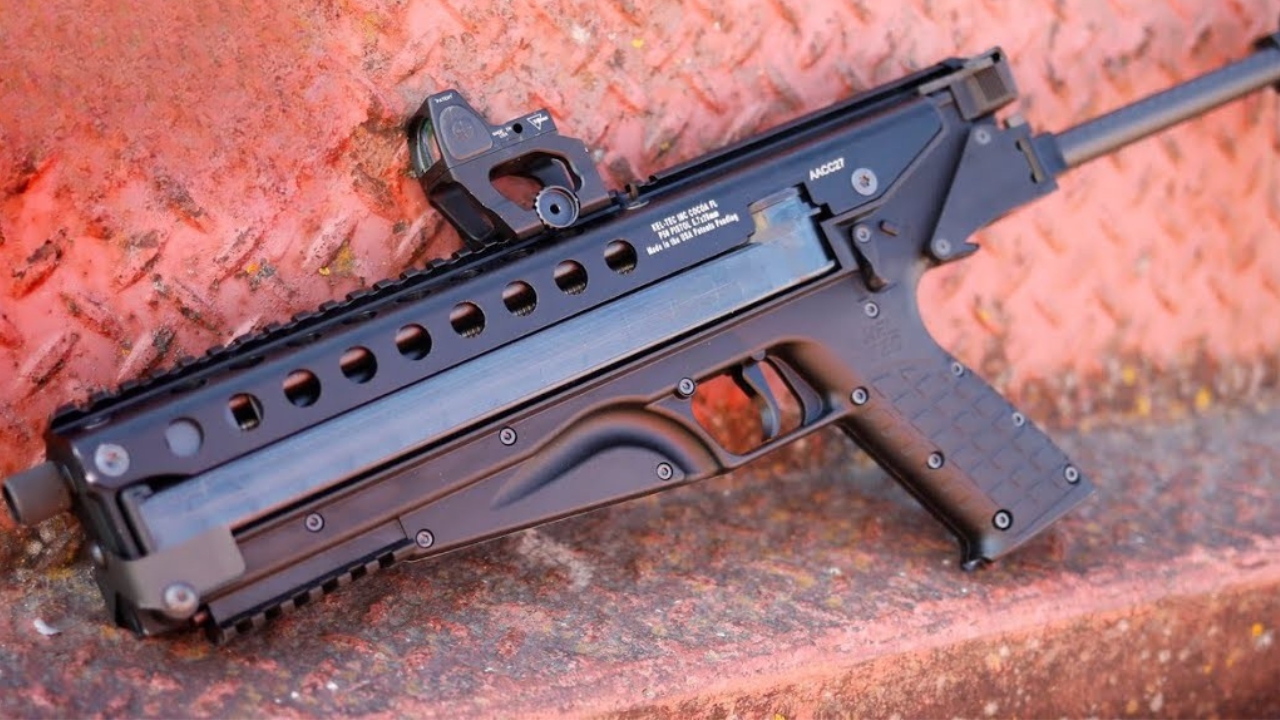
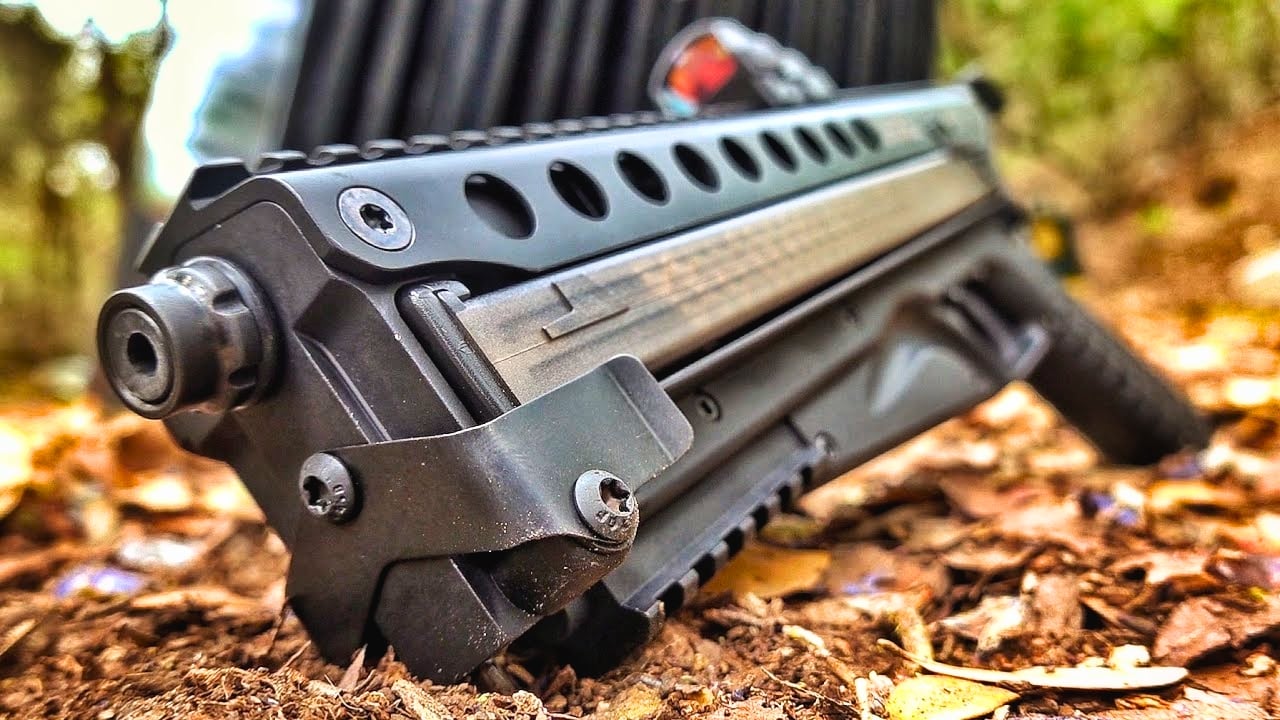
The P50 looks like an incredible value for anyone who wants a futuristic, high-capacity 5.7x28mm firearm. It uses a large horizontal magazine, has extensive rail space, and looks unlike almost anything else at the range.
The design is awkward to operate. Reloading requires opening the upper assembly, the balance is unusual, and the controls do not feel intuitive. The firearm is also difficult to use effectively without adding a brace or stock where legally configured. It attracts attention and holds plenty of ammunition, but the shooting experience can feel more like operating a novelty than a practical defensive firearm.
KelTec SUB2000 Gen3
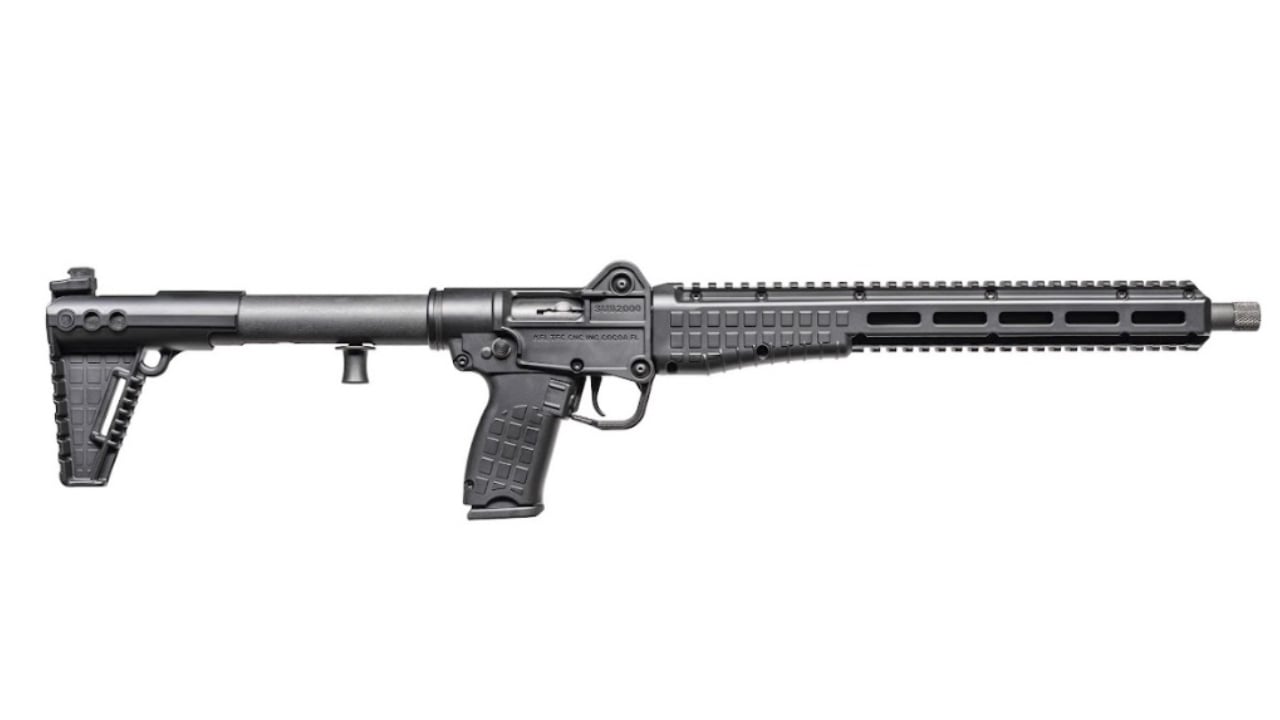
The SUB2000 Gen3 appears to solve nearly every complaint surrounding earlier versions. It folds compactly while allowing an optic to remain installed, uses common pistol magazines, and weighs far less than many competing carbines.
The range experience remains basic. The blowback action produces more recoil than buyers expect from 9mm, the charging handle is awkward, and the stock offers limited comfort and adjustment. The gun is excellent at folding, but it is less impressive at being a comfortable rifle. Buyers attracted mainly by portability may discover that they would rather shoot a heavier carbine.
Smith & Wesson Response
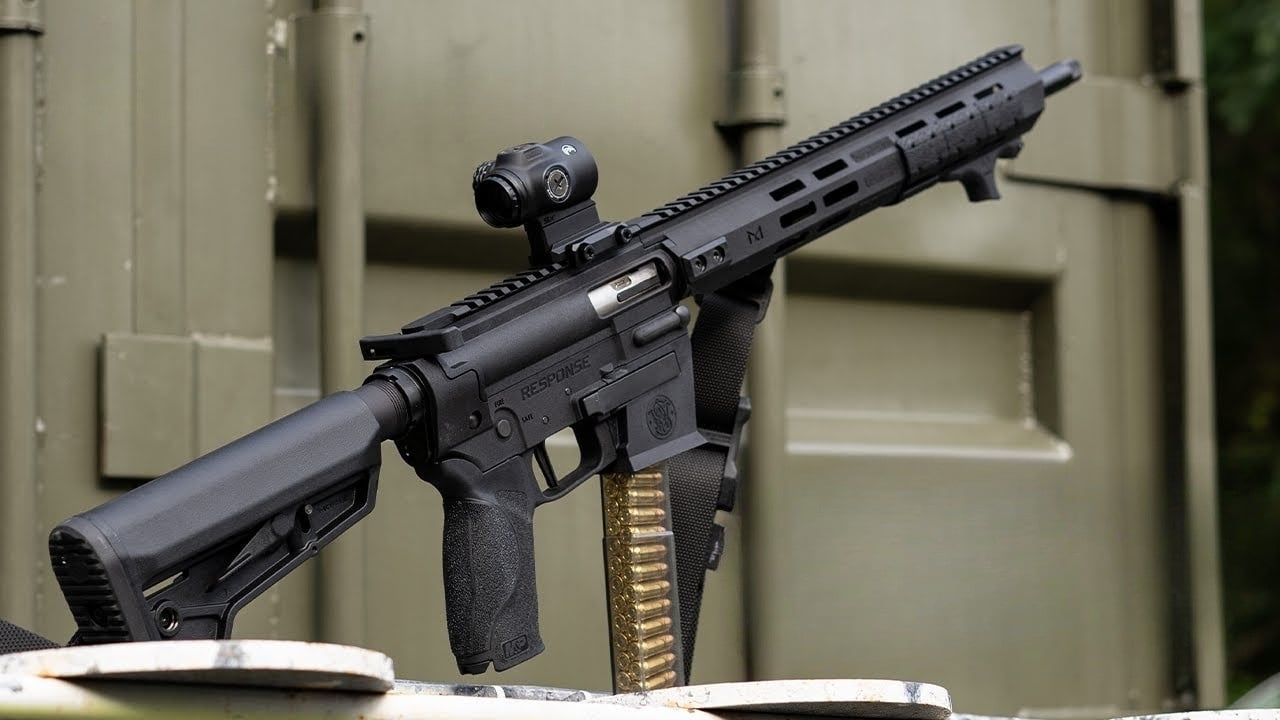
The Response looks like a practical bridge between an AR-15 and a pistol-caliber carbine. It has familiar controls, adjustable furniture, broad accessory compatibility, and a magazine-adapter system that supports common handgun magazines.
Its blowback operating system creates a heavier impulse than the caliber suggests, and the rifle does not feel as refined as premium AR-style carbines. The polymer construction and magazine interface may also feel less substantial than expected. It is useful, but buyers may realize that the familiar appearance promised a smoother AR-like shooting experience than the gun actually delivers.
Henry Homesteader

The Homesteader appears to be the perfect 9mm carbine for someone who dislikes tactical styling. Its walnut stock, traditional profile, and pistol-magazine compatibility make it look like a versatile ranch and home-defense rifle.
The rifle is heavier and less lively than its appearance suggests. The stock dimensions are not adjustable, and the controls require more familiarity than a standard semiautomatic rifle. Blowback operation also creates noticeable movement. It is attractive and useful, but shooters expecting the effortless handling of a classic rimfire may find it surprisingly cumbersome.
Smith & Wesson Model 1854
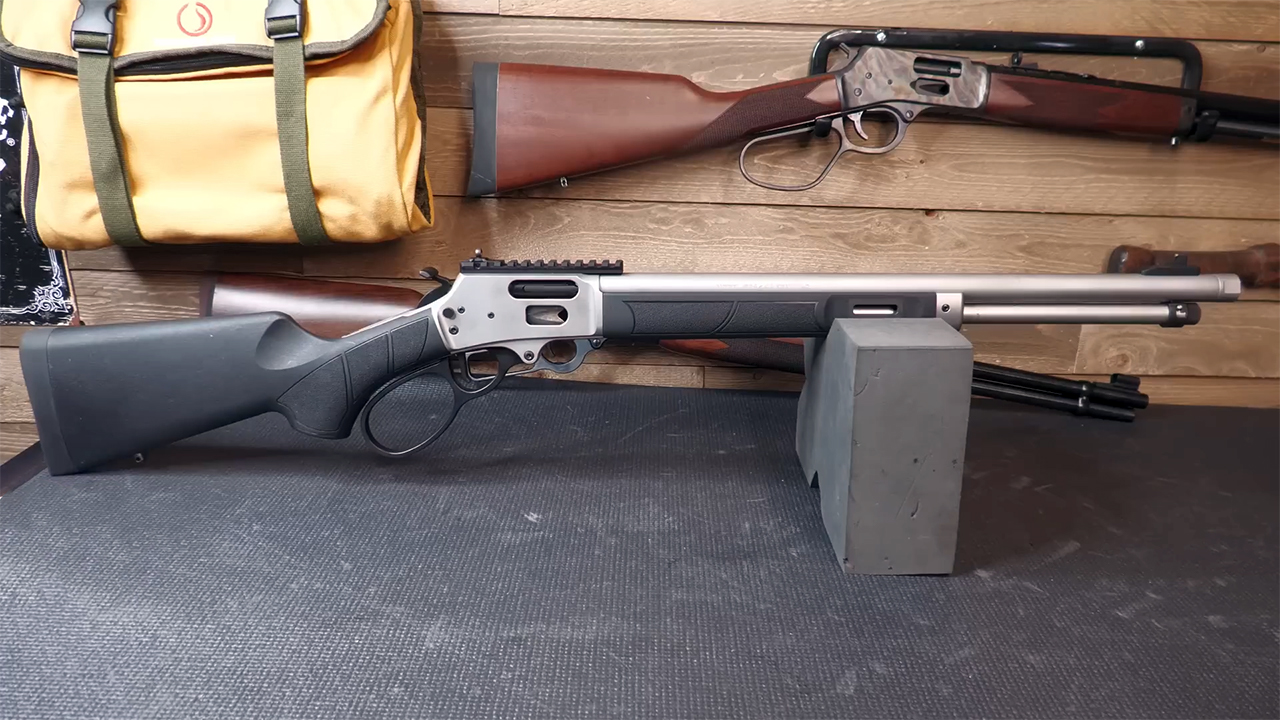
The Model 1854 looks like a smart way to obtain a modern lever rifle without paying for a heavily customized Marlin. It includes stainless construction, modern sights, a rail, an accessory-ready forearm, and powerful pistol-caliber chamberings.
The rifle can feel heavier and less graceful than a traditional lever action. The modern forearm and full-length equipment add weight toward the front, while the action may not feel as smooth as buyers expect from the price. It looks ready for every possible accessory, but adding those accessories can make the handling even worse.
Rossi R95 Triple Black

The R95 Triple Black looks like a bargain-priced alternative to a tactical Marlin. It offers a dark finish, threaded barrel, rail, large loop, and compact .30-30 configuration at a lower price than many competing lever guns.
The finish and action often reveal where the savings came from. The lever may feel rough, the trigger can be heavy, and the overall balance is not as refined as a quality Marlin or Winchester. It can still make a useful hunting rifle, but buyers drawn to the appearance may find that the gun feels much less premium once they begin cycling and shooting it.
Panzer Arms M4
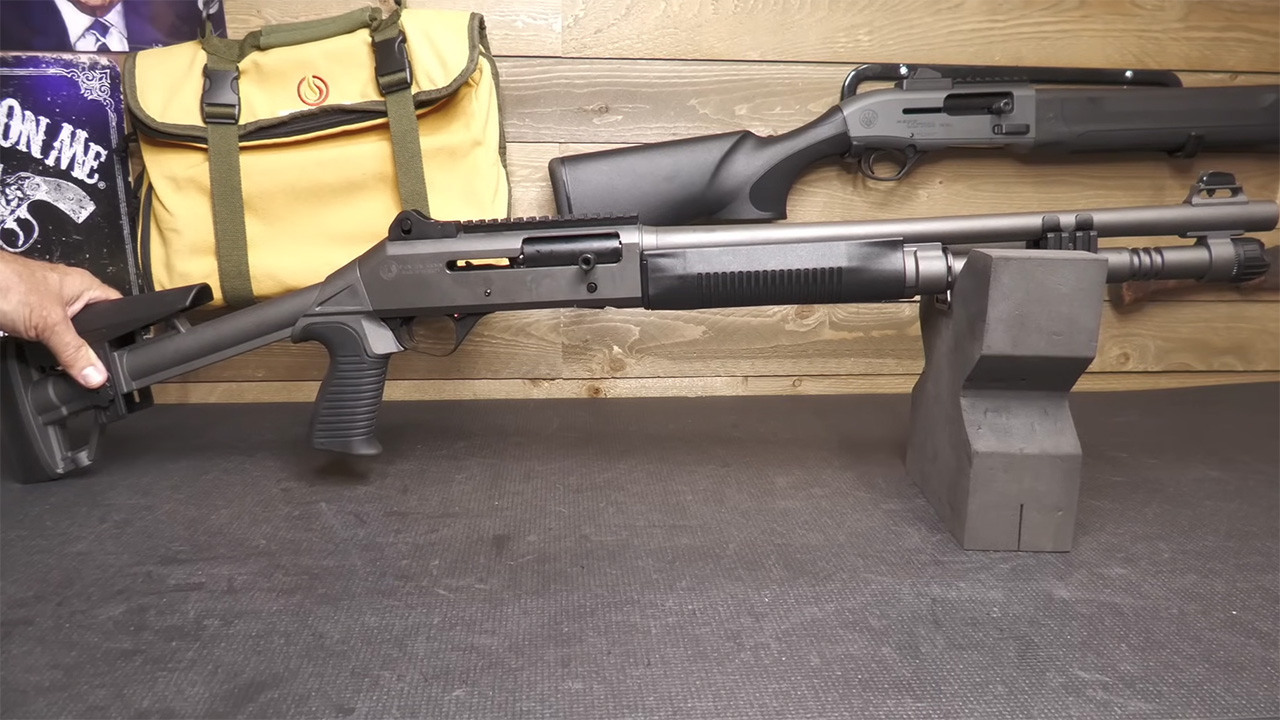
The Panzer M4 looks like one of the best bargains in the shotgun market. It closely resembles a much more expensive military-style semiautomatic shotgun and offers familiar controls, an extended magazine, and aggressive styling for a fraction of the price.
The similarity is largely visual. Fit, small-parts quality, spring strength, and long-term durability may not match the gun that inspired it. Some examples run well, while others require break-in, ammunition experimentation, or replacement parts. It can be an entertaining range shotgun, but the low price becomes less attractive when the buyer expected proven defensive reliability.
Like The Avid Outdoorsman’s content? Be sure to follow us.
Here’s more from us: