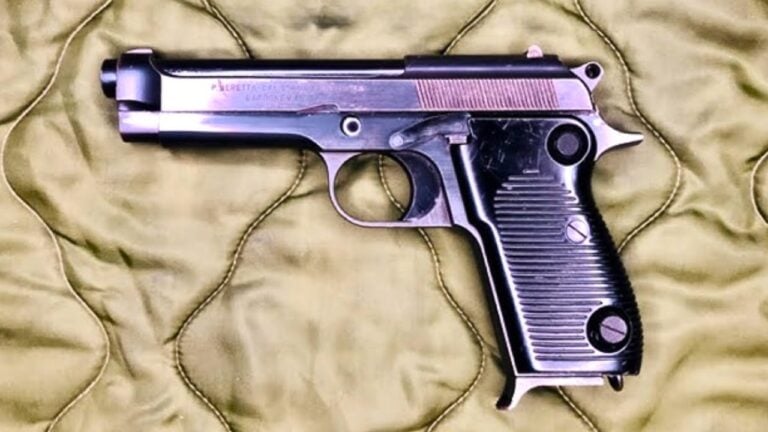
Photo credit: John Peck Auctions/Youtube
A gun doesn’t always get its full respect while it’s still in production. When buyers can order one, find one used, or assume another batch will show up, it’s easy to treat it like just another option. Then production stops, the racks dry up, and the same gun suddenly looks a whole lot smarter.
That’s when people realize availability was part of what made it seem ordinary. Once a firearm is no longer being made, clean examples start standing out. The good ones become harder to replace, and prices often start telling the story. These guns became worth more after people stopped making them.
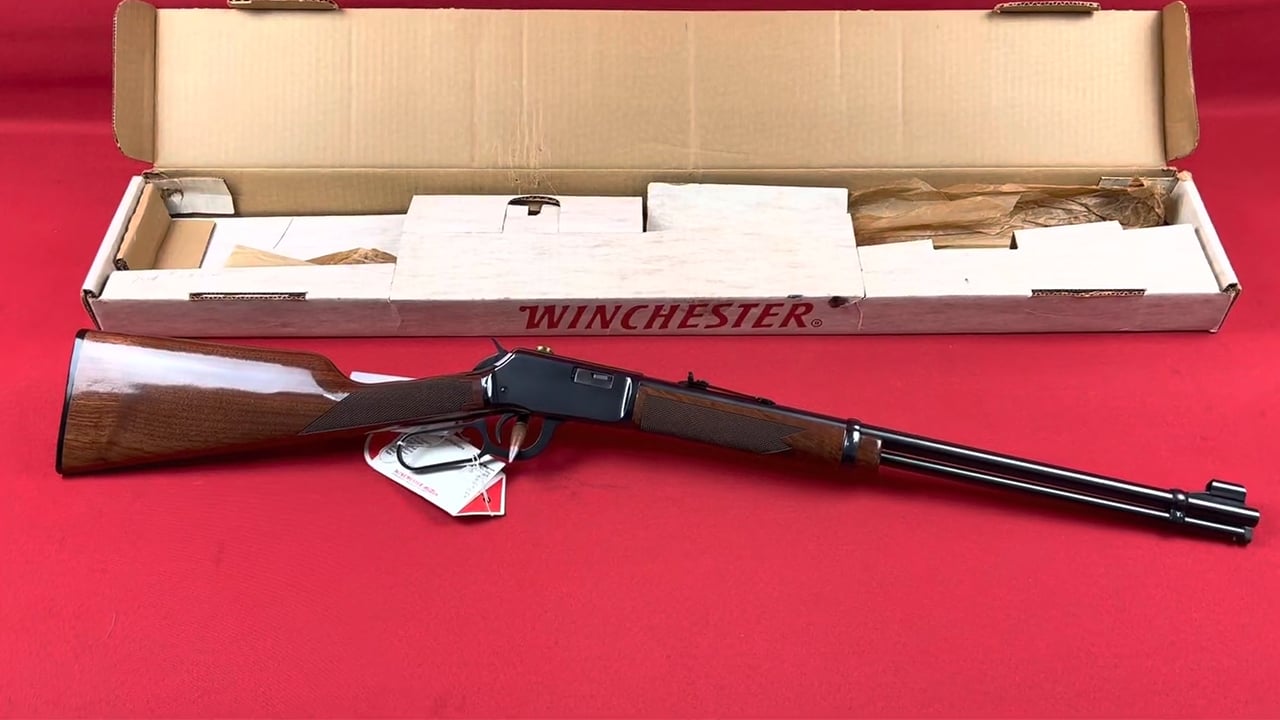
Winchester Model 9422
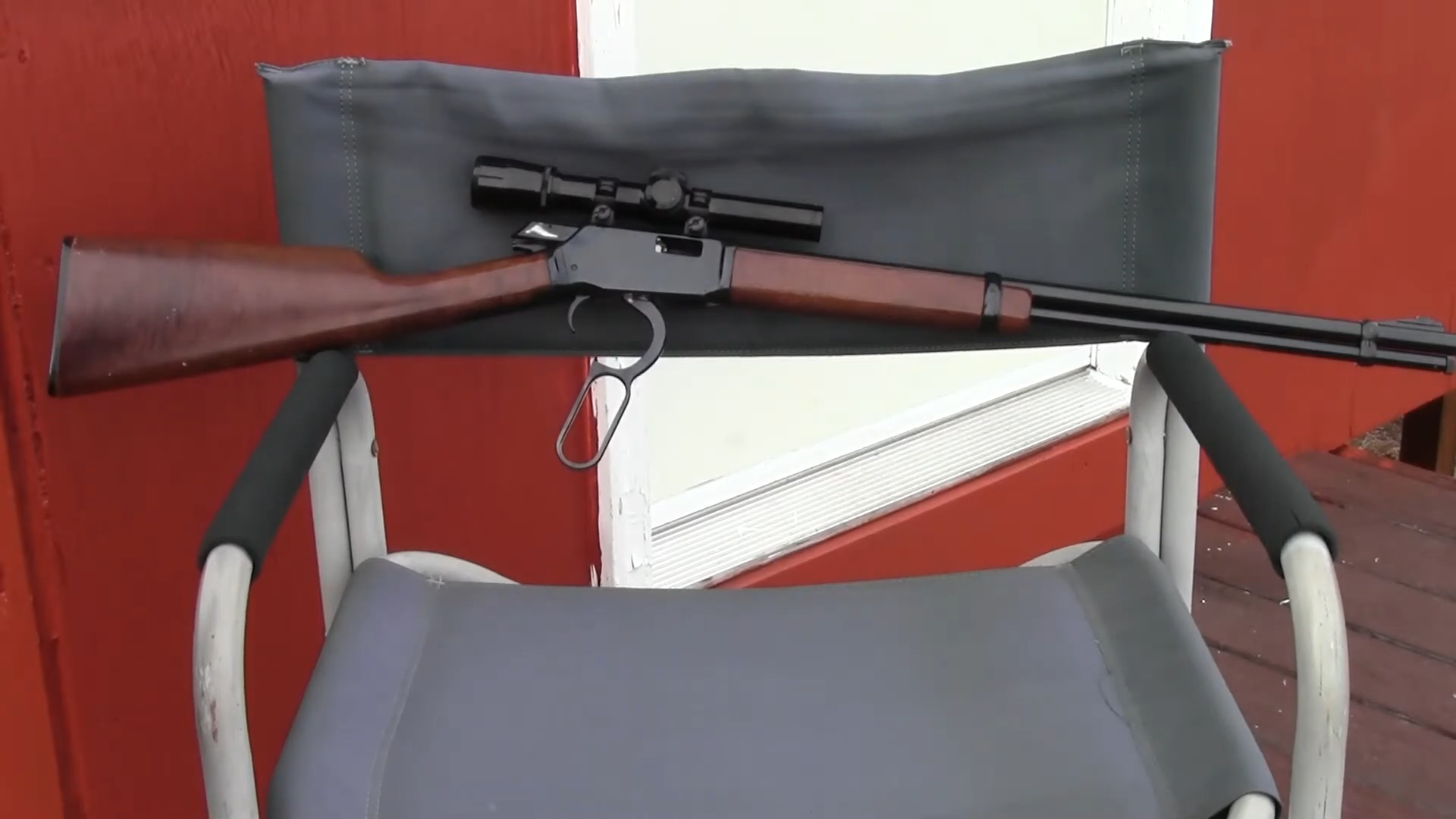
The Winchester Model 9422 is one of the clearest examples of a rifle people should have appreciated more while it was still around. It was a smooth lever-action .22 that felt better than most casual rimfires, but plenty of buyers still treated it like “just a .22.” That mindset aged poorly.
Once Winchester stopped making the 9422, clean examples became far more desirable. The rifle has real build quality, a smooth action, and enough charm to make it appealing to new shooters and experienced owners alike. It works for plinking, small game, and family range days, but it also feels like something worth keeping for life. A good 9422 is not easy to replace, and the market knows it now.
Marlin 39A
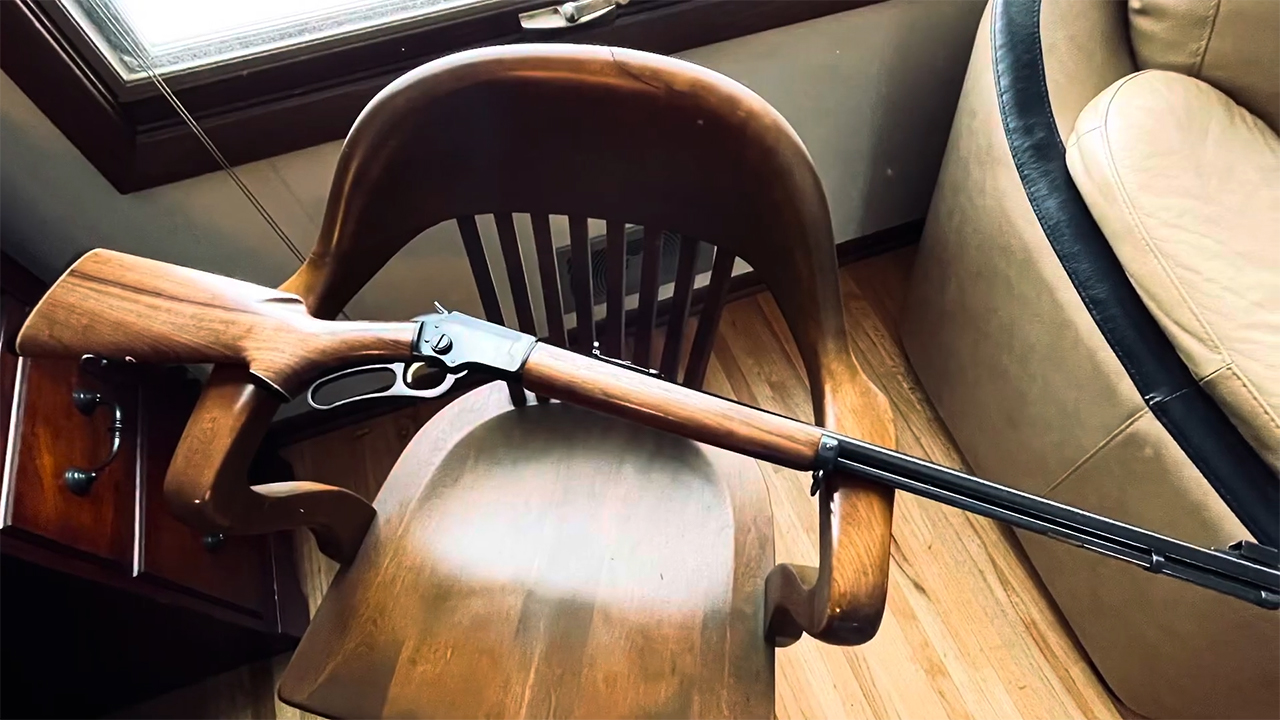
The Marlin 39A spent decades proving that a rimfire could be more than a starter gun. It had walnut, steel, takedown construction, and a lever-action feel that made it stand apart from cheaper .22 rifles. For years, though, many shooters still saw it as a nice rimfire they could always buy later.
That changed once production ended and clean examples became harder to find. The 39A’s appeal is not complicated. It feels like a real rifle, shoots well, and can serve generations of shooters if cared for properly. It is useful for small game, plinking, and teaching young shooters, but its quality is what pushed values higher. People stopped making them, and suddenly everyone remembered how good they were.
CZ 527 Carbine
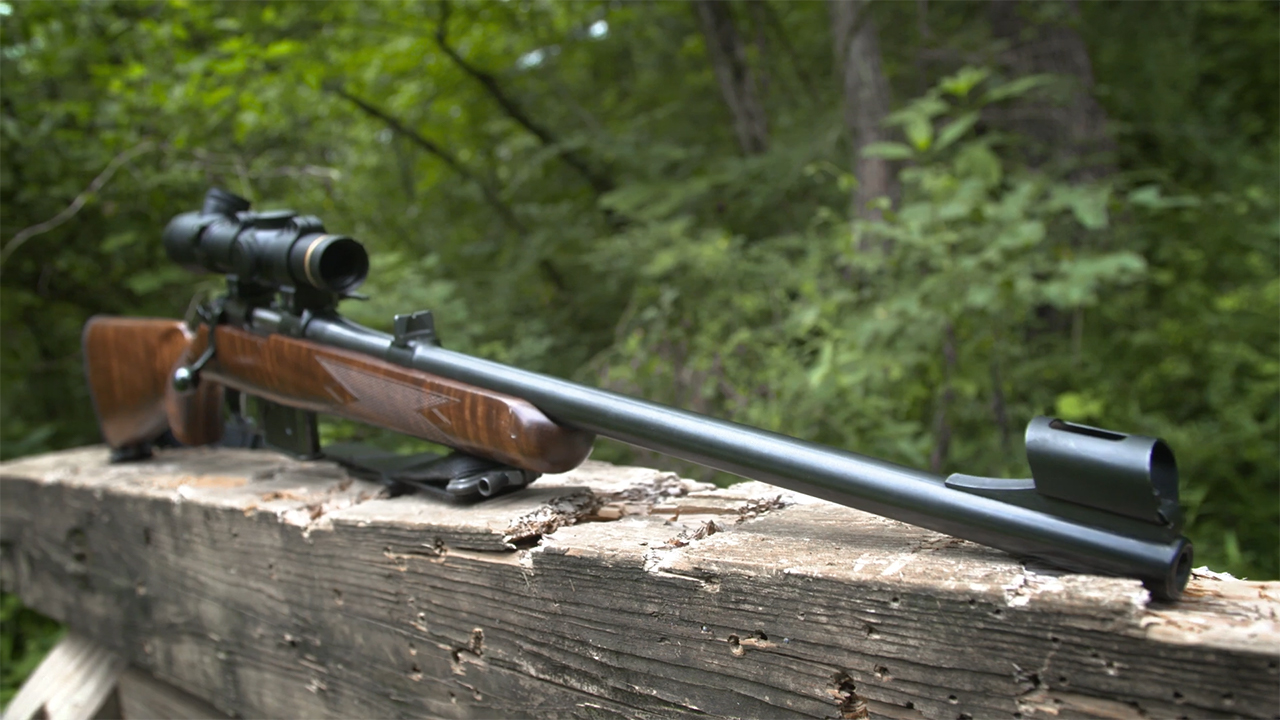
The CZ 527 Carbine became much more desirable after CZ discontinued the 527 line. While it was available, the rifle seemed a little odd to some buyers. It was compact, built around a mini-Mauser-style action, and chambered in practical but slightly niche options like .223 Remington and 7.62×39 depending on model.
Now that oddness is the reason people want it. The 527 Carbine is handy, accurate enough for real field use, and full of personality. It works for predators, range shooting, ranch carry, and small-to-medium game where legal and appropriate. Modern compact rifles exist, but few have the same feel. Once CZ stopped making it, shooters realized the little Carbine filled a lane nobody else covered quite the same way.
Smith & Wesson Model 3913
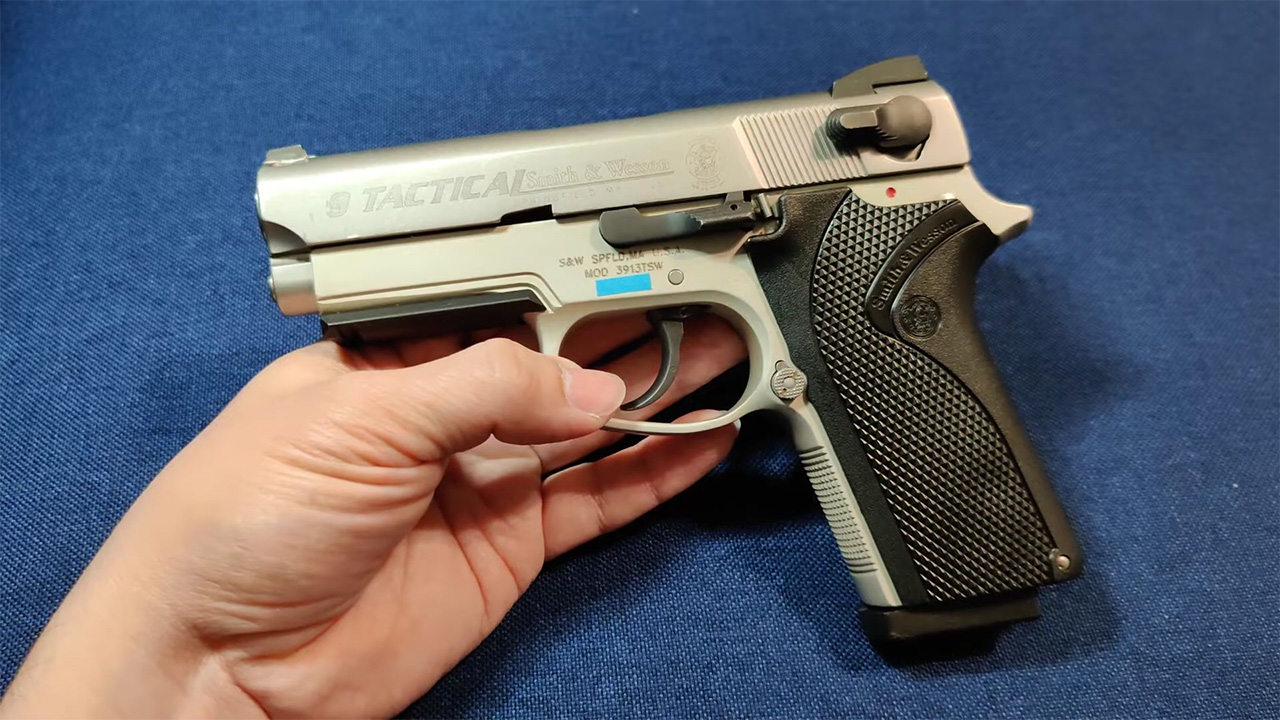
The Smith & Wesson Model 3913 looked like an older single-stack carry pistol once polymer micro-compacts took over. It held fewer rounds than newer options, lacked modern optics support, and used a DA/SA system that many shooters had moved away from. That made it seem replaceable.
After production ended, the 3913’s qualities became easier to see. It is slim, flat-carrying, and more refined than many tiny modern pistols. The alloy frame gives it a steady feel without making it too heavy, and the pistol shoots better than its modest size suggests. Clean examples with good magazines are increasingly appreciated because this kind of metal-frame carry pistol is not common anymore. It became worth more because the market moved on too far.
Ruger Security-Six
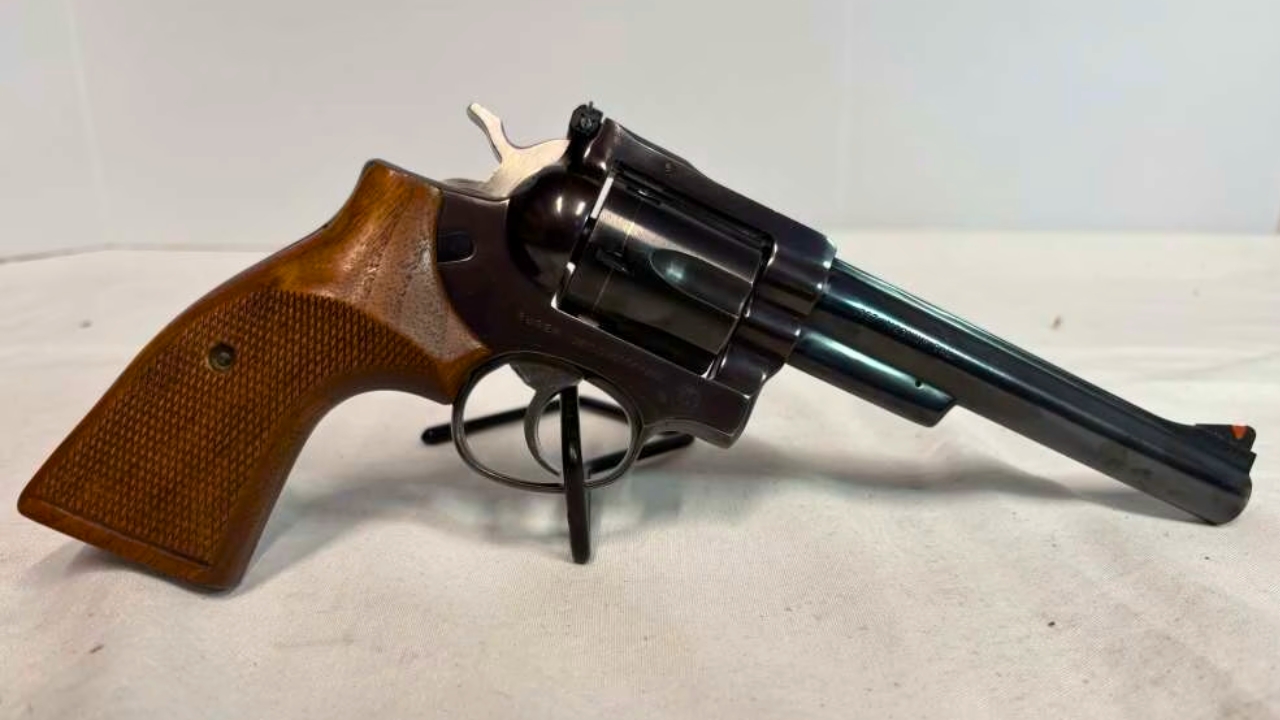
The Ruger Security-Six was replaced by the GP100, and for a while, that made it seem like the older revolver had simply done its time. It was a sturdy working .357 Magnum, but it didn’t have Smith & Wesson refinement or Colt collector status. It looked practical more than special.
Now that Ruger no longer makes it, the Security-Six has become far more appreciated. It’s lighter and handier than the GP100 while still feeling strong enough for real use. It shoots .38 Special comfortably and handles .357 Magnum with confidence. That middle-ground size is exactly what makes it valuable. Shooters realized Ruger had moved away from a revolver balance a lot of people still wanted.
HK P7
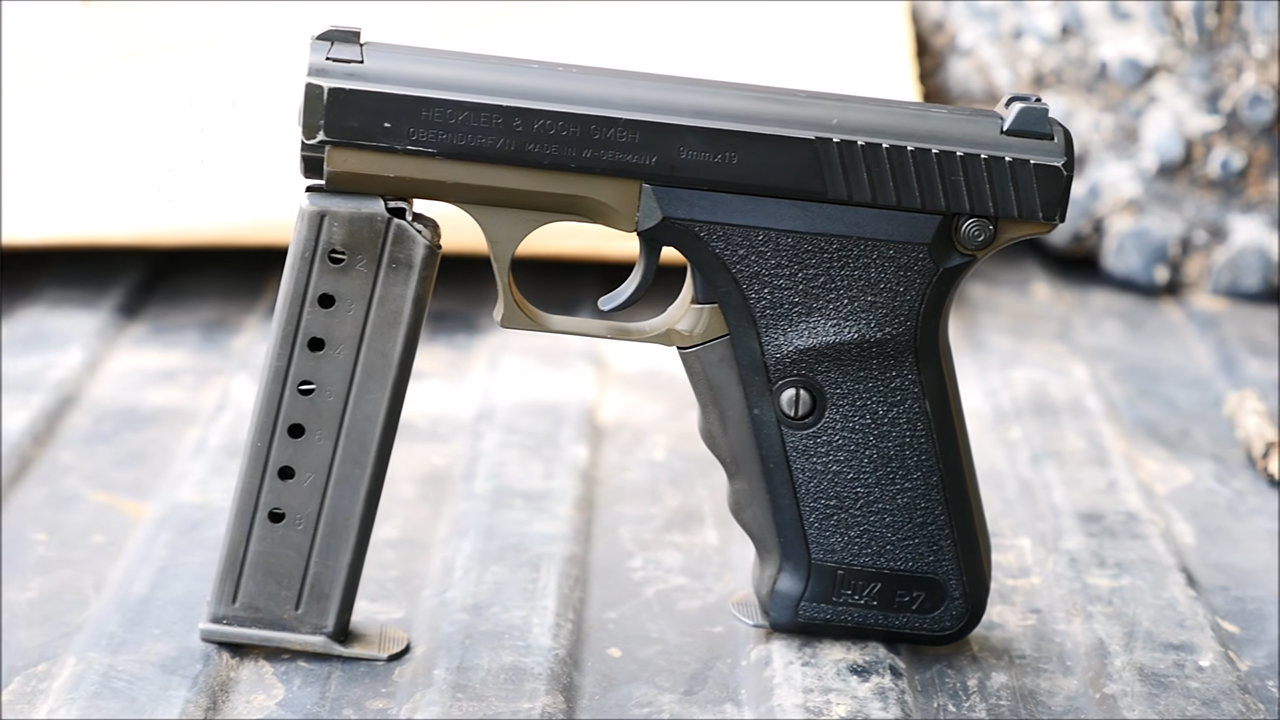
The HK P7 became much more valuable after production stopped because nothing really replaced it. The squeeze-cocker system, fixed barrel, low bore axis, and slim profile made it unusual even when it was available. Some shooters loved it immediately, while others thought it was too strange to bother with.
The people who waited too long paid for that hesitation. The P7 is accurate, mechanically fascinating, and very distinct from ordinary carry or service pistols. It does have drawbacks, including heat buildup during longer strings, a unique manual of arms, and parts concerns. But those quirks are part of why it has such a strong following. Once HK stopped making it, the pistol went from weird option to highly desirable classic.
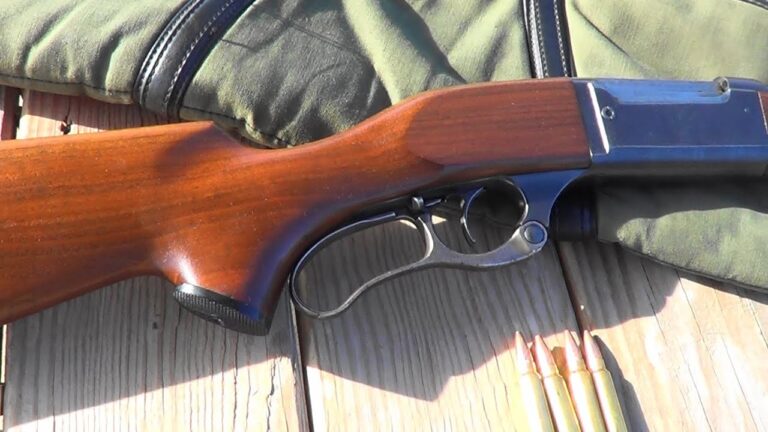
Savage Model 99

The Savage Model 99 was once a common deer rifle in many places, but it became more valuable once hunters realized nothing current really filled its role. It brought lever-action speed together with better cartridge capability than traditional tube-fed rifles, especially in rotary-magazine versions that allowed pointed bullets.
After production ended, clean Model 99s became more interesting every year. Chamberings like .300 Savage, .250-3000 Savage, and .308 Winchester still have practical hunting value, and the rifle’s mechanical design gives it character modern rifles rarely match. Used condition matters a lot, because the action is more complex than simpler lever guns. But a good 99 has a kind of hunting-rifle identity that cannot be ordered new anymore.
Browning Hi-Power
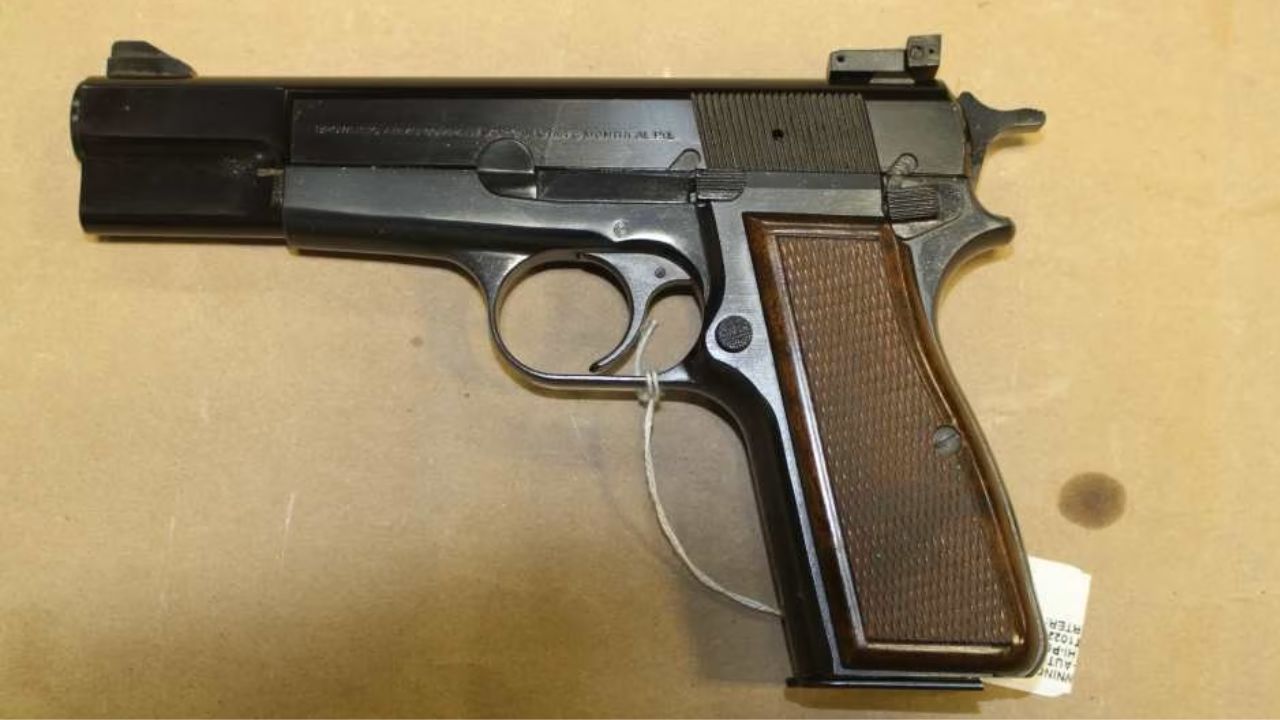
The Browning Hi-Power had respect long before production ended, but values and interest climbed as original Browning-marked pistols became harder to find. While it was still available, some buyers passed it up because modern pistols offered rails, better sights, lighter frames, and easier optics options.
After it disappeared from regular production, shooters started remembering what made it special. The Hi-Power has one of the best double-stack grip shapes ever made, along with classic balance and a long global service history. Older examples may need sight upgrades or trigger attention depending on owner preference, but the core feel is hard to duplicate. Modern copies and updates exist, but they don’t make nice originals any less desirable.
Marlin 1894C
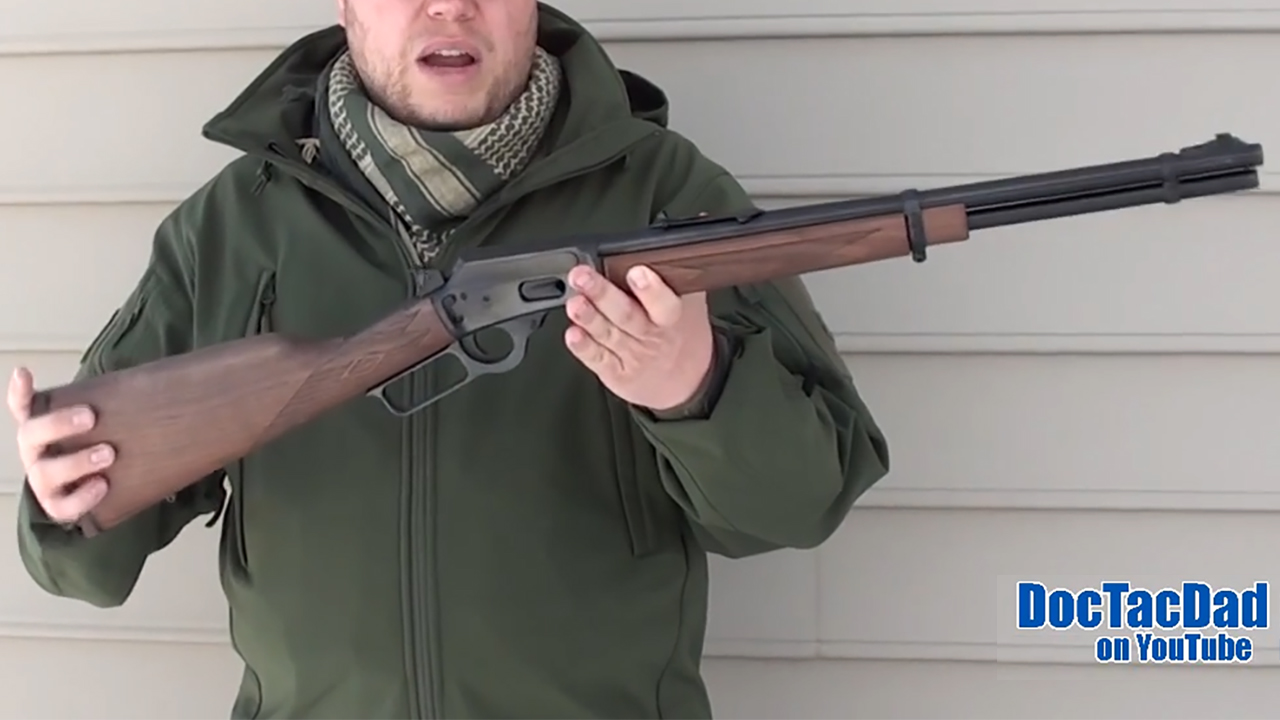
The Marlin 1894C became more valuable once buyers realized a good .357 Magnum lever gun is not something you can always replace easily. While it was easier to find, many shooters saw it as a fun carbine, not a future regret. It was useful, but it didn’t always feel urgent.
That changed fast. The 1894C can run .38 Special for low-recoil range time and .357 Magnum for field use where legal and appropriate. It is handy, light, and practical around rural property or in thick cover. Older Marlins also gained attention as buyers started caring more about production era and fit. Once availability tightened, a smooth-feeding 1894C became the kind of rifle owners were glad they kept.
Colt Woodsman

The Colt Woodsman became worth more after production ended because it represented a level of rimfire pistol quality that does not feel common now. For years, some shooters saw it as a nice .22 pistol, but still a .22. That kept many from understanding its long-term appeal.
Clean Woodsman pistols now draw serious interest because they combine Colt history, excellent balance, and a refined shooting experience. Specific variations, condition, correct magazines, and original packaging can all matter. It is not just a plinker anymore, even if it still shoots beautifully. The Woodsman became valuable because people eventually learned that a great rimfire handgun can be every bit as desirable as a centerfire classic.
Winchester Model 88
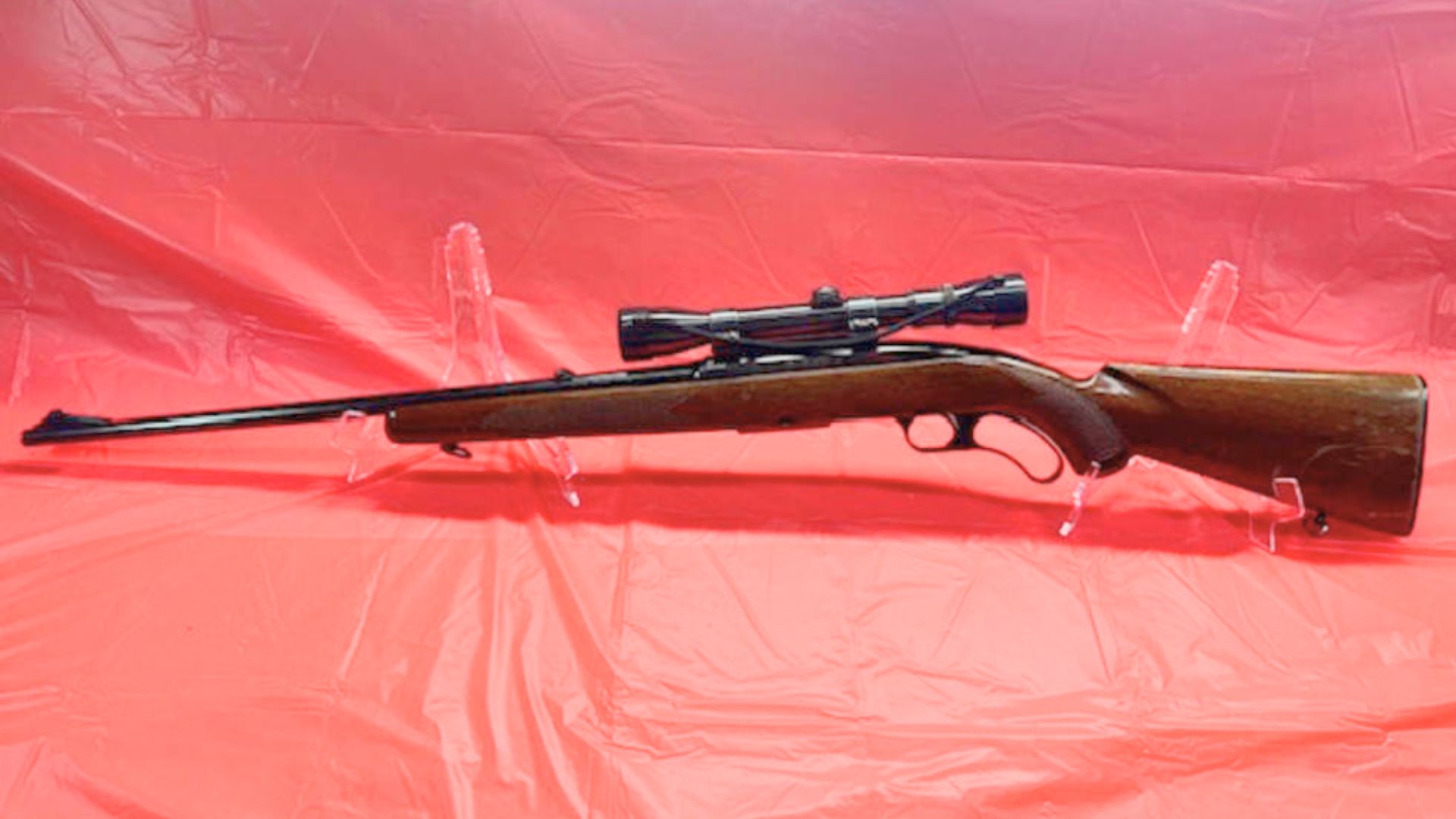
The Winchester Model 88 became more valuable after it left production because its design never really got replaced. It offered lever-action handling with a rotating bolt and detachable magazine, giving hunters modern cartridge capability in a rifle that still felt fast and slim. That was unusual then, and it is unusual now.
In chamberings like .308 Winchester, .243 Winchester, and .284 Winchester, the Model 88 remains a capable deer rifle when in good condition. It has quirks, and buyers should inspect used examples carefully, but that uniqueness is the appeal. A standard bolt-action may be simpler and cheaper, but it won’t feel like a Model 88. Once Winchester stopped making them, hunters started understanding that difference more clearly.
Beretta 390
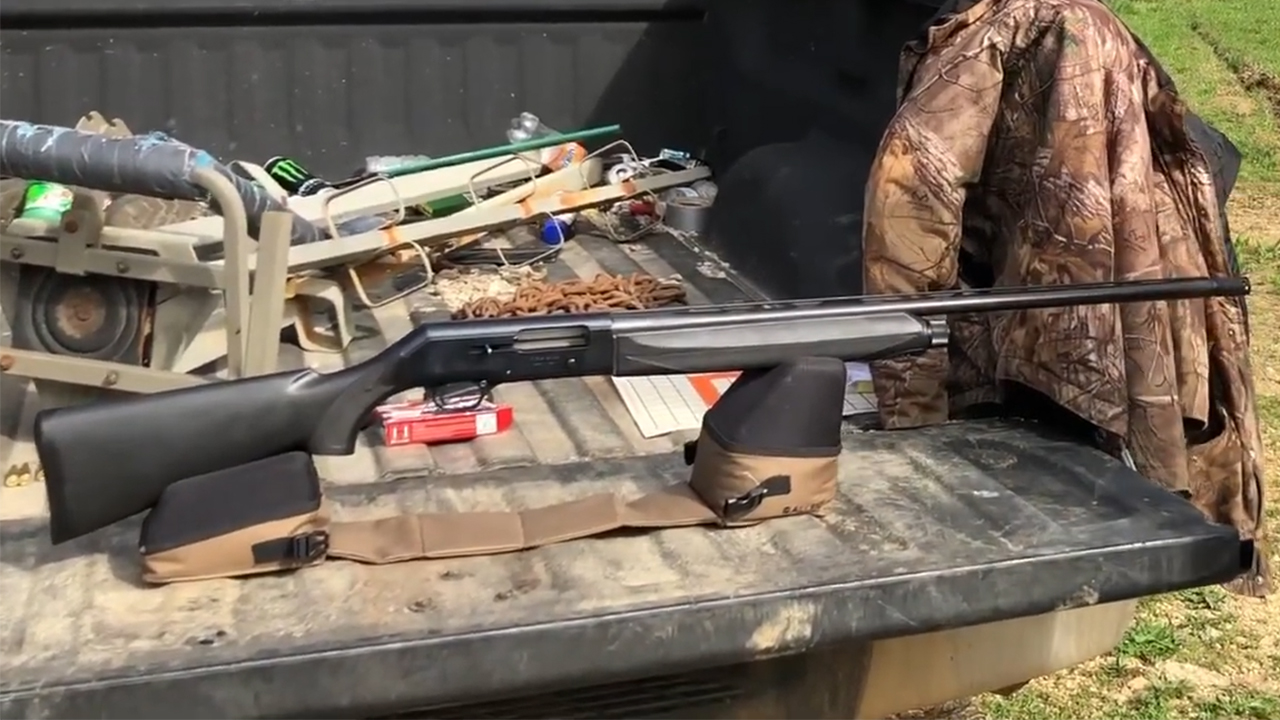
The Beretta 390 became more appreciated after newer Beretta shotguns moved into the spotlight. While it was current, it was a well-liked gas semi-auto, but many buyers assumed the next model would simply be better. Sometimes that is true. Sometimes the older gun just fits better.
A good 390 is soft-shooting, reliable when maintained, and balanced in a way many owners still miss. It works well for clays, dove fields, upland hunting, and general shotgun use. Used semi-autos need careful inspection, especially around the gas system and wear parts, but clean 390s remain desirable because they shoot so naturally. Once production moved on, people started realizing newer did not automatically mean more lovable.
Remington Model Seven
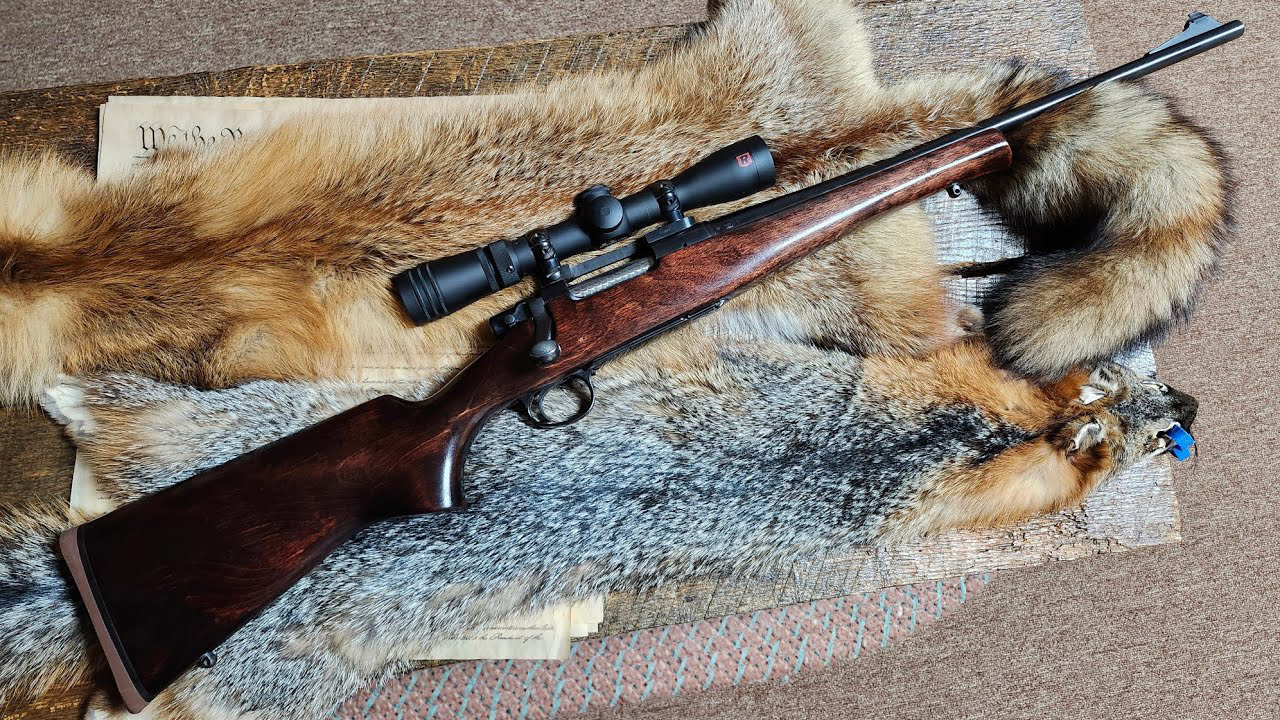
The Remington Model Seven became more desirable after production changes and availability made clean examples harder to find. It once looked like a compact version of the Model 700, useful but not necessarily urgent. Hunters who didn’t need a shorter rifle often walked past it.
Now its handiness is the whole point. The Model Seven carries well, shoulders quickly, and fits box blinds, thick timber, and smaller-framed shooters better than many full-size rifles. Chamberings like 7mm-08 Remington, .243 Winchester, and .308 Winchester give it real deer-rifle capability. A compact hunting rifle that still feels like a quality tool is not as common as people assume. That realization pushed interest higher.
Smith & Wesson Model 5906

The Smith & Wesson Model 5906 became more valuable after the world moved away from metal-frame service pistols. For years, it looked like an old duty gun: heavy, stainless, DA/SA, and clearly from another era. Polymer striker-fired pistols made it seem outdated.
Now that weight and construction are part of the appeal. The 5906 is comfortable to shoot, durable, and confidence-building in a way many newer pistols are not. It is not a practical concealed-carry pistol for most people, but as a range gun or home-defense handgun, it still makes sense. Clean examples with good magazines have become more appreciated because pistols like this are not being made in the same way anymore.
Ruger 77/357
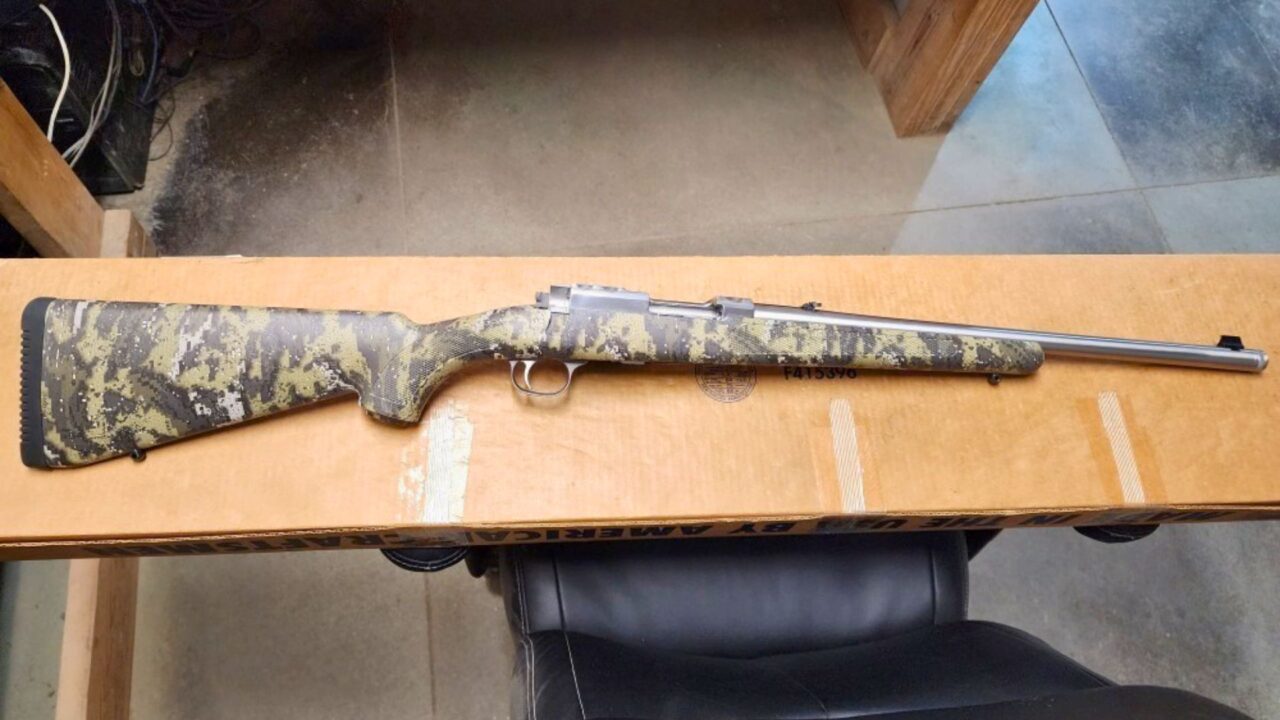
The Ruger 77/357 became more valuable after shooters realized how unusual it was. A bolt-action .357 Magnum rifle was never a mainstream choice. Lever-gun fans often wanted a Marlin or Henry, while bolt-action buyers usually wanted traditional rifle cartridges. That left the 77/357 in a strange little corner.
After availability tightened, that corner started looking smart. The rifle is compact, handy, and flexible with .38 Special and .357 Magnum. It works for range use, property carry, and hunting where legal and appropriate. The rotary magazine keeps it tidy, and the bolt action keeps things simple. It is not a long-range rifle, but it fills its niche well. Once people stopped making them, that niche got much more expensive.
Like The Avid Outdoorsman’s content? Subscribe to our newsletter so you never miss an article.
Here’s more from us: