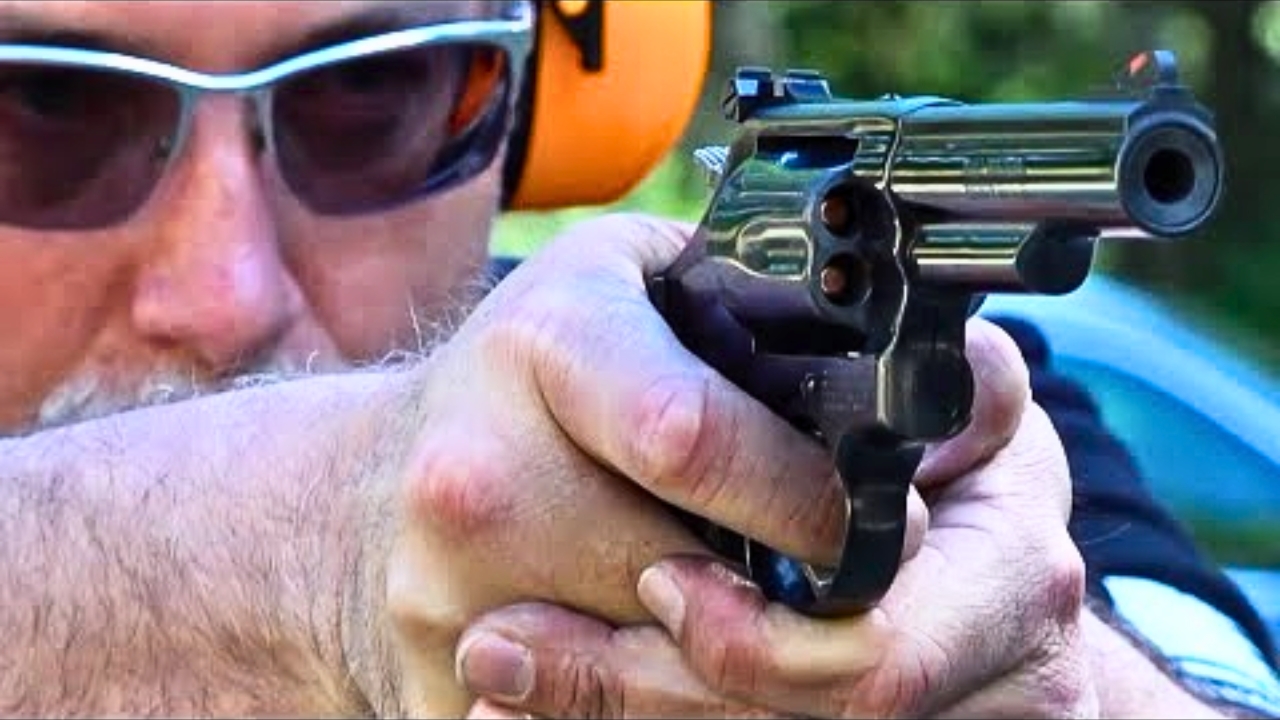
Photo credit: BERETTA9mmUSA/YouTube
When semi-autos are running right, they give you speed, capacity, and fast reloads. But anyone who has shot enough knows they can also get picky in ways that show up at the worst time. Weak ammo, magazine issues, limp-wristing, dirt, bad springs, and small parts wear can all turn a dependable self-loader into a headache. That does not make semi-autos bad. It means they still depend on a system with more moving parts and more ways to get thrown off.
That is where a good revolver still earns respect. You are working with a different kind of reliability. Press the trigger, the cylinder turns, and a fresh round comes up without asking the gun to feed from a magazine or fully cycle a slide. Revolvers are not perfect, and they can fail too, but they still make a lot of sense when you want a handgun that is less sensitive to ammo quirks and handling errors. These are 15 revolvers that still have a real place when semi-autos start getting fussy.
Smith & Wesson 686

The Smith & Wesson 686 remains one of the clearest examples of a revolver that still earns its place. Built on the L-frame, it gives you a strong .357 Magnum platform that also handles .38 Special with ease. That flexibility matters. If a semi-auto starts choking on weak loads or a bad magazine, the 686 does not care in the same way. You load the cylinder, close it, and get to work.
You also get a revolver that balances well enough to shoot accurately without feeling clumsy. The weight helps tame .357 recoil, and with .38s, it becomes very manageable for fast, controlled shooting. For trail use, home defense, or range work, it keeps making sense because it asks so little from the ammunition and from you. When you want a handgun that stays steady without much drama, the 686 is still hard to argue against.
Ruger GP100

The Ruger GP100 has long been respected because it feels built for hard use. It is a sturdy .357 Magnum revolver with a reputation for taking a lot of shooting without feeling loose or worn out too quickly. That matters when you want a sidearm that does not depend on perfect magazines, strong slide velocity, or carefully tuned ammo to keep running.
In practical use, the GP100 shines because it is straightforward. Load it, fire it, and if you get a bad round, you pull the trigger again and rotate to the next chamber. That kind of mechanical honesty still has value. The gun also handles recoil well for its class, especially with .38 Special. It is not the lightest revolver to carry, but when semi-autos start getting temperamental, the GP100 reminds you why solid double-action revolvers still have plenty to offer.
Smith & Wesson Model 66

The Smith & Wesson Model 66 has stayed relevant because it gives you a lighter K-frame .357 that still feels practical in the hand. It carries easier than larger revolvers while still offering the versatility of shooting both .357 Magnum and .38 Special. That makes it useful for a lot of roles, especially when you want one handgun that can handle practice, defense, and general field carry.
What keeps the Model 66 appealing is how naturally it points and how manageable it feels with the right loads. With .38 Special, it is easy to shoot well. With .357 Magnum, it still offers real power in a package many shooters can carry comfortably. When semi-autos start acting picky over ammo shape, spring tension, or grip technique, the Model 66 stays appealing because it keeps the process straightforward. It gives you dependable function without needing much from the gun or the shooter.
Ruger SP101

The Ruger SP101 makes sense because it gives you real revolver durability in a smaller package. It is compact enough for carry, yet strong enough to handle .357 Magnum. That combination is hard to ignore if you want something more forgiving than a small semi-auto. Compact self-loaders can become especially sensitive to weak ammo or poor grip. The SP101 sidesteps a lot of that by working on a much more direct system.
It also has the kind of practical toughness people appreciate in a gun they may carry often. The weight is enough to help with recoil, even if full-power .357 loads are still lively in a small frame. With .38 Special, the gun becomes much easier to manage. If you want a carry-sized handgun that is less likely to complain about how you hold it or what you feed it, the SP101 still makes a strong case.
Smith & Wesson Model 642

The Smith & Wesson 642 is one of those revolvers that keeps surviving changes in the carry market because it solves a problem in a very direct way. It is light, compact, and easy to carry in places where larger handguns get left behind. A lot of tiny semi-autos promise the same thing, but very small self-loaders can be unforgiving. Short slides, light recoil springs, and limited grip surface can make them sensitive when you need them most.
The 642 avoids much of that. It is a simple Airweight J-frame chambered in .38 Special, and it can live in a pocket, ankle rig, or small holster without much trouble. You are not getting high capacity, but you are getting a handgun that works well inside its role. For deep concealment, backup carry, or an always-with-you gun, the 642 still makes sense because reliability and carry comfort are often worth more than extra rounds.
Smith & Wesson Model 60

The Smith & Wesson Model 60 has the appeal of a small revolver that still feels like a serious all-steel gun. Chambered in .357 Magnum in many versions, it gives you more flexibility than lighter snub-nose options while keeping a compact footprint. That balance matters when you want something easier to carry than a duty-size gun but less finicky than many pocket semi-autos.
Because it is steel, the Model 60 gives you more control than ultra-light revolvers, especially with .38 Special. It still takes skill to shoot well, but it does not feel as punishing as lighter snubs. That makes it easier to practice with, which matters more than people like to admit. When you are looking for a compact handgun that does not depend on perfect cycling and can still handle rough daily carry, the Model 60 keeps proving why small revolvers have not disappeared.
Colt Python

The Colt Python still makes sense for shooters who want a premium double-action revolver that offers both shootability and mechanical confidence. It is a .357 Magnum built with real attention to fit and lockup, and in modern form it remains a serious revolver, not a nostalgia piece. If a semi-auto begins having problems with extraction, feeding, or magazine reliability, the Python offers a very different path to dependable function.
It also helps that the gun is simply easy to shoot well for its size. The weight helps soak up recoil, and the trigger can be very smooth in double action. That makes fast, accurate work more realistic than many people expect from a revolver. You pay more for a Python than many alternatives, but you get a revolver that still has real practical value. It is not only a collector’s gun. It is still a capable fighting and field sidearm.
Colt King Cobra
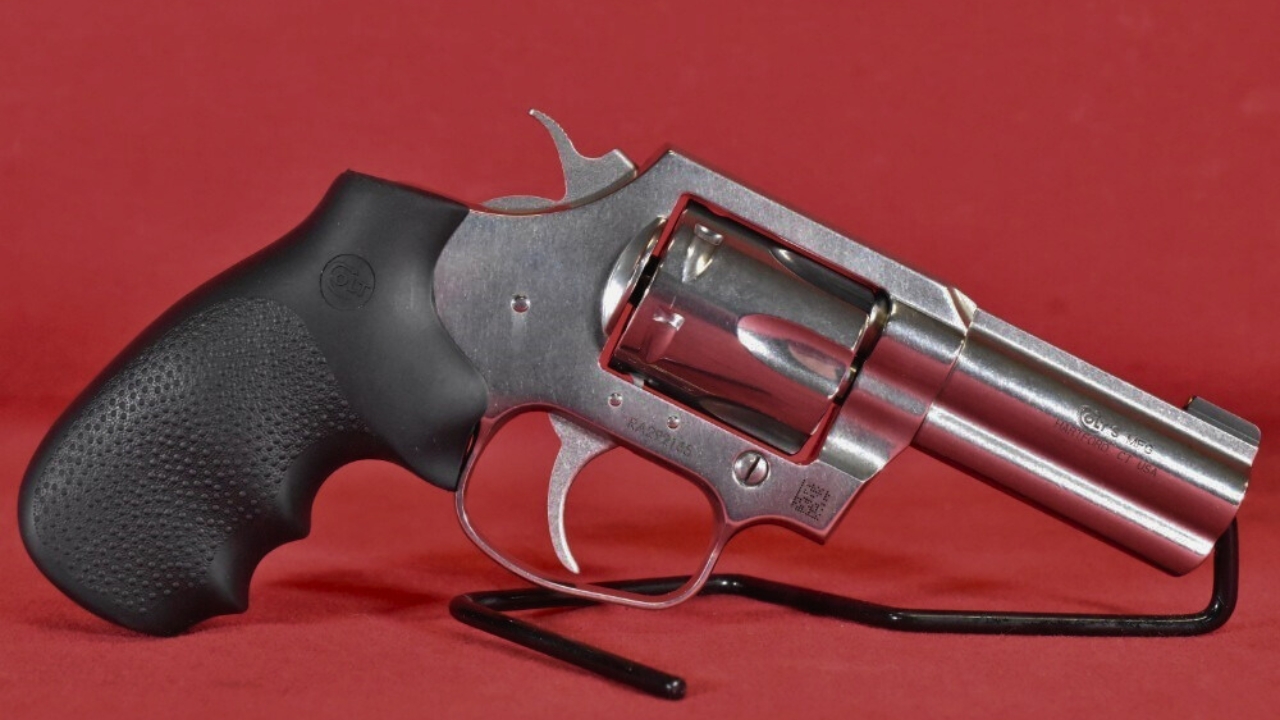
The Colt King Cobra has a lot of the same practical appeal as other medium-frame .357 revolvers, but it brings its own loyal following because it combines strength with shootable weight. It is large enough to handle serious loads without becoming miserable, yet still compact enough to be useful as a belt gun. When a semi-auto starts getting moody about ammo or maintenance, the King Cobra gives you a more forgiving mechanical setup.
That matters even more if you want a revolver that can fill several roles. You can run .38 Special for practice, step up to .357 Magnum for defense or field carry, and still have a platform that feels steady in the hand. It is not the lightest option, but that extra heft pays you back in control. For shooters who want a revolver that still works hard instead of only looking good in a display case, the King Cobra remains a worthwhile choice.
Ruger Redhawk
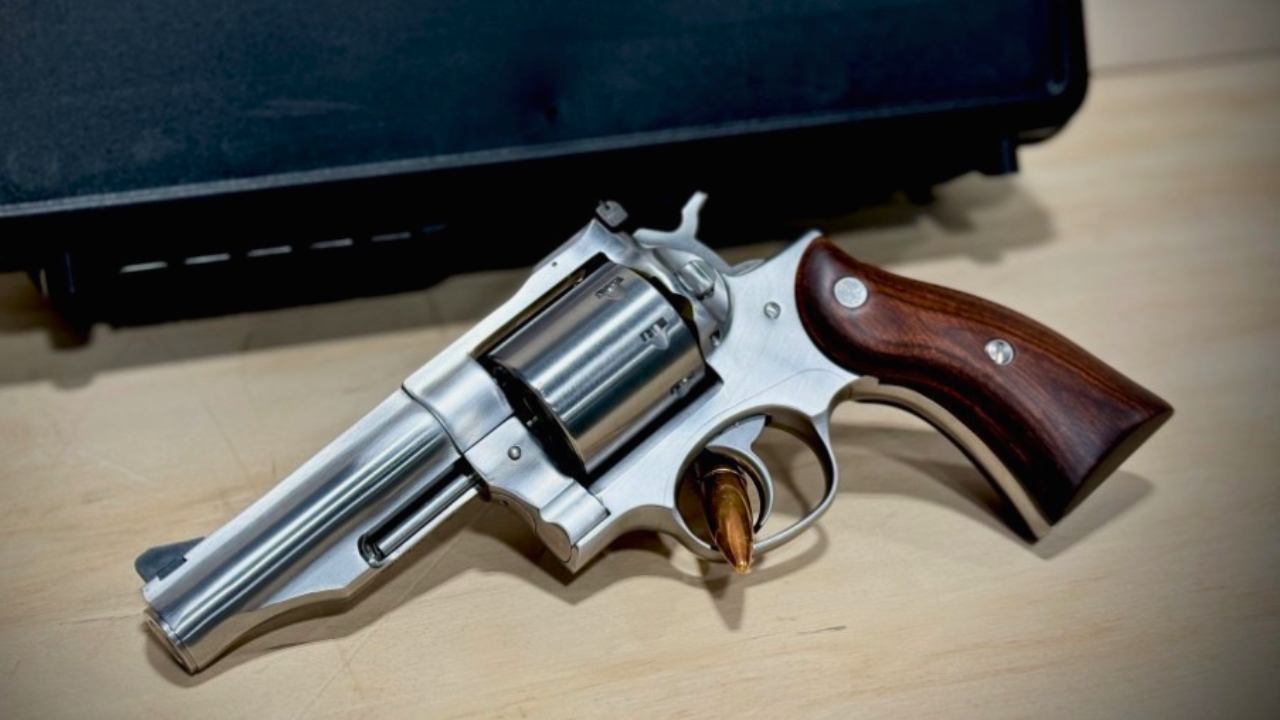
The Ruger Redhawk is a larger revolver, but that size is part of why it still makes so much sense in certain roles. Built to handle powerful cartridges like .44 Magnum, it is the kind of gun you carry when reliability and strength matter more than compact dimensions. If you are in the woods, dealing with large animals, or simply want a sidearm that does not depend on magazine-fed cycling, the Redhawk fits that need very well.
It also gives you the kind of overbuilt confidence many shooters appreciate. The gun feels strong because it is strong, and that matters when you are firing heavy loads that would push some other platforms harder. You are not carrying it for concealed use, and it is not meant for that. But when semi-autos feel underpowered, too sensitive, or too dependent on perfect function, the Redhawk reminds you that a big revolver still solves some problems very well.
Smith & Wesson Model 629
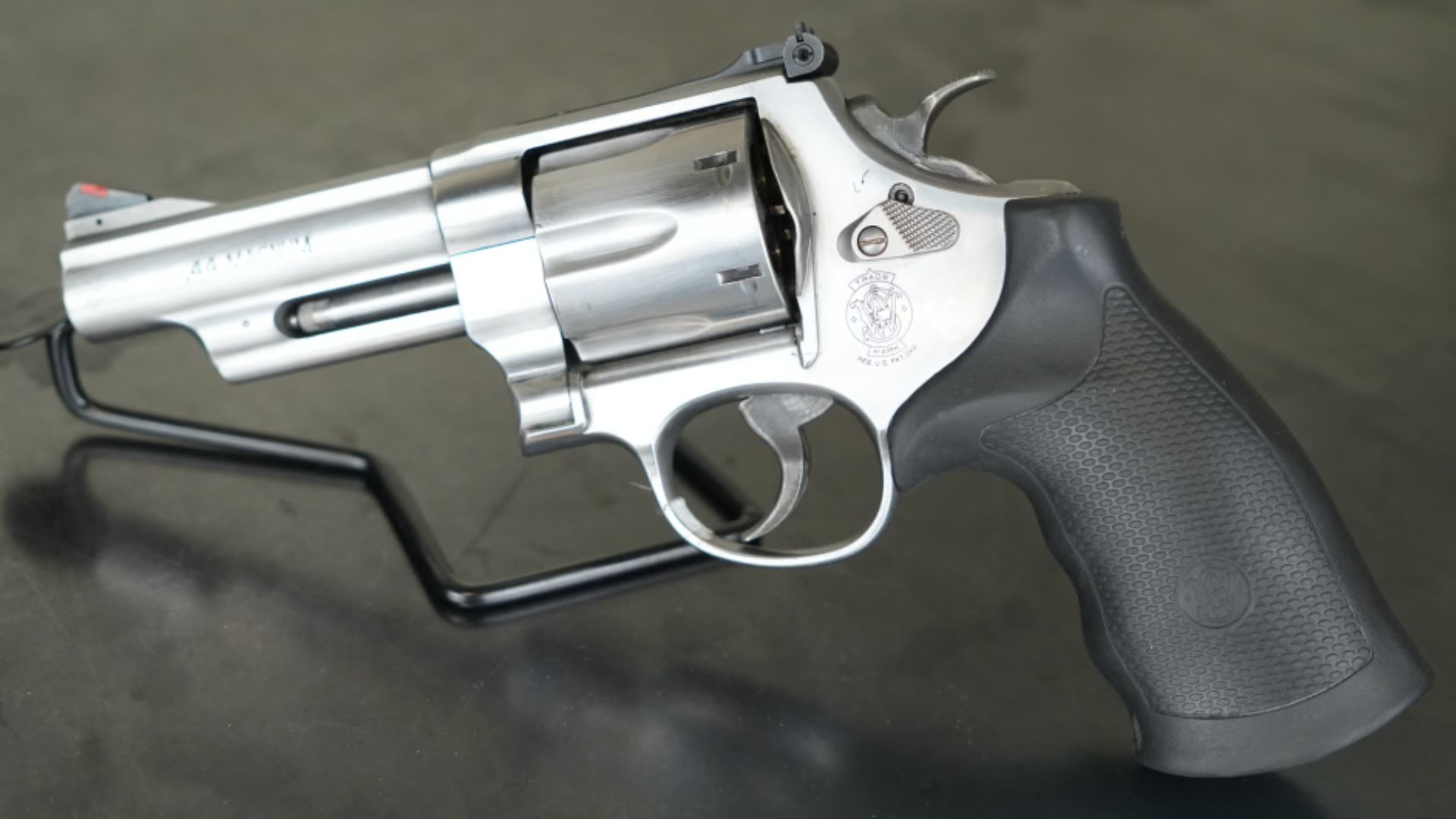
The Smith & Wesson Model 629 keeps earning respect because it brings .44 Magnum power in a platform that has been trusted for years. It is not a casual carry gun, but it is a very practical one when you need a sidearm for hunting, wilderness carry, or defense against serious threats. In those roles, the value of a revolver that is not relying on slide energy becomes very clear.
You also get the ability to run .44 Special for lighter recoil and easier practice, which gives the gun more range than people sometimes assume. That makes the 629 more adaptable than a “big magnum only” reputation suggests. The gun still takes skill, especially with full-power loads, but the basic appeal is easy to understand. When you want a powerful handgun that is less likely to get picky over ammo shape, magazine issues, or cycling conditions, the 629 remains a very real answer.
Ruger Blackhawk

The Ruger Blackhawk is a single-action revolver, so it fills a different role than the double-actions on this list. Still, it absolutely belongs in the conversation because it represents another kind of dependable handgun that keeps working when more complicated systems become a problem. Available in several chamberings, including .357 Magnum and .44 Magnum, the Blackhawk has built a reputation for strength, durability, and plain reliability.
It is slower to reload and slower to run than a double-action or a semi-auto, so you need to be honest about what it is. But for field use, trail carry, hunting backup, or general outdoors work, it keeps making sense. The design is mechanically straightforward and forgiving of the kinds of ammo quirks that can upset a self-loader. When your priority is a dependable sidearm in rough conditions, the Blackhawk still proves that an older pattern can remain highly practical.
Smith & Wesson Model 19

The Smith & Wesson Model 19 remains one of the best examples of a revolver that balances power and carry comfort. Built on the K-frame, it gives you a trim, easy-handling .357 that still feels lively without becoming bulky. That is a big part of why it stayed so popular for so long. When semi-autos start getting difficult over spring wear or ammo choice, a revolver like the Model 19 can feel refreshingly direct.
It also points naturally and tends to carry well on the belt, which matters if you actually plan to live with the gun instead of only admire it. With .38 Special, it is very approachable. With .357 Magnum, it becomes a serious defensive revolver that still carries better than many larger frames. For shooters who want a classic revolver that remains practical in real use, the Model 19 still has a lot going for it.
Taurus 856

The Taurus 856 makes sense because it gives you a compact six-shot .38 Special revolver at a price point many shooters can actually reach. That matters, because not everyone looking for a dependable carry revolver wants to spend premium money. Small semi-autos in the same price range can be hit or miss, especially when tolerances, magazines, and ammo sensitivity start stacking up against you.
The 856 offers a more direct solution. You get a small-frame revolver that is easy to understand, easy to carry, and less dependent on ideal ammo performance. It is not built for heavy magnum loads, but for .38 Special defensive use and regular carry, it covers a lot of ground. The extra round over a five-shot snub is also nice to have. If you want a working revolver without overcomplicating the purchase, the 856 still fills a practical role.
Charter Arms Bulldog

The Charter Arms Bulldog has kept its following because it offers a lot of authority in a relatively compact revolver. Chambered in .44 Special, it gives you a heavier bullet and a larger bore without forcing you into the size of a full hunting revolver. That makes it a very different tool than a small 9mm semi-auto, and for some shooters, that is exactly the appeal.
The Bulldog is not a target revolver, and it is not meant to be. What it offers is straightforward carry and straightforward function in a package that remains more portable than many large-bore alternatives. If you are comparing it to finicky compact self-loaders, the revolver’s appeal becomes easier to understand. You are not dealing with feed ramps, magazines, or slide velocity. You are dealing with a compact revolver that still gives you real defensive weight in each chamber.
Smith & Wesson Governor

The Smith & Wesson Governor is a niche revolver, but it still makes sense in the right conversation because it offers flexibility that very few handguns can match. Chambered to handle .410 shotshells, .45 Colt, and .45 ACP with moon clips, it gives you several ammunition options in one platform. That can matter if your priorities lean toward versatility, trail use, or close-range defensive roles where you want more than one workable load choice.
It is not a small gun, and it is not a precision revolver meant for every task. But the core appeal is practical: it is less sensitive to the cycling issues that can affect semi-autos, and it gives you multiple ways to keep the gun useful. That makes it more than a novelty when viewed honestly. For shooters who understand its limits and use it within them, the Governor still has a real place.
Kimber K6s

The Kimber K6s stands out because it offers a compact carry revolver with six rounds in a size class where five shots are more common. That alone gets attention, but the bigger reason it still makes sense is that it gives you a small, well-made revolver that is easier to carry than a larger handgun while avoiding many of the sensitivity issues that come with tiny semi-autos.
It is chambered in .357 Magnum, though many shooters will find .38 Special more practical in a gun this size. Even then, the K6s tends to feel more shootable than many lightweight snubs because of its steel construction and good overall shape. You still need practice, but the gun rewards it. When you want a concealment-friendly handgun that does not rely on a short slide, light springs, and a perfect grip to function, the K6s makes a very convincing case.
Like The Avid Outdoorsman’s content? Subscribe to our newsletter so you never miss an article.
Here’s more from us: