Photo credit: sootch00/Youtube
Some firearms seem replaceable until you actually try to replace them. At first, they look like normal rifles, pistols, shotguns, or working guns that could be swapped out for something newer without much trouble. Then the owner starts shopping and realizes the problem: newer options may be more modern, but they do not fill the same role in the same way.
Maybe the old gun carried better. Maybe it had a trigger, balance, chambering, or build quality that disappeared from the market. Maybe it fit a strange niche that manufacturers no longer bother with. Whatever the reason, these firearms became harder to replace than anyone expected.
Browning BPS
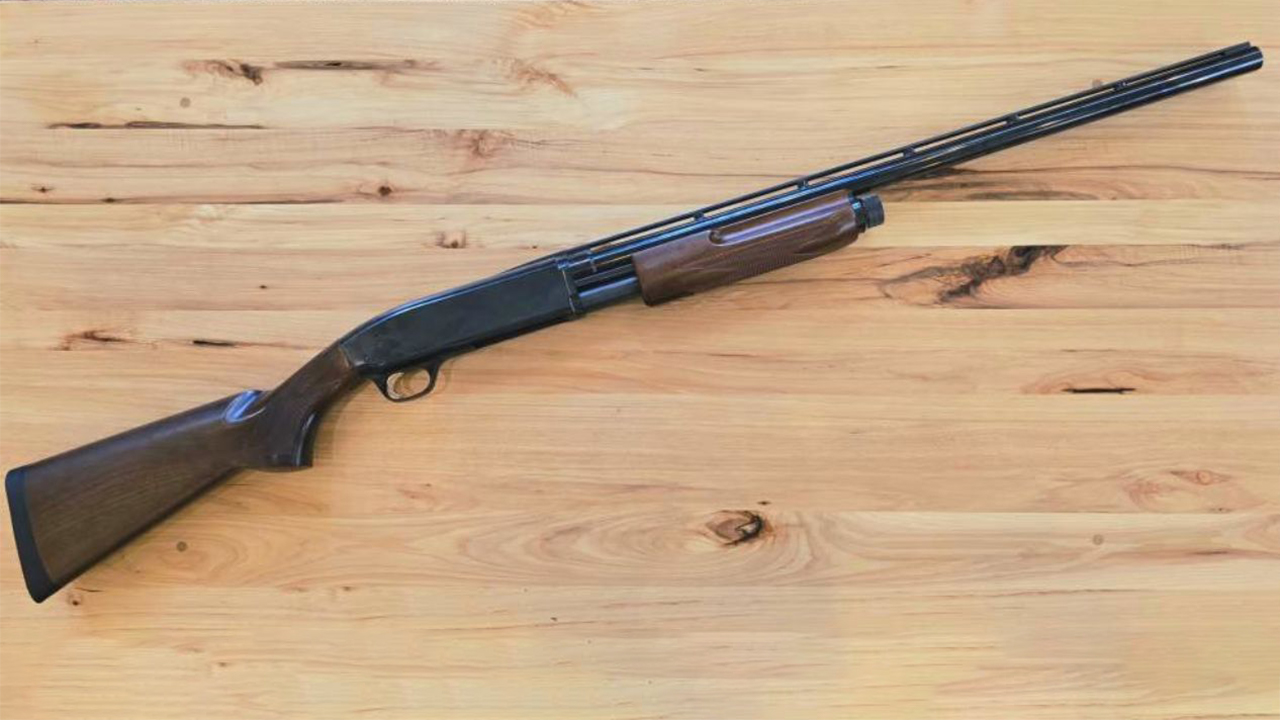
The Browning BPS looks like a pump shotgun, and pump shotguns are everywhere. That is what makes it easy to assume it can be replaced without much thought. If an owner sells one, they can just buy another pump, right?
Not exactly. The BPS has bottom ejection, a tang safety, and a solid, smooth feel that makes it different from many other pump guns. It is especially friendly to left-handed shooters, but right-handed shooters appreciate the clean ejection path too. It can handle birds, clays, turkey, deer with the right setup, and general shotgun use. Plenty of pumps are cheaper and lighter, but not many feel quite like a BPS. Once an owner gets used to its layout, replacing it with a more common pump can feel like a downgrade.
Ruger 77/22

The Ruger 77/22 became harder to replace because it was a rimfire that felt like a real centerfire rifle. A lot of .22 bolt-actions are accurate and useful, but many feel like budget trainers. The 77/22 had a more substantial personality, and that is what owners miss when it is gone.
The rotary magazine sits flush, the rifle handles cleanly, and the platform has a classic Ruger feel. It works for small game, quiet practice, and anyone who wants a rimfire that does not feel disposable. Newer rimfire rifles may be cheaper, more adjustable, or more precision-focused, but they do not always give the same combination of field-rifle handling and rimfire practicality. A good 77/22 is one of those guns people assume they can replace until they start looking for another one.
Smith & Wesson CS9
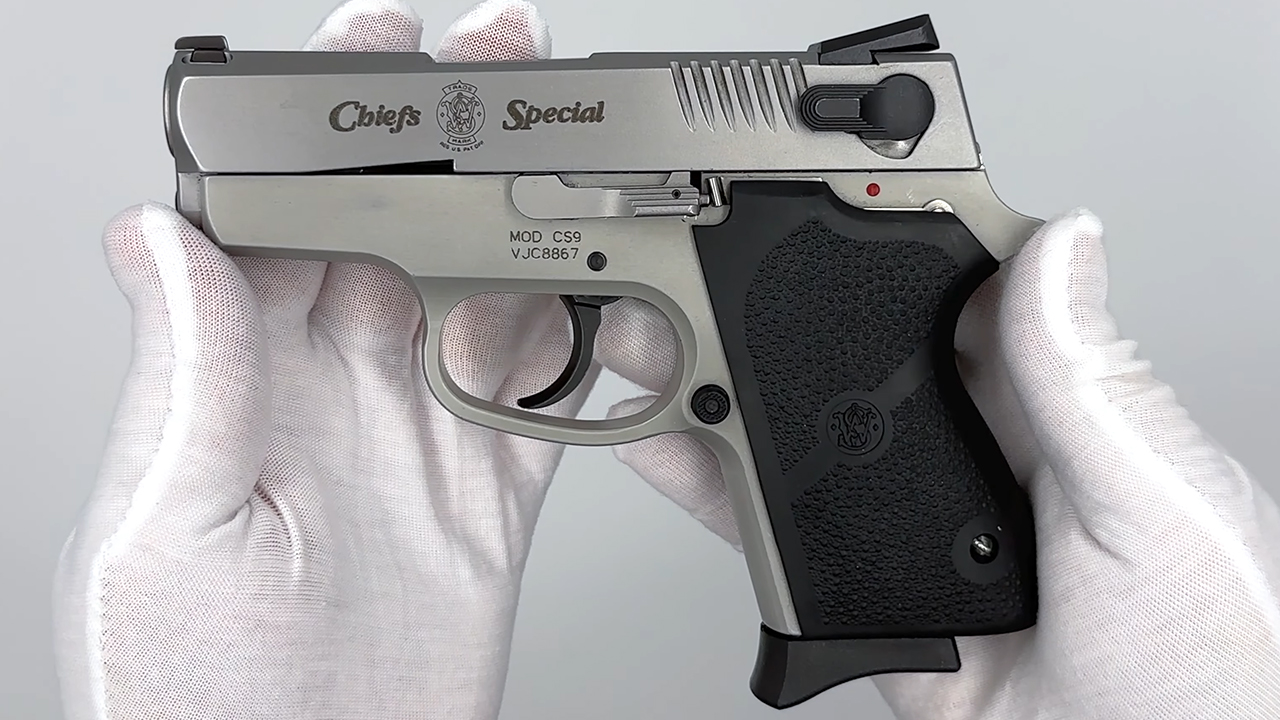
The Smith & Wesson CS9 is a compact pistol that became harder to replace because the market moved away from its whole category. It is a small metal-frame DA/SA 9mm from the third-generation Smith & Wesson era, and that alone makes it feel different from most modern carry guns.
A current micro-compact may be thinner, lighter, and higher-capacity. That is all true. But the CS9 has an alloy-frame steadiness, traditional controls, and a compact service-pistol feel that polymer guns rarely duplicate. It is not the easiest pistol to support now, and magazines matter. But owners who like them often discover that modern specs do not replace old-school shooting feel. Once sold, the CS9 leaves a very specific little hole.
Winchester Model 42
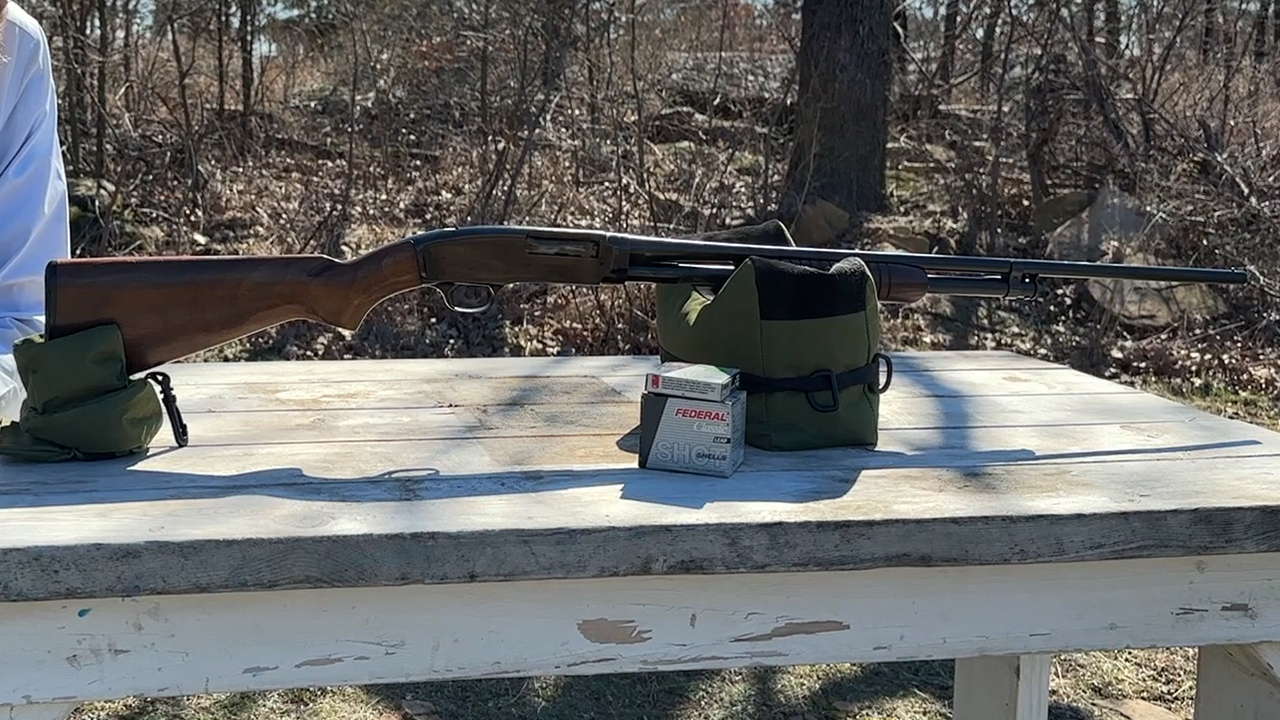
The Winchester Model 42 is a .410 pump shotgun, which sounds niche enough that some people might assume replacing one would not matter. That thinking fades fast once someone understands what the Model 42 is. It is not just a small shotgun. It is a scaled-down classic with a level of quality that modern .410s rarely match.
The action, proportions, and Winchester craftsmanship make it desirable far beyond its bore size. It is elegant, light, and deeply collectible in the right condition. A modern .410 can still break clays or hunt small game, but it will not feel like a Model 42. This is one of those guns where the replacement may match the gauge, but not the experience. That is why owners who have one tend to be careful about letting it go.
Colt 1903 Pocket Hammerless
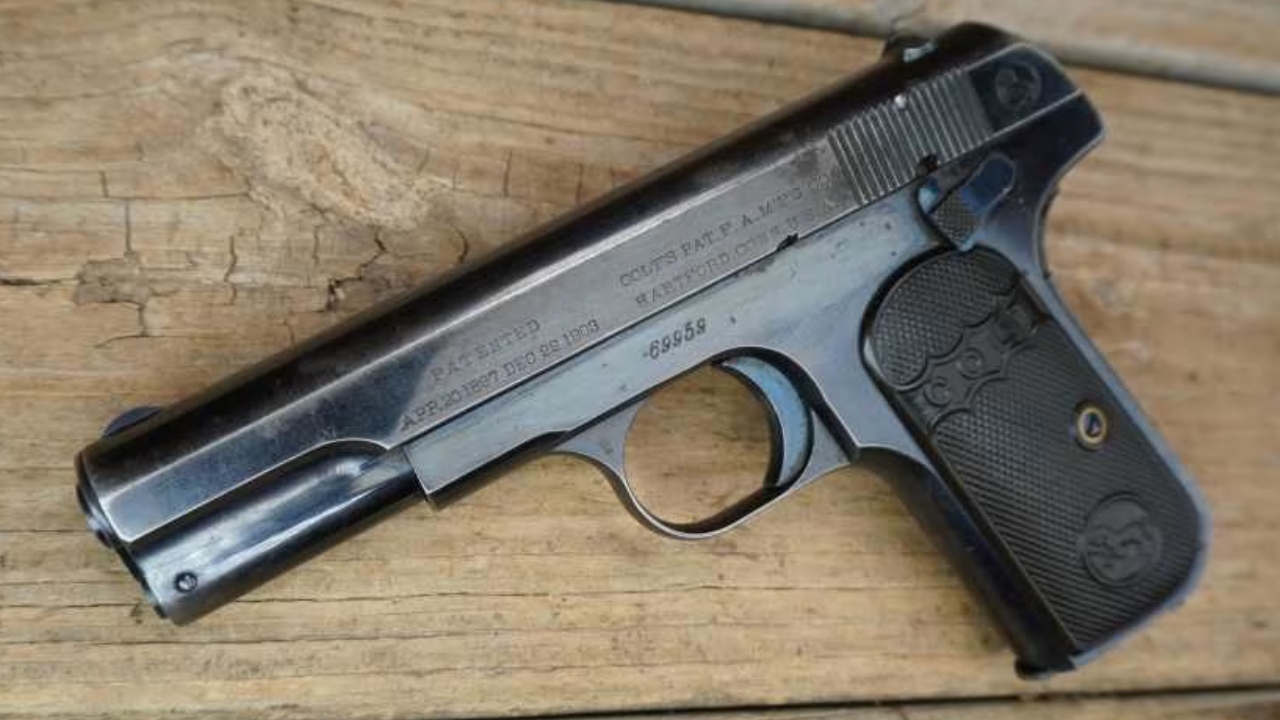
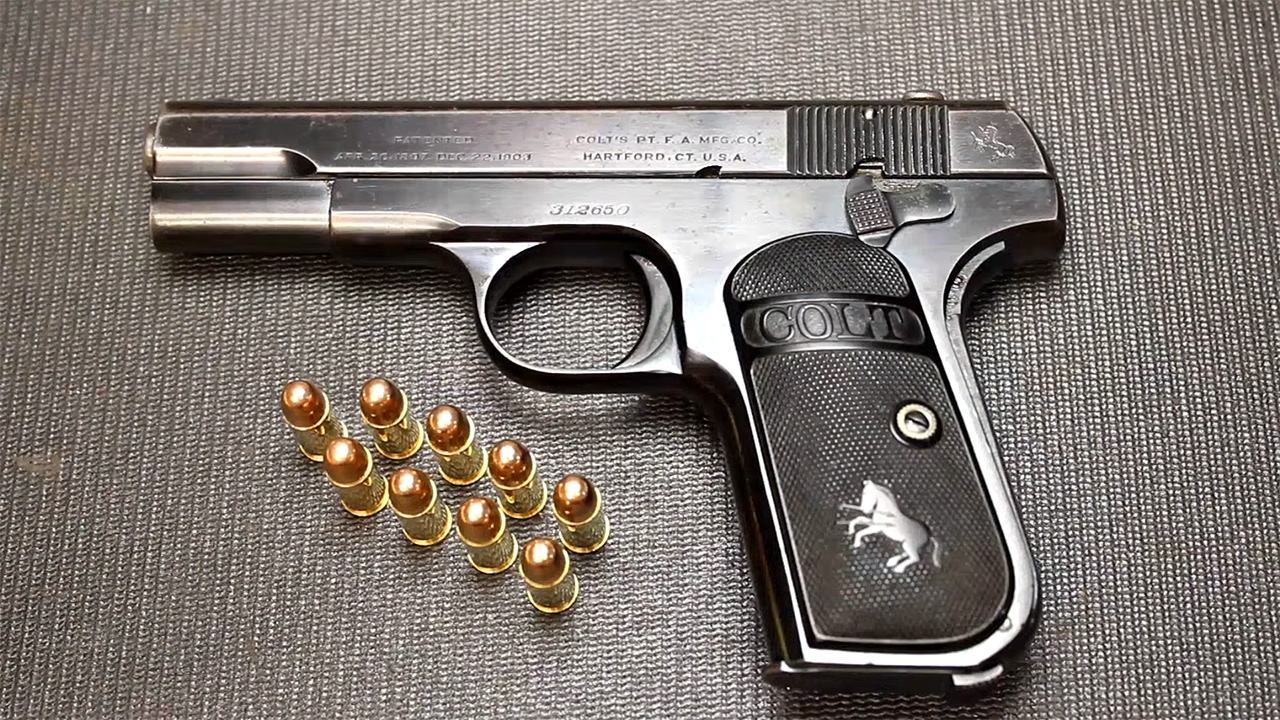
The Colt 1903 Pocket Hammerless became harder to replace because it offers a kind of slim, elegant pocket-pistol feel that modern guns rarely attempt. It is chambered in .32 ACP, which makes some shooters dismiss it immediately. But that misses the point.
The 1903 is graceful, flat, beautifully shaped, and historically important. It feels like an older era of concealed carry, when pistols were designed with rounded lines and coat-pocket practicality in mind. Modern carry pistols beat it on power, sights, capacity, and support. They do not beat it on charm. A person can replace the function with any number of current defensive guns. Replacing the feel of a Colt 1903 is much harder.
Remington 541-S
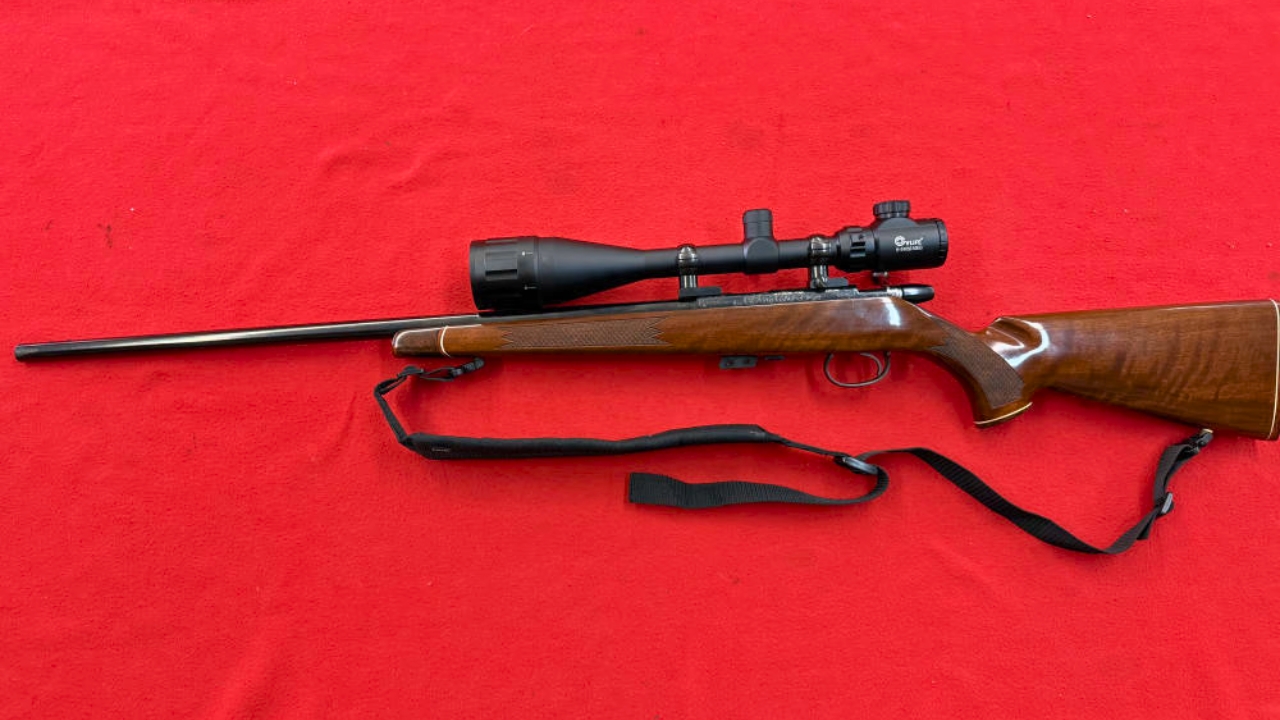
The Remington 541-S is a bolt-action .22 that became harder to replace because it sits in a special place between sporting rifle and serious rimfire. It was not a cheap plinker, and it was not a full competition rifle. It was a refined rimfire sporter with good accuracy potential and classic lines.
That combination is not as common as it should be. Many modern rimfires are either inexpensive trainers, tactical-looking precision rigs, or utilitarian hunting rifles. The 541-S feels like something different: a proper rimfire for shooters who appreciate wood, balance, and careful shooting. Owners who sell one may find plenty of accurate .22s, but not many that feel as polished in the same way. A great rimfire is often harder to replace than people think.
Beretta 87 Target
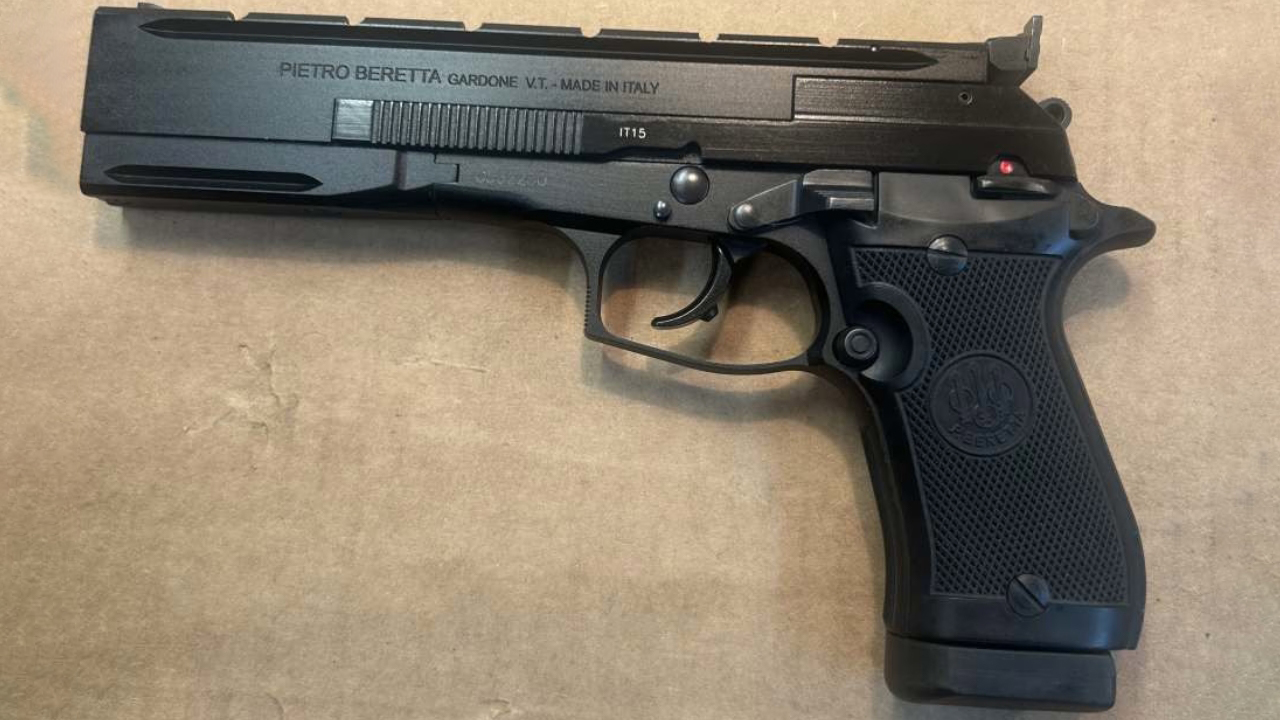
The Beretta 87 Target is a rimfire pistol that can surprise former owners with how difficult it is to replace. It is not as common as Ruger Mark pistols or Browning Buck Marks, and it has a distinct Beretta personality that does not feel like every other .22 on the shelf.
The 87 Target has a full-length rail, good balance, and a refined feel that makes it more than a casual plinker. It is enjoyable for precision practice, relaxed range sessions, and shooters who want a rimfire pistol with a little more style. A person can buy another .22 pistol easily. Buying one that feels like the Beretta is a different story. Its combination of rarity, quality, and shootability makes it one of those guns owners miss after it is gone.
Ruger No. 3
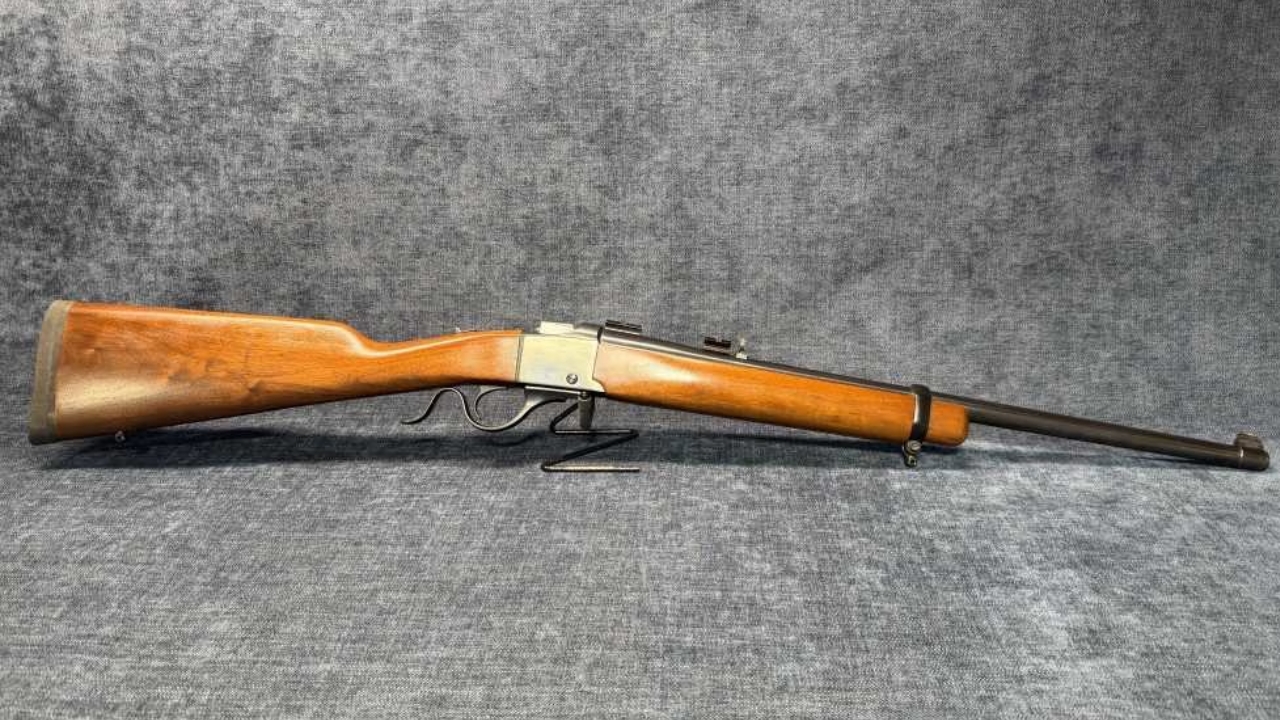
The Ruger No. 3 became harder to replace because it was always unusual. It was a simpler, plainer single-shot rifle than the Ruger No. 1, with a lever-action-inspired look and a compact feel. At the time, some shooters saw it as a cheaper oddball. Now that oddness is the appeal.
A No. 3 in a useful or interesting chambering has a personality modern rifles do not duplicate. It is short, handy, simple, and full of character. It is not as elegant as the No. 1, and that is part of its charm. A bolt-action may be more practical, and a lever-action may be faster, but neither replaces the little Ruger’s specific feel. Owners who sold one often discover that “single-shot rifle” is a broad category, but the No. 3 has its own lane.
H&K USP Compact
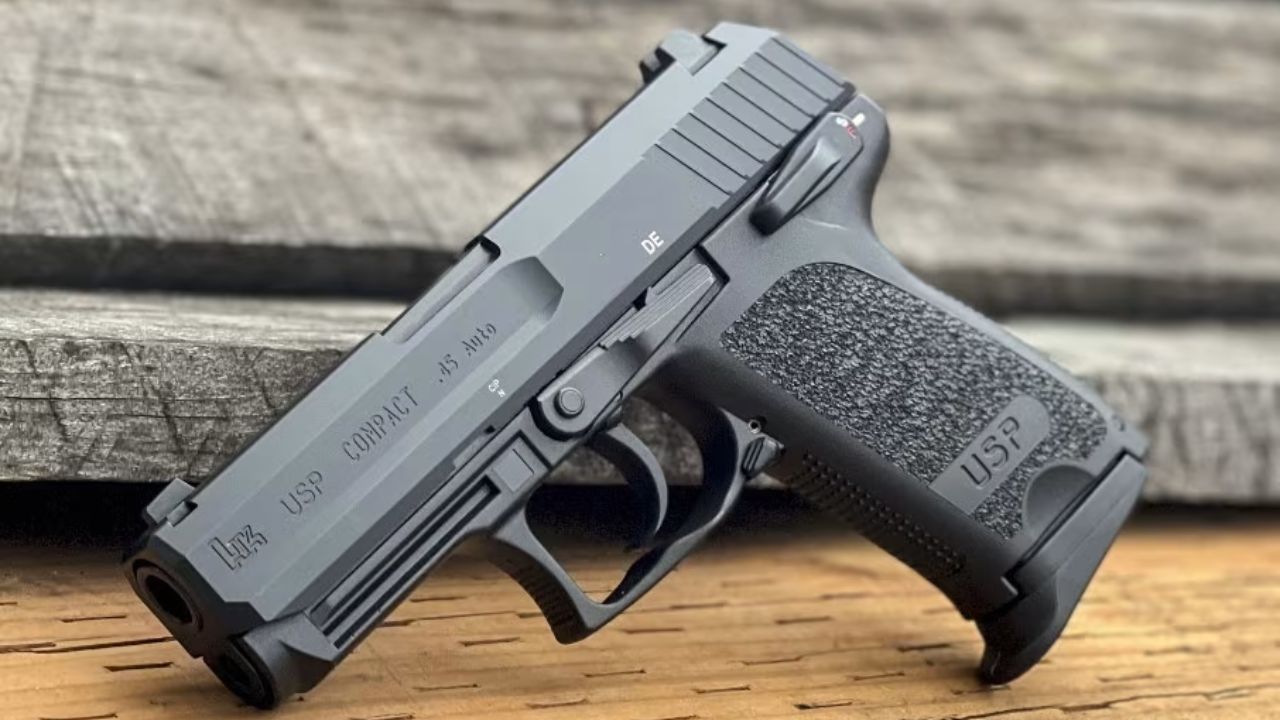
The H&K USP Compact became harder to replace because newer compact pistols may be easier to carry, but not always easier to trust. It is chunky by modern standards, not optics-ready in the usual way, and more expensive than many alternatives. On paper, plenty of current pistols seem like cleaner choices.
In the hand, the USP Compact feels serious. It has a durable, overbuilt personality, handles recoil well, and gives shooters traditional control options that many modern striker-fired guns do not. It is not the smallest compact pistol, but it inspires confidence. A thinner gun might carry better. A newer gun might mount a red dot easier. But if what the owner misses is that old HK toughness, replacing it becomes difficult.
Ithaca Deerslayer
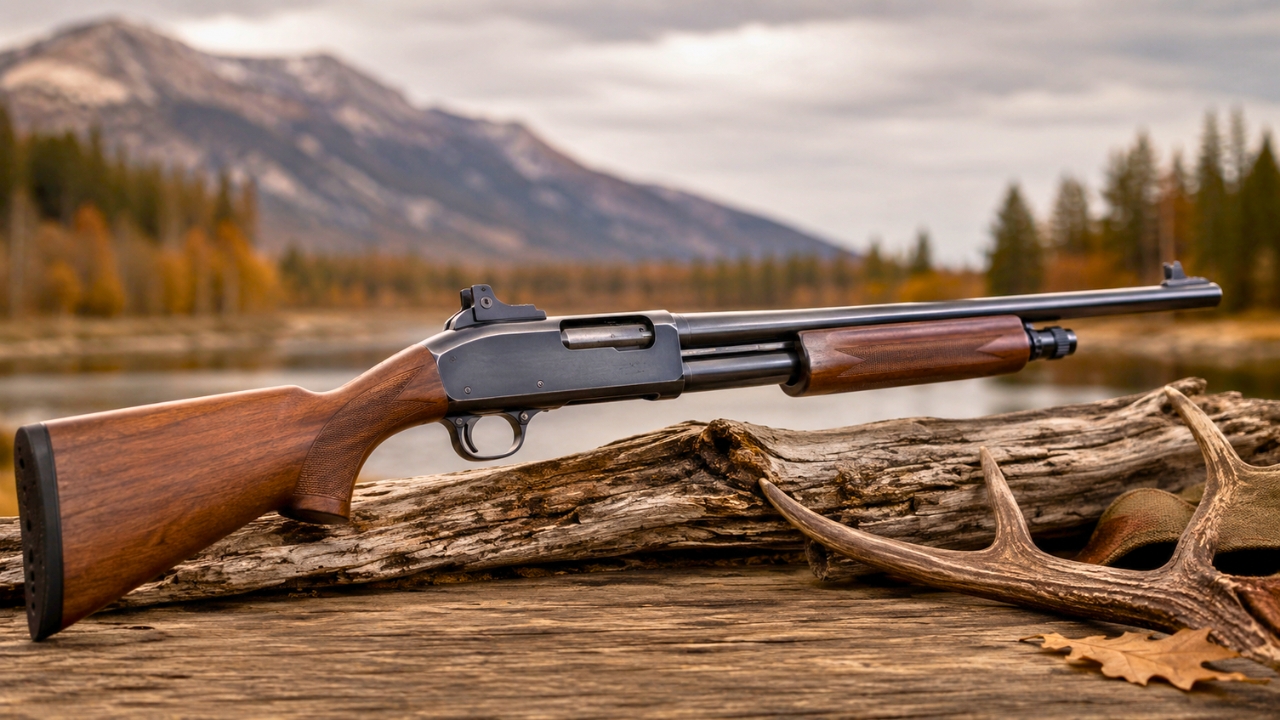
The Ithaca Deerslayer became harder to replace because it was built around a very specific kind of deer hunting. A dedicated slug gun with Ithaca Model 37 DNA, bottom ejection, and slick pump handling has a feel that generic slug setups do not always match.
Hunters who used them in shotgun-only areas often came to trust them deeply. The Deerslayer was practical, focused, and built for close- to moderate-range deer work where a slug gun made sense. Modern slug guns, inline muzzleloaders, and straight-wall rifles may have taken over in many places, but that does not erase what the Ithaca did well. For someone who likes that bottom-eject pump feel, replacing a good Deerslayer is not as simple as buying another 12-gauge.
CZ 550
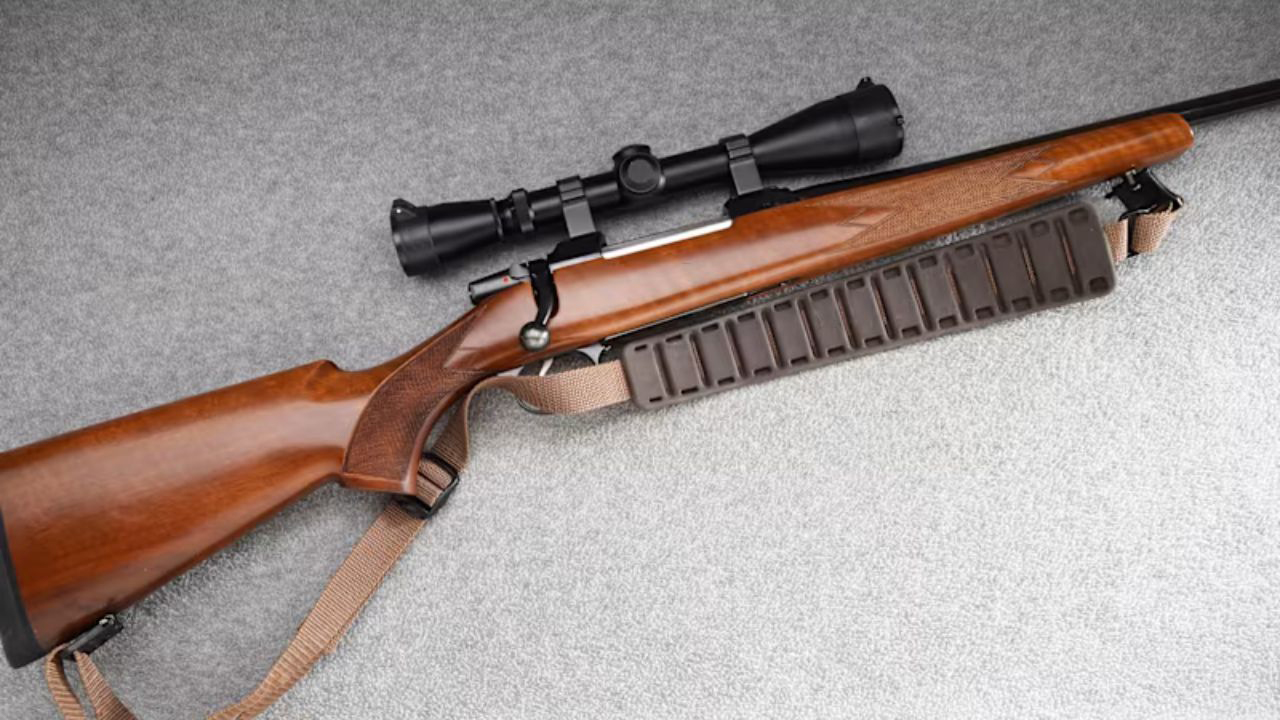
The CZ 550 became harder to replace because it had controlled-round-feed Mauser-style character at a price many shooters once took for granted. It came in practical hunting chamberings, dangerous-game chamberings, and configurations that felt more old-world than many modern rifles.
When CZ moved away from the 550, owners started appreciating what they had. The action, set trigger on many models, sturdy build, and classic feel made it stand apart. It could be heavier and less sleek than some newer rifles, but that solidness was part of the appeal. Modern CZ rifles may be practical, but they do not replace the 550’s personality. A person looking for that traditional controlled-feed feel now has a harder search than they might expect.
SIG Sauer P232

The SIG Sauer P232 became harder to replace because it was a refined .380 in a world that moved toward tiny polymer pocket guns and compact 9mms. On paper, the P232 is easy to criticize. It is larger than many .380s, lower-powered than 9mm, and not as efficient as modern carry pistols.
But it is beautifully made, slim, elegant, and pleasant in a way many tiny defensive pistols are not. It feels like a serious little pistol rather than a compromise. The fixed barrel, clean lines, and classic SIG quality give it lasting appeal. A newer carry gun may make more practical sense, but it probably will not feel like a P232. Owners who sell one often learn that replacing function is easy. Replacing refinement is not.
Browning Safari Grade Bolt Rifle
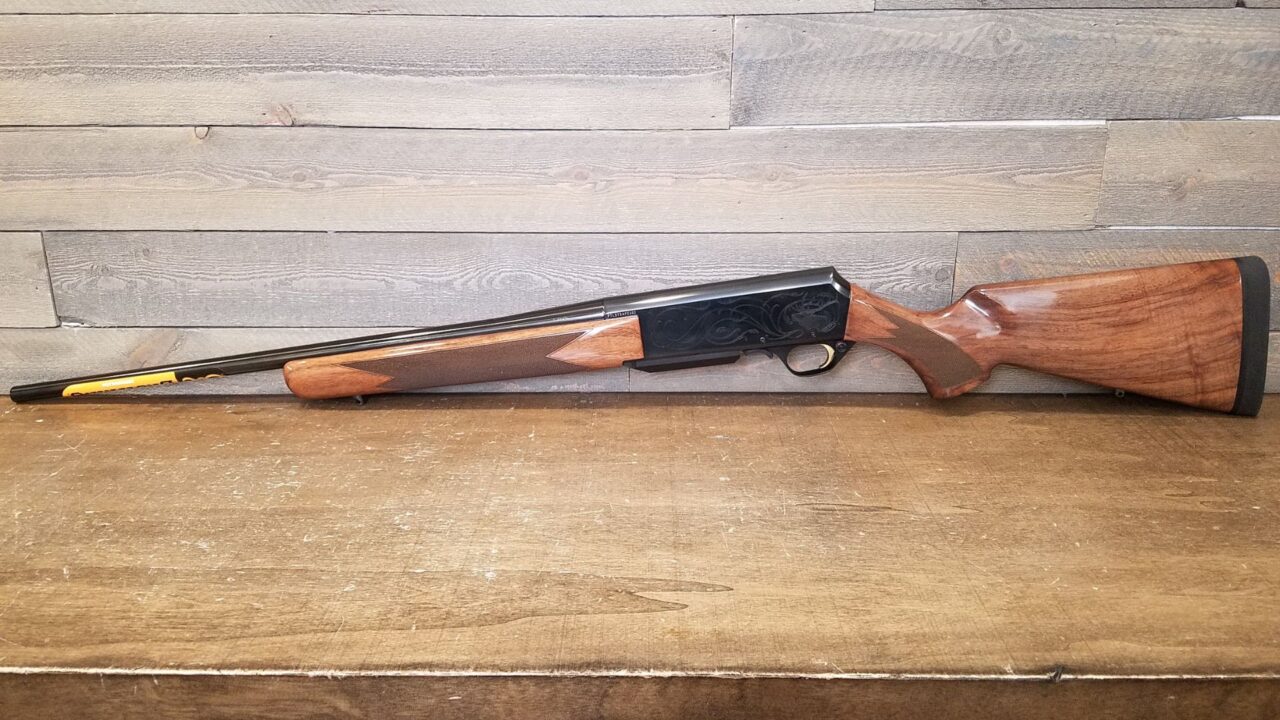
The Browning Safari Grade bolt rifles became harder to replace because they came from an era when hunting rifles often looked and felt special. They had high-gloss wood, strong polish, FN Mauser or Sako action heritage depending on model and era, and a level of style that many modern synthetic rifles do not even try to match.
A new rifle may be lighter, cheaper, and more weather-resistant. It may even shoot better. But it may not give the owner the same pride when opening the safe. Browning Safari rifles were not just tools; they were handsome hunting rifles with serious presence. Condition, chambering, and action type matter a lot, which makes finding the right one even harder. Selling one can leave an owner searching for a very specific kind of old-school elegance.
Ruger Redhawk

The Ruger Redhawk became harder to replace because it sits in a rugged revolver lane that not many guns fill the same way. It is a big, strong double-action revolver chambered in serious cartridges like .44 Magnum, and it feels built for field use rather than delicate admiration.
Other revolvers may be prettier, lighter, or more refined. The Redhawk’s appeal is strength and utility. It can serve for handgun hunting, woods carry, and heavy revolver use where legal and appropriate. It is not small, and it is not for everyone. But owners who get used to its toughness often find other revolvers feel either too polished or too specialized. A Redhawk does not merely fill the .44 Magnum slot. It fills the hard-use .44 slot.
Winchester 9422M

The Winchester 9422M became harder to replace because it took the already-loved 9422 platform and chambered it in .22 Magnum. That gave shooters a rimfire lever gun with more reach and punch than .22 LR while keeping the same smooth Winchester feel.
Plenty of .22 Magnum rifles exist, but few feel like a 9422M. It works for small game, pests, farm use, and range fun where legal and appropriate. It is also simply enjoyable in a way that makes owners protective. Once Winchester stopped making them, clean examples became much more desirable. A modern .22 Magnum bolt gun might be accurate and practical, but it does not replace the experience of a smooth lever-action Winchester in the same chambering.
Like The Avid Outdoorsman’s content? Be sure to follow us.
Here’s more from us: