
Photo credit: NRApubs/Youtube
Some guns don’t get their full credit while they’re still easy to find. They sit on racks, get passed over for newer models, and spend years being treated like plain working guns. Then production changes, prices climb, parts of the market shift, and shooters start realizing those old “regular” guns had more going for them than anyone wanted to admit.
That’s how a lot of respected firearms earn their second life. Not through marketing, not through internet noise, but because owners finally compare them against what replaced them. These are the guns that got more respected after the market moved on.
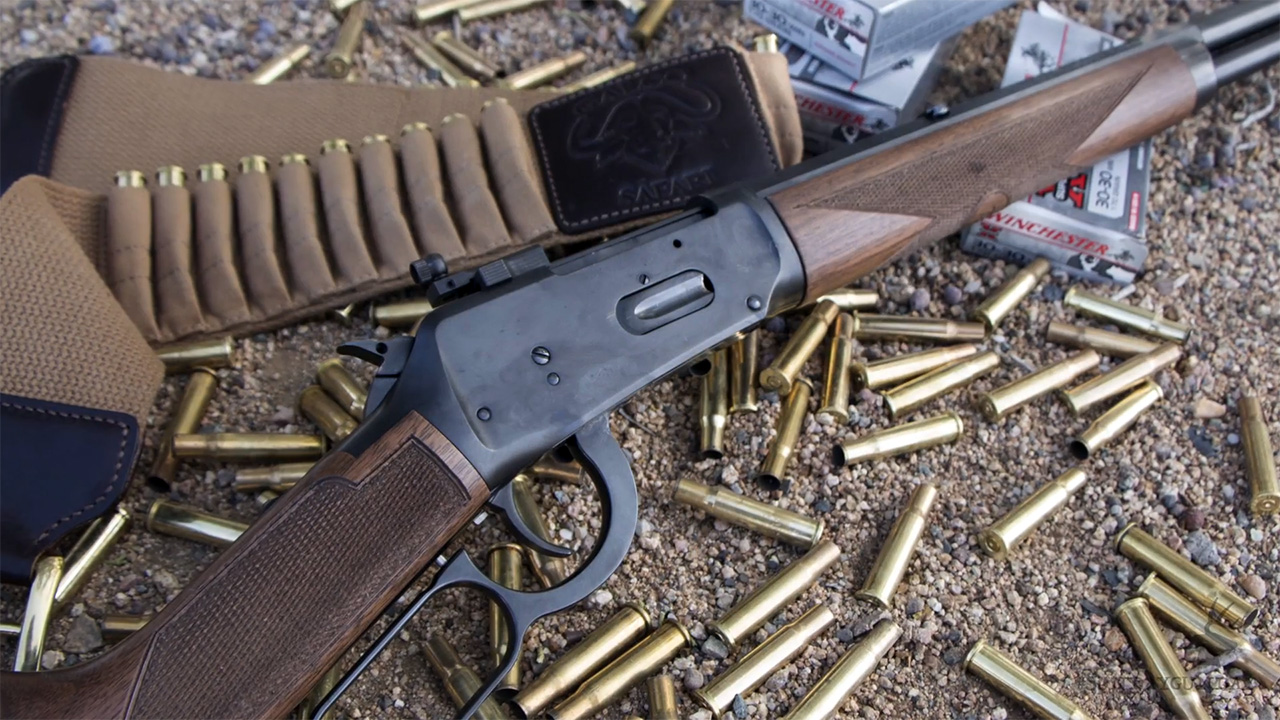
Winchester Model 94

The Winchester Model 94 spent so many years as a basic deer rifle that a lot of hunters forgot how good it really was. For decades, it was the kind of lever-action you expected to see in trucks, cabins, and deer camps. That familiarity worked against it for a while. People assumed common meant replaceable.
Once older Model 94s started getting harder to buy cheap, the respect came back fast. The rifle is light, quick to shoulder, and made for the kind of woods hunting where shots are close and timing matters. It doesn’t need a big scope or a long barrel to make sense. A clean old Model 94 still feels like a rifle built around actual hunting instead of catalog trends.
Browning Hi-Power

The Browning Hi-Power used to sit in an odd place. It was respected by people who knew handguns, but plenty of newer shooters saw it as an outdated single-action 9mm. Once the market shifted hard toward polymer striker-fired pistols, a lot of folks started realizing the Hi-Power had a feel that modern guns rarely match.
The grip is the big thing. It fits a wide range of hands, points naturally, and carries more history than most pistols ever will. Good originals and quality variants became more desirable as shooters started looking for steel 9mms with character and real shootability. The Hi-Power may not have modern controls or optic cuts, but it still reminds people that a pistol can feel right without being loaded down with features.
Remington Model Seven

The Remington Model Seven never got the same attention as the Model 700, but hunters who carried one knew exactly why it mattered. It was short, handy, and easy to move through brush with. For younger hunters, mountain hunters, and anyone who wanted a real bolt-action that didn’t feel oversized, the Model Seven made a lot of sense.
As lightweight rifles became more common, people started looking back at the Model Seven with more appreciation. It did the handy hunting rifle thing before everyone was chasing compact setups. It wasn’t perfect, and some chamberings kicked pretty hard in that light platform, but the basic idea was solid. A clean Model Seven today feels more valuable because the market moved away from that simple, compact hunting rifle feel.
Smith & Wesson Model 39

The Smith & Wesson Model 39 was once seen as a slim old service pistol from another era. It didn’t have the capacity of later double-stack guns, and it didn’t have the modern simplicity of striker-fired pistols. For a long time, that made it easy to overlook.
Now, the Model 39 gets more respect because shooters understand what it offered. It was slim, classy, easy to carry, and historically important as one of America’s early double-action 9mm pistols. The single-stack frame feels good in the hand, and the pistol has a balance that many newer compact guns don’t quite duplicate. The market moved on, but that made the Model 39’s strengths easier to see.
Ruger Security-Six
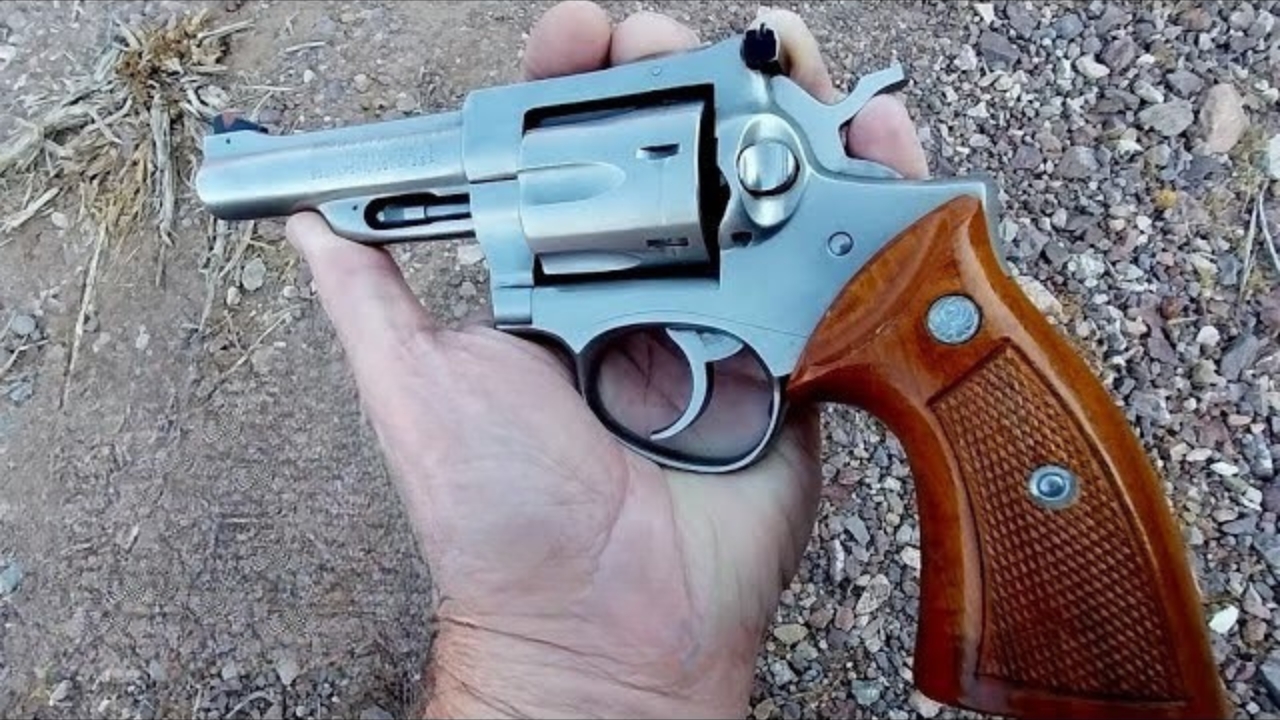
The Ruger Security-Six used to live in the shadow of flashier revolvers. It wasn’t as polished as some Smith & Wesson models, and it didn’t have the same collector pull as older Colts. It was simply a tough .357 revolver that people bought to use, carry, and trust.
That plain reputation changed as prices rose and revolver buyers started hunting for durable older guns. The Security-Six has a great middle-ground feel. It is lighter and handier than a GP100, but stronger than people sometimes expect. It makes sense as a woods gun, range revolver, or practical defensive piece. The market moved past it, but shooters who know revolvers now understand how much value Ruger packed into that design.
Marlin Model 60
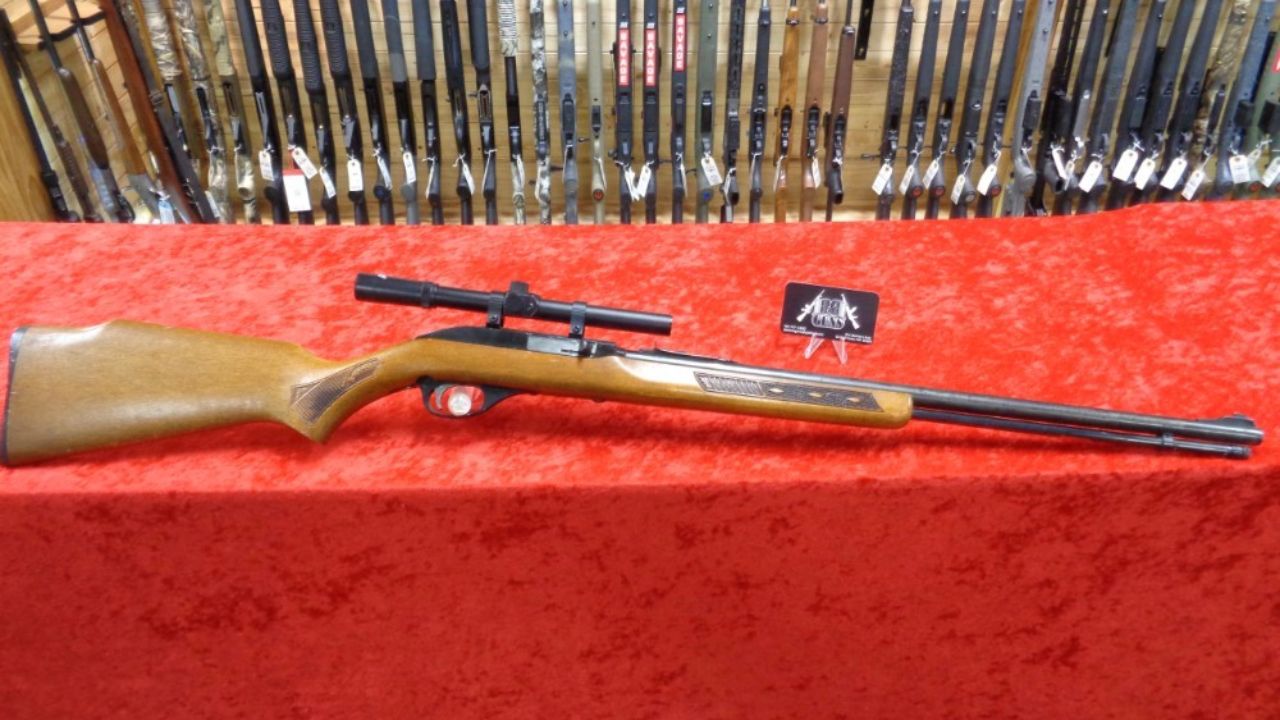
The Marlin Model 60 was everywhere for years, which is probably why some shooters didn’t give it much thought. It was the tube-fed .22 sitting behind counters, riding in closets, and teaching kids how to shoot. It didn’t look rare or serious. It looked normal.
Now that older rimfires have gotten more attention, the Model 60 gets more respect for being accurate, reliable, and simple to enjoy. The tube magazine gives it good capacity without detachable magazines to lose, and many examples shoot better than people expect from an inexpensive .22. It’s one of those rifles owners wish they had kept because replacing that easy, useful rimfire is harder than it should be.
Colt Detective Special
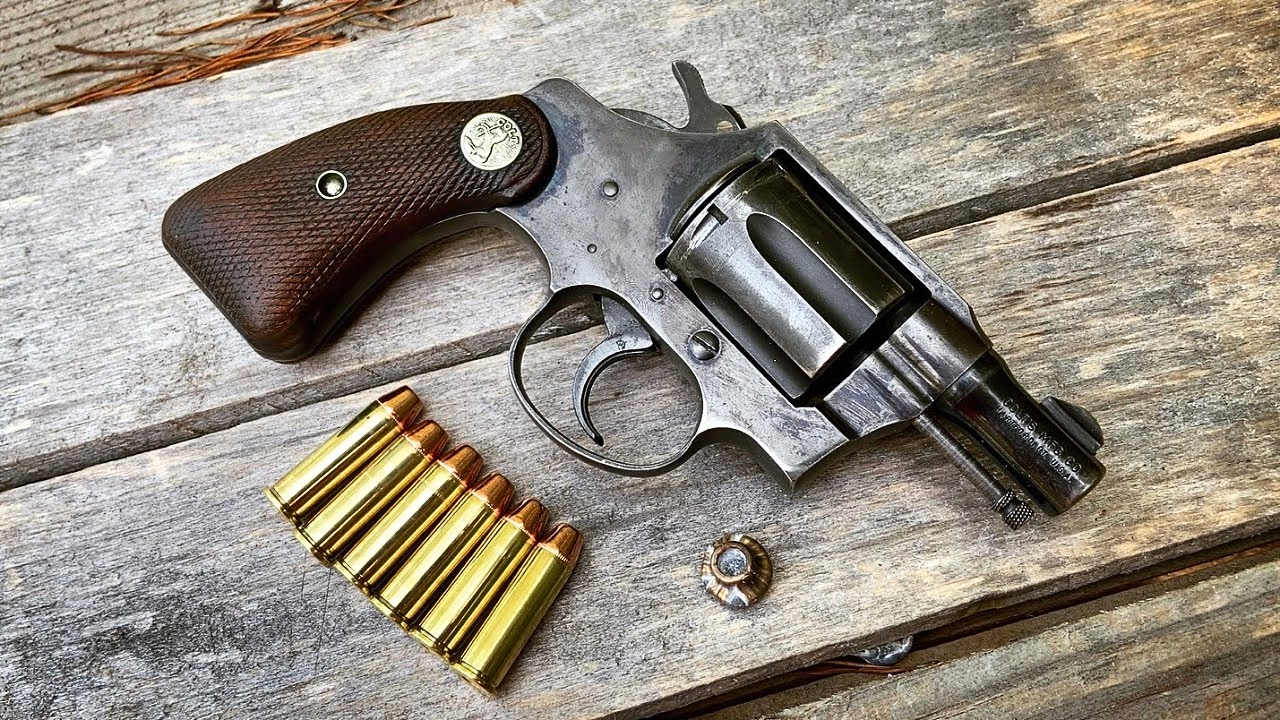
The Colt Detective Special spent years being treated like an old-school snubnose from a bygone carry era. As smaller semi-autos took over, the little Colt seemed outdated to many buyers. Six shots of .38 Special in a compact revolver didn’t look as impressive once pocket 9mms became common.
Then the market started looking back at classic revolvers, and the Detective Special’s appeal became obvious again. The extra round over many five-shot snubs matters, and the old Colt styling carries a lot of character. A good one has a feel that modern lightweight snubs often lack. It may not be the easiest gun to replace or repair today, but that has only made clean examples more respected.
Weatherby Vanguard
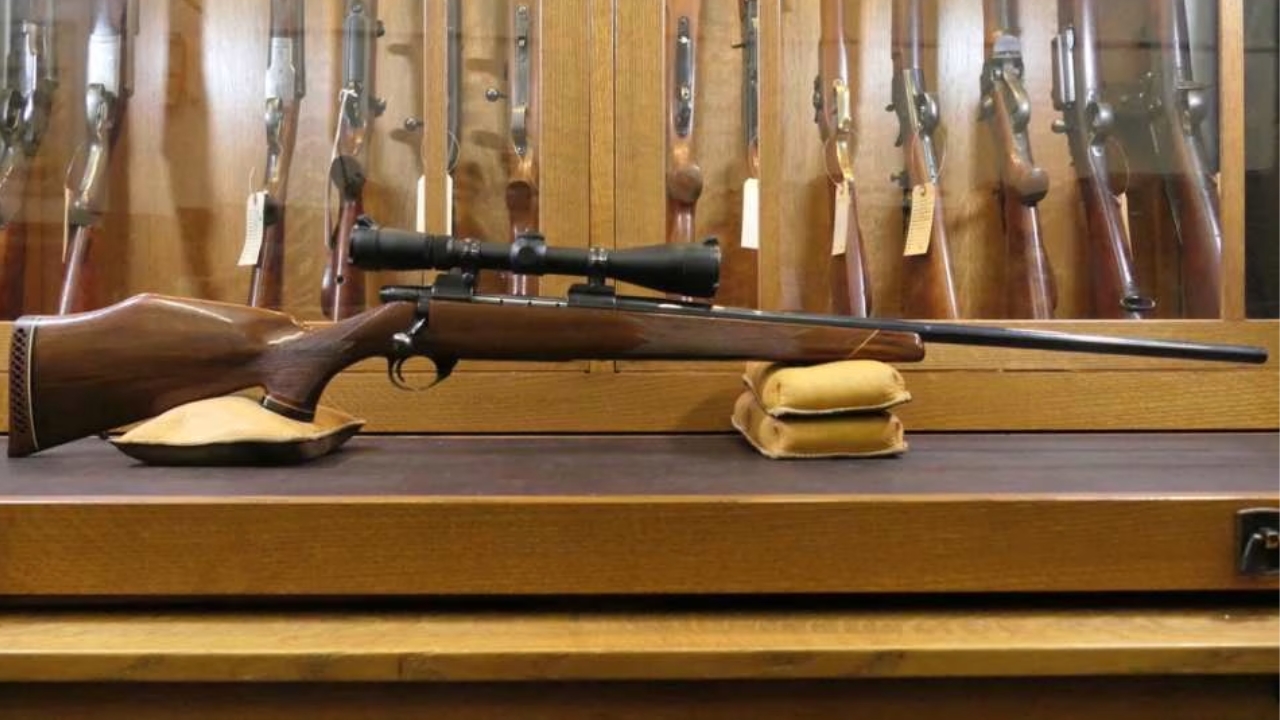
The Weatherby Vanguard used to be seen by some hunters as the less glamorous Weatherby. It didn’t have the same mystique as the Mark V, and it didn’t always get attention from people chasing expensive rifles. But the Vanguard quietly built a reputation as a dependable, accurate hunting rifle that gave buyers more than they expected.
As hunting rifle prices climbed and some newer budget guns started feeling cheaper, the Vanguard began looking smarter. It has enough weight to shoot well, enough quality to trust, and enough accuracy for serious field use. It may not be the lightest rifle in the mountains, but it feels like a real rifle. That matters more after you’ve handled enough new guns that feel like corners were cut.
Beretta Cheetah 84

The Beretta Cheetah 84 spent years being treated as a nice little .380, but not always a serious one. In a market that kept pushing smaller, lighter, and more powerful carry pistols, a metal-framed .380 with a wider grip didn’t seem like the obvious choice.
Then shooters started appreciating how well it actually shoots. The Cheetah has a smooth feel, soft recoil, and classic Beretta build quality. It is easier to control than many tiny .380s and far more enjoyable at the range. As the market moved toward ultra-compact carry guns that can be unpleasant to practice with, the Cheetah started looking less outdated and more sensible for people who value shootability.
Savage 24
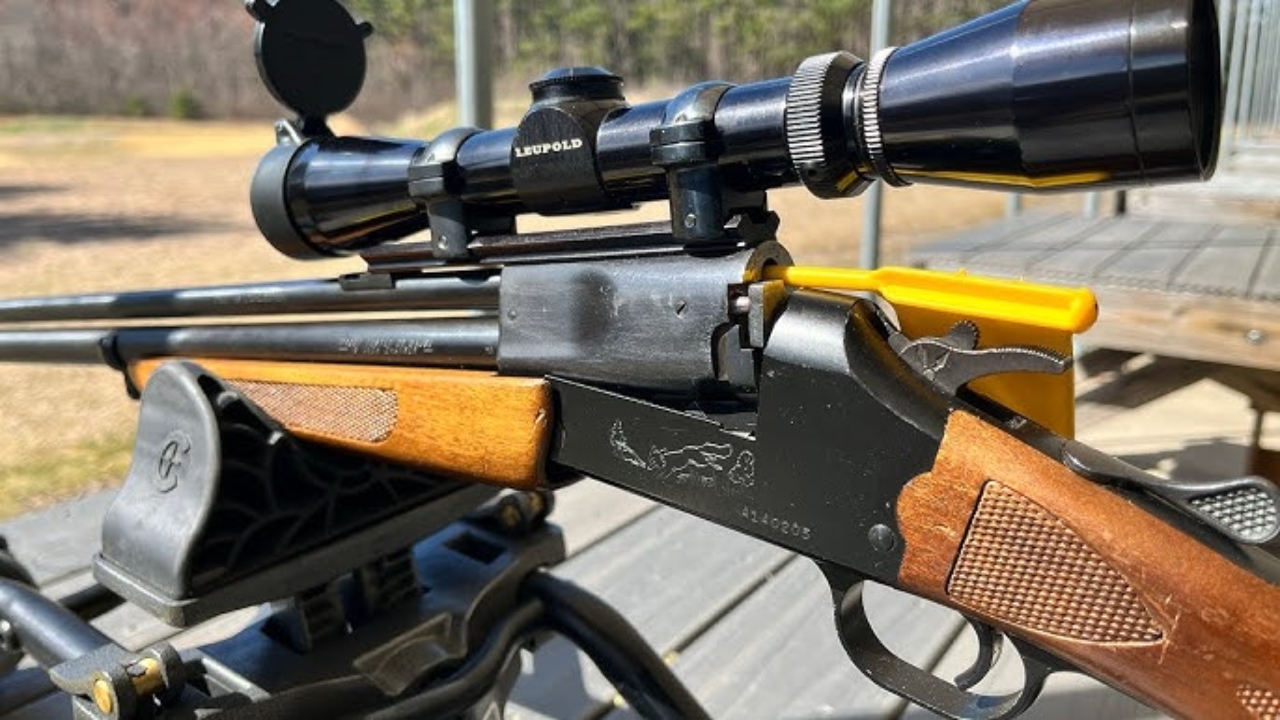
The Savage 24 combination gun was never flashy. It was a practical over-under with a rifle barrel and shotgun barrel, often used around farms, camps, and woods where flexibility mattered more than looks. For years, it was seen as a useful but odd little gun.
Now, shooters who like practical field guns have come back around to it. A .22 over .410, .22 Magnum over 20 gauge, or centerfire over shotgun setup can still make real sense for small game, pests, and camp use. The market doesn’t offer as many simple combination guns as it once did, which makes the Savage 24 feel more interesting now. It’s one of those designs people appreciate more after realizing how useful it was.
Heckler & Koch P7

The HK P7 was always unusual, but for a while it was also easy to dismiss as expensive, strange, and overly complicated. The squeeze-cocker design wasn’t like anything else, and the pistol didn’t fit neatly into the direction the handgun market eventually took.
As time passed, the P7 became more respected because shooters realized how well it was engineered. It is slim, accurate, safe in a unique way, and extremely fast once someone understands the manual of arms. The fixed barrel and low bore axis help it shoot with impressive precision. It’s not cheap now, and it’s not a casual maintenance gun, but the market moving on made the P7’s originality stand out even more.
Remington 7600
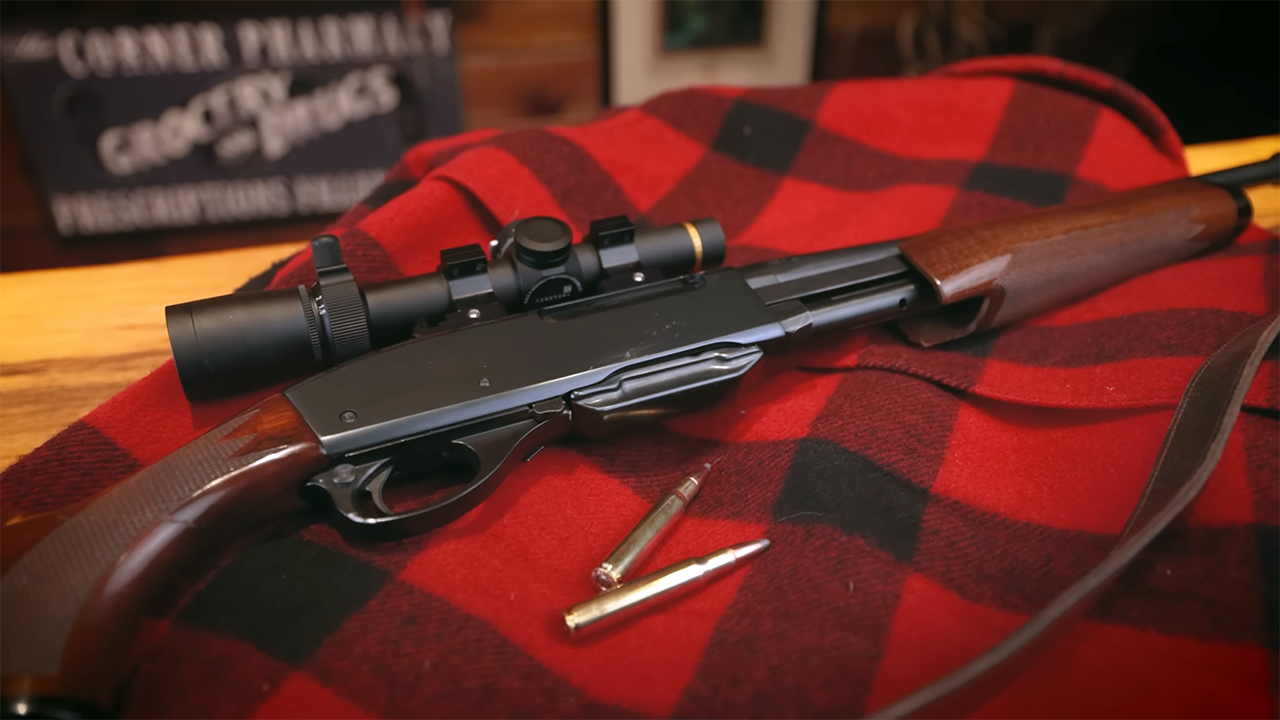
The Remington 7600 pump rifle never got universal praise, but it earned a serious following in places where fast follow-up shots and familiar handling matter. In parts of deer country, especially where hunters grew up with pump shotguns, the 7600 made complete sense. Elsewhere, people sometimes looked at it like an oddball.
Now, with more hunters appreciating regional rifles and practical field setups, the 7600 gets more respect. It points quickly, cycles fast, and feels familiar to anyone who has spent time with a pump shotgun. In thick woods and short shooting lanes, that matters. The market moved heavily toward bolt guns and semi-autos, but the 7600 still fills a role those rifles don’t always cover as naturally.
Walther PPK
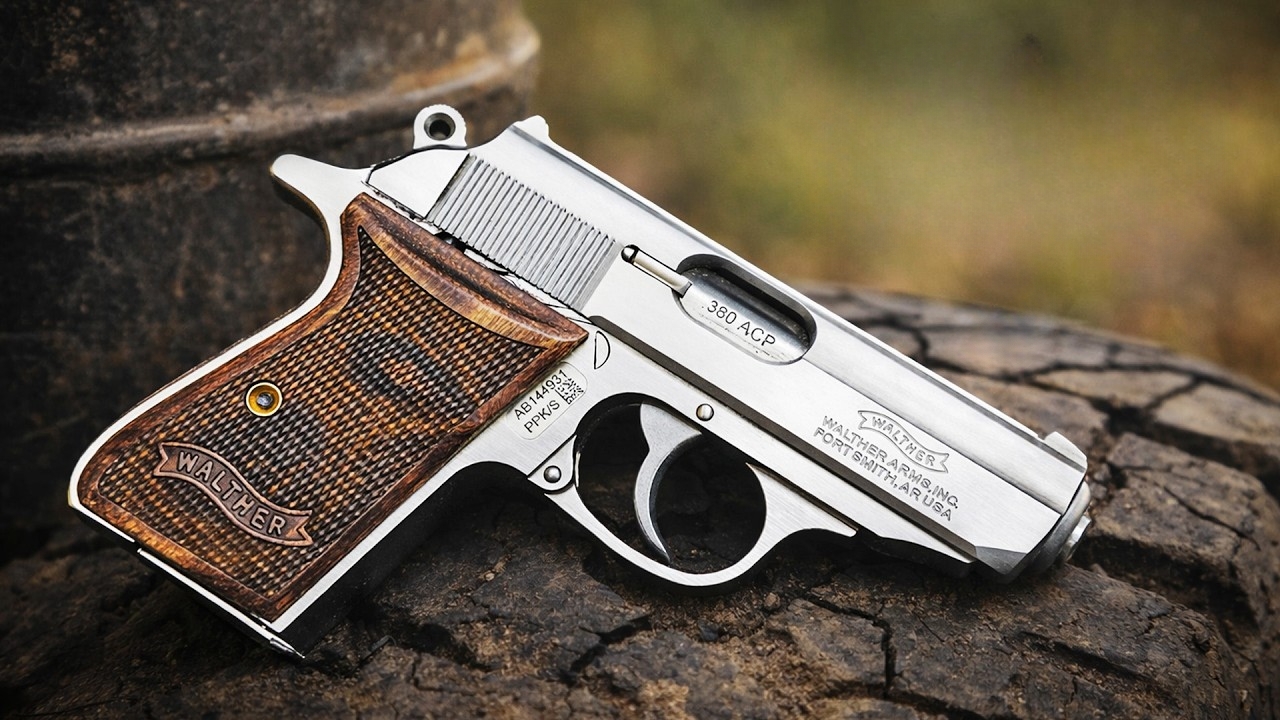
The Walther PPK spent a long time being judged through the wrong lens. Compared with modern micro pistols, it can seem heavy for its size and limited in capacity. That made some buyers treat it as more of a movie gun than a practical one.
Over time, though, the PPK has gained respect from shooters who appreciate design, carry history, and old-school craftsmanship. It is slim, recognizable, and still easy to carry in the right setup. It does have sharp recoil compared with its weight and caliber, so it’s not perfect. But it has a level of style and mechanical interest most modern pocket pistols don’t touch. The market moved on, and that made the PPK feel more distinctive.
Winchester Model 12
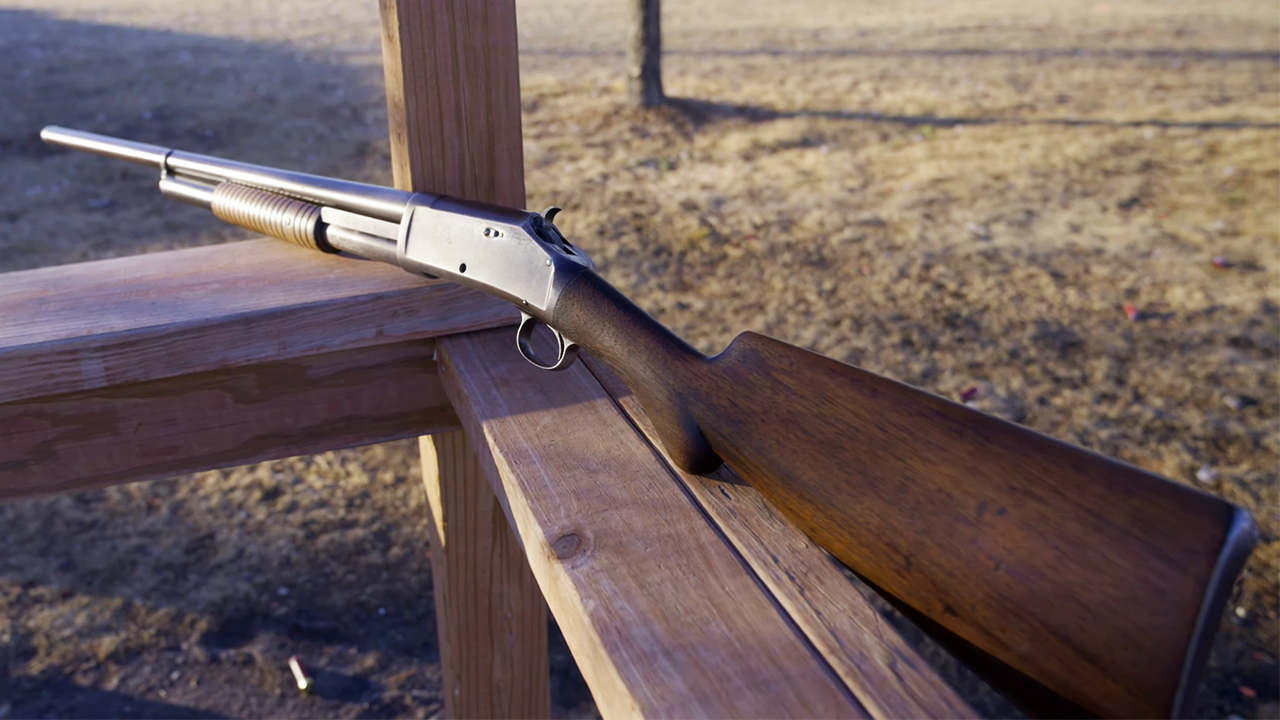
The Winchester Model 12 was once a working shotgun, not some delicate safe queen. Hunters used them hard for birds, waterfowl, rabbits, and anything else a pump shotgun could handle. Because so many were made and used, they didn’t always get the credit they deserved from casual buyers.
That changed as people started comparing old pump guns against many newer options. A slick Model 12 has a feel that is hard to fake. The machining, balance, and action all remind you that this was built in a different era. It may not accept modern accessories like newer shotguns, but for pure handling and field use, it still earns respect quickly. The market moved forward, but not always upward.
Ruger No. 1
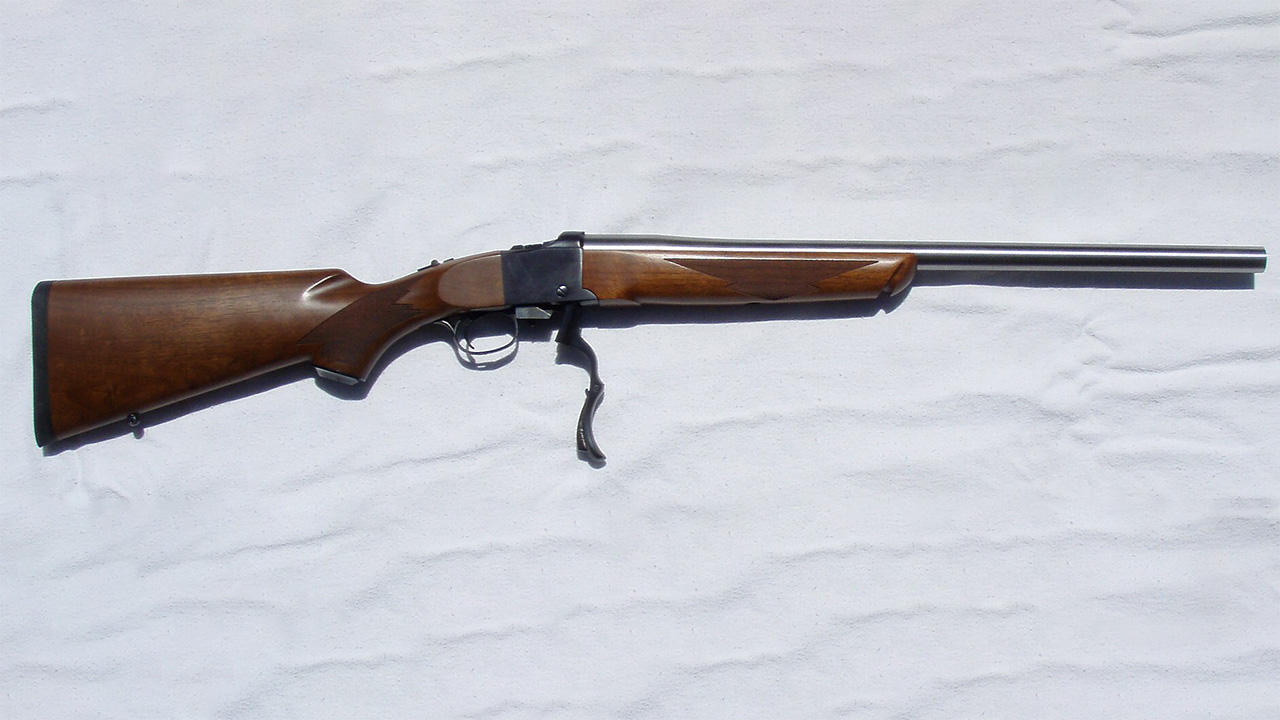
The Ruger No. 1 never fit the mainstream market perfectly. It’s a single-shot rifle in a world where most hunters want repeaters, detachable magazines, or lightweight synthetic-stocked rifles. That made it easy for some people to overlook, especially if they judged usefulness by capacity alone.
But the No. 1 became more respected as shooters started valuing craftsmanship and slower, more deliberate hunting rifles. It is strong, handsome, compact for its barrel length, and chambered over the years in a wide spread of serious cartridges. It asks the shooter to make the first shot count, which isn’t a bad habit. As the market moved toward cheaper and faster, the Ruger No. 1 stood out by feeling careful, solid, and built with real purpose.
Like The Avid Outdoorsman’s content? Subscribe to our newsletter so you never miss an article.
Here’s more from us:


