Photo credit: Mick Haupt/Unsplash.com
The gun owner was not at the range.
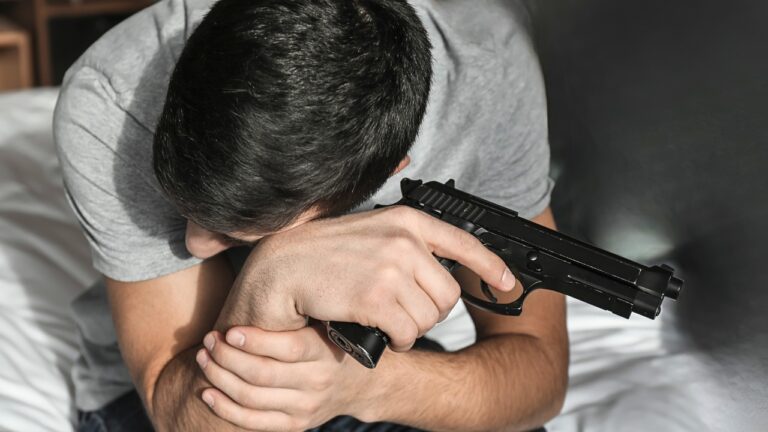
He was at home, in the bathroom, practicing.
That is what makes the story so uncomfortable. A lot of gun owners dry-fire at home. Done correctly, it can be a useful way to work on trigger control, sight picture, draw stroke, grip, and presentation without burning through ammo. But dry-fire only stays safe when the routine is boring, strict, and treated like live-fire could happen if one step gets sloppy.
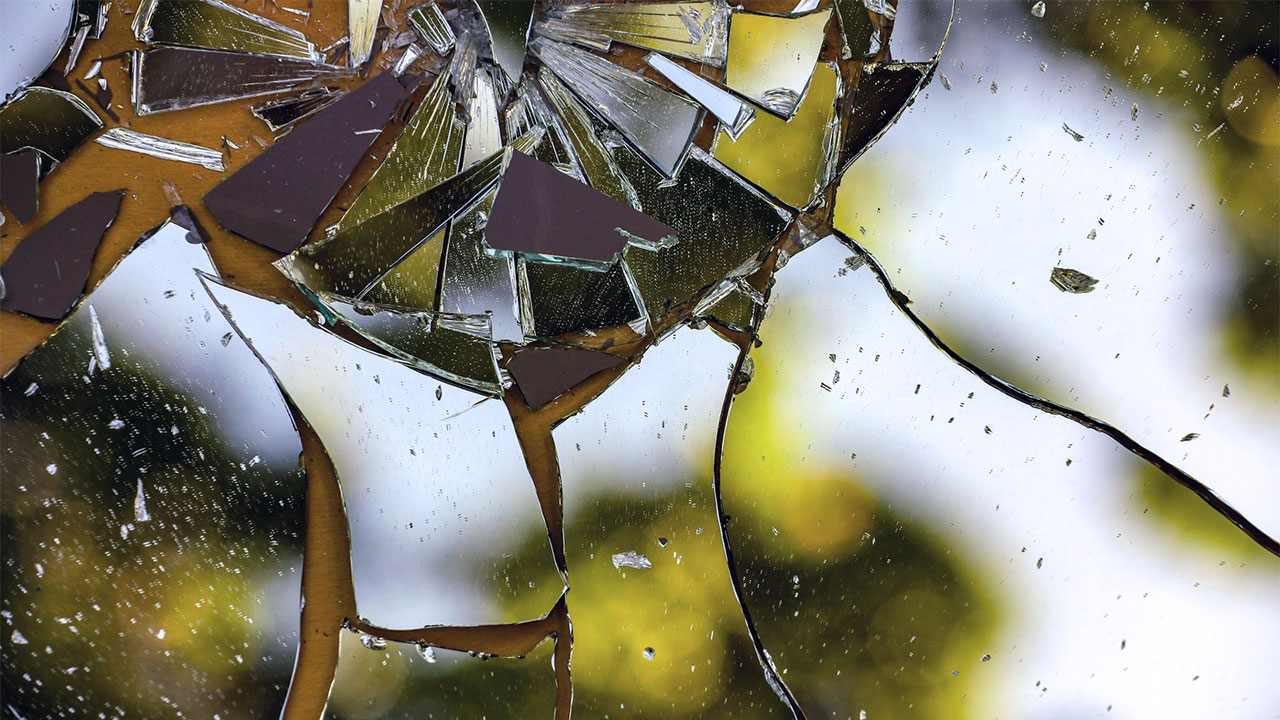
In a Reddit post, the gun owner said he shot a hole in his bathroom mirror. The way he described it, one bad habit during practice turned into real damage the second a live round was involved.
That is the kind of mistake that makes every responsible gun owner stop and mentally check his own routine.
Dry-fire is not supposed to be casual. It is not something to do halfway while distracted, tired, rushed, or bouncing between loaded and unloaded states. The safest routines are usually the most repetitive: unload the gun, remove ammunition from the room, check the chamber, check the magazine well, check again, choose a safe backstop, say out loud that the gun is unloaded if that helps, and never mix dry-fire practice with live ammo handling.
The problem is that people get comfortable.
They do something safely enough times that it starts feeling automatic. Then maybe they reload too soon. Maybe they take a break and come back without restarting the safety process. Maybe they use the same room where loaded magazines are sitting nearby. Maybe they get interrupted. Maybe they finish dry-fire, load the gun for carry, and then decide to try “one more” press without resetting the routine.
That is usually where the mistake lives.
A bathroom mirror is a bad backstop, but it is easy to see why someone might use it for practice. You can see your draw. You can watch your grip. You can check whether the sights move. You can see your own posture. Plenty of people use mirrors for that kind of visual feedback.
But a mirror also gives a false sense of harmlessness. It feels like practice. It feels like looking at form. It does not feel like aiming at something that could turn into glass, drywall, studs, pipes, wires, another room, or a neighbor’s space if a round goes off.
Then the trigger breaks, and the room changes instantly.
A gunshot indoors is not subtle. It is deafening, sharp, and physical. In a bathroom, with hard surfaces and a mirror, it must have been brutal. The mirror breaks. The wall takes damage. The smoke, ringing ears, shock, and instant regret all hit at once. And then comes the second wave: where did the round go? Did it stop? Did it enter another room? Is anyone hurt? Did anyone hear it? Do I need to call someone? How do I explain this?
The hole in the mirror is embarrassing. The unknown path of the bullet is the real fear.
That is why negligent discharges at home are so serious even when nobody is injured. A house is not a safe backstop by default. Bathrooms, closets, bedrooms, and garages all have things behind the visible surface. A round can pass through drywall easily. It can go into another room, another apartment, or outside the house depending on the angle and construction.
The gun owner was lucky the story was about property damage instead of injury.
And luck is not a safety system.
The most useful thing about stories like this is that they cut through ego. Nobody wants to admit they had a negligent discharge. Nobody wants to post online that they shot a mirror in their own bathroom. But when someone does admit it, every other gun owner gets a chance to tighten up without paying the same price.
The fix is not complicated, but it has to be non-negotiable. Dry-fire should have a dedicated routine. Live ammo should be out of the room. The gun should be checked more than once. A real backstop should be considered. No “one more press” after loading. No casual trigger work after reholstering for carry. No practice when your mind is not fully there.
And if you get interrupted, you start over.
That one rule alone could probably prevent a lot of these incidents. If the phone rings, the kid calls, someone knocks, the dog barks, or your mind shifts, the dry-fire session is over until you reset from the beginning. Not from where you think you left off. From the beginning.
The gun owner’s mistake was expensive and embarrassing, but it could have been far worse. A bathroom mirror can be replaced. Drywall can be patched. Pride eventually recovers. A bullet that finds another person does not offer that kind of easy repair.
That is the hard lesson here. Dry-fire is only dry-fire when the gun is truly unloaded and the routine proves it every single time. The moment a live round sneaks into the process, practice becomes a gunshot.
Commenters did not treat it like a harmless accident, but many gave him credit for admitting it.
Several people said the biggest lesson was to separate dry-fire practice from live ammunition completely. Not just unloaded magazines nearby. Not just “I know it’s empty.” Ammo out of the room, gun checked, chamber checked, magazine well checked, and no loaded gun handling until practice is fully over.
Others focused on the “one more time” problem. A lot of negligent discharges happen after someone reloads and then absentmindedly presses the trigger again. Commenters warned that once a firearm is loaded back up for carry or storage, practice is done. No extra reps. No checking the trigger again. No shortcuts.
A few people talked about backstops. Mirrors, TVs, interior walls, and closet doors are not real backstops. Even during dry-fire, many said they still aim at something that would be safer if the worst happened. It may sound overly cautious until someone puts a round through a bathroom mirror.
Some commenters were harsh, calling it negligent rather than accidental. That was not just word policing. Their point was that the gun did not fire on its own. A loaded firearm was handled like it was unloaded, and the trigger was pressed.
The main advice was simple: build a dry-fire routine that does not depend on memory or confidence. Check every time, remove ammo, use a safe direction, and end the session the second live ammo comes back into the room.