Photo credit: Okyela/Shutterstock.com
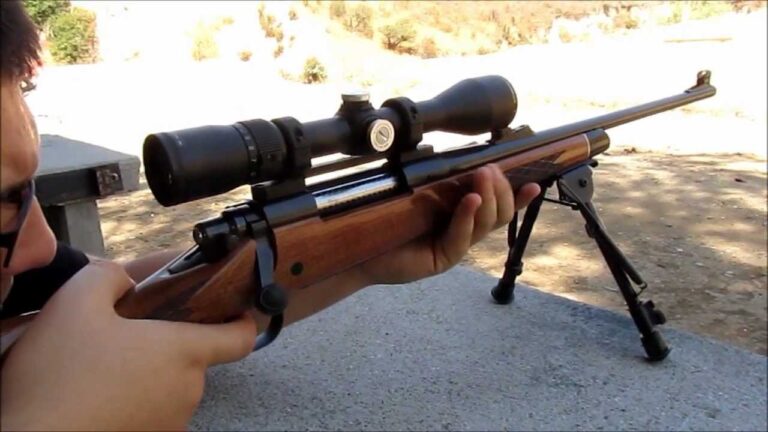
Every shooter has seen it—the fancy promo video, the “revolutionary” features, the early reviews claiming it’ll change the game. Then the rifle finally hits the market, and it turns out to be more letdown than legend. Preorder hype has a way of turning ordinary rifles into promised miracles, especially when marketing departments get ahead of engineers.
Sometimes it’s reliability issues. Other times, accuracy doesn’t live up to the bold claims, or the new features turn out to be more gimmick than gain.
These are the rifles that couldn’t live up to their launch-day excitement—guns that had shooters waiting months for something that wasn’t even close to what they expected.
Winchester Wildcat
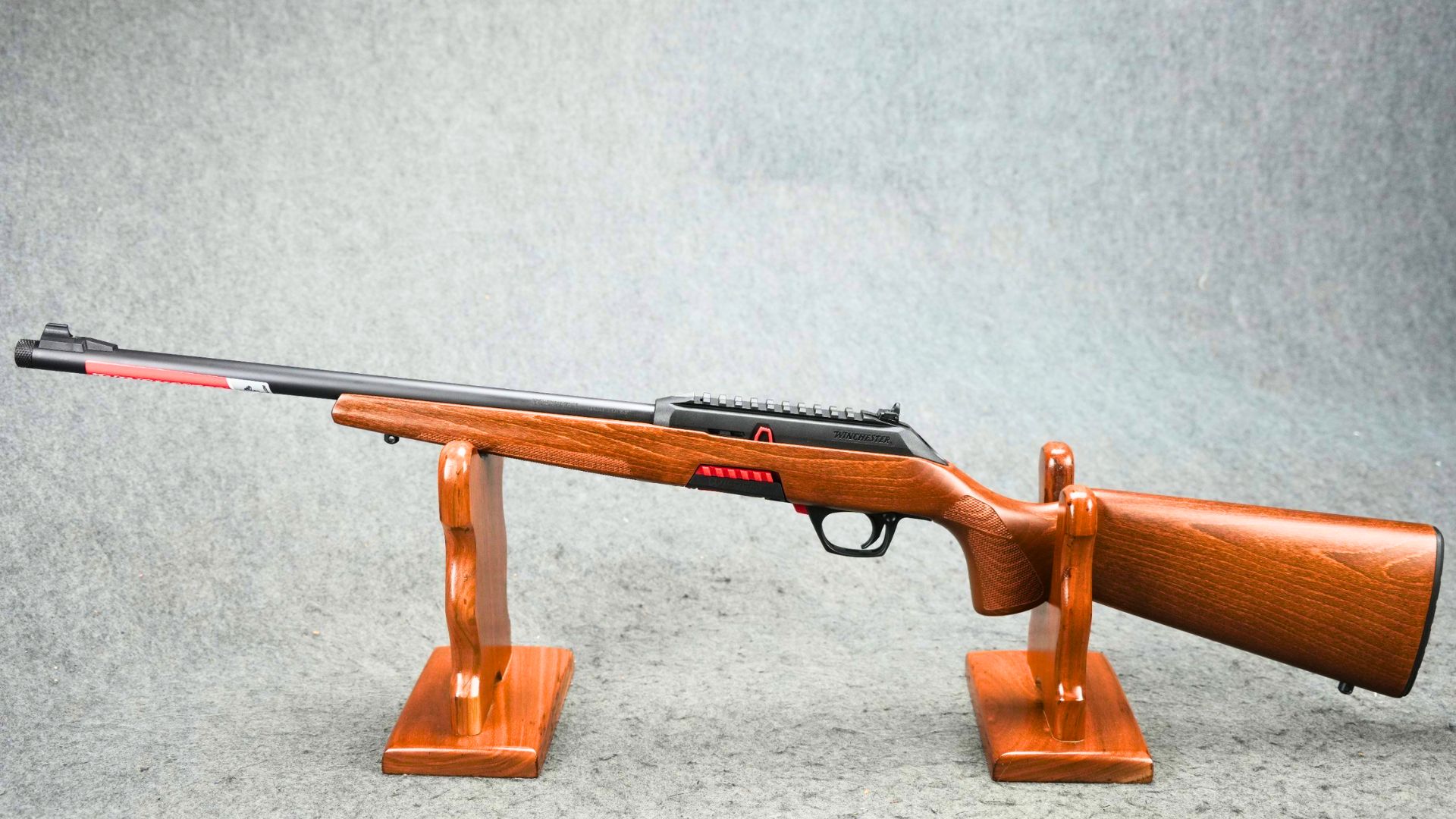
The Winchester Wildcat got plenty of attention as a modern, modular .22 LR plinker that would compete with Ruger’s 10/22. It had a clever design and easy takedown system, but in real use, it struggled to keep pace. Accuracy was hit or miss, and the lightweight polymer receiver didn’t inspire confidence.
Shooters found the trigger gritty and inconsistent, and aftermarket support never really took off. What was marketed as a serious rimfire contender ended up feeling like a budget rifle in disguise. For all the buzz it had at launch, the Wildcat became another reminder that clever marketing can’t replace proven performance.
Ruger Precision Rimfire

The Ruger Precision Rimfire was supposed to be the affordable training version of the much-loved Precision Rifle. It looked the part, and the features were there—adjustable stock, threaded barrel, and AR-style controls. But when shooters got their hands on it, the results were mixed.
Accuracy was inconsistent between rifles, the factory trigger left much to be desired, and the bolt throw felt rough for the price. Many shooters found themselves tuning or upgrading parts right out of the box. It wasn’t a bad rifle, but the “precision” in the name set expectations it couldn’t always meet.
Mossberg MVP LC
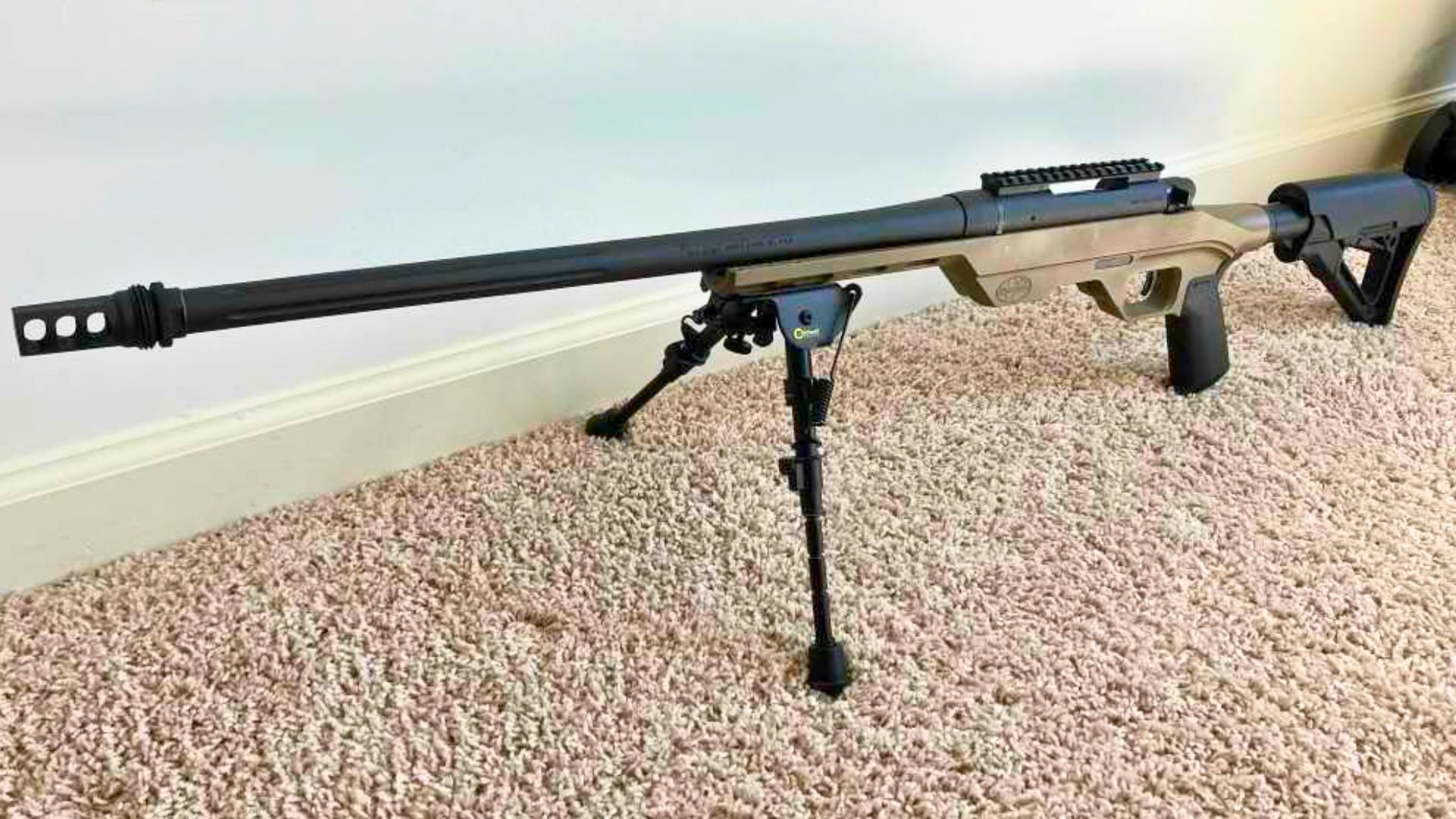
When Mossberg unveiled the MVP LC, it looked like a winner—chambered for popular cartridges, taking AR mags, and packaged with a chassis and bipod. It checked every modern box. But once the shooting started, it became clear it wasn’t the long-range bargain people hoped for.
The trigger was spongy, bolt lift was rough, and accuracy was inconsistent even with match ammo. It looked tactical, but it never felt refined. For many, it was a rifle that tried too hard to ride the PRS wave without delivering the performance to back it up.
Savage Impulse
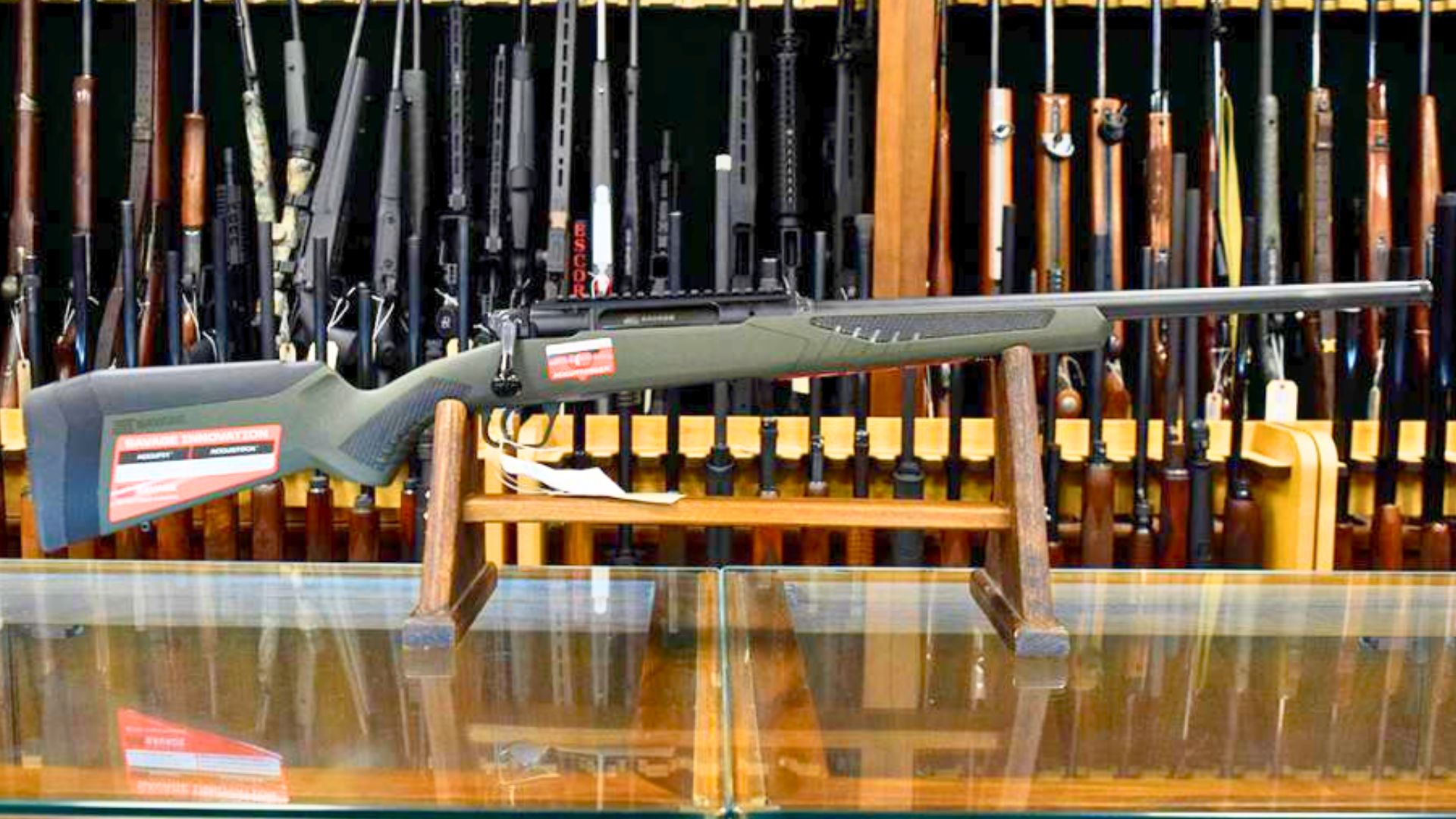
The Savage Impulse generated real buzz as one of the few straight-pull rifles made for the American market. Fast cycling and a modular design had hunters and shooters lining up to order one. Unfortunately, the real-world results didn’t match the hype.
While innovative in concept, the rifle’s bolt system felt clunky compared to European straight-pulls. Early reports showed reliability issues and stiffness that defeated the purpose of its design. Accuracy was fine, but not enough to justify the added complexity or price tag. It promised a revolution and delivered a reminder that not all new ideas translate well.
Remington 783

The Remington 783 launched with promises of precision on a budget—a rifle that would bridge the gap between economy and performance. Early marketing made it sound like a replacement for the 700. But in practice, it landed firmly in “good enough” territory.
The 783’s trigger was heavy, the stock felt hollow, and the overall build lacked the refinement shooters expected from Remington. Accuracy was decent, but nothing exceptional. For all the excitement leading up to release, most buyers realized they could get better value elsewhere without the flashy claims.
Browning AB3

When the Browning AB3 hit the market, fans of the A-Bolt series expected a refined, affordable successor. What they got was a simplified, stripped-down rifle that looked sleek but cut corners in all the wrong places.
The stock felt cheap, the bolt lift was heavy, and the trigger lacked the crispness Browning was known for. Accuracy wasn’t bad, but the overall experience didn’t match the Browning name. It might have been a serviceable hunting rifle, but it didn’t come close to the excitement its release created.
Ruger American Ranch Gen 1

The original Ruger American Ranch rifle had plenty of excitement behind it—compact, threaded, and affordable. It seemed like the perfect truck or ranch rifle. But once in hand, many shooters found it rough around the edges.
The short barrel made it handy but loud, and accuracy varied widely from rifle to rifle. The factory magazines were unreliable, and the stock flexed enough to throw groups off the target. Ruger eventually improved things with later versions, but the early models didn’t come close to the buzz they built pre-launch.
Sig Cross

The Sig Cross looked like a dream rifle on paper—lightweight, modular, and built for both hunters and long-range shooters. Sig hyped it as the future of the backcountry rifle. But early users found teething issues that soured that excitement quickly.
Reports of inconsistent accuracy, feeding problems, and even a major recall hit within months of release. While later versions improved, the damage to its reputation was done. It’s better now, but the original rollout left many feeling burned after waiting months to get their hands on one.
Remington Model Seven KS Stainless
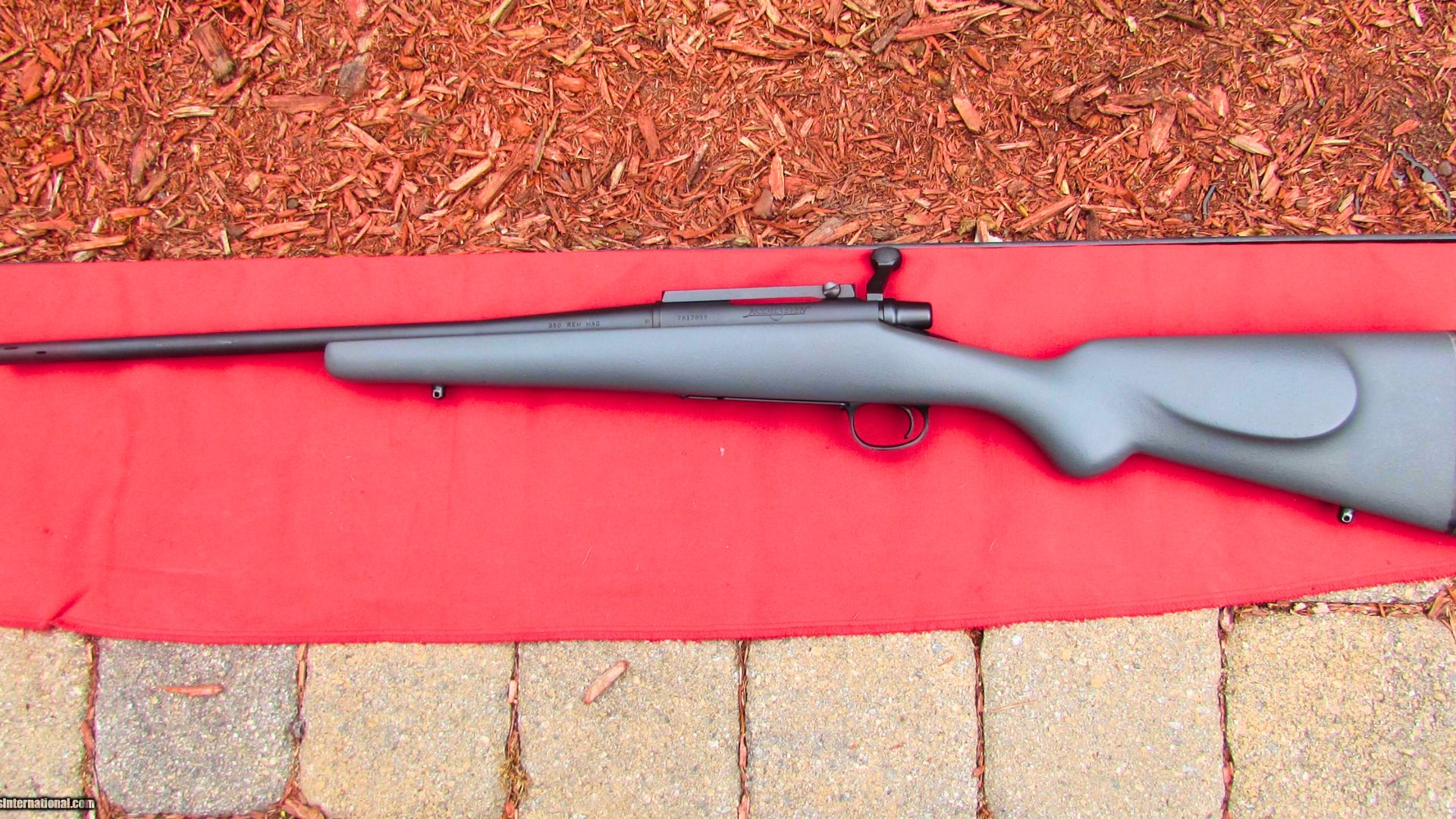
When Remington brought out the Model Seven KS Stainless, it had all the right ingredients—a compact, lightweight rifle built for serious hunters. Preorders filled fast, but when rifles started shipping, shooters were disappointed by inconsistent accuracy and rough actions.
It handled beautifully but couldn’t hold tight groups the way it should have for the price. While it’s still admired for its looks and portability, performance didn’t match the early buzz. For many hunters, it turned into a rifle they wanted to love but couldn’t fully trust.
Marlin X7

Before Marlin’s rebirth under Ruger, the X7 was promoted as the brand’s answer to the affordable bolt-action boom. It promised the accuracy and reliability that would bring Marlin back into relevance. The launch was full of energy and talk of “modern design,” but the rifle never stood out.
It was accurate enough, but the materials and finish felt below expectations. The trigger and action were forgettable, and it didn’t bring anything new to the table. It faded quickly, proving that hype alone can’t make an average rifle exciting.
Like The Avid Outdoorsman’s content? Be sure to follow us.
Here’s more from us:
*This article was developed with AI-powered tools and has been carefully reviewed by our editors.