Photo credit: Show Me Firearms/Youtube
Some guns are exciting for the first few magazines. They look good, feel interesting, and make owners feel like they bought something different. Then the round count starts climbing, and the weak spots get harder to ignore.
A gun doesn’t have to be perfect to be worth owning. But once the trigger starts wearing on you, reliability gets questionable, recoil becomes annoying, parts feel cheap, or maintenance turns into a pain, the excitement fades fast. These guns often looked better early than they felt after enough shooting.
Kimber Solo

The Kimber Solo had a lot going for it at first glance. It was slim, attractive, and more refined-looking than many tiny carry pistols. For buyers who wanted a small 9mm that didn’t feel like a cheap plastic pocket gun, the Solo looked like a premium answer.
The problem was that higher round counts exposed how demanding it could be. A carry pistol that is picky about ammunition or grip technique gets frustrating quickly, especially when owners are trying to build confidence. Some Solos ran well with the right loads, but too many shooters found themselves testing, troubleshooting, and second-guessing. A small defensive pistol needs to become more trusted with use. For many owners, the Solo went the other direction.
Remington R51
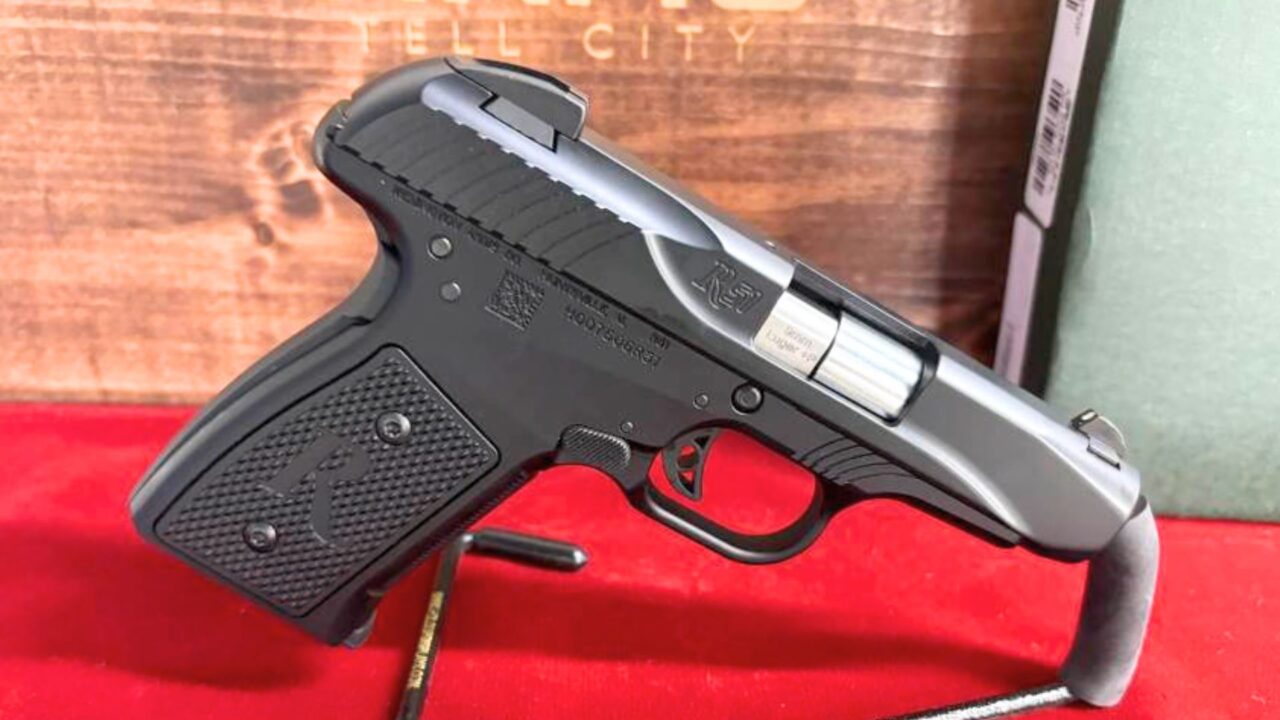
The Remington R51 had enough interesting engineering to make people curious. Its low bore axis, slim feel, and unusual action system made it stand apart from the crowded compact 9mm field. Plenty of shooters wanted to believe Remington had brought back something clever.
Once rounds started going through early production guns, the problems became impossible to ignore. Feeding issues, extraction trouble, rough cycling, recalls, and general quality complaints made the pistol hard to trust. Even after Remington tried to correct things, the R51 had already lost a lot of goodwill. The more people shot it, the less it felt like a bold comeback and the more it felt like a missed opportunity.
Taurus Curve
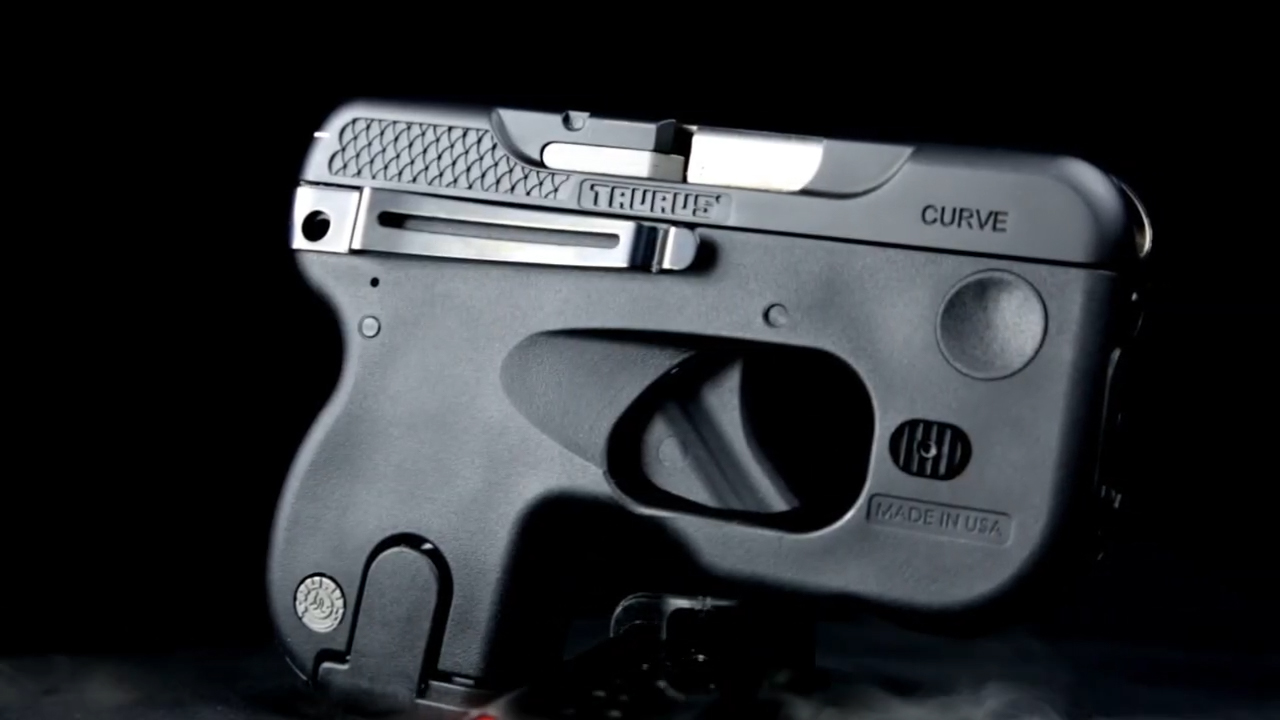
The Taurus Curve was built around a concept that sounded interesting: a small .380 shaped for body carry with an unusual profile and built-in light and laser on certain versions. It was different, and different always gets attention in the gun world.
But the more owners actually trained with it, the more the appeal faded. The odd shape didn’t feel natural for many shooters, the sighting system was limited, and the gun felt more focused on concealment gimmicks than practical shooting. A defensive pistol has to be easy to draw, aim, and fire confidently. After enough rounds, a lot of owners realized the Curve’s cleverness did not make up for how awkward it could feel.
KelTec PF-9

The KelTec PF-9 made sense in the era before slim 9mm carry pistols became so refined. It was thin, light, affordable, and easy to conceal. That alone made it appealing to a lot of budget-minded concealed carriers.
The issue was what happened after real practice. The PF-9 could be sharp, snappy, and unpleasant enough that owners didn’t always want to shoot it much. The trigger required work, and the lightweight frame made every mistake feel bigger. A carry gun that discourages practice loses appeal quickly. It may have filled an important role for its time, but after enough rounds, many shooters started looking for something more comfortable and confidence-building.
SIG Sauer Mosquito

The SIG Mosquito should have been an easy gun to love. A .22 LR pistol with SIG styling and trainer potential sounds like a great way to get affordable practice. Plenty of buyers liked the idea before they had enough rounds through one to form a stronger opinion.
Then the ammunition sensitivity and reliability complaints started wearing people down. Rimfire pistols can be picky, but the Mosquito gained a reputation for being more frustrating than fun. A .22 pistol should make range time easier, cheaper, and more relaxed. When owners spend more time clearing malfunctions or testing loads than practicing, the appeal disappears. The Mosquito’s concept was good. The ownership experience often wasn’t.
Remington 770
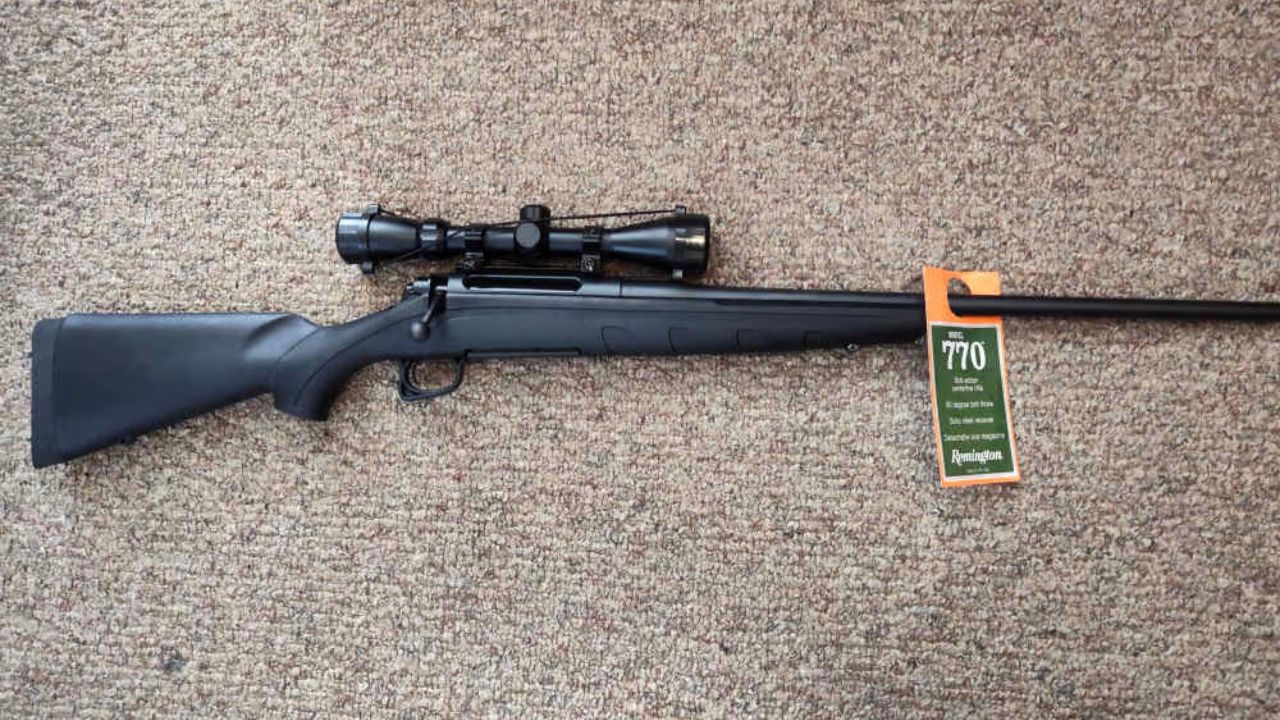
The Remington 770 looked like a practical budget hunting rifle package. It came scoped, carried the Remington name, and gave hunters a low-cost way to get into a centerfire rifle. For someone needing a deer rifle on a tight budget, that could sound plenty appealing.
After enough shooting and field use, though, many owners noticed the rougher side of the deal. The bolt could feel sloppy, the stock felt cheap, and the rifle lacked the confidence older Remingtons inspired. Some shot acceptably and killed deer, but very few made owners proud after the newness wore off. Budget rifles don’t have to feel luxurious, but the 770 often felt like too many corners were cut.
SCCY CPX-2
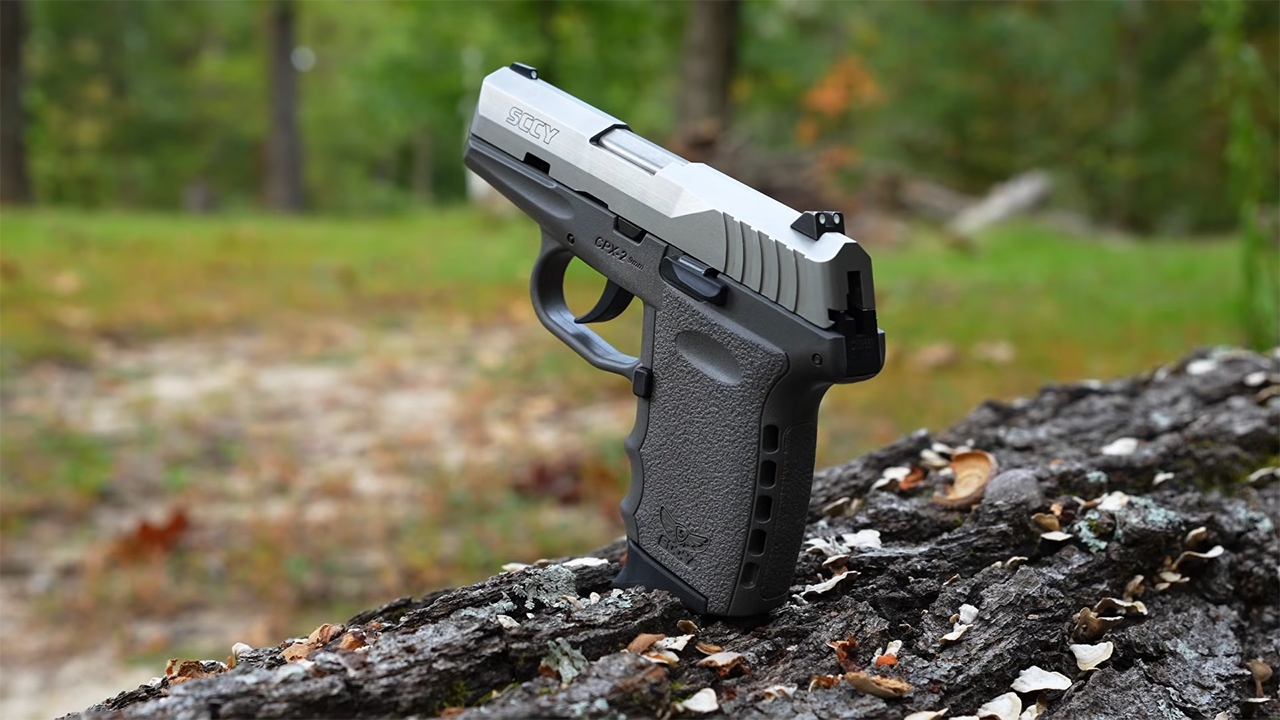
The SCCY CPX-2 appealed to buyers because it was compact, affordable, and chambered in 9mm. It also came with a warranty that helped people feel better about taking a chance. For a low-cost carry pistol, that package looked reasonable.
The more owners shot it, the more the limitations showed. The long, heavy trigger made clean shooting harder, and the light frame didn’t do much to soften recoil. Some owners had reliable examples and accepted the trigger as part of the design. But after enough rounds, many shooters realized that a slightly more expensive pistol could be much easier to shoot well. The CPX-2’s low price got attention, but range time often exposed the tradeoff.
Beretta Nano

The Beretta Nano had a lot of smart carry ideas. It was smooth-sided, compact, snag-resistant, and built around a modular chassis-style system before that became more common. On paper, it seemed like Beretta had designed a serious concealed-carry pistol.
The problem was that shooting it didn’t win everyone over. The trigger felt heavy to many owners, the short grip limited control, and the lack of an external slide stop lever bothered shooters who trained regularly. As newer slim 9mms became easier to shoot and carried more comfortably, the Nano lost some of its original appeal. It wasn’t a terrible pistol. It just aged quickly once owners had better options to compare it against.
Remington 887 Nitro Mag
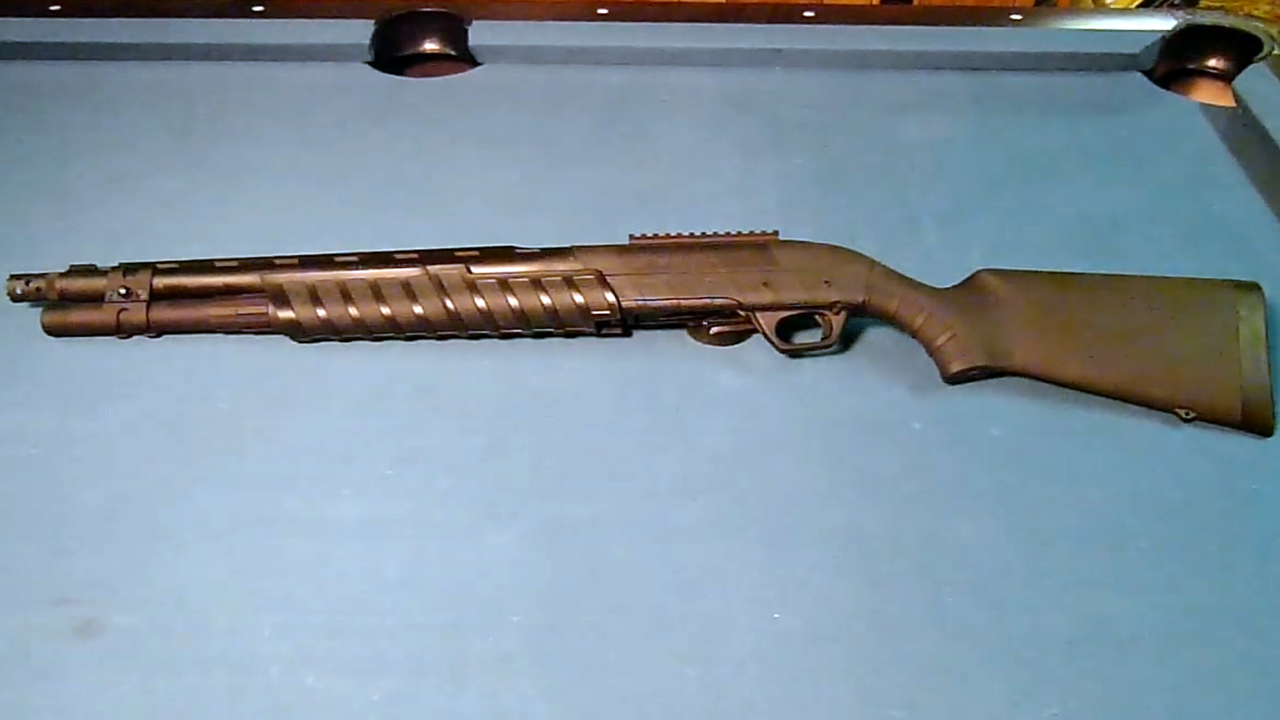
The Remington 887 Nitro Mag looked rugged enough to survive anything a duck blind could throw at it. The coating, bulky design, and 3½-inch chambering made it seem like a modern pump built for ugly weather and hard use.
After enough hunting and shooting, many owners found it harder to love. The shotgun felt bulky, handling was not as natural as older pump designs, and reliability complaints hurt its reputation. It also had recall issues that damaged confidence even further. A tough-looking shotgun still has to point well, cycle smoothly, and make hunters trust it in cold, wet conditions. The 887 looked ready for abuse, but many shooters ended up preferring simpler, older pumps.
Diamondback DB9

The Diamondback DB9 grabbed attention because it was extremely small for a 9mm. That made it attractive to people who wanted something close to pocket-sized without dropping down to .380 ACP. As a carry concept, it sounded smart.
The problem came after shooting it enough to understand the cost of that size. Recoil was sharp, control was difficult, and early versions had enough reliability and durability complaints to make owners cautious. Tiny 9mms ask a lot from the shooter. They are easy to carry, but they can be tough to train with. After enough rounds, many owners realized the DB9 was more appealing as an idea than as a pistol they actually wanted to shoot regularly.
Smith & Wesson Bodyguard 380

The Bodyguard 380 is easy to like when the goal is deep concealment. It’s small, light, flat, and simple to carry. Early laser-equipped versions also gave buyers something extra to feel good about at the counter.
Range time is where the appeal can fade. The long trigger, tiny sights, and short grip make it harder to shoot well than many people expect. That is common with pocket .380s, but it still matters. A gun that is easy to carry but difficult to practice with can quietly become a confidence problem. Plenty of owners still use and trust them, but after enough rounds, many start wanting a slightly larger pistol that is easier to run.
Mossberg 715T

The Mossberg 715T looked like a fun way to get AR-style rimfire shooting without spending much money. It had the tactical shape, affordable ammo, and enough visual appeal to pull in newer shooters. At first, the novelty did a lot of the selling.
After a few range trips, that novelty could wear thin. The rifle often felt bulky and plasticky, and the AR-style shell didn’t always translate into a satisfying shooting experience. Some owners also ran into reliability frustrations. A .22 rifle should be easy fun, and plenty of simpler rimfires deliver that better. Once owners put enough rounds through the 715T, many realized they would rather have a plain, solid rimfire than one dressed up to look like something else.
Walther CCP
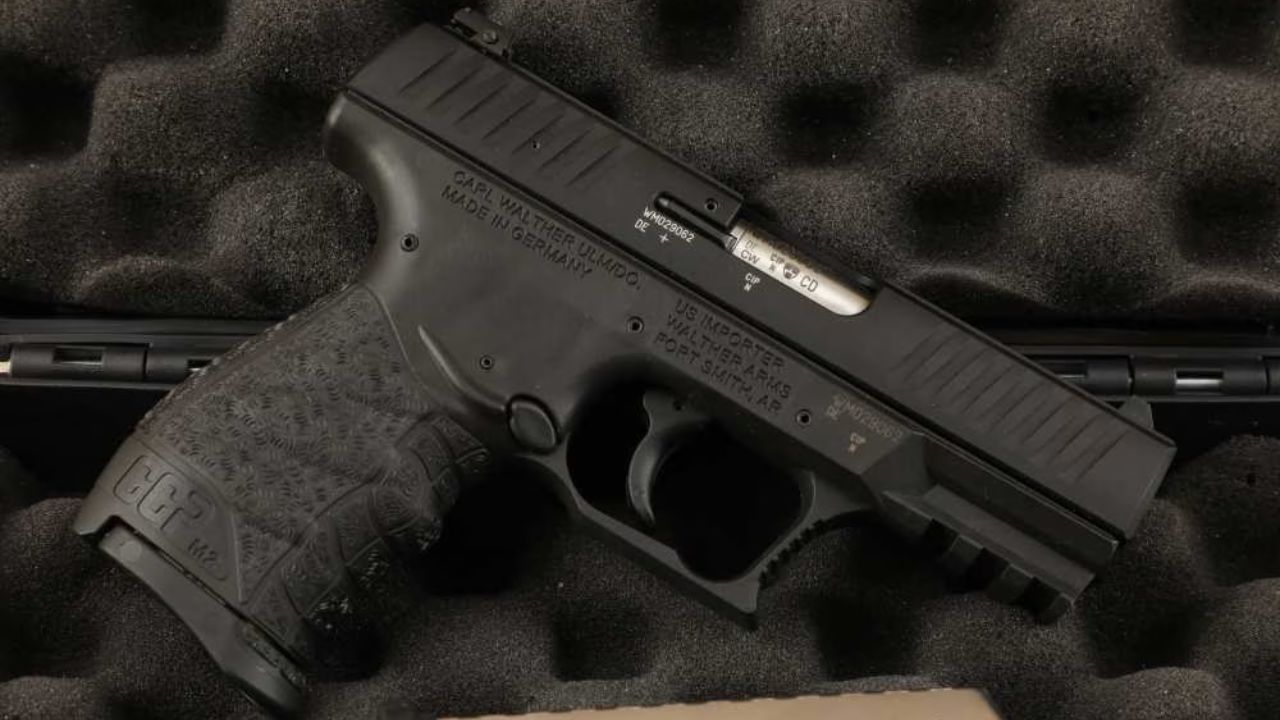
The Walther CCP had a good reason to exist. Its gas-delayed system was designed to make recoil softer, and the pistol was aimed at shooters who wanted an easier-handling carry gun. The grip felt comfortable, and the idea made sense for recoil-sensitive owners.
Over time, though, some shooters found the pistol less appealing. The trigger didn’t impress everyone, the takedown process on earlier versions was not loved, and the gas system could create noticeable heat during longer sessions. The CCP solved some problems but introduced others. For owners who only shot a little, those issues may not matter much. For those who trained harder, the drawbacks became harder to ignore.
Taurus PT709 Slim
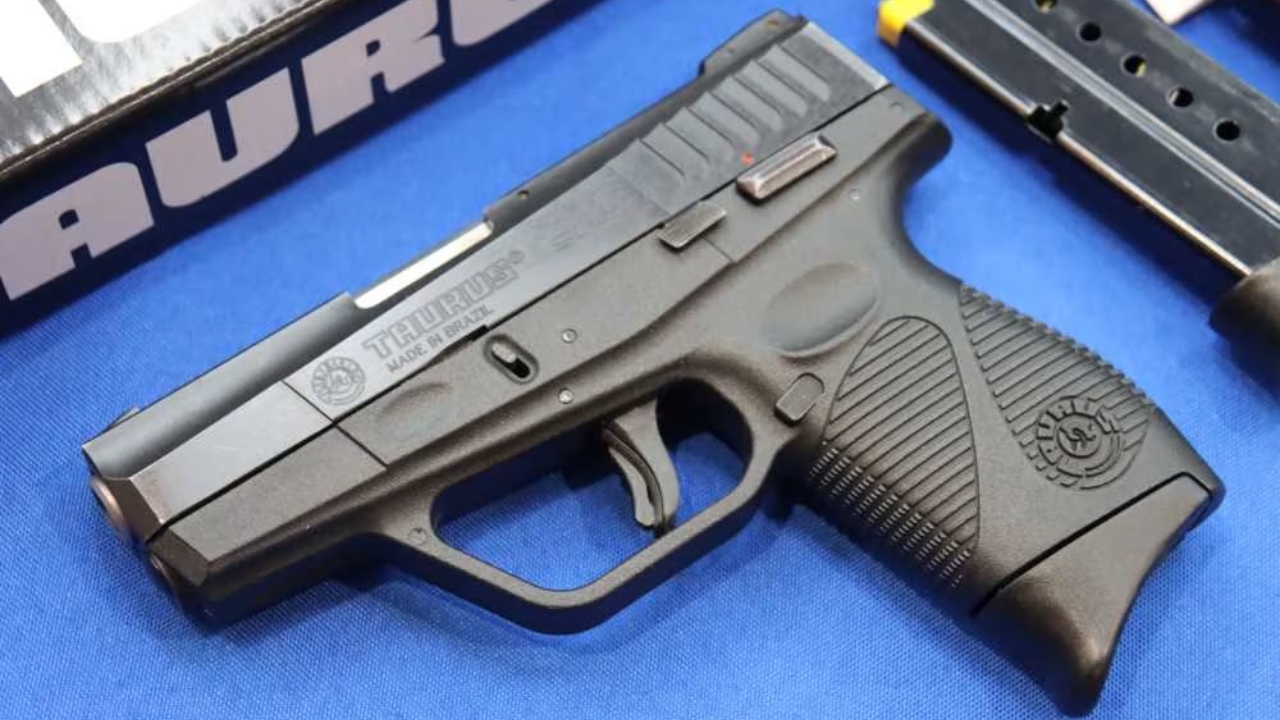
The Taurus PT709 Slim was appealing when slim single-stack 9mms were the hot carry category. It was affordable, thin, easy to conceal, and chambered in 9mm. For budget-conscious buyers, it looked like a practical alternative to more expensive carry pistols.
After enough range time, the experience depended heavily on the individual gun. Some owners had decent luck, while others dealt with odd trigger feel, reliability concerns, and sharper recoil than they expected. As better slim 9mms became common, the PT709 lost much of its appeal. It wasn’t always a bad buy, but it became harder to defend once shooters could get more dependable, better-shooting options without spending dramatically more.
Desert Eagle .50 AE

The Desert Eagle .50 AE is exciting the first time almost anybody shoots one. It’s huge, loud, powerful, and impossible to ignore. As a range experience, it absolutely delivers drama. That’s why people keep wanting to try one.
Ownership is where the appeal can fade. Ammunition is expensive, the pistol is heavy, recoil and blast are serious, and reliability depends more on proper grip and ammunition than many owners expect. It’s not practical for most handgun roles, and it can become a safe queen once the novelty wears off. The Desert Eagle is still iconic and fun, but after enough rounds, many owners realize they bought a spectacle more than a gun they’ll use often.
Like The Avid Outdoorsman’s content? Subscribe to our newsletter so you never miss an article.
Here’s more from us: