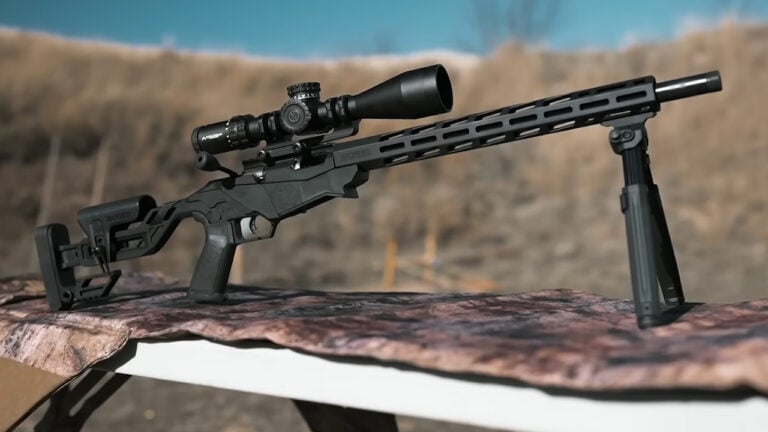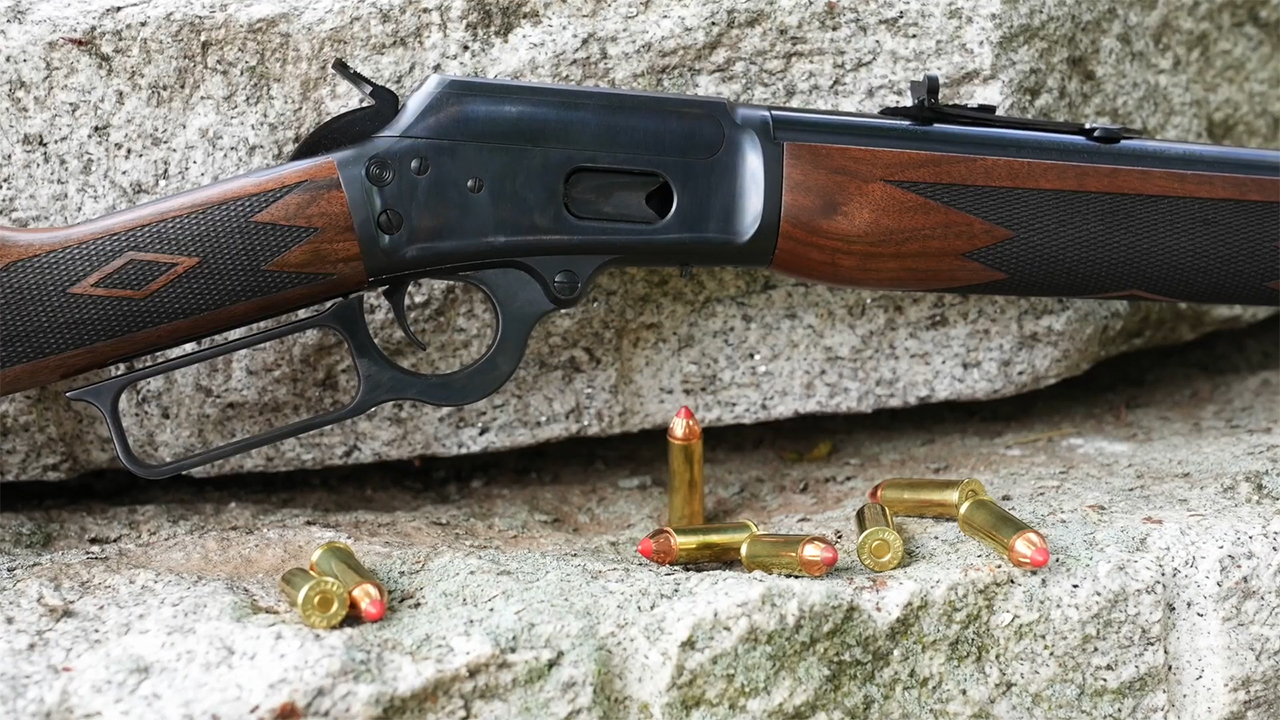
Photo credit: Marlin Firearms/Youtube
Every shooter has at least one gun they should have doubled up on when the price was right. Maybe it was sitting cheap in the used case. Maybe it was still in production. Maybe magazines were everywhere, parts were easy, and nobody thought the market would care later.
Then the price climbed, the model disappeared, the quality changed, or the gun simply became harder to find. That’s when “I should’ve bought one” turns into “I should’ve bought two.” These are the guns that made owners learn that lesson the annoying way.
Marlin 1894C
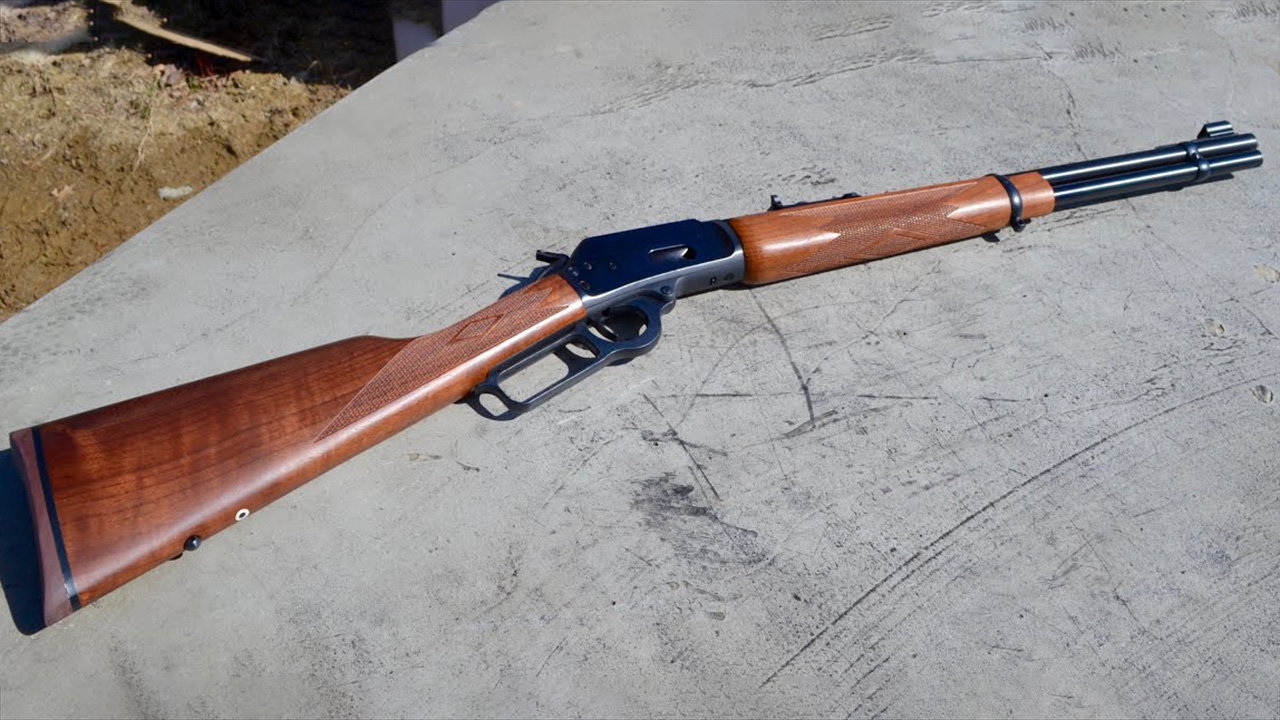
The Marlin 1894C is one of those rifles owners really wish they had doubled up on when .357 Magnum lever guns were easier to find. It was handy, soft-shooting, and useful in a way that didn’t fully register until pistol-caliber lever guns got hot and prices started climbing.
A .357 lever gun is just plain practical. It can shoot mild .38 Special loads for cheap practice, step up to .357 Magnum for more serious use, and pair nicely with a revolver in the same cartridge. The 1894C is short, quick, and easy to carry around land or through the woods. Owners who bought one years ago often wish they had grabbed a second while they were still sitting around at sane prices.
Glock 19 Gen 4

The Glock 19 Gen 4 may not seem like a gun anyone needs two of until one becomes your default pistol. That’s usually when the logic sets in. One for carry, one for training. One set up with night sights, one left closer to stock. One that takes the daily wear, and one that stays clean for serious use.
The Gen 4 sits in a sweet spot for a lot of shooters. It has interchangeable backstraps, good texture, proven reliability, and the massive Glock ecosystem behind it. It may not have the Gen 5 updates, but plenty of owners like the way the Gen 4 feels. Once you’ve stacked up magazines, holsters, spare parts, and muscle memory around it, buying a second one starts looking less like excess and more like common sense.
Remington 870 Wingmaster

A good Remington 870 Wingmaster is exactly the kind of shotgun people regret not buying twice. They were once common enough that a lot of shooters treated them casually. Then older, slicker Wingmasters started standing out against rougher budget pumps and newer shotguns that didn’t have the same feel.
The Wingmaster is useful in several roles depending on barrel setup. Bird hunting, clays, small game, deer with the right barrel, and general shotgun work all fit the platform. A well-kept one has an action that gets smoother with use and a level of finish many modern pump guns don’t match. Owners who have one nice field gun often wish they had bought a second as a rougher working gun before prices and availability changed.
CZ 527 Carbine

The CZ 527 Carbine is a rifle a lot of owners would absolutely buy twice if they could go back. It was compact, well-made, and chambered in useful little rounds like 7.62×39 and .223 Remington. It had personality, but it was not just interesting for the sake of being different.
Now that the 527 line is gone, the Carbine feels even harder to replace. The mini-Mauser action, single-set trigger, detachable magazine, and short overall length made it one of the better small bolt-action rifles for woods use, range work, and general utility. Owners who bought one in 7.62×39 often wish they had also grabbed one in .223. That is usually how you know a rifle was better than people realized at the time.
Smith & Wesson Model 686

The Smith & Wesson Model 686 is the kind of revolver that makes a second copy feel reasonable. One 4-inch gun for general use. One 6-inch gun for range and hunting. Maybe a 3-inch version for carry or woods walks. The basic platform is strong enough and versatile enough that owners rarely regret having more than one.
It handles .38 Special beautifully and .357 Magnum with enough weight to stay controllable. The stainless finish is practical, the L-frame size balances strength and handling, and the revolver is useful across a lot of roles. Once someone owns a good 686, they usually understand why another barrel length starts calling their name. This is not collector logic. It’s practical revolver logic.
Ruger 10/22
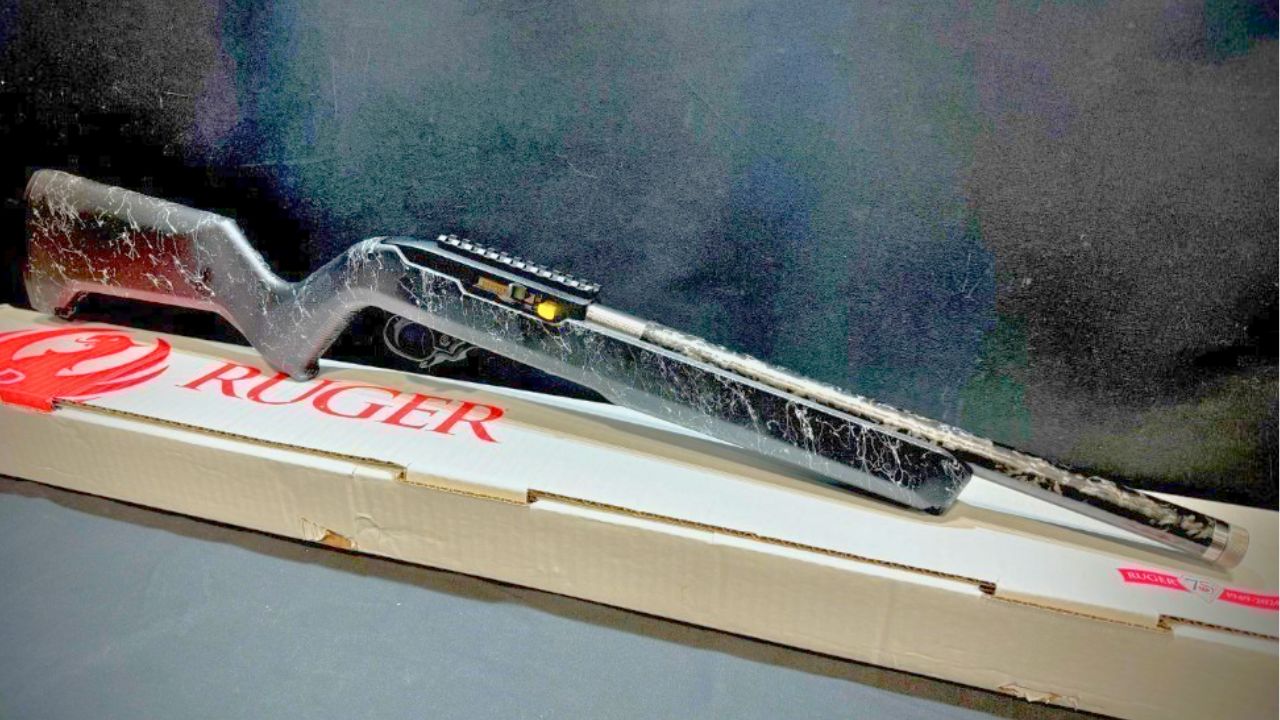
The Ruger 10/22 may be the easiest gun on this list to justify owning twice. One can stay stock as a lightweight plinker or squirrel rifle, while the other becomes the project gun. Heavy barrel, better trigger, optic, suppressor-ready setup, upgraded stock — the 10/22 platform invites tinkering without making the original rifle useless.
That’s why owners wish they had bought extras when prices were lower. Magazines are everywhere, parts support is unmatched, and the rifle is useful for almost every shooter in the family. A 10/22 can teach a kid, warm up an experienced shooter, handle small-game work, or burn through cheap ammo on a Saturday afternoon. It is one of the few guns where owning two feels less like collecting and more like planning ahead.
Beretta 92FS

The Beretta 92FS is a pistol owners often miss after they move on, and many wish they had bought a second when police trade-ins and used examples were easier to find cheap. It’s large, smooth-shooting, and built with a level of service-pistol confidence that has aged well.
A second 92FS makes sense for people who train with the platform. One can stay as a range pistol, while another gets set up for home defense or kept mostly stock. Magazines are common, parts support is strong, and the pistol is pleasant enough to shoot often. It may not be the trendiest 9mm anymore, but that’s part of why owners regret not buying more when everyone else was chasing smaller polymer pistols.
Savage Model 99

The Savage Model 99 is exactly the kind of rifle people wish they had bought twice before collectors fully woke up. There were years when these rifles could still be found at reasonable prices, especially in less flashy condition. Now clean examples, desirable chamberings, and early variants can get expensive fast.
The 99 earned that interest because it was clever and useful. It gave hunters lever-action handling with a magazine system that worked with pointed bullets in many models. Chamberings like .300 Savage, .250-3000 Savage, .308 Winchester, and .358 Winchester all have their own appeal. Owners who bought one often wish they had grabbed another in a different chambering. Once a rifle has that much history and usefulness, one starts feeling lonely.
SIG Sauer P229

The SIG P229 is a handgun that makes a lot of sense in pairs. One can be a carry or defensive pistol, while another serves as a training gun. That matters with DA/SA pistols because the trigger system rewards repetition. The more time you spend on one platform, the more useful a backup becomes.
Older P229s, especially German-frame or well-kept legacy examples, have only become more appreciated. The pistol is sturdy, accurate, and confidence-inspiring. In 9mm, it’s smooth. In .40 S&W or .357 SIG, the weight helps control sharper recoil. Owners who bought one when prices were lower often wish they had bought a second before nice examples got harder to stumble across.
Marlin 336

The Marlin 336 is another rifle that owners wish they had bought in multiples. One in .30-30 Winchester for deer. One in .35 Remington because it hits harder in the woods and has its own loyal following. Maybe one nicer JM-stamped rifle for the safe and one rougher working rifle for rainy days.
That’s the thing about a good 336. It is useful enough that different versions make sense. It carries well, scopes easily, and handles brush-country hunting without drama. Lever-action prices have made a lot of old decisions look painful. Anyone who walked past clean 336s when they were affordable probably remembers it now. Few rifles went from “I can buy one anytime” to “why didn’t I buy another?” quite like this one.
Browning Buck Mark

The Browning Buck Mark is a rimfire pistol that becomes more valuable the longer you own it. It is accurate, comfortable, and enjoyable enough that it gets used constantly. That alone makes owners wish they had bought another setup — maybe one with a bull barrel, one with a threaded barrel, or one kept simple for teaching.
A good .22 pistol is one of the most practical firearms a shooter can own, and the Buck Mark proves it every range trip. It lets you practice cheaply, teach safely, and work on fundamentals without recoil hiding mistakes. Once an owner realizes the Buck Mark gets shot more than half the centerfire pistols in the safe, buying a second no longer sounds silly. It sounds overdue.
Winchester Model 12
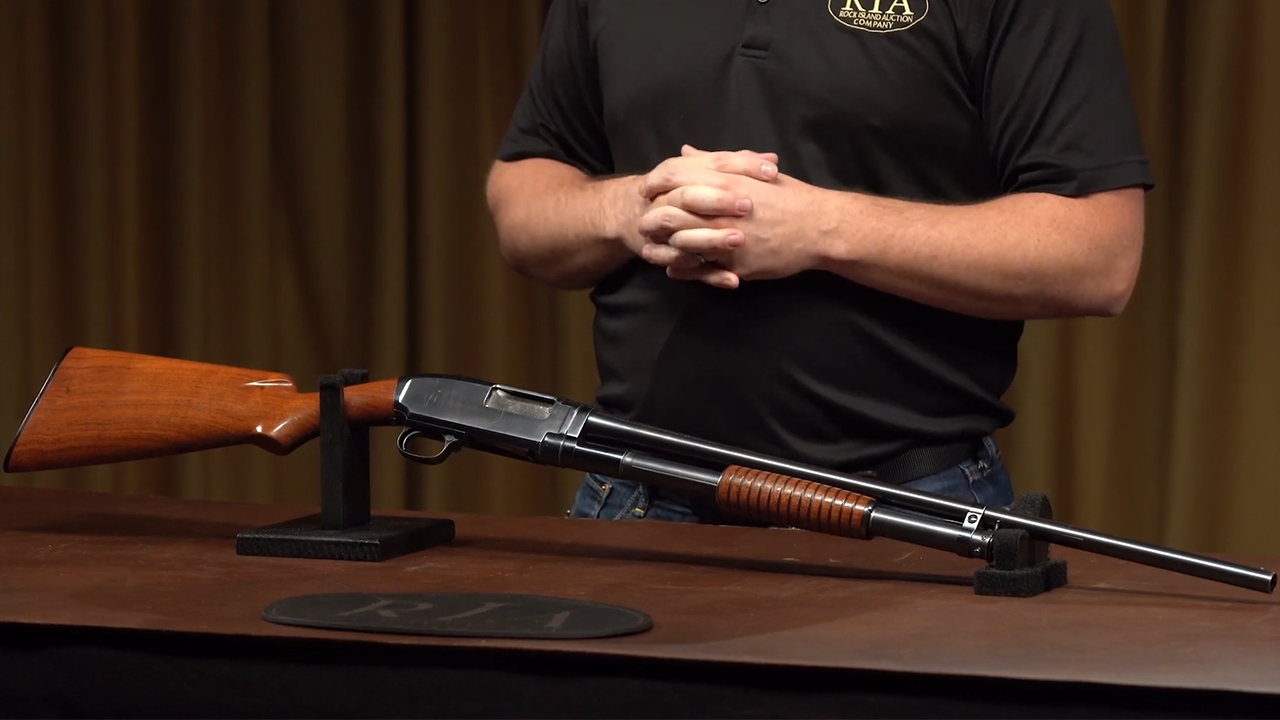
The Winchester Model 12 is a shotgun people often wish they had bought twice because good ones are not getting easier to find. It was once a working pump shotgun, used hard by hunters and clay shooters who didn’t treat it like a fragile collectible. Now, clean examples with desirable gauges, barrel lengths, and configurations draw plenty of interest.
A slick Model 12 has a feel that is hard to duplicate. The action, balance, and old Winchester quality all make it stand apart from many modern pumps. Owners who have a 12-gauge field gun may wish they had grabbed a 20-gauge when prices were friendlier. That’s the trap with old classics. While everyone assumes they’ll always be around, the really good ones quietly disappear into collections.
Ruger LCR .38 Special
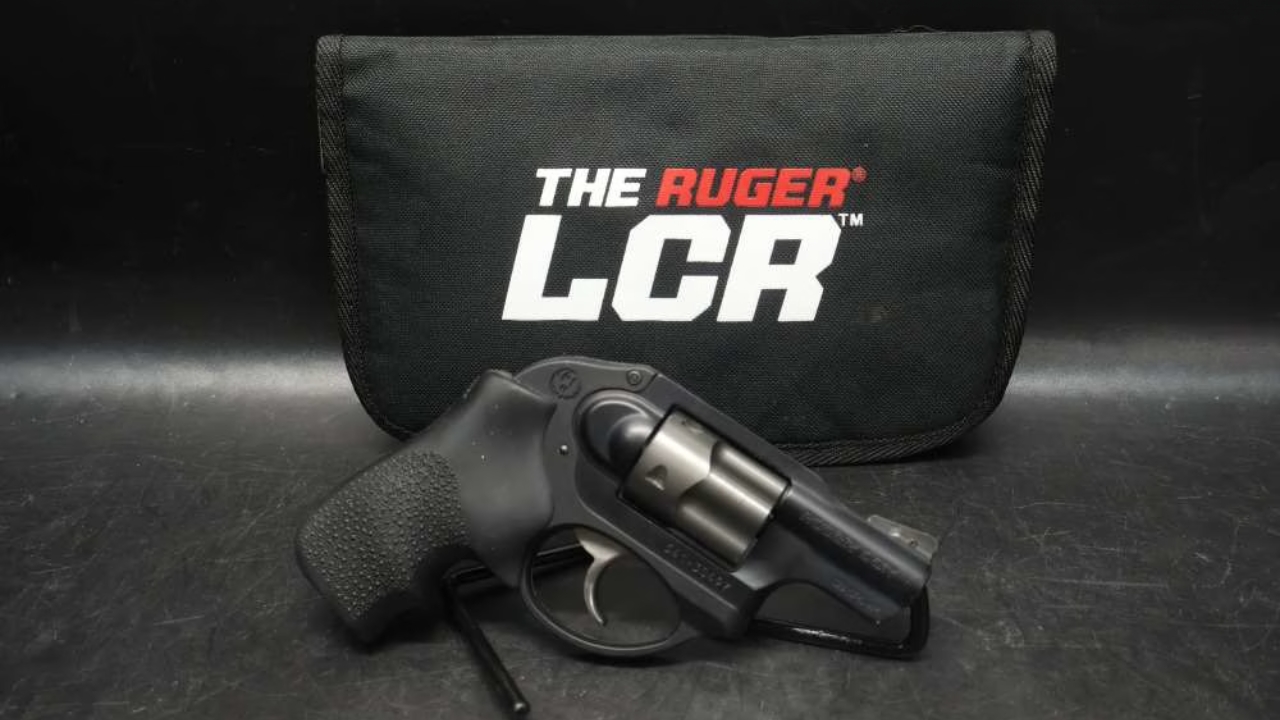
The Ruger LCR in .38 Special is one of those carry revolvers people end up trusting more than expected. It’s light, has an excellent trigger for a small revolver, and carries easily. Once someone sets one up with the right holster and load, it often becomes the little gun that actually gets carried.
That’s why a second one makes sense. Small carry guns get sweated on, pocketed, bumped around, and practiced with hard. Having a backup identical revolver means the same trigger, same grip, same sights, and same carry routine. The .38 Special version is especially practical because it avoids the worst recoil of the magnum models while still filling the snubnose role well. Owners who depend on one often wish they had a spare.
Tikka T3 Lite
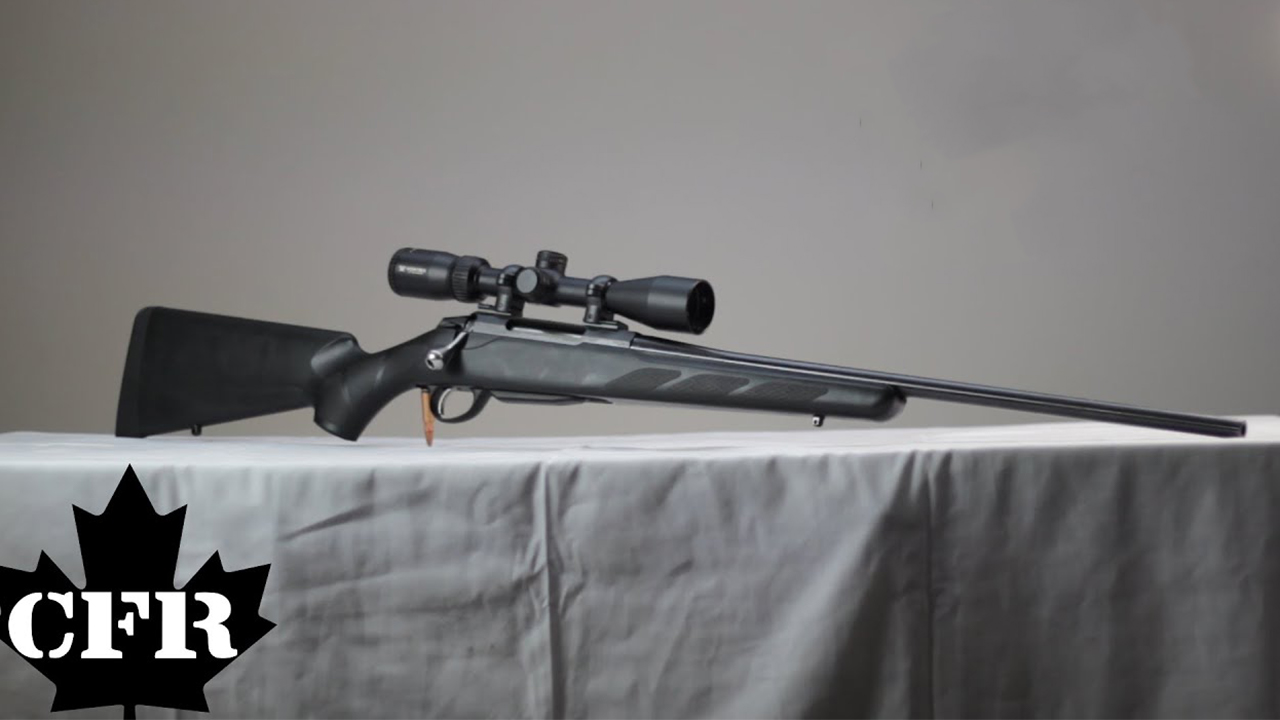
The Tikka T3 Lite is a rifle many hunters wish they had bought in more than one chambering. Once you get used to that smooth bolt, clean trigger, and dependable accuracy, it’s hard not to want the same rifle set up for different hunts. One in .243 Winchester or 6.5 Creedmoor for lighter work. One in .308 Winchester, .270 Winchester, or .30-06 for bigger country.
The T3 Lite proved that a practical hunting rifle could be light, accurate, and reasonably priced without feeling like junk. The original T3 and later T3x both built loyal followings because they simply shoot. Owners who bought one and loved it often wish they had duplicated the setup before prices rose. Familiarity matters in hunting rifles, and the Tikka gives hunters plenty of reason to standardize.
Colt Lightweight Commander
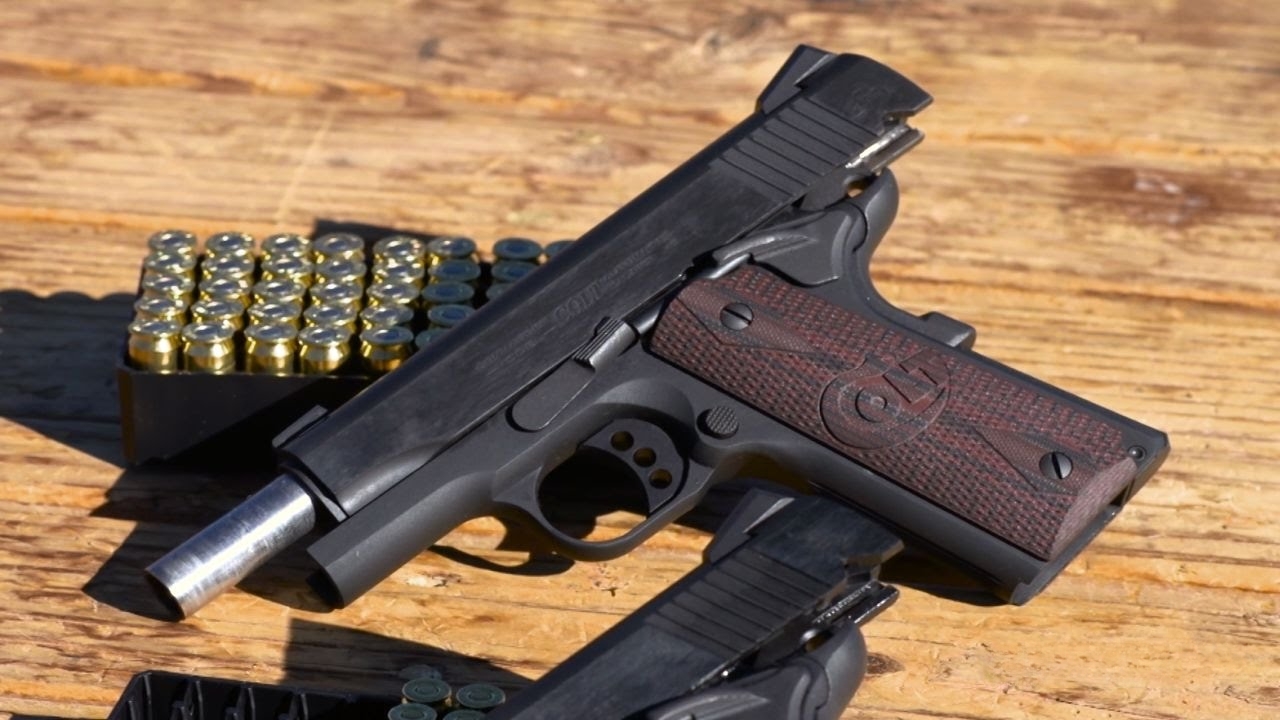
The Colt Lightweight Commander is one of those pistols 1911 fans often wish they had bought twice. One to carry and shoot, one to keep cleaner. That may sound like collector talk, but with Colts, it becomes practical pretty quickly once values climb and older examples get harder to replace.
The Lightweight Commander hits a sweet spot in the 1911 world. It carries better than a Government Model, shoots better than many tiny compact 1911s, and still gives owners the single-action trigger and slim profile that make the platform appealing. It does require proper maintenance and good magazines, but that’s part of owning a 1911 well. Buyers who found one they trusted usually wish they had grabbed another while they had the chance.
Like The Avid Outdoorsman’s content? Subscribe to our newsletter so you never miss an article.
Here’s more from us: