Photo credit: Leatherwood Outdoors/YouTube
A caliber can look great in marketing, on a ballistic chart, or in a debate where nobody has to buy ammo, carry the rifle, or actually shoot the thing very often. Real-world usefulness is different. A practical caliber has to do more than sound impressive. It has to be available, shootable, effective in ordinary conditions, and easy enough to live with that people keep training with it instead of constantly talking about it. That is a much harder test.
That is why some calibers keep lasting while others fade into niche status or internet argument. The rounds that remain practical are usually the ones that solve common problems without creating new ones. They work in real rifles and handguns, for real hunters and shooters, at real distances, with realistic budgets and skill levels. They may not always be the newest or most glamorous option, but they keep proving they still make sense once the talking stops and the shooting starts.
9mm Luger

The 9mm Luger remains practical in the real world because it still does more everyday handgun work than just about anything else. It offers manageable recoil, good magazine capacity, broad pistol availability, and enough performance for serious defensive use with modern ammunition. That combination keeps it easy to recommend and even easier to keep using.
It also stays practical because it reduces friction for the owner. Ammo is easier to find than many alternatives, training is more comfortable for most shooters, and the number of quality pistols chambered for it is enormous. A caliber that helps people shoot more, carry more, and spend less tends to stay relevant, and 9mm continues to do exactly that.
.22 Long Rifle

The .22 Long Rifle remains practical because no other cartridge does cheap, useful shooting quite the same way. It works for training, plinking, small game, pest control, and teaching new shooters without turning every trip to the range into a major expense. That kind of flexibility is hard to replace.
It also remains important because fundamentals never stop mattering. A round that lets people practice trigger control, sight alignment, and basic marksmanship affordably will always have a place. The .22 LR may not be glamorous, but real-world practicality has never depended on glamour, and this cartridge proves that every day.
.308 Winchester

The .308 Winchester remains practical because it is still one of the easiest centerfire rifle cartridges to live with. It offers enough power for deer, hogs, black bear, and more with proper bullets, while keeping recoil within a range most shooters can manage. That alone gives it a long life in the field.
It also stays relevant because rifles, ammunition, and load choices are everywhere. A practical caliber is not only about ballistics. It is also about support, familiarity, and the ability to walk into a store and find what you need without a long explanation. The .308 keeps passing that test.
12 Gauge

The 12 gauge remains practical because it still covers more real-world shotgun use than almost anything else. Birds, turkey, deer in slug country, home defense, and general utility work all remain firmly inside its lane. One good 12 gauge still solves a lot of problems for a lot of people.
It also keeps its place because support is so broad. Ammo types, gun choices, and real-world knowledge around the gauge remain unmatched. When a person wants one shotgun that can do serious work across different seasons and roles, the 12 gauge continues to be the obvious answer for a reason.
.30-06 Springfield

The .30-06 Springfield remains practical because it is still one of the broadest useful hunting cartridges a person can own. It works on deer, hogs, elk, black bear, and more, and it does that without forcing hunters into oddball platforms or niche ammo hunts. It keeps things simple.
That is a major reason it lasts. A caliber that handles a wide range of North American hunting without requiring constant justification tends to stay relevant. The .30-06 is not always trendy, but the real world rarely punishes it for that. It still works because the job it was built for still exists.
.223 Remington
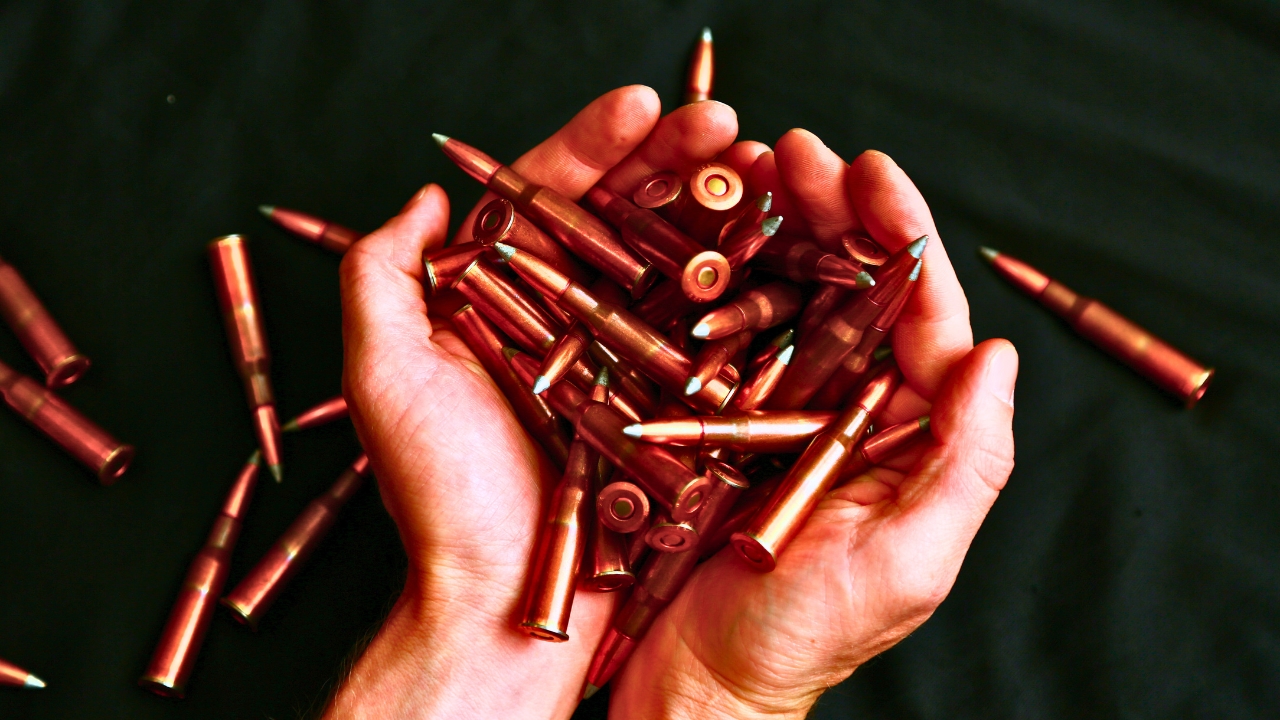
The .223 Remington remains practical because it makes sense for training, varmint work, predator hunting, ranch use, and general light-recoiling rifle ownership. It is easy to shoot, relatively affordable compared with many centerfire options, and supported by a huge number of rifles and loads. That keeps it useful in ways trendier rounds often struggle to match.
Its practicality also comes from how often it gets used. A caliber that invites more training and less hesitation around ammo cost stays relevant. The .223 may not be the answer to every rifle problem, but it solves enough common ones cleanly that it remains one of the most practical rifle rounds around.
.357 Magnum

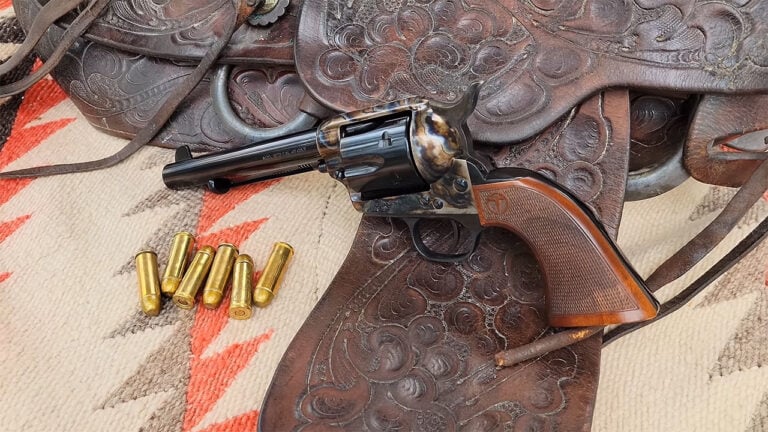
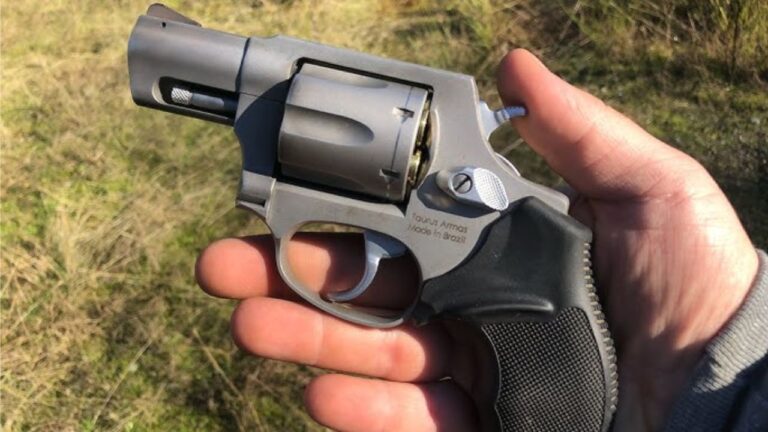
The .357 Magnum remains practical because it bridges several roles better than many handgun calibers do. In revolvers, it offers serious defensive and field capability. In lever-action rifles, it becomes an extremely useful short-range hunting and utility round. That sort of crossover value keeps it alive.
It also stays sensible because it offers flexibility through .38 Special. A shooter can practice more affordably and comfortably, then step up to magnum loads when the job calls for it. Practical calibers tend to be the ones that make ownership easier instead of more limited, and the .357 does that very well.
.30-30 Winchester

The .30-30 Winchester remains practical because a huge amount of deer hunting still happens at distances where it works beautifully. In woods, brush, creek bottoms, and broken cover, it remains one of the smartest answers available. A caliber does not need to dominate every long-range conversation to stay valuable.
It also remains practical because it usually comes in rifles that are easy to carry and easy to shoot in the kinds of conditions many hunters actually face. A cartridge that stays matched to real terrain and real hunting distances tends to keep its usefulness, and the .30-30 has done that for generations.
.45 ACP

The .45 ACP remains practical because it still does exactly what a lot of shooters want a larger handgun round to do. It is easy to understand, broadly supported, and comfortable to shoot in full-size pistols for people who prefer a heavier, slower recoil impulse over a sharper one. That matters more than caliber arguments usually admit.
It also keeps its place because it remains easy to find in proven handguns with long service histories. The .45 ACP is not always the most efficient answer, but practical does not always mean most efficient. Sometimes it means broad support, predictable behavior, and a level of maturity in the market that makes ownership simple.
.243 Winchester

The .243 Winchester remains practical because it solves a very real problem: not every hunter wants or needs hard recoil to hunt effectively. For deer-sized game, varmints, and recoil-sensitive shooters, it still offers a very sensible mix of accuracy, shootability, and field performance. That is a real-world advantage, not a compromise.
It stays useful because people shoot it well. A caliber that encourages practice and confidence often ends up being more practical than something bigger that gets flinched with or avoided. The .243 continues to make sense for a lot of ordinary hunting and range use, which is why it has not gone anywhere.
.44 Magnum

The .44 Magnum remains practical because it still fills a clear field role in revolvers and carbines. For hunting, trail use, and certain close-range applications, it offers real authority in very familiar platforms. It is not for everybody, but practical does not mean universal. It means useful in a defined role, and the .44 still is.
It also keeps its place because it can be softened with .44 Special for more manageable practice or general use. That flexibility helps keep the caliber from becoming a one-note novelty. A cartridge that can stretch across roles without losing its identity often remains more practical than people first assume.
7mm-08 Remington
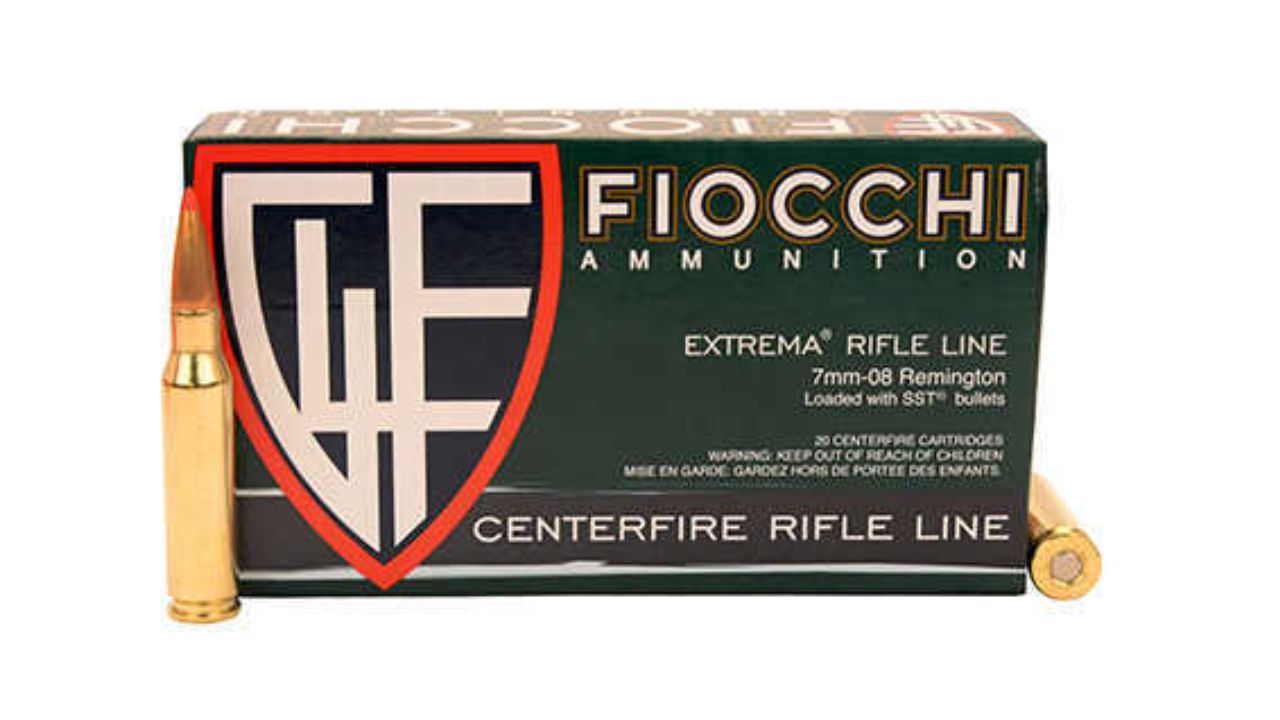
The 7mm-08 Remington remains practical because it sits in a very smart hunting lane. It offers solid deer and general hunting performance, manageable recoil, and great usefulness in short-action rifles. It is one of those rounds that just keeps making sense for ordinary hunters who want capability without excess.
It also remains practical because there is very little waste in the formula. The recoil is not punishing, the field performance is strong, and the platform choices are sensible. Real-world calibers usually succeed by staying balanced, and the 7mm-08 is one of the better examples of that.
.410 Bore
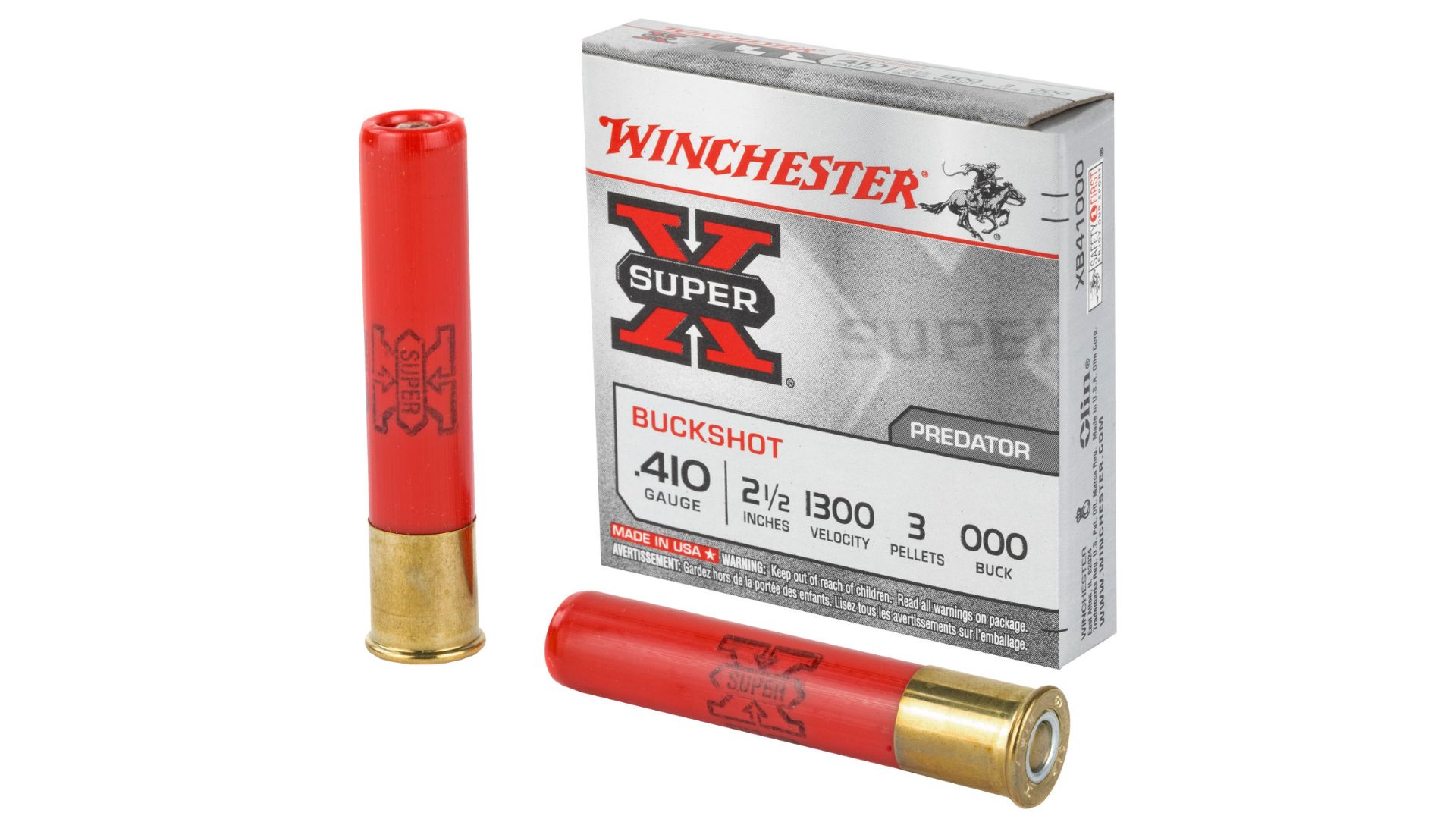
The .410 bore remains practical because it still fills some very real roles for the right shooter. It works for small game, pest control, and introducing some shooters to shotguns in a less intimidating way. It is not the universal answer people sometimes try to force it into, but that does not make it impractical.
Its practicality depends on honesty about role. Used where it makes sense, the .410 is still a useful and efficient tool. The real world rewards caliber choices that match the job rather than the fantasy, and the .410 still has jobs where it fits very well.
.270 Winchester

The .270 Winchester remains practical because it still offers a very useful combination of flat enough trajectory, reasonable recoil, and strong deer and antelope performance. It has been proving that for a long time, and the world has not changed enough to make those strengths irrelevant.
It also stays relevant because it is still easy to find and easy to trust. Hunters know what it does, know how it behaves, and do not need to be sold on a complicated identity to use it well. Practical cartridges often stick around because they remain easy to understand, and the .270 certainly does.
.38 Special
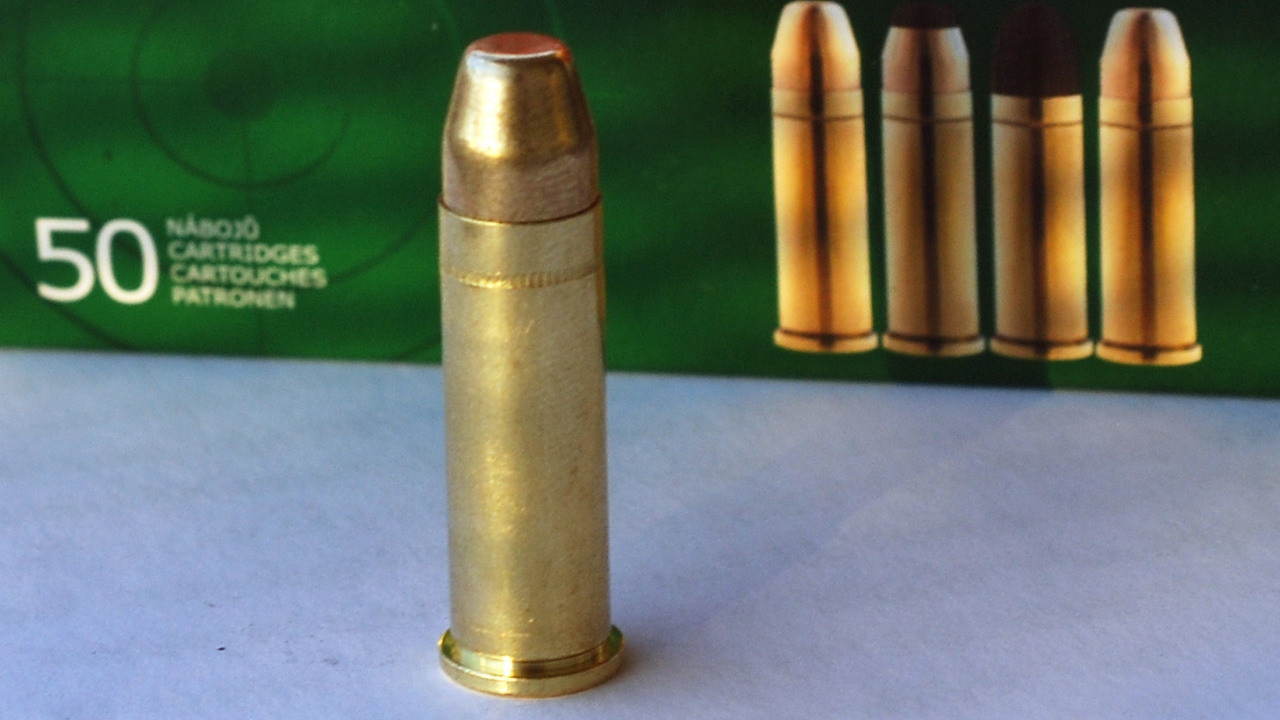
The .38 Special remains practical because it still makes a lot of sense in revolvers people actually carry and shoot. It is manageable, proven, and available in loads ranging from gentle practice ammunition to serious defensive options. For shooters who value revolver simplicity, that makes it hard to beat.
It also remains practical because it supports better training habits than many more punishing rounds do. A caliber that lets people practice regularly and shoot with confidence stays useful. The .38 Special may not dominate flashy conversations, but it remains one of the more sensible handgun rounds in the real world.
Like The Avid Outdoorsman’s content? Subscribe to our newsletter so you never miss an article.
Here’s more from us: