Photo credit: Browning/YouTube
When a rifle shows up in a nice box with all the accuracy claims in big letters, it’s easy to believe it’s going to shoot lights out. You take it home thinking you’ve got yourself a shooter. But then, after box after box of ammo and every scope tweak under the sun, you’re left wondering if the gun even knows what center looks like. A lot of these rifles talk a big game—“sub-MOA,” “benchrest inspired,” “tactical precision”—but put them on paper, and they start to squirm. Some suffer from sloppy bedding, some have junk triggers, and others just weren’t built to back up the sales pitch. If you’ve ever had one of these letdowns, you’re not alone. Let’s talk about the rifles that sell you precision, but never prove it.
Remington 770
The Remington 770 was supposed to be the budget hunter’s shortcut to tight groups, but it’s better known for disappointing owners at the range. Accuracy claims were lofty, yet the reality was a gritty bolt, a spongy trigger, and inconsistent shot placement even with quality glass and ammo. You could try different loads all day, and the groups would still wander.
Even though it came with a mounted scope out of the box, that setup rarely held zero for long. The stock is hollow and flexy, the barrel isn’t free-floated, and it all adds up to a gun that makes one decent group for every five that look like buckshot. Plenty of folks gave up and moved on after a season.
Ruger American Ranch 7.62×39 (Early Models)

This little rifle had a lot going for it—affordable, handy, and chambered in a practical caliber. But early versions struggled to deliver the accuracy many expected. A lot of that came down to inconsistent bore diameters and mismatched ammo. With steel-cased imports, the groups opened up fast.
It wasn’t uncommon to see fliers that ruined otherwise tight patterns, even from a bench. Some shooters found handloads helped, but others couldn’t squeeze anything better than 3- to 4-MOA no matter what they tried. The concept was great, but the execution—especially in those first runs—left a lot of frustrated owners scratching their heads.
Mossberg MVP Predator .223
The MVP Predator had a clever idea: take a bolt gun and let it run AR mags. It had a heavy barrel, a laminated stock, and a promise of precision for varmint hunters. But in practice, this gun often missed the mark. Feed issues aside, it just didn’t group consistently for many shooters.
You’d expect a .223 bolt gun with a fluted barrel to print tight cloverleafs, but too often the MVP would spread shots wide with no clear explanation. Some blamed the magazine fit, others the barrel harmonics, and a few suspected the bolt lockup wasn’t repeatable. Either way, it rarely shot as well as it looked on paper.
Savage Axis II Precision
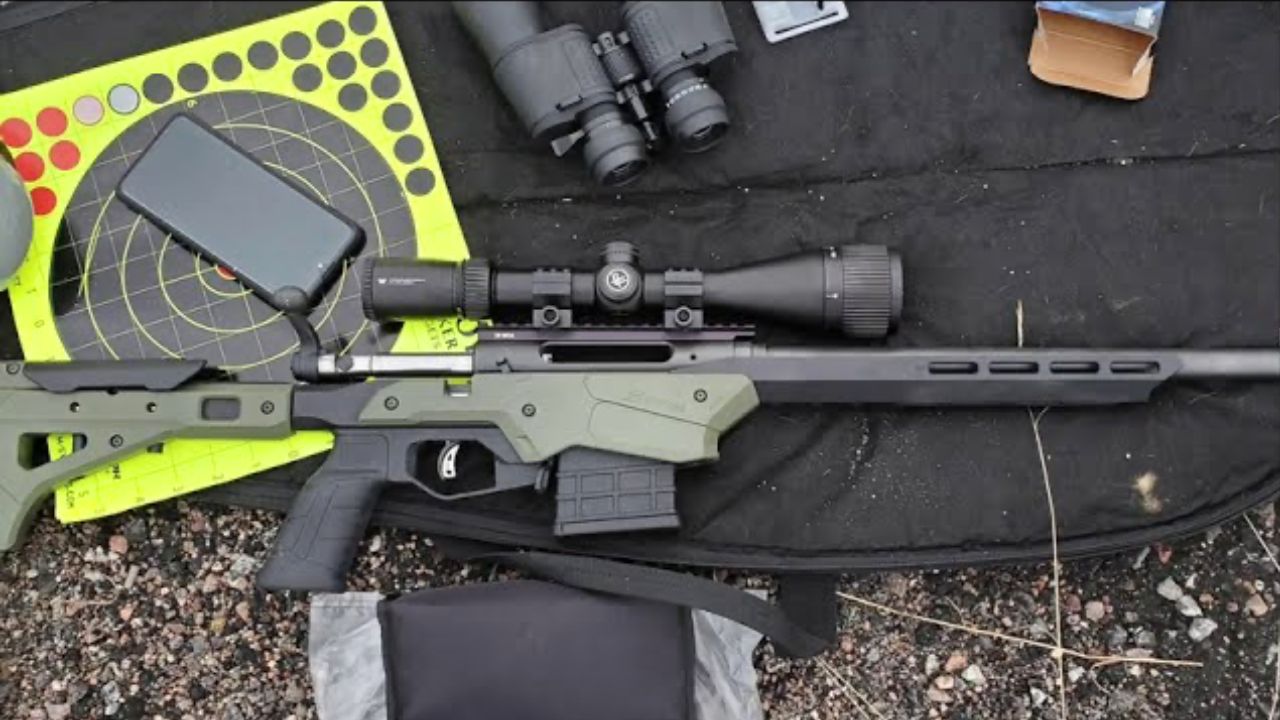
Savage makes accurate rifles. That’s what makes the Axis II Precision’s performance so frustrating. On paper, this one should have been a budget tack driver—AccuTrigger, MDT chassis, heavy barrel—but in reality, a lot of shooters struggled to wring out consistency.
The problem wasn’t always the core components. It was often how they were put together. Poor barrel-to-receiver alignment, rough chambers, and erratic cold-bore shots left shooters tweaking torque specs and chasing gremlins. When it ran well, it could shoot, but too often it felt like a roll of the dice—and that’s not what you want in a precision platform.
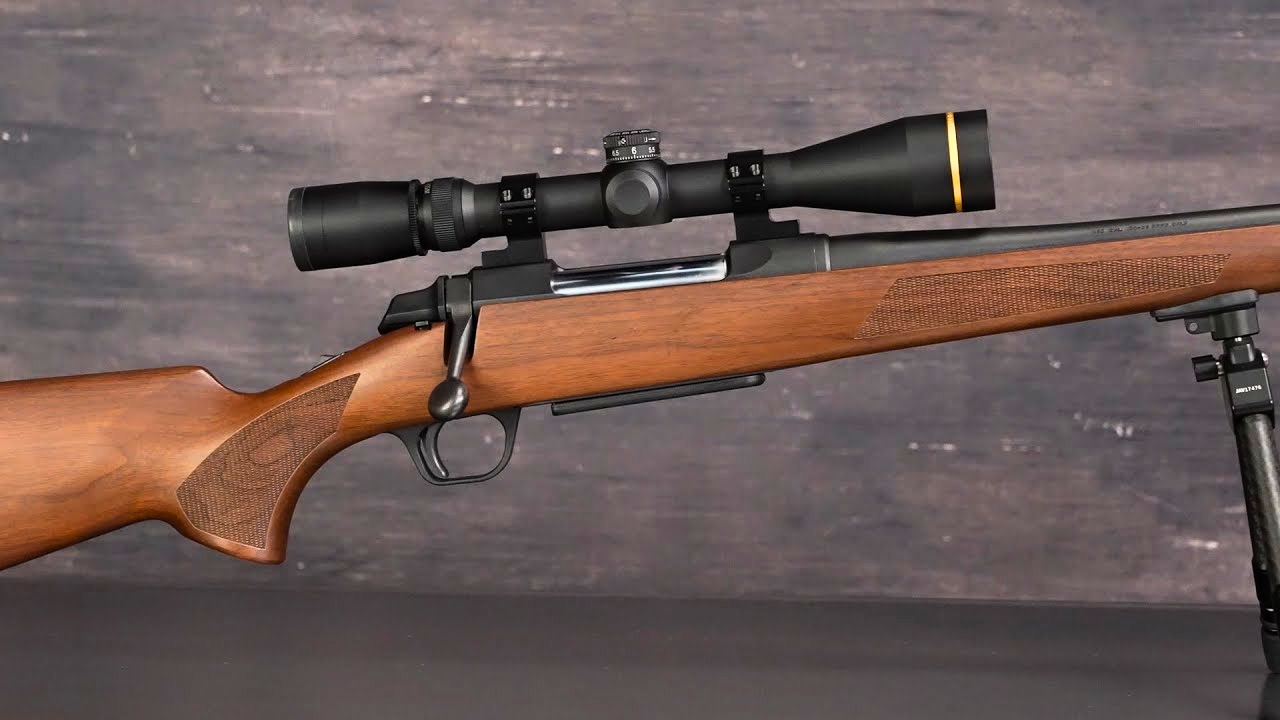
Browning AB3 Hunter
The AB3 looked like a more affordable alternative to the X-Bolt, but it didn’t carry over the same accuracy reputation. While some examples grouped decently, others turned out groups you’d expect from a smoothbore slug gun. Barrel quality varied, and many stocks flexed enough to touch the barrel under sling tension.
The trigger on the AB3 is serviceable, but it’s not crisp enough to help you settle into precise shots. Add in a bedding system that relies too much on pressure points, and you’ve got a rifle that makes accuracy unpredictable. For folks expecting “Browning precision,” the AB3 fell short more often than not.
Thompson/Center Compass

T/C came out swinging with the Compass, offering a cheap bolt gun that promised sub-MOA accuracy with a 5R barrel. It even had a decent trigger and a 60-degree bolt throw. But on the range, results were all over the place. Some rifles delivered, sure. But many others walked rounds all over the target.
It turns out that cutting costs affects consistency. Barrel crowns varied, synthetic stocks flexed under recoil, and cheap scope mounts didn’t hold zero. If you got a good one, you had a shooter. But the hit-or-miss quality control gave the Compass a reputation as a gamble instead of a guarantee.
Winchester XPR
Winchester’s XPR came out to compete with the Ruger American and Savage Axis lines, offering a modern budget bolt gun with “MOA accuracy” claims. But many shooters found the gun shot more like a minute-of-paper plate. The barrel was decent, but the action sometimes felt loose, and the trigger didn’t do it any favors.
The molded stock is another culprit—it’s hollow and flexes under pressure, making repeatable accuracy tough to chase. With good ammo and a patient shooter, you could sometimes get respectable groups, but too many reports of wandering zero and vertical stringing knocked this one off people’s trust list.
Like The Avid Outdoorsman’s content? Be sure to follow us.
Here’s more from us:
The worst deer rifles money can buy
Sidearms That Belong in the Safe — Not Your Belt
*This article was developed with AI-powered tools and has been carefully reviewed by our editors.