Photo credit: Tenacious Trilobite/Youtube
Some handguns feel easy to replace until you actually try. At first, they seem ordinary enough. A compact pistol, an old service gun, a small revolver, a rimfire, a carry gun from another era. Then the owner lets one go, starts shopping again, and realizes the market does not offer the same feel anymore.
That’s when replacement gets frustrating. The newer gun may hold more rounds, weigh less, or come optic-ready, but it doesn’t always shoot the same, carry the same, or bring the same confidence. These handguns became harder to replace because their best qualities were not obvious until people started missing them.
SIG Sauer P239
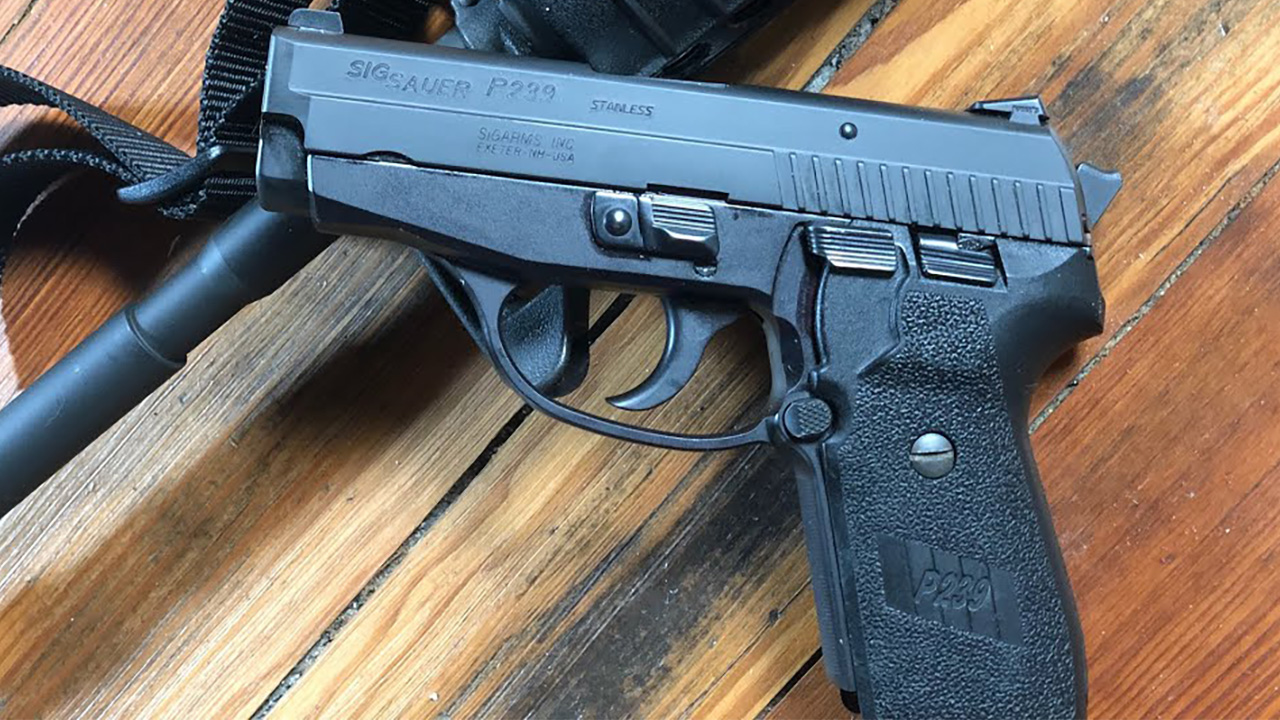
The SIG Sauer P239 seemed replaceable once higher-capacity carry pistols took over. It was heavier than newer micro-compacts, lower-capacity than modern options, and built around a DA/SA trigger system that not everyone wants to learn. On paper, replacing it looked easy.
Then owners started trying. The P239 has a slim, steady feel that tiny lightweight pistols don’t always match. It carries flat, shoots comfortably, and gives the hand enough substance to control recoil well. A newer pistol may be smaller and hold more rounds, but it may also feel snappier, cheaper, or less settled. The P239 became harder to replace because it offered a balance the market mostly moved away from.
Smith & Wesson 3913
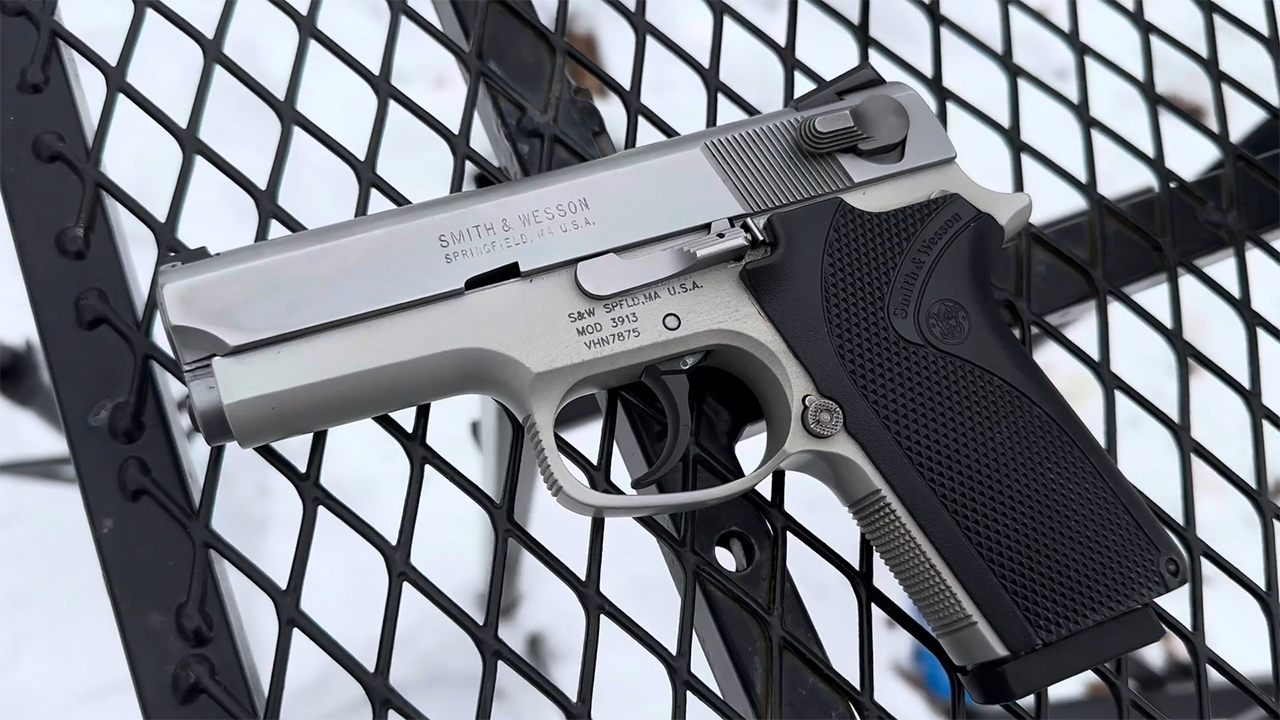
The Smith & Wesson 3913 looked like an older single-stack carry pistol once the micro-compact wave arrived. It lacked modern capacity, optics support, and current-production convenience. A lot of shooters assumed any newer slim 9mm would be a better answer.
That assumption doesn’t always hold. The 3913 has an alloy frame, slim grip, clean carry profile, and a refined shooting feel that many tiny pistols don’t duplicate. It is more pleasant to shoot than its size suggests and flatter to carry than chunkier compacts. Parts and magazines are more of a consideration now, which only adds to the frustration of replacing one. It became harder to replace because modern efficiency didn’t fully replace old-school quality.
HK P7
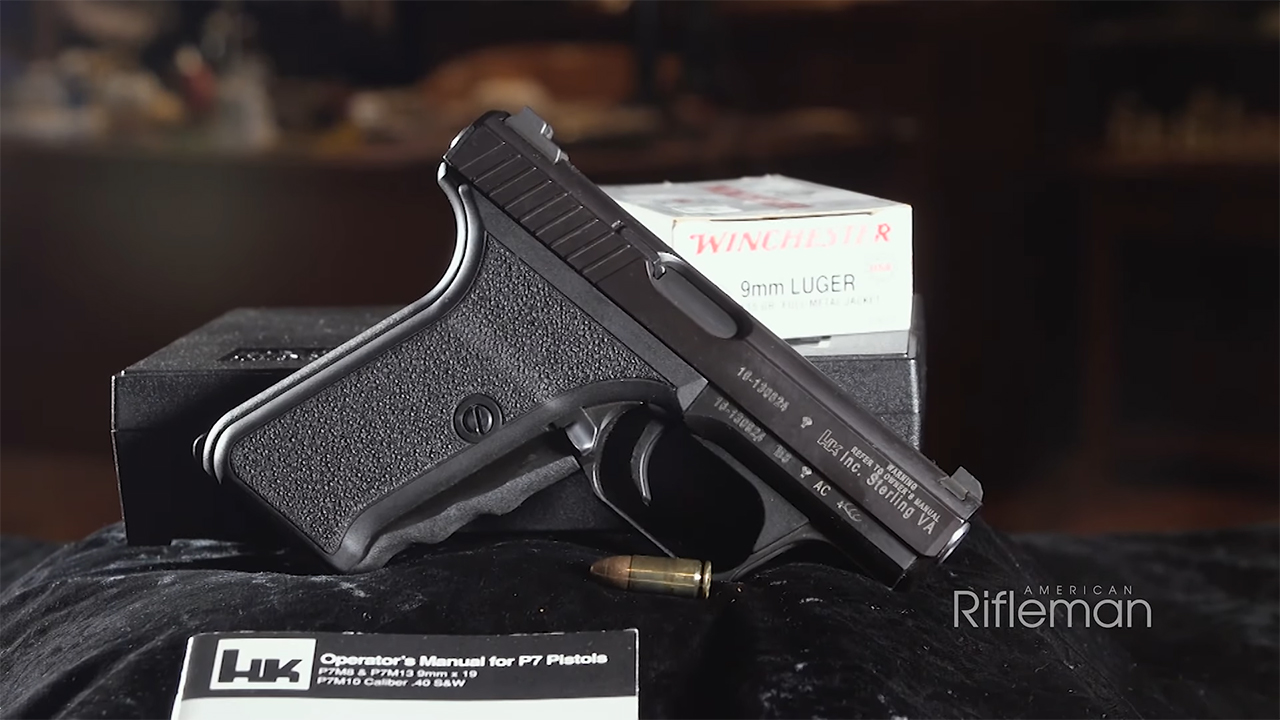
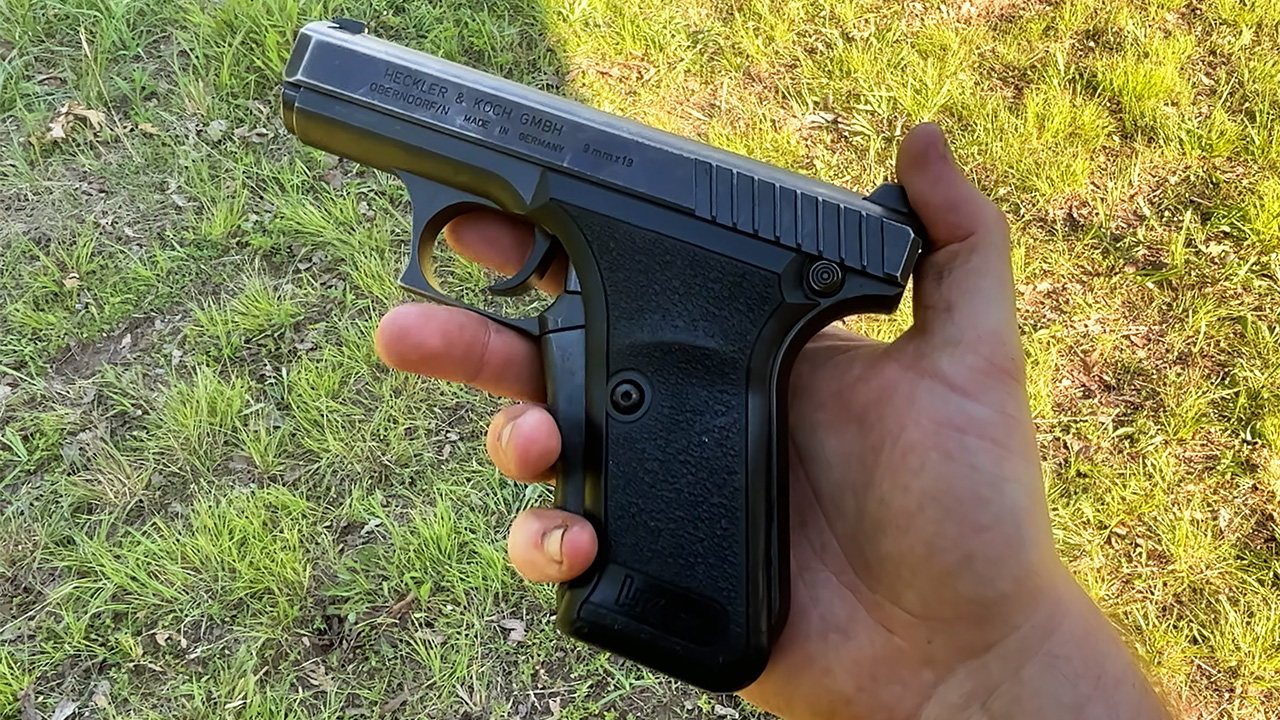
The HK P7 was always unusual, but not everyone understood how hard it would be to replace. Its squeeze-cocker system, fixed barrel, slim profile, and low bore axis made it different from almost every other pistol. That weirdness made some owners comfortable selling one when prices were lower.
Now finding another is a much bigger deal. The P7 is accurate, mechanically fascinating, and surprisingly compact, but it also has quirks like heat buildup during longer strings and a manual of arms that demands practice. No modern pistol truly steps into its place. You can buy something lighter, cheaper, easier to support, or more current. You cannot really buy another pistol that feels like a P7 unless you buy another P7.
Beretta 84 Cheetah

The Beretta 84 Cheetah seems like it should be easy to replace because modern .380s and small 9mms are everywhere. It is larger than many guns with more power, and its double-stack .380 layout doesn’t win modern efficiency arguments. That makes it look outdated on paper.
Then you shoot one and understand why owners miss them. The Cheetah is soft, comfortable, stylish, and much more pleasant than most tiny .380 pistols. It feels like a real handgun instead of a pocket compromise. The grip fills the hand, the recoil is mild, and the classic Beretta controls give it personality. A modern carry gun may be more practical, but it probably won’t make .380 feel this good.
Colt Detective Special
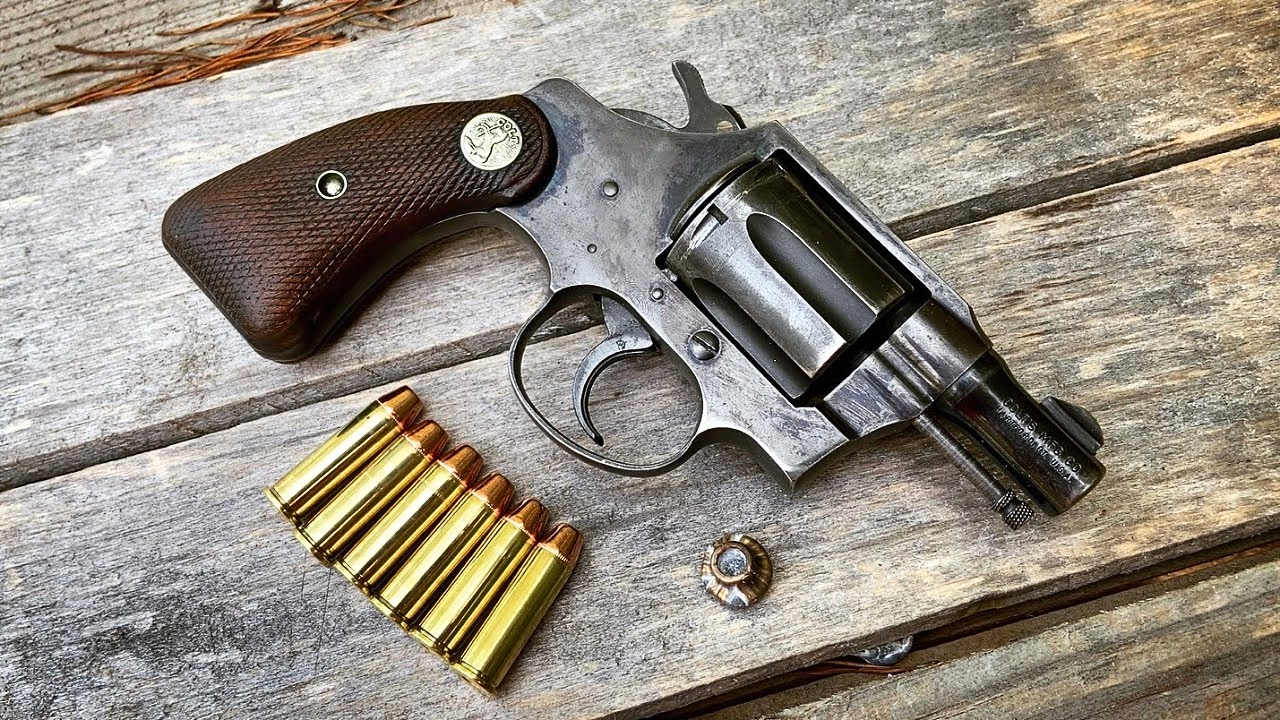
The Colt Detective Special is a small revolver that became harder to replace because modern alternatives don’t feel the same. There are lighter snubs, cheaper snubs, and compact semi-autos with far more capacity. That should make replacement easy, but it doesn’t.
The Detective Special offers six rounds in a compact steel frame with classic Colt balance. It is more shootable than many ultralight revolvers and more charming than most modern carry options. Good examples require careful inspection, especially timing and lockup, and clean ones aren’t casual buys anymore. It became hard to replace because it sits in a narrow space: small enough to carry, solid enough to shoot, and old enough to feel special.
Walther P99 AS

The Walther P99 AS is one of those pistols people didn’t always appreciate until it was no longer easy to find. It had an unusual Anti-Stress trigger system, a decocker, and ergonomics that felt different from the more common striker-fired pistols. Some shooters passed on it because it wasn’t conventional enough.
That unconventional feel is exactly why replacing it is hard. The P99 AS gives shooters a striker-fired pistol with a distinct trigger system and excellent grip shape. Newer Walthers like the PDP are excellent, but they don’t fill the same lane. The P99 AS has its own personality. Once someone gets used to it, switching to a more ordinary striker-fired pistol can feel like giving up the part that made the gun interesting.
Smith & Wesson 5906

The Smith & Wesson 5906 looked replaceable when lighter polymer pistols became the standard. It was heavy, stainless, DA/SA, and clearly from another duty-gun era. On paper, modern pistols beat it on weight, simplicity, and carry comfort.
But the 5906 is not easy to replace if what you loved was the shooting experience. The stainless frame absorbs recoil, the pistol feels solid, and the old third-generation Smith build has a confidence newer budget guns rarely match. It is not a modern concealed-carry pistol for most people, but as a range or home-defense handgun, it still makes sense. Replacing it with something lighter may be easy. Replacing its steady, all-metal feel is not.
Browning Hi-Power
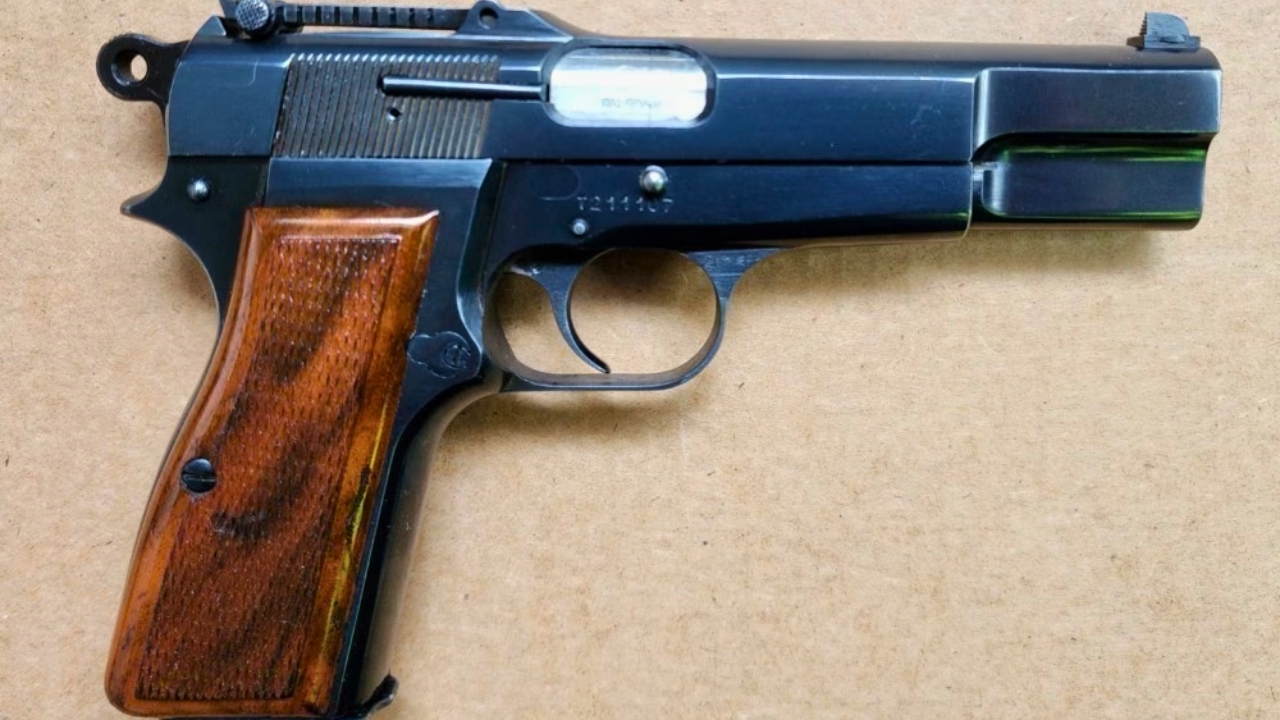
The Browning Hi-Power became harder to replace because its best feature is not something specs capture well. Modern pistols beat it on capacity, rails, optics support, triggers, and price. A current double-stack 9mm can do almost everything more efficiently.
Still, few pistols feel like a Hi-Power in the hand. The slim double-stack grip, natural pointability, and classic balance remain the reason people keep coming back. Older examples may need better sights or trigger work depending on owner preference, and the magazine disconnect is a common complaint. But the core feel is the point. A newer pistol can be more practical and still not scratch the same itch.
Kahr K9
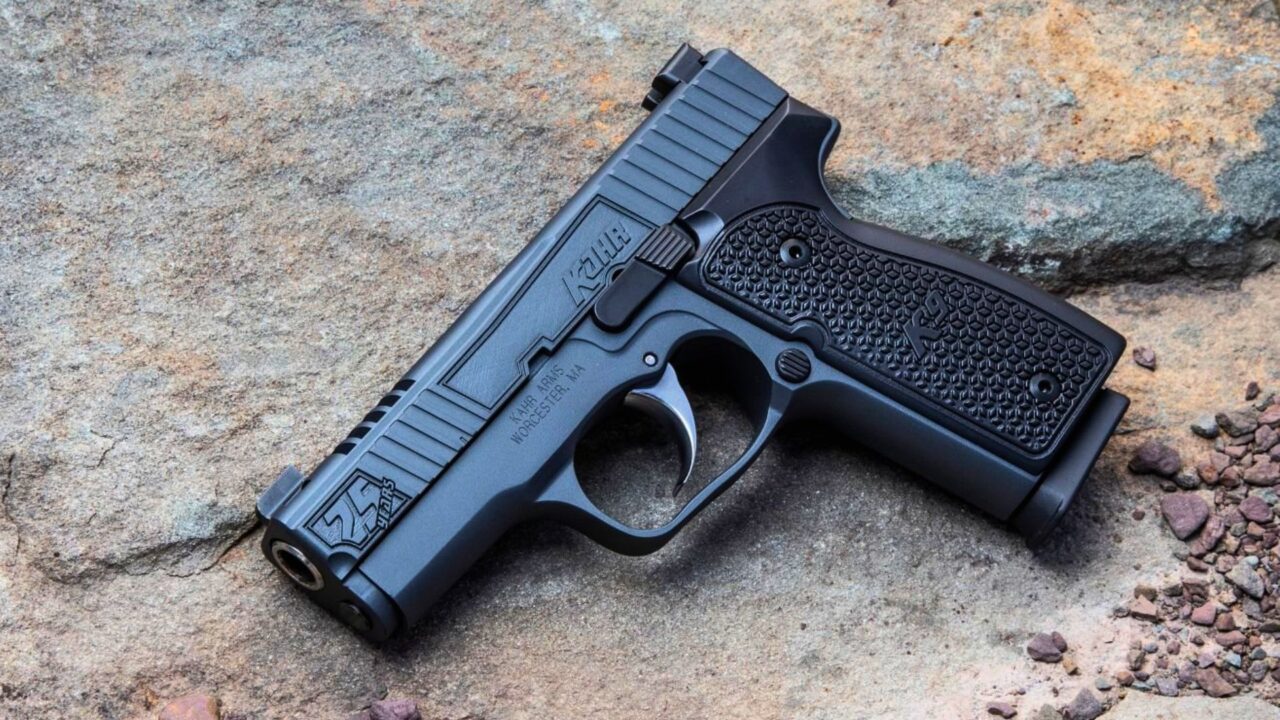
The Kahr K9 looked like it should be easy to replace once lighter carry pistols with more capacity took over. It’s a steel-frame single-stack 9mm with a long double-action-only trigger. That sounds outdated to plenty of modern buyers.
The problem is that the K9 shoots like a small pistol with manners. The steel frame helps control recoil, the grip is slim, and the trigger is smooth once the shooter learns it. It carries flat but doesn’t feel as harsh as many featherweight carry guns. A modern micro-compact may hold more rounds and weigh less, but it may not feel nearly as calm in the hand. The K9 became hard to replace because its weight was part of the solution.
Beretta 92 Compact
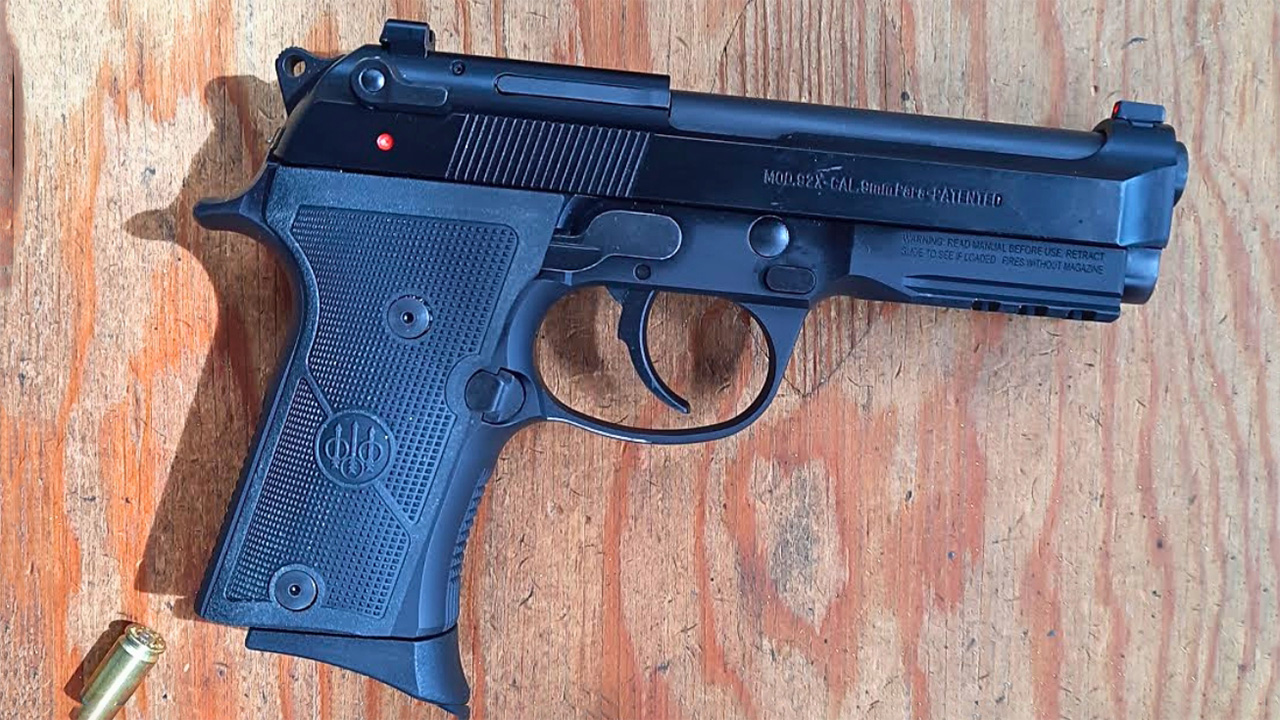
The Beretta 92 Compact lived in the shadow of the full-size 92 for years, but owners who let one go often learn how hard that exact setup is to replace. It gives the shooter much of the smooth Beretta feel in a slightly handier package. That sounds simple, but it’s not common.
The 92 Compact is still wide and still built around DA/SA controls, so it won’t appeal to everyone. But it shoots better than many smaller pistols and carries better than the full-size gun. It feels like a real service pistol that was trimmed down without losing its personality. Modern compact pistols may be thinner and easier to accessorize, but they usually don’t feel like a compact Beretta.
Ruger SP101 3-Inch
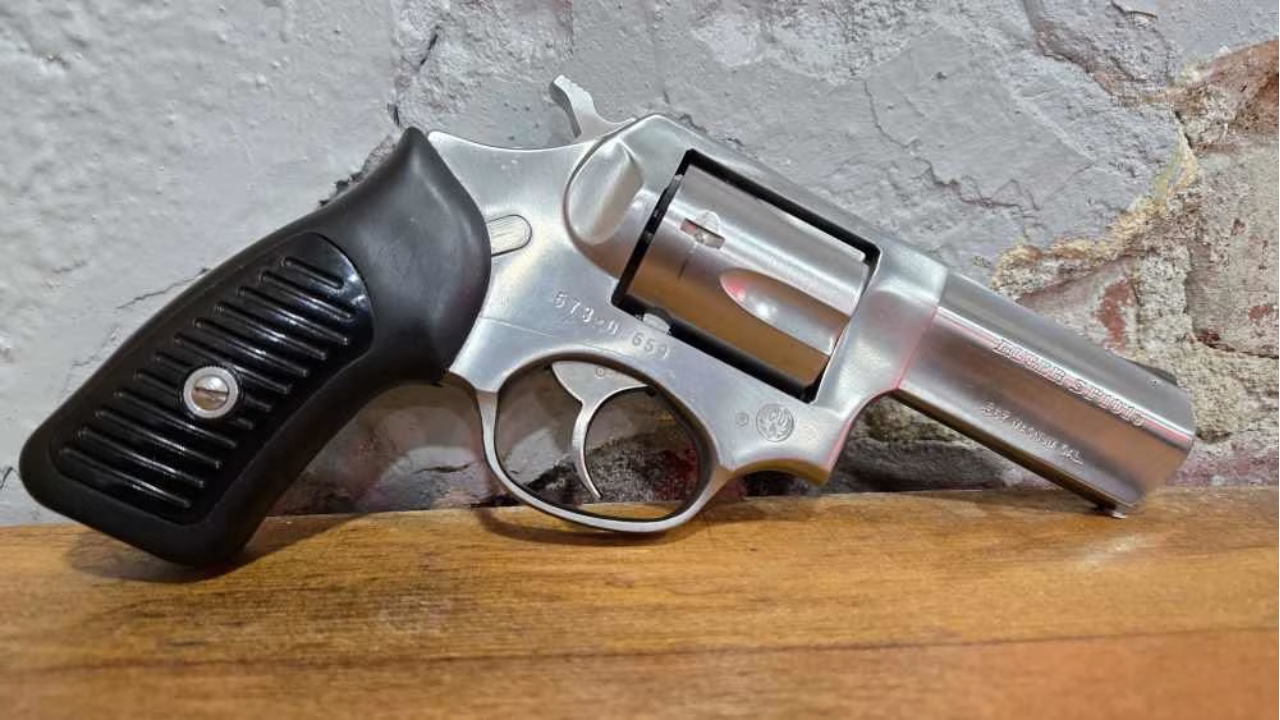
The Ruger SP101 3-inch looks replaceable until someone starts shopping for another compact revolver with the same balance. Two-inch snubs are easier to find. Larger .357s are easier to shoot. But the 3-inch SP101 sits right between them in a way that makes it especially useful.
The extra barrel length improves sight radius, balance, and velocity over the shortest snubs, while the frame stays compact enough for trail carry, defensive use, or general-purpose revolver work. It’s not as refined as some Smith & Wesson revolvers, but it feels tough and steady. Once an owner gets used to that middle-ground size, smaller revolvers feel too sharp and bigger ones feel too bulky.
Colt Mustang

The Colt Mustang became harder to replace because most modern pocket pistols don’t offer the same metal-frame charm. It’s a small .380 with 1911-like controls, which makes it more specialized than the average polymer pocket gun. It isn’t the most efficient carry choice by modern standards, but that isn’t the whole story.
A good Mustang feels refined for its size. It is small, flat, and more pleasant than many tiny blowback-style .380s. It does require proper safety training and careful reliability testing, especially with older examples. But owners who like the platform often find that newer pocket guns feel cheaper or less interesting. The Mustang became harder to replace because it offers a very specific kind of small-gun personality.
CZ 82

The CZ 82 once looked like affordable surplus, not something people would miss later. Chambered in 9x18mm Makarov, it didn’t fit the normal 9mm Luger carry market, and surplus pistols were often treated as cheap curiosities. Plenty of buyers assumed they could always find another.
That changed as imports slowed and clean examples became less casual. The CZ 82 has excellent ergonomics, a surprisingly good trigger, and practical accuracy that made owners respect it. The cartridge is less convenient than 9mm Luger, and parts deserve consideration with any surplus pistol. Still, the pistol has character and shootability beyond what its old prices suggested. Replacing that exact surplus value is much harder now.
Smith & Wesson Model 41
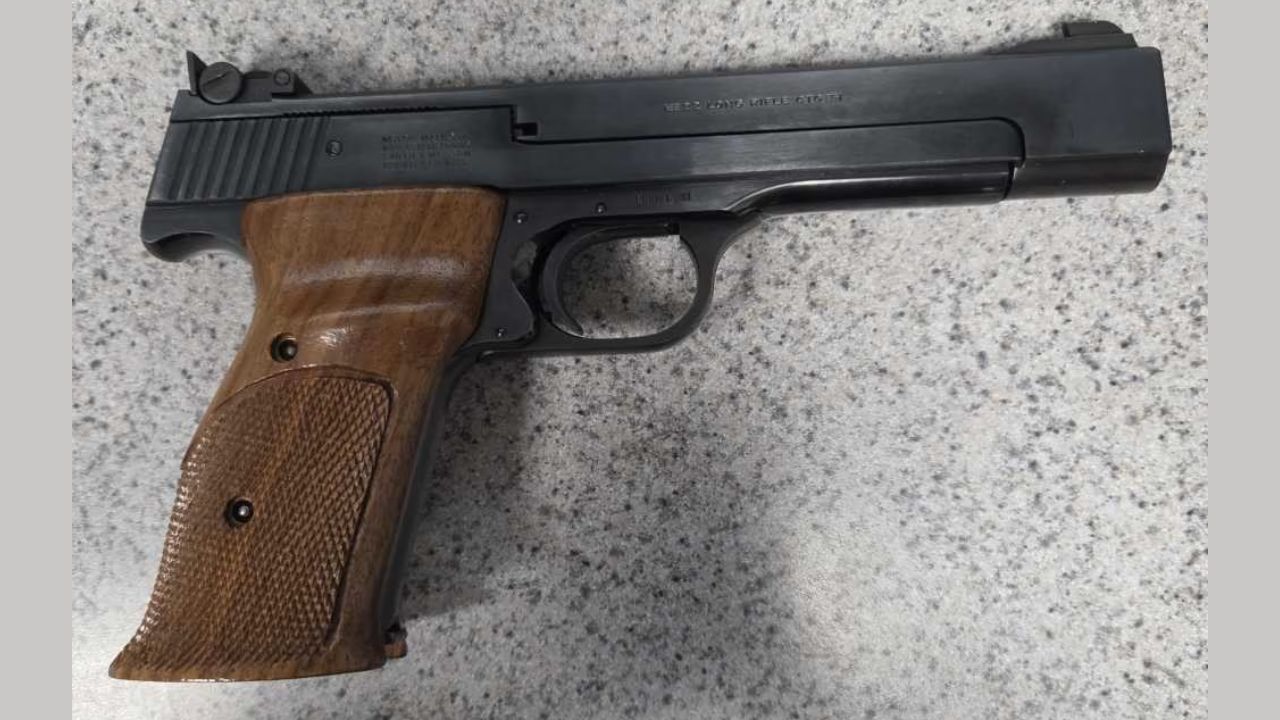
The Smith & Wesson Model 41 is a rimfire pistol people don’t always realize is hard to replace until they try a cheaper .22. There are plenty of rimfire pistols, and many are fun. But the Model 41 has a level of trigger quality, balance, sights, and accuracy that puts it in a different class.
That matters for shooters who care about precision. A cheaper .22 may work fine for casual plinking, but it may not reward careful shooting the same way. The Model 41 feels like a serious target pistol, not merely a low-recoil range toy. Once an owner sells one, replacing the experience usually costs more than expected. It became hard to replace because it made rimfire shooting feel refined.
SIG Sauer P228
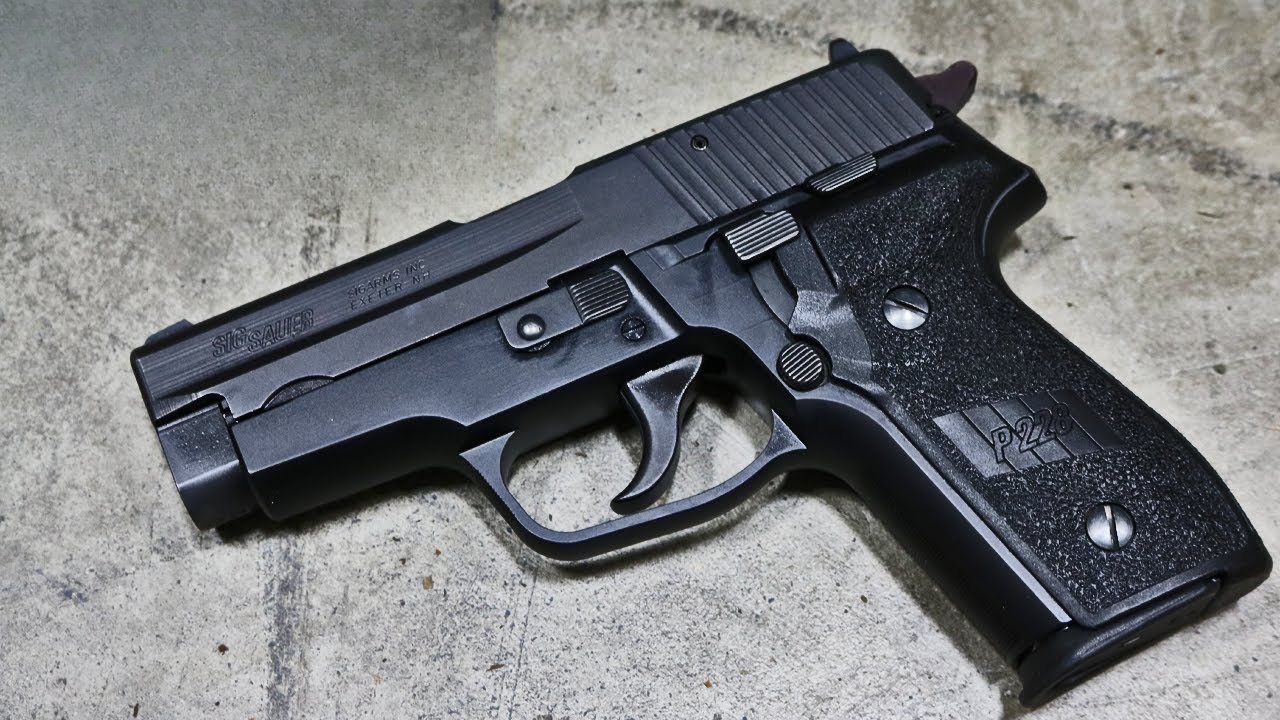
The SIG Sauer P228 is one of those pistols owners often miss because modern compact pistols don’t feel the same. Newer guns are lighter, easier to mount optics on, and often simpler to carry. They may be objectively more practical in many ways.
But the P228 has classic SIG balance in a compact package. It is smaller than a P226 but still shoots like a serious service pistol. The alloy frame, DA/SA trigger, and comfortable grip give it a settled feel that many polymer compacts lack. Clean examples are not as easy to find as they used to be, and good magazines matter. Replacing the role is easy. Replacing the feel is the problem.
Like The Avid Outdoorsman’s content? Be sure to follow us.
Here’s more from us: