Photo credit: NRApubs/Youtube
Some guns start out as bragging pieces. Owners bring them up because they found a deal, bought something cool, or finally grabbed the model they had been wanting for years. They shoot them, show them off, pass them around, and talk about them like any other new favorite.
Then the mood changes. Prices climb, production ends, clean examples dry up, or the gun becomes too hard to replace. Suddenly the same firearm that used to get bragged about starts getting handled carefully, stored better, and kept out of casual loan-out situations. These are the guns owners stopped bragging about and started protecting.
Colt Python
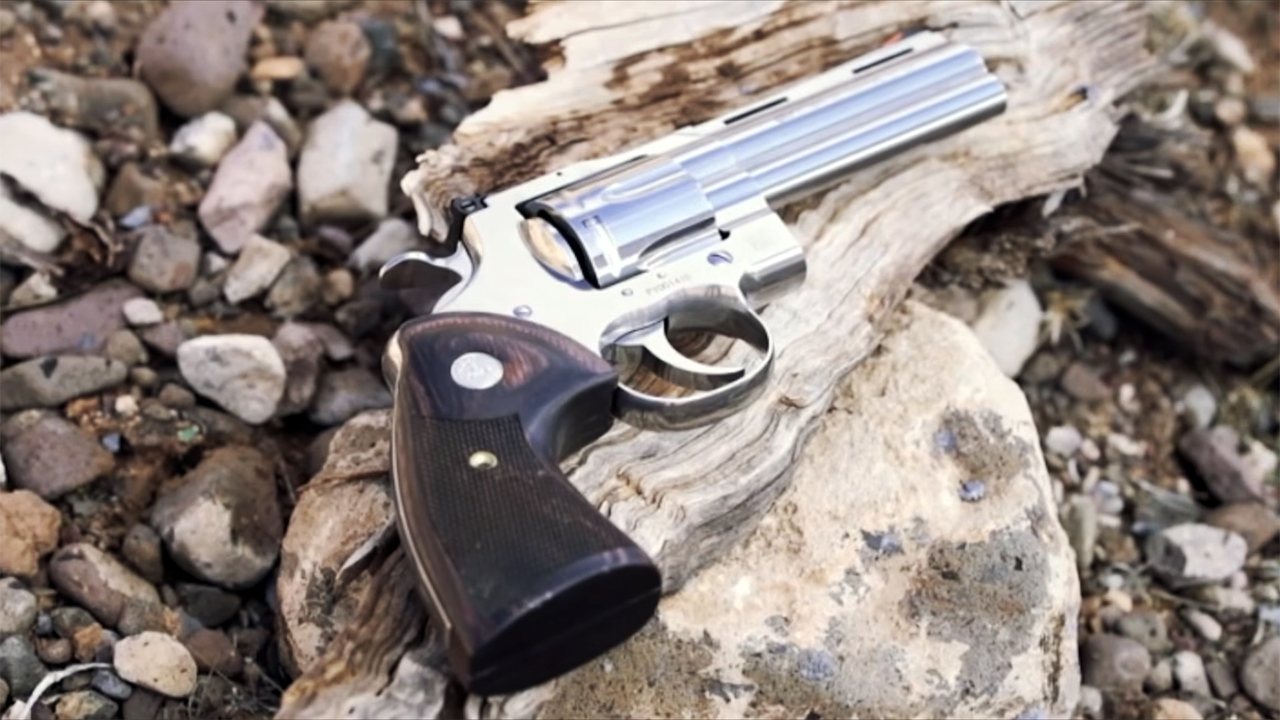
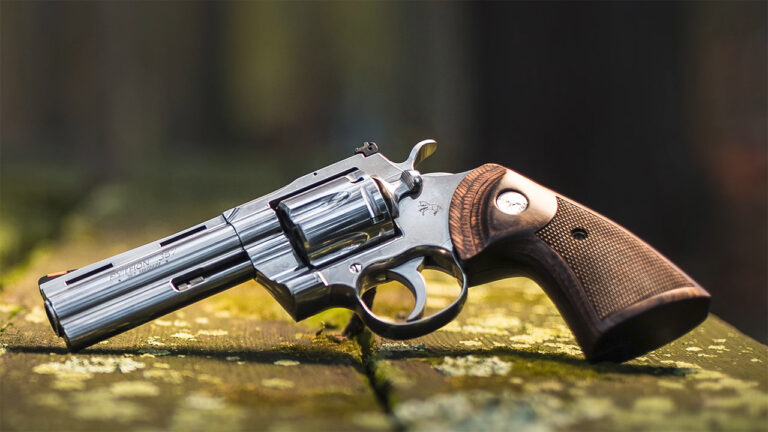
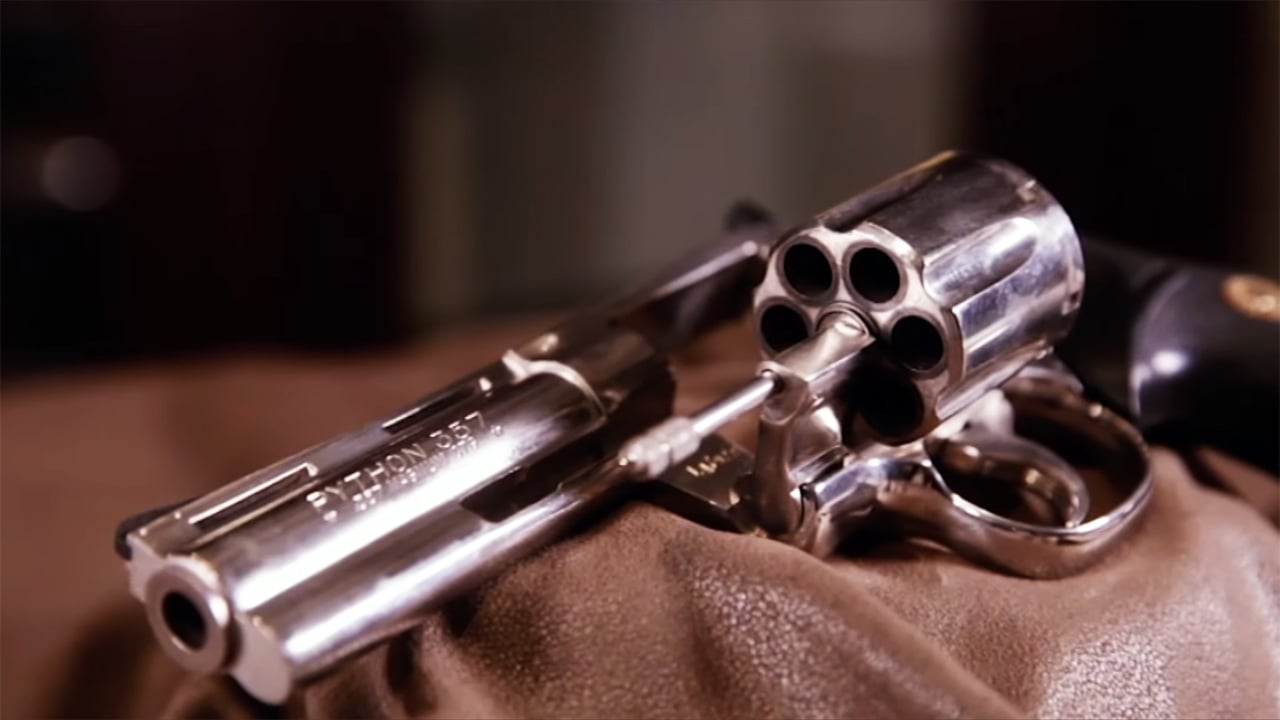
The Colt Python has always been the kind of revolver people brag about owning, but older examples have moved into a different category. A clean Python with original finish, tight lockup, and good history is not something most owners casually toss in a range bag anymore. They know what the market has done.
That doesn’t mean the Python can’t shoot. It absolutely can, and that smooth action is part of why the gun became so famous. But owners now think twice before adding unnecessary wear, letting someone else handle it carelessly, or running it like an ordinary range revolver. The bragging usually stops once the owner realizes replacing the same gun in the same condition would be painful. At that point, the Python becomes protected.
Winchester Model 9422
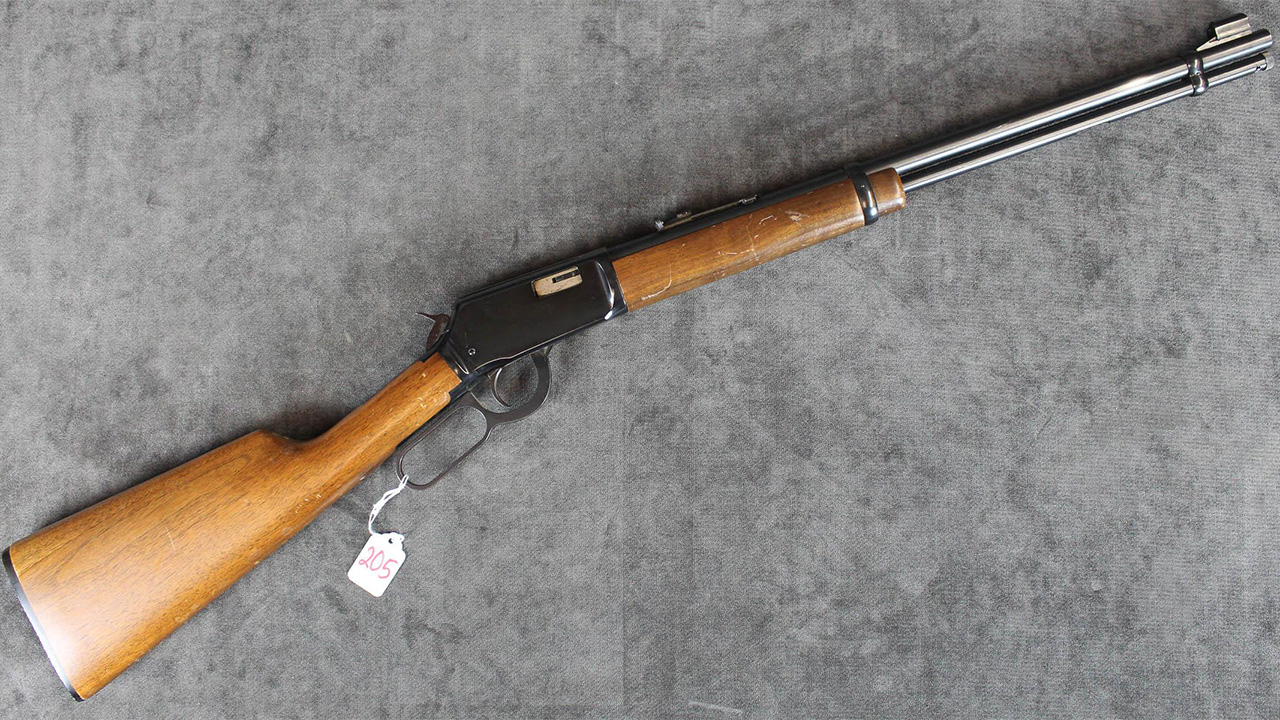
The Winchester Model 9422 used to be the kind of rifle an owner might brag about because it was smooth, fun, and nicer than the average .22. It was still a rimfire, though, so plenty of people treated it casually. It went to the range, the woods, and the truck without much drama.
Now clean 9422s get handled with more care. Winchester doesn’t make them anymore, and good examples can bring serious interest from rimfire fans. The rifle still deserves to be shot, but owners are less likely to let it get banged around or loaned out like a cheap plinker. A smooth lever-action .22 with real build quality is not as easy to replace as people once assumed. That changes how owners treat it.
Browning Hi-Power
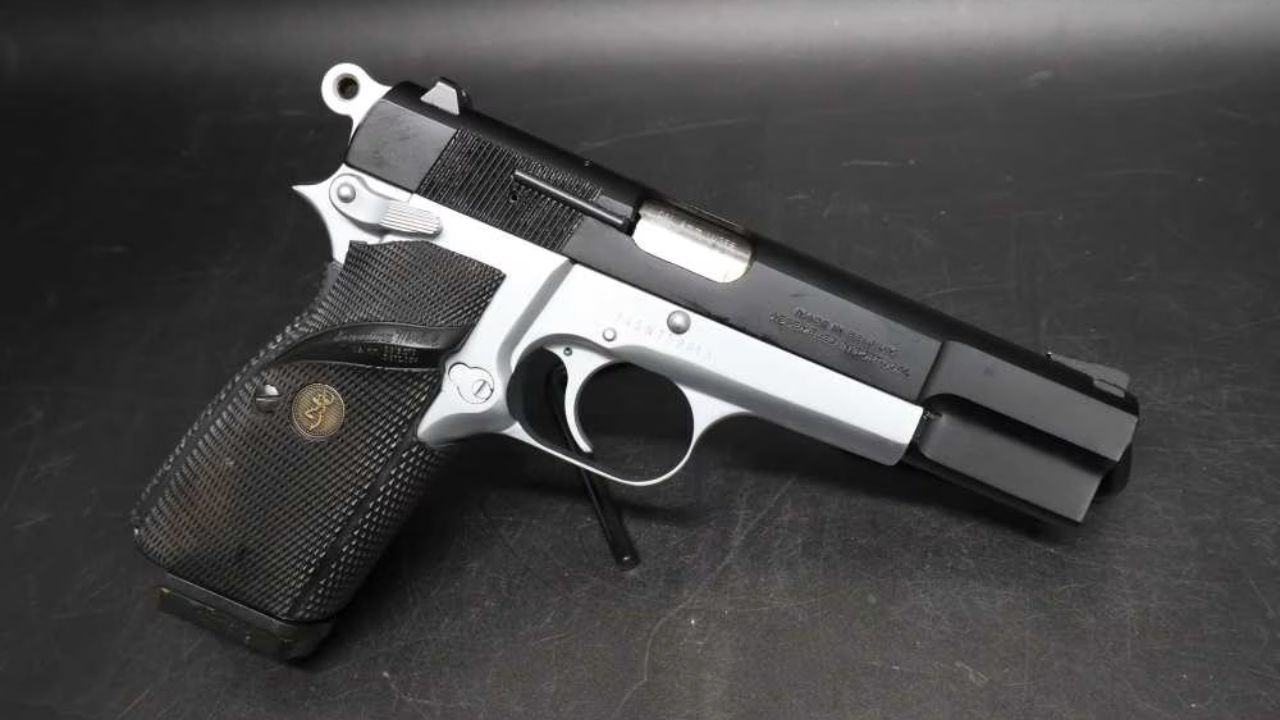
The Browning Hi-Power was always respected, but many owners used to talk about it as a shooter first. It was a classic 9mm with excellent feel, strong history, and one of the best double-stack grip shapes ever made. That was enough to brag about before collector interest really tightened around clean Browning-marked examples.
Now owners tend to be more protective, especially with older pistols in original condition. They may still shoot them, but they are less likely to modify them, refinish them, or let them get dragged through rough holster use. Modern Hi-Power-style pistols exist, but they don’t make the originals less desirable. Once owners realize that, the pistol stops being a casual conversation piece and starts being something they preserve.
Marlin 1894C
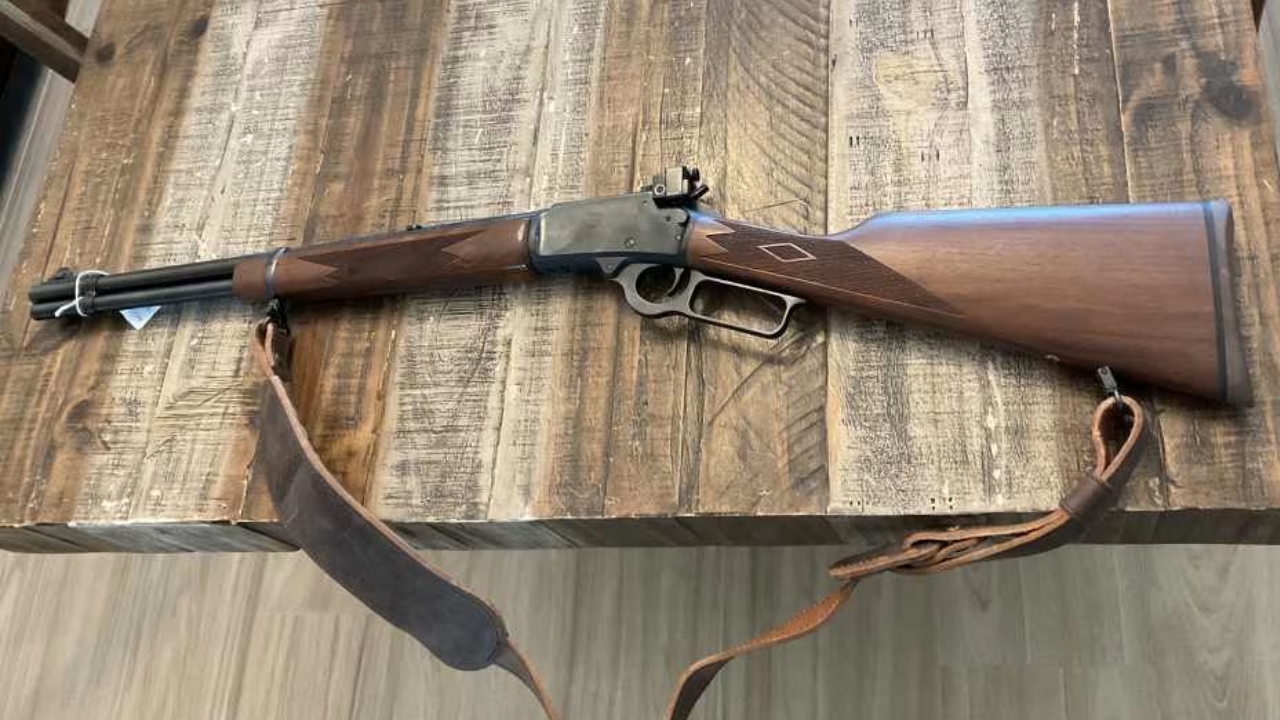
The Marlin 1894C is a rifle owners used to brag about because it was useful and fun. A .357 Magnum lever-action carbine that also runs .38 Special has an easy appeal. It’s light, handy, affordable to shoot with the right loads, and practical around rural property or thick cover where legal.
Then older Marlins became more desirable, and the 1894C got harder to replace. Owners who once treated theirs like a fun little range rifle started protecting them more carefully. A smooth-feeding .357 lever gun is not something everyone wants to gamble with now. If it shoots well and cycles both .38 Special and .357 Magnum reliably, that rifle has earned a guarded spot. Bragging fades fast when the replacement cost gets ugly.
Smith & Wesson Model 19
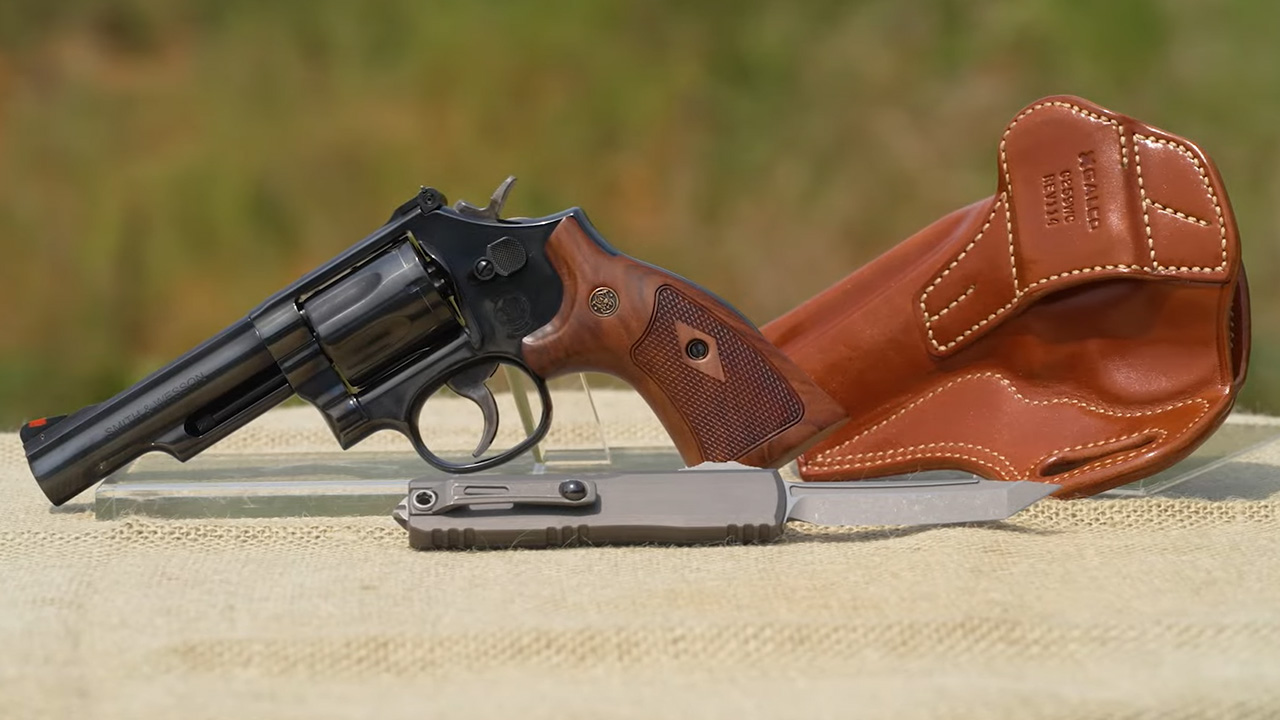
The Smith & Wesson Model 19 is the kind of revolver owners bragged about because of its balance. A K-frame .357 Magnum feels right in a way bigger revolvers and smaller snubs don’t. It carries well, shoots .38 Special beautifully, and handles sensible .357 Magnum loads without feeling oversized.
Now clean Model 19s get treated with more caution. Owners know the revolver has limits, especially with a steady diet of hot magnum loads, and they know good examples are not as cheap as they once were. That makes them less likely to abuse one or hand it to someone who doesn’t understand what it is. The Model 19 went from “look what I found” to “I’m keeping this one nice.”
HK P7
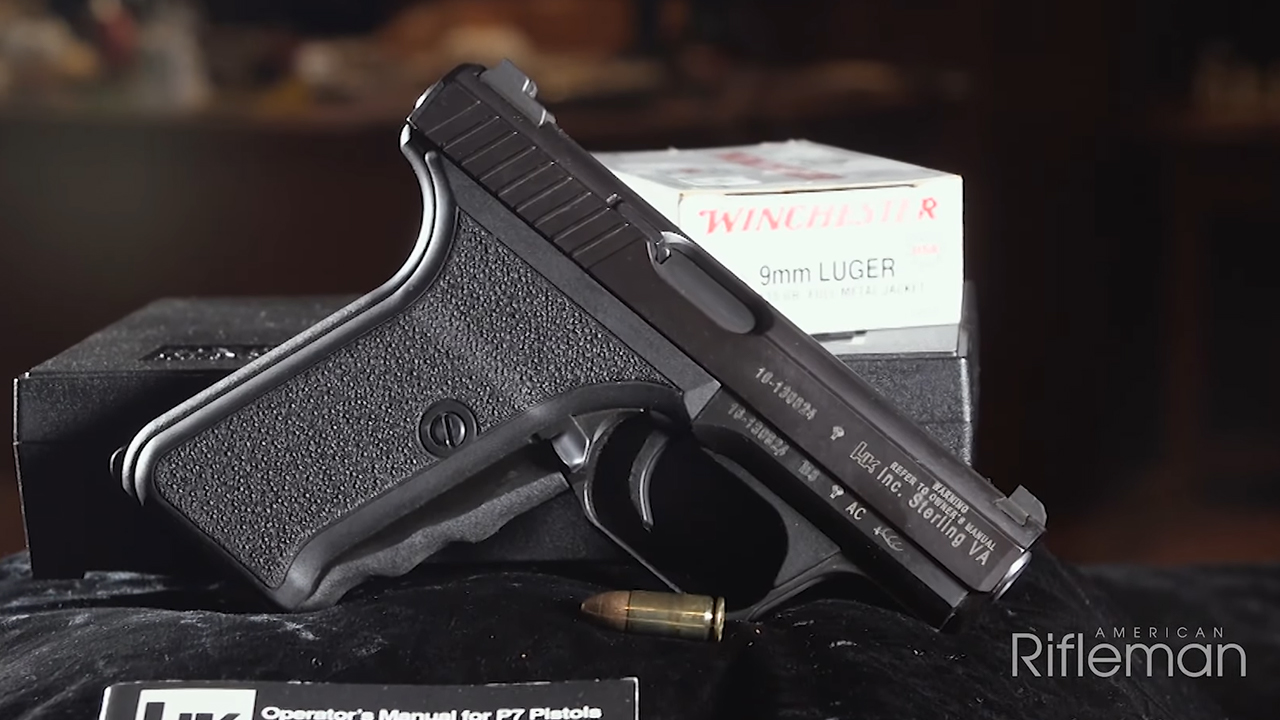
The HK P7 is a pistol that almost invites bragging because it is so different. The squeeze-cocker system, fixed barrel, low bore axis, and compact shape make it one of those handguns people want to talk about the second it comes out. It’s weird in the best way.
But P7 owners tend to become protective fast. Prices climbed, parts are not casual, and the pistol’s unique manual of arms means not everyone should be handed one without explanation. It also heats up during longer strings, which surprises people who haven’t shot one. Owners may still enjoy showing it to someone who appreciates it, but they usually do it under close supervision. The P7 is too unique and too valuable to treat like a normal range loaner.
Ruger No. 1
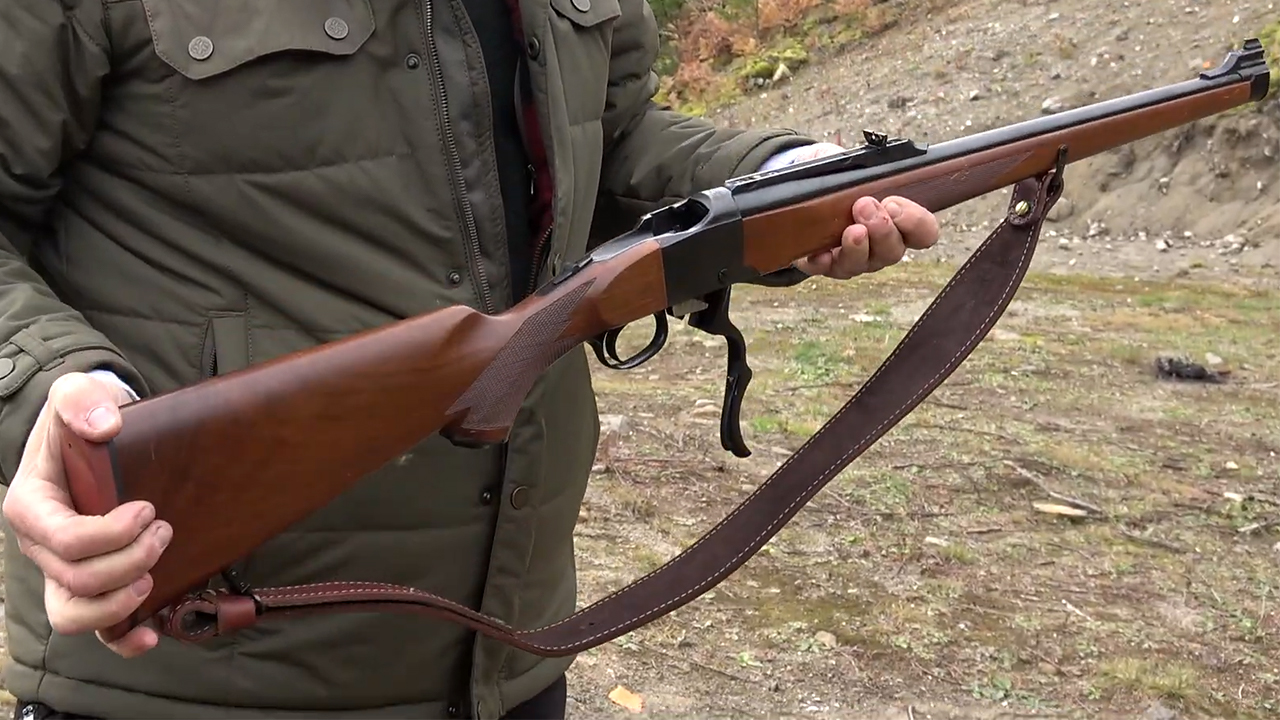
The Ruger No. 1 is the kind of rifle owners love talking about because it has character. A strong single-shot falling-block rifle is not the most common choice in a world full of bolt-actions, and that makes it feel special. Interesting chamberings only add to the bragging rights.
Then owners realize certain versions are not easy to find anymore. A No. 1 in a desirable chambering with nice wood can turn into a rifle someone protects more than expected. It can still hunt, and many do, but owners may hesitate before dragging one through rain or brush. The rifle’s appeal is tied to condition, configuration, and charm. Once those things matter, bragging turns into careful ownership.
Colt Woodsman

The Colt Woodsman is a .22 pistol that owners used to brag about because it shot well and felt better than ordinary rimfires. It has classic Colt quality, excellent balance, and a level of refinement that makes cheap plinkers feel rough. For years, though, it was still easy for some people to treat it like a casual range gun.
Now clean Woodsman pistols get more careful treatment. Condition, correct magazines, original boxes, and specific variations can all matter to buyers and collectors. Owners who have a nice one usually don’t want fresh scratches or unnecessary wear. It’s still a wonderful shooter, but it is no longer the pistol most people toss around like a budget .22. A rimfire can absolutely become worth protecting.
Savage Model 99

The Savage Model 99 is a rifle owners used to brag about because it was clever. Lever-action speed with better cartridge capability than traditional tube-fed rifles made it different from the start. Chamberings like .300 Savage, .250-3000 Savage, and .308 Winchester gave it real deer-rifle value.
Now clean Model 99s get guarded because condition matters and replacements are not simple. The action is more complex than a basic lever gun, and parts or repair work can be more involved. Owners who have one that feeds well, shoots well, and hasn’t been beat to pieces tend to keep it close. It may still go hunting, but not casually. The Model 99 became the kind of rifle people protect because nothing else quite fills the same space.
Beretta 390
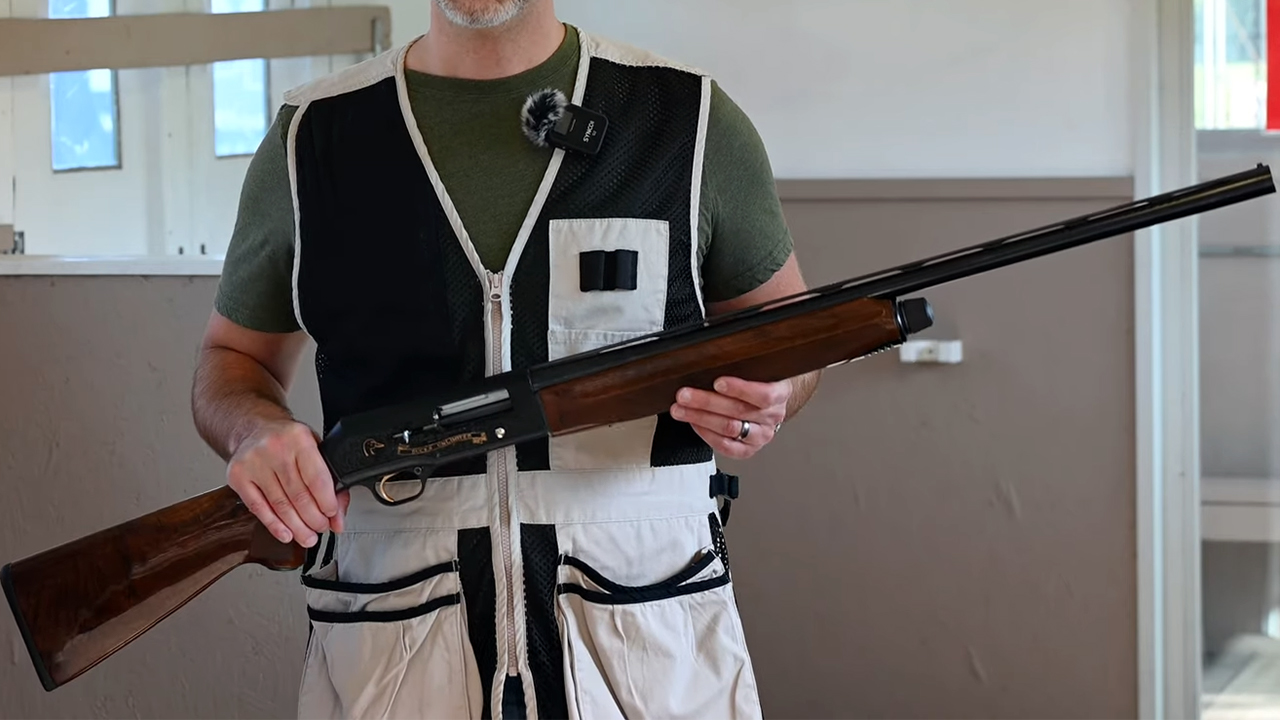
The Beretta 390 was a shotgun owners bragged about because it shot softly and handled naturally. It didn’t need wild styling or oversized controls to make people like it. A good 390 simply felt right in the field or on the clay range.
That’s exactly why owners started protecting them. Newer Berettas exist, but not everyone thinks they point or balance better. A shotgun that fits well is personal, and a clean 390 that cycles reliably can be hard to replace. Owners may still shoot them often, but they are less likely to loan them out or drag them through rough use without thought. When a gun fits like it belongs, the owner gets careful.
Winchester Model 70 Classic Stainless
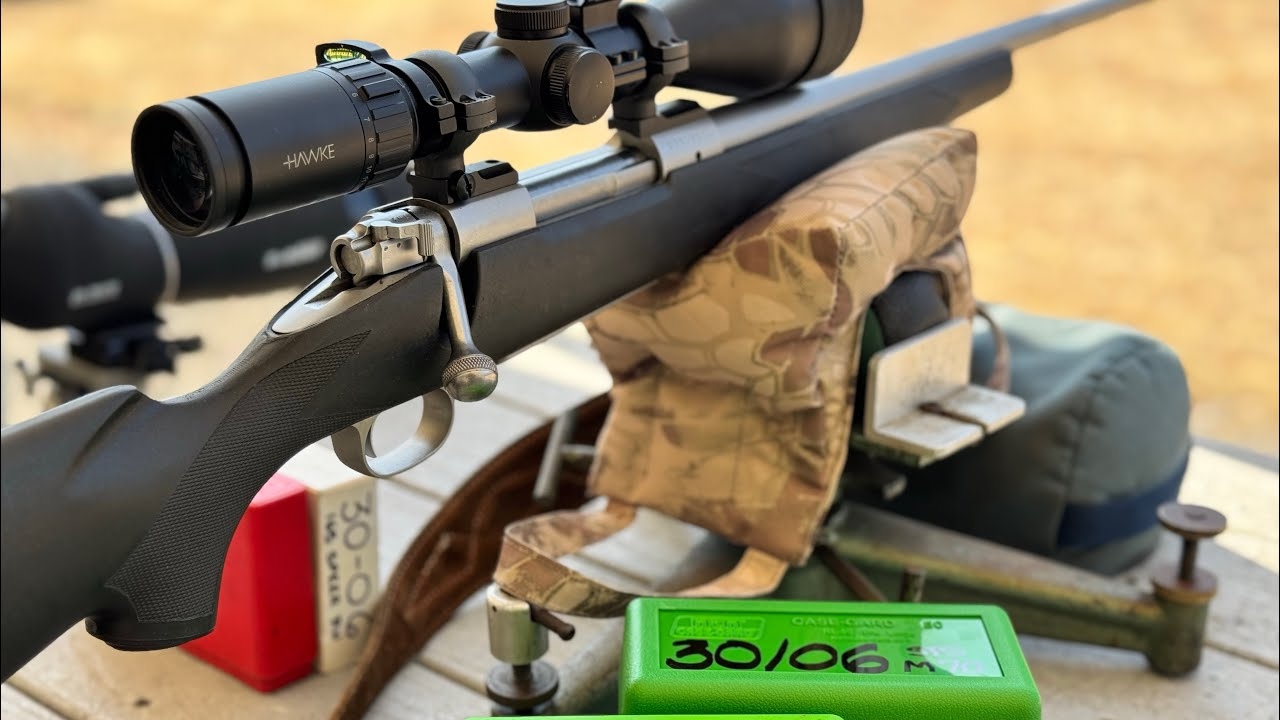
The Winchester Model 70 Classic Stainless is a rifle owners used to brag about because it felt like a serious hunting tool. Controlled-round feed, stainless construction, and the three-position safety made it easy to trust in bad weather and rough conditions. It was built to hunt.
Now many owners protect them more than they expected. Controlled-round-feed Model 70 Classics have gained stronger appreciation, especially in clean condition or desirable chamberings. A rifle that once seemed like a rugged field tool can start feeling too hard to replace casually. Some owners still use them exactly as intended, but they’re usually more careful than they would be with a basic budget rifle. The bragging turns into quiet confidence and a little extra caution.
Smith & Wesson 3913
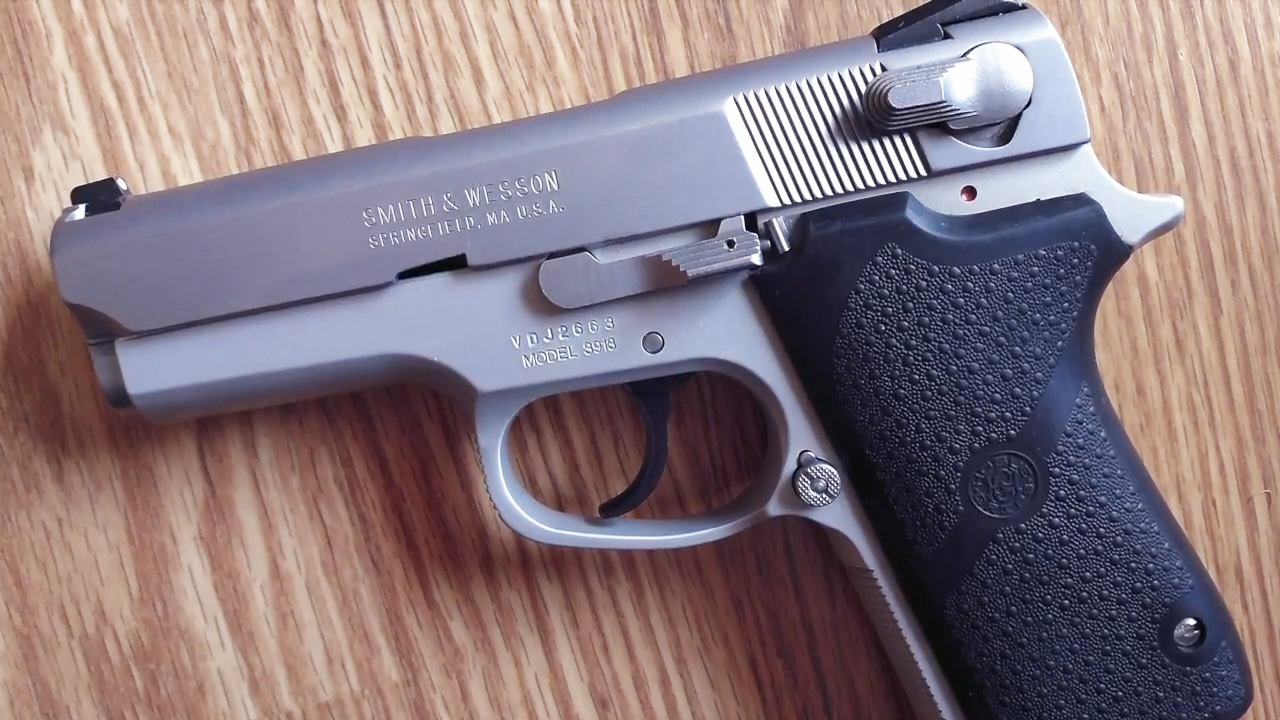
The Smith & Wesson 3913 used to be a practical carry gun, and owners who liked them often bragged about how flat and comfortable they were. It was slim, metal-framed, and more refined than a lot of small pistols. Still, for years it looked like an older carry option the market had moved past.
Now clean 3913s get protected because metal-frame single-stack 9mms are not common in the current market. The pistol doesn’t win capacity contests, but it carries and shoots in a way many newer micro-compacts don’t duplicate. Magazines and parts are not as casual as current-production guns, either. Owners who have a clean one may still carry it, but they tend to understand they’re carrying something harder to replace than it looks.
Browning Superposed
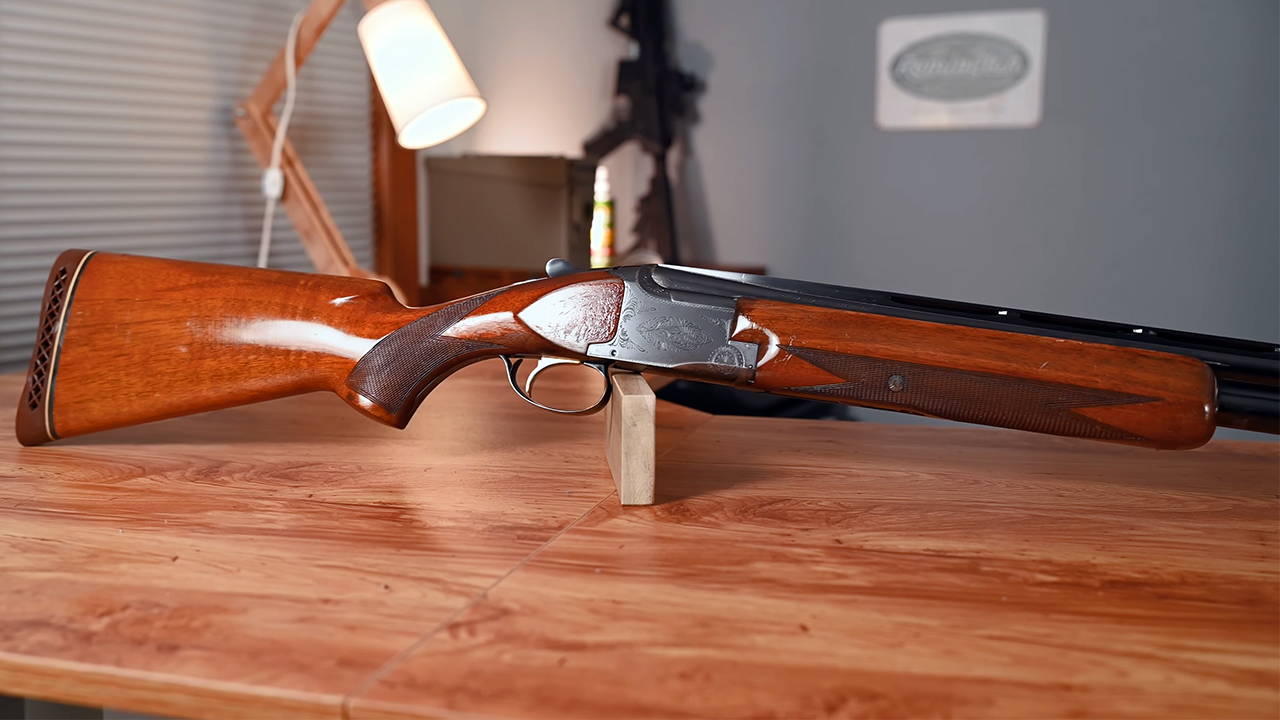
The Browning Superposed is a shotgun owners might brag about once, then quickly realize they don’t want handled by everybody. It has history, craftsmanship, and a reputation that puts it in a different class from ordinary field guns. Even people who aren’t shotgun collectors tend to recognize it as something special.
That makes owners careful. A Superposed can still be hunted or used for clays, but condition and fit matter too much to treat it casually. A scratch in the stock or careless damage in someone else’s hands would hurt more than it would on a cheaper pump or basic semi-auto. Owners who have a good one often protect it because replacing the same shotgun in the same condition could be difficult and expensive.
Marlin 39A
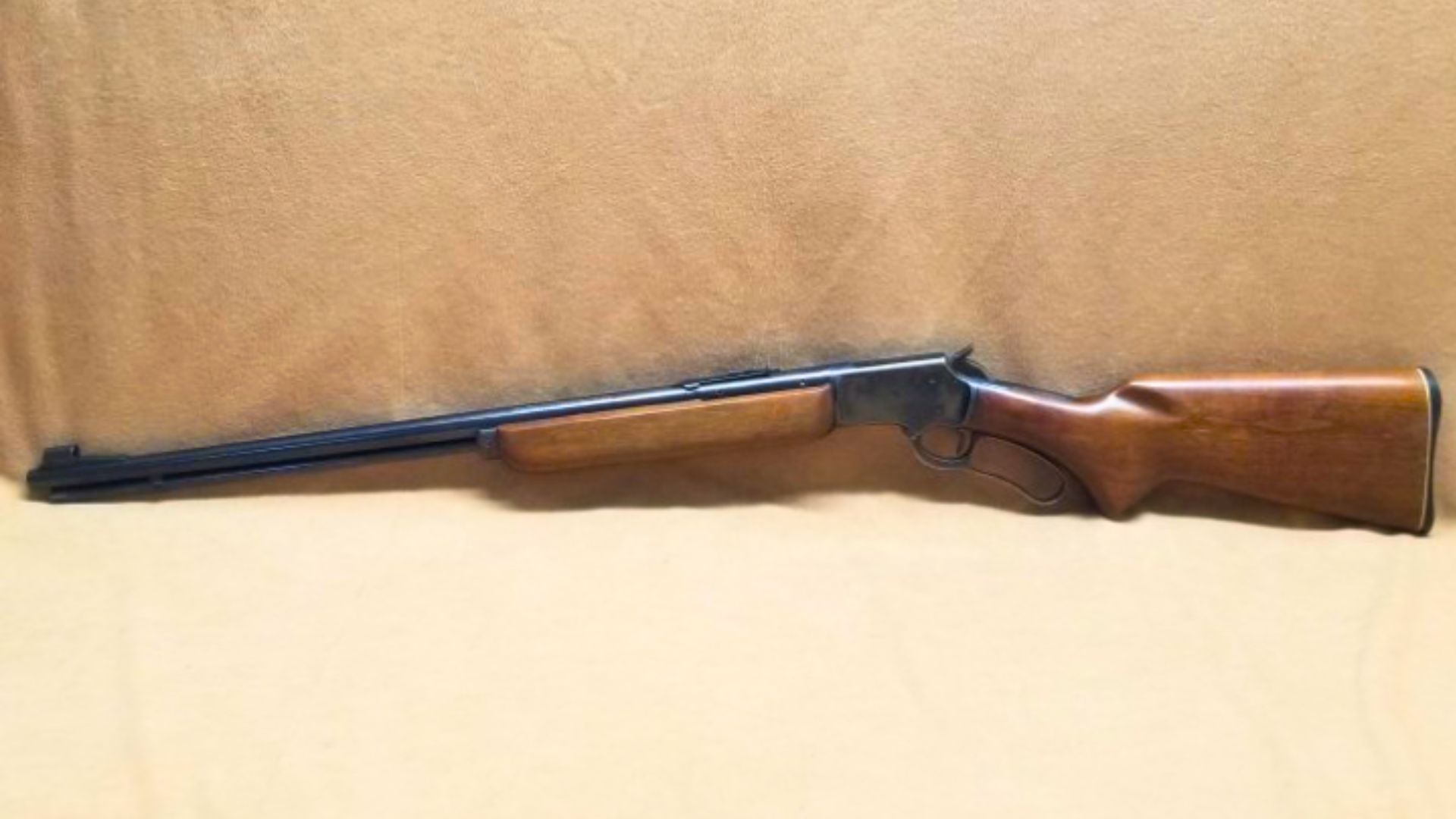
The Marlin 39A is one of those rifles owners brag about because it proves a .22 can feel like a real rifle. Walnut, steel, takedown construction, and smooth lever-action handling give it a level of quality that many modern rimfires don’t match. It’s easy to love.
It’s also easy to start protecting. Clean 39As are not as casual to find as they once were, and owners often attach family memories to them. The rifle may have taught kids to shoot, filled squirrels in the pot, or spent decades as the most-liked gun in the house. That kind of history makes people careful. A 39A may still get shot, but it usually doesn’t leave the owner’s sight for long.
SIG Sauer P228
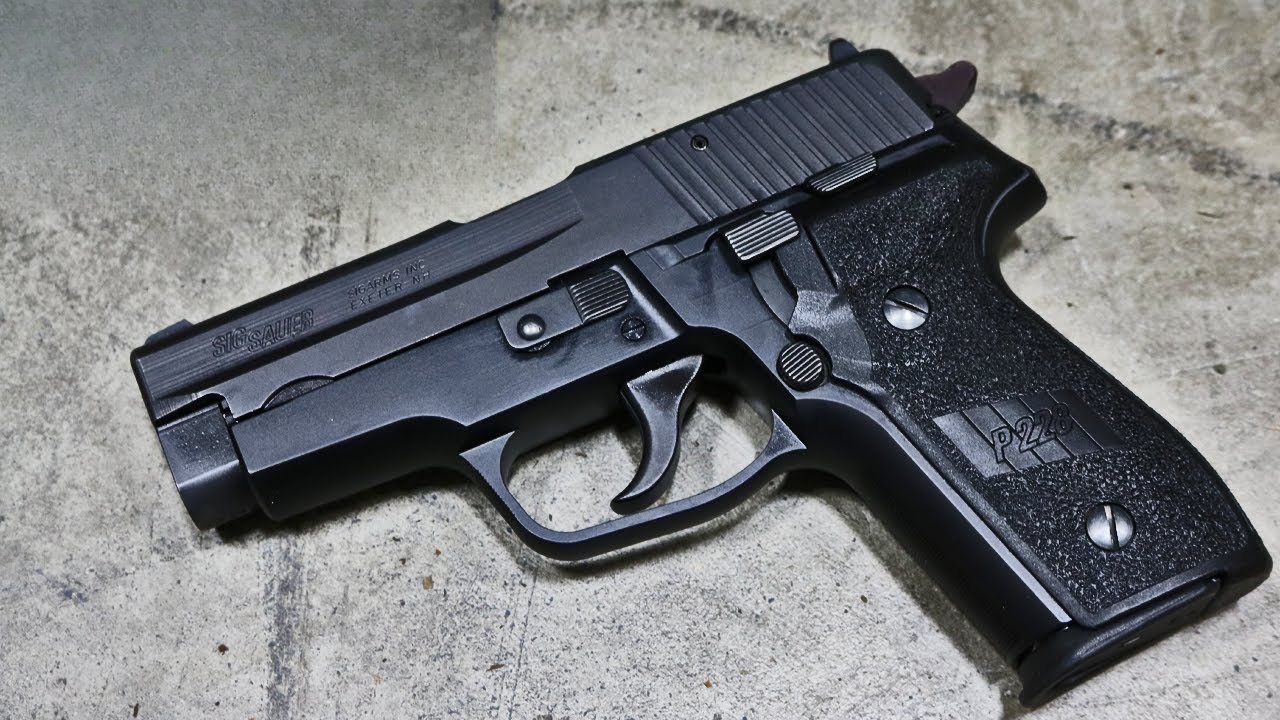
The SIG Sauer P228 is a pistol owners used to brag about because it felt like the perfect compact SIG. Smaller than the P226, steadier than many modern carry pistols, and built with classic metal-frame confidence, it has a balance that keeps people attached.
Now clean P228s are the kind of guns owners protect. Modern compact pistols may beat them on weight, optics support, and capacity, but they don’t feel the same. The P228’s discontinued status makes condition and originality more important, especially with good magazines. Owners may still shoot them, but most are not interested in careless loaning, rough carry wear, or unnecessary modifications. The pistol went from cool old SIG to keep-this-one-safe SIG.
Like The Avid Outdoorsman’s content? Be sure to follow us.
Here’s more from us: