Photo credit: Honest Outlaw/YouTube
Some handguns built their reputation the old way. They were carried on duty, worn smooth in holsters, passed between shooters at ranges, and recommended by people who had already put enough rounds through them to know what mattered. They did not need message boards, social media clips, or wave after wave of internet approval to become respected. Their following came from actual use, not from a launch cycle or a fan campaign.
That matters because a handgun that earned loyalty before the internet started picking favorites usually did it by being dependable, shootable, and worth owning over time. These pistols built trust in gun shops, police departments, military service, training classes, and everyday carry long before online culture turned every handgun into a debate. These are the handguns that earned their following before the internet picked favorites.
Browning Hi-Power

The Browning Hi-Power earned its following long before anybody was arguing over it online because it simply felt right in the hand and made sense to serious shooters. It was slim for a service pistol, carried more rounds than many of its rivals in its day, and pointed naturally enough that people trusted it quickly. That kind of first impression matters, especially when it keeps holding up after real range time.
Its reputation also came from broad military and police use across the world. Shooters did not have to imagine whether it was proven. They already knew. The pistol had history, balance, and a kind of graceful practicality that kept it respected even as newer designs showed up. It earned followers because it worked, shot well, and felt like a serious handgun instead of a passing fashion.
Colt Government Model

The Government Model built its following the hard way, through long service, constant use, and the kind of shootability people tend to remember for the rest of their lives. When a good 1911 is right, the trigger makes sense, the gun points naturally, and accuracy feels easier to reach than with a lot of handguns that look better on paper. Shooters did not need an algorithm to explain that to them.
What kept the following strong was the fact that the pistol kept delivering in different roles. It served in war, on ranges, in competitions, and on the belts of people who trusted it enough to stake a lot on it. Plenty of owners became loyal because once they learned the platform, it rewarded them in a way that made many other pistols feel less intuitive. That kind of loyalty started long before internet culture showed up.
Smith & Wesson Model 19

The Model 19 earned its following because it struck a balance a lot of shooters understood the moment they handled it. It gave you .357 Magnum capability in a revolver that still carried and pointed like something meant to be used, not merely admired. That made it appealing to police officers, outdoorsmen, and revolver shooters who wanted real power without stepping up to a larger gun than they wanted to live with.
Its following grew because it was easy to appreciate in actual use. The gun had excellent handling, a real sense of liveliness, and the kind of practical carry size that made people form attachments to it. Older shooters did not love the Model 19 because it was trendy. They loved it because it fit the hand well, shot honestly, and kept earning trust one range session and one carry day at a time.
SIG Sauer P220

The P220 built a following before the internet started steering people because it gave shooters a .45 that felt refined, dependable, and easier to shoot well than many expected. It did not rely on old-school mystique or flashy styling. Instead, it earned respect through function. Shooters found it accurate, smooth in recoil, and well made in a way that was obvious once the pistol was in hand and under live fire.
It also benefited from feeling like a serious adult handgun at a time when that mattered. The controls were clean, the trigger system made sense once learned, and the gun had the kind of dependability that built confidence without noise. A lot of owners became loyal because the P220 did not ask for excuses. It simply shot well, carried real authority, and proved itself in a market that still valued substance over chatter.
Beretta 92FS

The Beretta 92FS earned its following because people actually shot it, carried it in service, and came away understanding why it lasted. It was soft-shooting, stable in the hand, and unusually approachable for a full-size 9mm. That mattered to a lot of shooters. A pistol that makes practice easier and hits more repeatable tends to build a following in the real world whether the internet approves or not.
Its reputation also grew because it was visible in serious use for years. Military service gave it credibility, but the staying power came from the experience shooters had once they got behind it themselves. The open-slide design, the manageable recoil, and the full-size feel all helped build confidence. It earned its following because it kept doing what a service pistol was supposed to do without much drama.
Colt Detective Special

The Detective Special built its following in a much quieter era, when people valued a compact revolver because it was useful, concealable, and easy to trust. It offered six shots in a small frame, which mattered more than people sometimes remember now. That alone helped it stand apart. But the real reason it earned followers was simpler: it carried well, pointed naturally, and felt like a serious defensive revolver instead of a compromise.
Its popularity came from real-world practicality. Plainclothes officers, armed citizens, and experienced shooters appreciated having a gun that could disappear more easily than a service revolver without feeling toy-like. The Detective Special did not need hype to explain itself. The moment people carried one and learned it, the appeal usually made sense. That is how handguns built real followings before internet taste-making became part of the process.
Smith & Wesson Model 39

The Model 39 earned its following because it offered American shooters a slim, practical 9mm in a format that felt advanced for its time without being difficult to understand. It carried flatter than many revolvers, pointed well, and introduced a lot of shooters to a double-action semi-auto system that would later become much more familiar. Back then, none of that needed online campaigning. It only needed time in holsters and on ranges.
A lot of its following came from people who appreciated the balance it struck. It was not oversized, not clumsy, and not trying to be something exotic. It felt mature and useful. Shooters who liked practical carry guns saw the value in that quickly. The Model 39 earned respect because it showed up early, made sense in the hand, and helped build the path other pistols would later walk more loudly.
Ruger Security-Six

The Security-Six earned its following because it gave people a hard-use revolver that felt durable without becoming a brick. It had the kind of strength that made owners trust it with magnum loads, but it still carried and handled like a gun made for regular use. Police, outdoorsmen, and revolver shooters noticed that. No internet push was required. The gun sold itself every time it held up to the kind of use people actually cared about.
Its following stayed strong because the Security-Six felt honest. It was not delicate, not overly polished, and not sold on romance. It was sold on usefulness, and that usually creates stronger loyalty than style ever will. Shooters who owned them tended to stay loyal because the revolver kept doing exactly what they expected, year after year, without turning ownership into a concern or a project.
Walther PPK

The Walther PPK earned its following well before modern gun culture turned every small pistol into a spreadsheet argument. It was compact, flat, and serious in a time when that profile mattered to people who wanted a handgun they could actually conceal. It built appeal through practical carry and through the sense that it was a refined, purposeful sidearm rather than a stripped-down emergency tool.
Its following also grew because it had presence. Even without the pop-culture baggage people now associate with it, the PPK always had a certain look and feel that made it memorable. More important, it offered a real carry solution in a package that was easier to keep close than many larger handguns of its era. That is how it earned lasting affection: by combining style, concealment, and genuine usefulness before online popularity ever entered the conversation.
Smith & Wesson Model 686

The Model 686 earned its following because shooters quickly understood what it gave them: a sturdy, controllable .357 revolver that felt dependable and easy to shoot well. It did not need a digital reputation machine because the appeal showed up immediately at the range. The weight helped with recoil, the full underlug gave the gun a planted feel, and the overall package inspired confidence in a way many shooters still remember clearly.
Its following became real because the gun handled more than one job well. It was a range revolver, a field revolver, a home-defense revolver, and for some owners simply the revolver they trusted most. That matters. Handguns that earn pre-internet followings usually do so by being good in actual life, not in theory. The 686 did exactly that and kept doing it long enough for loyalty to become part of the story.
SIG Sauer P226
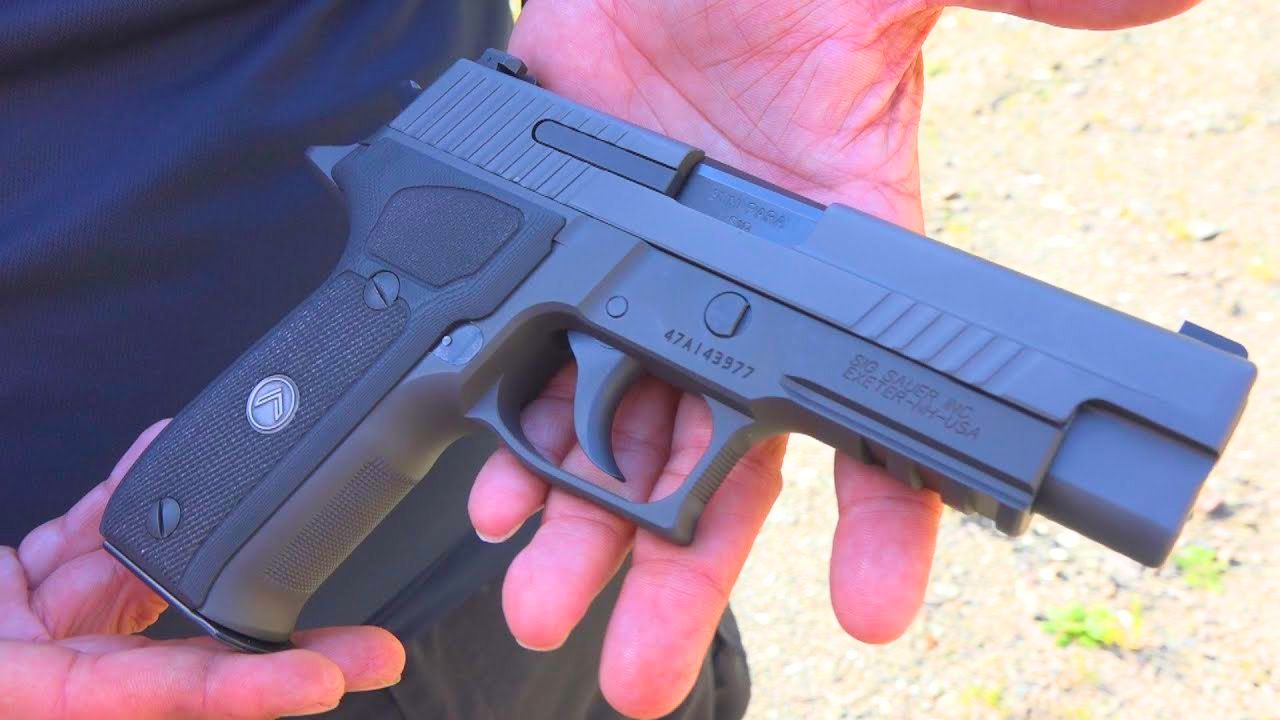
The P226 built its following through service, training, and the kind of performance that shooters did not forget once they experienced it. It felt substantial, shot smoothly, and gave owners the sense that they were holding a serious pistol built for serious use. That mattered in an era when people learned about guns more through use and word of mouth than through nonstop digital exposure.
Its following grew because the pistol made believers out of people who spent real time with it. The size helped it shoot flat, the controls became second nature, and the overall reliability created real trust. Shooters stayed with it because it kept rewarding them. The P226 was not internet famous first. It was range famous, duty famous, and shooter famous long before that kind of distinction got blurred.
Colt Python

The Python earned its following through more than looks, though the looks certainly did not hurt it. Shooters respected the finish, the feel, and the smooth double-action pull, but they also respected what the revolver represented. It was a premium revolver in an era when people still judged that kind of thing by handling and shooting, not by clout. When a shooter spent time with a good Python, the appeal tended to explain itself.
Its following grew because it delivered a combination people did not forget. It had real shootability, real presence, and the kind of craftsmanship owners noticed every time they opened the case or touched off a cylinder. It was admired because it felt special, but it was kept because it still shot like a serious revolver. That is an important difference, and it is why the following started before the internet began inflating everything.
CZ 75

The CZ 75 earned its following before the internet because it felt like one of those pistols shooters discovered and then told other shooters about directly. The grip shape, the low slide profile, and the way the gun settled in recoil made it very easy to like once it got into the right hands. It did not always have the loudest profile in every market, but the people who actually used them knew what they had.
That helped create a following with real depth. The pistol shot softly, pointed naturally, and had enough character to stand apart from more ordinary service pistols. Owners became loyal because the gun often made them shoot better than they expected, and that creates a bond pretty quickly. The CZ 75 did not need internet culture to become respected. It needed shooters, time, and enough exposure for word to spread the old-fashioned way.
Heckler & Koch USP

The USP earned its following because it arrived as a hard-use pistol and behaved like one. Shooters who wanted durability, reliability, and a sense that the gun could take more abuse than they ever planned to dish out found exactly that. The pistol did not build its following through charm. It built it through toughness, dependability, and the confidence that came from owning something that felt engineered for real service.
That mattered a lot before every launch came wrapped in a social campaign. Owners learned the USP by shooting it and carrying it, not by seeing it praised a thousand times online first. Once they did, many stayed with it because the gun kept doing what it promised. It was not there to flatter anybody. It was there to work, and that is exactly how some of the strongest followings get built.
Ruger Mark II
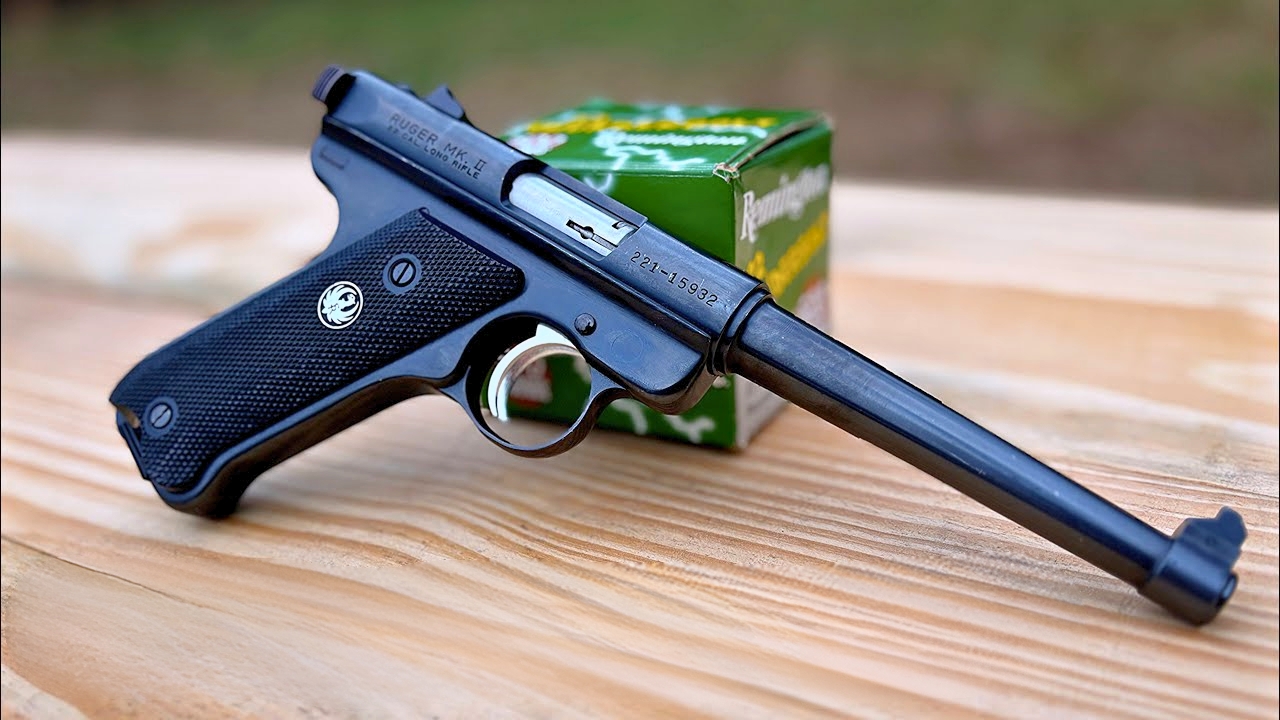
The Ruger Mark II earned its following because it became part of people’s actual shooting lives. It was the pistol they learned on, the rimfire they kept in the range bag, the gun they used to sharpen fundamentals, and the one they trusted to keep running without much fuss. That kind of following grows from repetition, not hype. When a handgun keeps showing up in meaningful shooting moments, people get loyal to it very quickly.
Its reputation was built through usefulness across generations. Experienced shooters respected it, new shooters benefited from it, and owners kept them because they were accurate, dependable, and easy to justify having around forever. The Mark II did not need anybody to call it underrated or iconic. It earned its following simply by being one of the handguns people shot enough to truly know.
Like The Avid Outdoorsman’s content? Subscribe to our newsletter so you never miss an article.
Here’s more from us: