Photo credit: Walnut and Steel/YouTube
Some collector guns climb slowly, giving people years to notice the trend and talk themselves into buying one before the market gets stupid. Others do something much meaner. They sit around for years as “maybe someday” guns, the kind people admire without urgency, and then almost all at once they stop being affordable. One day they are shop curiosities, estate-sale sleepers, or the gun-show piece you walk past because the price feels just high enough to make you wait. Then suddenly that old price looks like a gift.
That is what makes these guns so painful in hindsight. Most of them did not become desirable out of nowhere. They always had something going for them. Quality, history, scarcity, unusual design, or just enough character to matter once buyers finally woke up. The problem is that the market does not always reward those things slowly. Sometimes it wakes up in a hurry, and the guns people used to call bargains are suddenly sitting in cases with tags nobody feels good about paying.
Colt 1908 Vest Pocket

The Colt 1908 Vest Pocket spent a long time in that dangerous little category of collectible handguns people liked without fearing they had to buy right now. It had old Colt charm, sure, and it was a neat piece of early automatic-pistol history, but for years it still felt like something you could track down later without much pain. A lot of buyers treated it as a classy old pocket gun rather than a serious market mover.
That attitude did not hold up. Once more collectors started appreciating small early Colts for what they were, the Vest Pocket quit looking like a modestly priced antique and started looking like one of those guns that had quietly slipped beyond easy reach. What changed was not the gun. It was the market finally realizing that a well-made, early Colt with this much history was never supposed to stay cheap forever.
Smith & Wesson Model 52
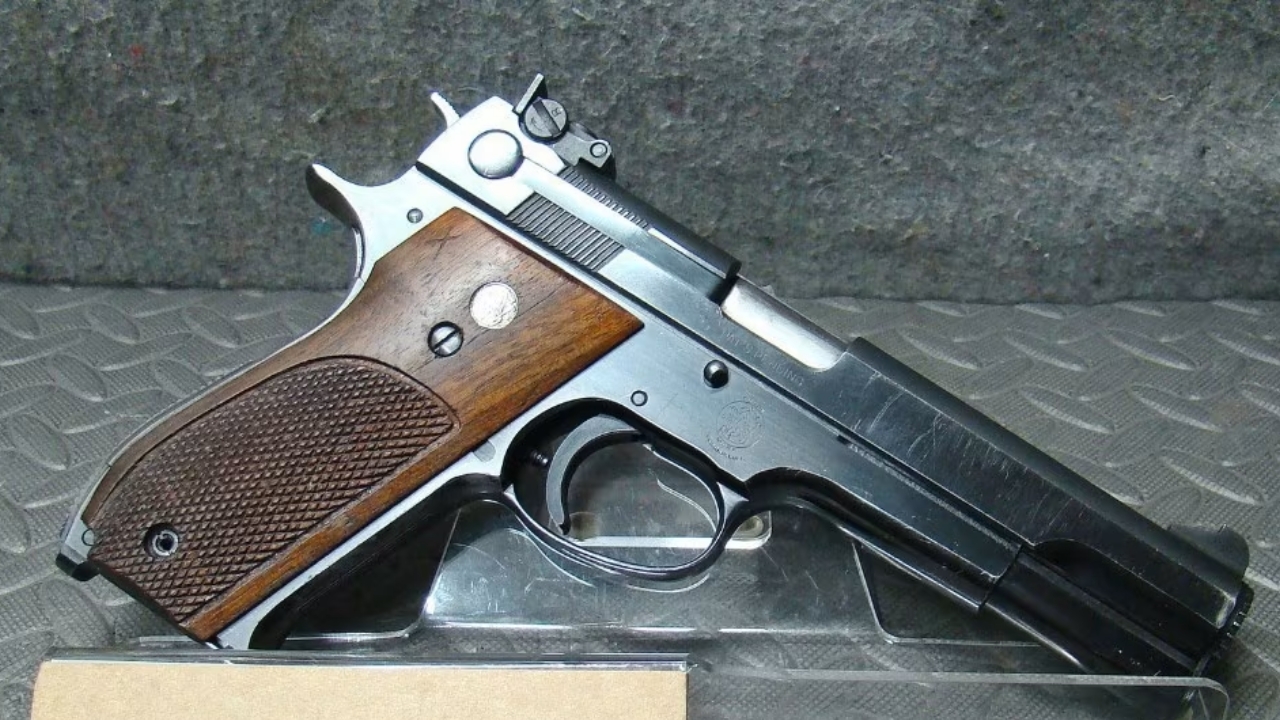
The Model 52 used to sit in plain view as one of those pistols many shooters respected but not enough actually chased. It had target-gun credibility and a cult following, but it also lived in a lane that felt specialized enough to keep casual buyers from panicking. For a while, that made it feel like a patient man’s collectible. If you wanted one, there would probably be another.
Then collectors and serious handgun people tightened up around it. The Model 52 had too much quality and too distinct a purpose to stay a soft-market sleeper once buyers started valuing old-school precision pistols more aggressively. Suddenly a gun people once thought of as a niche paper-puncher became exactly the sort of scarce, beautifully made Smith that looked underpriced only in hindsight.
Remington Rand M1911A1

There was a time when a Remington Rand M1911A1 could still be treated like the more obtainable military 1911. It had clear appeal, but some collectors still saved their deepest admiration for other wartime names, which kept Remington Rand examples feeling relatively reachable. That reachability fooled a lot of people into waiting longer than they should have.
Then the whole U.S. military 1911 market tightened hard. Once originality, condition, and honest wartime history started pulling stronger money, the Remington Rand stopped looking like the practical collector’s compromise and started looking like a real-deal prize. That shift came fast enough to hurt. Buyers who once thought they were being patient discovered they were simply being late.
Browning SA-22 Belgian-made

The Belgian SA-22 used to be one of those elegant rifles buyers admired without always assigning much urgency to. It was clearly nice, clearly well made, and clearly more refined than a lot of basic rimfires, but it also felt like the sort of rifle that would always be floating around in enough numbers to keep prices sane. That assumption aged badly.
Once collectors leaned harder into older Belgian Brownings, the SA-22’s combination of quality, compact handling, and old-world rimfire appeal got much more expensive to enjoy. It stopped being the “nice old Browning .22” you could probably circle back to later and became one of those rifles that made earlier price tags look almost silly. The market decided in a hurry that charming little Belgian semiautos were not supposed to stay bargain territory.
Ruger Old Army
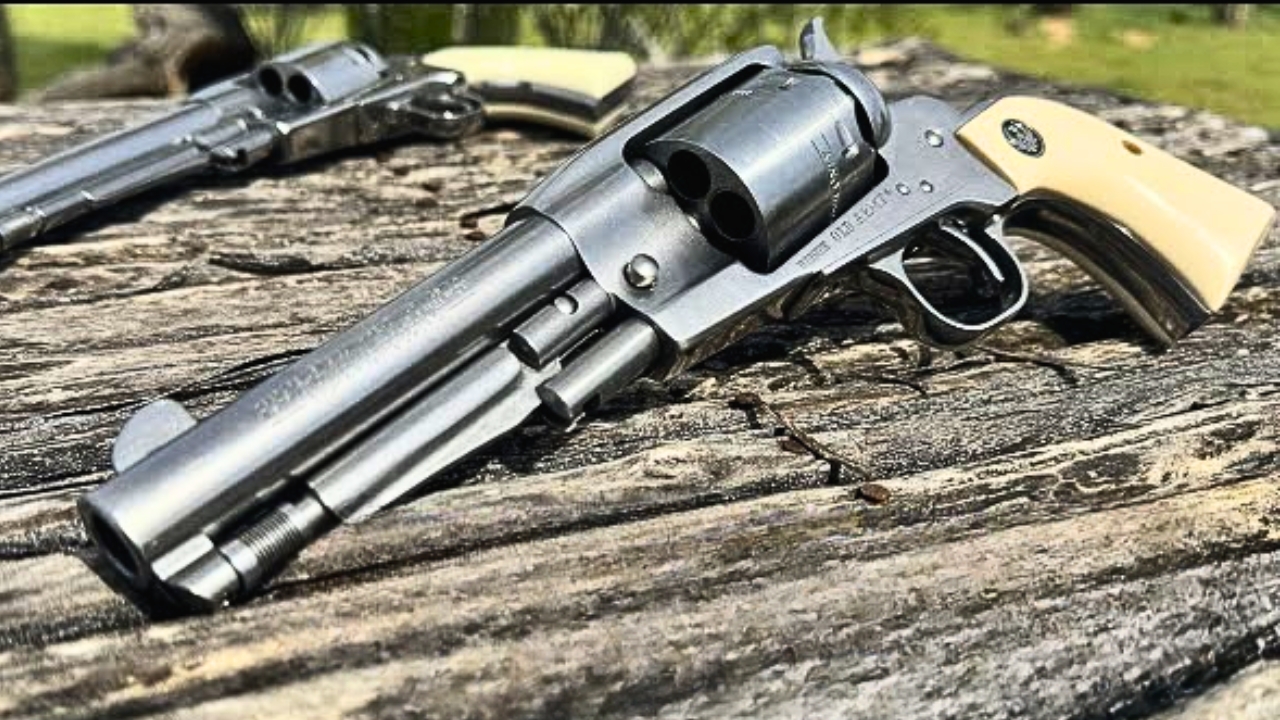
For years, the Ruger Old Army sat in a weird pocket of the gun world where black-powder guns were easy for many modern buyers to underrate. Even shooters who respected Ruger quality often treated the Old Army like a specialty piece they could always get into later if they ever got serious about percussion revolvers. That kept prices calmer than they had any right to be.
Then the market remembered two things at once: it was discontinued, and it was a Ruger built far better than casual buyers had been giving it credit for. That was enough. Once the collector crowd and the Ruger crowd started overlapping harder, the Old Army stopped feeling like a curious side road and started looking like a major missed buy. Prices moved like the market had finally realized it had slept through a good thing.
Winchester Model 61
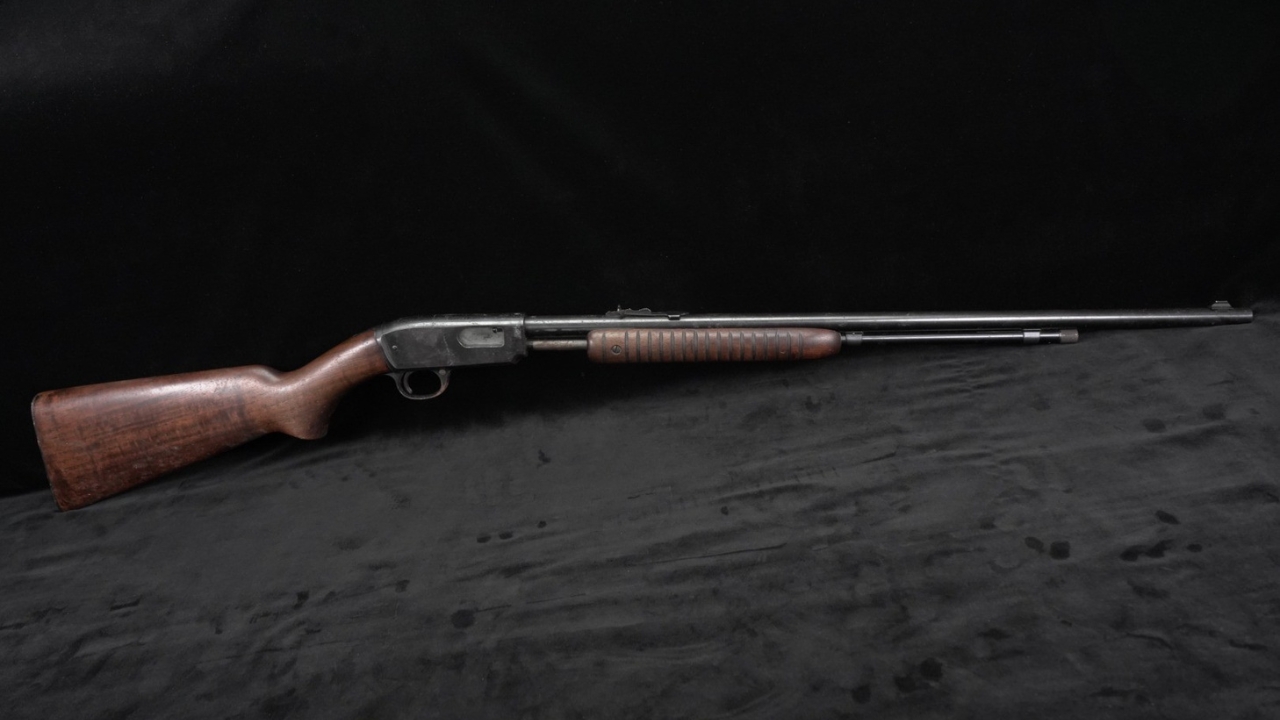
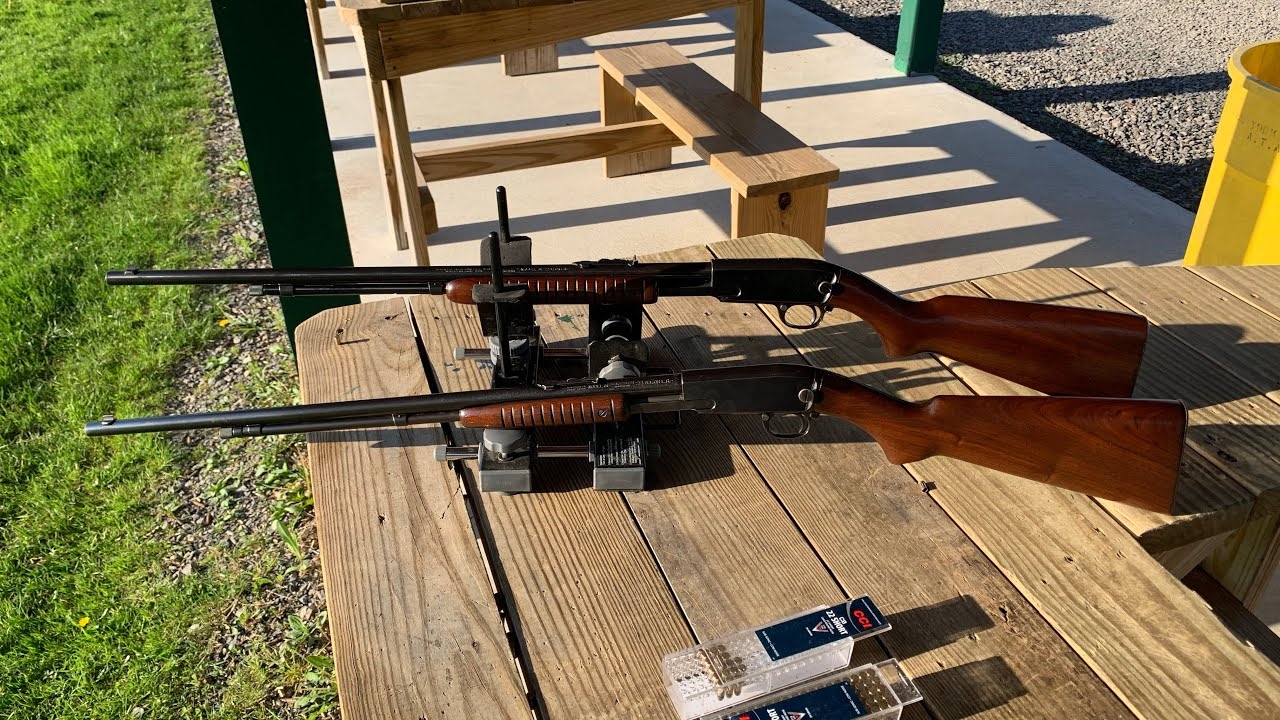
The Model 61 has always had admirers, but there was a long stretch when it still felt like a collector-grade pump .22 you could get into without suffering too much. It was respected, yes, but the market did not always treat it with the same urgency it now commands. Plenty of buyers saw them, liked them, and assumed one in similar shape would show up again soon enough.
That confidence vanished once more collectors started chasing high-condition rimfires with real mechanical charm. The Model 61 had exactly the traits that get expensive once nostalgia and quality combine: slick handling, deep Winchester appeal, and genuine usefulness beyond simple display value. One day it was a nice old pump .22. The next it was a collectible people were chasing with very different energy.
Walther PP Super
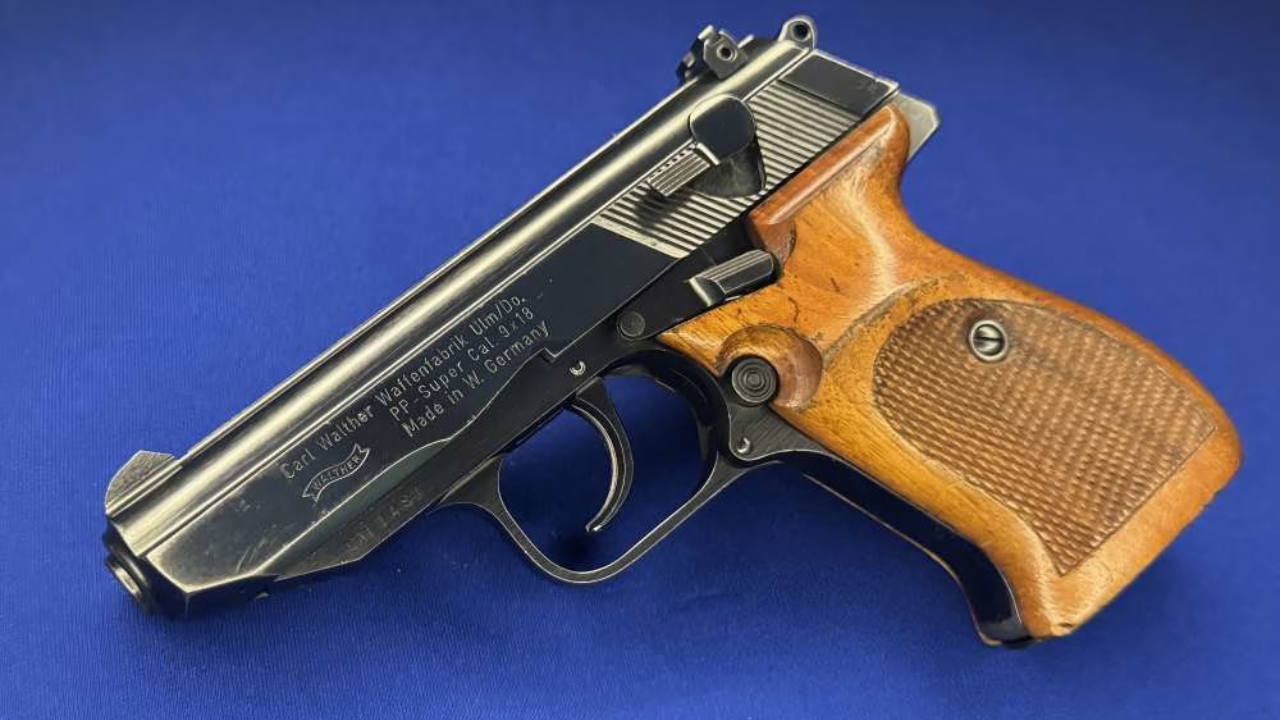
The PP Super spent years hiding in plain sight because it looked like one of those oddball Walthers only serious enthusiasts would bother learning about. That actually kept it affordable longer than it should have been. Buyers who did not know what they were looking at often passed, and buyers who did know still had the luxury of acting like another one would turn up.
That luxury disappeared once the market started getting more serious about unusual classic Walthers. The PP Super had rarity, interesting design, and enough legitimate collector appeal to make its old prices look strangely gentle once demand woke up. It never needed to become mainstream famous. It only needed enough people to realize it was not common, and once that happened the bargain phase ended in a hurry.
Savage 99 in .250-3000
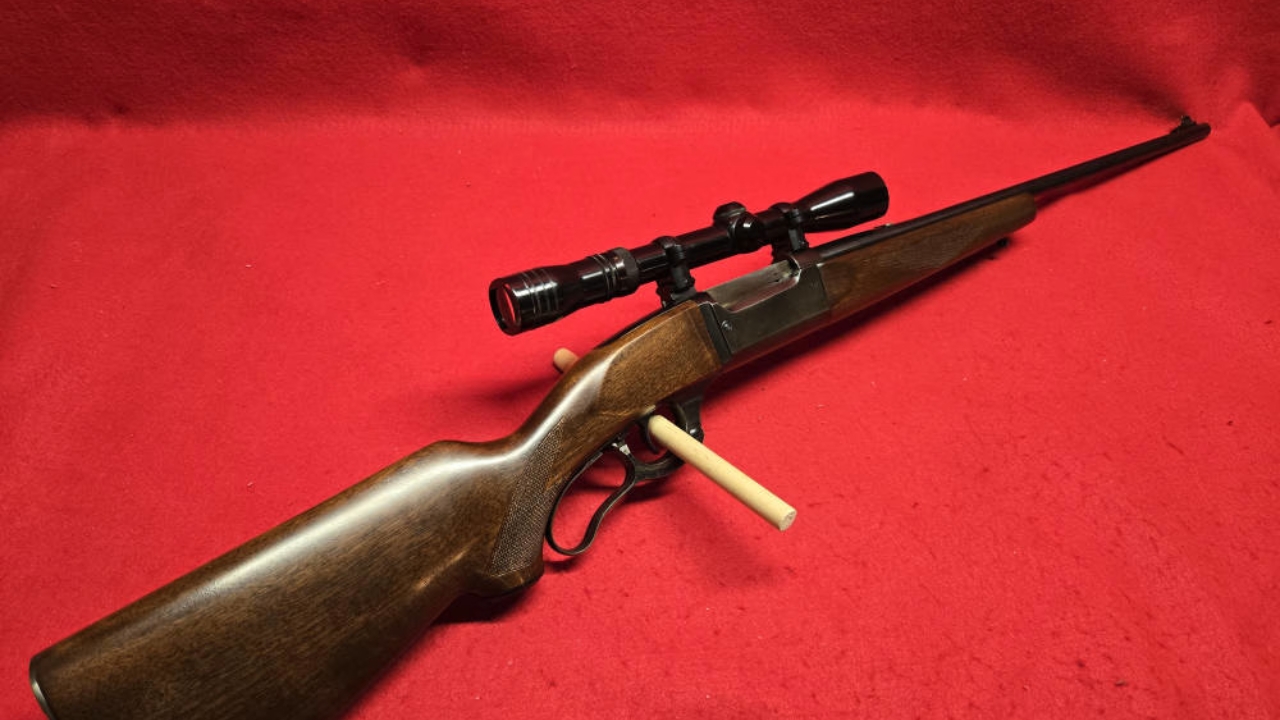
A Savage 99 in .250-3000 used to be the kind of rifle smart collectors would nod at while still pretending there was no rush. It was desirable, sure, but the market did not always punish hesitation immediately. That made it easy for buyers to convince themselves they were being patient rather than missing their window.
Then the old lever-rifle market got a lot less forgiving. The 99 already had the reputation, but certain chamberings and cleaner rifles started moving harder once collectors stopped looking at them as simply old deer rifles and started treating them like distinctly important sporting arms. The .250-3000 chambering added just enough desirability to turn former “someday” money into “you should have bought it when you saw it” money almost overnight.
Colt Officers Model Match
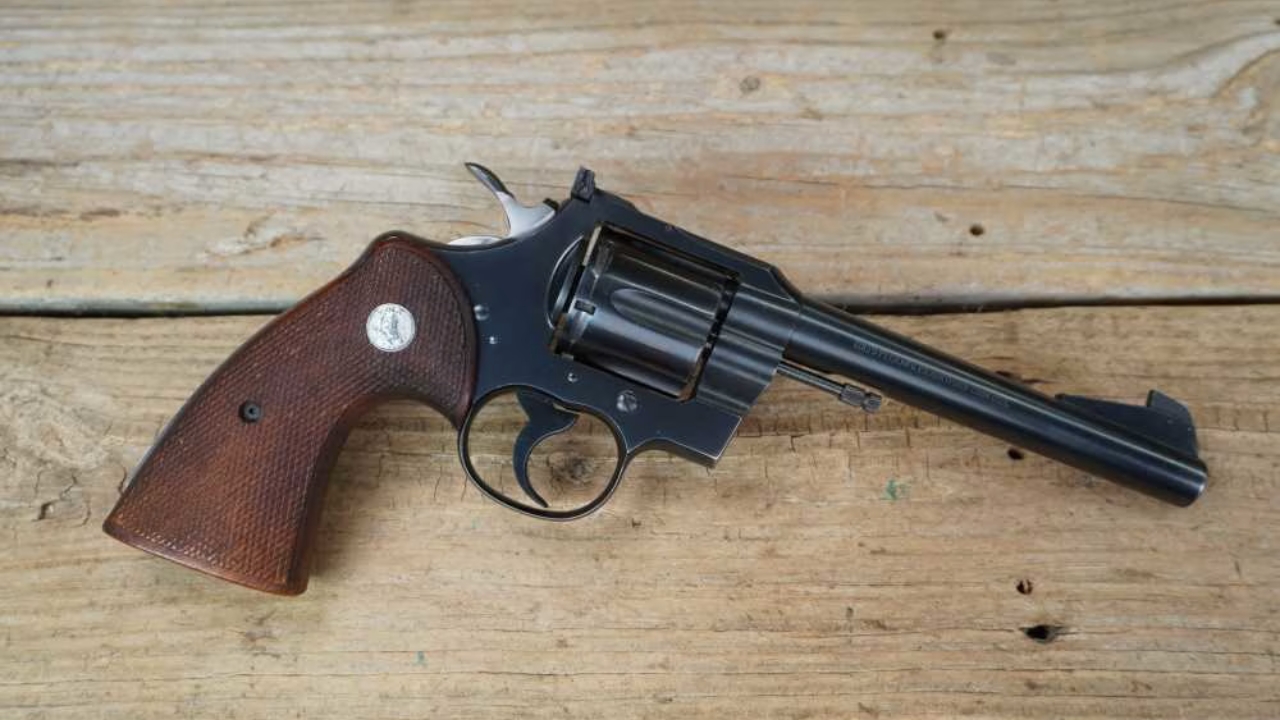
The Officers Model Match once lived in the kind of collector lane that often stays reasonable longer than expected. It was clearly a fine revolver, but for a while it still felt like one of those classic Colts many buyers appreciated without full-blown panic. It had target-shooter appeal, older Colt quality, and enough class to matter, yet it remained obtainable enough to encourage procrastination.
That procrastination got expensive fast once more collectors started taking older Colt target revolvers seriously again. The Officers Model Match had too much craftsmanship, too much name value, and too much old-school revolver appeal to remain a bargain forever. What changed was not public taste in some random way. It was collectors finally deciding that classic Colt target guns deserved to be priced like classic Colts.
FN Trombone
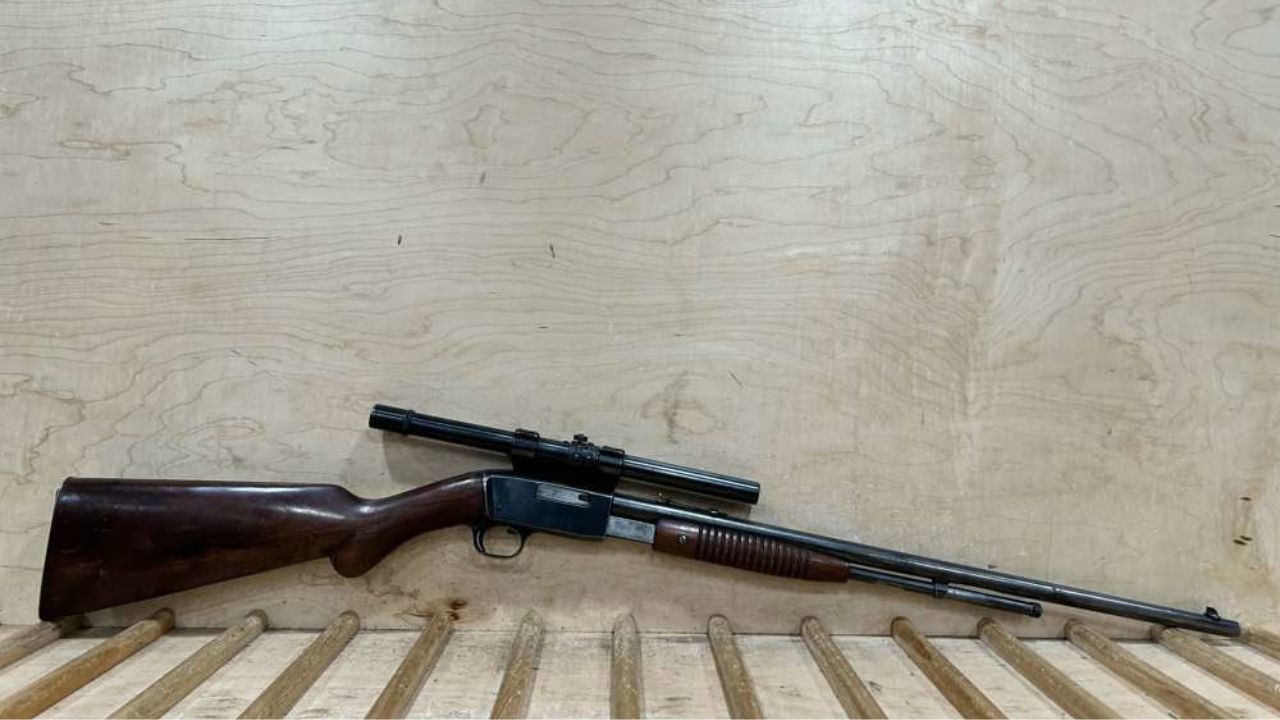
The FN Trombone was easy to underestimate because pump-action .22s as a category often get loved quietly before they get loved expensively. The rifle had quality and charm, but for a long time it still felt like the sort of European rimfire a patient buyer could hunt down later without entering a bloodbath. That made it easier to admire than to pounce on.
Then the market tightened around older FN sporting rifles and the Trombone’s reputation got louder. Once collectors realized how nicely made they were and how much personality they brought to the table, the bargain image vanished. Clean examples especially stopped being soft buys and became one of those collector rimfires people suddenly talked about like they had always known better.
Smith & Wesson Model 39-2
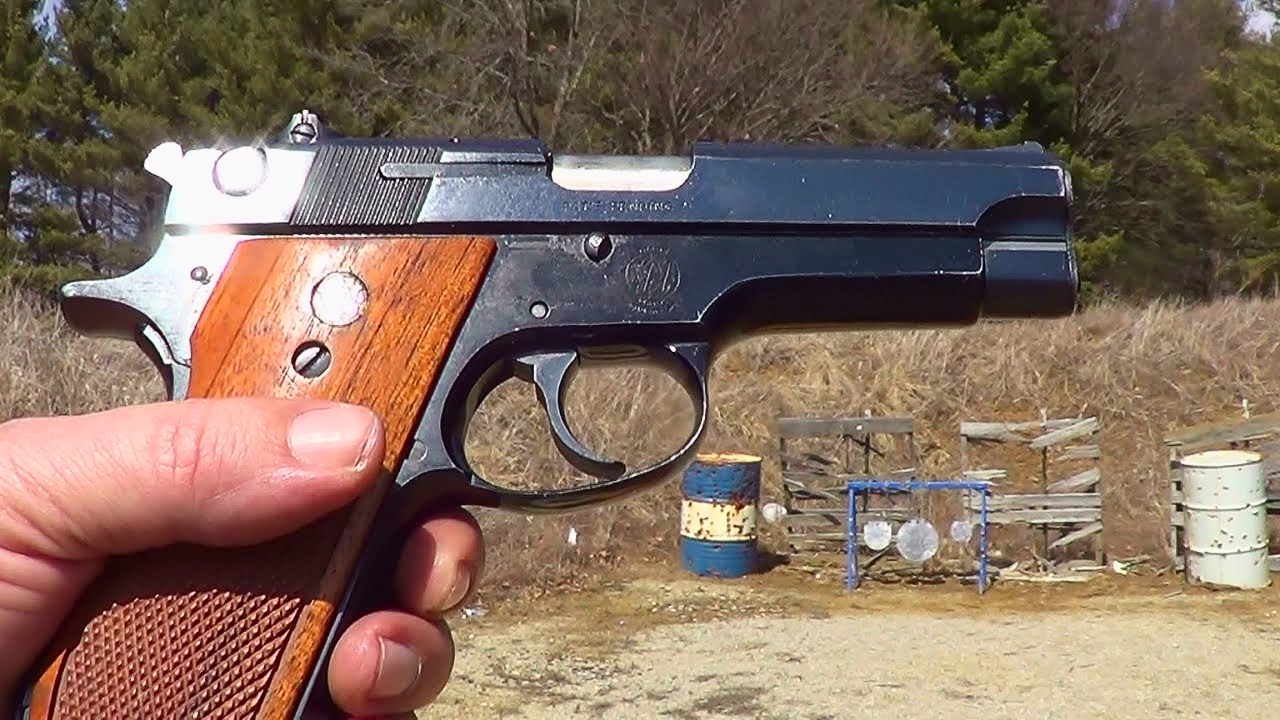
The Model 39-2 used to be a classic auto with just enough mainstream familiarity to keep it from feeling urgent. Buyers respected it as an early American double-action 9mm, but many still treated it like one more older Smith auto that would remain available if they ever got serious later. That made it an easy gun to put off.
Then older metal-frame autos became a much hotter corner of the market. Once people started chasing these pistols for their history, styling, and shootability, the Model 39-2 stopped being the “nice old Smith auto” and started becoming a real collector handgun. The shift felt sudden because buyers had spent so long assuming these were safe to wait on. They were not.
Winchester 52 Sporter
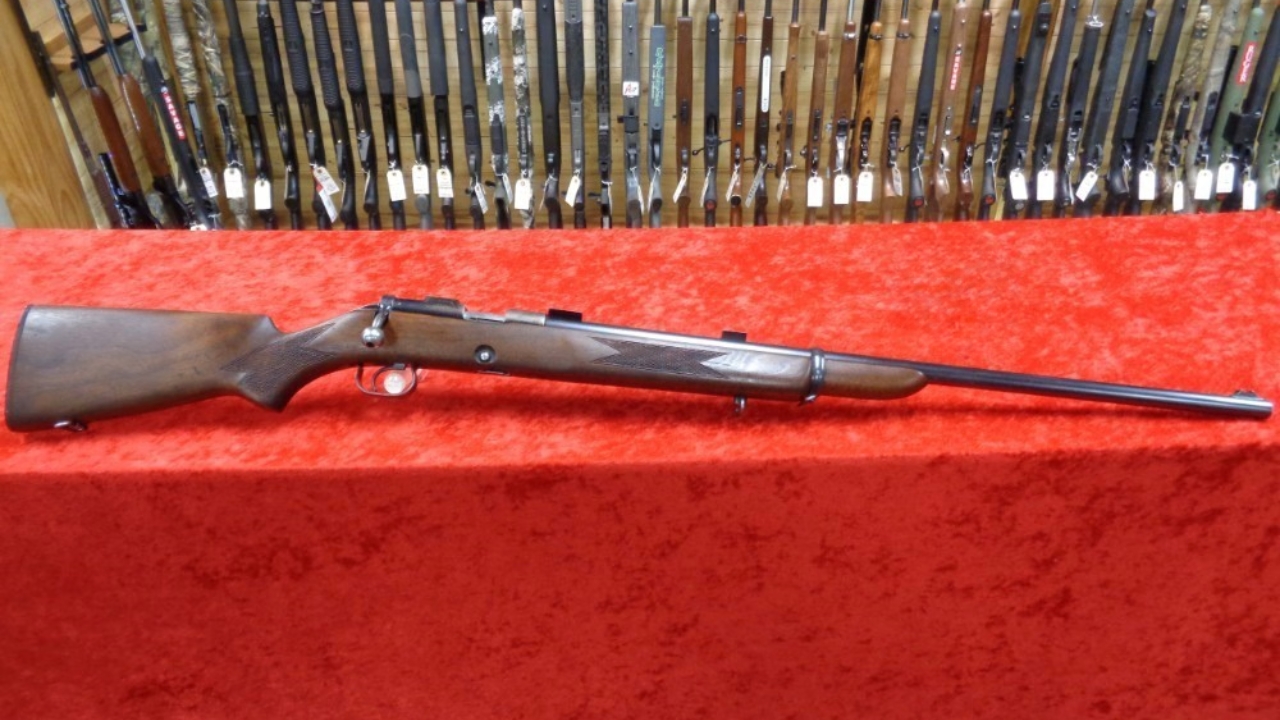
The Winchester 52 Sporter was never exactly unknown, but there was a stretch when even very nice examples still felt like expensive rimfires rather than the sort of thing normal buyers had to treat like a once-in-a-while chance. That was enough for a lot of people to hesitate. Rimfires, no matter how elegant, still triggered that old reflex in buyers who thought there would always be another.
Then the collector market stopped treating them like “just rimfires.” The 52 Sporter had too much pedigree, too much quality, and too strong a place in American sporting-rifle history for that to last forever. Once collectors turned up the heat, the prices seemed to jump straight past reasonable. A lot of people who once thought they were wisely waiting learned they had been standing around while the ladder got pulled up.
Beretta 70 Series
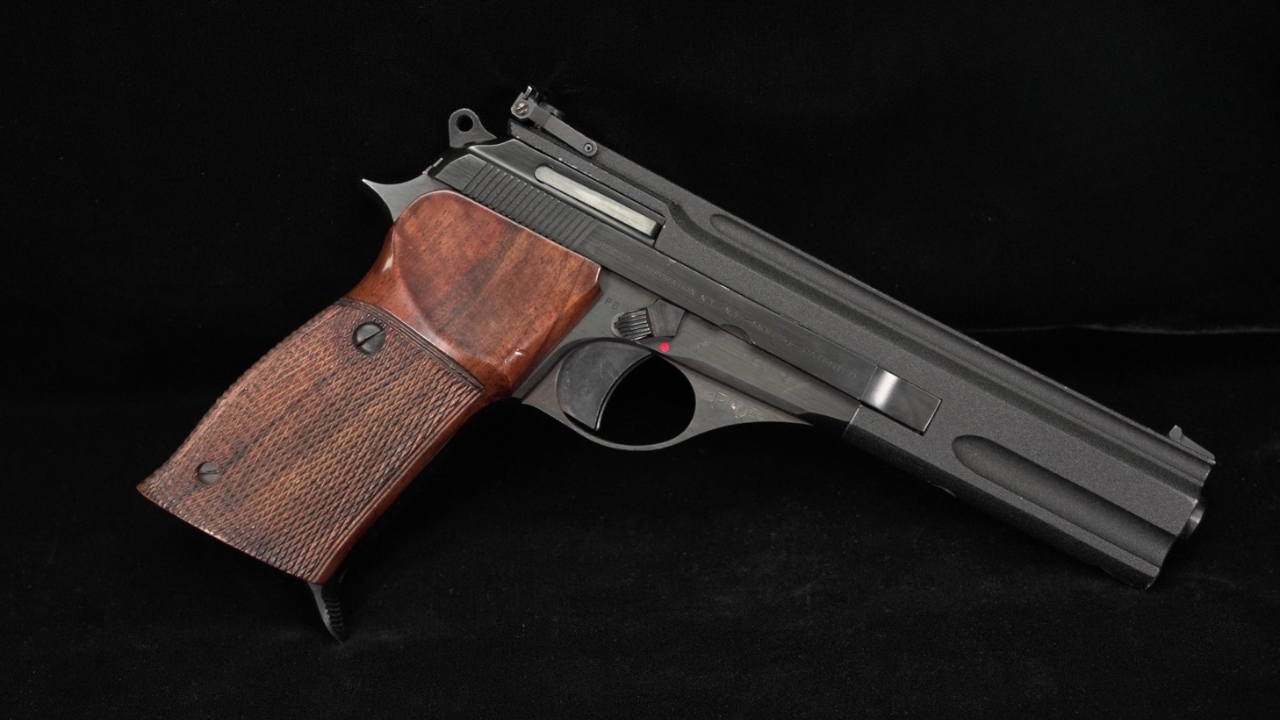
The Beretta 70 Series spent a long time being one of those pistols enthusiasts liked more than the broader market did. That helped keep them surprisingly reasonable for years. They had style, real Beretta quality, and enough European cool to matter, but they were still easy for casual buyers to dismiss as old little autos from a category they were not watching closely.
That changed once collectors started craving older all-metal Berettas with real character. The 70 Series suddenly looked a lot more special than its old prices suggested. The same pistols people once passed over in favor of more obvious names became exactly the kind of slim, elegant collector pieces buyers now wish they had scooped up when they were merely “kind of pricey” instead of flat-out annoying.
Marlin 1893

The Marlin 1893 used to sit in the long shadow of other lever-action names and models, which kept it more attainable than many buyers expected. It had obvious appeal to people who knew old Marlins, but a lot of collectors still treated it like something they could get around to after they checked off more famous rifles first. That bought people some time.
Then not much time was left. Once antique lever guns got hotter and collectors began reaching deeper into the Marlin family tree, the 1893 stopped looking like the affordable old lever rifle for patient buyers and started looking like one of the cleaner paths into a fast-moving market. That kind of transition always feels sudden if you are the one who waited a little too long.
High Standard Supermatic Trophy

The Supermatic Trophy used to be respected in the way many target pistols are respected: sincerely, but without enough urgency to make people open their wallets immediately. It was a fine gun, but for years it still felt like the kind of classic target pistol a buyer could track down later once he felt like becoming more serious about that corner of collecting.
Then the better examples started drying up and the people who understood High Standard quality got more aggressive. The Supermatic Trophy had all the ingredients of a fast-rising collector piece: performance history, distinct styling, and real old-school American target-gun credibility. Once enough buyers started caring at the same time, the bargain period ended quickly and with very little mercy.
Colt Single Action Army 2nd Generation
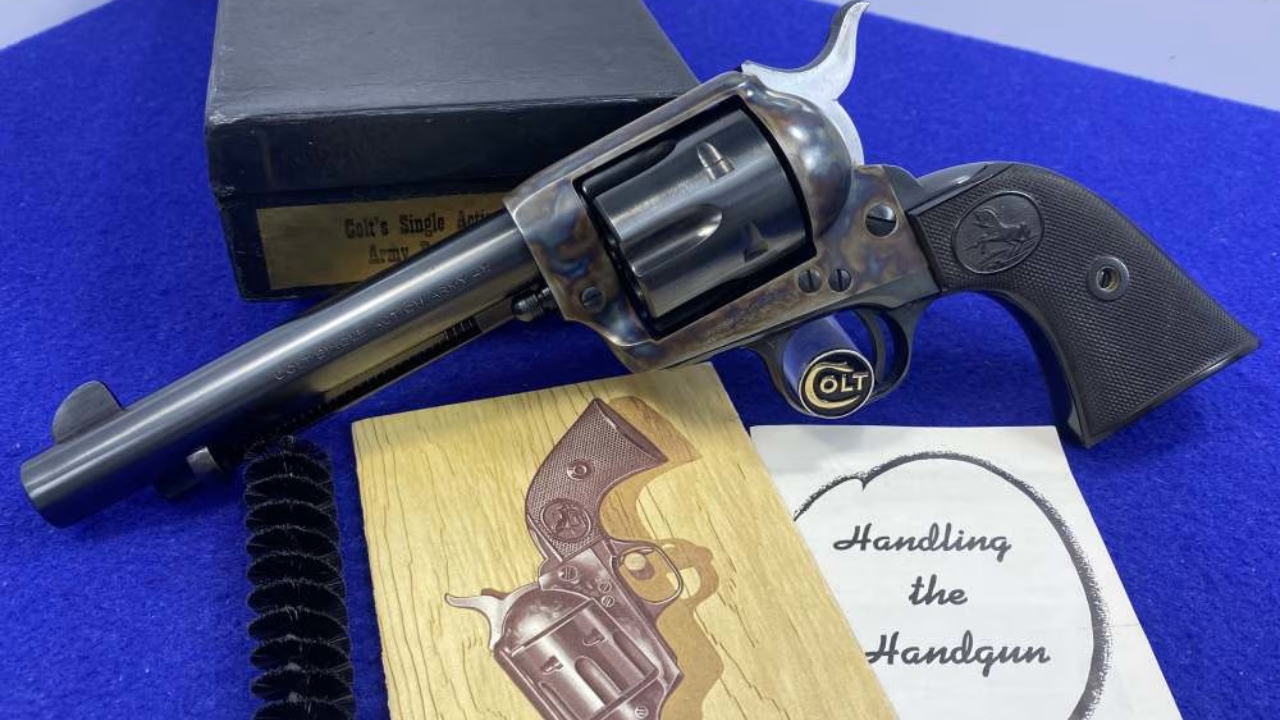
For a while, 2nd Generation Single Action Army revolvers sat in a strange middle ground. They were clearly desirable, but they also lived between the untouchable aura of 1st Generation guns and the broader production reality that let some buyers talk themselves into waiting. That made them feel expensive, but not yet panicky.
That middle ground did not last. Once collectors and Colt buyers tightened their focus, 2nd Generation guns stopped looking like the practical way into Single Action Army ownership and started looking like one more Colt category that had broken loose. Prices jumped hard enough that a lot of people still talk about them like they were bargains right up until the week they were not.
Like The Avid Outdoorsman’s content? Subscribe to our newsletter so you never miss an article.
Here’s more from us: