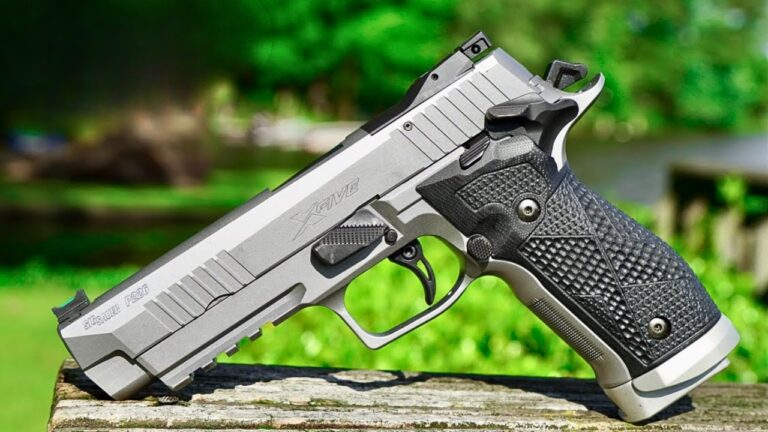
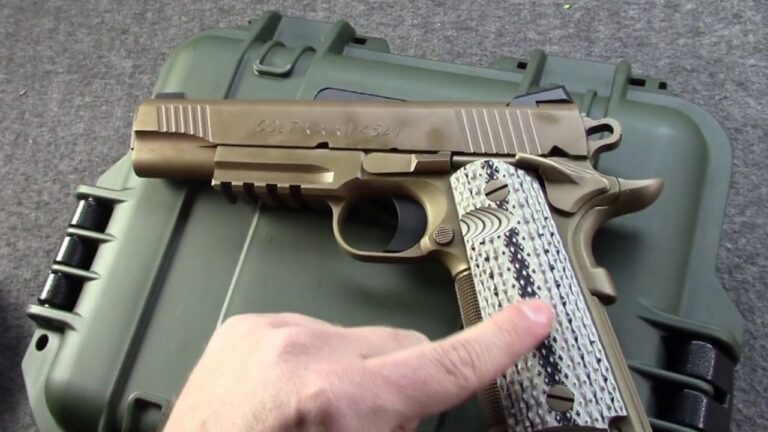
Photo credit: GunBox Therapy/YouTube
If a handgun is chewing recoil springs early, it’s usually a sign of high slide velocity, a short spring system, hot ammo, or a platform that’s operating close to the edge. Small guns and high-pressure calibers are the usual suspects. Some pistols are also more sensitive to being run dry or dirty, which increases friction and speeds up wear. And sometimes the owner runs a steady diet of +P or hotter-than-needed loads and wonders why springs don’t last.
Here are 15 handguns that have a reputation for going through recoil springs faster than people expect (or at least needing spring maintenance more often than a “set it and forget it” gun).
Glock 27 (.40 S&W)

The G27 has a short slide and .40 pressure, which can mean high slide speed depending on ammo. That’s tough on recoil spring assemblies over time. You can run them hard, but if you’re doing lots of practice, you’ll learn pretty quickly that keeping up with spring maintenance matters.
When the spring starts to go, the gun can feel “different”—more snappy, more brass thrown farther, sometimes more erratic ejection. It’s not mysterious. It’s a compact .40 doing compact .40 things. The fix is simple: replace springs on a sensible schedule if you actually shoot the gun a lot.
Glock 29 (10mm)

Compact 10mm pistols are spring-eaters by nature because slide velocity can get wild with full-power loads. If you run hot 10mm regularly, you’re putting real stress on the spring system. Some owners run heavier springs to tame it, but then you’re balancing reliability across different loads.
If you own a G29 and shoot it often, treat recoil springs like maintenance items, not lifetime parts. When the spring weakens, you’ll see more battering and feel more abrupt cycling. Springs are cheaper than problems.
Glock 30 (and 30S) (.45 ACP)

The G30 is stout, but compact .45s still cycle harder than most people expect. The spring system does a lot of work. Many owners don’t notice because the gun still runs—until the recoil spring gets tired and the pistol starts feeling rougher or ejection changes.
It’s not that the G30 is fragile. It’s that the spring is the sacrificial part doing its job. If you actually train with it, replacing springs occasionally is normal. Guys who never shoot their carry guns don’t learn that. Guys who shoot a lot do.
SIG Sauer P365 (micro 9 class)

Micro 9s like the P365 have short slides and strong springs working hard. They’re compact systems operating with less margin than larger pistols. That doesn’t mean they’re unreliable. It means springs matter more, and heavy use can shorten spring life compared to a full-size gun.
If you carry and train with a P365, don’t be shocked if you end up doing recoil spring maintenance sooner than you would on a duty-size pistol. The gun is doing a lot in a small package. Keeping it running means staying ahead of wear items.
Springfield Hellcat (micro 9 class)
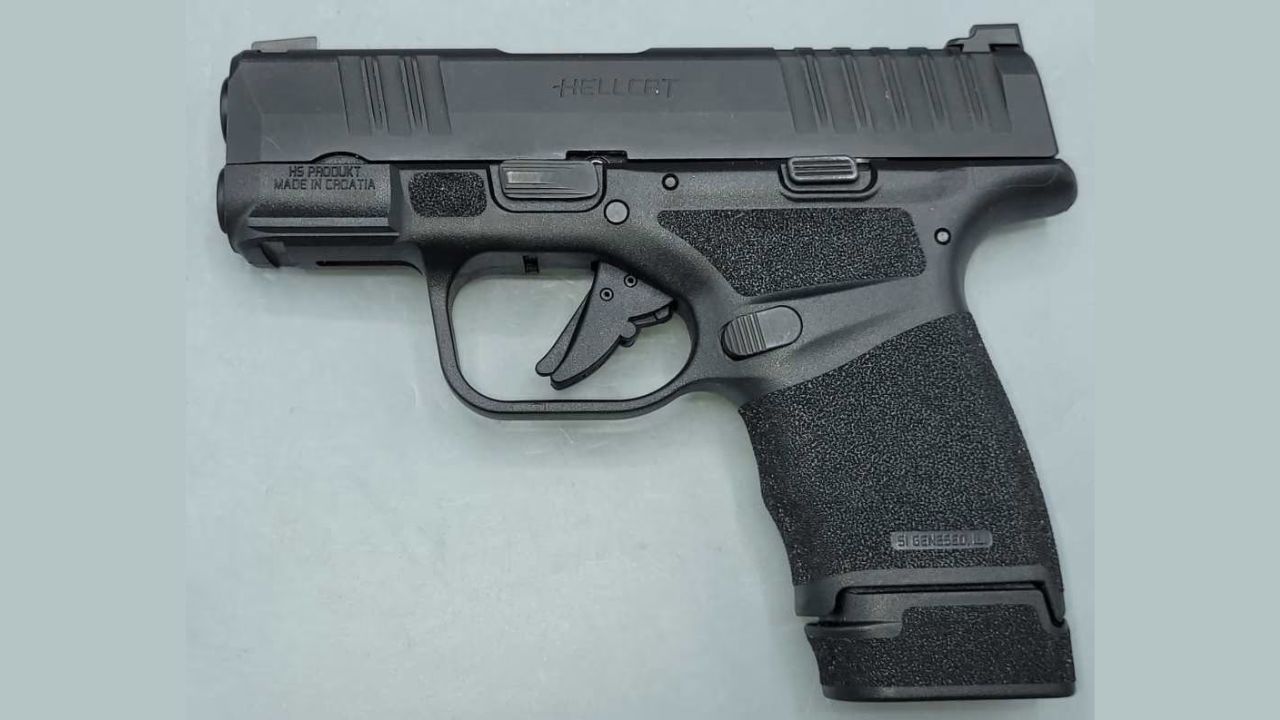
Same reality as the P365: short system, high slide speed, spring doing heavy work. Hellcats get shot, carried, linted up, and run hard. Springs take the beating. Many shooters don’t notice until they start getting subtle changes in ejection or recoil feel.
If you’re a high-round-count shooter on a micro 9, budget for springs. That’s not a knock. That’s simply what happens when the design goal is “as small as possible while still being 9mm.”
Kahr PM40
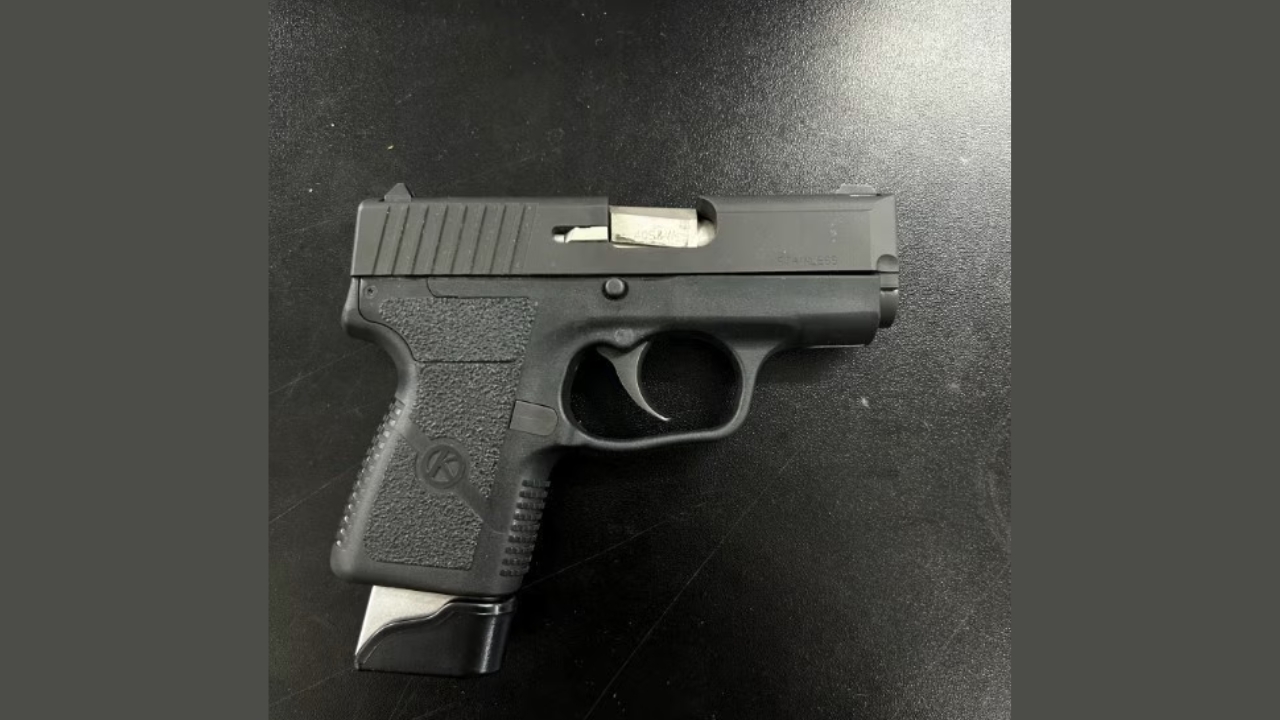
Small .40s tend to be spring-hungry. The PM40’s compact size and .40 recoil impulse can be hard on the spring system, and Kahr owners often learn that spring condition plays a big role in how the gun behaves. When springs get tired, small guns get less forgiving.
If you’re running a PM40 seriously, keep recoil springs fresh. It can be a solid carry gun, but it’s not the kind of platform where you ignore wear items forever. Short guns want attention.
S&W M&P Shield .40

The Shield .40 is another “compact .40” example where recoil springs are doing real work. If you practice a lot, you’re going to notice that spring health affects how the gun feels and cycles. Some people never see it because they don’t shoot enough. People who actually run rounds through it do.
It’s not a dramatic failure mode most of the time—it’s gradual. The gun starts feeling more abrupt, ejection changes, and the slide feels less controlled. Swapping springs is cheap insurance.
Springfield XD-S .45

A slim, lighter .45 makes the recoil spring system earn its keep. XD-S pistols can be run reliably, but spring maintenance matters more than some shooters expect—especially if you’re shooting heavier loads or doing high volume.
When springs start getting tired, compact pistols can start acting “weird” without being outright broken. That’s when guys start chasing mags and ammo. Usually the recoil spring is the first thing to check.
Walther CCP

The CCP is a different design and has its own quirks, but one consistent theme with smaller pistols is that spring condition matters a lot. If the gun is running near the edge with certain ammo or cleanliness levels, a tired spring makes those edges sharper. Owners who shoot them regularly tend to pay more attention to spring maintenance.
The “candy” effect often shows up as the gun becoming more sensitive over time. That’s not always a catastrophic issue, but it’s a good reminder that springs aren’t lifetime parts.
Beretta Nano

The Nano is compact and has a stout recoil spring system, and spring health can matter more than shooters expect—especially if you’re shooting a steady diet of hotter loads. Compact 9s can be unforgiving once springs get tired, and some owners learn that the hard way when the gun starts feeling harsher or cycling changes.
If you run one hard, keep an eye on maintenance intervals. The Nano is built to be carried a lot and shot enough—not necessarily hammered with endless high-round-count sessions without spring upkeep.
Ruger SR9c (high use)

SR9c pistols can run a long time, but like any compact that sees real round counts, recoil springs become a maintenance item that shows up sooner than people expect. The “candy” vibe often comes from people assuming they’ll never touch a recoil spring on a carry gun. Then they shoot 3–5k rounds and wonder why the gun feels different.
If your carry gun is also your training gun, that’s a good thing. Just accept that springs are part of the cost of doing it right.
1911 Officer-size .45 (general category)
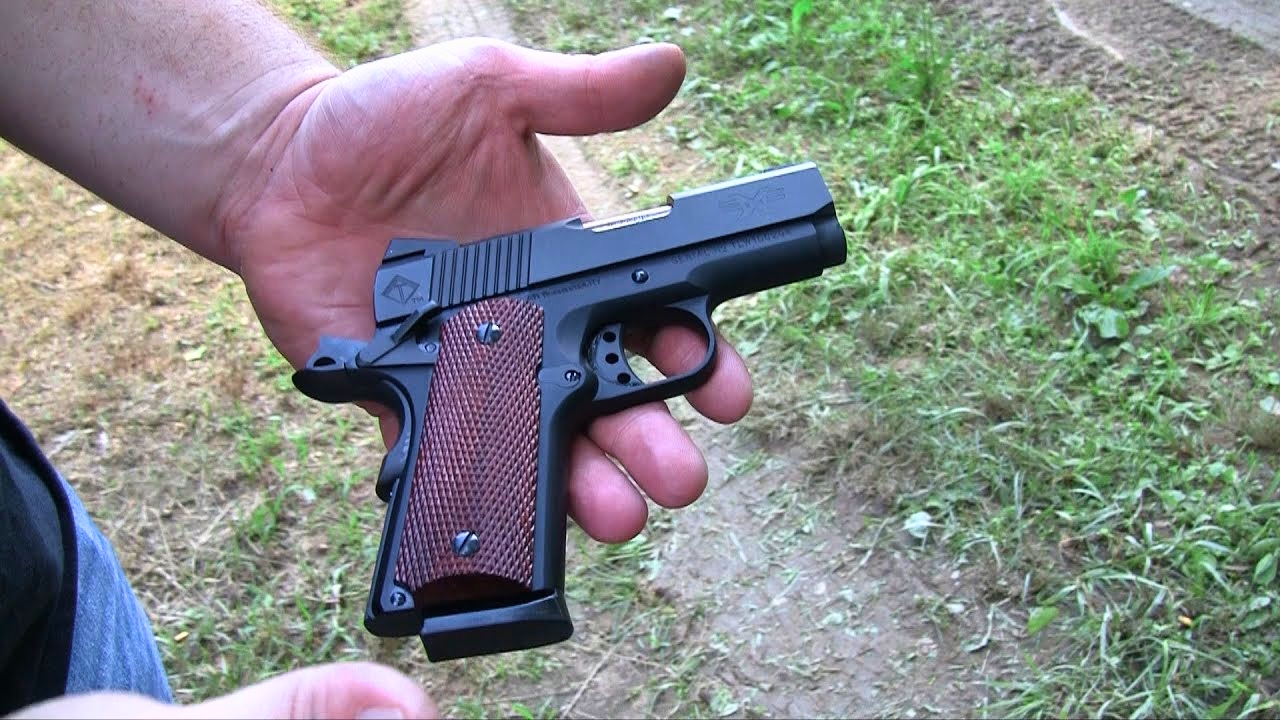
Short 1911s are famous for being harder on springs because the cycle is fast and timing margins are smaller. Recoil springs (and often other springs) become wear items that owners replace more often if they want the gun to stay consistent. A tired spring in a short 1911 can create reliability weirdness quickly.
If you’re running an Officer-size 1911 as a carry gun, spring maintenance isn’t optional. It’s part of the deal. Ignore it and the gun will eventually punish you with feeding or return-to-battery issues.
Colt Defender (.45)

The Defender is a prime example of the “short 1911 needs spring attention” rule. Many run great, but they tend to be more sensitive to spring health than full-size 1911s. If you stay on top of springs, they can be very dependable. If you don’t, problems show up sooner.
This is where reputations get mixed too: owners who maintain them swear by them, owners who don’t swear at them. Springs are cheap. Malfunctions aren’t.
Kimber Ultra Carry II (.45)

Same story as other short 1911s, plus Kimber variability. The Ultra Carry II’s recoil spring system is doing a lot of work in a small package, and spring condition is a big part of whether the gun keeps running well. If you shoot it a lot and carry it daily, staying ahead of spring replacement matters.
If you want a short 1911 to behave, treat springs like tires on a truck. You don’t wait for them to explode. You replace them because you like predictable performance.
Ruger LCR .357 (revolver, but spring/coil stress reality)

Revolvers aren’t “recoil spring” guns the same way, but lightweight magnum revolvers still chew up wear and stress components in their own way. If you run a lot of magnum through a light revolver, you can see issues like screws backing out, timing wear, and parts stress sooner than expected. It’s a different system, but the same lesson: high impulse + light platform = more maintenance.
If you’re running .357 hard in an LCR, check the gun, keep screws honest, and don’t pretend it’s a range toy. It’s a carry tool that can be practiced with, but constant full-power pounding will demand attention.
Like The Avid Outdoorsman’s content? Subscribe to our newsletter so you never miss an article.
Here’s more from us: