Photo credit: hrfunk/YouTube
On paper, some pistols should shoot easy. Mild caliber, good reputation, maybe even marketed as “comfortable” or “easy to control.” Then you shoot them and they’re snappier than expected, the recoil impulse is weird, or the gun just beats your hands more than it should. Most of the time, the issue isn’t raw “power.” It’s weight, grip shape, bore axis, springing, slide speed, and how the gun fits your hand.
Glock 43X

A 9mm single-stack-ish carry gun should be manageable, right? The 43X is very carryable, but it’s still light and slim, and that combo can feel sharp in recoil. The grip is long enough to feel controllable, but the gun doesn’t have much mass to soak up slide movement. A lot of shooters are surprised that it feels “snappier than it looks,” especially when they start shooting faster.
It’s also a pistol that exposes grip issues. If you don’t lock your support hand in and keep consistent pressure, it’ll jump more than you want. The 43X can absolutely be shot well, but it’s not the soft, lazy range gun people imagine when they hold it at the counter.
Springfield Hellcat

The Hellcat is a great example of “small gun, big performance” not automatically meaning “soft shooter.” It’s compact, light, and it runs a high slide speed. That recoil impulse can feel abrupt even with standard-pressure ammo. A lot of folks buy it because it carries easy and has great capacity, then they’re surprised it’s not as pleasant as slightly larger compacts.
The grip texture and shape can also make recoil feel harsher in the hand. Some shooters love it. Others feel like it slaps. If you expected “easy shooting because it’s 9mm,” the Hellcat is one of the guns that will teach you that size matters more than caliber on perceived recoil.
SIG Sauer P365

Same story as the Hellcat: micro-9s don’t shoot like mid-size pistols. The P365 is extremely popular because it carries so well, but plenty of shooters are surprised by how sharp it feels compared to a compact like a Glock 19-sized gun. It’s not punishing, but it’s not “soft” either—especially during longer practice sessions.
The recoil spring and slide timing on these small guns is doing a lot of work. That creates an impulse that can feel “quick and snappy,” even with mild loads. If you expected it to shoot like a larger pistol because it’s a “premium” gun, the range will reset that expectation pretty fast.
Ruger LCP Max

A .380 should be soft, right? Not in a pistol this small. The LCP Max is a great carry tool, but it’s light, thin, and doesn’t give you much to hold onto. That makes recoil feel sharper than people expect from .380. The gun also has a short sight radius and a lively bounce, which makes it feel more violent than the caliber suggests.
A lot of shooters can run a bigger .380 and think “this is easy.” Then they shoot the LCP Max and realize the platform is the bigger factor. It’s a pocket carry gun first, and a range gun second. If you want “soft,” you usually need more grip and more weight.
S&W Bodyguard 2.0 (.380)
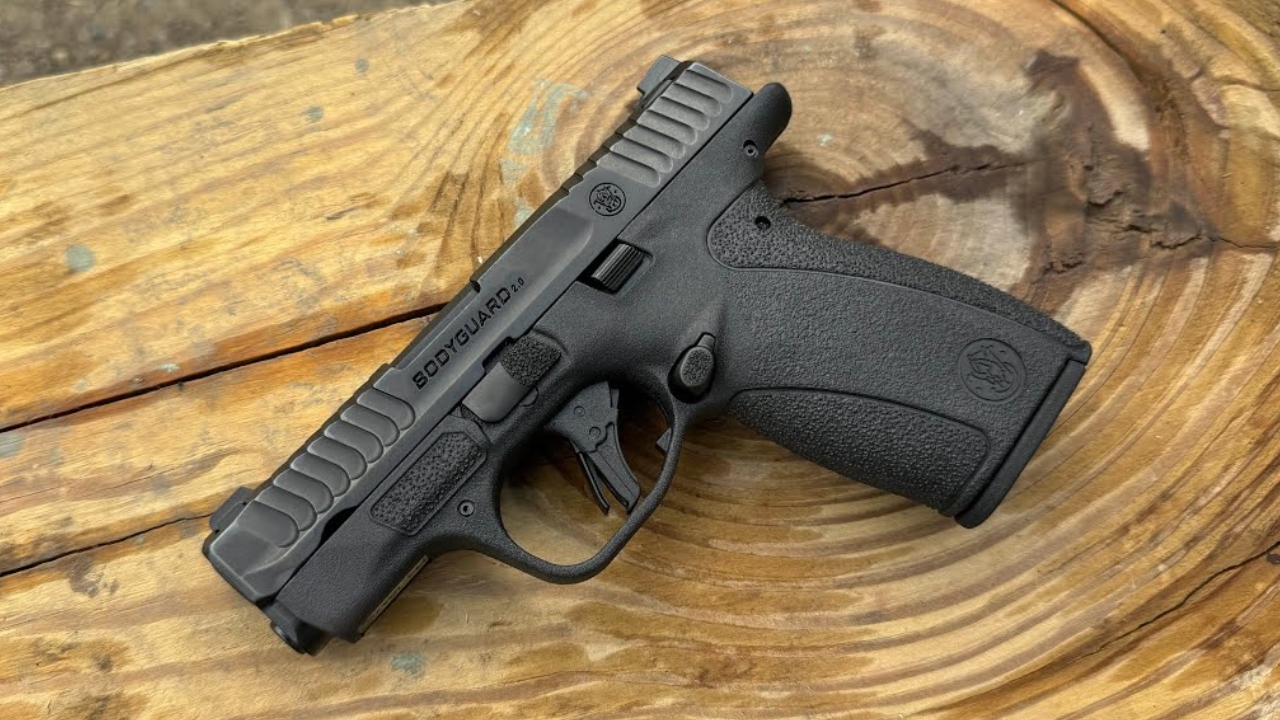
Small .380s get bought with the idea that they’ll be easy shooters, and then reality shows up. The Bodyguard style pistols are light, and their ergonomics can make recoil feel sharper in the web of the hand than people expect. Even if the recoil isn’t “heavy,” it can be uncomfortable, which makes it feel worse.
Also, many shooters don’t get a full, consistent grip on these micro frames. That inconsistency makes recoil feel unpredictable. If you expected a mild-shooting pocket pistol because it’s .380, this is a common platform that changes minds after a couple magazines.
Ruger Max-9

Max-9 is a sensible carry gun, but “sensible” doesn’t always mean “soft.” It’s still in that light, slim category, and recoil can feel sharper than expected with budget ball ammo. The gun is shootable, but plenty of people find it less pleasant than slightly bigger compacts with more grip and mass.
This is where expectations matter: if you compare it to a duty-size pistol, it’s going to feel snappier. If you compare it to other micro-9s, it might feel fine. But a lot of buyers expect a smoother impulse because Ruger tends to feel “solid.” The Max-9 can still surprise you with how lively it is.
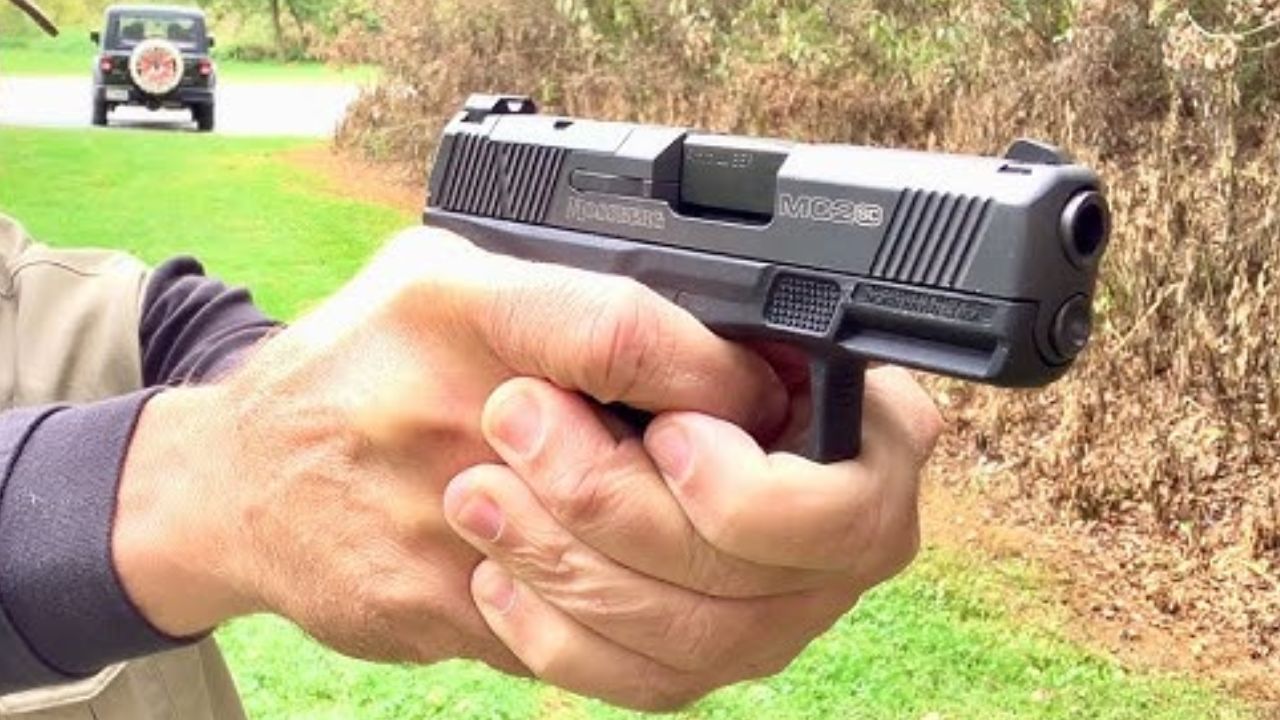
Mossberg MC2sc

The MC2sc is a good value micro-compact, but it’s another pistol that can feel sharper than people expect. It’s light and has a brisk recoil impulse with standard loads. Some shooters also find the grip angle/shape doesn’t lock into their hands as naturally, which turns recoil into more muzzle flip.
If you expected it to be a soft shooter because it’s not a “tiny .380” and it has a decent grip, the range can disagree. It’s controllable, but it’s not lazy. You’ll shoot it better with a solid support-hand clamp and a little practice. Without that, it can feel jumpy fast.
Kimber R7 Mako

The Mako looks like a modern winner, and it carries well. Soft shooter? Not necessarily. It’s still a micro-9 that can feel abrupt, and some shooters report it feels “snappy for what it is” compared to slightly larger compacts. The grip and bore axis combination matters here—some hands love it, others get more flip than expected.
When a pistol is small, there’s nowhere for recoil energy to hide. If the grip doesn’t fit you, it feels worse. That’s why two people can shoot the same Mako and have totally different opinions. If you expected “Kimber quality means soft,” the platform size will remind you what’s really in control.
CZ P-10 S

CZs often get described as great shooters, and the P-10 S can be accurate and reliable. But the subcompact size can still feel sharper than people expect—especially compared to the P-10 C. Less mass, shorter grip, and the recoil impulse feels quicker. A lot of shooters expect it to feel like a mini-duty gun. It doesn’t.
Also, shorter grips can encourage inconsistent support-hand placement. That turns “normal recoil” into a gun that feels like it’s jumping around. The P-10 S is absolutely controllable, but it’s not automatically soft just because it’s a CZ. Size wins this argument most of the time.
HK VP9SK

The VP9SK is a quality gun and often very shootable, but it can still surprise people with snap compared to the full-size VP9. The SK has less mass and a shorter grip, and when you’re running drills, it doesn’t feel as “flat” as the bigger gun. People buy it expecting the same soft feel in a smaller package and then wonder why it’s different.
It’s not a flaw. It’s physics plus ergonomics. The VP9SK can still be a strong carry option, but if your expectation was “this will shoot like my full-size HK,” you’ll feel the difference immediately.
Glock 30

A chunky .45 sounds like it should be soft, right? The Glock 30 surprises people because it can feel stout for a thicker pistol. The recoil impulse has that .45 push, but in a compact package, the gun can still feel busy and lively. Some shooters also don’t like how it sits in the hand, which changes perceived recoil a lot.
This is one of those “should be comfortable, but isn’t for everyone” guns. Plenty of people shoot it great. Plenty of people shoot a 1911 easier. If you expected the thickness and weight to make it a kitten, your hands might disagree.
S&W M&P Shield Plus
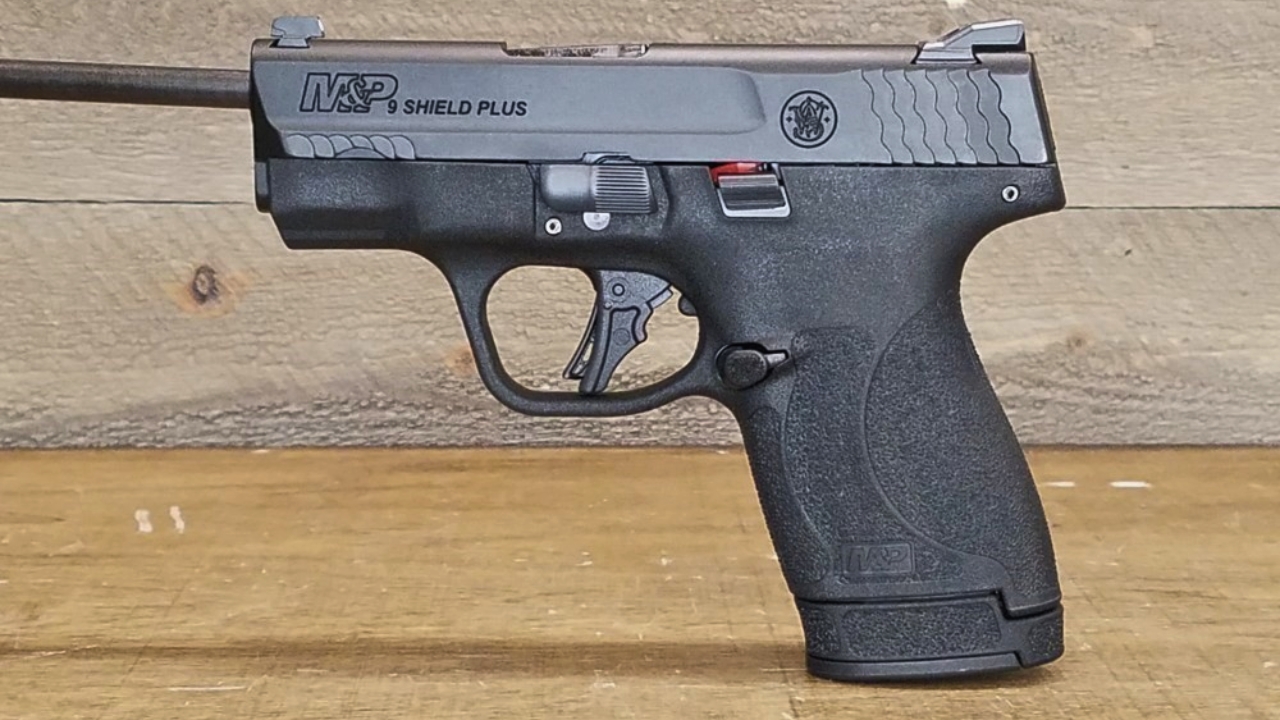
The Shield Plus is a top-tier carry gun, but it’s still a light, slim 9mm. A lot of people expect “M&P = soft” and then realize the Shield Plus can be snappy in fast strings. It’s controllable, but it’s not a soft range pistol. It’s a carry pistol that happens to shoot well for its size.
Where it surprises people is when they compare it to compact double-stacks with more weight. The Shield Plus will feel sharper. If you accept that and train with it, you’ll be fine. If you expected “easy, gentle recoil,” you’ll be disappointed after a box or two.
Beretta APX A1 Carry

This one gets bought because it’s a Beretta and it looks like an easy carry solution. But the Carry model is small and light, and recoil can feel sharper than people expect. It doesn’t have the “soft, smooth Beretta” feel people associate with bigger Berettas. The impulse is quicker, and some shooters struggle to get consistent grip pressure.
It’s a good example of why brand expectations can be misleading. Beretta makes soft shooters—just not automatically in every micro configuration. If you’re buying it expecting a tiny 92FS experience, you’re going to have a moment at the range.
Taurus GX4

The GX4 is a strong value option, but it’s still a micro-compact with a snappy recoil impulse. Some folks are surprised because the gun feels solid in the store and the grip seems decent. Then they shoot it and it feels sharper than expected with common 115gr range ammo. Again: small gun, fast slide, less forgiveness.
The GX4 can be run well with good technique, but it’s not a “soft shooter” just because it isn’t tiny-tiny. It’s a carry-first pistol. If you’re planning long practice sessions, you’ll feel the size tradeoff sooner than you think.
Walther PDP F-Series 3.5″

The F-Series is marketed around ergonomics and shootability, and the full-size versions can be extremely pleasant. The shorter 3.5-inch version can still surprise people with more snap than expected because it’s compact and lively. It’s not brutal, but it’s not the softest option in its class either—especially compared to heavier compacts.
This is a “great pistol, set expectations correctly” entry. The ergonomics can help you control recoil, but the gun is still compact. If you expected the marketing to equal zero muzzle flip, you’ll feel the difference when you start shooting faster than slow-fire.
Bersa Thunder .380

This one catches people because it’s a classic .380 and it looks like it should be easy. But perceived recoil can be sharper than expected depending on the exact model and how it fits your hand. Some shooters also find the grip shape and slide behavior makes it feel “snappier” than a slightly larger .380 with a softer impulse.
It’s still a solid pistol in its lane, but it’s a reminder: caliber isn’t the whole story. Weight, grip, and how the gun returns to target matters more than people think. If the gun doesn’t fit your hand, “mild” can still feel harsh.
Like The Avid Outdoorsman’s content? Subscribe to our newsletter so you never miss an article.
Here’s more from us: