Photo credit: Savage Arms
A light rifle can be a gift in the mountains. But “lightweight” turns into a bad deal when the weight savings come from stuff that actually matters: a flimsy stock that flexes into the barrel, a contour that heats up and walks fast, bottom-metal that feels like a toy, or hardware that loosens because the whole system gets hammered harder. The rifle might carry great, but it doesn’t shoot or hold together like you expected once you put real rounds through it.
Savage 110 Ultralite
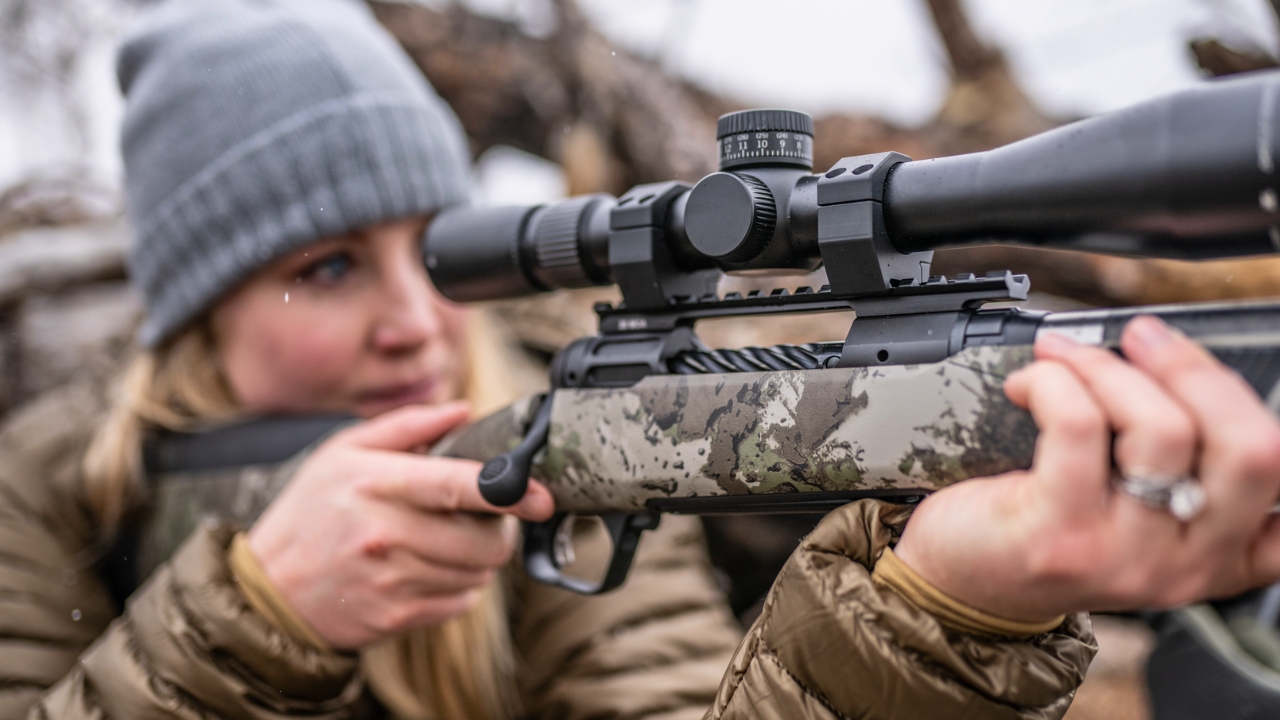
On paper this is the perfect idea: light rifle, modern features, easy to carry. The problem is ultralight rifles don’t give you much forgiveness. They recoil sharper, they’re more sensitive to how you rest them, and they heat up quickly if you try to shoot groups like it’s a range rifle. A lot of guys zero these easily, then start chasing “why did that string drift?” once they speed up.
The other thing people miss is that every screw and interface matters more when the gun is light. If you’re not torquing action screws consistently and running quality rings, you’ll blame the rifle when it’s really the whole setup being touchy. The rifle can work. It just demands more discipline than most hunters actually use.
Kimber Adirondack

Kimber makes rifles that carry like a dream, but ultralight hunting guns can bite back in practical ways. The Adirondack can be an absolute joy to pack—right up until you try to shoot from less-than-perfect positions and realize how fast recoil and light weight amplify every little mistake. The gun moves more, your follow-through gets sloppy, and now your “group” looks worse than your glass deserves.
A lot of these rifles also live on the edge of “just enough” stiffness. If the stock or bedding isn’t perfectly consistent, pressure changes from a sling, a pack rest, or a bipod can shift point of impact. It’s not that the rifle can’t shoot. It’s that the weight savings come with a smaller margin for error—especially under real hunting conditions.
Winchester XPR compact

This is one of those rifles that feels like a win because it’s affordable and light. Then you start noticing the tradeoffs: a light sporter barrel that heats quickly and a stock that can be less rigid than you want. Plenty of XPRs will shoot a nice three-shot group, but if you treat it like a “run a string and confirm” rifle, you’ll see the limitations show up fast.
What makes it “lightweight for the wrong reasons” is that a lot of buyers assume “light” means “premium mountain rifle.” It doesn’t. Light can also mean “economical materials and thin contours.” If you accept the role—carry a lot, shoot a little—it can be fine. If you want repeatable precision behavior under pace, it’ll frustrate you.
Browning X-Bolt Speed

X-Bolts are generally well-made, but the lightweight trims can still suffer from the same reality as all featherweight hunting rifles: thin barrels and light stocks don’t love long strings, and they don’t forgive inconsistent support pressure. Guys will put great glass on them, shoot one good group, and assume they’ve built a long-range rig by accident.
Then they shoot faster, the barrel warms, and the point of impact starts to wander. Or they load into a bipod and the stock pressure changes. None of that means the rifle is junk. It means it’s a hunting rifle built around carry weight, not bench stability. The “wrong reason” is when the marketing makes people expect a precision platform out of a light package.
Howa 1500 Super Lite

Howa actions are solid, and that’s why this one catches people off guard. The Super Lite is a real featherweight, and it behaves like one. Recoil feels sharper than expected, the rifle is more sensitive to how you grip it, and it can heat up and change behavior quicker than a standard contour rifle. That’s normal—but it surprises people who bought it because they trust Howa.
Where the “wrong reasons” show up is when the rest of the rifle (stock rigidity, overall damping mass) isn’t there to make shooting feel easy. It’s easy to carry, harder to shoot well for extended practice. If you’re a “verify zero and hunt” guy, you’ll probably love it. If you’re a “shoot a lot to get good” guy, it may wear on you.
Ruger Hawkeye Hunter
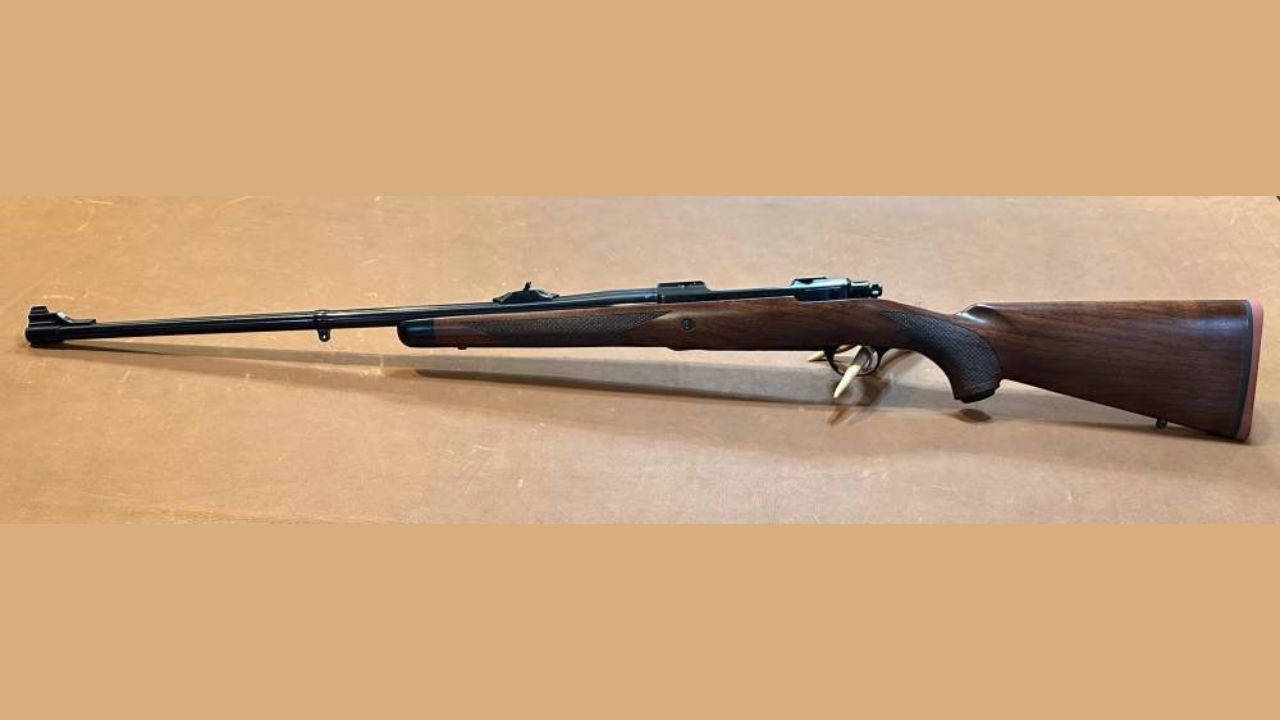
Ruger’s controlled-round-feed rifles have a loyal following, and the Hunter concept makes sense. The practical headache is that light hunting rifles can feel great in the hand and still be a pain to shoot consistently from field positions. Recoil impulse gets snappy, and your point of impact can shift if your support point changes even slightly.
Also, a lot of folks mount these with lightweight rings and then don’t treat torque like a real spec. A heavier rifle can sometimes “get away with” a sloppy install longer. A light rifle will expose it quickly. The rifle can absolutely kill deer all day long. The frustration comes when people expect it to behave like a heavier range rifle in terms of stability and repeatability.
Remington 700 Mountain Rifle

These rifles have filled freezers for decades, but they’re also a classic example of “lightweight hunting rifle behavior” getting misunderstood. Thin barrels, light stocks, and rifles that were built for one cold shot don’t always love modern expectations—like shooting strings, checking groups repeatedly, and staying perfectly consistent across different supports.
A lot of older examples also have lived hard lives: seasons of humidity changes, stock movement, and hardware that’s been tightened and loosened a hundred times. That can show up as “it won’t hold the same zero,” when really the rifle needs bedding attention or hardware consistency. Still a good hunting tool. Just not always a carefree shooter.
Tikka T3x Superlite
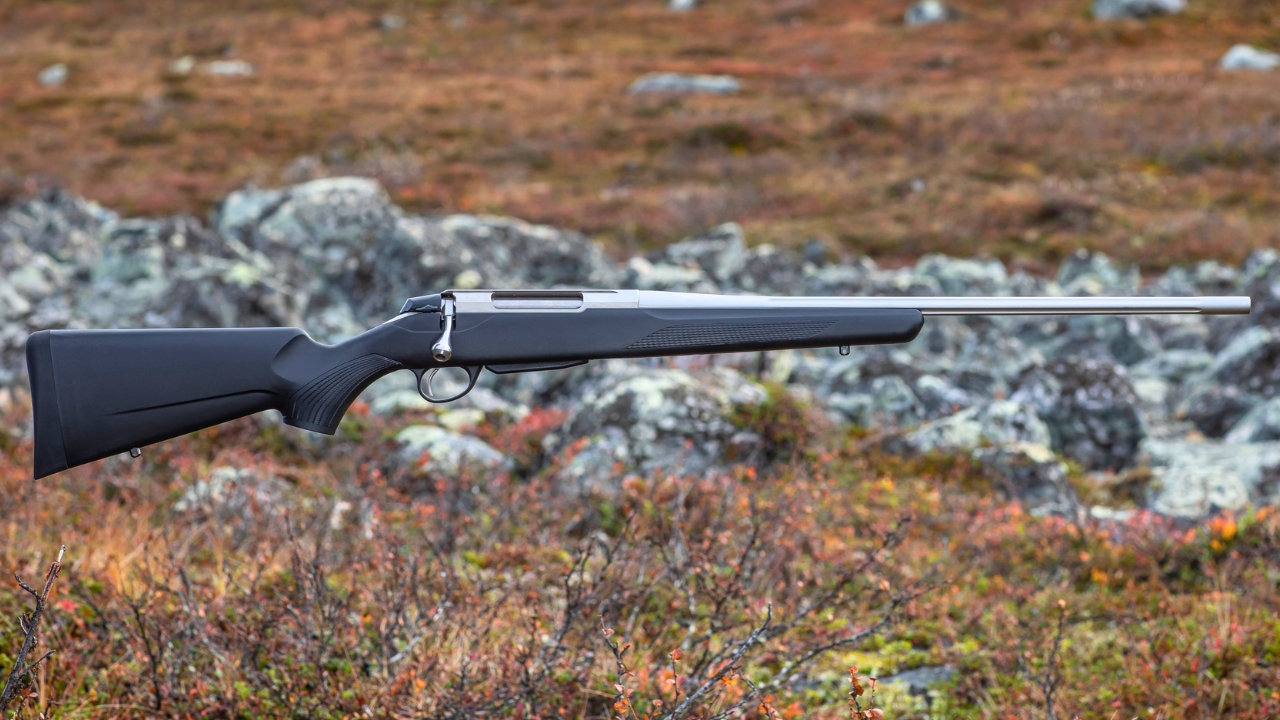
Tikkas are known for shooting well, and the Superlite often does. But it’s still a super-light rifle, and that means it can be “easy to love, hard to run.” The recoil feels sharper than people expect in common hunting calibers, and the gun can be sensitive to how you rest it—especially if you’re using a bipod or a hard front support that changes fore-end pressure.
This is where people confuse “accurate rifle” with “easy rifle.” The Superlite can stack groups, but it wants consistent technique. If you’re a guy who shoots a lot of reps and pays attention to setup, you’ll be fine. If you shoot once a month and expect the rifle to do all the work, ultralight can turn into frustration fast.
Franchi Momentum Elite
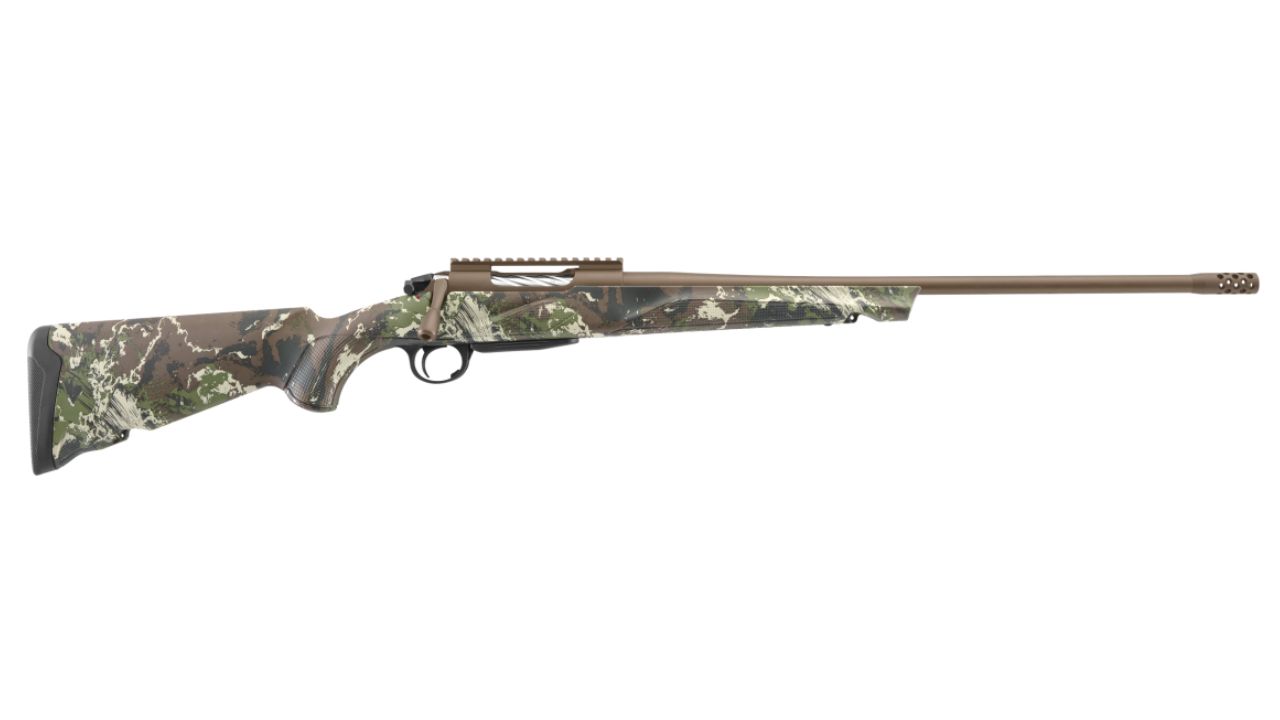
Franchi Momentum rifles can shoot, but the lightweight trims can feel like they saved weight in places that affect the shooting experience—stock rigidity and overall “settled” feel. Some shooters also report that the rifle feels livelier under recoil than expected, which makes it harder to call shots and harder to shoot tight groups quickly.
It’s not that the rifle can’t work. It’s that the whole package is often bought as a “budget mountain rifle,” and that’s a tough category. Budget plus ultralight usually means you’re giving up stiffness and mass. If you accept it as a hunting rifle and keep your cadence realistic, it’ll do its job. If you try to run it like a precision trainer, it’ll feel lightweight in the wrong ways.
CVA Cascade SB
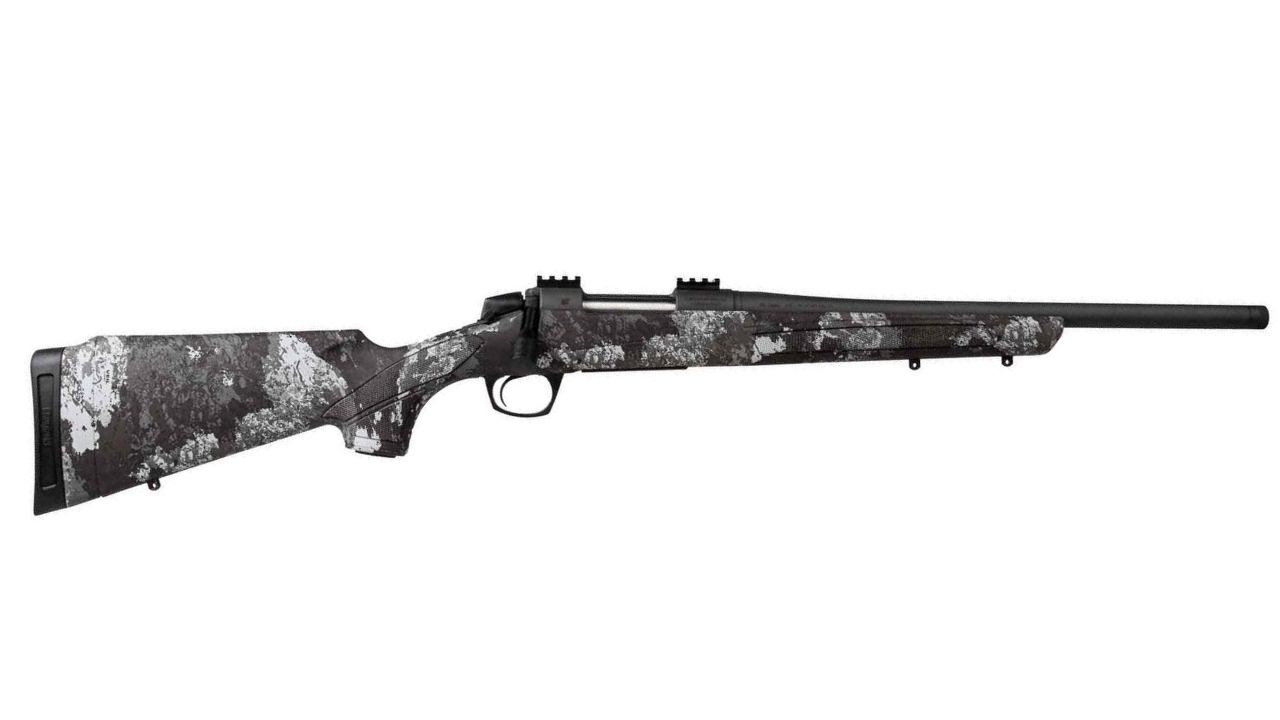
The Cascade line has been a pleasant surprise for a lot of hunters, but the lighter variants can still show the typical ultralight issues: sharper recoil, faster heat effects, and more sensitivity to support pressure. A rifle can be accurate and still be annoying to shoot when it’s light enough that every pulse and every flinch shows up.
Also, because Cascades often get bought as value rifles, they’re frequently paired with value mounts. That’s fine—until you start chasing point-of-impact shifts and don’t realize your base screws were never properly torqued. Lightweight rifles demand good mounting habits. When the rifle is light for “cost and contour” reasons, the whole system has less slack.
Springfield 2020 Waypoint

The Waypoint is built to be a modern, lightweight hunter, and when it’s right, it’s impressive. The “wrong reasons” headache shows up when buyers expect it to behave like a heavier precision rifle during long practice sessions. Thin/light barrels and lightweight stocks don’t love sustained pace, and carbon components don’t magically remove heat from the equation.
It’s also a rifle that encourages big expectations because it looks and feels premium. That can make normal lightweight behavior feel like a problem. If you use it as intended—confirm, hunt, and keep strings realistic—it can be excellent. If you’re trying to shoot it like a match rig, you’ll spend a lot of time asking why it doesn’t feel as stable as heavier guns.
Christensen Arms Ridgeline Scout

The Ridgeline Scout concept is awesome—light, handy, suppressor-friendly. But light rifles can be “light” in ways that make them less forgiving: snappy recoil, more movement on the shot, and more sensitivity to sling/bipod pressure. That’s how you end up with a rifle that feels perfect on the shoulder and still makes you work harder than you expected to shoot well.
With lightweight rifles, I always tell people: your mounting and torque habits matter more than your opinions. If you don’t lock down your rings, check your screws, and shoot with a consistent support point, you’ll chase problems that feel like “accuracy issues.” A lot of times it’s just the platform demanding consistency.
Weatherby Mark V Backcountry (light builds)

Weatherby builds some great rifles, but the Backcountry style rifles live in the same “tradeoffs” world: light weight, sharp recoil, and higher sensitivity to shooting position. People buy them expecting a laser that’s effortless. Then they shoot a few strings and realize the rifle is lively and doesn’t settle like a heavier gun.
The “wrong reasons” part can show up if the buyer is attracted to the weight more than the discipline required to run it. Lightweight rifles often punish sloppy follow-through and inconsistent grip. If you’re honest about the role and don’t try to turn it into a high-volume range toy, it can be a fantastic hunting rifle. But it won’t feel forgiving.
Browning AB3 Stalker
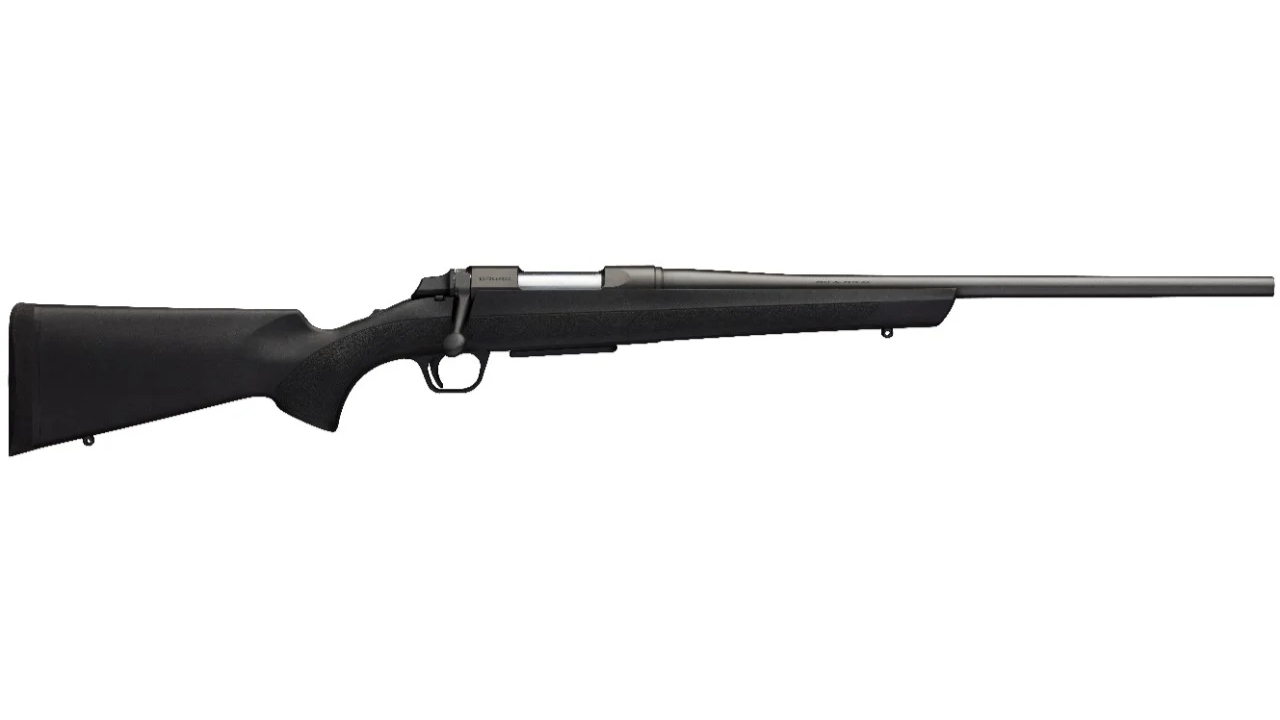
The AB3 is a value hunting rifle, and it can shoot well. But it’s often “light” because it’s built to a price point—light stock, light contour, basic hardware—more than because it’s engineered like a premium mountain rig. That’s where the disappointment comes from. Guys expect “lightweight” to mean “refined,” then learn it can also mean “less rigid.”
If you keep your expectations right, it’ll do what a hunting rifle should do. Where people get into trouble is trying to shoot long strings, switching supports, and expecting the point of impact to stay identical. That’s not always how these builds behave. The rifle might not be the problem—your expectations might be.
Mossberg Patriot Night Train II
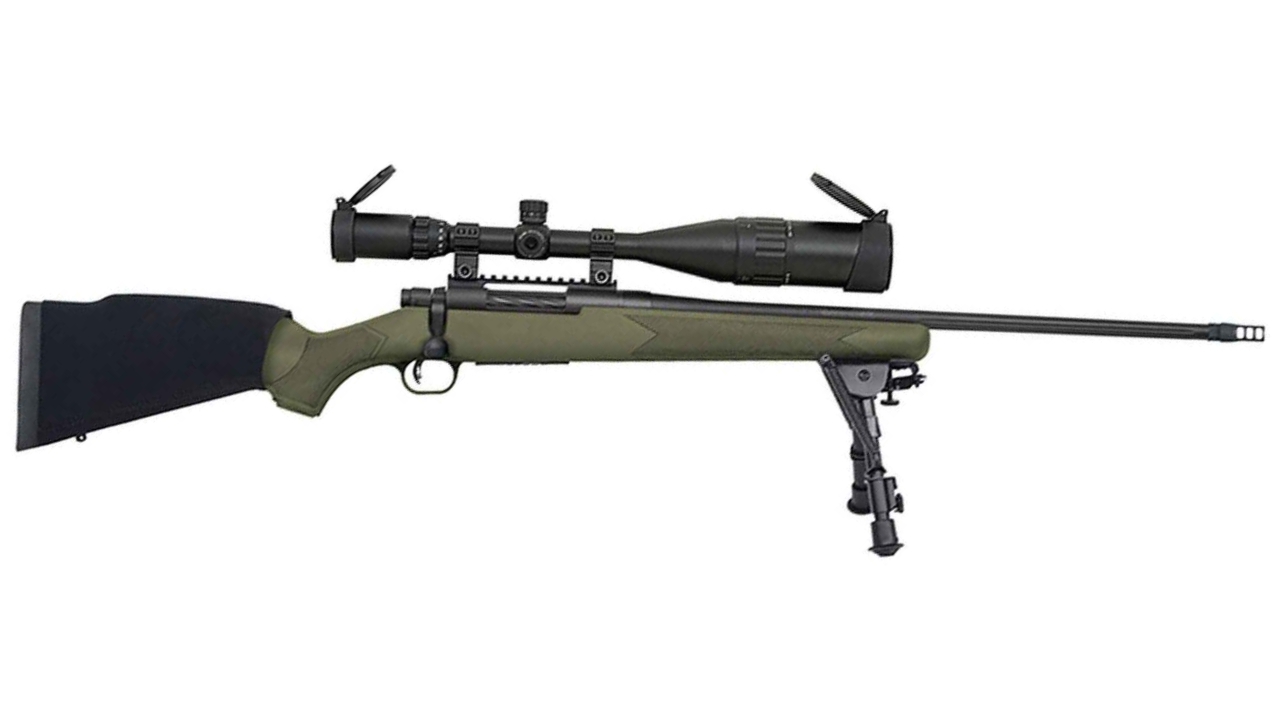
This one is a classic example of marketing creating the wrong expectations. The rifle might shoot well enough, but the system often relies on entry-level optics and mounts, and the stock/barrel combo can be sensitive. People zero it, then start seeing drift, walking, or inconsistent groups and immediately assume the barrel is trash.
Sometimes the rifle is fine and the mounting/optic is the real culprit. Other times the stock flex and barrel contour show up under pace. Either way, it’s “lightweight for the wrong reasons” when the weight savings and cost savings create a platform that doesn’t tolerate sloppy hardware. If you want it to behave, you have to treat the entire setup like a real system.
Like The Avid Outdoorsman’s content? Be sure to follow us.
Here’s more from us: