Photo credit: Colion Noir/YouTube
The handgun market is always falling for the next big thing. New finishes, new optics cuts, new grip textures, new slogans, new promises about how this one finally fixes everything the last hot pistol missed. Some of that stuff is fine. Some of it is genuinely useful. But a lot of it is just noise wrapped around a gun that still has to do the same old job once the talking stops and the shooting starts.
That is why dependable pistols never really lose their place. They may not be the loudest guns in the case, and they may not get pushed like the newest answer to problems most shooters did not actually have, but they keep showing up because they work. These are the pistols that held their ground while the market got distracted by flash, hype, and short-lived obsessions.
SIG Sauer P226
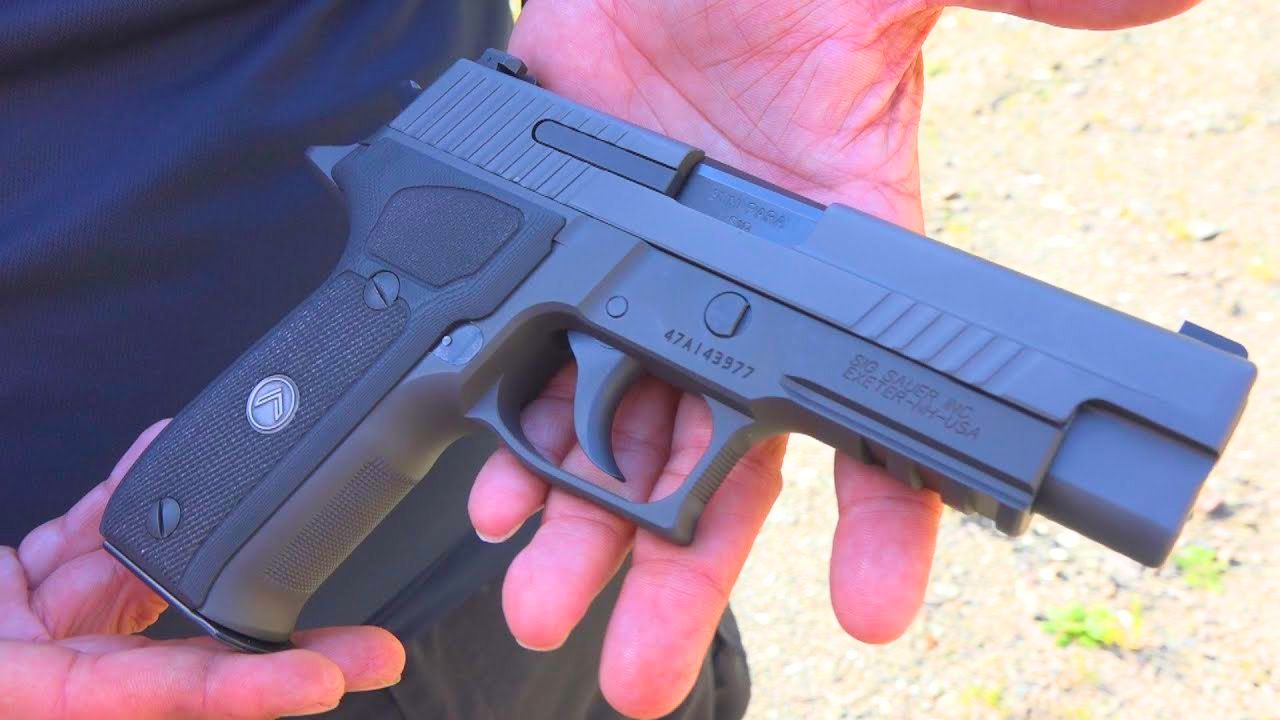
The P226 has spent years doing exactly what a serious handgun is supposed to do without begging anybody for attention. While the market bounced from one polymer wonder to the next, the old SIG just kept proving why experienced shooters stayed loyal to it. It shoots flat, carries real duty history, and has the kind of stability in the hand that still matters when you stop reading specs and start sending rounds with purpose.
It also helps that the pistol feels like it was built to stay. That matters more the older you get and the more handguns you handle that seem designed around launch buzz instead of long ownership. The P226 did not need reinvention every few years to stay relevant. It just kept being one of the most trustworthy full-size pistols a shooter could buy.
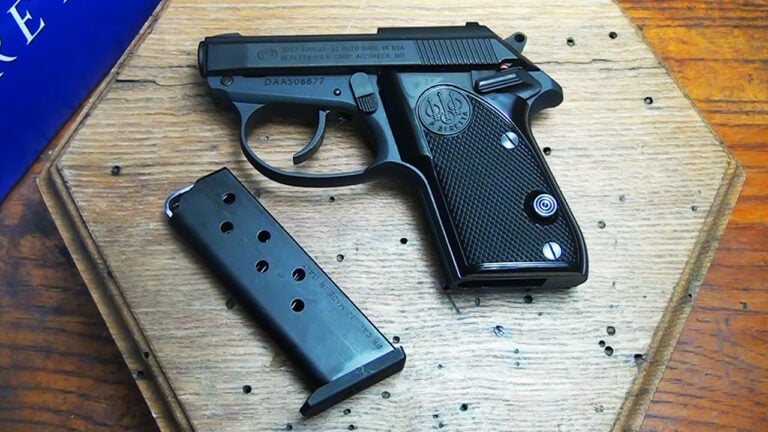
Beretta 92FS

The 92FS never stopped making sense, even when the market tried to act like full-size metal pistols were too old-school to matter. Serious shooters kept running them because they knew what the gun offered: soft recoil, excellent practical accuracy, and a level of shootability that many trendier pistols still cannot quite match. For all the talk about newer being smarter, the Beretta kept turning range time into a reminder that smooth still counts.
It also avoided one of the biggest problems in the handgun world, which is feeling disposable. A 92FS feels like a real pistol, not a product cycle. While buyers chased the newest carry-friendly, social-media-friendly, accessory-ready thing, the Beretta just kept doing the boring hard part right. That is why it never really left the serious conversation.
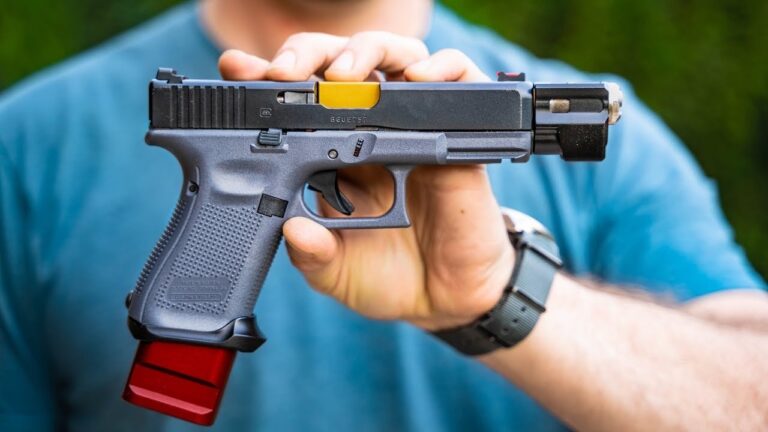
Glock 17

The Glock 17 is almost too obvious, but it belongs here because it outlasted wave after wave of “finally, a better Glock” nonsense without blinking. The market has spent years throwing polished challengers at it, and the Glock 17 just keeps standing there like it has heard all this before. Shooters still trust it because it is simple, durable, easy to support, and brutally consistent in the ways that matter most.
That kind of staying power is not exciting, but it is valuable. Plenty of shinier pistols made stronger first impressions. Fewer proved easier to live with for years at a time. The Glock 17 kept surviving not because it was charming, but because it kept delivering when shooters needed a pistol that would run hard, train easily, and stay useful long after the launch videos were forgotten.
CZ 75 BD

The CZ 75 BD stayed dependable because it offered real shooting value instead of just market value. While newer pistols chased lighter frames, sharper styling, and whatever feature set was getting buyers worked up that season, the CZ kept winning people over the old-fashioned way. It felt good in the hand, shot well under speed, and carried the kind of steel-frame steadiness that many newer guns still struggle to fake.
That is a big reason serious shooters never abandoned it. A pistol like this does not need a dramatic comeback because it never truly leaves the hands of people who know what they are doing. While the market kept getting distracted by shinier alternatives, the CZ 75 BD just kept rewarding people who valued real performance over the latest round of packaging.
Smith & Wesson 5906
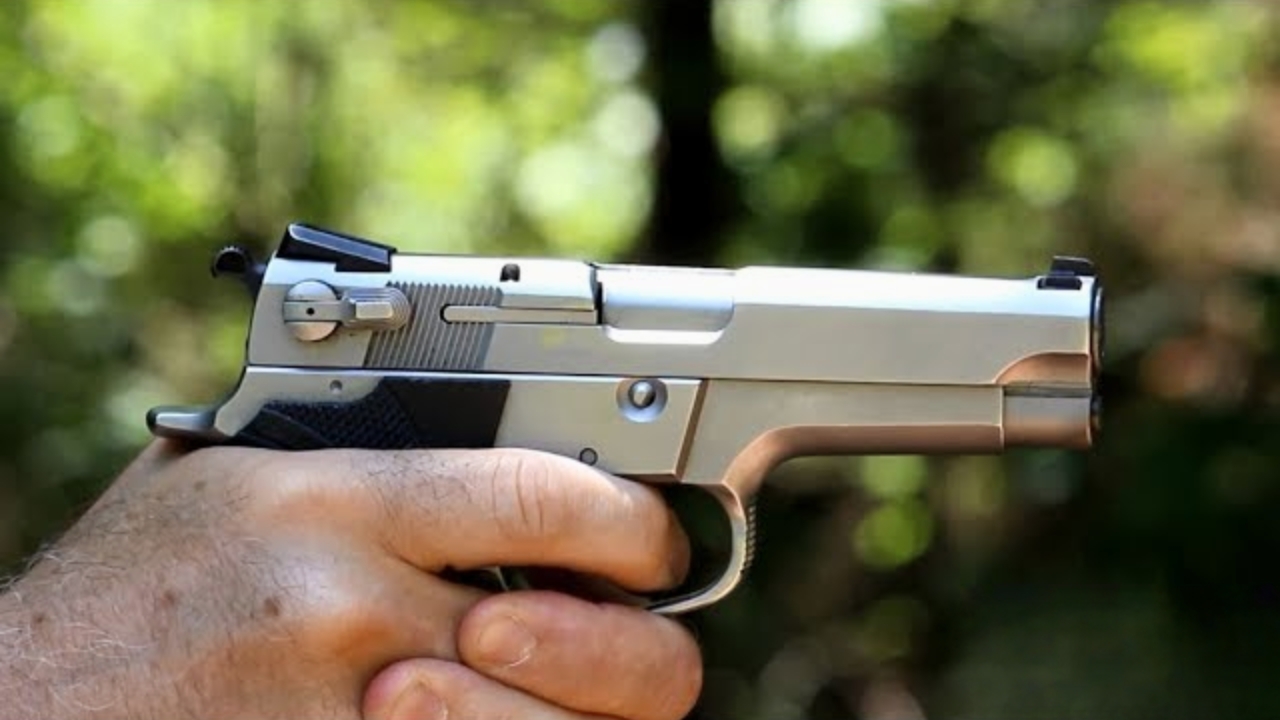
The 5906 looked plain for so long that many buyers forgot how much that pistol got right. It did not have the sleekest profile, and it was certainly not a lightweight by modern standards, but it had real service durability and the kind of sturdy feel that gets more appealing the more newer pistols start feeling like temporary solutions. The old stainless Smith never needed flash because it had weight, stability, and a reputation that held up.
That matters when the market starts chasing looks over substance. Plenty of newer pistols felt more current. Not all of them felt more trustworthy once the round count started climbing. The 5906 kept its place because it was a serious work gun from an era when makers still seemed interested in building pistols that would matter ten years later, not just sell well this quarter.
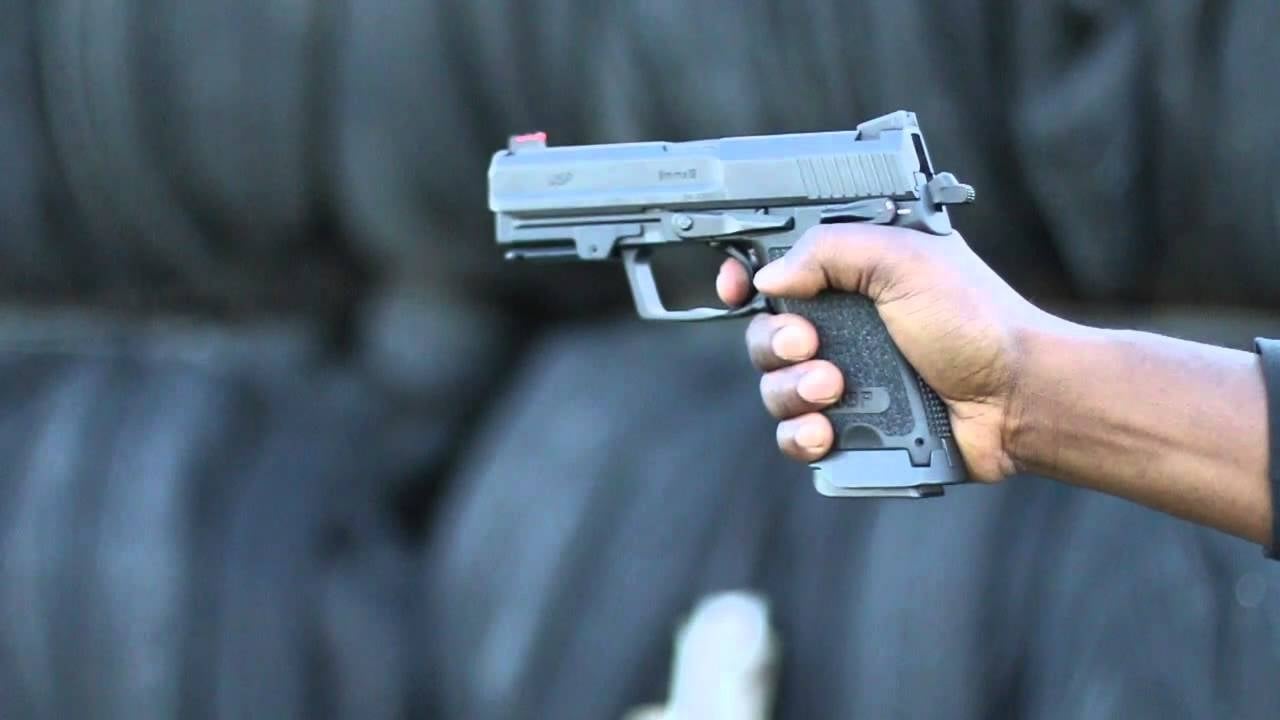
Heckler & Koch USP 9

The USP 9 has always felt like it was built with extra room for abuse, and that alone separates it from a lot of market-chasing handguns. It is not trying to be pretty, slim, or especially fashionable. It is trying to work, keep working, and keep making excuses unnecessary. While the market got busy chasing leaner and more polished-looking pistols, the USP stayed in the hands of shooters who valued toughness more than trend fit.
That overbuilt character has aged extremely well. A lot of pistols look modern when they launch and dated a few years later. The USP skipped that whole problem by never pretending to be stylish in the first place. It stayed dependable by doing exactly what serious shooters wanted from it, and that made a lot of shinier options feel a lot more fragile over time.
Browning Hi-Power

The Hi-Power has never needed much help from the market because shooters who understood it rarely stopped respecting it. It may not have had the capacity arms race, polymer simplicity, or constant relaunch energy of newer pistols, but it kept offering something a lot of them did not: a slim, balanced steel pistol that still feels alive in the hand. That alone kept it relevant longer than plenty of hotter names.
What makes it fit this headline is how calmly it survived hype cycles. The handgun world spent years chasing fresh shapes and fresh promises, while the Hi-Power stayed a known quantity for people who cared about handling and real-world feel. The market might have looked elsewhere, but serious shooters never needed a reminder that a good pistol does not become obsolete just because newer ones talk louder.
SIG Sauer P220

The P220 stayed dependable because it always knew exactly what it was. It did not need gimmicks, giant capacity numbers, or an image makeover to justify itself. It was a serious .45 for shooters who wanted accuracy, real reliability, and a pistol that felt more settled than trendy. While the market got busy dressing up new answers, the P220 kept offering a very mature one.
That kind of maturity matters more than many buyers realize. A lot of shiny pistols create early excitement and then slowly fade into the pile once the next thing shows up. The P220 did not depend on attention to survive. It kept a loyal place among serious shooters because it shot well, carried itself with purpose, and avoided the forgettable feeling that haunts so many modern handgun launches.
Walther P99 AS
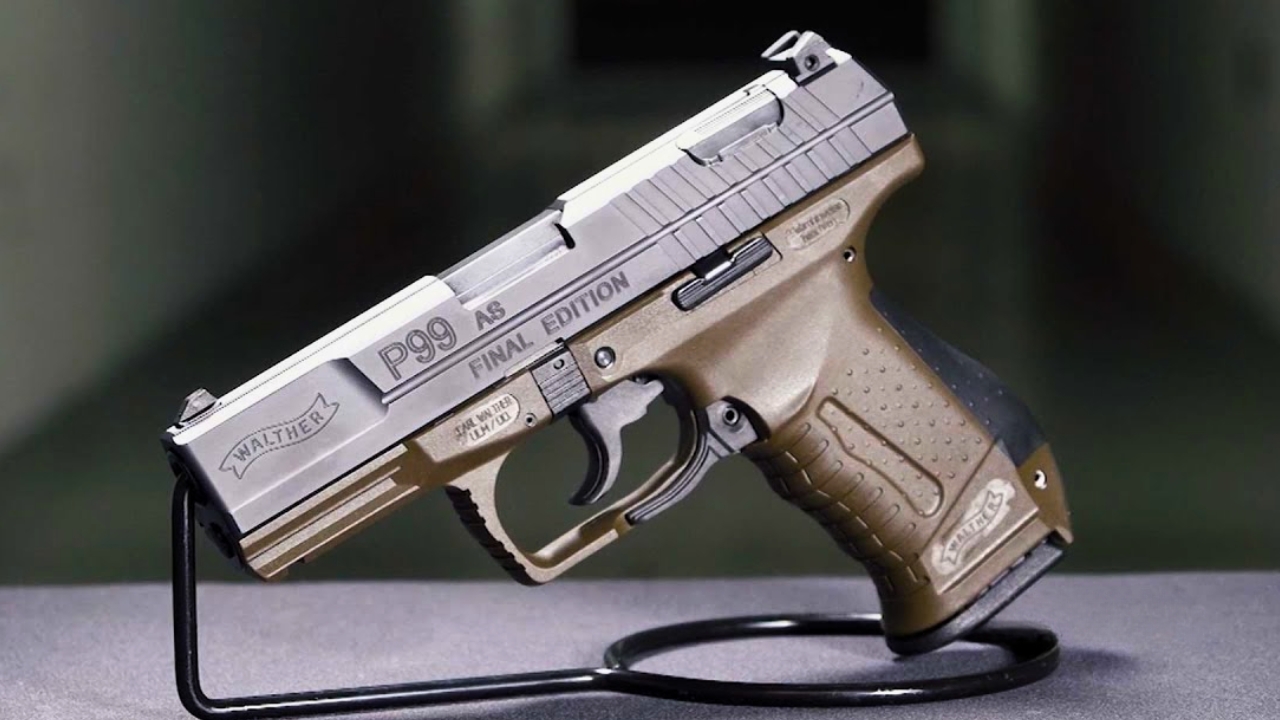
The P99 AS is one of those pistols the market never appreciated quite enough, but the shooters who knew it tended to stay loyal. While shinier striker-fired guns kept cycling through the spotlight, the Walther quietly kept doing what it had always done well. It offered excellent ergonomics, a smart trigger system, and a kind of shooting feel that made a lot of newer pistols seem louder than they were useful.
That is why it has aged so well in the eyes of experienced shooters. It was not built like a fad gun. It was built like somebody had actually thought about how a pistol should feel and behave when shot hard. The market may have chased cleaner marketing stories, but the P99 AS kept making a strong case for itself every time it actually got used.
Ruger P95
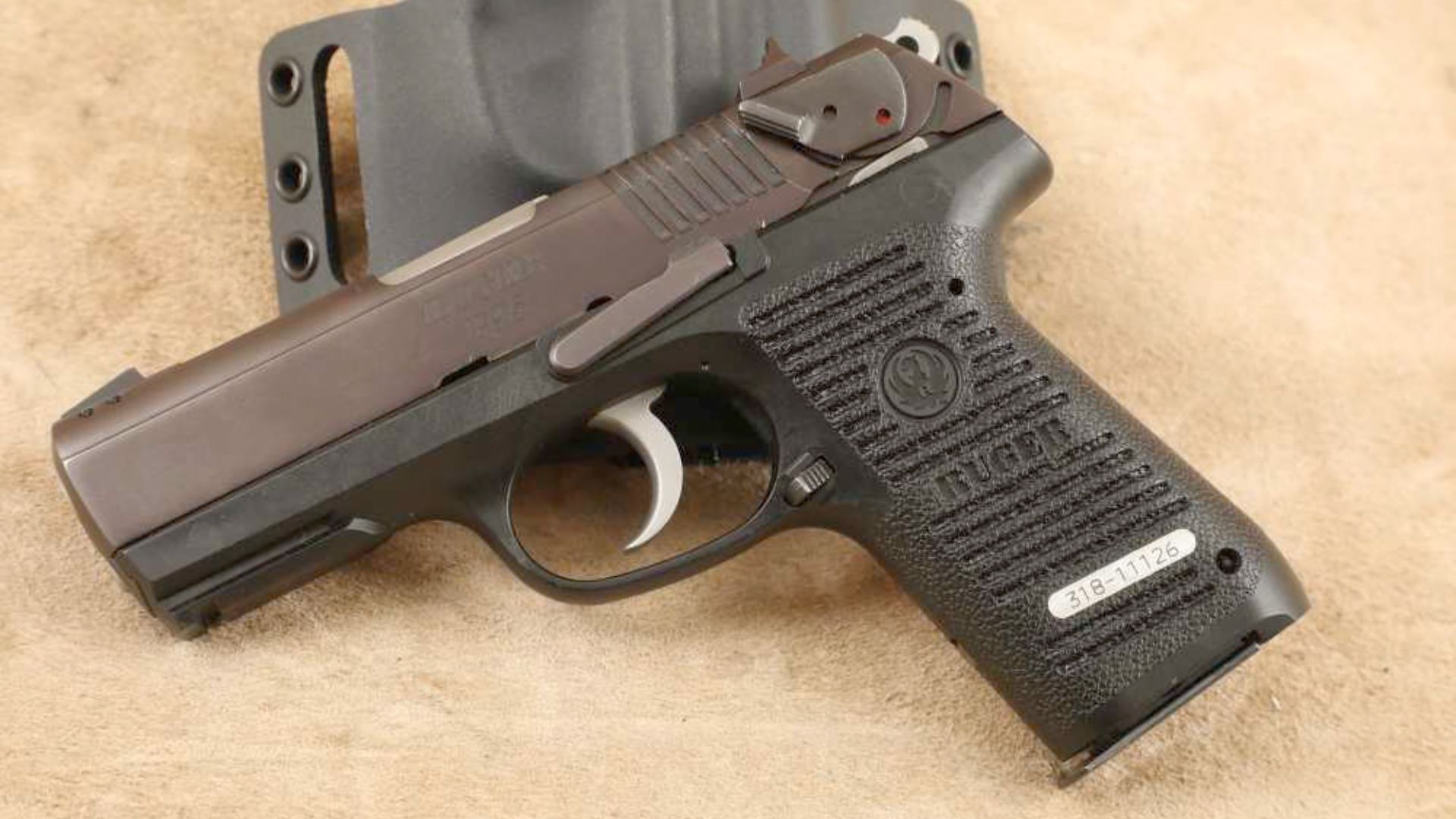
The P95 never got treated like a glamorous pistol, and that probably helped it. It was never burdened with impossible expectations or sold as the future of anything. It was just a chunky, rugged 9mm that kept running when people needed it to. While the market chased thinner grips, cleaner slide cuts, and all the other stuff that sells well in display cases, the Ruger kept piling up a reputation for plain dependability.
That kind of reputation gets stronger with time. The more buyers handled pistols that felt smarter on paper than they did on the range, the better the old P95 started to look. It was not refined, and it was never going to win anybody over on looks alone, but it stayed honest. In a market full of shiny overpromises, that counts for a lot.
Beretta PX4 Storm

The PX4 Storm spent years getting overlooked because it did not fit neatly into the usual market script. It was not classic enough for old-school metal-gun lovers and not buzzworthy enough for people chasing the newest carry craze. But the pistol kept doing exactly what dependable pistols do: shooting well, handling recoil cleanly, and staying more useful than its reputation suggested. Shooters who actually spent time with one usually came away more impressed than they expected.
That makes it a perfect fit here. While the market got distracted by shinier striker-fired alternatives, the PX4 kept offering a different kind of value. It did not need constant praise to stay relevant. It just needed shooters willing to actually run it. Once they did, a lot of the market’s louder choices started looking more like fashion than substance.
Colt Government Model Series 70

The old Government Model never stopped being dependable just because the market decided steel-frame .45s were too old, too heavy, or too committed for modern taste. Shooters who knew how to run a good 1911 never really left them behind. The trigger still mattered, the balance still mattered, and the pistol still offered a shooting experience that many newer guns could not duplicate no matter how fresh the branding sounded.
That is what kept it standing while so many shinier ideas came and went. A good Series 70 did not need hype because it already had identity. It was not trying to be everything for everybody. It was just a proven fighting pistol that rewarded people who understood it. That kind of substance outlasts a lot of trend-chasing noise.
Smith & Wesson Model 39-2
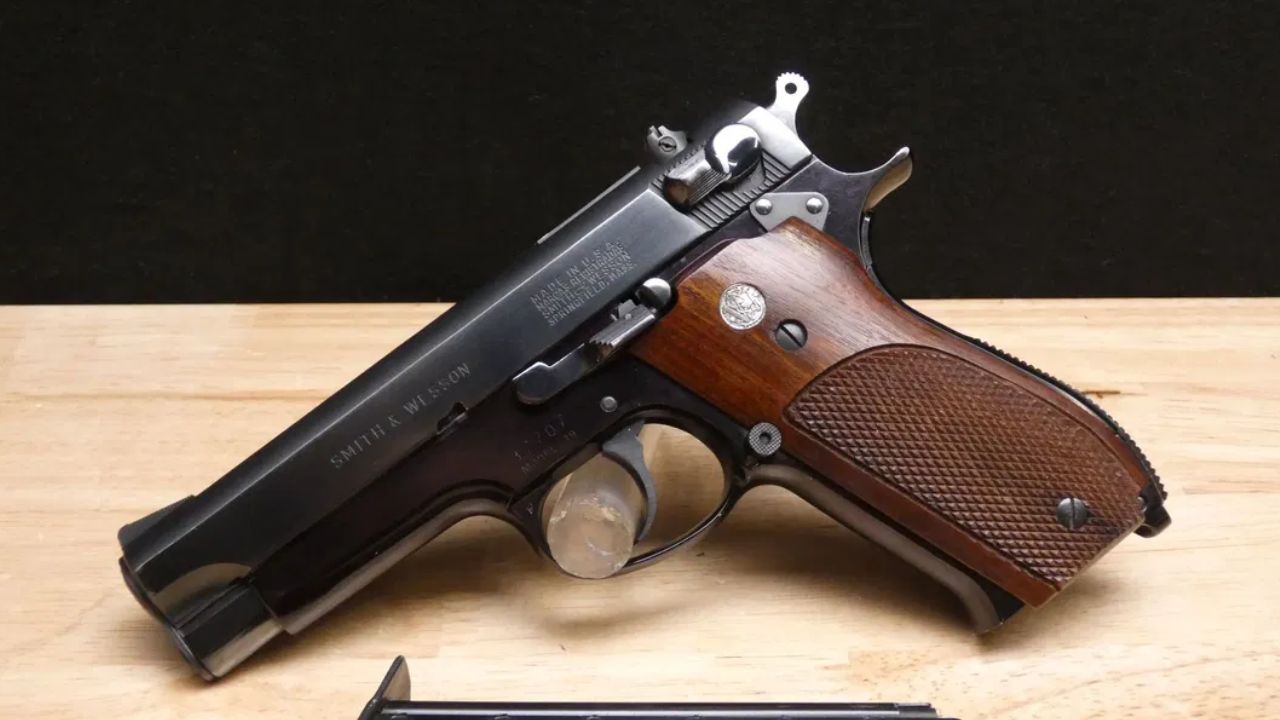
The Model 39-2 stayed dependable in a quieter way than some of the bigger names here, but that is part of what makes it interesting. It never dominated the modern market conversation, yet it kept hanging on among shooters who appreciated what it offered: a slim, accurate, well-made single-stack 9mm from an era when pistols had a little more steel and a little more personality. That is not a bad thing to hold onto.
While the market ran after higher-capacity and more aggressively marketed choices, the old Smith kept reminding people that a pistol does not need to scream to be useful. It just needs to work and feel right in the hand. The 39-2 kept its respect because it delivered that without chasing attention, and a lot of shiny successors have not aged nearly as well.
HK P30
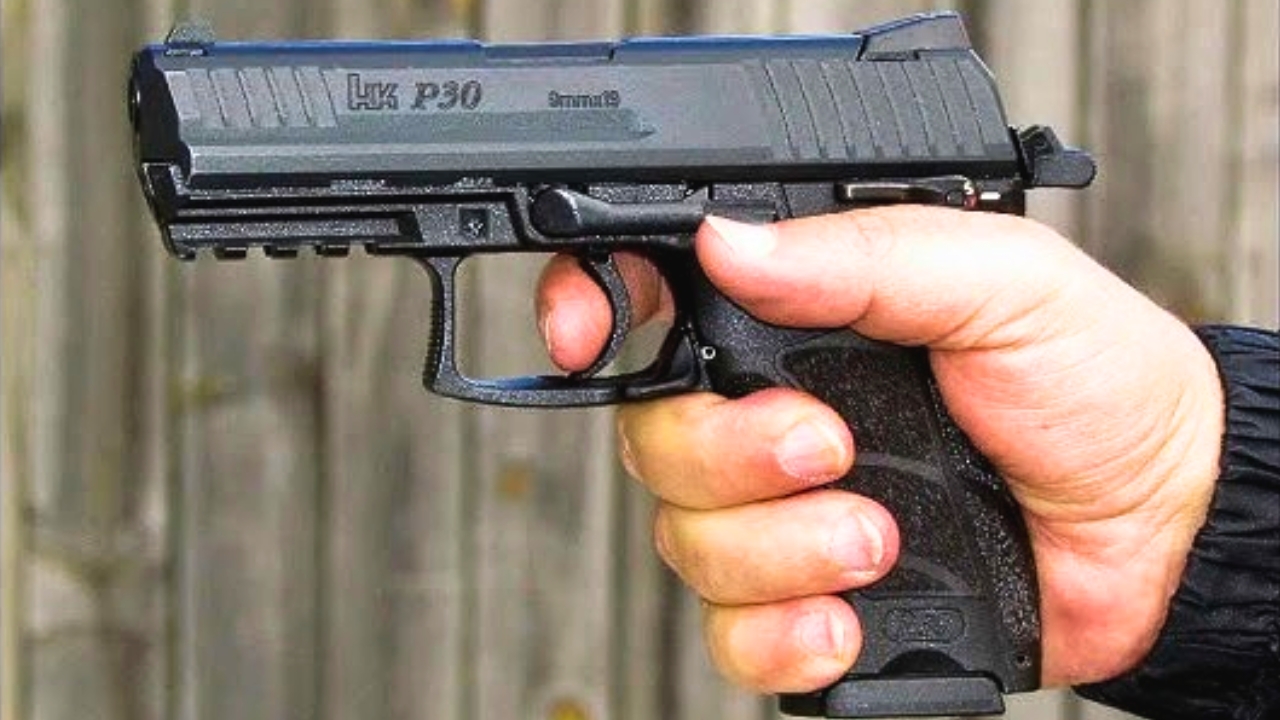
The P30 managed something a lot of modern pistols fail to do. It stayed relevant without feeling like it was built for launch-day hype. While the market chased flashier finishes and trend-heavy selling points, the P30 kept earning quiet loyalty from shooters who valued ergonomics, durability, and actual range behavior. It was not the loudest pistol in the room, but it often felt like one of the most thought-out.
That is why it stayed dependable while shinier nonsense burned through attention spans. The P30 feels like a gun meant for ownership, not just comparison videos. It shoots well, holds up well, and keeps making sense to shooters who care more about real use than the latest brag sheet. In a crowded market, that kind of steady competence is easy to underrate until you realize how rare it actually is.
CZ P-01

The CZ P-01 survived a lot of market noise because it never needed to be explained away once you actually shot it. Compact, capable, and built with real seriousness, it kept winning shooters over through function rather than shine. While newer pistols got pushed hard on novelty, the P-01 kept offering a cleaner deal: strong ergonomics, dependable performance, and the kind of all-around usability that matters more than trends in the long run.
It also has a grounded feel many modern pistols lack. You pick it up and it feels like somebody wanted it to work well first and sell loudly second. That is exactly why it belongs here. While the market chased shiny nonsense, the P-01 kept behaving like a pistol for people who actually use their pistols, and that usually proves more durable than hype.
Like The Avid Outdoorsman’s content? Be sure to follow us.
Here’s more from us: