
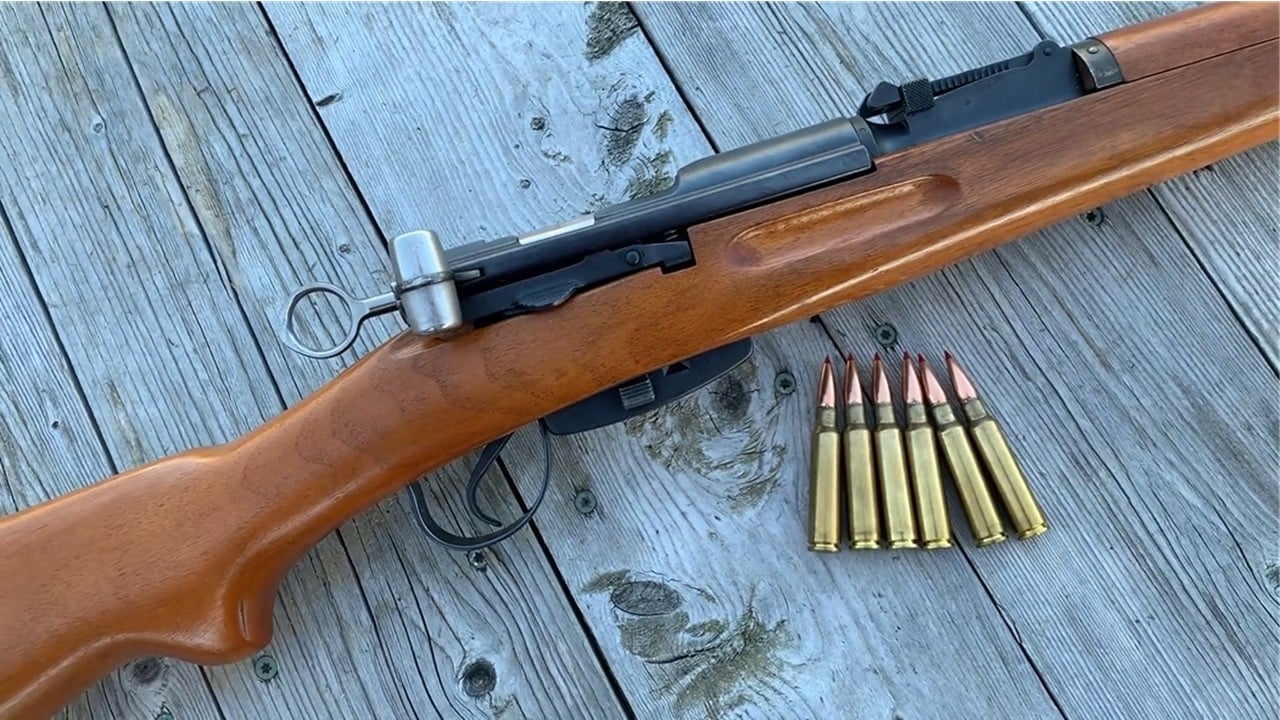
Photo credit: Misha's Guns/YouTube
A lot of firearms spend years in the wrong category. They look odd, feel outdated, seem too cheap to matter, or land in a moment when the market is paying attention to something louder. Buyers roll their eyes, tell themselves they will pass for now, and act like anybody spending money on one must know something they don’t. Then time does what time always does. Supply gets thinner, nostalgia gets stronger, shooters start appreciating what they once ignored, and suddenly the same gun that used to sit around unwanted becomes the one people keep searching for.
That is where this list comes from. These are the guns people laughed at, underestimated, or casually dismissed until the market changed its mind. Some got saved by scarcity. Some got saved by practicality. Some got saved by the simple fact that enough buyers eventually admitted the gun had been better than its reputation all along. Whatever the reason, these are the firearms that went from punchline to pursuit piece.
SKS

The SKS may be the king of this whole category because people did not only ignore it for a while. They actively looked down on it. For years, it was the plain surplus rifle sitting in the background while buyers chased flashier military guns, higher-capacity semiautos, or anything that looked more modern and more tactical. People treated the SKS like the rifle you bought only if you had missed out on the “real” options. That attitude held for a surprisingly long time.
Then reality stepped in. The rifle stayed useful, imports tightened, cheap examples dried up, and buyers started remembering that the SKS had always been reliable, handy, and a lot more enjoyable than its old reputation suggested. Once the stacks disappeared and the prices started climbing, the mockery got very quiet. Now the same gun people once passed over without a second thought is something many buyers hunt for with a lot more urgency than they ever expected.
Glock 17

It is easy to forget now, but plenty of shooters laughed at the Glock 17 early on because it looked too plain, too plastic, and too soulless to deserve serious respect. To traditional handgun buyers, it did not look like a proper service pistol. It looked like the cheap future, and a lot of people assumed the whole thing would eventually feel like a weird detour once the market corrected itself. The joke was that serious shooters would always come back to steel, weight, and tradition.
Instead, the market learned that ugly and durable is a lot more powerful than pretty and fragile. The Glock 17 kept working while many prettier pistols cycled in and out of favor, and eventually the whole handgun world had to admit the design had changed the game. Now early examples, especially in the right generations and configurations, get a much different reaction than they once did. The pistol people mocked as a plastic brick became one of the guns everybody respects and many still chase.
Ruger Mini-14

The Mini-14 used to get laughed at from both sides. To one crowd, it was the awkward middle child that was not as serious as an AR and not as classic as a traditional sporting rifle. To another crowd, it was the overpriced ranch gun people bought because they were afraid of black rifles. It had fans, sure, but it also had a long stretch where buyers spoke about it like it was a compromise in search of an identity rather than a gun anyone truly needed to prioritize.
Then older variants, cleaner rifles, and the more desirable configurations started getting harder to find. At the same time, a lot of buyers realized the Mini had a kind of practicality and charm they had once dismissed too easily. That changed the whole tone around it. The rifle people used to snicker at as the less-cool semiauto became exactly the sort of rifle they now pay hard for when a nice older example shows up.
Savage 110

The Savage 110 used to be the rifle people respected only after they had already made fun of it. It was the practical shooter’s answer, the plain rifle that outperformed its station, but for a long time buyers still treated it like the budget bolt gun you bought only if you could not afford a name with more romance around it. It did not help that older Savages often looked more functional than elegant, which made them easy targets for buyers who shopped with their eyes before their brains.
What saved the rifle was the same thing that saves a lot of undervalued guns: performance. The 110 kept shooting well, kept staying useful, and kept making owners look smarter in hindsight than their critics ever expected. As more people stopped pretending that pretty rifles automatically made better rifles, the Savage gained respect and then value. Now the old joke about the ugly accurate rifle has a different ending. People who laughed once often wish they had bought sooner.
Remington Nylon 66

For years, the Nylon 66 was the sort of rifle people smiled at instead of taking seriously. It was a plastic-stocked .22 from an era when “plastic” was still enough by itself to make traditionalists suspicious. The rifle looked like a novelty to a lot of buyers, and novelty is exactly the category where people place guns they assume will never matter much later. Plenty of shooters appreciated it, but a lot more treated it like a quirky old rimfire that was more fun to talk about than to chase.
Then enough people started remembering how light, reliable, and genuinely clever the rifle had always been. Add in nostalgia, shrinking supply, and the simple reality that the gun was much more than a toy, and the whole market shifted. What used to be the odd little synthetic .22 people casually passed over became one of those rifles buyers now grab much faster than they ever would have when the laughter was louder.
Hi-Point C9
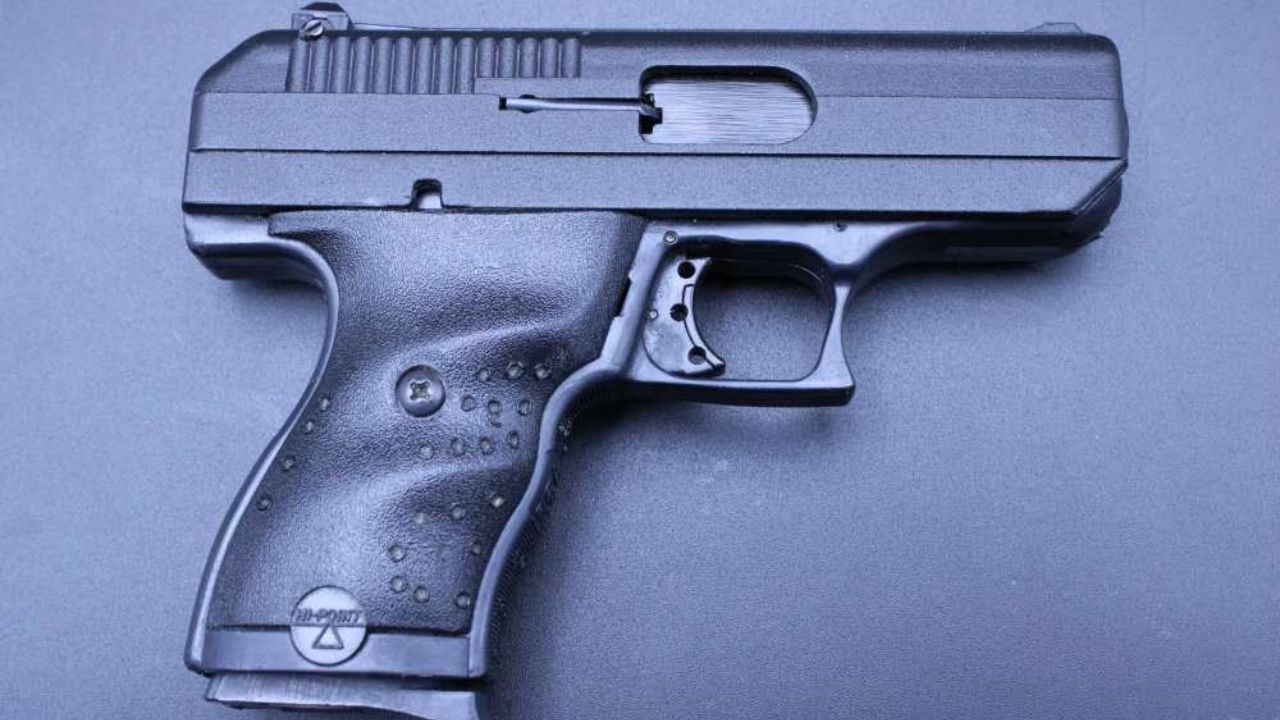
The Hi-Point C9 still makes people laugh, which is part of what makes its place here so funny. It became the internet punching bag of the pistol world because it was cheap, clunky, ugly, and impossible to present as anything refined. For years, buyers mocked it as the handgun equivalent of giving up. Nobody bought a Hi-Point to impress anybody, and the people who did buy one were often treated like they had made a joke purchase instead of a real decision.
But something else happened over time. The gun kept functioning for the kind of owners who wanted a brutally simple pistol, and it built a weird sort of respect through sheer stubborn survival. That did not turn it into a luxury item, but it absolutely turned it into a pistol with more cultural and collector curiosity than the mockers ever expected. Certain examples, early variants, and boxed guns now get chased far harder than anyone would have predicted when the whole market treated them as a punchline wearing zinc.
Ruger P89

The P89 spent years getting laughed at because it looked exactly as subtle as a cinder block and had all the style of an industrial safety device. Buyers saw one and assumed it was the sort of gun you settled for, not the sort of gun you chose. It never had the sleek appeal of a Beretta, the elite aura of a SIG, or the cool-kid approval of newer polymer pistols. That made it easy to ignore and even easier to ridicule.
Then time started being kind to the very thing people once held against it. The P89 had always been durable, reliable, and harder to kill than many of its critics wanted to admit. Once enough shooters got tired of fragile hype and started appreciating overbuilt pistols again, the old Ruger began looking less like a joke and more like one of those brutally honest handguns buyers should not have dismissed so easily. The market has not forgotten the laughter, but it has definitely changed its tone.
Swiss K31
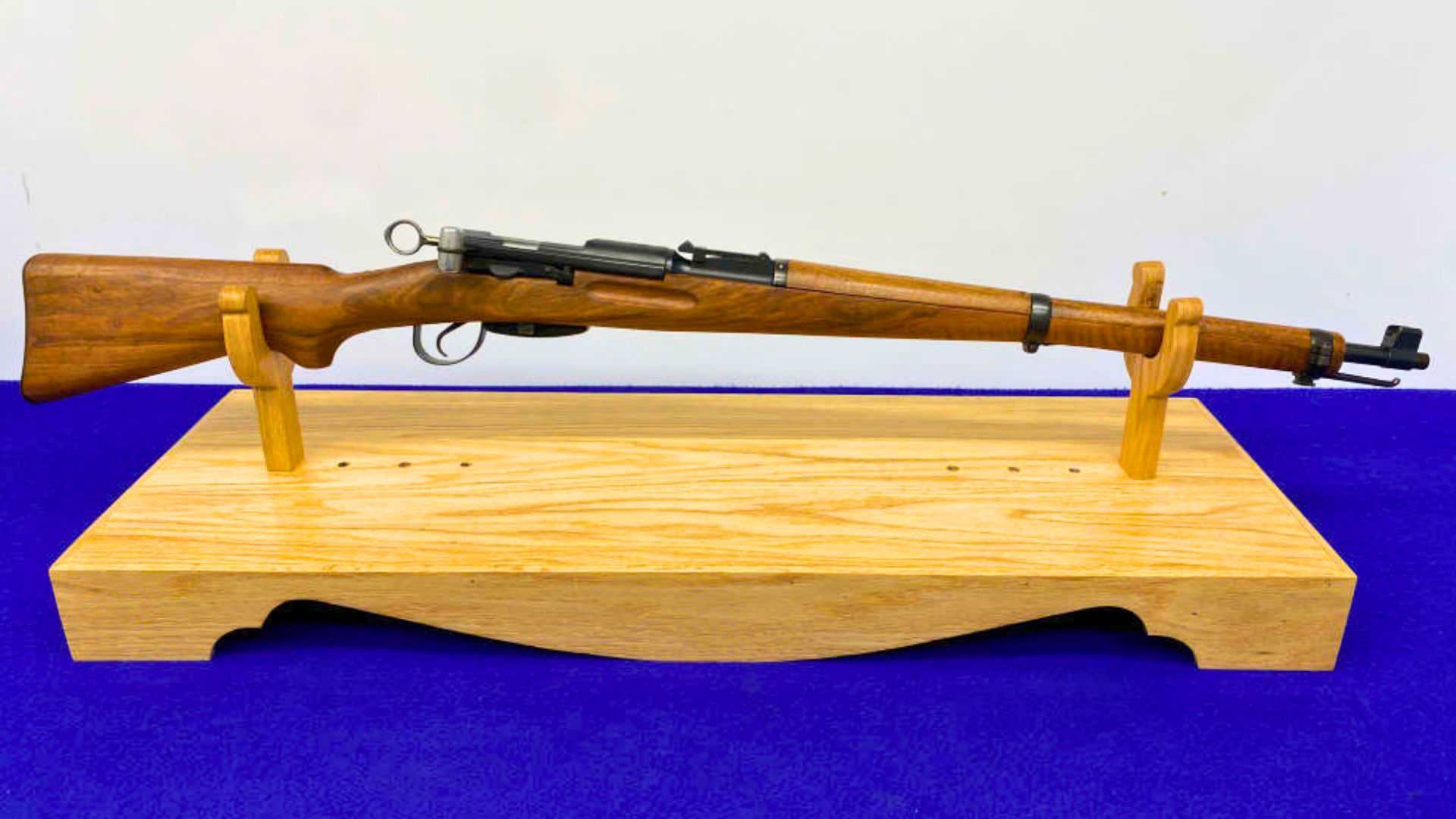
The K31 did not get laughed at in the same way as some of the uglier guns on this list, but it absolutely got treated like a niche oddball rather than a serious future chase piece. It was a straight-pull surplus rifle from a country many buyers did not romanticize the way they did German, Russian, or American military arms. That made it easy to admire intellectually without feeling much urgency to actually buy one. Plenty of people assumed they would always be around, and often cheaply.
Then the shooters started talking. People realized the rifles were unusually well made, unusually accurate, and a lot more interesting in the hands than they had seemed on paper. Once the market caught up, the mood changed fast. The rifle people once saw as the quirky Swiss surplus piece became one of the guns they now wish they had bought by the crate when the whole category still felt sleepy.
Ruger P95

The P95 spent years living in the “too ugly to matter” lane. It looked chunky, plain, and unromantic, and buyers often reacted to it like it was a placeholder handgun rather than a real choice. It was hard to glamorize, hard to brag about, and easy to laugh at if your idea of a good pistol started with looks and ended with brand prestige. For a long time, that kept the P95 in the world of “yeah, it works, but who actually wants one?”
Now enough buyers have learned the hard way that overbuilt pistols age well. The P95 may never become beautiful, but it has earned a lot more respect than the old jokes suggested. In a market that keeps rediscovering tough old service pistols, the gun’s lack of style became part of the charm. People still grin when they see one, but it is not always the same grin anymore. More and more, it is the grin of someone who knows he should have taken the ugly workhorse more seriously.
Marlin 1894 in .357 Magnum

There was a time when a pistol-caliber lever gun in .357 Magnum felt more like a novelty than a priority to many buyers. It was cool, sure, but “cool” and “must buy now” are not the same thing. A lot of shooters laughed off the idea of a lever rifle chambered in a revolver round as cowboy-play money or range-fun fluff. They assumed there would always be one around if they ever changed their mind.
Then demand for handy lever guns exploded, revolver-carbines started making a lot more practical sense to people, and the old .357 Marlins stopped feeling like side-show rifles. The joke got expensive in a hurry. Now the same configuration people once saw as slightly gimmicky has become exactly the sort of rifle buyers chase hard once they realize how useful, fun, and increasingly scarce it really is.
Browning BDM

The Browning BDM spent a long time in the territory reserved for handguns people do not quite know what to do with. It was not famous enough to be cool, not common enough to be mainstream, and not simple enough to be instantly lovable. That made it a very easy gun for buyers to laugh off as one of those strange old pistols Browning made before everyone settled into more obvious lanes.
That reaction worked until the market started valuing unusual, discontinued, genuinely well-made pistols differently. Suddenly the BDM looked less like an odd failure and more like a smart, underbought Browning from a period buyers had underestimated. It did not need a giant cultural reversal. It only needed enough people to stop laughing and start thinking more seriously about what had slipped through their fingers.
Winchester 1200
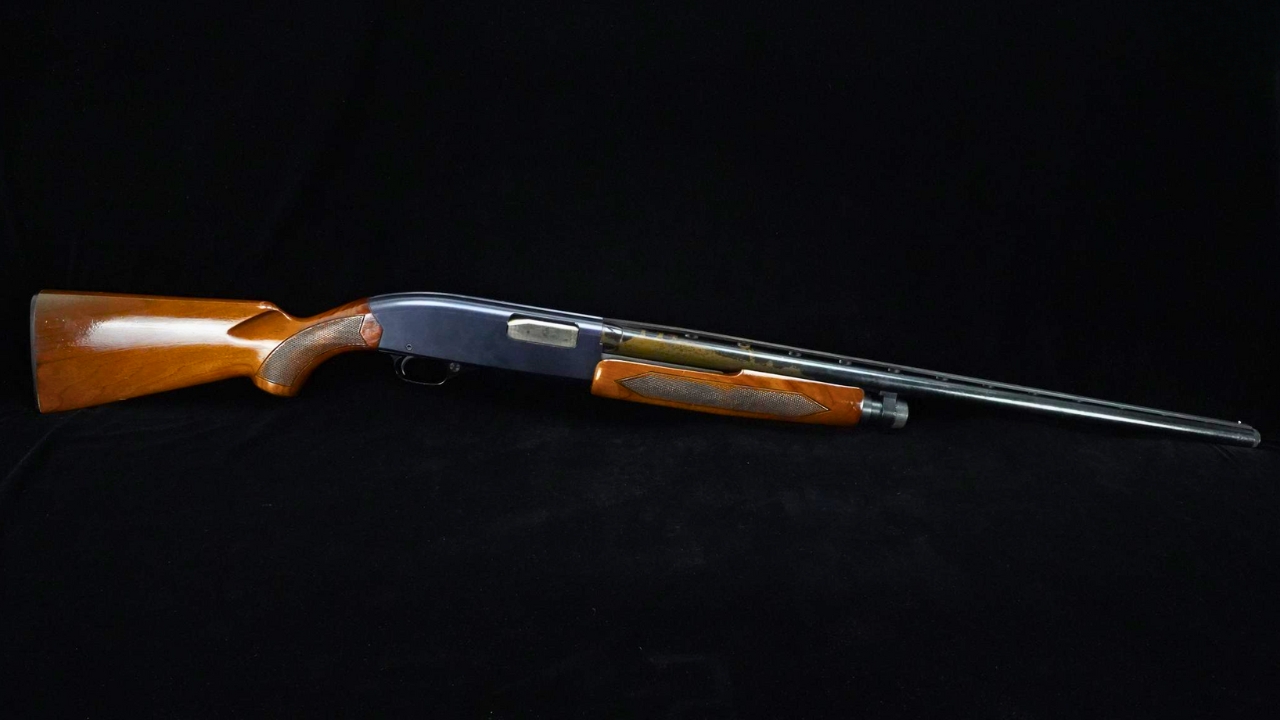
The Winchester 1200 was once the sort of pump shotgun that felt too ordinary to chase and too unfashionable to impress anybody. It sat in the shadow of louder pump-gun reputations and got treated like the practical used shotgun you bought if the stars lined up, not the one you planned for. That made it an easy gun to shrug off when nicer-looking or more heavily mythologized pumps were nearby.
Then the market started warming to older practical field guns in a much more serious way. Buyers remembered that a lot of these shotguns had actually worked very well, and the 1200’s old “just a used pump” reputation started looking too dismissive. It is still not the loudest name in the room, but it no longer gets laughed off the same way. More buyers now recognize that what once looked common and unexciting was actually a pretty smart shotgun to have around.
Taurus PT92
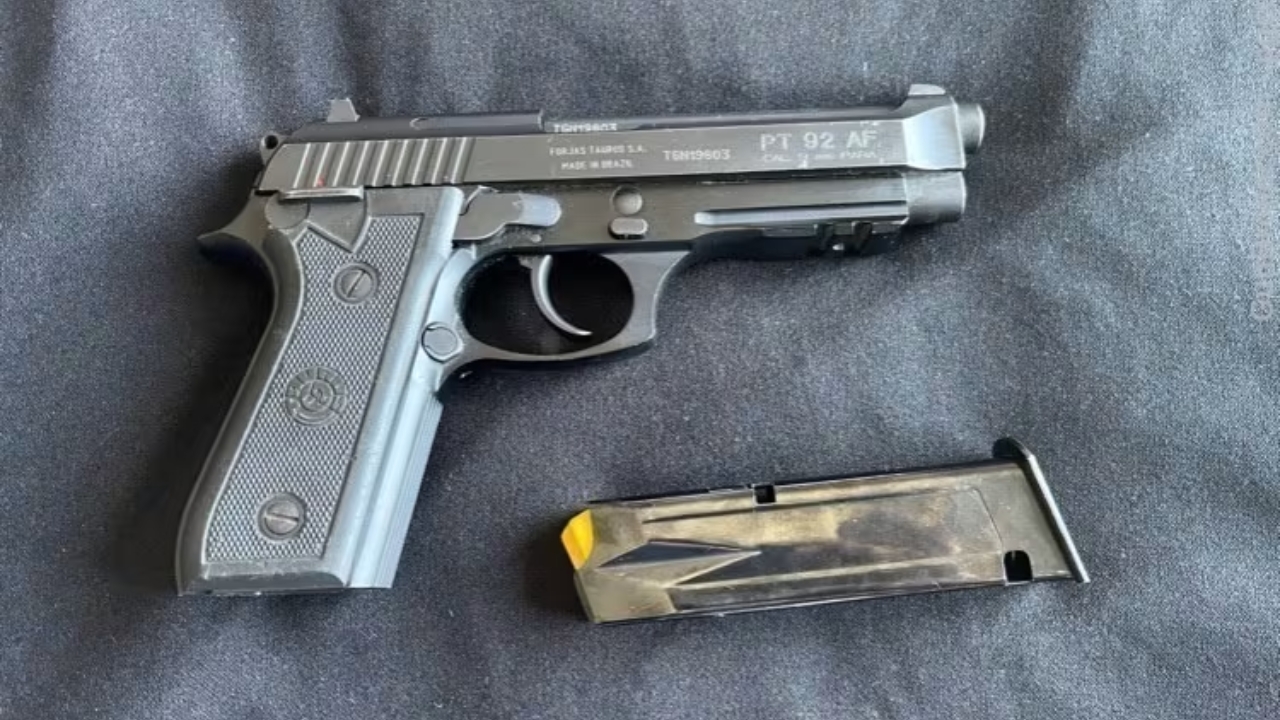
The PT92 used to live in a funny spot where it was praised just enough to stay alive but mocked enough to stay underpriced. A lot of buyers laughed at it as the “other” Beretta, the almost-there service pistol you bought when you wanted the shape without paying for the name. That sort of half-respect and half-contempt can keep a gun in a very strange place for years.
Then more shooters started realizing that the pistol had real durability, real usability, and more independence from the original Beretta comparison than people had given it credit for. Once the PT92 stopped being judged only as a cheaper shadow of something else, it started getting a lot more interesting. It is a good example of a gun people laughed at because of the story around it, then chased harder once they actually looked at the gun itself.
Colt Huntsman
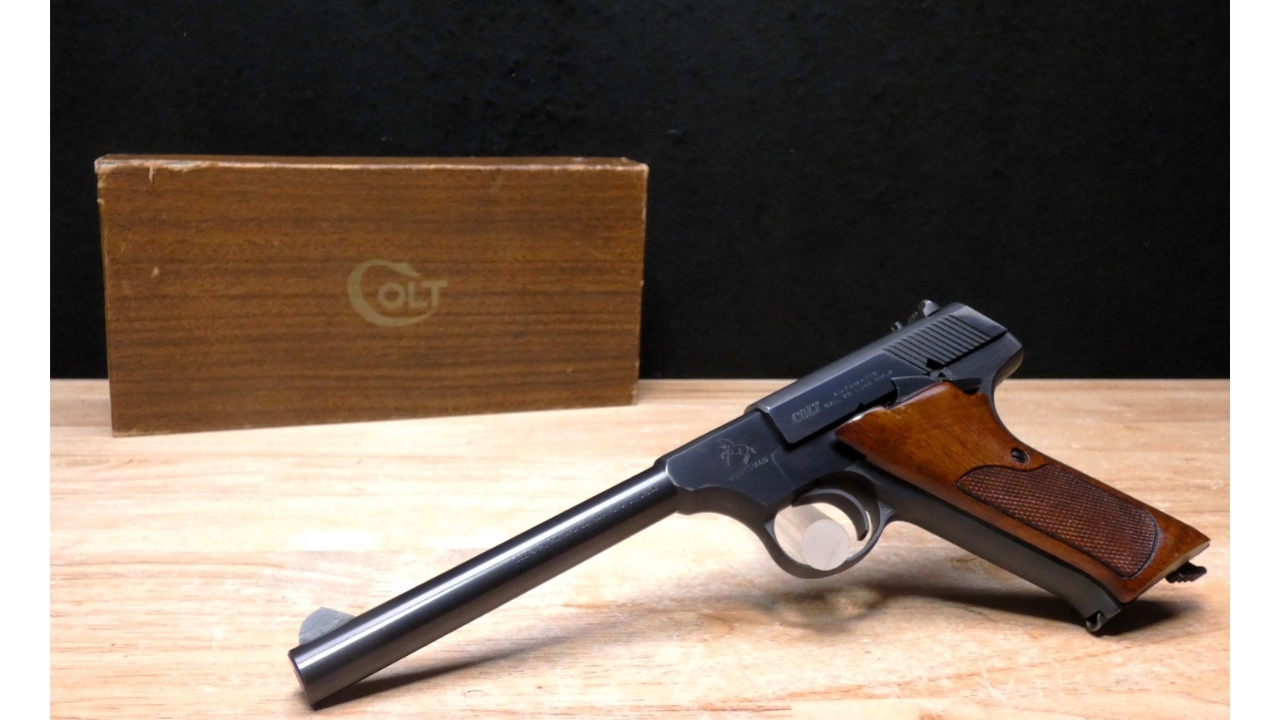
The Colt Huntsman was easy for many buyers to dismiss because it lived in the rimfire world, and rimfire pistols get underestimated all the time. Add in the fact that it was not the fanciest Colt target pistol in the family, and plenty of people treated it like the sort of old .22 you might appreciate someday but did not need to rush toward. That is usually how trouble starts with quality rimfire Colts.
Once the market started treating older Colt .22s with more seriousness, the Huntsman began looking a lot less like the “lesser” option and a lot more like the practical shooter’s version of something buyers should not have ignored. The people who once laughed at the idea of paying attention to a plain old Colt rimfire are not laughing nearly as much now that they cost real money to bring home.
Ruger Single-Six

The Single-Six spent years being treated like a charming little holdover, the kind of rimfire revolver people smiled at but did not always prioritize. Plenty of buyers thought single-action rimfire revolvers were mostly nostalgia with a loading gate, something pleasant but not exactly pressing. That casual attitude kept them easy to enjoy and relatively easy to postpone.
Then enough buyers rediscovered what long-term owners already knew: the Single-Six is one of those guns that stays useful, stays enjoyable, and never really stops making sense if you actually like shooting. Add in older-production appeal and the general rise in appreciation for durable rimfire revolvers, and the whole market got more serious. What used to be the cute old cowboy .22 a lot of buyers laughed off as outdated is now exactly the sort of gun they chase once they realize how much quiet value was sitting there all along.
Like The Avid Outdoorsman’s content? Be sure to follow us.
Here’s more from us:


