Photo credit: TFBTV Show Time/Youtube
Some handguns have to work harder than others to earn respect. Maybe the brand has baggage. Maybe the design looks odd. Maybe the price seems too low to trust. Maybe the pistol just doesn’t look like something serious shooters are supposed to like.
Then people shoot them. Not once, but enough to get past the first impression. The trigger feels better than expected, the recoil stays manageable, the pistol runs clean, or the grip starts making sense. These handguns turned skeptics into quiet fans the honest way.
Canik TP9SF
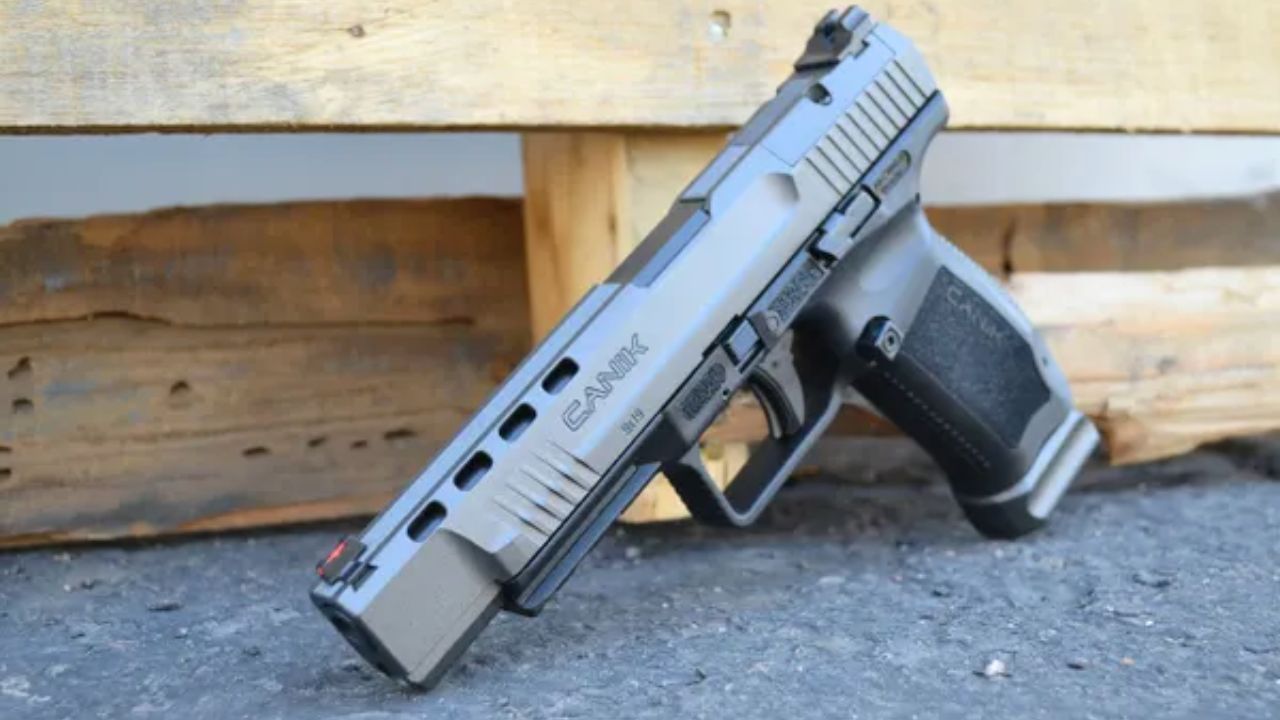
The Canik TP9SF had to fight skepticism early because plenty of shooters saw it as another budget import trying to compete with proven striker-fired pistols. The price seemed almost too low, and a lot of people assumed the gun would feel rough once the shooting started.
Then the trigger surprised them. The TP9SF offered a cleaner break and better reset than many expected at its price point, and the pistol was easy to shoot well. It had enough size to control recoil, enough reliability to build confidence, and enough value to make people stop treating Canik like a joke. A lot of skeptics didn’t become loud fans overnight, but they quietly admitted the gun could shoot.
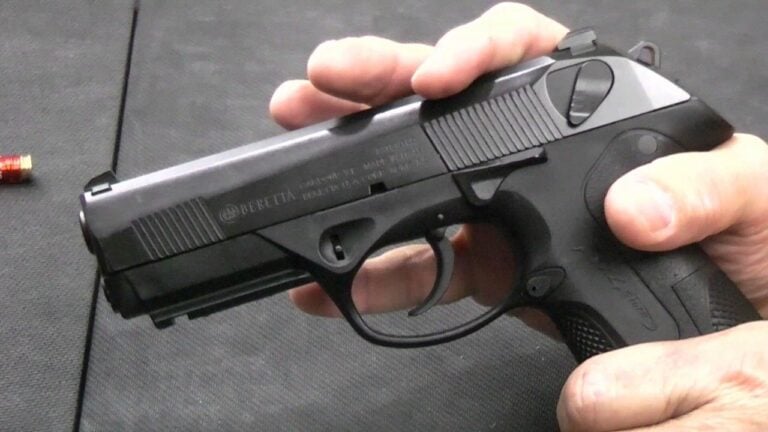
Beretta PX4 Storm Compact
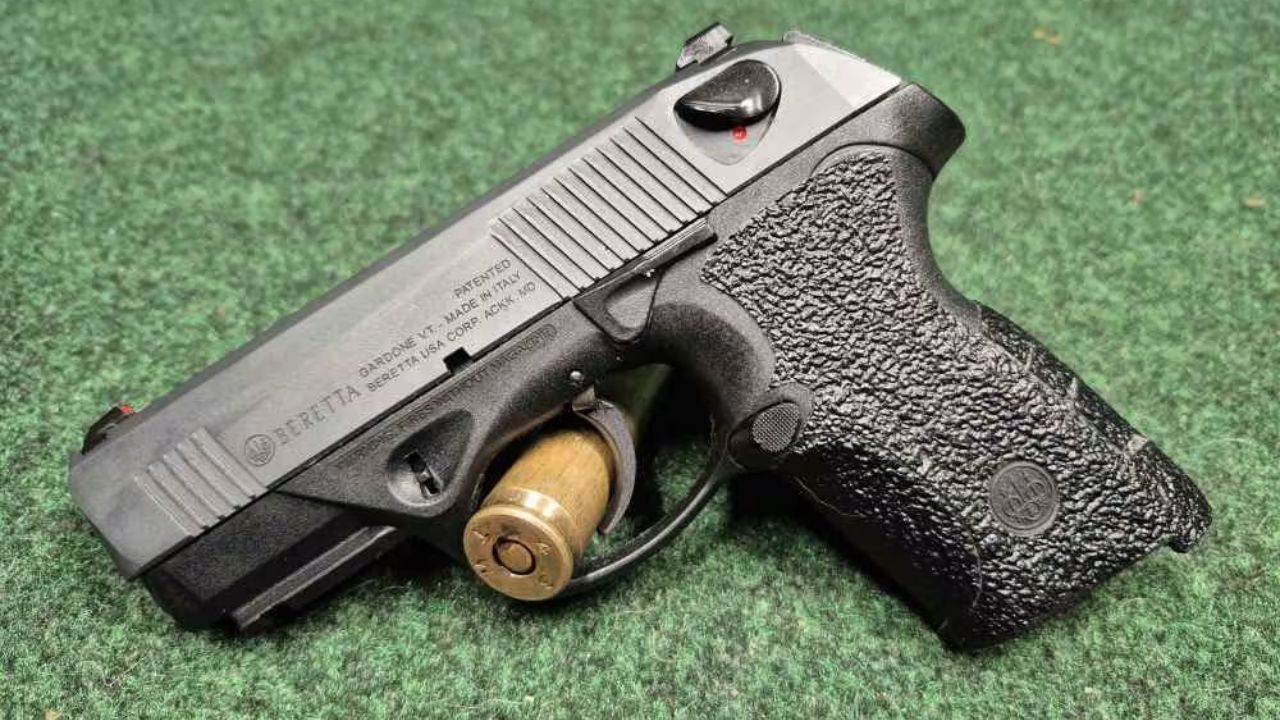
The Beretta PX4 Storm Compact turned skeptics into fans because it shoots better than it looks to a lot of people. The rounded styling and rotating barrel system made some shooters dismiss it before giving it a fair chance. It didn’t have the classic appeal of the 92 series or the simple popularity of Glock-style pistols.
Once people ran it, the recoil impulse changed opinions. The PX4 Compact feels smooth, controlled, and surprisingly easy to shoot for its size. The DA/SA trigger system takes practice, but the pistol rewards the work. Langdon Tactical’s attention to the platform helped more shooters take it seriously, but the base design already had a lot going for it. It was never just a weird-looking Beretta.
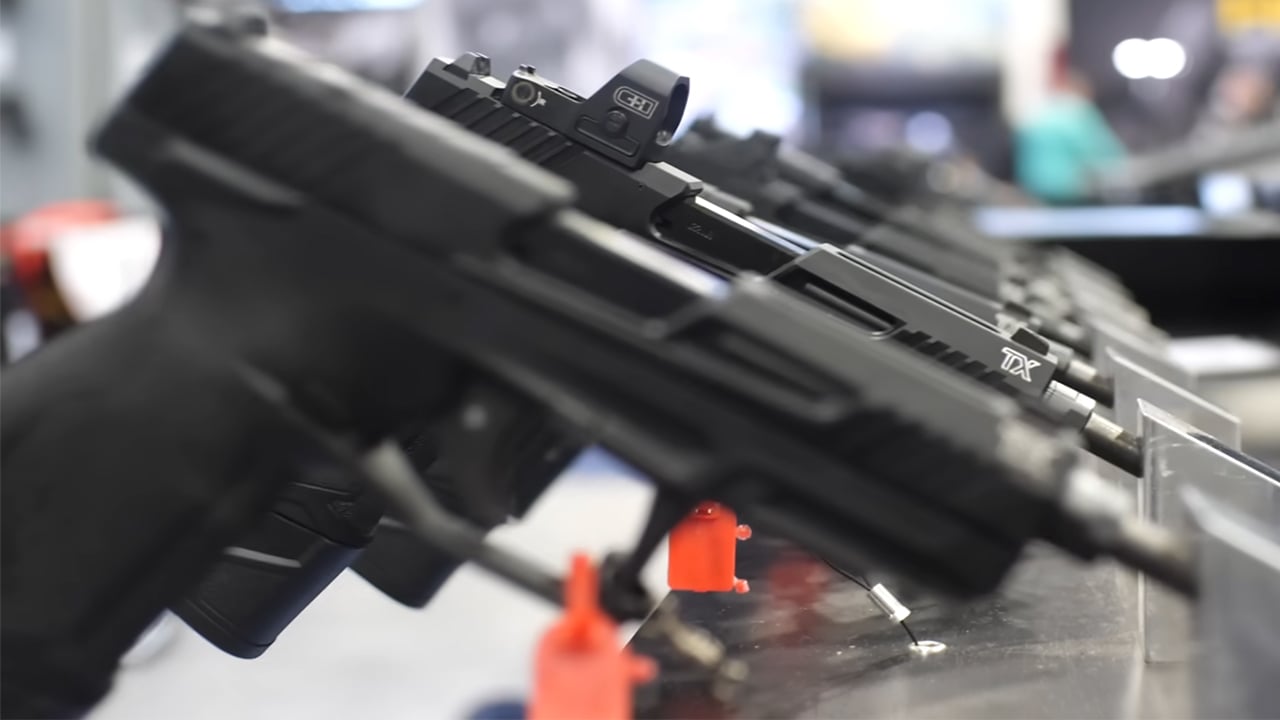
Taurus TX22
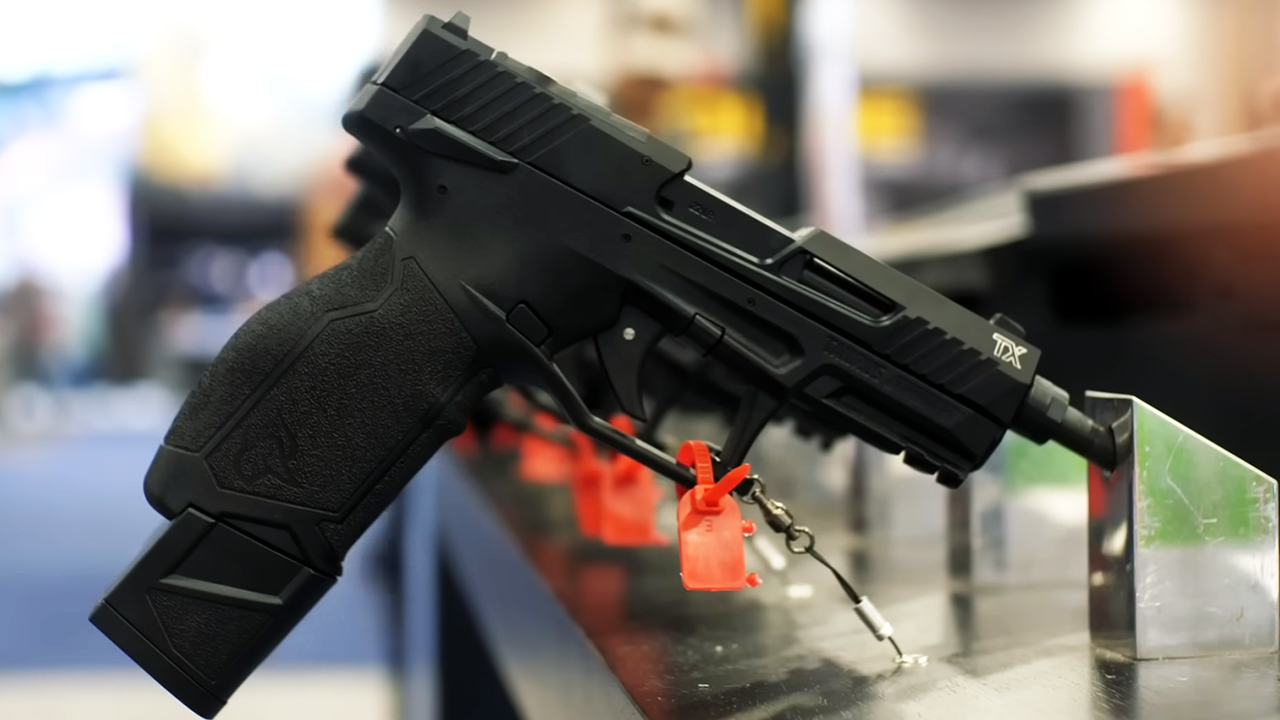
The Taurus TX22 turned a lot of skeptics into fans because expectations were not high. Taurus has had enough misses that many shooters assumed a lightweight .22 pistol from the company would be another gamble. Rimfire semi-autos can already be finicky, so the doubt made sense.
Then people started shooting them hard. The TX22 proved comfortable, reliable with the right ammo, and genuinely fun. It has good capacity, familiar controls, and enough accuracy for useful practice. It also makes range days cheap and easy, which matters more than people admit. Taurus may still have brand baggage, but the TX22 became one of the pistols that made shooters say, “Okay, they got this one right.”
Ruger P95
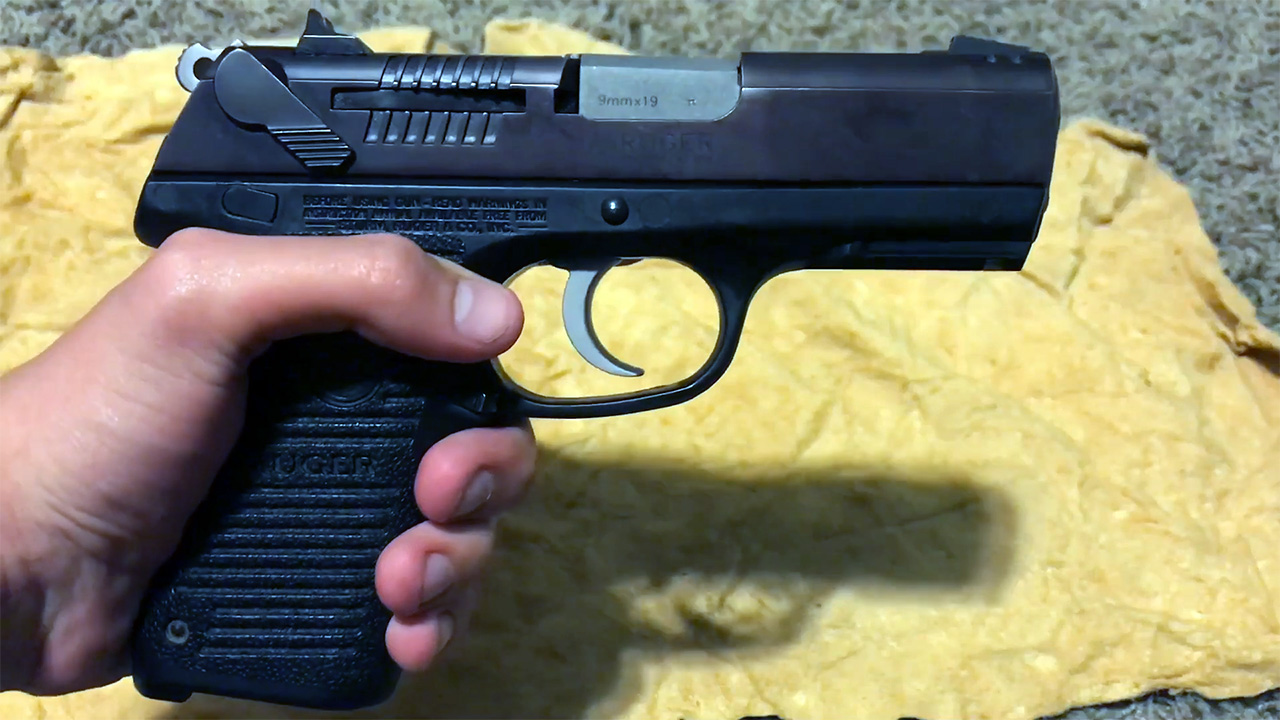
The Ruger P95 never looked like a pistol built to win over skeptics. It was chunky, plain, and very much a product of Ruger’s practical design style. A lot of shooters saw it as a budget brick from another era and moved on to sleeker pistols.
But the P95 earned quiet fans by being tough and dependable. It handled 9mm recoil easily, ran well for many owners, and didn’t ask for special treatment. The trigger wasn’t fancy, and the grip wasn’t elegant, but the pistol did its job. Sometimes the gun that looks clumsy turns out to be the one that keeps working after prettier options disappoint. That’s how the P95 built respect.
CZ P-07

The CZ P-07 had skeptics because it wasn’t the steel-framed CZ people already loved. Polymer CZs had to prove they could carry the same practical shooting feel without the weight and old-school charm of the CZ 75 family. Some shooters doubted it right away.
Then they shot it. The P-07 has a comfortable grip, controllable recoil, and a practical DA/SA setup with safety or decocker options. It feels more settled than many polymer compacts, and the Omega trigger system gives it flexibility. It may not be as pretty as a classic CZ, but it works. The more people trained with it, the harder it became to call it a lesser CZ.
Bersa Thunder 380

The Bersa Thunder 380 gets dismissed because it’s affordable, chambered in .380 ACP, and often compared with much more expensive pistols. Some shooters assume that combination means it can’t be worth much serious attention. That’s too quick.
The Thunder wins people over because it is pleasant to shoot. It’s larger than tiny pocket .380s, but that size makes it easier to control. The fixed barrel helps with accuracy, the recoil is mild, and the DA/SA setup feels familiar to people who like classic pistols. It isn’t a premium carry gun, and it doesn’t pretend to be. But for the money, it has made plenty of skeptics quietly respect it.
Smith & Wesson SD9VE

The Smith & Wesson SD9VE has always had to live under the shadow of the Sigma and the criticism of its trigger. A lot of shooters dismiss it as the budget Smith you buy when you can’t afford an M&P. That reputation has followed it hard.
Still, some owners became quiet fans because the pistol often runs well and fills a real need. The trigger is heavy and not especially refined, but it can be learned. The gun is affordable, simple, and practical for range use or basic defensive training. It is not better than an M&P 2.0, but that isn’t the point. It gave budget buyers a usable pistol from a major company, and many found it better than expected.
Walther Creed
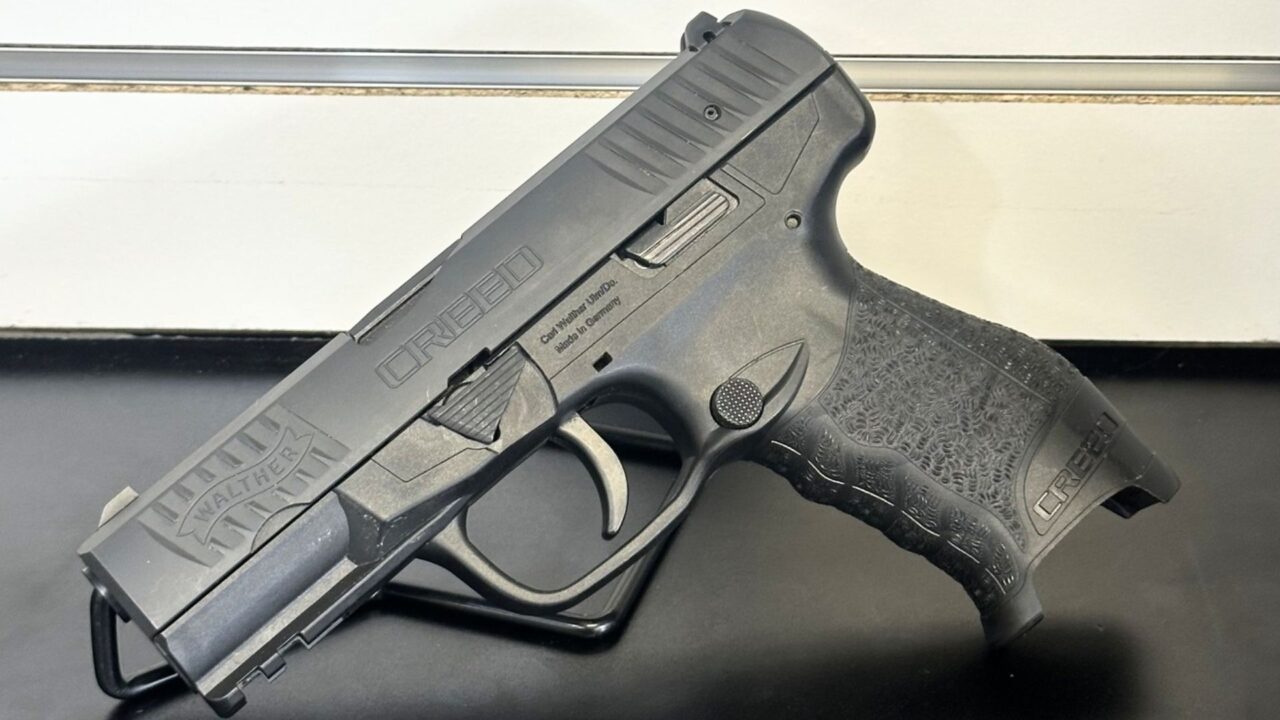
The Walther Creed never got the attention of the PPQ or PDP, and that’s probably why skeptics underestimated it. It looked like a plain, lower-cost Walther that existed mostly to hit a price point. A lot of shooters assumed it would feel like a compromised version of the good stuff.
Instead, the Creed turned out to be comfortable, soft-shooting, and easy to use. The trigger system was different, but workable, and the grip still carried some of that Walther ergonomic goodness. It wasn’t a high-end duty pistol, and it didn’t last as a major market player. But people who actually shot one often came away surprised. It was more pleasant than its quiet reputation suggested.
Rock Island Armory 1911
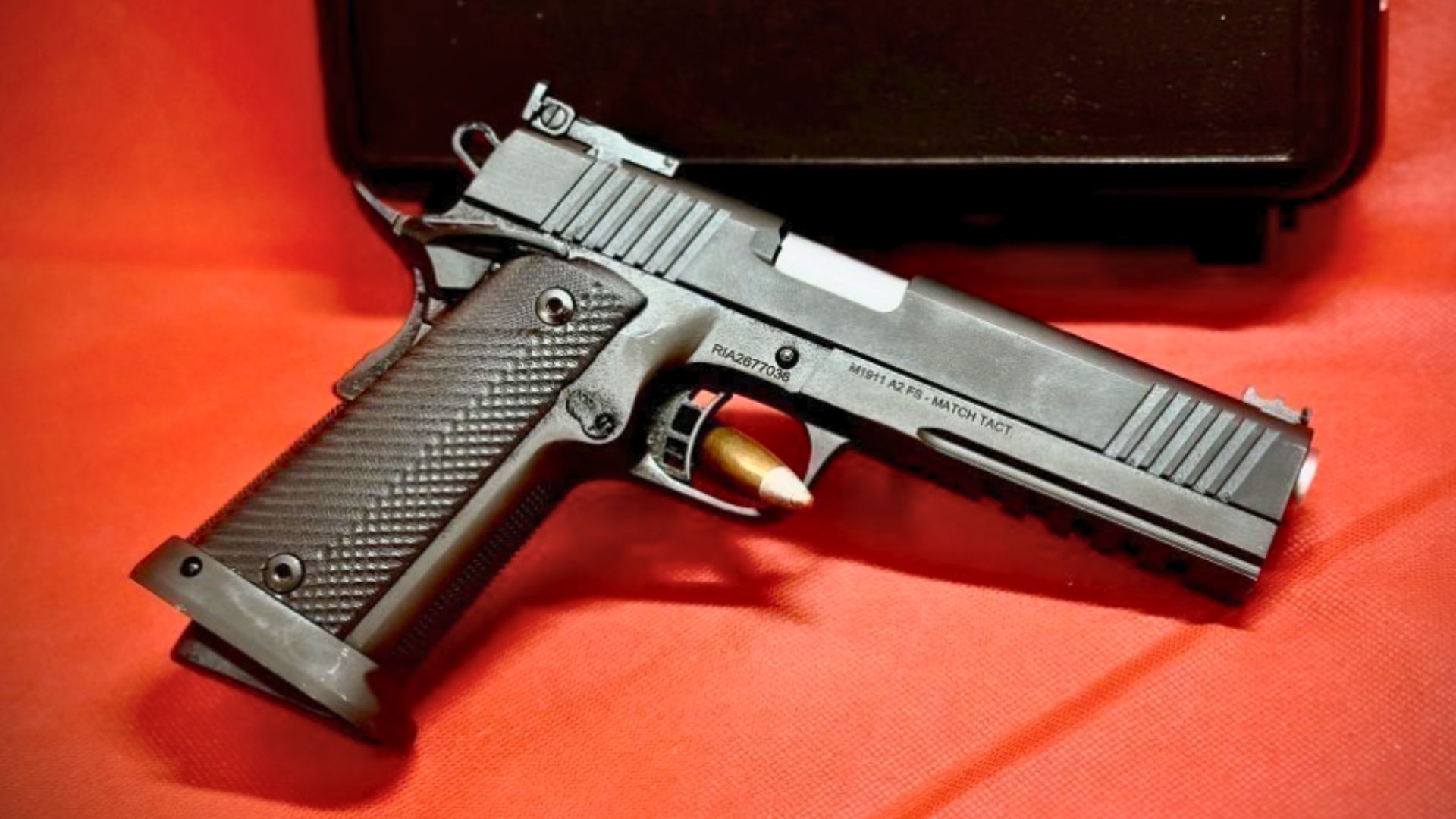
Rock Island 1911s turned skeptics into fans because a lot of 1911 people are brutally hard on affordable versions of the platform. That skepticism isn’t completely unfair. Cheap 1911s can be a mess if they’re poorly fitted or unreliable. Plenty of buyers expected Rock Island to fall into that camp.
Then the pistols started proving themselves as solid entry-level 1911s. They’re not Colts, Springfields, or Dan Wessons, and nobody should pretend they have the same finish or refinement. But many shoot well, run reliably with good magazines, and give owners the core 1911 experience without premium pricing. A plain pistol that works can humble a lot of snobbery.
IWI Masada
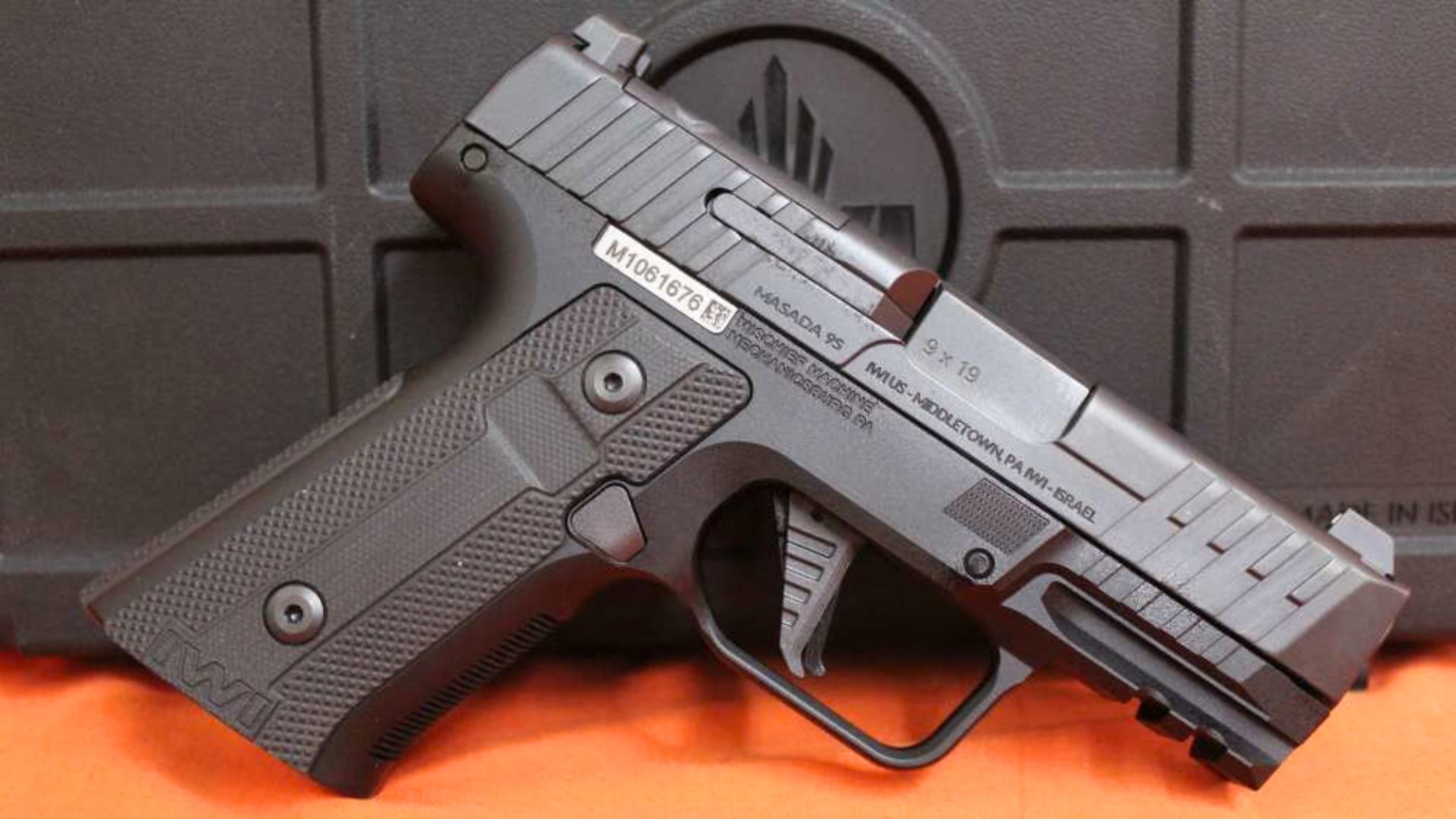
The IWI Masada entered a crowded striker-fired market, which made skepticism easy. Another polymer 9mm with interchangeable backstraps and optics-ready capability didn’t exactly sound groundbreaking. Plenty of shooters already had their Glock, M&P, SIG, CZ, or Walther picked out.
The Masada won quiet fans by being more solid than expected. It has good ergonomics, a practical optics system, ambidextrous controls, and a sturdy duty-pistol feel. It doesn’t have the aftermarket support of the giants, but it also doesn’t feel like a flimsy copy. Shooters who gave it a fair try often found a dependable pistol that deserved more attention than it got.
Stoeger STR-9

The Stoeger STR-9 had an uphill climb because Stoeger isn’t the first name most people think of for handguns. A budget-friendly striker-fired 9mm from a shotgun-associated brand is easy to overlook. Plenty of shooters assumed it would be forgettable before they ever handled it.
But the STR-9 has surprised people by being a decent shooter for the money. The grip is usable, recoil is manageable, and the trigger is serviceable enough for training and basic defensive practice. It isn’t the most refined pistol in the category, but it doesn’t feel like junk either. Sometimes exceeding low expectations is enough to build real respect, and the STR-9 did that for more than a few owners.
FN FNS-9
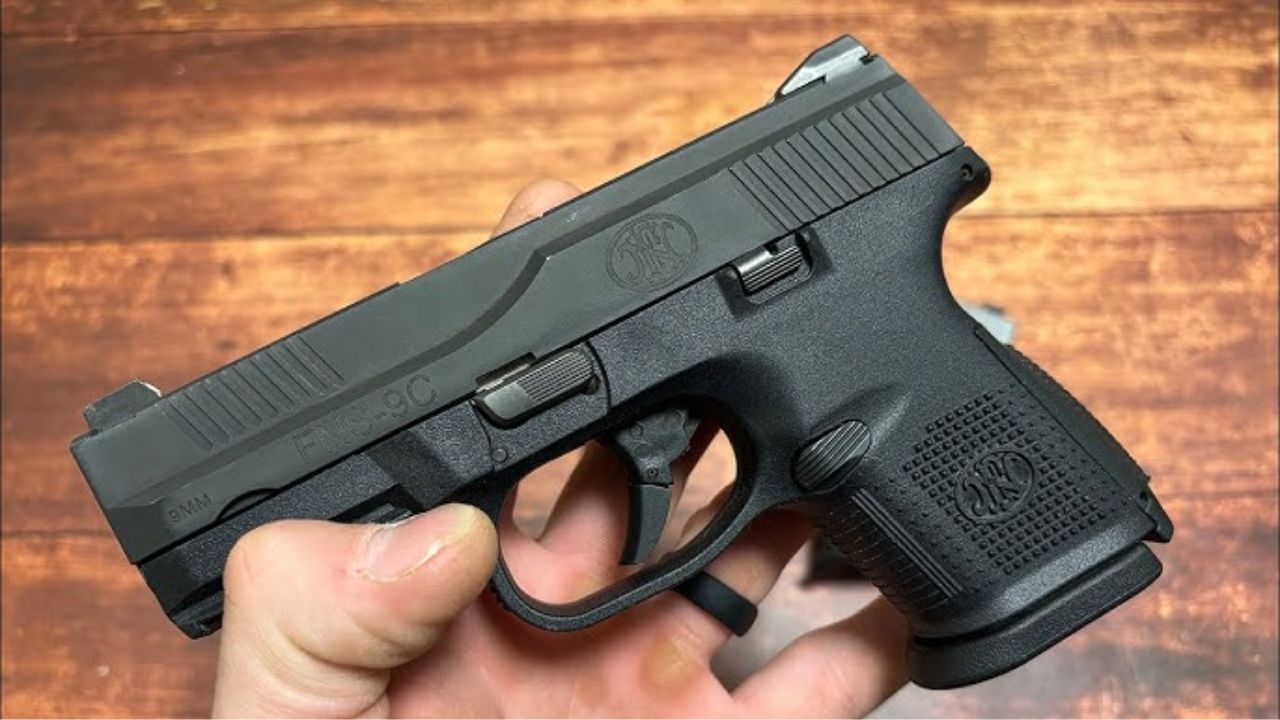
The FN FNS-9 turned skeptics into fans because it got overshadowed by timing and competition. It arrived in a packed striker-fired market, and later the FN 509 became the company’s bigger talking point. That left the FNS-9 feeling like a pistol people forgot too quickly.
Shooters who spent time with it often found a sturdy, reliable, easy-to-control duty-style pistol. The ambidextrous controls were useful, the grip texture worked, and the pistol handled recoil well. It may not have had the trend momentum of Glock or M&P, but it performed. Some guns don’t become famous because the market is too loud. The FNS-9 was better than its level of attention suggested.
Springfield Armory XD-S 9mm

The XD-S 9mm had skeptics because the grip safety turned some people off immediately, and the micro-compact market eventually passed it on capacity. It started looking outdated once newer small pistols began holding more rounds in similar sizes.
Still, plenty of shooters became quiet fans because the XD-S carried easily and shot better than they expected. It’s slim, simple, and manageable with practice. The grip texture helps keep the pistol under control, and for people who don’t mind the grip safety, the manual of arms is easy enough. It may not be the newest answer anymore, but that doesn’t make it useless. Some older carry guns still work fine.
EAA Witness Polymer Compact
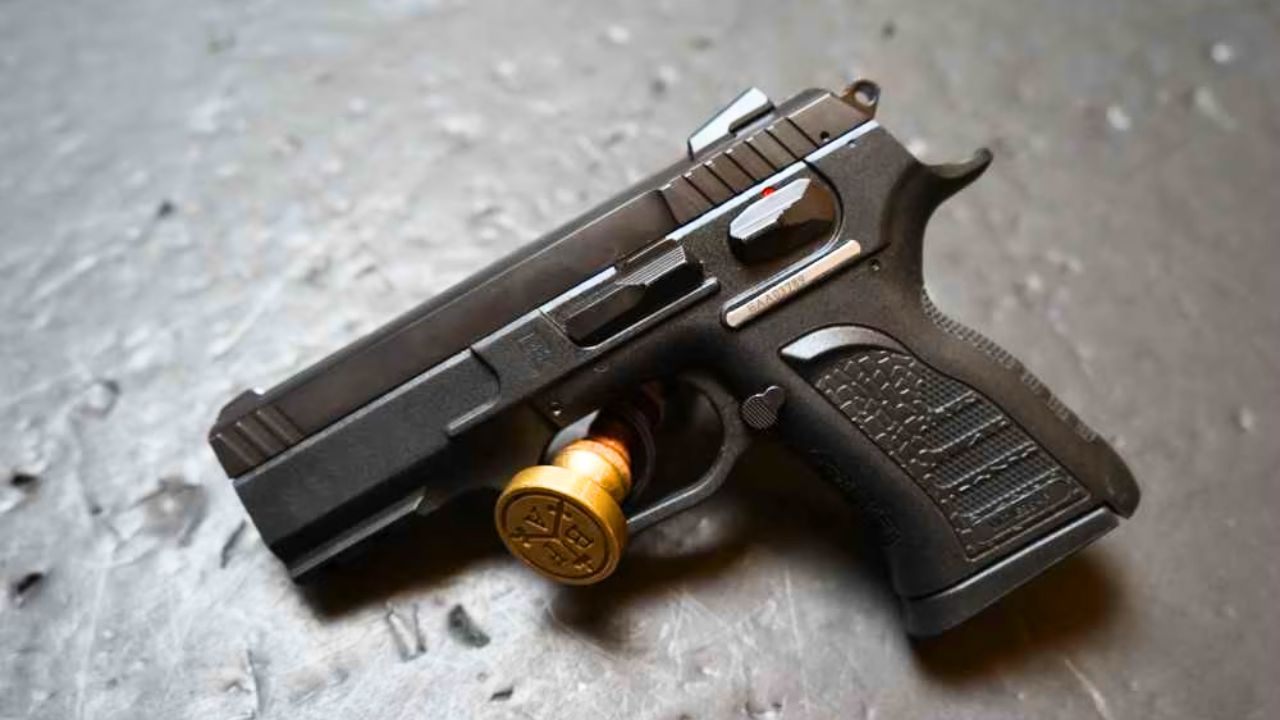
The EAA Witness Polymer Compact never got mainstream attention because the name didn’t mean much to many American shooters. It looked like another CZ-inspired import in a market full of better-known options. That made it easy to dismiss.
Then people shot it and realized the basic layout had merit. The grip shape is comfortable, recoil is manageable, and the DA/SA system gives it a familiar feel for people who like traditional pistols. It isn’t as refined as higher-end Tanfoglio pistols, and support can be more limited, but it can shoot well. A pistol doesn’t need a famous rollmark to earn a place with someone who actually runs it.
Taurus G3C
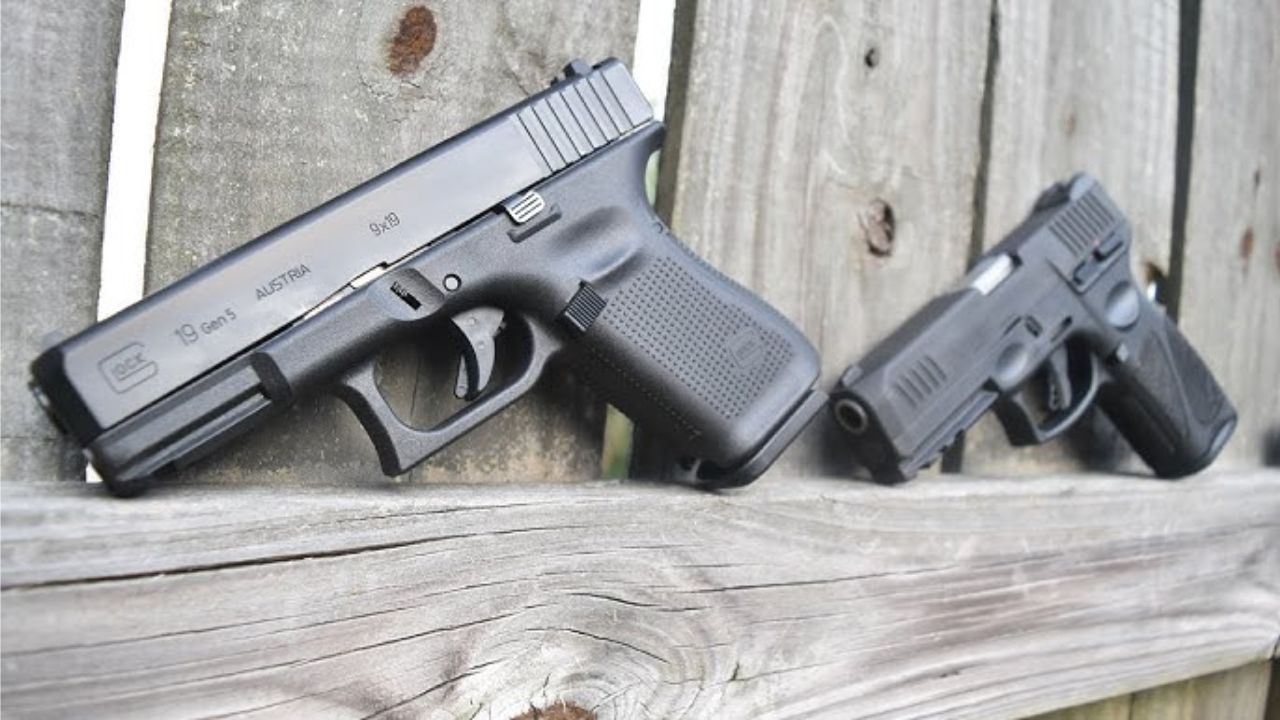
The Taurus G3C turned skeptics into quiet fans because many shooters expected very little from it. Taurus semi-autos have had a mixed reputation for years, and that kind of baggage does not disappear overnight. A lot of people assumed the G3C would be another budget pistol with too many compromises.
What surprised owners was how much it offered for the price. The size works for carry, the capacity is useful, the sights are better than expected on many versions, and the pistol can shoot well once the trigger is learned. It is not a premium compact, and buyers should still test any carry gun thoroughly. But the G3C made plenty of skeptics admit it was a much better budget option than they expected.
Like The Avid Outdoorsman’s content? Subscribe to our newsletter so you never miss an article.
Here’s more from us: