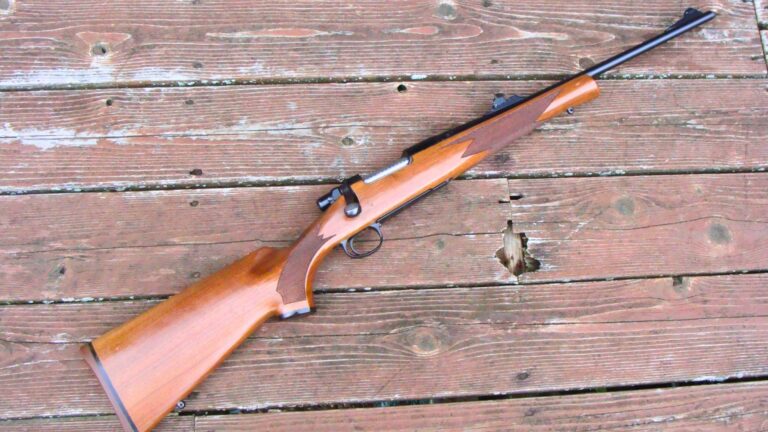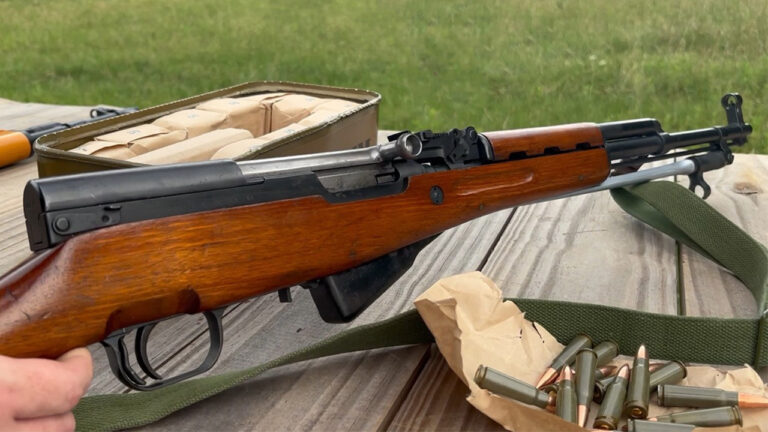
Photo credit: MidwayUSA/Youtube
Every few years, a new hunting caliber gets treated like it solved everything. Flatter trajectory, better wind performance, less recoil, more energy, newer rifles, better bullets, louder marketing — the cycle never really stops. Some of the hype is deserved. Some of it fades fast.
The calibers that matter most are the ones still working after the noise dies down. They keep filling tags, building confidence, and proving that hunters don’t always need the newest answer. These hunting calibers have already survived enough trends to show they’re more than a moment.
.30-06 Springfield
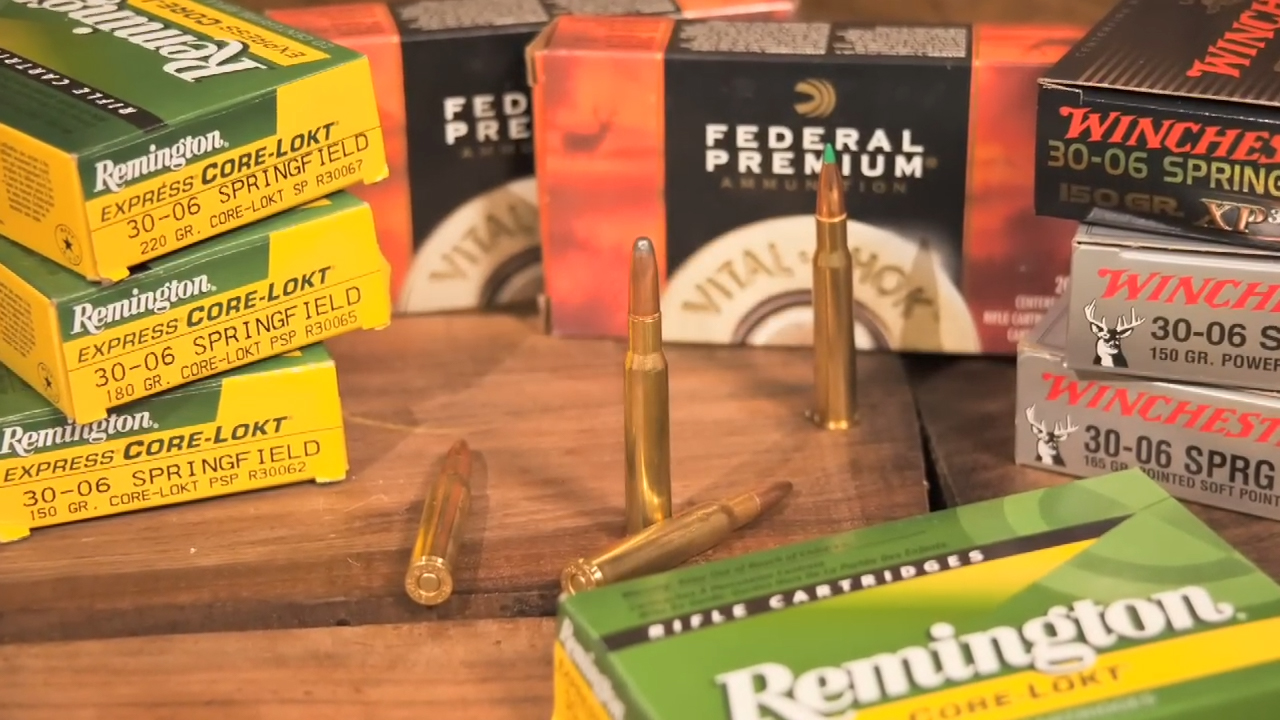
The .30-06 Springfield may be the ultimate “still working” hunting caliber. It has been around so long that some hunters treat it like background noise, but that is exactly why it deserves respect. It became common because it works across an unusually wide range of hunting situations.
With the right bullet, the .30-06 can handle deer, hogs, black bear, elk, moose, and similar big game within reasonable distances. It offers broad bullet-weight options, strong factory-ammo support, and enough power without forcing most shooters into punishing magnum recoil. Newer cartridges may beat it in specific lanes, but the .30-06 keeps surviving because it does almost everything well. Hype fades. Flexibility does not.
.270 Winchester
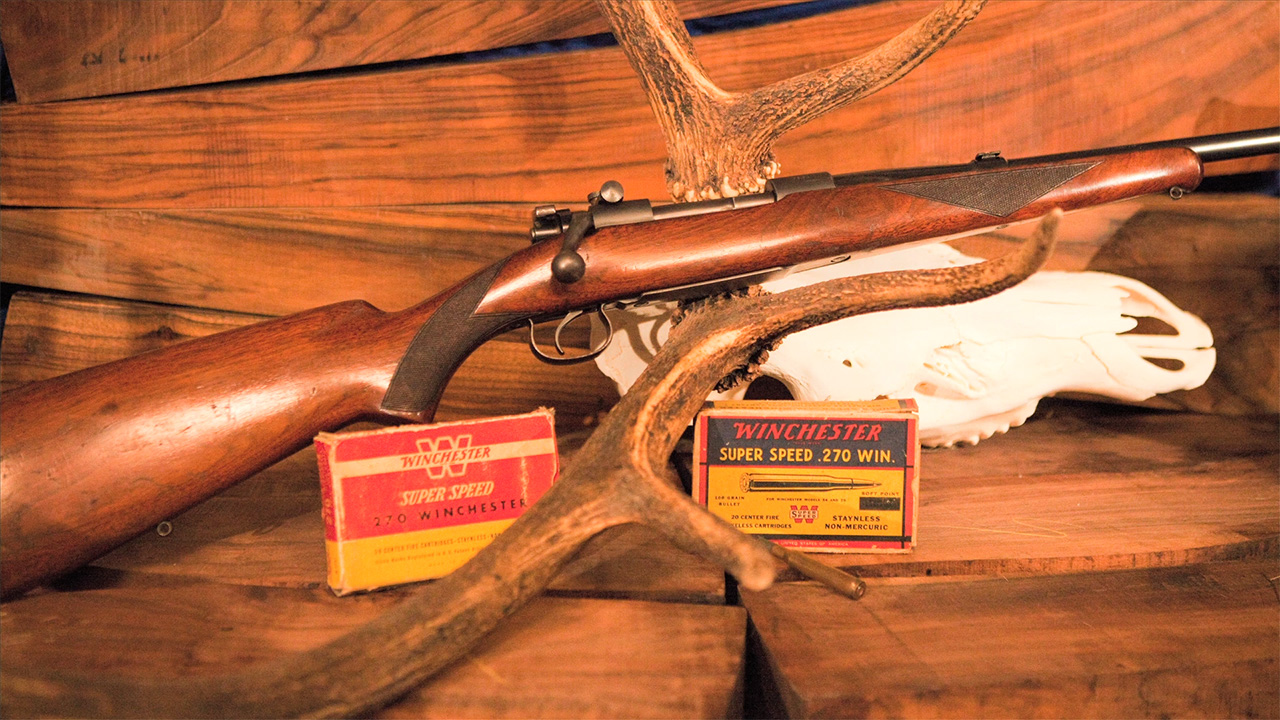
The .270 Winchester has watched countless newer hunting rounds come and go while it kept doing the same job. It shoots flat, recoils moderately, and hits hard enough for deer, antelope, sheep, hogs, and elk with proper bullets. That combination is still hard to argue with.
Some newer cartridges offer better long-range bullet selection or more modern rifle support, but most hunters are not taking shots where those differences matter as much as marketing suggests. The .270 remains practical because it gives real reach without excessive recoil. It may not sound cutting-edge anymore, but it keeps making clean hits and filling freezers. That is the kind of performance that outlives hype.
.308 Winchester

The .308 Winchester is so common that people sometimes forget how useful it is. It doesn’t have the speed of magnums or the current glamour of newer precision cartridges. It just keeps showing up in accurate rifles with easy-to-find ammunition and a long record of dependable field use.
For deer, hogs, black bear, and elk with the right load and shot placement, the .308 still makes a lot of sense. It is efficient, manageable, and available in rifles ranging from lightweight hunting guns to precision platforms. The recoil is reasonable for most shooters, which means they can practice more and shoot better. The .308 keeps working because boring and effective are often the same thing.
.30-30 Winchester
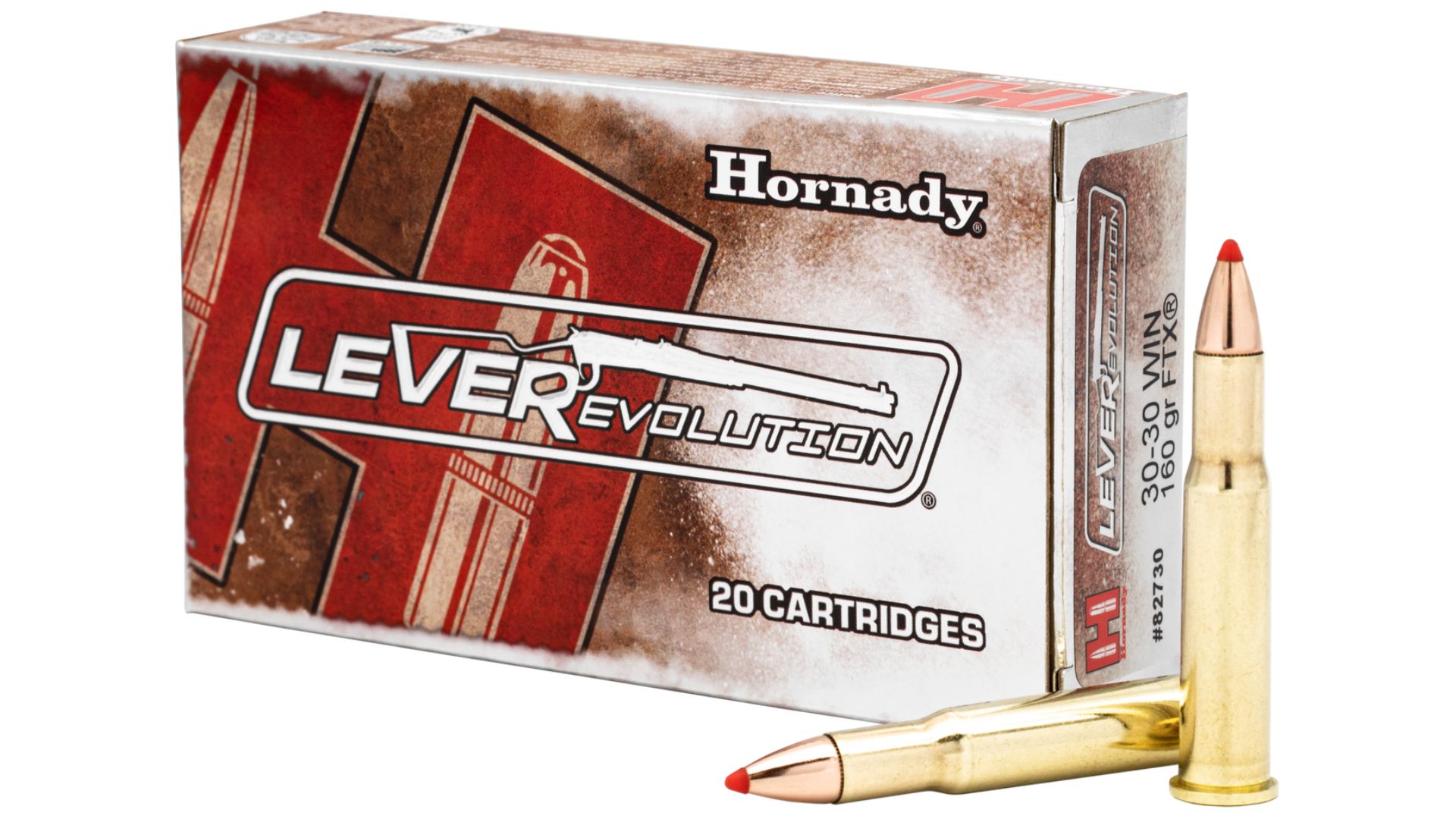
The .30-30 Winchester has survived more “obsolete” labels than almost any hunting caliber. Every time the market turns toward long-range rifles and high-BC bullets, someone acts like the old .30-30 has no reason to exist. Then deer season comes, and it keeps doing its job.
In thick woods, short lanes, and normal lever-action distances, the .30-30 is still extremely useful. It carries in light, handy rifles, recoils mildly, and hits with enough authority for deer, hogs, and black bear where legal and appropriate. It is not a long-range cartridge, and it does not need to be. The .30-30 keeps working because a lot of real hunting still happens where it shines.
7mm-08 Remington
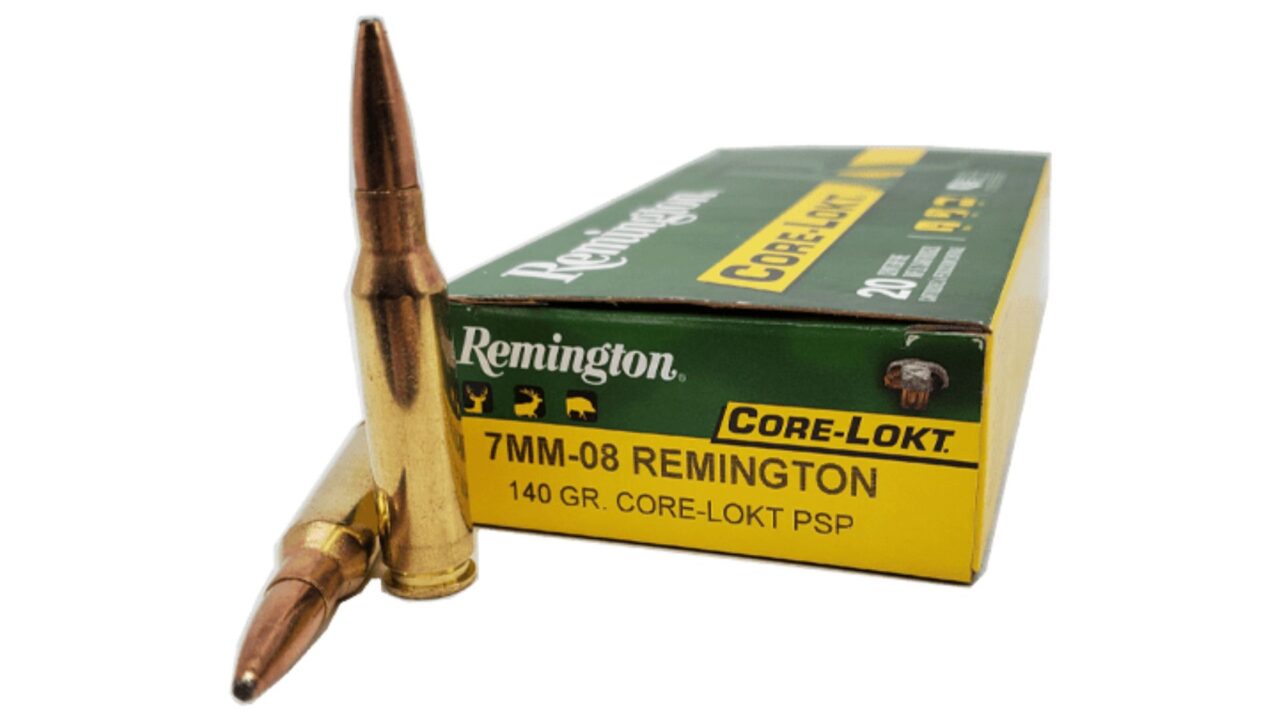
The 7mm-08 Remington is one of those calibers that never needed hype to be excellent. It does not kick hard, does not require a long action, and does not come with a magnum label. That makes it easy for loud marketing to drown it out, but hunters who use it usually know better.
The 7mm-08 offers excellent bullet selection, manageable recoil, and strong performance on deer, hogs, black bear, and elk with proper bullets and sensible shot placement. It works especially well in compact rifles, which makes it a favorite for hunters who value carry comfort and accuracy over raw power. After the hype around other cartridges fades, the 7mm-08 still looks like one of the smartest hunting choices around.
.243 Winchester
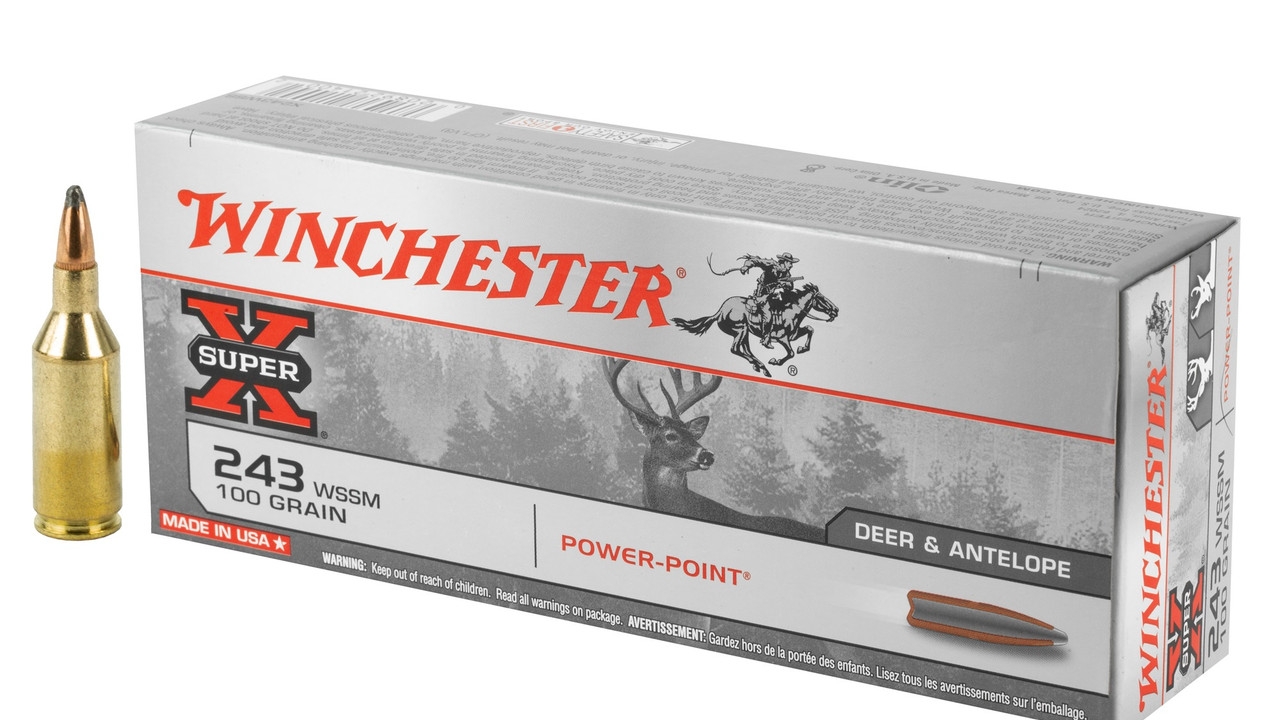
The .243 Winchester keeps working because it solves one of hunting’s most underrated problems: recoil. Many hunters shoot better when they are not being punished, and the .243 gives them a cartridge that is mild enough to practice with but capable enough for real field use.
With proper bullets and good shot placement, the .243 has long been effective on deer, antelope, predators, and varmints. It is not a cartridge for careless shooting or overly tough angles on big game, but within its role, it performs very well. The “youth rifle” label undersells it. Plenty of experienced hunters still appreciate the .243 because low recoil and high confidence never go out of style.
.280 Remington
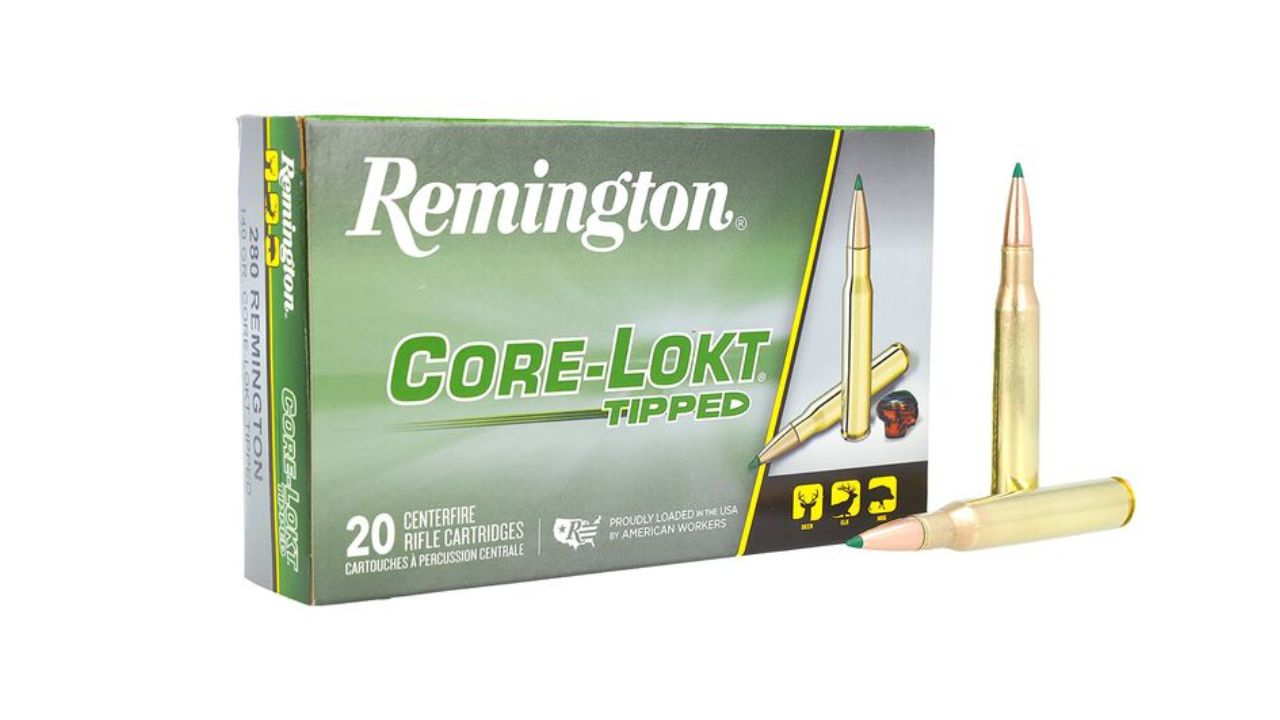
The .280 Remington has never been hyped as loudly as it deserved, which may be why it has aged so well. It sits between the famous .270 Winchester and the more dramatic 7mm Remington Magnum, quietly offering excellent performance without the same noise.
With good 7mm bullets, the .280 is capable on deer, antelope, elk, hogs, and similar game at practical hunting distances. It gives hunters useful reach and authority without the full recoil and blast of a magnum. The cartridge did not win the popularity contest, but it kept its loyal fans because it works. Sometimes the best hunting calibers are the ones that never needed much advertising.
.35 Remington
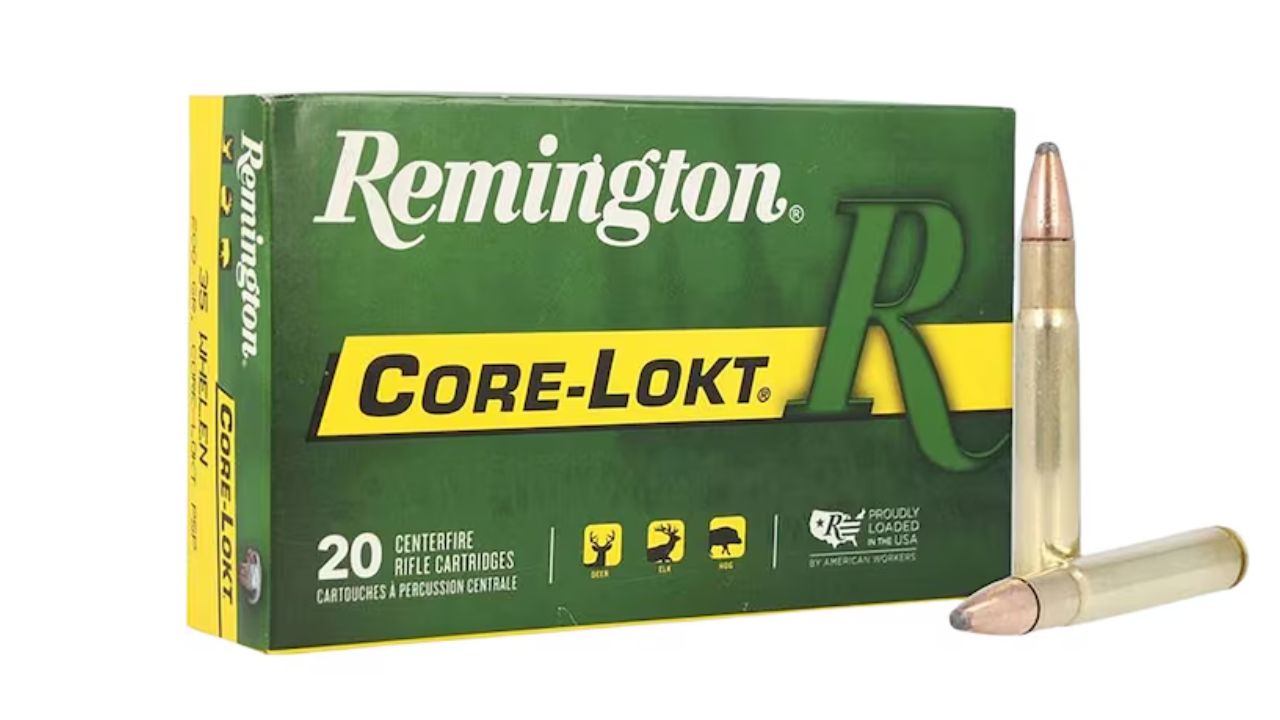
The .35 Remington keeps working because it was built for a type of hunting that never disappeared. Thick timber, close shots, quick handling, and heavy impact still matter. Not every hunt happens across open country or from a long-range bench.
In lever-action rifles, the .35 Remington delivers a noticeable thump on deer, hogs, and black bear at sensible woods distances. It is not fast, not flat, and not modern in any marketing-friendly way. Ammunition availability can be a real headache now, which hurts its practicality. But the cartridge itself still performs beautifully inside its lane. The hype moved away from woods rounds, but the woods did not move away from them.
.45-70 Government
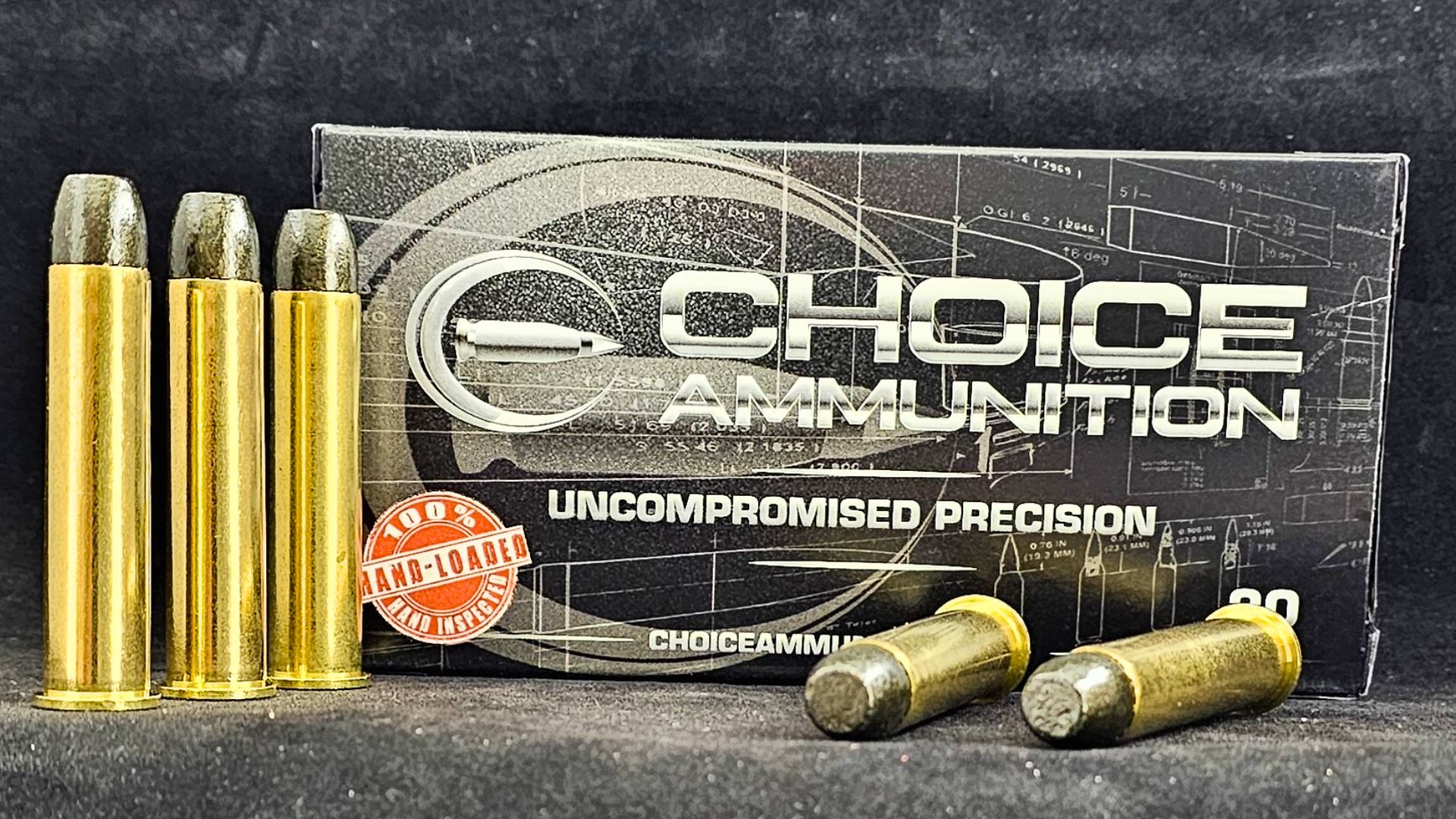
The .45-70 Government has outlived so many trends that calling it old almost feels pointless. It has gone from military round to buffalo cartridge to lever-gun thumper to modern hunting option, and it still has a place because heavy bullets at sensible distances still work.
In modern rifles with appropriate loads, the .45-70 can be very effective on deer, hogs, black bear, and larger game where legal and appropriate. It is especially useful in thick cover where penetration and impact matter more than flat trajectory. Recoil can be substantial, and loads must be matched carefully to the firearm. But when used correctly, the .45-70 proves that hype can fade for 150 years and still not kill a good idea.
.257 Roberts
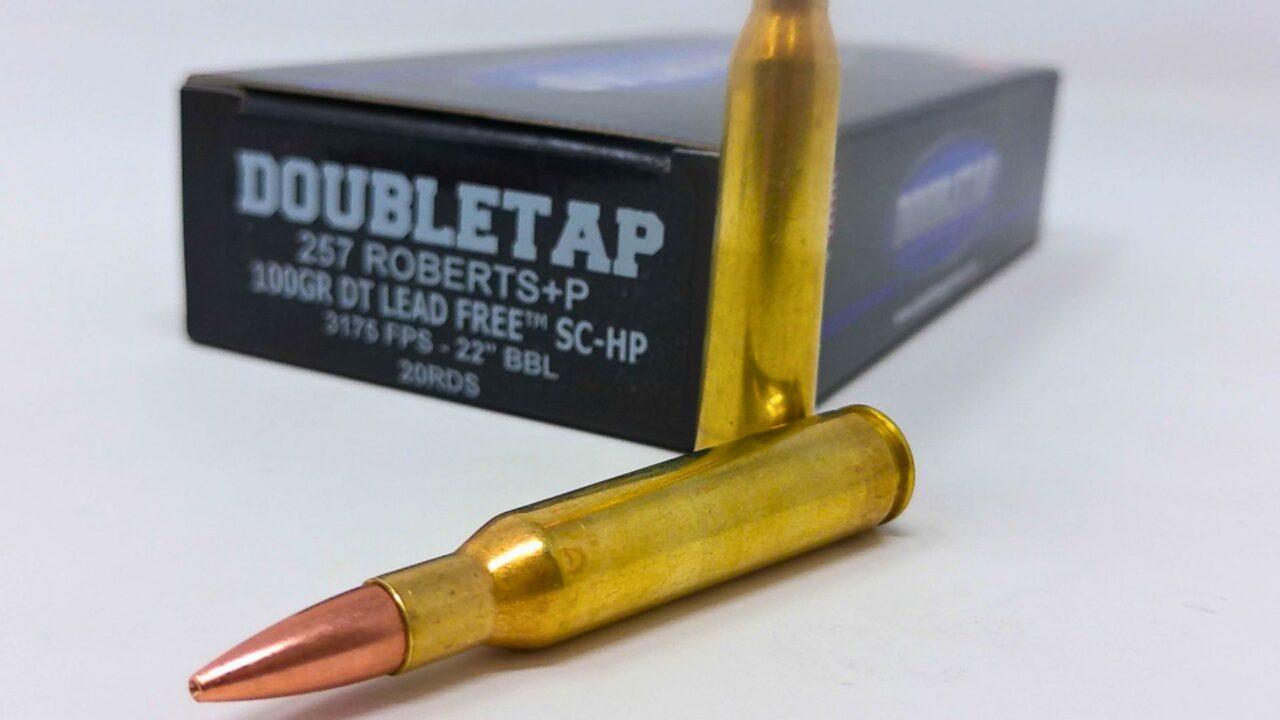
The .257 Roberts keeps working because it was built around manners. It doesn’t blast the shooter, doesn’t kick hard, and doesn’t shout for attention. It simply offers mild recoil and very useful performance on deer-sized game with the right bullet.
That kind of balance is easy to overlook in a market obsessed with extremes. The Roberts may not be easy to find in every store, and rifle options are limited compared with more popular calibers. But hunters who use it often appreciate how naturally it performs. It is accurate, pleasant, and effective when used within its limits. After the hype fades from newer mild-recoil rounds, the .257 Roberts still quietly makes sense.
.300 Savage
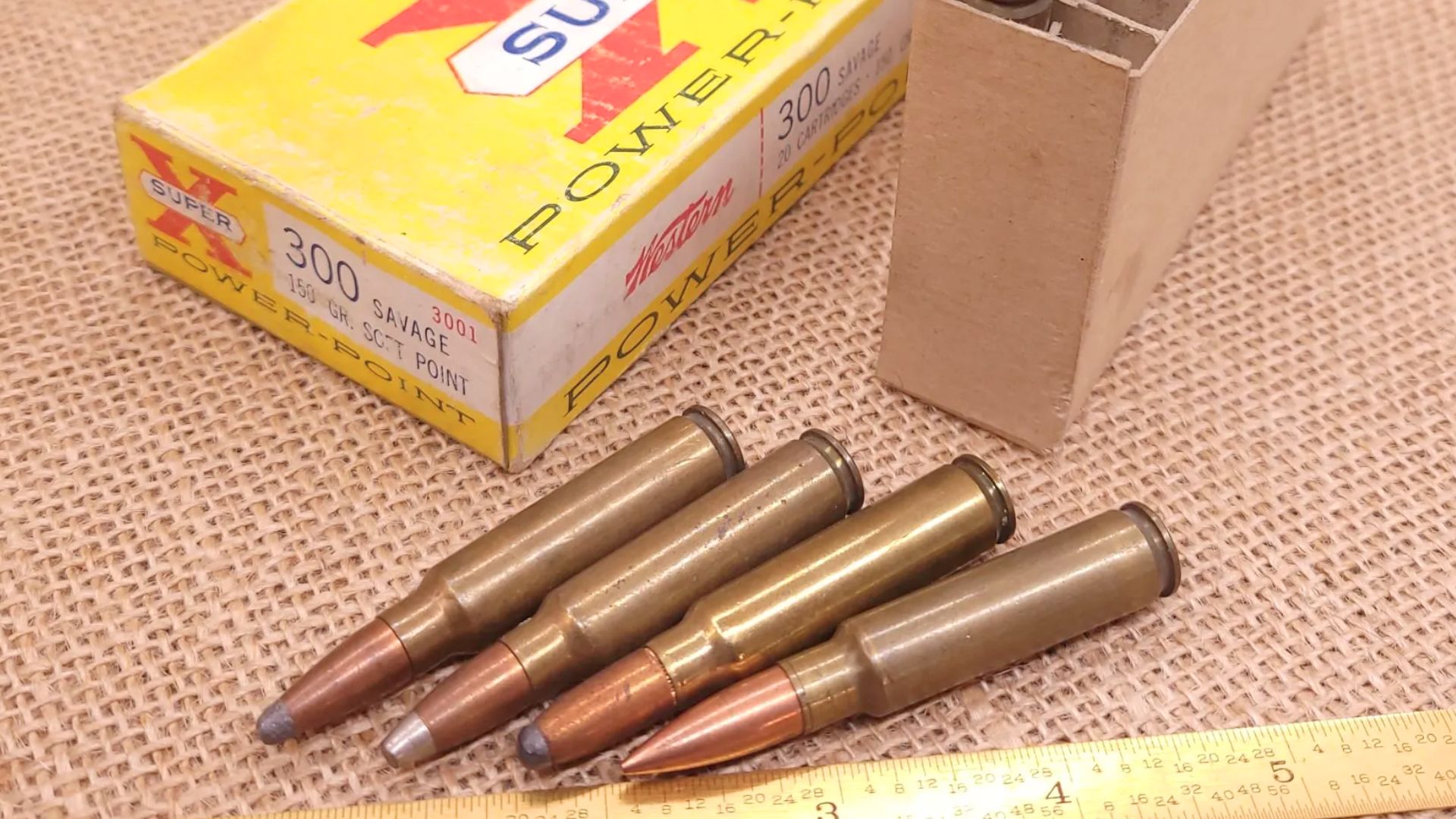
The .300 Savage keeps working because deer rifles do not care whether a cartridge is fashionable. It may be overshadowed by the .308 Winchester, but it did not become ineffective just because a newer, more supported cartridge took over the spotlight.
In rifles like the Savage 99, the .300 Savage has a long record of clean deer hunting performance. It offers enough authority for normal hunting distances while keeping recoil manageable. Ammunition availability is not what it once was, so it may not be the easiest modern choice. But as a cartridge, it still does the work it was designed for. The hype faded a long time ago. The performance did not.
6.5×55 Swedish

The 6.5×55 Swedish has outlasted hype by being mild, accurate, and quietly effective. Long before modern shooters got excited about 6.5mm bullets, the Swede was already proving what efficient bullets and manageable recoil could do.
In suitable modern rifles and with appropriate loads, the 6.5×55 can be excellent on deer, antelope, and even larger game with careful shot placement and proper bullets. It is known for deep penetration and pleasant shooting manners. Load pressures can vary depending on older rifles, so ammunition choice and firearm condition matter. But the cartridge’s basic strengths are still real. It keeps working because good bullet design and shootability have always mattered.
7x57mm Mauser

The 7x57mm Mauser is another old hunting caliber that keeps surviving because it gets the important things right. It is mild enough to shoot well, efficient enough to perform cleanly, and historically proven on a wide range of game. It may not look modern, but it has excellent bones.
With proper bullets and suitable rifles, the 7×57 is effective on deer, antelope, and larger game where appropriate. Like many older cartridges, it requires awareness of the rifle being used, because load levels can vary for older actions. But when everything is matched correctly, the cartridge is wonderfully capable. It keeps working after the hype fades because it was never built around hype to begin with.
.338 Winchester Magnum

The .338 Winchester Magnum has never needed trendy marketing to prove itself. It’s a serious big-game cartridge for hunters who need more bullet weight and authority than standard deer rounds provide. Because it has been around so long, it sometimes gets ignored beside newer magnums.
That is shortsighted. The .338 Win. Mag. remains a strong choice for elk, moose, bear, and larger game in appropriate conditions. It shoots flatter than many big-bore woods rounds while hitting harder than standard .30-caliber hunting cartridges. Recoil is real, and not every hunter needs it. But for those who do, the cartridge keeps working because it provides a meaningful step up without becoming overly exotic.
.444 Marlin
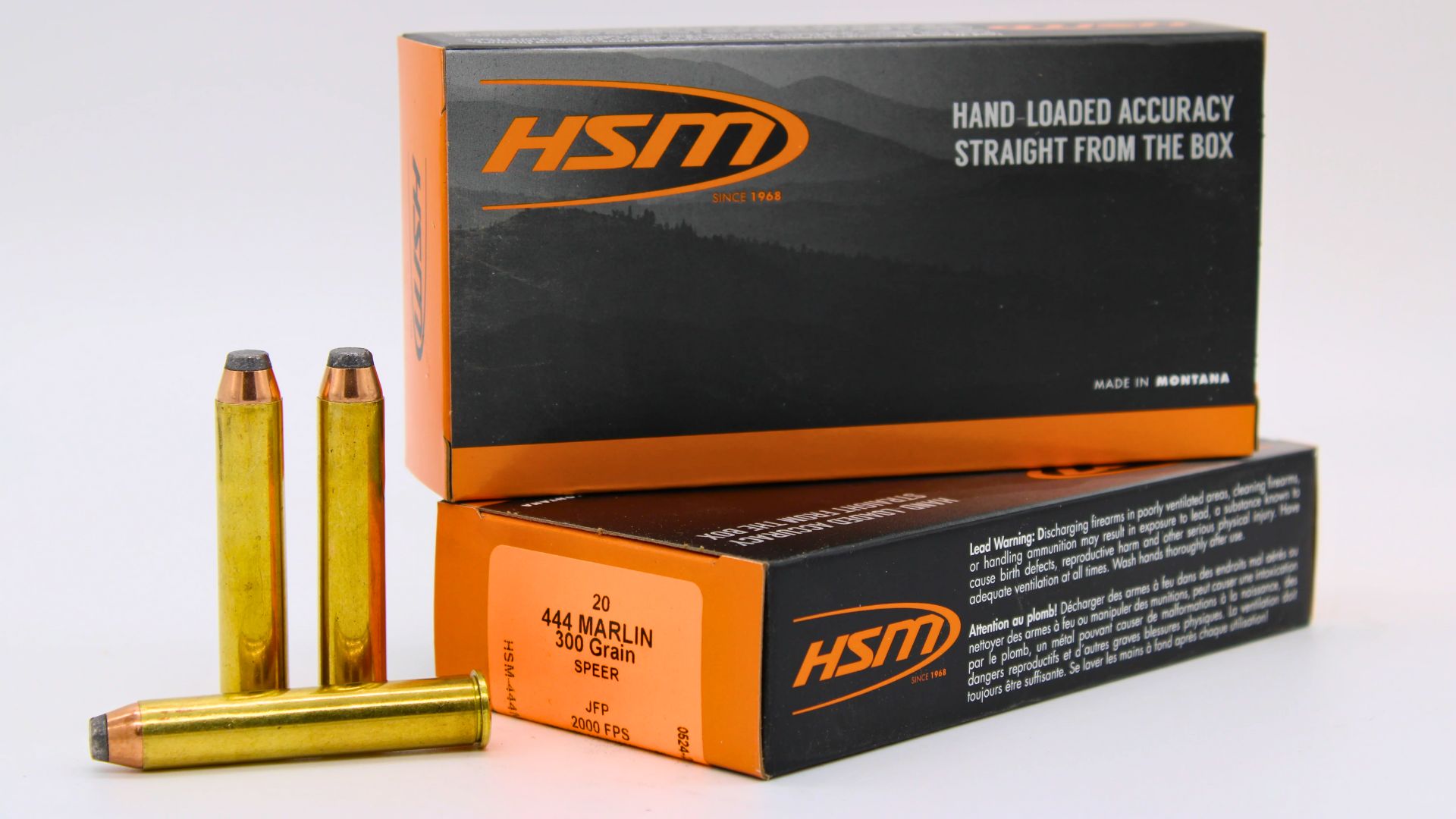
The .444 Marlin keeps working in a role that newer hype rarely understands. It is a big-bore lever-action cartridge built for impact at close to moderate ranges. It does not need to win long-range charts because that was never its job.
In thick cover, the .444 Marlin brings serious authority for deer, hogs, black bear, and larger game where legal and appropriate. It offers heavy-hitting performance in rifles that still carry quickly. Ammunition support is not as broad as more common rounds, which limits its convenience. But hunters who use it know what it does. The cartridge keeps working because there is still a place for a powerful lever gun that hits hard without apology.
Like The Avid Outdoorsman’s content? Be sure to follow us.
Here’s more from us: