Photo credit: The Avid Outdoorsman
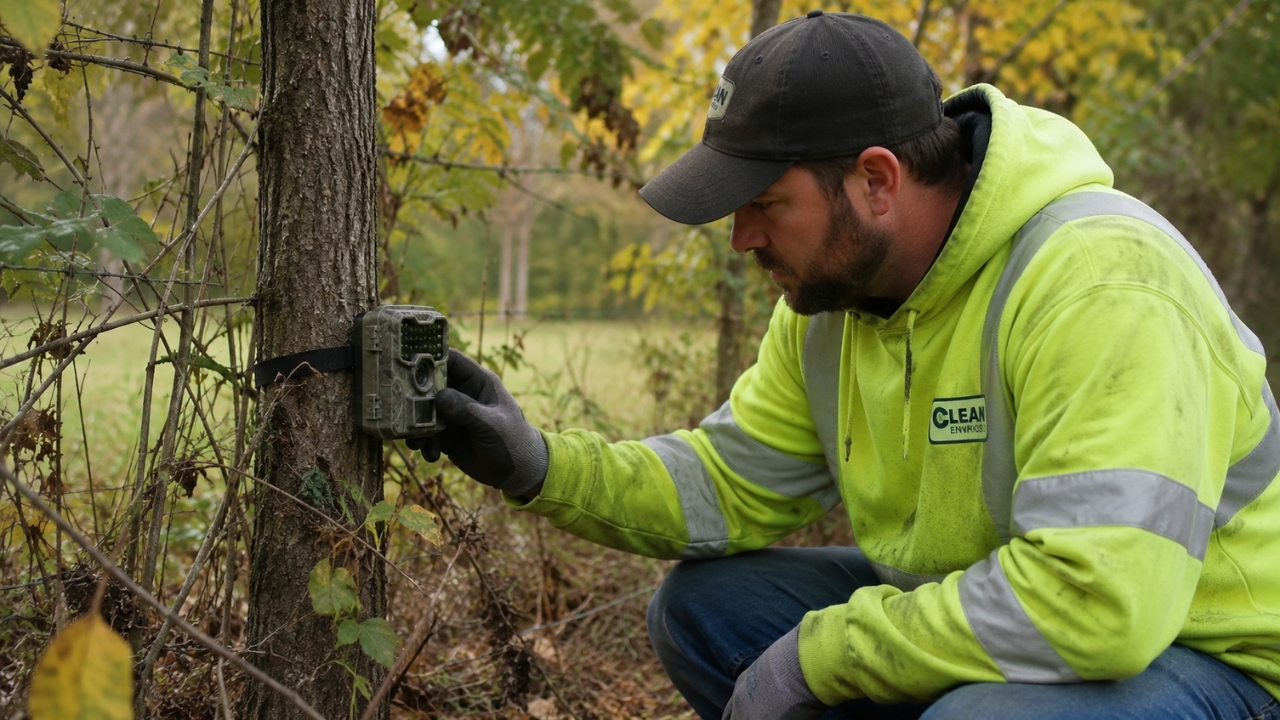
A worker in Tennessee found something on company-maintained property that immediately raised questions: a game camera that apparently did not belong there.
According to the Reddit post, the worker discovered the camera on land connected to his company. It was not clear who placed it there, why they placed it there, or whether it had been recording people, vehicles, or wildlife. But because it was a game camera, one possibility seemed obvious.
Someone may have been scouting the property.
The poster shared the situation in a Reddit thread and asked what the company could legally do about a game camera found on property it maintained: https://www.reddit.com/r/legaladvice/comments/3phj3t/tn_someone_put_a_game_camera_on_property_that_my/
A camera in the woods is not always harmless
Trail cameras and game cameras are common tools for hunters, landowners, and wildlife watchers.
On land where they are supposed to be, they are useful. They show deer movement, trespassers, predators, livestock issues, or general activity on a property.
But when one appears on land without permission, the whole situation changes.
A camera can feel like evidence that someone has already been there more than once. They may have walked the property, picked a spot, mounted the camera, and planned to return later to check the footage.
That makes the discovery more unsettling than finding a random piece of trash.
The camera may reveal patterns. It may show when workers come and go. It may capture vehicles, license plates, gates, equipment, or access points. If the person who placed it is a hunter, it may also mean they are deciding where to hunt without authorization.
That possibility puts the property owner or company in an awkward position.
Do they remove it? Leave it and monitor who comes back? Turn it over to law enforcement? Put up signs? Contact a game warden?
The hunting angle made it more suspicious
A game camera does not prove someone is hunting illegally.
But it can point in that direction.
People do not usually place game cameras randomly. They place them where they expect wildlife movement, especially deer. If the camera is on land where the person has no right to be, it may be part of a larger trespassing problem.
That is why this story fits the same pattern rural landowners know well.
First there is a camera. Then there may be boot tracks. Then a tree stand. Then a truck parked nearby. Then someone claims they thought they had permission or that they have hunted there for years.
The earlier a property owner deals with it, the easier it may be to stop the pattern.
Waiting too long can let the stranger believe nobody cares or nobody is watching.
Commenters focused on ownership and documentation
Commenters were careful about the fact that even an unauthorized camera may still be someone else’s property.
That creates the same practical problem landowners run into with deer stands, blinds, feeders, and other equipment. Just because something is placed illegally does not always mean the landowner should smash it, keep it, or treat it as abandoned without checking local rules.
The safer advice was to document it first.
Take photos. Mark the location. Note the date. Check whether the property is posted. Find out who actually owns or controls the land. Then involve the appropriate people, whether that is company leadership, the property owner, local law enforcement, or a game warden.
Some commenters suggested that if hunting was suspected, wildlife officers might be especially useful. A game warden would understand why a hidden camera on private or company property could be more than a privacy concern.
It could be part of unauthorized scouting.
The camera raised privacy questions too
Even if hunting was not involved, the camera still created a privacy problem.
A person placing a camera on land they do not own may capture workers going about their day. Depending on where it is aimed, it might record entrances, equipment, work areas, parking spots, or private routines.
That can make people feel watched on property where they should not have to wonder who is recording them.
The strange thing about game cameras is that they can sit quietly for weeks. Nobody has to be there in person. The person who placed it may return later, collect the memory card, and leave without anyone noticing.
That is why finding one can be so unsettling.
It suggests someone else may know more about activity on the property than they should.
The real question was who would come back for it
The camera itself was only half the story.
The bigger question was whether someone planned to return.
If a hunter or trespasser placed it there, they may come back to check it. That could create an opportunity to identify them, but it could also create a confrontation. If the property is rural or wooded, that confrontation may happen out of sight of others.
That is why the best response is usually controlled and documented, not emotional.
A company worker should not have to personally turn detective or get into a dispute with whoever placed the camera. The right move is to alert the people responsible for the property and let them decide whether to involve law enforcement or wildlife officers.
For landowners, companies, and rural workers, the lesson is simple: a game camera on your land without permission is not just a gadget.
It may be the first sign that someone has already decided your property is useful to them.
Like The Avid Outdoorsman’s content? Subscribe to our newsletter so you never miss an article.
Here’s more from us: