Photo credit: Lucky Gunner Ammo/Youtube
Shooters love arguing about what counts as “enough.” Enough power. Enough capacity. Enough penetration. Enough recoil control. Enough confidence. The problem is that “enough” changes depending on the gun, the shooter, the load, and the job.
Some handgun rounds force that conversation to get more honest. A smaller cartridge may prove more useful because the shooter can actually control it. A bigger one may prove its worth in the woods. An old round may still do practical work long after people call it outdated. These handgun rounds make shooters rethink what “enough” really means.
.380 ACP
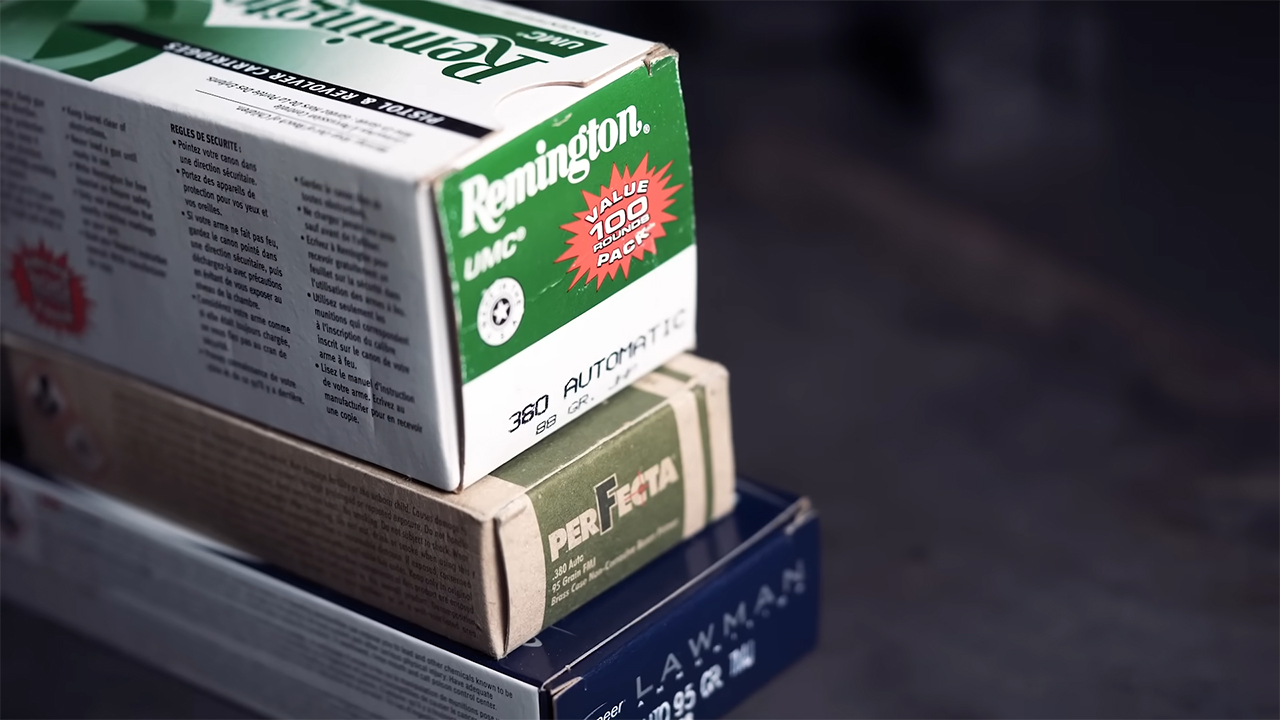
The .380 ACP makes shooters rethink “enough” because it forces them to balance power against carry comfort and recoil control. It is not as powerful as 9mm, and that matters. But it also allows smaller pistols, softer recoil in the right platform, and easier concealment for people who might not carry a larger gun consistently.
That is where the conversation gets more practical. A shooter who practices regularly with a manageable .380 may be better prepared than someone who owns a snappy micro 9mm they avoid shooting. Modern defensive loads have improved the cartridge’s usefulness, though it still has limits. The .380 is not the answer for everyone, but it reminds shooters that “enough” includes what a person can actually carry and shoot well.
.38 Special
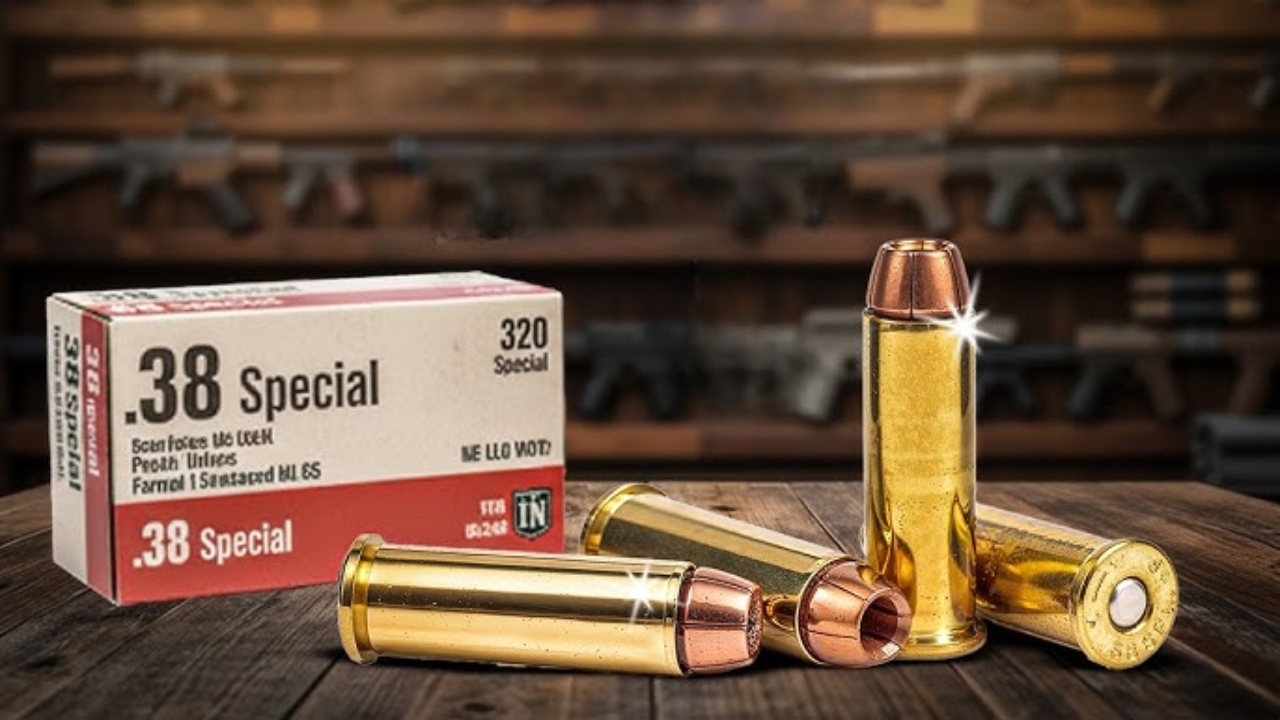
The .38 Special has been making shooters rethink “enough” for generations. It is mild, old, and tied to revolvers in a world where high-capacity semi-autos dominate. On paper, it doesn’t look impressive beside 9mm, .357 Magnum, or modern duty rounds.
Then someone spends time with a good revolver and remembers how useful control can be. In a medium-frame gun, .38 Special is accurate, comfortable, and excellent for training. In a lightweight snubnose, it is often far more realistic than .357 Magnum for repeatable practice. Good wadcutters and quality defensive loads keep it relevant. It may not be exciting, but it proves that enough power paired with enough control can still make sense.
9mm Luger

The 9mm Luger makes shooters rethink “enough” from the opposite direction. For years, some shooters dismissed it as less serious than .40 S&W, .45 ACP, or magnum revolver cartridges. Then improved bullet design, better training habits, and the practical advantages of capacity and recoil control pushed 9mm back to the center of the conversation.
Its strength is balance. It offers manageable recoil, broad ammunition support, strong modern defensive-load performance, and enough capacity in compact pistols to make sense for carry and home defense. It is not the most powerful handgun round, but it doesn’t need to be. The 9mm forces shooters to admit that enough is not only about bullet size. It is about hits, follow-up shots, practice, and consistency.
.357 Magnum

The .357 Magnum makes shooters rethink “enough” because it shows how much platform matters. In a tiny revolver, it can be loud, sharp, and unpleasant enough that many shooters perform poorly with it. In a medium or large revolver, it becomes one of the most flexible handgun rounds ever made.
That flexibility is the point. It can serve for defense, woods carry, hunting where legal and appropriate, and general field use. In lever-action carbines, it gains even more usefulness. The ability to shoot .38 Special in the same firearm makes practice easier and cheaper. The .357 Magnum reminds shooters that “enough” depends on whether the gun gives them enough control to use the power well.
.327 Federal Magnum
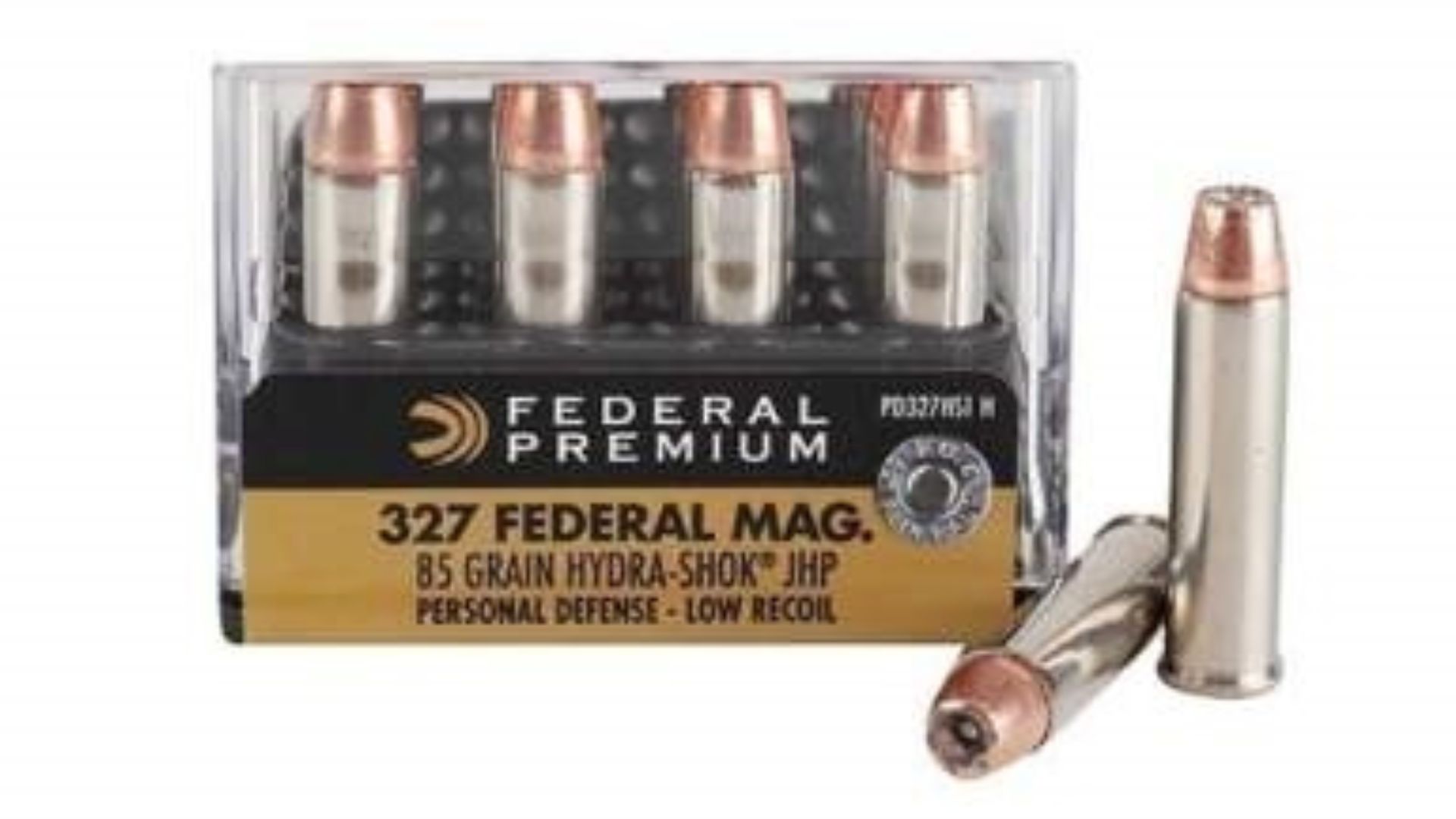
The .327 Federal Magnum makes shooters rethink “enough” because it challenges the idea that small revolver cartridges are automatically weak. It is fast, flat-shooting for a revolver round, and more capable than its size suggests. It also offers a major practical advantage in some compact revolvers: six rounds where .357 versions may only hold five.
That extra round matters, but so does recoil control. The .327 can be snappy, yet many shooters find it easier to manage than full-power .357 Magnum in small revolvers. It can also offer flexibility with milder .32-caliber cartridges in compatible guns. It is not as common as it should be, and ammunition availability can be a problem. But it makes a strong case that “enough” may come from speed, control, and capacity together.
.40 S&W
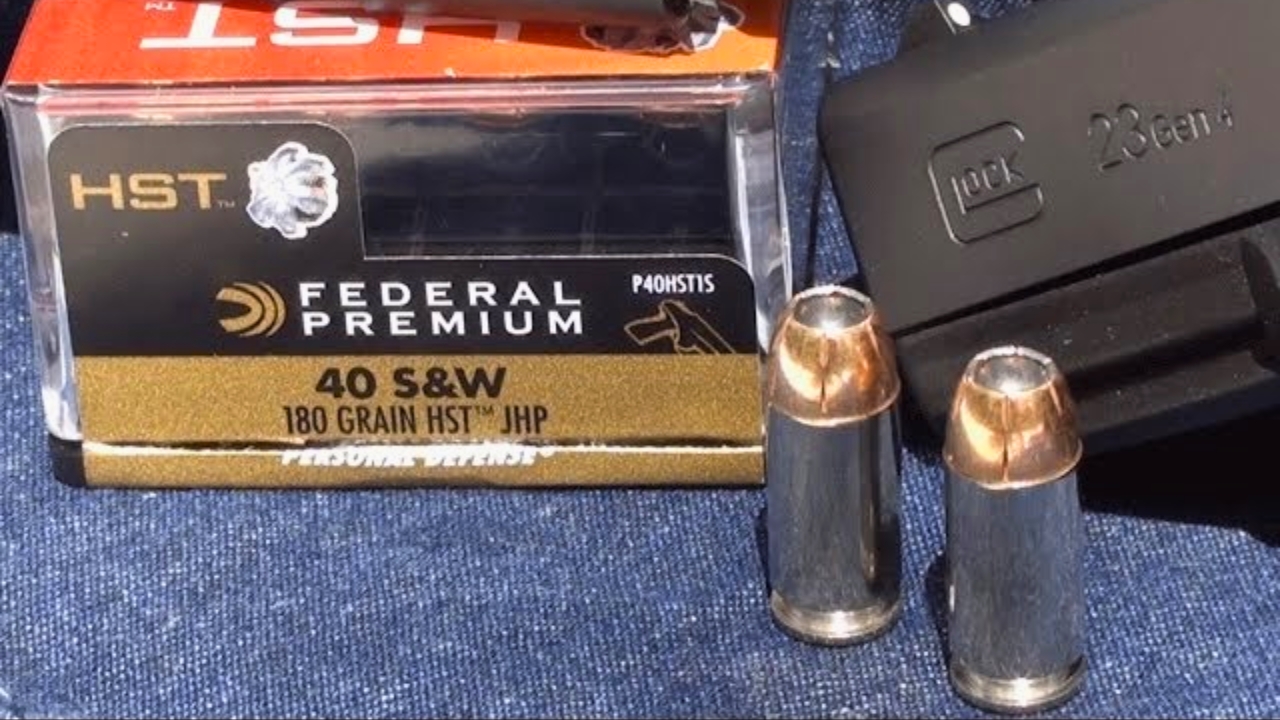
The .40 S&W makes shooters rethink “enough” because it once defined the middle ground between 9mm and .45 ACP, then got rejected hard when 9mm came roaring back. A lot of that shift made sense. The .40 is snappier, often more expensive to practice with, and harder for some people to shoot as quickly.
But dismissing it entirely goes too far. In a full-size pistol with a trained shooter, .40 S&W still brings heavier bullets and solid performance. Used pistols chambered in .40 can also be very affordable because the market moved away from them. It may not be the best choice for everyone, but it is far from useless. The .40 reminds shooters that “enough” can change with training, gun size, and recoil tolerance.
.45 ACP

The .45 ACP has always sat at the center of the “enough” debate. Some shooters treat it like a magic answer. Others dismiss it because modern 9mm offers more capacity, less recoil, and cheaper practice. The truth is more grounded than either side likes.
The .45 ACP is a big, moderate-pressure cartridge that can be very pleasant in the right pistol. In a full-size 1911, SIG, HK, or similar platform, it often recoils with a push instead of a snap. It is accurate, proven, and useful for range work, home defense, and suppressor hosts where legal. It does give up capacity and costs more to shoot. But it makes shooters ask whether enough means more rounds, bigger bullets, or the gun they shoot with the most confidence.
10mm Auto
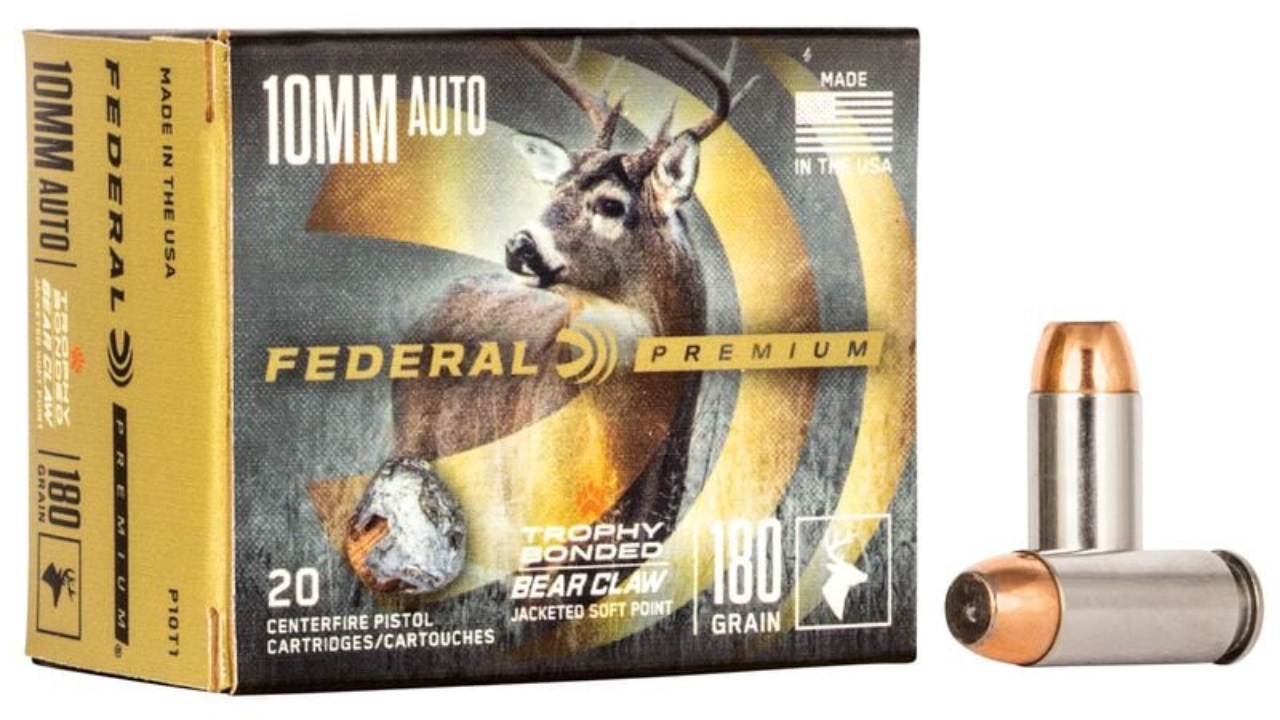
The 10mm Auto makes shooters rethink “enough” because it sits closer to the edge of what many people can use well in a semi-auto handgun. Loaded properly, it delivers serious performance for woods carry, hunting sidearm roles, and situations where common defensive rounds may feel light. That extra authority is real.
So are the tradeoffs. Full-power 10mm has more recoil, more blast, and higher ammunition cost than 9mm or .45 ACP. Some factory loads are watered down enough that they don’t fully justify the cartridge’s reputation. A shooter needs the right pistol and enough practice to use it well. The 10mm reminds people that more power can be useful, but only if the shooter can control it honestly.
.44 Special
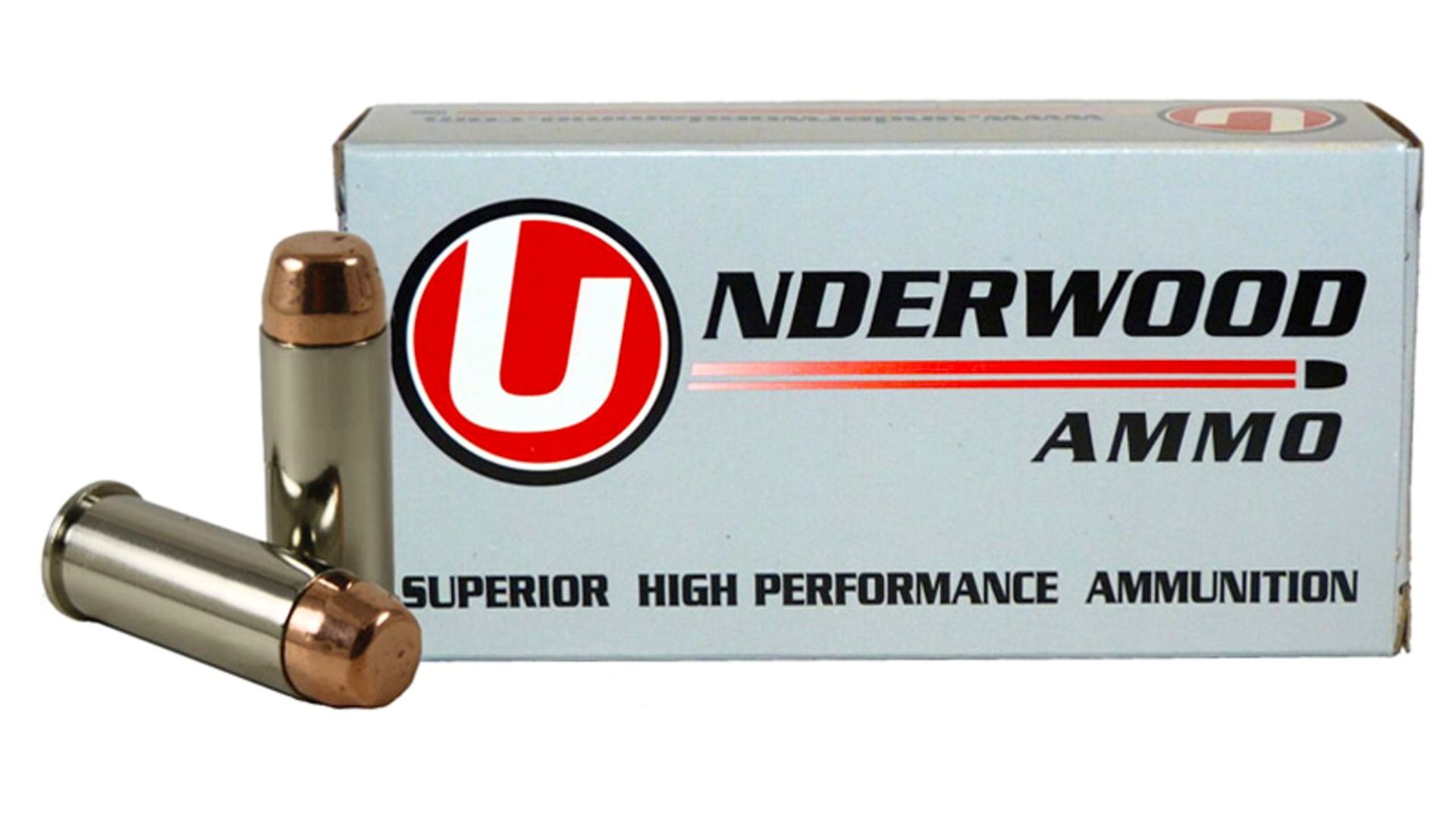
The .44 Special makes shooters rethink “enough” because it proves big-bore performance does not have to be punishing. It lives in the shadow of .44 Magnum, which makes it easy to overlook. But the Special’s mild, accurate nature is exactly why many revolver shooters love it.
In the right handgun, .44 Special is controllable, pleasant, and still throws a large-diameter bullet. It works well for field carry, defensive revolvers, and range use, especially for handloaders who appreciate its flexibility. It is not as common as .38 Special or as powerful as .44 Magnum, but it fills a sweet spot. The .44 Special asks a fair question: if a round is accurate, controllable, and capable, how much more do you really need?
.44 Magnum
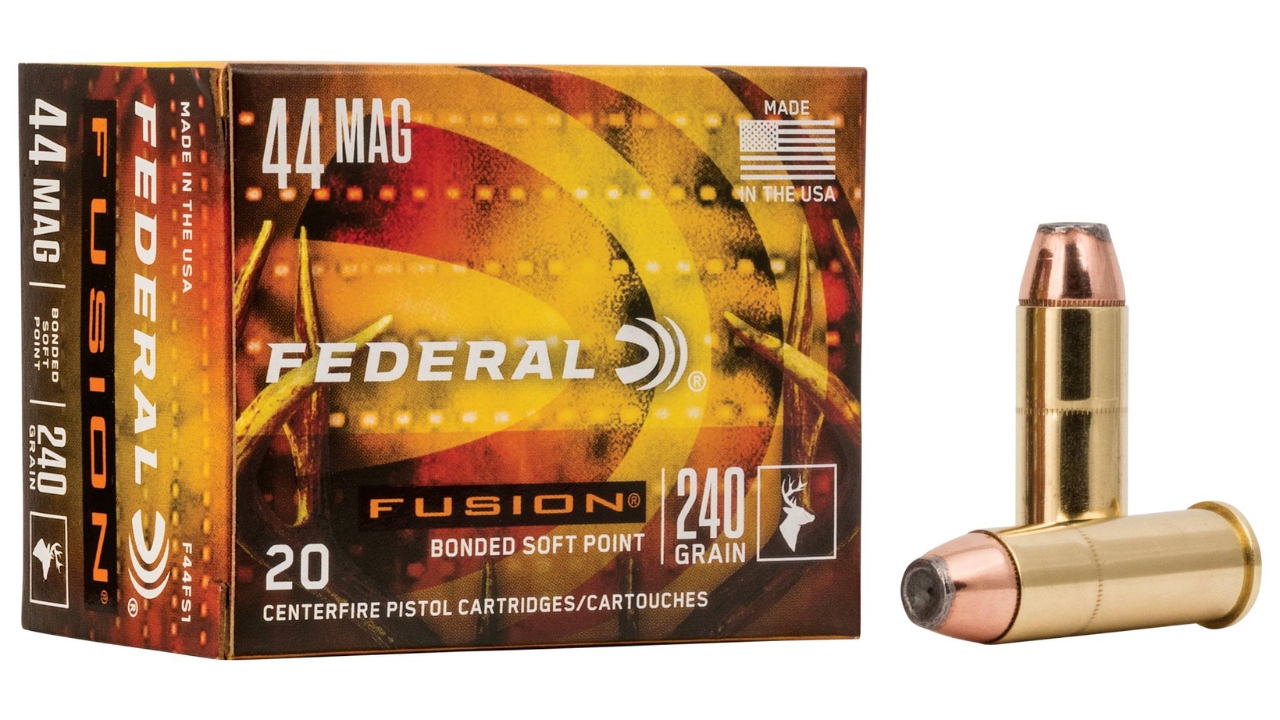
The .44 Magnum makes shooters rethink “enough” because it often gives them more than they expected. It is famous, loud, and powerful, but it can also be too much in light revolvers or inexperienced hands. That’s where honesty matters.
In the right revolver, with the right load, .44 Magnum is a serious hunting and field cartridge. It can handle deer, hogs, black bear, and outdoors use where legal and appropriate. It also offers flexibility because most .44 Magnum revolvers can shoot .44 Special for easier practice. The cartridge proves that power has a place, especially in the woods. It also proves that “enough” can become “too much” if the shooter cannot manage it.
.32 H&R Magnum

The .32 H&R Magnum makes shooters rethink “enough” by being less dramatic than its name suggests. It doesn’t roar like larger magnums, and it doesn’t carry the reputation of .38 Special. That causes many people to overlook it in small revolvers.
The value is in control. .32 H&R Magnum offers low recoil, good accuracy, and more authority than .32 S&W Long while staying much easier to manage than many small .38s or .357s. In some compact revolvers, it can also allow six rounds instead of five. For recoil-sensitive shooters, older hands, or anyone who wants fast follow-up shots, it may be enough in a very practical way. Sometimes enough means the round a person can actually shoot well.
.45 Colt
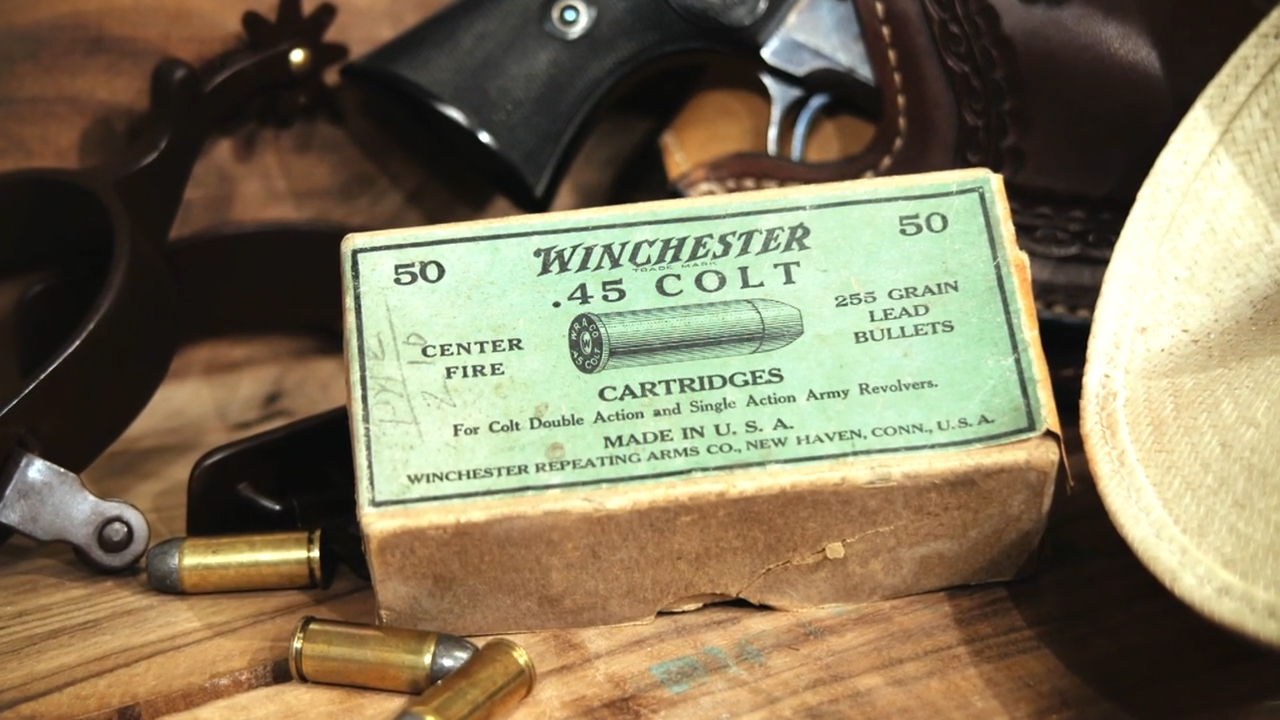
The .45 Colt makes shooters rethink “enough” because it can be mild, powerful, pleasant, or serious depending on the firearm and load. That range creates confusion, but it also makes the cartridge fascinating. Standard-pressure loads in traditional revolvers are very different from heavy loads in strong modern guns.
Used correctly, .45 Colt is one of the most flexible big-bore handgun cartridges around. It can be accurate and gentle in single-action revolvers, or a serious field and hunting cartridge in firearms specifically built for heavier loads. The warning matters: not every .45 Colt gun can handle every .45 Colt load. But that flexibility forces shooters to stop thinking of “enough” as one fixed number.
.22 Magnum
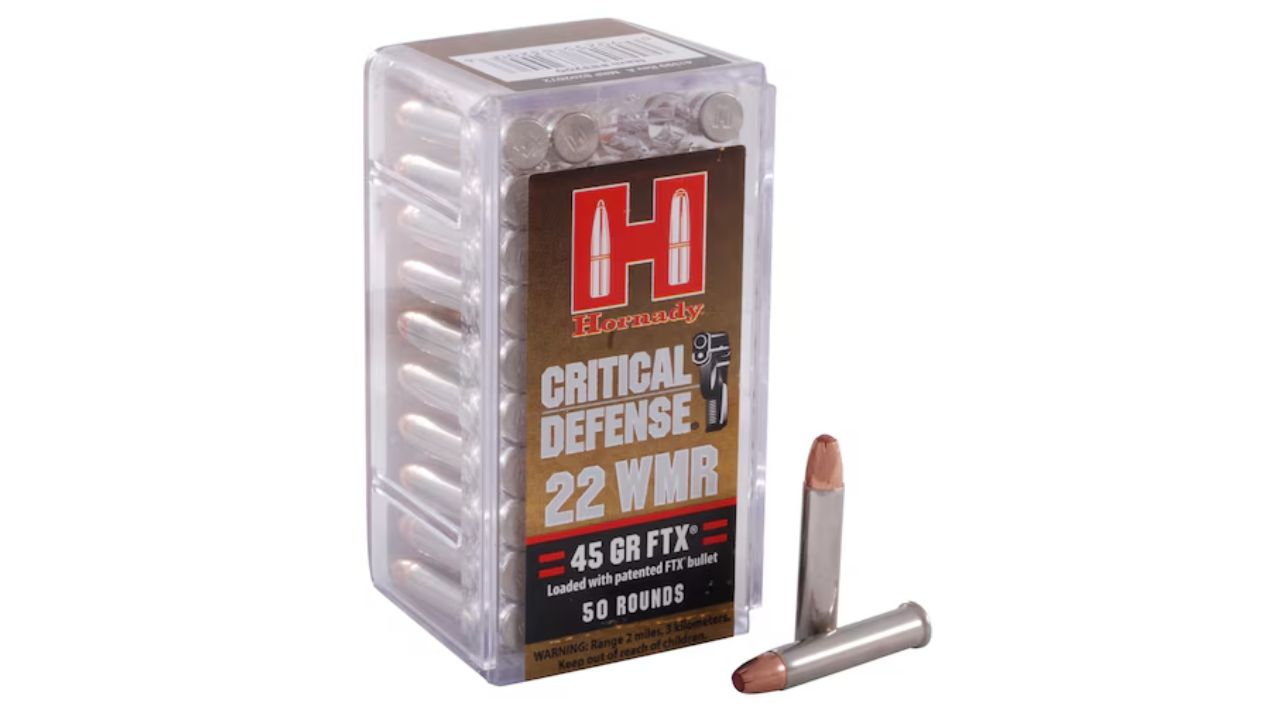
The .22 Magnum makes shooters rethink “enough” because it is easy to dismiss as “only a rimfire.” Rimfire ignition is less dependable than centerfire, and that limitation should not be ignored. Still, the cartridge has more practical value than critics often admit.
In revolvers and some small pistols, .22 Magnum offers very low recoil, useful velocity from longer barrels, and more punch than .22 LR. It can be useful for trail guns, pest control, and shooters who cannot handle larger centerfire recoil. It is not ideal as a primary defensive cartridge if better options are manageable. But for some people, the round they can place accurately may be the one that finally becomes enough.
.41 Magnum

The .41 Magnum makes shooters rethink “enough” because it lives between two louder options. The .357 Magnum is more common and easier to shoot. The .44 Magnum is more famous and more powerful. The .41 gets ignored because it refuses to sit at either extreme.
That middle ground is its strength. For handgun hunting and outdoors carry, .41 Magnum offers serious penetration, strong energy, and a flatter-shooting feel than many expect. It often recoils less than heavy .44 Magnum loads while still hitting much harder than most defensive revolver rounds. Ammo and gun availability are the drawbacks. But for people who use it, the .41 makes “enough” look less like a compromise and more like a sweet spot.
.25 ACP
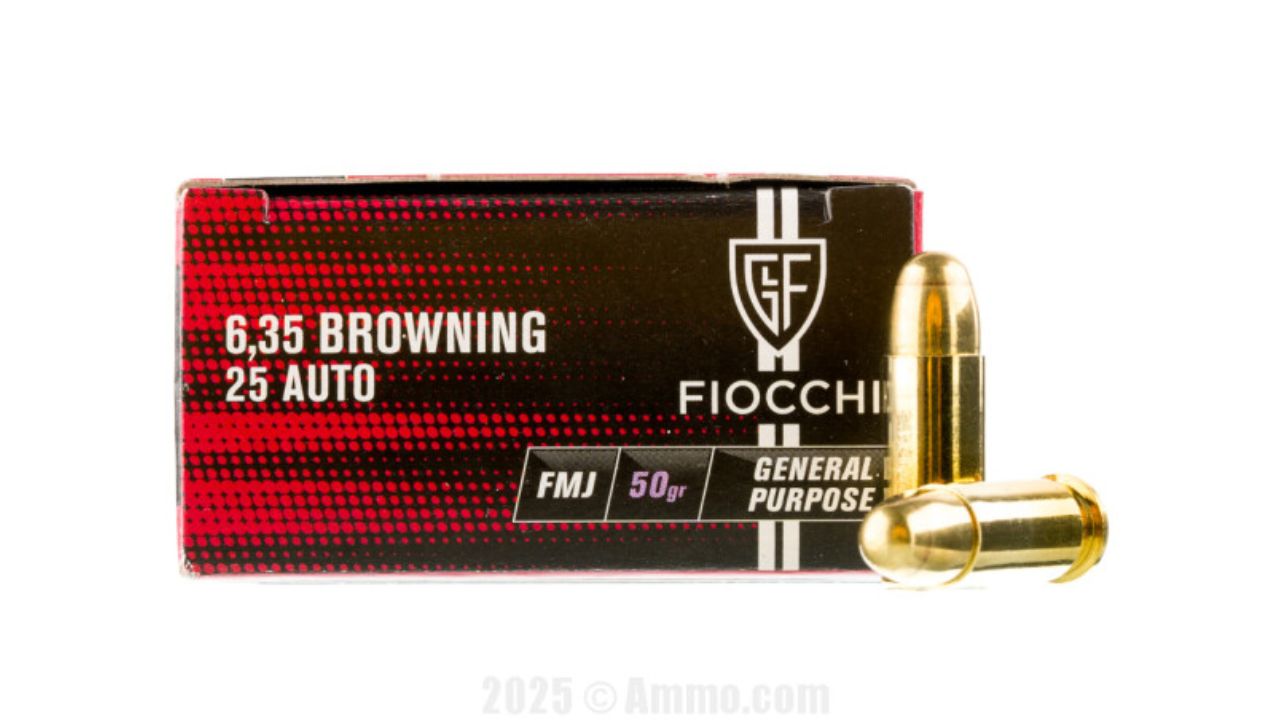
The .25 ACP makes shooters rethink “enough” mostly by showing how much context matters. By modern standards, it is low-powered and far from ideal for defense. Most shooters have better choices today, and nobody should pretend the cartridge is stronger than it is.
But historically, .25 ACP filled a real role. It offered centerfire ignition in very small pocket pistols at a time when tiny rimfire semi-autos were less dependable. That mattered when the alternative was often no gun or a less reliable small rimfire. Today, “enough” usually means choosing something more capable if possible. Still, .25 ACP reminds shooters that a cartridge’s purpose has to be judged against the problem it was built to solve.
Like The Avid Outdoorsman’s content? Be sure to follow us.
Here’s more from us: