
Photo credit: The Workbench/Youtube
Chipping is usually a toughness + geometry problem, not a “you’re doing it wrong” problem. Some knives chip because the steel is pushed too hard (high hardness), some because the edge is too thin for rough work, and some because the design invites side-load and bone contact. If you’re hunting, camping, or doing real outdoor cutting, the knives below are specific examples that can be more chip-prone when used outside their lane — and I’m pairing each one with the spec cues that tend to predict the problem.
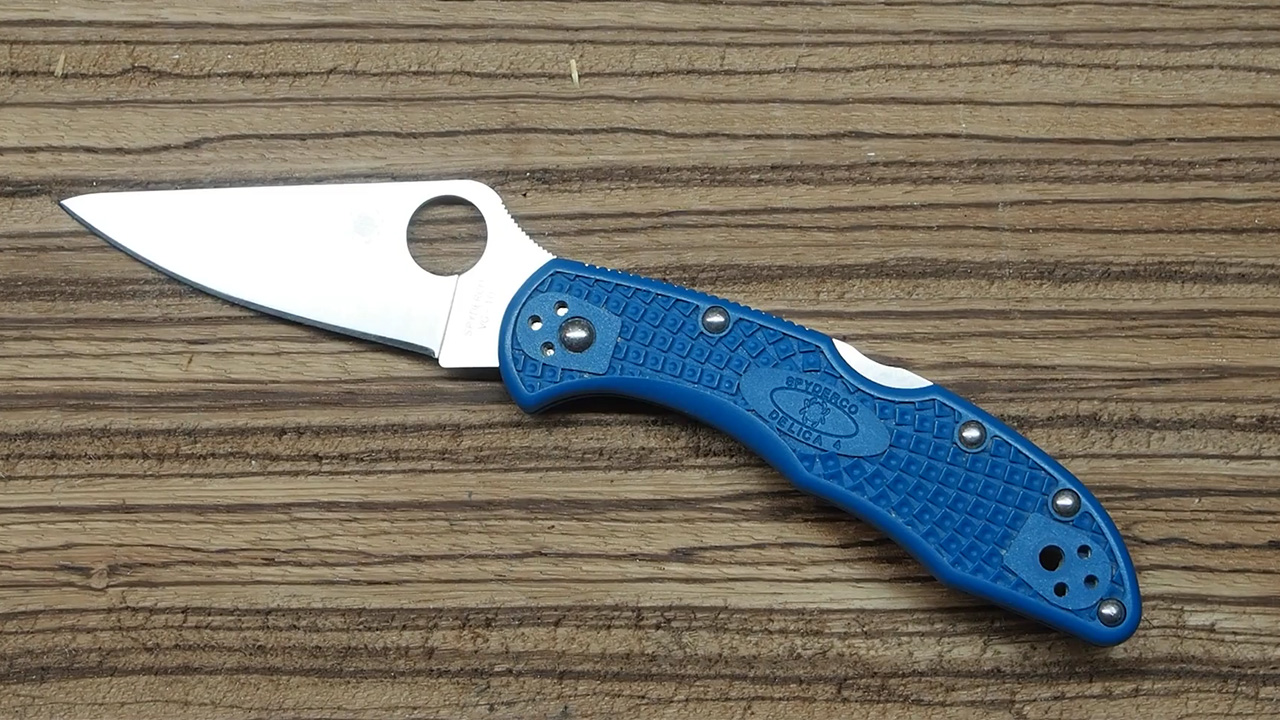
Spyderco Delica 4 (thin geometry, many steels)

The Delica is a great slicer, but it’s easy to chip if you treat it like a hard-use field knife. The thinner blade stock and thin edge geometry are built for efficient cutting, not bone contact or twisting cuts. When people chip these, it’s often because they’re cutting dirty rope, hitting staples, twisting in a cut, or using it on harder materials than it’s meant for.
Avoid in the specs: ultra-thin behind-the-edge geometry paired with high hardness; thin tips; anything marketed as a “laser slicer” if you plan rough work. With the Delica, keep it in the slicing lane and you’ll be fine.
Spyderco Chaparral (very thin “high performance” slicer design)

Chaparrals cut ridiculously well because they’re thin and refined, and that’s the exact reason they can chip if you use them rough. They don’t tolerate side-load, prying, or hard contact well. They’re excellent for clean, controlled cuts, but outdoor use is messy and people naturally twist or torque the blade without meaning to.
Avoid in the specs: very thin grind + fine tip + high hardness. If you see “thin and slicey” highlighted as the feature, expect less forgiveness when you hit hard stuff.
Spyderco Native 5 Salt (LC200N can micro-chip with very thin edges)

LC200N is tough overall and very corrosion-resistant, but if the edge is taken very thin and you run it into hard contact, you can see micro-chipping depending on how it’s sharpened and used. Some users love it because it’s stable and easy to maintain; others notice small chips if they push it like a hard-use knife with an overly acute edge.
Avoid in the specs: very low edge angles (too acute) on thin knives; chasing “razor thin” edges for outdoor use. Tough steel still needs a sensible edge angle if bone and grit are in play.
Benchmade Bugout (thin tip + light build invites misuse)

The Bugout’s blade is thin and the overall knife is light. It’s a great carry knife and a decent cutter, but it gets into trouble when people treat it like a field knife and start making twisting cuts. Chipping isn’t guaranteed, but the thin tip and lighter-duty feel can lead to edge damage when used hard, especially if the knife is sharpened aggressively thin.
Avoid in the specs: thin tips + lightweight construction if you want “rough work.” Also avoid super acute edge angles on a thin folder you might torque.
Benchmade 940 Osborne (strong knife, but narrow edge/tip can punish bad angles)

The 940 is tough for an EDC, but it’s not a “hit bone and twist” knife. The profile and tip geometry can be unforgiving if you push it through hard material and add torque. If you’re using it on game processing and you hit hard contact, you can see edge damage depending on steel and edge angle.
Avoid in the specs: narrow tips and thin edge geometry if you know you’re going to do rough processing. A knife can be high quality and still be the wrong shape for abuse.
Opinel No. 8 (very thin edge, best as a slicer)

Opinels slice like a kitchen knife, which is why people love them for camp food. They can also chip if you hit hard stuff because they’re thin and meant for clean slicing, not rough use. If you cut into bone, twist in wood, or pry, you’re asking a thin edge to survive something it wasn’t designed to do.
Avoid in the specs: ultra-thin blades and “kitchen-like” geometry if you want a rough-use camp knife. Opinels are awesome—just keep them in the food lane.
CRKT CEO (slim blade, fragile tip)

This knife is built for light, clean cutting. The long, narrow blade and fine tip can chip or bend when stressed, especially if someone uses it on tough material or twists it. It’s not a steel thing as much as a geometry and intent thing.
Avoid in the specs: very narrow, needle-ish tips; “ultra slim” designs; anything marketed as dress/office carry if you want camp work.
Kizer Feist (often thin, slicey profiles)

The Feist is designed as a sleek cutter, and many versions are ground thin. That makes it a great slicer, but it also means it’s not the best choice for rough outdoor cutting where you might hit grit, bone, or hard inclusions. Chip complaints often come from people pushing these knives beyond normal EDC use.
Avoid in the specs: thin stock + thin edge + higher hardness + “premium” steel optimized for wear resistance more than toughness.
Japanese VG-10 kitchen knives used at camp (thin edges, high hardness)
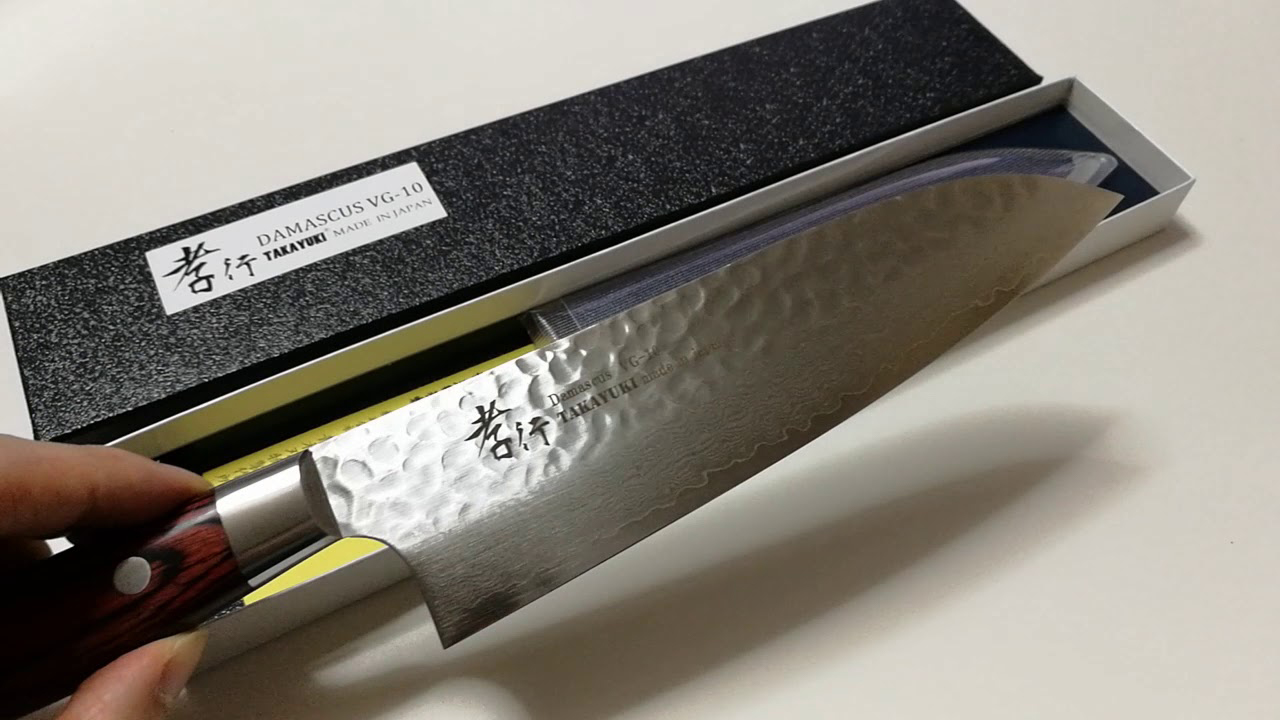
A lot of VG-10 kitchen knives are hardened and ground thin for slicing performance. At home, on a proper board, they’re great. At camp, people cut on rough surfaces, hit bone, or scrape boards. That’s when chipping shows up fast.
Avoid in the specs: high hardness kitchen knives (often in the 60+ HRC range) with very thin edges, especially if you won’t always have a proper cutting surface.
Shun Classic chef’s knives (VG-MAX / very thin, kitchen-focused)

Shun knives are famous for being sharp and refined, and they can also chip if misused—especially on bone, frozen food, or hard contact. They’re not made for field abuse, and camp environments basically encourage field abuse. If you take one camping and treat it like a camp knife, you’re likely to find small chips sooner than you’d like.
Avoid in the specs: “very hard” kitchen steel + thin edge + fine tip, especially if you’re not meticulous about cutting boards and technique.
Tojiro DP Gyuto (VG-10 core, thin kitchen geometry)

Tojiro DP is a fantastic value kitchen knife, but it’s still a kitchen knife. Used on bone, gritty meat, or hard surfaces, VG-10 core knives can chip. People love them because they cut so well, but that performance comes from thin geometry that’s less forgiving when you introduce bone and camp chaos.
Avoid in the specs: thin Japanese chef knives for general outdoor use unless you’re disciplined about surfaces and you keep them strictly for food slicing.
Havalon Piranta-Edge (replaceable scalpel blades can chip/snap)

Havalon blades aren’t “chipping” in the same way as thick knife edges—they’re thin scalpel blades that can nick, chip, or snap when they hit bone or get twisted. They’re incredible for hide and fine work, but they’re not the tool for joint work or anything that might lever the edge.
Avoid in the specs: very thin replaceable blades as your only processing tool. Use them for caping/skin work and carry a sturdier knife for bone contact.
Outdoor Edge RazorLite (replaceable blades—great cutters, fragile around bone)

Same idea as Havalon: extremely sharp, extremely efficient, but the blades are thin and can chip or snap if you hit bone and twist or if you try to do too much with one blade. Hunters love these tools when they stay in the slicing lane. They hate them when they expect them to do heavy work.
Avoid in the specs: replaceable scalpel-style blades if you’re rough on tools or you want one knife to handle everything.
Benchmade Meatcrafter (thin slicing geometry is not bone-forgiving)

The Meatcrafter is designed to slice meat cleanly and efficiently. That thin, slicing-focused geometry is exactly why it can get edge damage if you hit bone or do camp-style “scrape and chop” motions. It’s an excellent processing knife when used correctly. It’s not the knife you want for careless contact with joints and bones.
Avoid in the specs: thin meat processing blades if you’re expecting to hit bone often. They’re made for clean separation, not bone impacts.
Spyderco Kitchen Utility / thin kitchen-style blades (general example: thin, hard, slicey)

Spyderco’s kitchen-oriented thin blades cut extremely well, but like most thin kitchen knives, they can chip if you hit hard contact or scrape on hard surfaces. The problem isn’t quality — it’s that thin, hard edges are designed for controlled cutting, not camp surfaces and bone taps.
Avoid in the specs: thin, hard, kitchen-geometry knives for general camp abuse. If you bring them, bring a proper board and keep them in the food-only lane.
Like The Avid Outdoorsman’s content? Subscribe to our newsletter so you never miss an article.
Here’s more from us:


